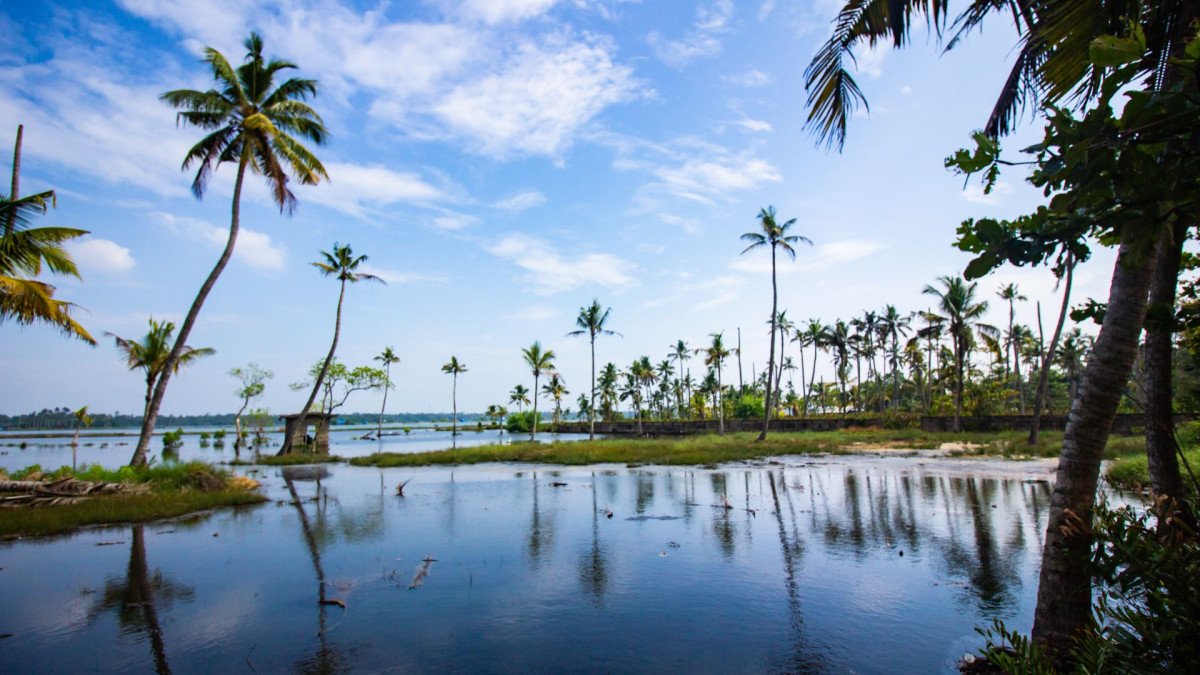
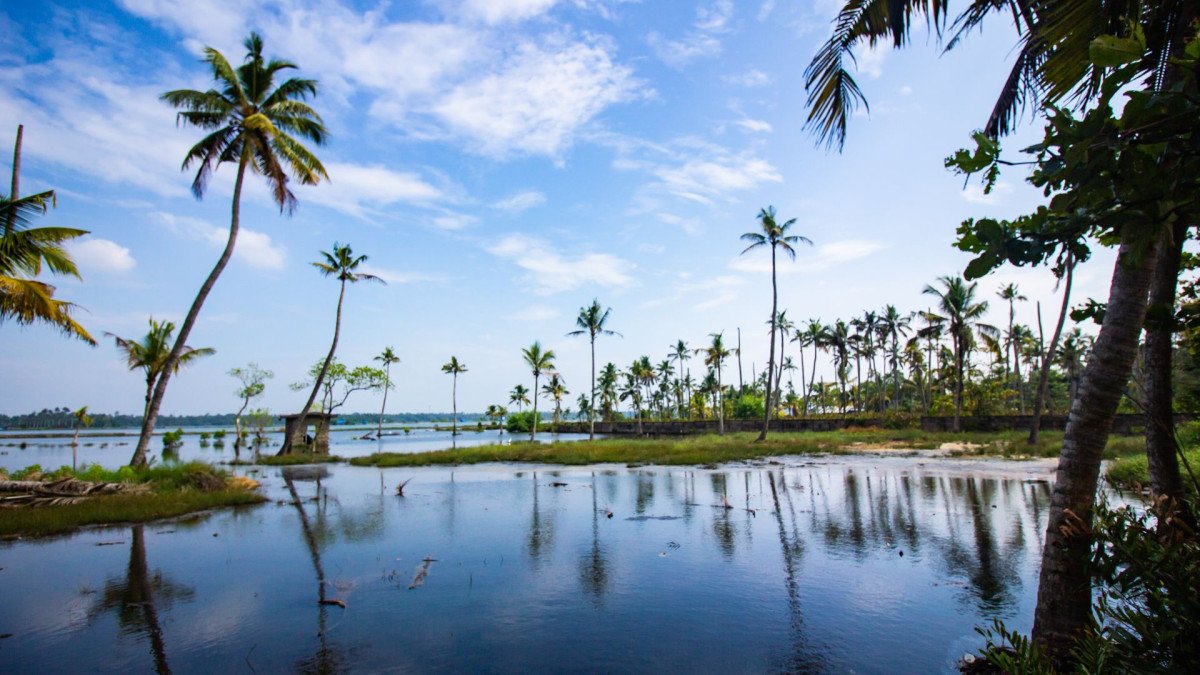
Amar Sagar Lake
General information
-
Ideal Duration:
2 to 3 HoursPlace Type:
Historical Lake & Picnic SpotEntry Fees:
Affordable Access for All: There is currently no entry fee to visit the Amar Sagar Lake itself, making it accessible to everyone.
Boating Charges: If you opt for boating, there is a nominal fee of approximately 50 to 100 Rupees per person d...Affordable Access for All: There is currently no entry fee to visit the Amar Sagar Lake itself, making it accessible to everyone.
Boating Charges: If you opt for boating, there is a nominal fee of approximately 50 to 100 Rupees per person depending on the duration.
Temple Offerings: While entry to the temple is free, visitors often make small voluntary donations for the maintenance of the shrine.Timing:
Regular Timings: The lake is open to the public from 05:00 AM to 07:00 PM daily.
Ideal Visit Time: The best time to visit is in the early morning for bird watching or late afternoon (around 04:00 PM) to enjoy the cool breeze and the sunset....Regular Timings: The lake is open to the public from 05:00 AM to 07:00 PM daily.
Ideal Visit Time: The best time to visit is in the early morning for bird watching or late afternoon (around 04:00 PM) to enjoy the cool breeze and the sunset. The temple usually follows standard timings, opening at 06:00 AM and closing by 08:00 PM.Special Events:
Makar Sankranti Fair: Every year in January, a grand fair is organized near the lake to celebrate Makar Sankranti. This event draws thousands of visitors who participate in holy dips and traditional rituals.
Basant Panchami: In February, t...Makar Sankranti Fair: Every year in January, a grand fair is organized near the lake to celebrate Makar Sankranti. This event draws thousands of visitors who participate in holy dips and traditional rituals.
Basant Panchami: In February, the Mangal Chandi Temple hosts a special festival dedicated to the goddess, featuring local folk music and colorful decorations.Best Photo Spots:
The Southern Ghats: The steps leading to the water near the temple provide a classic "Old India" look, perfect for portraits and architectural shots.
The Banyan Tree Corner: A massive, ancient banyan tree on the northern bank serves as a dr...The Southern Ghats: The steps leading to the water near the temple provide a classic "Old India" look, perfect for portraits and architectural shots.
The Banyan Tree Corner: A massive, ancient banyan tree on the northern bank serves as a dramatic foreground for wide-angle landscape photos of the entire lake.
Sunset Point: The western edge of the lake is the best spot to capture the sun setting behind the tree line, with the water acting as a perfect mirror.Photo Gallery
Things To Do
-
Boating and Leisure: Visitors can enjoy peaceful boating on the lake, which offers a different perspective of the surrounding greenery. The local authorities often provide paddle boats for tourists.
Photography: The lake is a haven for photographers, especially during the "golden hour" when the lighting is perfect for capturing the reflection of the Mangal Chandi Temple in the water.
Picnicking: The wide, shaded embankments are ideal for family picnics. Many locals bring home-cooked meals to enjoy under the old banyan trees.
Temple Visit: A visit to the Mangal Chandi Temple on the southern bank is a must. You can witness the local rituals and admire the ancient stone idols.
Morning Walks: Join the locals for a refreshing morn...Boating and Leisure: Visitors can enjoy peaceful boating on the lake, which offers a different perspective of the surrounding greenery. The local authorities often provide paddle boats for tourists.
Photography: The lake is a haven for photographers, especially during the "golden hour" when the lighting is perfect for capturing the reflection of the Mangal Chandi Temple in the water.
Picnicking: The wide, shaded embankments are ideal for family picnics. Many locals bring home-cooked meals to enjoy under the old banyan trees.
Temple Visit: A visit to the Mangal Chandi Temple on the southern bank is a must. You can witness the local rituals and admire the ancient stone idols.
Morning Walks: Join the locals for a refreshing morning walk along the 2-kilometer perimeter of the lake. The air is fresh, and the environment is highly rejuvenating.
Bird Watching: During the winter months of December and January, bring your binoculars to spot various water birds.
Nature Walks: Explore the surrounding vegetation and small trails that lead away from the main road.
Local Food Tasting: Small vendors near the entrance sell local snacks like Muri Ghonto and fresh coconut water.
Cultural Interaction: Engage with the local residents who frequent the lake to learn about the folklore and history of Amarpur.
Evening Relaxation: Simply sit on the stone benches and watch the world go by as the cool breeze from the lake refreshes your senses.
Information
-
Why Famous:
Royal Heritage and Scenic Beauty: The lake is primarily famous for its historical connection to King Amar Manikya, who founded the town of Amarpur. It stands as a symbol of the Tripuri kings' dedication to public welfare and urban planning.
Th...Royal Heritage and Scenic Beauty: The lake is primarily famous for its historical connection to King Amar Manikya, who founded the town of Amarpur. It stands as a symbol of the Tripuri kings' dedication to public welfare and urban planning.
The Mangal Chandi Temple: On its banks lies the famous Mangal Chandi Temple, home to an eight-headed goddess. This temple is a major pilgrimage site and attracts devotees from across the state. The lake is also renowned for being one of the largest artificial lakes in the region, offering a serene environment that is hard to find in larger cities. Its historical significance and natural charm make it a top destination in Tripura. -
Architecture:
Medieval Tripuri Hydraulic Design: The architecture of Amar Sagar Lake reflects the sophisticated hydraulic engineering of the Manikya dynasty.
Dimensions: The lake spans over 20 hectares (approx. 50 acres) with a rectangular perimeter mea...Medieval Tripuri Hydraulic Design: The architecture of Amar Sagar Lake reflects the sophisticated hydraulic engineering of the Manikya dynasty.
Dimensions: The lake spans over 20 hectares (approx. 50 acres) with a rectangular perimeter measuring roughly 600 meters by 350 meters. The embankments were constructed using compacted earth and reinforced with locally sourced stones to prevent erosion. The southern bank features the historic Mangal Chandi Temple, which showcases a unique blend of Hindu and Buddhist architectural styles. This temple has a tiered roof and intricate brickwork typical of the 15th-century Tripuri style. The lake's depth was strategically planned to ensure it never dried up, even during harsh summers. The surrounding steps or ghats were built for easy access to the water for daily rituals and royal use. The overall layout reflects a symmetrical design common in Indian royal gardens and tanks. -
How To Reach:
By Air: The nearest airport is Maharaja Bir Bikram Airport in Agartala, which is approximately 75 KMS away. From there, you can hire a private taxi.
By Train: The nearest major railway station is in Udaipur, Tripura, located about 25 KMS f...By Air: The nearest airport is Maharaja Bir Bikram Airport in Agartala, which is approximately 75 KMS away. From there, you can hire a private taxi.
By Train: The nearest major railway station is in Udaipur, Tripura, located about 25 KMS from Amarpur. Regular passenger trains connect Udaipur to Agartala.
By Road: Amarpur is well-connected by road to Agartala via the Udaipur-Amarpur highway. State transport buses and private jeeps run frequently.
By Local Transport: Within Amarpur, you can easily find auto-rickshaws or cycle-rickshaws to reach the lake from any part of the town. -
Weather and Best Time to Visit:
Winter Season (October to March): This is the peak time to visit as the weather is pleasant with temperatures ranging from 15°C to 25°C.
Different Parts of the Day: Early Morning is best for peace and nature, while Late Afternoon is perfe...Winter Season (October to March): This is the peak time to visit as the weather is pleasant with temperatures ranging from 15°C to 25°C.
Different Parts of the Day: Early Morning is best for peace and nature, while Late Afternoon is perfect for social vibes and photography. Summer can be quite humid, so evening visits are recommended during those months. -
Near Tourist Places:
1. Chobimura (10 KMS), 2. Dumboor Lake (30 KMS), 3. Fatik Sagar (2 KMS), 4. Udaipur (25 KMS), 5. Tripura Sundari Temple (28 KMS), 6. Neermahal (50 KMS), 7. Jampui Hills (150 KMS), 8. Unakoti (180 KMS), 9. Sepahijala (60 KMS), 10. Tirthamukh (35 KMS)
Tourism Tips
-
Health & Safety: The lake area is generally safe, but avoid going into deep water as some parts can be slippery.
Packing: Carry light cotton clothes, a hat, and sunscreen. During winter, a light jacket is necessary.
Read MoreHealth & Safety: The lake area is generally safe, but avoid going into deep water as some parts can be slippery.
Packing: Carry light cotton clothes, a hat, and sunscreen. During winter, a light jacket is necessary.
Accommodation: There are government guest houses in Amarpur and better hotels in Udaipur (25 KMS away).
Cash & Connectivity: Keep sufficient cash as many local vendors don't accept cards. The nearest ATM is in the Amarpur market area. Mobile connectivity is good, but public Wi-Fi is unavailable.Reviews
FAQs
Amarpur Itineray And Cost:-
Information about New and Updated Locations() of Tripura Has Been Added :-
Card subtitle
Note:-
Information provided here in good Faith and for reference only.
All information and pictures will be updated soon, please keep visiting.
Near Places

Amar Sagar Lake
Some quick example text to build on the card title and make up the bulk of the card's content.
Go somewhere
Amarpur
Some quick example text to build on the card title and make up the bulk of the card's content.
Go somewhere
Amarpur Dighi
Some quick example text to build on the card title and make up the bulk of the card's content.
Go somewhere
Amarpur Rajbari Ruins
Some quick example text to build on the card title and make up the bulk of the card's content.
Go somewhere
Amarpur Town View
Some quick example text to build on the card title and make up the bulk of the card's content.
Go somewhere
Amarsagar Lake
Some quick example text to build on the card title and make up the bulk of the card's content.
Go somewhere
Amra Kali Temple
Some quick example text to build on the card title and make up the bulk of the card's content.
Go somewhere
Chabimura Cave & Rock Carvings
Some quick example text to build on the card title and make up the bulk of the card's content.
Go somewhere
Chabimura Cave/Rock Carvings
Some quick example text to build on the card title and make up the bulk of the card's content.
Go somewhere
Chabimura Riverfront Site
Some quick example text to build on the card title and make up the bulk of the card's content.
Go somewherein Other Cities