

Amarpur
General information
-
Ideal Duration:
1 to 2 DaysPlace Type:
Adventure & HeritageEntry Fees:
Boat Charges: Motorboats for Chhabimura cost around 800-1200 INR per trip depending on the distance. Usually, there is no formal entry fee for the hills, but local guide fees apply. ...Boat Charges: Motorboats for Chhabimura cost around 800-1200 INR per trip depending on the distance. Usually, there is no formal entry fee for the hills, but local guide fees apply.Timing:
Regular Timings: Boat services operate from 8:00 AM to 4:00 PM for safety reasons.
Ideal Visit Time: Early morning is best for boat rides to catch the soft light on the rock carvings. ...Regular Timings: Boat services operate from 8:00 AM to 4:00 PM for safety reasons.
Ideal Visit Time: Early morning is best for boat rides to catch the soft light on the rock carvings.Special Events:
Chhabimura Festival: Held in January, this festival showcases local tribal art and traditional boat races.
Pous Sankranti Mela: A large fair at Tirthamukh where thousands gather for a holy dip. ...Chhabimura Festival: Held in January, this festival showcases local tribal art and traditional boat races.
Pous Sankranti Mela: A large fair at Tirthamukh where thousands gather for a holy dip.Best Photo Spots:
Gomati Canyons: The narrow stretches of the river with high cliffs provide a majestic backdrop for photos.
Durga Panel: The massive rock carving of Mahishasuramardini is a must-capture historical site. ...Gomati Canyons: The narrow stretches of the river with high cliffs provide a majestic backdrop for photos.
Durga Panel: The massive rock carving of Mahishasuramardini is a must-capture historical site.Photo Gallery
Things To Do
 Amarpur Dighi, often used interchangeably with Amar Sagar, refers to the primary historic water system of Amarpur. This "Dighi" (a large excavated pond) is a classic example of Tripuri royal architecture and urban planning. Constructed hundreds of years ago, it was designed not just as a reservoir but as a center for community life. The Dighi is surrounded by ancient trees and small shrines, creating a peaceful atmosphere that defines the town's character. Unlike larger, more commercialized lakes, Amarpur Dighi retains a local, intimate charm. You will see locals performing daily rituals, children playing near the banks, and elders gathered for morning conversations. The water is relatively clear and is home to a variety of local fish species. The banks are paved with stone in some areas, providing a clean space for walking. Historically, this Dighi was the lifeblood of the town during the reign of the Manikya kings, ensuring that the population had access to clean water throughout the year. Today, it serves as a beautiful reminder of the town's royal past and provides a much-needed green lung for the growing urban area. The reflection of the nearby houses and trees in the still water of the Dighi creates a picturesque setting, especially during the early morning hours. It is an ideal spot for those who want to experience the authentic, slow-paced life of a small Tripura town. The Dighi is also a focal point during local festivals, where the water is lit up with small lamps, creating a magical scene. It is a place where history, nature, and daily life blend seamlessly.
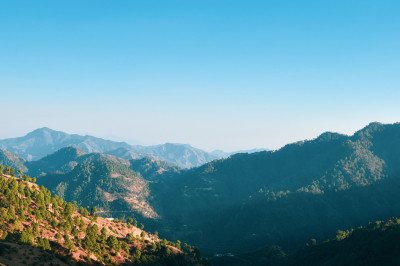 The Debtamura Hills Carvings encompass the entire collection of 37 archaeological relics spread across the hill range along the Gomati River. While Chabimura is the most famous spot within this range, the carvings actually extend further, representing a massive outdoor gallery of medieval art. These sculptures were crafted between the 15th and 16th centuries AD, likely under the patronage of the Manikya kings, though some scholars suggest even earlier origins in the 8th century. The carvings are dedicated to the Panchadevata—the five primary deities of the Hindu faith—and include magnificent representations of Shiva, Durga, Vishnu, Ganesha, and Kartikeya. The most striking feature of these carvings is their placement on the steep, inaccessible rock faces, which protected them from human vandalism for centuries. Each figure is carved with distinct tribal features, such as the broad faces and specific ornaments that reflect the local Tripuri culture. The carvings symbolize the harmony between the high-culture Brahmanism of the court and the folk traditions of the hills. Walking or boating past these silent stone giants, one feels the weight of history and the immense effort it must have taken to carve such large figures into such a difficult landscape. The site is a crucial link in understanding the religious transition of Tripura and serves as a major pilgrimage site for the indigenous people who worship these images under their own traditional names. The surrounding jungle has partially reclaimed some of the smaller carvings, adding to the mysterious and ancient atmosphere of the entire hill range.
@@General Overview: Tirthamukh is the most revered pilgrimage site in Tripura, marking the sacred confluence where the rivers Raima and Sarma meet to form the mighty Gomati River. For centuries, this spot has been a symbol of spiritual unity, drawing both tribal and non-tribal devotees from across the state and beyond. The geographical setting is stunning, with the river emerging from a narrow gorge surrounded by high, forested hills. The water at the confluence is believed to be exceptionally pure, and a holy dip here is considered equivalent to bathing in the Ganges. The site is steeped in mythology, with many believing it to be the place where ancient sages performed penance. There is a small shrine and a series of concrete ghats where pilgrims perform rituals for their ancestors. Beyond its religious significance, Tirthamukh is also the site of a major hydro-electric project, showing a unique blend of ancient faith and modern engineering. The area is peaceful for most of the year, but during the mid-January festival, it transforms into a vibrant sea of humanity. The natural beauty of the river cutting through the mountains makes it a must-visit for nature lovers as well as spiritual seekers.
Amarpur Town View offers a panoramic perspective of a settlement built on the ruins of an ancient palace. The town is a beautiful blend of traditional tribal life and modern rural development. Visitors can observe the daily routines of the Jamatia and Reang tribes. The town serves as the primary base for all expeditions to the Gomati river and nearby lakes. It is surrounded by lush green hillocks that provide a cool breeze even during the afternoons. The local markets are vibrant with fresh organic produce and handwoven textiles. Walking through the town reveals the peaceful co-existence of diverse communities. Many small ponds and old trees line the streets, giving it a vintage feel. It is not just a transit point but a destination that reflects the soul of Tripura. The hospitality of the locals makes every traveler feel at home.
The Debtamura Hills Carvings encompass the entire collection of 37 archaeological relics spread across the hill range along the Gomati River. While Chabimura is the most famous spot within this range, the carvings actually extend further, representing a massive outdoor gallery of medieval art. These sculptures were crafted between the 15th and 16th centuries AD, likely under the patronage of the Manikya kings, though some scholars suggest even earlier origins in the 8th century. The carvings are dedicated to the Panchadevata—the five primary deities of the Hindu faith—and include magnificent representations of Shiva, Durga, Vishnu, Ganesha, and Kartikeya. The most striking feature of these carvings is their placement on the steep, inaccessible rock faces, which protected them from human vandalism for centuries. Each figure is carved with distinct tribal features, such as the broad faces and specific ornaments that reflect the local Tripuri culture. The carvings symbolize the harmony between the high-culture Brahmanism of the court and the folk traditions of the hills. Walking or boating past these silent stone giants, one feels the weight of history and the immense effort it must have taken to carve such large figures into such a difficult landscape. The site is a crucial link in understanding the religious transition of Tripura and serves as a major pilgrimage site for the indigenous people who worship these images under their own traditional names. The surrounding jungle has partially reclaimed some of the smaller carvings, adding to the mysterious and ancient atmosphere of the entire hill range.
@@General Overview: Tirthamukh is the most revered pilgrimage site in Tripura, marking the sacred confluence where the rivers Raima and Sarma meet to form the mighty Gomati River. For centuries, this spot has been a symbol of spiritual unity, drawing both tribal and non-tribal devotees from across the state and beyond. The geographical setting is stunning, with the river emerging from a narrow gorge surrounded by high, forested hills. The water at the confluence is believed to be exceptionally pure, and a holy dip here is considered equivalent to bathing in the Ganges. The site is steeped in mythology, with many believing it to be the place where ancient sages performed penance. There is a small shrine and a series of concrete ghats where pilgrims perform rituals for their ancestors. Beyond its religious significance, Tirthamukh is also the site of a major hydro-electric project, showing a unique blend of ancient faith and modern engineering. The area is peaceful for most of the year, but during the mid-January festival, it transforms into a vibrant sea of humanity. The natural beauty of the river cutting through the mountains makes it a must-visit for nature lovers as well as spiritual seekers.
Amarpur Town View offers a panoramic perspective of a settlement built on the ruins of an ancient palace. The town is a beautiful blend of traditional tribal life and modern rural development. Visitors can observe the daily routines of the Jamatia and Reang tribes. The town serves as the primary base for all expeditions to the Gomati river and nearby lakes. It is surrounded by lush green hillocks that provide a cool breeze even during the afternoons. The local markets are vibrant with fresh organic produce and handwoven textiles. Walking through the town reveals the peaceful co-existence of diverse communities. Many small ponds and old trees line the streets, giving it a vintage feel. It is not just a transit point but a destination that reflects the soul of Tripura. The hospitality of the locals makes every traveler feel at home.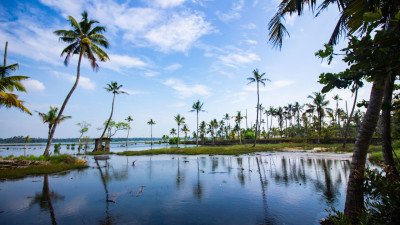 @@Overview of the Lake: Fatikroy Lake is a natural masterpiece located in the Amarpur region of Tripura. This lake is characterized by its tranquil atmosphere and the lush green forests that encircle its perimeter. It serves as a vital ecological hub for the region, providing a habitat for various local bird species. The water remains calm throughout the year, reflecting the clear blue skies and the surrounding greenery. Locals and tourists visit this spot for its refreshing air and the sense of peace it offers. It is a perfect destination for those looking to escape the noise of urban life. The lake's banks are well-maintained, offering space for visitors to sit and enjoy the view. @@Natural Heritage and Tourism: The history of Fatikroy Lake is tied to the geographical evolution of the Gomati district. While not an artificial reservoir like some others in the state, it has been developed recently as an eco-tourism site. The state government has taken initiatives to preserve the lake's natural state while adding basic tourist facilities. This balance ensures that the biodiversity of the area remains unharmed. The lake has become a symbol of sustainable tourism in Tripura. Visitors often find themselves immersed in the local culture of the surrounding villages. The area provides a glimpse into the traditional lifestyle of the people of Amarpur. It is a place where nature and culture coexist beautifully.
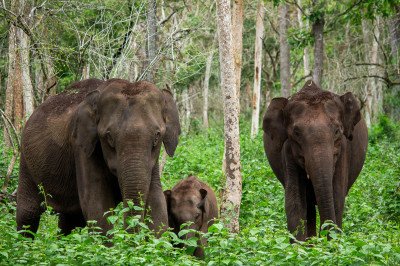 @@The Sentinel of the Forest: The Devtamura Forest Check Post serves as the mandatory entry point for travelers heading towards the famous Chabimura rock carvings. It is managed by the Forest Department of Tripura and ensures the protection of the sensitive eco-zone. This spot is where the adventure truly begins, as it marks the transition from the town area into the wild. Visitors are required to register their details here for safety and conservation purposes. The check post is surrounded by towering trees and thick undergrowth typical of the North-Eastern rainforests. It plays a crucial role in monitoring the movement of visitors and preventing illegal activities in the forest. The staff here are often knowledgeable about the current weather conditions and river water levels. Small stalls nearby offer basic refreshments to travelers before they head deeper into the woods. The check post area is also a great place to spot local butterflies and rare insects. It acts as a buffer zone between human settlements and the untamed wilderness of the Kalajhari hills. The road from here becomes more narrow and winds through dense bamboo groves. It is a reminder of the importance of forest conservation in maintaining the region's beauty. Many photographers find the rustic look of the check post against the green backdrop very appealing. The discipline maintained here ensures that the beauty of Debtamura remains untouched for future generations. It is the first step in a journey that feels like traveling back in time. The air around the check post is noticeably cooler due to the high tree density. It is an essential stop for every tourist visiting the Amarpur sub-division. The management here is proactive in assisting tourists with directions and local guidelines.
Naithau Moing Tila View Point is a breathtaking elevated spot that offers one of the best panoramic views of the Gomati district. "Tila" in the local dialect means a small hill or mound, and this particular hilltop is strategically located to overlook the rolling green valleys and the winding Gomati river. It is a favorite spot for locals to watch the sunrise and sunset, as the unobstructed horizon provides a spectacular display of colors. The view point has been developed with basic seating and a watchtower to facilitate tourists. From here, one can see the dense canopy of the Gomati Wildlife Sanctuary and, on clear days, even the distant blue ridges of the Chittagong Hill Tracts. The climb to the top is relatively easy, making it accessible for families. The air at the top is noticeably cooler and fresher, providing a much-needed break from the humidity of the plains. It is an excellent spot for those who want to grasp the geographical beauty of Tripura in a single glance. The surrounding village of Malbassa is home to indigenous tribal communities, adding a cultural layer to the visit.Show All
Chabimura, also known as Chobimura, is world-famous for its massive rock-cut carvings on the steep mountain walls. These carvings date back to the 15th-16th Century and are located on the banks of the Gomati river. The most striking image is that of Goddess Durga (locally called Chakrama), which is about 20 feet high. To reach the carvings, one must take a boat ride through a narrow gorge covered in dense tropical forest. The experience is often compared to the Amazon rainforest because of the lush greenery and the silence of the river. Apart from Durga, there are carvings of Shiva, Vishnu, and Kartikeya. The site is a blend of archaeology and adventure. There are also small caves along the river that are shrouded in mystery and local legends of hidden treasures. The vertical cliffs rise up to 200 feet, making the boat ride a majestic experience. It is a must-visit for anyone looking for offbeat adventure in Tripura.
@@The Sentinel of the Forest: The Devtamura Forest Check Post serves as the mandatory entry point for travelers heading towards the famous Chabimura rock carvings. It is managed by the Forest Department of Tripura and ensures the protection of the sensitive eco-zone. This spot is where the adventure truly begins, as it marks the transition from the town area into the wild. Visitors are required to register their details here for safety and conservation purposes. The check post is surrounded by towering trees and thick undergrowth typical of the North-Eastern rainforests. It plays a crucial role in monitoring the movement of visitors and preventing illegal activities in the forest. The staff here are often knowledgeable about the current weather conditions and river water levels. Small stalls nearby offer basic refreshments to travelers before they head deeper into the woods. The check post area is also a great place to spot local butterflies and rare insects. It acts as a buffer zone between human settlements and the untamed wilderness of the Kalajhari hills. The road from here becomes more narrow and winds through dense bamboo groves. It is a reminder of the importance of forest conservation in maintaining the region's beauty. Many photographers find the rustic look of the check post against the green backdrop very appealing. The discipline maintained here ensures that the beauty of Debtamura remains untouched for future generations. It is the first step in a journey that feels like traveling back in time. The air around the check post is noticeably cooler due to the high tree density. It is an essential stop for every tourist visiting the Amarpur sub-division. The management here is proactive in assisting tourists with directions and local guidelines.
Naithau Moing Tila View Point is a breathtaking elevated spot that offers one of the best panoramic views of the Gomati district. "Tila" in the local dialect means a small hill or mound, and this particular hilltop is strategically located to overlook the rolling green valleys and the winding Gomati river. It is a favorite spot for locals to watch the sunrise and sunset, as the unobstructed horizon provides a spectacular display of colors. The view point has been developed with basic seating and a watchtower to facilitate tourists. From here, one can see the dense canopy of the Gomati Wildlife Sanctuary and, on clear days, even the distant blue ridges of the Chittagong Hill Tracts. The climb to the top is relatively easy, making it accessible for families. The air at the top is noticeably cooler and fresher, providing a much-needed break from the humidity of the plains. It is an excellent spot for those who want to grasp the geographical beauty of Tripura in a single glance. The surrounding village of Malbassa is home to indigenous tribal communities, adding a cultural layer to the visit.Show All
Chabimura, also known as Chobimura, is world-famous for its massive rock-cut carvings on the steep mountain walls. These carvings date back to the 15th-16th Century and are located on the banks of the Gomati river. The most striking image is that of Goddess Durga (locally called Chakrama), which is about 20 feet high. To reach the carvings, one must take a boat ride through a narrow gorge covered in dense tropical forest. The experience is often compared to the Amazon rainforest because of the lush greenery and the silence of the river. Apart from Durga, there are carvings of Shiva, Vishnu, and Kartikeya. The site is a blend of archaeology and adventure. There are also small caves along the river that are shrouded in mystery and local legends of hidden treasures. The vertical cliffs rise up to 200 feet, making the boat ride a majestic experience. It is a must-visit for anyone looking for offbeat adventure in Tripura.Information
-
Why Famous:
Chhabimura: Famous for its colossal rock carvings of Shiva, Durga, and other deities on the river banks. It is one of the most significant archaeological sites in Northeast India.
Dumboor Lake: This enormous lake with 48 islands is a major ...Chhabimura: Famous for its colossal rock carvings of Shiva, Durga, and other deities on the river banks. It is one of the most significant archaeological sites in Northeast India.
Dumboor Lake: This enormous lake with 48 islands is a major attraction for its scenic beauty and migratory birds. The Tirthamukh area nearby is a holy site for tribal communities. -
Architecture:
Rock Cut Art: The panels at Chhabimura are carved directly into the steep rocky walls of the Devtamura hills. The largest image of Goddess Durga is about 20 feet high and is intricately detailed. These carvings show a blend of tribal and classical Hindu artistic styles fro...Rock Cut Art: The panels at Chhabimura are carved directly into the steep rocky walls of the Devtamura hills. The largest image of Goddess Durga is about 20 feet high and is intricately detailed. These carvings show a blend of tribal and classical Hindu artistic styles from the medieval period.
Temple Structure: The local temples often follow the traditional Chala style of Bengal architecture with sloped roofs. The use of local stone and clay bricks is common in older structures. Dimensions of the main rock panel are approximately 100 feet in length along the river bank. -
How To Reach:
By Air: Fly to Agartala and then hire a taxi for the 80 KM journey to Amarpur.
By Train: The nearest major station is Udaipur, from where buses and taxis are available.
By Road: Well-connected by state highw...By Air: Fly to Agartala and then hire a taxi for the 80 KM journey to Amarpur.
By Train: The nearest major station is Udaipur, from where buses and taxis are available.
By Road: Well-connected by state highways from Agartala and Udaipur with regular bus services.
Local Transport: Local jeeps and auto-rickshaws are used for reaching the river banks from the town. -
Weather and Best Time to Visit:
Post-Monsoon: October to December is perfect as the water level is high and the weather is pleasant.
Winter: January and February are ideal for festivals and comfortable trekking. ...Post-Monsoon: October to December is perfect as the water level is high and the weather is pleasant.
Winter: January and February are ideal for festivals and comfortable trekking. -
Near Tourist Places:
Chhabimura (12 KM), Dumboor Lake (30 KM), Tirthamukh (35 KM), Udaipur (30 KM), Tripura Sundari Temple (28 KM), Neermahal (50 KM), Agartala (80 KM), Pilak (60 KM), Trishna Sanctuary (70 KM), Gandacherra (45 KM).
Tourism Tips
-
Safety: Always wear a life jacket during boat rides as the river can be deep and the current strong.
Guides: Hire a local guide to understand the history and legends of the rock carvings.
Packing: Wear sturd...Safety: Always wear a life jacket during boat rides as the river can be deep and the current strong.
Guides: Hire a local guide to understand the history and legends of the rock carvings.
Packing: Wear sturdy trekking shoes and carry insect repellent for the forest areas.
Stay: Consider staying at the government tourist lodge for a safe and convenient experience.
Reviews
FAQs
Amarpur Itineray And Cost:-
Information about New and Updated Locations() of Tripura Has Been Added :-
Card subtitle
Note:-
Information provided here in good Faith and for reference only.
All information and pictures will be updated soon, please keep visiting.
Near Places

Agartala
Some quick example text to build on the card title and make up the bulk of the card's content.
Go somewhere
Amarpur
Some quick example text to build on the card title and make up the bulk of the card's content.
Go somewhere
Ambassa
Some quick example text to build on the card title and make up the bulk of the card's content.
Go somewhere
Belonia
Some quick example text to build on the card title and make up the bulk of the card's content.
Go somewhere
Bishalgarh
Some quick example text to build on the card title and make up the bulk of the card's content.
Go somewhere
Chabimura
Some quick example text to build on the card title and make up the bulk of the card's content.
Go somewhere
Chailengta
Some quick example text to build on the card title and make up the bulk of the card's content.
Go somewhere
Champaknagar
Some quick example text to build on the card title and make up the bulk of the card's content.
Go somewhere
Devtamura
Some quick example text to build on the card title and make up the bulk of the card's content.
Go somewhere
Dharmanagar
Some quick example text to build on the card title and make up the bulk of the card's content.
Go somewherein Other Cities