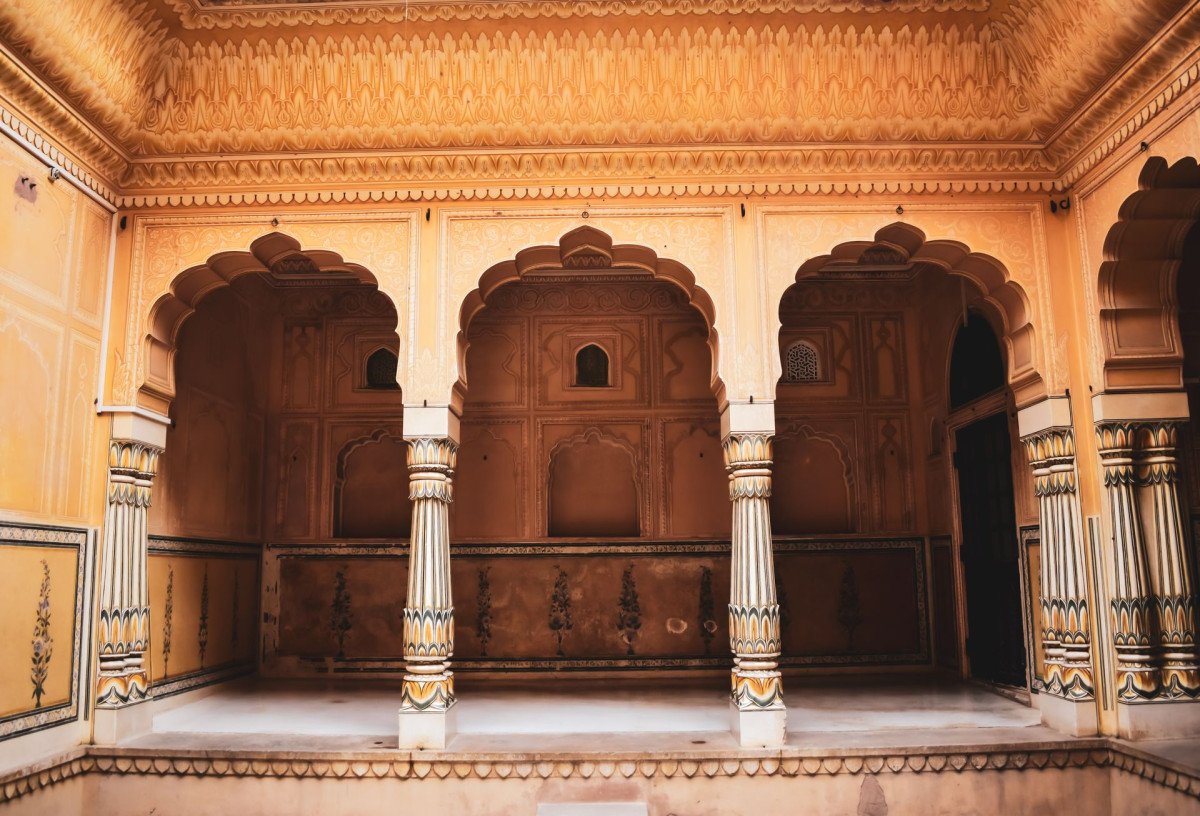
Ancient Fort
General information
-
Ideal Duration:
2 to 3 hours:Place Type:
Historical Ruin and Archaeological Site:Entry Fees:
Admission and Accessibility: As an extension of the main Ratanpur Fort and a protected ASI site, there is no official entry fee to explore the area designated as the Ancient Fort ruins. Access is free for all visitors.
Permits for Research/Film...Admission and Accessibility: As an extension of the main Ratanpur Fort and a protected ASI site, there is no official entry fee to explore the area designated as the Ancient Fort ruins. Access is free for all visitors.
Permits for Research/Filming: For any serious archaeological research, professional filming, or photography beyond personal use, a formal permit and potential fee will be required from the Archaeological Survey of India (ASI).
Donations: There is no formal donation box, but occasional voluntary donations for local watchmen or guides are at the visitor's discretion.Timing:
Regular Timings and General Access: The ruins are generally accessible from 6:00 AM to 6:00 PM (or restricted to 10:00 AM to 5:00 PM as per the main fort's timings). Visitors should avoid the site after dark for safety.
Ideal Visit Time for Exp...Regular Timings and General Access: The ruins are generally accessible from 6:00 AM to 6:00 PM (or restricted to 10:00 AM to 5:00 PM as per the main fort's timings). Visitors should avoid the site after dark for safety.
Ideal Visit Time for Exploration: The ideal time for comfortable exploration and appreciation of the historical texture is the early morning (post-sunrise) when the air is cool and the light casts dramatic shadows that highlight the decay.Special Events:
Historical Significance Days: There are typically no specific special events for this section, given its status as an archaeological ruin. However, on major historical or cultural holidays of Chhattisgarh, such as the state formation day in November, the fort area might see...Historical Significance Days: There are typically no specific special events for this section, given its status as an archaeological ruin. However, on major historical or cultural holidays of Chhattisgarh, such as the state formation day in November, the fort area might see small, educational or commemorative gatherings.
ASI Preservation Week: During the Archaeological Survey of India’s (ASI) Heritage Preservation Week (often in November), the site might feature special guided tours or information placards, attracting heritage enthusiasts and students.Best Photo Spots:
Textural Close-Ups of Moss-Covered Stone: The weathered, moss-covered, and broken laterite stones of the oldest walls are fantastic for extreme close-up and textural photography, showcasing the sheer antiquity of the site.
Isolated Pillars and A...Textural Close-Ups of Moss-Covered Stone: The weathered, moss-covered, and broken laterite stones of the oldest walls are fantastic for extreme close-up and textural photography, showcasing the sheer antiquity of the site.
Isolated Pillars and Archway Silhouettes: Focus on isolated, standing pillars or broken archways, using the dramatic sunlight of the early morning or late afternoon to create striking silhouettes against the sky.
The Wide-Angle Ruin Landscape: Capture the vast, sprawling ruin landscape with a wide-angle lens to convey the scale of the ancient citadel and its relationship with the surrounding environment and the distant town.
Finding Historical Markers: The challenge is to find and photograph the subtle historical markers or unique, weathered carvings that distinguish this section's pre-Kalachuri heritage.Photo Gallery
Things To Do
-
Archaeological Exploration and Historical Mapping: Engage in a self-guided archaeological exploration, carefully observing the stone work and foundation remnants to mentally map the structure of the original settlement. This requires patience and a good eye for detail.
Photography of Decay and Texture: The crumbling, moss-covered laterite walls and broken archways offer superb opportunities for atmospheric and textural photography, capturing the essence of historical decay and the power of nature.
Contemplation and Reflection: The quiet, largely uncrowded ruins are ideal for deep contemplation on the themes of empire, ruin, and the passage of time, away from the religious hubbub of the main temples.
Tracing the Fort Wall Perimeter: Attempt to walk the perimeter ...Archaeological Exploration and Historical Mapping: Engage in a self-guided archaeological exploration, carefully observing the stone work and foundation remnants to mentally map the structure of the original settlement. This requires patience and a good eye for detail.
Photography of Decay and Texture: The crumbling, moss-covered laterite walls and broken archways offer superb opportunities for atmospheric and textural photography, capturing the essence of historical decay and the power of nature.
Contemplation and Reflection: The quiet, largely uncrowded ruins are ideal for deep contemplation on the themes of empire, ruin, and the passage of time, away from the religious hubbub of the main temples.
Tracing the Fort Wall Perimeter: Attempt to walk the perimeter of this oldest section of the fort wall, imagining the scale of the original defense structure and its strategic viewpoint over the plains.
Sketching and Artistic Rendition: Bring a sketchbook to capture the dramatic silhouettes of the broken walls and pillars, which are highly inspiring for drawing and painting enthusiasts interested in ruins.
Studying Stone Masonry Techniques: Observe the different masonry techniques visible in the various layers of the ruins, differentiating between the rough-hewn work of the earliest period and the finer carvings of the later Kalachuri era.
Information
-
Why Famous:
A Glimpse into Pre-Kalachuri History: The primary fame of the Ancient Fort is its role as a tangible link to the earliest settlements in Ratanpur, possibly even predating the Kalachuri rule. This area is considered the archaeological core of the city, offering researchers a...A Glimpse into Pre-Kalachuri History: The primary fame of the Ancient Fort is its role as a tangible link to the earliest settlements in Ratanpur, possibly even predating the Kalachuri rule. This area is considered the archaeological core of the city, offering researchers and dedicated history lovers insight into the region's ancient past beyond the well-known capital era.
The Sheer Scale of Neglect and Time: Its fame also rests on the dramatic, picturesque decay of the oldest ruins, which poetically illustrate the destructive power of time and nature on even the mightiest of human creations, attracting artists and contemplative visitors. The quiet, less-visited nature adds to its dramatic appeal. -
Architecture:
Primitive Fortification and Layered History: This section of the fort likely represents the earliest, most primitive defensive work, characterized by the use of large, roughly hewn, stacked laterite stones for the outer walls, emphasizing strength over intricate carving.Primitive Fortification and Layered History: This section of the fort likely represents the earliest, most primitive defensive work, characterized by the use of large, roughly hewn, stacked laterite stones for the outer walls, emphasizing strength over intricate carving.
Dimension: The remnants of these ancient walls are often thicker and more irregular than the later Kalachuri additions. The plan is likely an irregular geometric shape, dictated by the natural plateau contours. Architectural Debris and Historical Reconstruction: The site is essentially a vast area of architectural debris, with scattered pillars, lintels, and plinths, which are invaluable for the reconstruction of the original Kalachuri settlement's layout. The style is raw, reflecting early medieval regional Hindu architecture. It contains remnants of old temple ruins which were often dismantled and their material reused in later constructions, thus showing layers of architectural history. -
How To Reach:
By Air (Approx.
160 KMS): Take a flight to Raipur's Swami Vivekananda International Airport (RPR). The final road journey to Ratanpur via Bilaspur is about 3. 5 to 4 hours by hired taxi or bus. By Train (Approx.
30 KMS): The neare...By Air (Approx.
160 KMS): Take a flight to Raipur's Swami Vivekananda International Airport (RPR). The final road journey to Ratanpur via Bilaspur is about 3. 5 to 4 hours by hired taxi or bus. By Train (Approx.
30 KMS): The nearest rail hub is Bilaspur Junction (BSP). From there, Ratanpur is easily reachable via road using local taxis, private vehicles, or public buses in around 1 hour. By Road (Approx.
30 KMS from Bilaspur): Ratanpur is well-connected by State Highways. The fort area is easily accessible from the town center, which is well-served by buses from Bilaspur and other parts of Chhattisgarh.
By Local Transport: Within Ratanpur, the Ancient Fort is just a short walk or a quick auto-rickshaw ride from the central market or the main bus stand, as it is contiguous with the more popular Ratanpur Fort (Gaj Kila). -
Weather and Best Time to Visit:
Different Types of Seasons (Cool and Dry is Best): The best time to visit is during the cool, dry winter months (October to March), which makes exploring the vast, open ruins and uneven terrain comfortable and safe. The monsoon makes the ground slippery and can conceal path...Different Types of Seasons (Cool and Dry is Best): The best time to visit is during the cool, dry winter months (October to March), which makes exploring the vast, open ruins and uneven terrain comfortable and safe. The monsoon makes the ground slippery and can conceal paths. Different Parts of the Day (Soft Light for Photos): The ideal time of day is early morning to mid-morning, as the soft, angled sunlight highlights the textures of the ancient stone and avoids the intense heat of the midday sun. -
Near Tourist Places:
Ratanpur Fort (Gaj Kila) (Adjacent), Mahamaya Temple (1 KM), Kanti Deval Temple Complex (1. 5 KMS), Bhairavnath Mandir (2 KMS), Ram Tekri Temple (3. 5 KMS), Khutaghat Dam (5 KMS), Lutara Shareef (20 KMS), Achanakmar Wildlife Sanctuary (65 KMS), Malhar Archaeological Site (40 KMS), Pali (55 KMS).
Tourism Tips
-
Health & Safety (Uneven Terrain and Snakes): Wear sturdy, closed-toe shoes as the ground is highly uneven, rocky, and covered in rubble. Exercise caution against snakes, especially during the early morning or after rain. Stay on marked or clear paths.
Read MoreHealth & Safety (Uneven Terrain and Snakes): Wear sturdy, closed-toe shoes as the ground is highly uneven, rocky, and covered in rubble. Exercise caution against snakes, especially during the early morning or after rain. Stay on marked or clear paths.
Packing (Water, Compass, and ID): Carry plenty of water, a basic map or compass (or phone GPS) for orientation, and a valid photo ID. Insect repellent is advisable for the quieter, overgrown sections.
Accommodation (Basic Guesthouses): Accommodation is basic in Ratanpur. For superior facilities, consider staying in Bilaspur. The fort area does not offer any overnight stay options.
Other Different Topics (Respecting the Ruin): Do not attempt to climb or dislodge any stones, as the ruins are fragile and protected. Maintain the historical integrity of the site and carry out all your trash.Reviews
FAQs
Ratanpur Itineray And Cost:-
Other Places In Ratanpur :-
Other States In India :-
Information about New and Updated Locations() of Chhattisgarh Has Been Added :-
Card subtitle
Note:-
Information provided here in good Faith and for reference only.
Near Places
Ancient Fort
Some quick example text to build on the card title and make up the bulk of the card's content.
Go somewhere
Bhairavnath Mandir
Some quick example text to build on the card title and make up the bulk of the card's content.
Go somewhere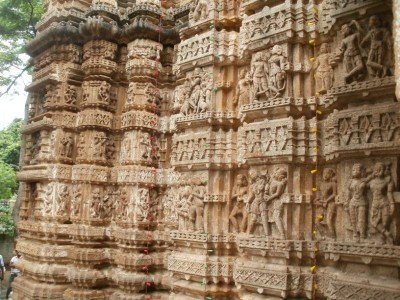
Bhoramdeo Temple
Some quick example text to build on the card title and make up the bulk of the card's content.
Go somewhere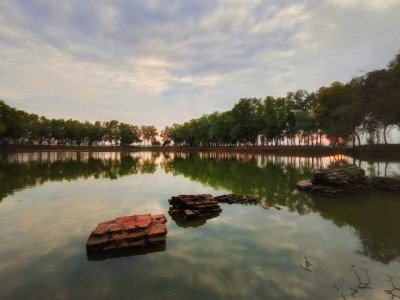
Chacheri Dam
Some quick example text to build on the card title and make up the bulk of the card's content.
Go somewhere
Damru Ghati
Some quick example text to build on the card title and make up the bulk of the card's content.
Go somewhere
Devrani Jethani Temple
Some quick example text to build on the card title and make up the bulk of the card's content.
Go somewhere
Didneswari Temple
Some quick example text to build on the card title and make up the bulk of the card's content.
Go somewhere
Jaitkham
Some quick example text to build on the card title and make up the bulk of the card's content.
Go somewhere
Kanan Pendari Zoo Park
Some quick example text to build on the card title and make up the bulk of the card's content.
Go somewhere
Kanti Deval Temple Complex
Some quick example text to build on the card title and make up the bulk of the card's content.
Go somewhere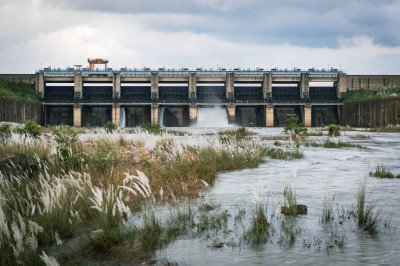
Khadia Dam
Some quick example text to build on the card title and make up the bulk of the card's content.
Go somewhere
Kharaud
Some quick example text to build on the card title and make up the bulk of the card's content.
Go somewhere
Khutaghat Dam
Some quick example text to build on the card title and make up the bulk of the card's content.
Go somewhere
Lafagarh
Some quick example text to build on the card title and make up the bulk of the card's content.
Go somewhere
Mahamaya Temple
Some quick example text to build on the card title and make up the bulk of the card's content.
Go somewhere
Malhar
Some quick example text to build on the card title and make up the bulk of the card's content.
Go somewherein Other Cities