Kanti Deval Temple Complex
General information
-
Ideal Duration:
1 to 1.
5 hours:Place Type:
Ancient Temple and Architectural Heritage:Entry Fees:
Admission and Accessibility: Since the temple is a part of the larger Mahamaya Temple complex and is an ASI-protected site, there is currently no separate entry fee to visit the Kanti Deval Temple Complex. Access is generally free for all visitors.
Read MoreAdmission and Accessibility: Since the temple is a part of the larger Mahamaya Temple complex and is an ASI-protected site, there is currently no separate entry fee to visit the Kanti Deval Temple Complex. Access is generally free for all visitors.
Photography Fees: No fees are charged for standard photography with mobile phones or cameras. Commercial or professional photography may require prior official permission from the ASI or local temple trust.
Donations and Rituals: Voluntary donations for the maintenance of the shrine are welcomed. Fees for special Pujas dedicated to Lord Shiva can be arranged with the temple priest.Timing:
Regular Timings and General Access: The temple generally follows the timings of the Mahamaya Temple complex, typically open from 6:00 AM to 8:00 PM. As an ASI-protected monument, access is mainly restricted to daylight hours.
Ideal Visit Time f...Regular Timings and General Access: The temple generally follows the timings of the Mahamaya Temple complex, typically open from 6:00 AM to 8:00 PM. As an ASI-protected monument, access is mainly restricted to daylight hours.
Ideal Visit Time for Detailed Viewing: The ideal time for a detailed visit and appreciating the architecture and carvings is the mid-morning (after the early rush of the Mahamaya Temple devotees) or the late afternoon, when the light is good for viewing the wall sculptures.Special Events:
Maha Shivaratri Celebrations: As the temple is primarily dedicated to Lord Shiva, the festival of Maha Shivaratri in February or March is the most important annual event, celebrated with special Pujas, fasting, and devotional songs, drawing numerous pilgrims dedicated to Shi...Maha Shivaratri Celebrations: As the temple is primarily dedicated to Lord Shiva, the festival of Maha Shivaratri in February or March is the most important annual event, celebrated with special Pujas, fasting, and devotional songs, drawing numerous pilgrims dedicated to Shiva.
Navaratri Footfall: Though a Shiva temple, its location within the Mahamaya Temple premises ensures a massive flow of devotees during the Sharad and Chaitra Navaratri festivals (usually September-October and March-April), making it a part of the major pilgrimage circuit during those months.Best Photo Spots:
Close-Up Shots of External Sculpture: The intricate carvings on the temple's exterior walls are perfect for detailed close-up photography, especially to capture the ancient artistry of figures like the Salabhanjika and the Kalachuri King.
Captur...Close-Up Shots of External Sculpture: The intricate carvings on the temple's exterior walls are perfect for detailed close-up photography, especially to capture the ancient artistry of figures like the Salabhanjika and the Kalachuri King.
Capturing the Triple-Story Elevation: Standing slightly back in the Mahamaya Temple courtyard or near the tank, frame the full, unusual height of the triple-story Kanti Deval with its octagonal shikhara against the sky, ideal for architectural photography.
The Four Doorways and Archways: The four symmetrically placed gateways on the ground floor offer opportunities for interesting perspective shots and framing, especially if the morning light is used to highlight the entrance columns.
Textures of the Restored Red Stone: Focus on the contrast between the new and old red stone masonry, which is great for abstract or textural photography that tells the story of its ancient past and modern restoration.Photo Gallery
Things To Do
-
Detailed Examination of Sculptures: The main activity is to closely examine the intricate and diverse stone carvings on the outer walls of the temples, looking for the specific depictions of Chamunda, Shiva-Parvati, and the Kalachuri king mentioned in historical records.
Appreciating the Three-Story Architecture: Spend time walking around the large temple to fully appreciate its unusual three-story elevation and the complex structure of the octagonal shikhara, which is an architectural rarity in the region.
Quiet Worship of Lord Shiva: Offer prayers to the Shiva Linga within the ground floor sanctum, appreciating the peaceful, ancient atmosphere of this very old shrine dedicated to Neelkanthesvara.
Historical Reflection and Restoration Work: Observe the detailed ...Detailed Examination of Sculptures: The main activity is to closely examine the intricate and diverse stone carvings on the outer walls of the temples, looking for the specific depictions of Chamunda, Shiva-Parvati, and the Kalachuri king mentioned in historical records.
Appreciating the Three-Story Architecture: Spend time walking around the large temple to fully appreciate its unusual three-story elevation and the complex structure of the octagonal shikhara, which is an architectural rarity in the region.
Quiet Worship of Lord Shiva: Offer prayers to the Shiva Linga within the ground floor sanctum, appreciating the peaceful, ancient atmosphere of this very old shrine dedicated to Neelkanthesvara.
Historical Reflection and Restoration Work: Observe the detailed restoration work undertaken by the ASI, which has meticulously preserved the original plan. Reflect on the history connecting the temple to an ascetic and later a powerful Kalachuri king.
Photography of the Tower and Carvings: The octagonal tower and the detailed wall carvings provide excellent opportunities for architectural and detail photography, best captured in the softer light of the morning or late afternoon.
Connecting to Mahamaya Temple: Since the complex is adjacent to the Mahamaya Temple, make sure to combine both visits as part of a single, comprehensive pilgrimage and sightseeing experience.
Enjoying the Complex Atmosphere: The atmosphere within the complex, with its surrounding trees and the adjacent tank, is ideal for a quiet, reflective historical stroll.
Information
-
Why Famous:
A Testament to Kalachuri Patronage: The temple is highly famous for its architectural distinctiveness, particularly its towering three-story structure and the unique octagonal shikhara, setting it apart from other temples of the region. Its renovation and patronage by Kalac...A Testament to Kalachuri Patronage: The temple is highly famous for its architectural distinctiveness, particularly its towering three-story structure and the unique octagonal shikhara, setting it apart from other temples of the region. Its renovation and patronage by Kalachuri King Prithvidev II cemented its historical importance.
Repository of Ancient Sculpture: The temple is a treasure trove of ancient Kalachuri sculptures, with many dating back centuries before the temple's construction. This collection of detailed carvings makes it a key site for studying the art and iconography of the 9th-12th century Dakshin Kosal region, attracting art historians. -
Architecture:
Unique Triple-Story and Indo-Saracenic Blend: The large temple within the complex is dedicated to Lord Shiva and is unusually tall with a rare three-story design. Its architecture is characterized by an octagonal curvilinear shikhara (tower) and features doorways on all fou...Unique Triple-Story and Indo-Saracenic Blend: The large temple within the complex is dedicated to Lord Shiva and is unusually tall with a rare three-story design. Its architecture is characterized by an octagonal curvilinear shikhara (tower) and features doorways on all four sides.
Dimension: The ground floor is a square plan housing the Shiva Linga. The first floor features projecting balconies (jharokhas). The blending of the octagonal shikhara with other elements suggests a regional Indo-Saracenic influence, which is a unique architectural feature.
Sculptural Richness and Material: The temple is primarily built using red stone and features a rich array of external sculptures. The carvings depict various deities and mythological figures like Chamunda, Salabhanjika, Lingodbhava (Emergence of Linga), Shiva and Parvati, and even a depiction of a Kalachuri king. These sculptures are significant, with many dating back to the 9th to 12th century AD, older than the temple itself, indicating reuse from earlier structures. -
How To Reach:
By Air (Approx.
160 KMS): Fly into Swami Vivekananda International Airport (RPR) in Raipur. From the airport, hire a direct taxi to Ratanpur via Bilaspur or take a bus, taking around 3. 5 to 4 hours to cover the distance to the complex. By Train (Approx.
<...By Air (Approx.
160 KMS): Fly into Swami Vivekananda International Airport (RPR) in Raipur. From the airport, hire a direct taxi to Ratanpur via Bilaspur or take a bus, taking around 3. 5 to 4 hours to cover the distance to the complex. By Train (Approx.
30 KMS): The nearest railway station is Bilaspur Junction (BSP). The temple complex is easily reachable from the station by local taxis, private cabs, or public buses in approximately 1 hour via the well-connected road network. By Road (Approx.
30 KMS from Bilaspur): Ratanpur is located on the major state highway connecting Bilaspur and Ambikapur. Regular bus services (state and private) operate on this route. The temple is right next to the highway on the north side of the town.
By Local Transport: As it is located inside the Mahamaya Temple premises, reaching the Mahamaya Temple by local auto-rickshaw or a short walk from the Ratanpur bus stand will bring you directly to the Kanti Deval Temple Complex. -
Weather and Best Time to Visit:
Different Types of Seasons (Winter is Comfortable): The best time is the winter season (October to March) for comfortable outdoor exploration of the complex and appreciation of the detailed carvings. The religious atmosphere peaks during the Navaratri and Shivaratri festiva...Different Types of Seasons (Winter is Comfortable): The best time is the winter season (October to March) for comfortable outdoor exploration of the complex and appreciation of the detailed carvings. The religious atmosphere peaks during the Navaratri and Shivaratri festivals. Different Parts of the Day (Soft Light for Details): Early morning (post-sunrise) and late afternoon are the ideal times for visiting. The softer, angled light during these hours is perfect for bringing out the intricate details of the exterior wall sculptures. -
Near Tourist Places:
Mahamaya Temple (Adjacent), Bhairavnath Mandir (1. 5 KMS), Ram Tekri Temple (3 KMS), Ratanpur Fort (1 KM), Khutaghat Dam (5 KMS), Lutara Shareef (20 KMS), Achanakmar Wildlife Sanctuary (65 KMS), Malhar Archaeological Site (40 KMS), Pali (55 KMS), Kanan Pendari Zoo (28 KMS).
Tourism Tips
-
Health & Safety (Footwear and Sun Protection): Be mindful of the stone steps and uneven ground, particularly after rain. Remember to remove footwear before entering the temple premises. The complex is open, so carry sun protection and stay hydrated, especially outside of w...Health & Safety (Footwear and Sun Protection): Be mindful of the stone steps and uneven ground, particularly after rain. Remember to remove footwear before entering the temple premises. The complex is open, so carry sun protection and stay hydrated, especially outside of winter.
Packing (Guidebook/Notes and Water): A good guidebook or pre-downloaded notes on Kalachuri architecture will greatly enhance the visit. Carry water, a camera, and maintain quiet reverence within the holy premises.
Accommodation (Same as Mahamaya Temple): Accommodation facilities, including dharamshalas and budget hotels, are available nearby in Ratanpur or better options in the nearby city of Bilaspur.
Other Different Topics (Respecting Restoration): Since it is an ASI-protected site under restoration, adhere strictly to all official signs and barricades, and avoid touching or climbing the ancient structures to ensure their preservation.
Reviews
FAQs
Ratanpur Itineray And Cost:-
Kanti Deval Temple Complex Tourism:-
Other Places In Ratanpur :-
Other States In India :-
Information about New and Updated Locations() of Chhattisgarh Has Been Added :-
Card subtitle
Note:-
Information provided here in good Faith and for reference only.
Near Places
Ancient Fort
Some quick example text to build on the card title and make up the bulk of the card's content.
Go somewhere
Bhairavnath Mandir
Some quick example text to build on the card title and make up the bulk of the card's content.
Go somewhere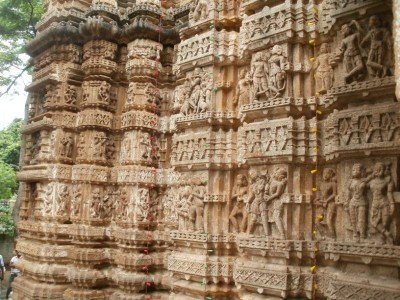
Bhoramdeo Temple
Some quick example text to build on the card title and make up the bulk of the card's content.
Go somewhere
Chacheri Dam
Some quick example text to build on the card title and make up the bulk of the card's content.
Go somewhere
Damru Ghati
Some quick example text to build on the card title and make up the bulk of the card's content.
Go somewhere
Devrani Jethani Temple
Some quick example text to build on the card title and make up the bulk of the card's content.
Go somewhere
Didneswari Temple
Some quick example text to build on the card title and make up the bulk of the card's content.
Go somewhere
Jaitkham
Some quick example text to build on the card title and make up the bulk of the card's content.
Go somewhere
Kanan Pendari Zoo Park
Some quick example text to build on the card title and make up the bulk of the card's content.
Go somewhere
Kanti Deval Temple Complex
Some quick example text to build on the card title and make up the bulk of the card's content.
Go somewhere
Khadia Dam
Some quick example text to build on the card title and make up the bulk of the card's content.
Go somewhere
Kharaud
Some quick example text to build on the card title and make up the bulk of the card's content.
Go somewhere
Khutaghat Dam
Some quick example text to build on the card title and make up the bulk of the card's content.
Go somewhere
Lafagarh
Some quick example text to build on the card title and make up the bulk of the card's content.
Go somewhere
Mahamaya Temple
Some quick example text to build on the card title and make up the bulk of the card's content.
Go somewhere
Malhar
Some quick example text to build on the card title and make up the bulk of the card's content.
Go somewherein Other Cities