Ashtamudi Lake
General information
-
Ideal Duration:
4 to 6 hours (Day cruise) or 1 Night (Houseboat stay)Place Type:
Backwaters, Nature, EcotourismEntry Fees:
Public Ferry and Boat Jetty Charges: The entry to the lake itself is free, as it is a natural public waterway. However, access to services requires payment. The most common fee is for the Kollam to Alappuzha public ferry service, which is a highly affordable ticket, usuall...Public Ferry and Boat Jetty Charges: The entry to the lake itself is free, as it is a natural public waterway. However, access to services requires payment. The most common fee is for the Kollam to Alappuzha public ferry service, which is a highly affordable ticket, usually ranging between 400 and 500 Indian Rupees (INR) per person for the full 8-hour journey. This fee is used to cover the operational costs of the government-run service. Separate fees are charged for private boats or local canoes. For instance, hiring a local canoe for an hour-long tour of the narrow canals can cost between 500 and 1000 INR, depending on negotiation and the duration.
Houseboat and Resort Costs: The most substantial cost is for the houseboat experience. A one-night stay on a premium air-conditioned houseboat can cost anywhere from 8,000 to 25,000 INR or more, depending on the boat's luxury level, the season, and whether it's a couple or a large group. This price is an all-inclusive fee, covering the cruise, all meals (lunch, dinner, breakfast), and accommodation. Day cruises, without the overnight stay, are considerably cheaper, generally costing between 2,000 and 5,000 INR per person, and often include lunch. It is always advised to book through a reputable resort or operator to ensure quality and safety. Many waterside resorts also charge a small entry or parking fee if you are using their private jetties to board a boat, typically around 50 to 100 INR per vehicle.Timing:
Regular Timings for Boat Services: For all practical purposes, the lake is open 24 hours a day, as it is a natural body of water. However, the operational timings for tourist services are fixed. The public ferry service from Kollam to Alappuzha typically departs only once ...Regular Timings for Boat Services: For all practical purposes, the lake is open 24 hours a day, as it is a natural body of water. However, the operational timings for tourist services are fixed. The public ferry service from Kollam to Alappuzha typically departs only once daily, around 10:30 AM, and arrives approximately 8 hours later. Houseboats usually embark for their day cruise or overnight journey between 11:00 AM and 12:00 PM, cruise until sunset, and then anchor for the night. Day cruises generally conclude by 5:00 PM. It is rare for tourist boats to operate after 6:00 PM, except for those anchored overnight. Local fishing activities and canoe movements begin very early, often before 5:00 AM, and continue throughout the day.
Ideal Visit Time for Scenic Views: The ideal time to visit for the best scenic and photographic experience is between 7:00 AM and 10:00 AM and again between 4:00 PM and 6:30 PM. The morning hours offer cool temperatures, the soft light of the rising sun, and the chance to witness the local fishing community starting their day. The late afternoon hours, leading into sunset, are visually stunning, with the lake water turning golden and orange. The light during the middle of the day can be harsh, making it less ideal for photography, but it is still a comfortable time for viewing from the shade of a houseboat. During the peak tourism season, the jetties can get crowded just before the main departure timings, so arriving early is advisable.Special Events:
President's Trophy Boat Race and Onam: The most significant and spectacular annual event associated with Ashtamudi Lake is the President's Trophy Boat Race. Held annually in the backwaters near the Kollam city boat club during the Onam festival season (typically in August o...President's Trophy Boat Race and Onam: The most significant and spectacular annual event associated with Ashtamudi Lake is the President's Trophy Boat Race. Held annually in the backwaters near the Kollam city boat club during the Onam festival season (typically in August or September), this event is a breathtaking display of physical prowess, teamwork, and cultural heritage. The race features magnificent Chundan Vallams (snake boats), which are over 100 feet long and are crewed by over 100 oarsmen. The rhythmic, synchronized rowing, accompanied by loud, traditional songs (Vanchipattu), creates an electrifying atmosphere. This competition attracts thousands of spectators and is a major highlight of Kerala's sporting and cultural calendar. Outside of the boat race, the lake is a central point for local celebrations during the Onam festival, where traditional feasts (Onasadhya) are often enjoyed at waterside resorts, and local communities perform traditional arts like Kaikottikali (a folk dance) on the banks. The energy during this season is incredible, transforming the usually tranquil backwaters into a hub of joyous activity.Best Photo Spots:
The Sunrise Mist over the Water: One of the most magical times to capture Ashtamudi is at sunrise. Photographers should aim to be near the main boat jetty or on a houseboat deck between 6:00 AM and 6:30 AM. The light is incredibly soft, and a gentle mist often hangs low ov...The Sunrise Mist over the Water: One of the most magical times to capture Ashtamudi is at sunrise. Photographers should aim to be near the main boat jetty or on a houseboat deck between 6:00 AM and 6:30 AM. The light is incredibly soft, and a gentle mist often hangs low over the water, creating a dreamlike, ethereal effect. The silhouettes of the coconut palms and the fishing boats against the orange and pink hues of the sky make for truly dramatic and captivating shots. The calm, reflective surface of the water acts as a perfect mirror, doubling the beauty of the dawn sky and the surrounding scenery.
The Houseboat in Motion: A classic and mandatory photograph is capturing one of the luxurious Kettuvallams gliding across the wide expanse of the lake. The traditional coir-thatched roof, the deep wooden hull, and the background of lush greenery provide a striking composition. The best vantage point is from the shore or from a smaller canoe, allowing the photographer to capture the houseboat's scale and its seamless integration with the environment. Capturing the boat from the front or side as it cuts a gentle wake through the calm water adds a sense of movement and tranquility to the photograph.
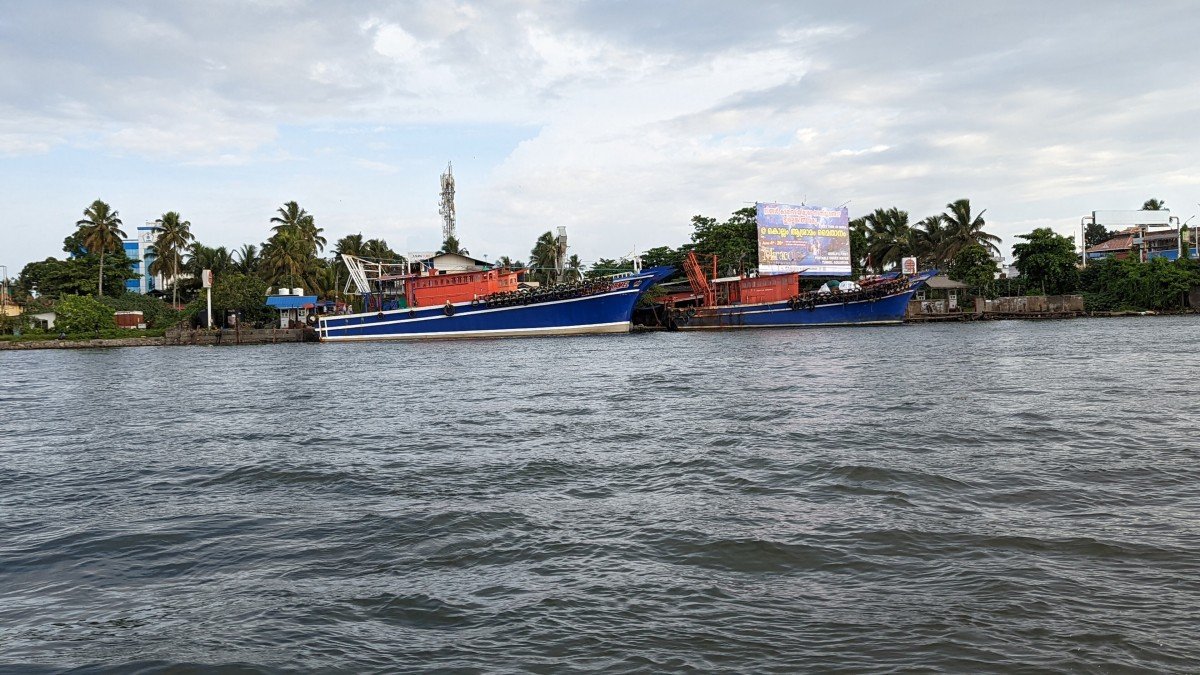
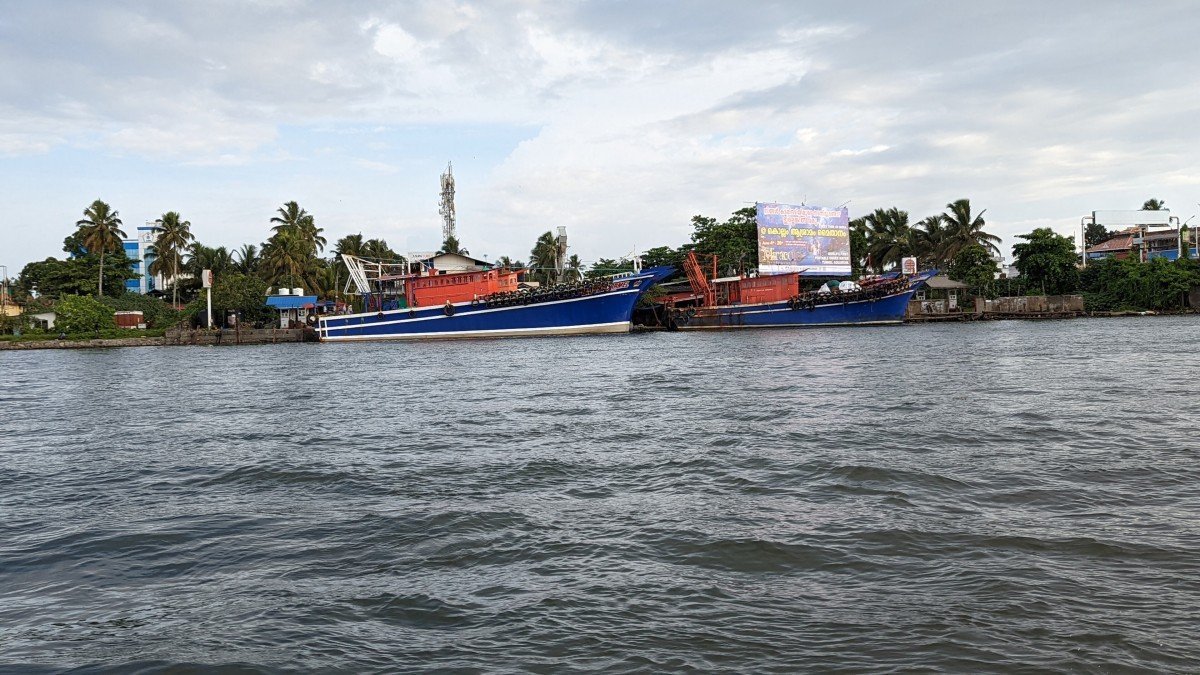
Capturing the Local Life and Chinese Nets: For documentary and portrait photography, the best spots are the small villages around Munroe Island and the areas where the backwaters meet the fishing harbor. Capturing the intense concentration on a fisherman's face as he casts a net, the vivid colors of clothes against the muted tones of the village houses, or the texture of the coir being spun are excellent subjects. The Chinese fishing nets, with their massive wooden structure and ropes, provide excellent geometric and architectural photo subjects, especially during the sunset when their scaffolding is silhouetted against the fiery sky. These locations offer a rich tapestry of human activity set against a beautiful natural backdrop.Photo Gallery
Things To Do
-
Day-Time Houseboat Cruises and Overnight Stays: The quintessential experience on Ashtamudi Lake is cruising the backwaters. Visitors can choose between a short, several-hour day cruise or an overnight stay on a traditional Kettuvallam. The overnight experience is highly recommended for complete immersion, as it includes local Keralan meals cooked and served onboard, often featuring freshly caught fish from the lake. The boat leisurely navigates the eight arms, offering panoramic views of the water, the palm-fringed banks, and the small, inhabited islands. During the day, the boat anchors at peaceful spots, allowing guests to relax on the sun deck and watch the world go by. In the evening, the boat anchors for the night in a quiet corner of the lake, providing a serene and unique accommodation experience.
Kayaking and Canoeing i...Day-Time Houseboat Cruises and Overnight Stays: The quintessential experience on Ashtamudi Lake is cruising the backwaters. Visitors can choose between a short, several-hour day cruise or an overnight stay on a traditional Kettuvallam. The overnight experience is highly recommended for complete immersion, as it includes local Keralan meals cooked and served onboard, often featuring freshly caught fish from the lake. The boat leisurely navigates the eight arms, offering panoramic views of the water, the palm-fringed banks, and the small, inhabited islands. During the day, the boat anchors at peaceful spots, allowing guests to relax on the sun deck and watch the world go by. In the evening, the boat anchors for the night in a quiet corner of the lake, providing a serene and unique accommodation experience.
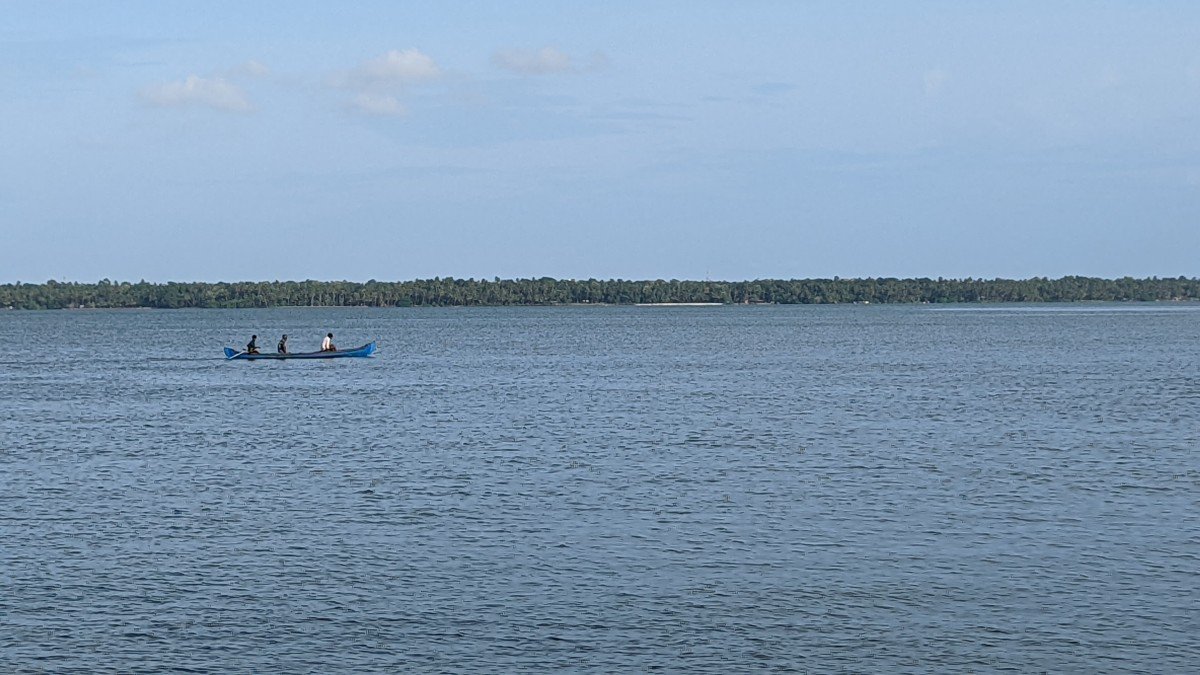
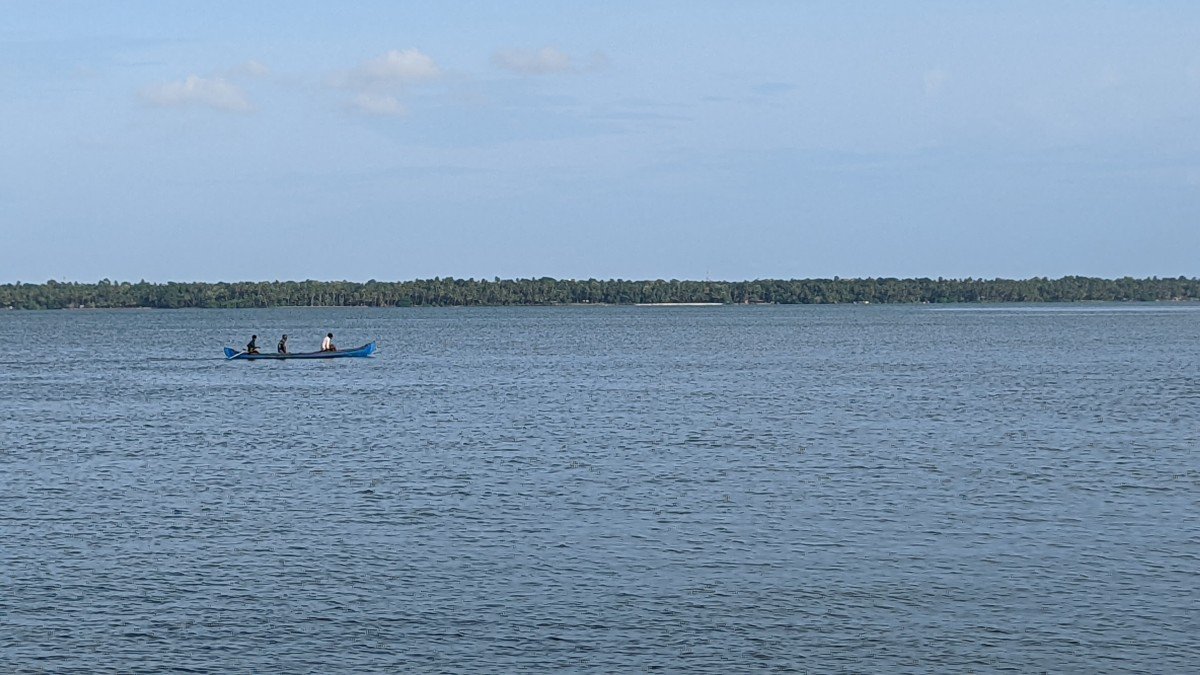
Kayaking and Canoeing in Narrow Canals: For the adventurous and those seeking a more intimate experience, kayaking or hiring a small local canoe is a must-do activity. Motorized houseboats can only navigate the main channels, but these smaller vessels can slip into the narrow, hidden canals and tributaries that crisscross the area. This allows travelers to get much closer to the village life, seeing fishermen tending their nets, ducks herded along the water, and local children playing on the banks. The silence of the canoe gliding through the water, punctuated only by the sounds of nature and rural life, is a deeply peaceful and meditative experience that offers incredible photographic opportunities.
Witnessing the Chinese Fishing Nets: Although less prevalent than in Kochi, the Chinese fishing nets (known locally as Cheena Vala) are still in operation around the lake's mouth and where the lake meets the sea. Watching the mechanism of these massive, fixed land-operated nets, which are lowered into the water and then laboriously pulled up by a counterweight system, is a fascinating sight. It's a testament to the region's ancient trade connections and a great opportunity to interact with local fishermen, learning about their techniques and their sustainable approach to fishing.
Sampling Fresh Local Cuisine (Karimeen and Prawns): Ashtamudi is famous for its delicious seafood, particularly the Karimeen (Pearl Spot fish) and large prawns, which thrive in the brackish waters. Eating a traditional Kerala meal served on a banana leaf, featuring fresh fish curry cooked in coconut milk, is essential. Many houseboat operators source the fish directly from the lake, ensuring unparalleled freshness. Look for small, waterside toddy shops or local restaurants that specialize in authentic Meen Pollichathu (fish baked in a banana leaf) for a true taste of the region.
The Epic Kollam to Alappuzha Ferry Ride: Taking the 8-hour government-operated ferry from Kollam to Alappuzha (or vice versa) is not just a mode of transport but a full-day, highly scenic tour. The ferry is slow and inexpensive, and it cuts through the heart of the backwater ecosystem, offering continuous, ever-changing views. It's a communal experience shared with locals and travelers alike, providing insight into the functionality of the backwaters as Kerala's national waterway system. This long journey is the best way to appreciate the vast scale of the state's water network.
Bird Watching and Photography: The lake's dense mangroves and surrounding vegetation make it a haven for migratory and resident birds. Species like the Oriental Darter, the Cormorant, various Kingfishers, and various types of waterfowl are commonly spotted. Early morning is the ideal time for bird watching and photography, when the mist is lifting off the water and the light is soft. The reflective surface of the water also creates stunning mirror images, providing perfect conditions for landscape photography. The vibrant colors of the small wooden boats and the deep greens of the palms offer excellent color contrast.
Visiting the Thevally Palace: A short visit to the ruins of the
Information
-
Why Famous:
The Unique Eight-Arm Structure and Natural Beauty: Ashtamudi Lake is renowned primarily for its unique geographical feature—its eight converging arms—which gives the lake its name. This complex, branching structure creates numerous small inlets and canals, dramatically ...The Unique Eight-Arm Structure and Natural Beauty: Ashtamudi Lake is renowned primarily for its unique geographical feature—its eight converging arms—which gives the lake its name. This complex, branching structure creates numerous small inlets and canals, dramatically increasing the shoreline length and offering infinite possibilities for peaceful exploration. The sheer scale and depth of the lake distinguish it from the shallower, more canal-based backwaters found in other parts of Kerala. It is a natural spectacle of shimmering water bordered by thickets of mangrove and swaying coconut palms. This setting provides a breathtaking backdrop for tourists, offering stunning panoramic views, especially during sunrise and sunset, making the lake one of the most photographed locations in Kerala's backwaters.
Gateway to the Iconic Kollam-Alappuzha Cruise: The lake serves as the southern terminus for the famous, picturesque 8-hour public ferry and private boat cruise connecting Kollam to Alappuzha. This long-distance backwater journey is internationally celebrated for showcasing the best of Kerala's rural landscape. It involves traversing diverse environments, from the wide-open expanse of Ashtamudi to narrower canals and even passing through parts of the Vembanad Lake system. This cruise is a major reason for Ashtamudi's fame, as it offers a deep dive into the local life, where one can observe children rowing canoes to school, fishermen casting their Chinese fishing nets, and the production of coir from coconut husks, providing an authentic, non-touristy glimpse into the fabric of Keralan society. -
Architecture:
Vernacular Water Architecture: The architecture surrounding Ashtamudi Lake is defined by its necessity to coexist with water. The most famous structure is the Kettuvallam, or traditional Kerala houseboat. These boats are masterpieces of local naval architecture, historical...Vernacular Water Architecture: The architecture surrounding Ashtamudi Lake is defined by its necessity to coexist with water. The most famous structure is the Kettuvallam, or traditional Kerala houseboat. These boats are masterpieces of local naval architecture, historically built for transporting rice and spices. They are constructed entirely using local materials—planks of Anjili wood are sewn together with coir rope, sealed with natural resin (a black concoction made from boiled cashew kernel and fish oil), and completely avoid the use of nails. The roofing is crafted from bamboo poles covered with intricately woven palm or coir mats. These modern houseboats retain the traditional shell but feature fully furnished bedrooms, kitchens, and viewing decks, blending ancient techniques with modern comfort. Their dimensions are typically large, often reaching over 80 feet in length and 15 feet in width, allowing for spacious living areas.
Residential and Community Structures: Along the banks, residential architecture is characterized by elevated plinths (often two to three feet high) to protect against seasonal flooding. Houses are typically built in the traditional Nalukettu style (a four-block structure with a central courtyard) or a simplified version, utilizing locally sourced materials like laterite stone for walls and terracotta tiles for roofing, which helps keep the interiors cool in the humid tropical climate. Windows and verandas are designed to maximize cross-ventilation. There is also simple, yet effective, infrastructure like small wooden jetties and cantilevered fishing platforms that jut out into the lake, showing the local community's practical integration with the aquatic environment. The bridges over the smaller canals and streams leading into the main lake are often simple concrete or stone arches, designed to accommodate the movement of small fishing canoes and larger tourist vessels beneath them, while remaining functional and sturdy in the unique estuarine environment. -
How To Reach:
By Air: The nearest major airport is Trivandrum International Airport (TRV), located approximately 70 KMS south of Kollam. From TRV, travelers have several convenient options to reach the lake. One can hire a pre-paid taxi directly from the airport, which takes about 2 hou...By Air: The nearest major airport is Trivandrum International Airport (TRV), located approximately 70 KMS south of Kollam. From TRV, travelers have several convenient options to reach the lake. One can hire a pre-paid taxi directly from the airport, which takes about 2 hours depending on traffic. Alternatively, you can take a local bus or taxi to the Thampanoor Bus Terminal or Trivandrum Central Railway Station and then continue the journey to Kollam by train or bus. The route from TRV to Kollam is straightforward along the NH66 highway, and taxis are generally the most comfortable option, with costs ranging from 2,500 to 3,500 INR.
By Train: Kollam Junction Railway Station (QLN) is one of the busiest and best-connected railway stations in Kerala. It is a major hub, with numerous daily trains connecting it to all major cities across India, including Delhi, Mumbai, Chennai, and Bangalore. From the railway station, the main Kollam boat jetty (where most backwater cruises start) is only about 1 to 2 KMS away. Traveling by train is often the most economical and scenic option for long-distance travel. The station is equipped with all modern facilities and is directly connected to the city center via a footbridge and local transport links.
By Road: Kollam is exceptionally well-connected by road, lying on the major National Highway 66 (NH66), which runs along the west coast of India. Regular state-run and private buses ply the route from major cities like Trivandrum, Ernakulam (Kochi), and Madurai. Driving to Kollam offers flexibility and the ability to stop at scenic viewpoints along the way. The road from Trivandrum is about 1. 5 to 2 hours by car. The roads leading directly to the lake's banks and the boat jetties are well-maintained, though local traffic within the city can be slow during peak hours. Taxis and intercity cab services are readily available for booking.
By Local Transport: Once in Kollam city, reaching the lake's various jetties is very easy. The main boat jetty is within walking distance of the city center. Auto-rickshaws (tuks-tuks) are the most common form of local transport and are ideal for short distances; travelers should ensure they agree on the fare beforehand or ask the driver to use the meter. Local city buses also service the routes near the lake. For accessing specific, isolated resorts or quiet village areas on the lake, a pre-booked local taxi or ride-sharing service might be necessary. Cruising the lake itself by water, especially using the local public ferries or canoes, is also a form of local transport. -
Weather and Best Time to Visit:
Winter Season (October to February) - Peak Ideal Time: The period from October to the end of February is the absolute best time to visit Ashtamudi Lake. During these Winter months, the weather is pleasantly cool, dry, and mild, with average temperatures ranging from 18 to 28 degrees Celsius. This ...Winter Season (October to February) - Peak Ideal Time: The period from October to the end of February is the absolute best time to visit Ashtamudi Lake. During these Winter months, the weather is pleasantly cool, dry, and mild, with average temperatures ranging from 18 to 28 degrees Celsius. This weather is perfect for long hours on a houseboat deck, enjoying outdoor activities like kayaking, and taking the full-day Kollam to Alappuzha ferry ride without the oppressive humidity of other seasons. Clear skies during this time guarantee stunning sunsets and beautiful, mist-laden sunrises, which are essential for photography.
Summer Season (March to May) - Hot and Humid: The Summer months are generally hot and humid, with temperatures often soaring above 35 degrees Celsius. While the lake remains beautiful, sightseeing during the day becomes challenging due to the intense heat and strong sun. If traveling during this time, it is highly recommended to confine outdoor activities to the early mornings (before 10:00 AM) and late afternoons (after 4:00 PM). Houseboat cruises are still operational, but air conditioning is a necessity for a comfortable night's sleep. Tourist crowds are significantly smaller during the Summer season. Monsoon Season (June to September) - Lush Greenery and Boat Race: The Monsoon season transforms Kerala into its famous 'God's Own Country' persona, with the landscape bursting into vibrant green. While heavy rains can occasionally disrupt boat schedules, the backwaters are spectacularly beautiful, swollen with fresh rainwater. This is the time for nature lovers and those seeking dramatic, cloudy-sky photography. The highly famous President's Trophy Boat Race usually takes place during this period (August or September), making it a culturally rich time to visit. Travelers should be prepared for sudden heavy downpours but will be rewarded with incredible, lush scenery.
Different Parts of the Day for Viewing: The ideal part of the day for the best experience is the Early Morning (sunrise, 6:00 AM to 8:00 AM) for tranquility, mist, and local life, and the Late Afternoon to Sunset (4:00 PM to 6:30 PM) for dramatic colors and golden light. Midday is best spent relaxing on the deck or enjoying meals inside the cool interior of a houseboat or a waterside restaurant. -
Near Tourist Places:
Kollam Beach (1 KM) Thangassery Light House (4 KMs) Thevally Palace (3 KMs) Mahatma Gandhi Park (1. 5 KMs) Kollam Adventure Park (2 KMs) Alumkadavu (Houseboat Manufacturing, 25 KMs) Jatayu Earth's Center (50 KMs) Shendurney Wildlife Sanctuary (60 KMs) Kottarakkara Sree Mahaganapathy Kshethram (27 KMs) Sasthamkotta Fresh Water Lake (25 KMs)
Tourism Tips
-
Health & Safety Considerations: The primary health concern in the backwaters is mosquito bites, especially at dawn and dusk. Always use a good quality insect repellent, wear light long-sleeved clothing, and ensure your houseboat or accommodation has proper mosquito netting ...Health & Safety Considerations: The primary health concern in the backwaters is mosquito bites, especially at dawn and dusk. Always use a good quality insect repellent, wear light long-sleeved clothing, and ensure your houseboat or accommodation has proper mosquito netting or functioning air conditioning to keep pests out. Drink only bottled water, even when offered filtered water. The lake water is generally safe for recreational activities but is not potable. While swimming is possible in certain areas, always follow local advice, as currents can be unpredictable, and the water is brackish. When using small canoes, ensure you wear a life jacket, even if you are a confident swimmer.
Packing Essentials for the Backwaters: Packing light and smart is key. Essentials include light, breathable cotton or linen clothing, a sun hat, sunglasses, and strong sunscreen. You'll need comfortable, slip-on footwear like flip-flops or sandals, as you will be constantly getting on and off boats. Do not forget your camera or phone, extra batteries or power banks, and binoculars for bird watching. A lightweight rain jacket or umbrella is essential if traveling during the Monsoon season (June to September). A small medical kit with basic remedies for motion sickness, fever, and stomach issues is always a good idea.
Accommodation and Booking Advice: Accommodation ranges from luxurious private houseboats to waterside resorts and budget homestays. For the best experience, book houseboats well in advance, especially if traveling during the peak Winter season (December and January) or during the Onam festival season. Always check the reviews of the houseboat operator, focusing on cleanliness and the quality of the food provided. For a truly peaceful experience, choose a resort located slightly away from the main Kollam boat jetty. Homestays offer the best way to experience authentic Keralan hospitality and cuisine.
Other Essential Topics: It is important to carry enough cash (Indian Rupees) as many small vendors, local canoe operators, and rural businesses around the lake do not accept credit cards or digital payments. Learn a few basic Malayalam phrases (like Namaskaram for hello and Nanni for thank you); locals deeply appreciate the effort. Respect the privacy of the local people as you pass through their villages; refrain from shouting, littering, or taking photos of people without permission. Tipping is customary for houseboat staff, drivers, and guides—a reasonable tip at the end of the journey is always welcome. Always negotiate the price for auto-rickshaws and unofficial boat rides before beginning the journey.
Reviews
FAQs
Kollam Itineray And Cost:-
Information about New and Updated Locations() of Kerala Has Been Added :-
Card subtitle
Note:-
Information provided here in good Faith and for reference only.
All information and pictures will be updated soon, please keep visiting.
Near Places
Amritapuri
Some quick example text to build on the card title and make up the bulk of the card's content.
Go somewhere
Anandavalleeswaram Temple
Some quick example text to build on the card title and make up the bulk of the card's content.
Go somewhere
Ashtamudi Lake
Some quick example text to build on the card title and make up the bulk of the card's content.
Go somewhere
Asramam Adventure Park
Some quick example text to build on the card title and make up the bulk of the card's content.
Go somewhere
Azheekal Beach
Some quick example text to build on the card title and make up the bulk of the card's content.
Go somewhere
Infant Jesus Cathedral
Some quick example text to build on the card title and make up the bulk of the card's content.
Go somewhere
Jatayu Adventure Center
Some quick example text to build on the card title and make up the bulk of the card's content.
Go somewhere
Karunagappally
Some quick example text to build on the card title and make up the bulk of the card's content.
Go somewhere
Kollam Beach
Some quick example text to build on the card title and make up the bulk of the card's content.
Go somewhere
Kottukkal Cave Temple
Some quick example text to build on the card title and make up the bulk of the card's content.
Go somewherein Other Cities