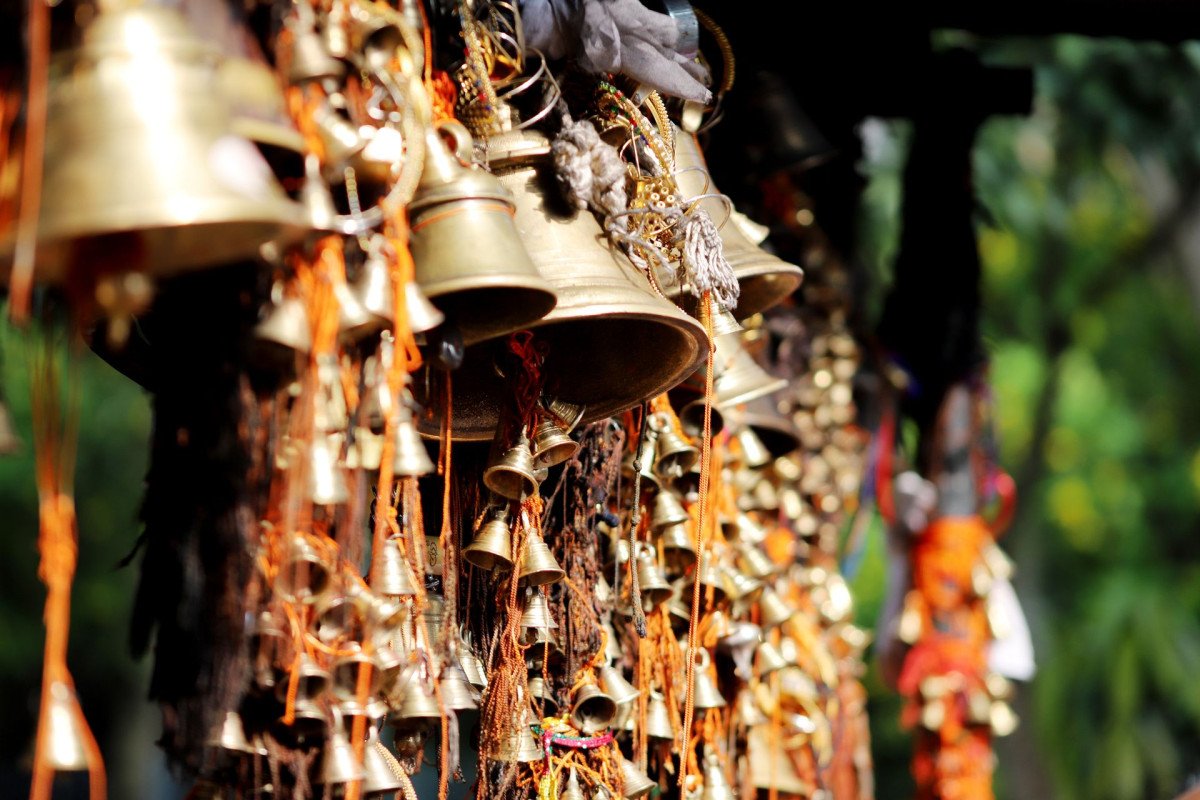
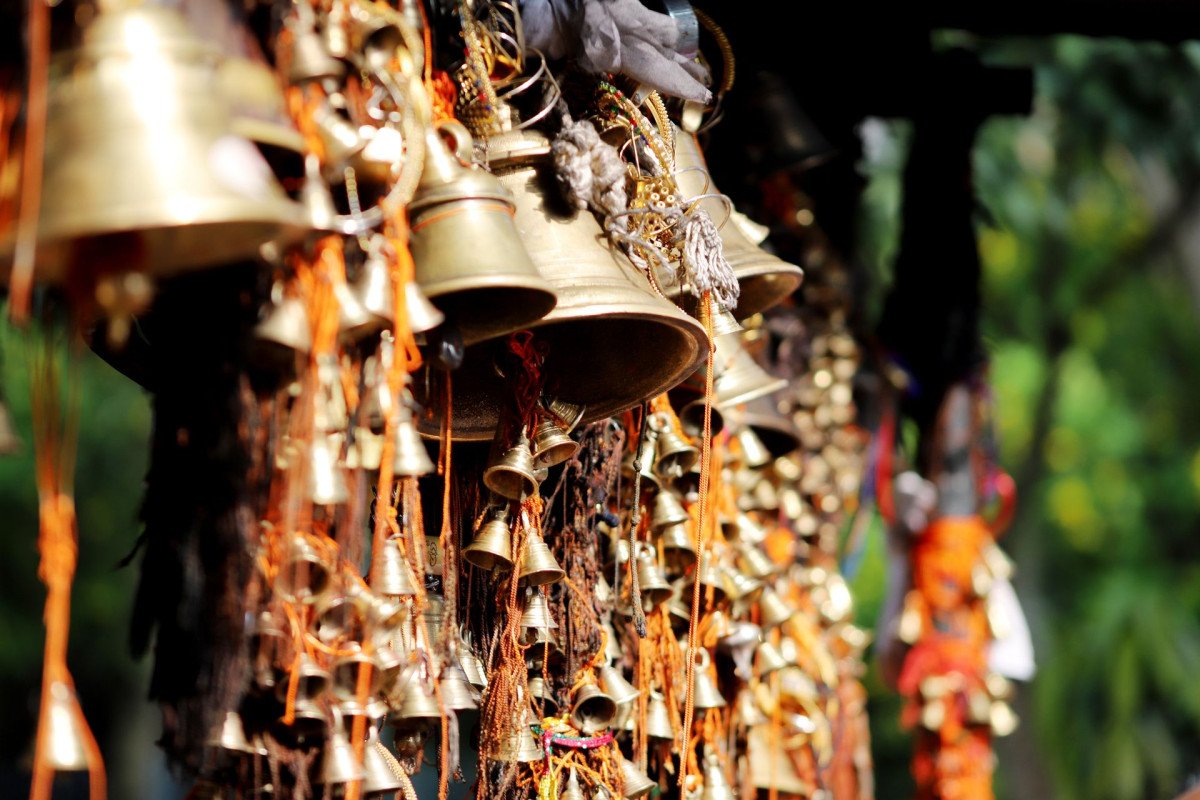
Baba Balak Nath Temple
General information
-
Ideal Duration:
1 to 2 HoursPlace Type:
Religious & Spiritual SiteEntry Fees:
No Entry Fee: There is No Entry Fee to visit the temple. Visitors can enter and worship for free, reflecting the inclusive nature of the shrine.
Donations and Offerings: Donations are voluntary, and pilgrims usually bring small offerings li...No Entry Fee: There is No Entry Fee to visit the temple. Visitors can enter and worship for free, reflecting the inclusive nature of the shrine.
Donations and Offerings: Donations are voluntary, and pilgrims usually bring small offerings like flowers, fruits, or a Chadar (cloth) for the deity. There is no compulsion for this.
Parking Fee: Paid parking is typically available near the base of the hill for private vehicles, costs for which vary depending on the local cantonment board rates.
Shoe and Camera Policy: Visitors must remove their shoes outside the temple sanctum. Photography is generally allowed in the complex but may be restricted inside the main cave or during peak rituals. ()Timing:
Regular Timings: The temple is generally open from 5:00 AM to 8:00 PM or 9:00 PM daily.
Ideal Visit Time: Early Mornings (5:00 AM - 8:00 AM) are ideal for enjoying the serenity, cool air, and best views before the crowds arrive. Late Aftern...Regular Timings: The temple is generally open from 5:00 AM to 8:00 PM or 9:00 PM daily.
Ideal Visit Time: Early Mornings (5:00 AM - 8:00 AM) are ideal for enjoying the serenity, cool air, and best views before the crowds arrive. Late Afternoons (4:00 PM - 6:00 PM) are also great for catching the sunset and pleasant weather.
Peak Visit Days: Sundays are the peak days with the largest crowds due to their auspicious significance. ()Special Events:
Chaitra Masa Fair: The biggest annual special event is the fair held during the Hindu month of Chaitra (March to April), drawing massive crowds of devotees for religious festivities, rituals, and community gatherings.
Sunday Gatherings: Ever...Chaitra Masa Fair: The biggest annual special event is the fair held during the Hindu month of Chaitra (March to April), drawing massive crowds of devotees for religious festivities, rituals, and community gatherings.
Sunday Gatherings: Every Sunday is considered an especially auspicious day, leading to a significant congregation of devotees and special bhajans and kirtans. ()Best Photo Spots:
Panoramic Shivalik View: The very top of Graner Hill, providing a wide shot of the valley and distant mountains.
The Trishul Silhouette: The large Trishul and Lord Shiva sculptures silhouetted against the rising or setting sun.Panoramic Shivalik View: The very top of Graner Hill, providing a wide shot of the valley and distant mountains.
The Trishul Silhouette: The large Trishul and Lord Shiva sculptures silhouetted against the rising or setting sun.
Temple Shikhara: Capturing the simple, traditional architecture of the temple structure against the backdrop of the lush green pines.
Path of Steps: The winding stone staircase leading up to the temple, often used to convey the sense of a pilgrimage journey. ()Photo Gallery
Things To Do
-
Seeking Blessings: The primary activity is offering prayers and seeking the blessings of Baba Balak Nath, particularly for couples.
The Pilgrimage Climb: Trekking the 250-odd steps to the hilltop is a devotional and physical activity, rewarding visitors with a sense of accomplishment.
Photography and Viewpoint: Capturing the breathtaking panoramic views of the Shivalik Range, the Sutlej River basin (on a clear day), and the surrounding green forests is a must-do.
Meditation and Reflection: Utilizing the serene atmosphere for quiet contemplation and meditation, especially near the cave area.
Exploring the Statues: Observing the sculptures of Lord Shiva and the large Trishul located on the hill.
Langar...Seeking Blessings: The primary activity is offering prayers and seeking the blessings of Baba Balak Nath, particularly for couples.
The Pilgrimage Climb: Trekking the 250-odd steps to the hilltop is a devotional and physical activity, rewarding visitors with a sense of accomplishment.
Photography and Viewpoint: Capturing the breathtaking panoramic views of the Shivalik Range, the Sutlej River basin (on a clear day), and the surrounding green forests is a must-do.
Meditation and Reflection: Utilizing the serene atmosphere for quiet contemplation and meditation, especially near the cave area.
Exploring the Statues: Observing the sculptures of Lord Shiva and the large Trishul located on the hill.
Langar and Community: Sharing a meal (langar) if one is being served, which promotes a sense of community and selfless service.
Nature Walk: Enjoying the refreshing air and pine-scented environment during the walk up and down the hill. ()
Information
-
Why Famous:
Spiritual Power: It is extremely famous for the belief that childless couples who pray here with devotion are blessed with children, drawing pilgrims from all over North India. This spiritual significance is its primary fame.
Scenic Hilltop Vie...Spiritual Power: It is extremely famous for the belief that childless couples who pray here with devotion are blessed with children, drawing pilgrims from all over North India. This spiritual significance is its primary fame.
Scenic Hilltop Views: Its location on Graner Hill offers some of the most spectacular, panoramic views of the entire Kasauli valley, the Shivalik Hills, and the distant plains, making it a dual destination for spirituality and nature.
Ancient Legend: The temple's association with the Hindu mystic and saint Baba Balak Nath, who is considered an incarnation of Lord Kartikeya, adds to its revered status. () -
Architecture:
Architectural Style and Dimension: The temple does not follow a specific formal architectural style like Gothic or Neo-Classical but is built around a natural formation—a Sacred Cave—making its architecture organically linked to its environment. Dimension of the main ca...Architectural Style and Dimension: The temple does not follow a specific formal architectural style like Gothic or Neo-Classical but is built around a natural formation—a Sacred Cave—making its architecture organically linked to its environment. Dimension of the main cave area is small and intimate, holding the idol of Baba Balak Nath. The modern structure built around the cave entrance is simple and functional, primarily using cement, stone, and tile with a traditional Hindu temple design featuring a small Shikhara (spire) and a bell tower. The overall compound includes a main prayer hall, a path leading up the hill, and various smaller shrines. Key features are the sculptures of Lord Shiva and a large Trishul (trident) on the hill. The focus is more on the natural, spiritual setting than on elaborate construction. The architecture emphasizes accessibility for pilgrims while preserving the sanctity of the cave. () -
How To Reach:
By Air: Nearest airport is Shaheed Bhagat Singh International Airport, Chandigarh (IXC), approximately 70 km away. From the airport, one must hire a pre-paid taxi or a private cab for the 2. 5 to 3-hour road journey to Kasauli.
By Train: Ne...By Air: Nearest airport is Shaheed Bhagat Singh International Airport, Chandigarh (IXC), approximately 70 km away. From the airport, one must hire a pre-paid taxi or a private cab for the 2. 5 to 3-hour road journey to Kasauli.
By Train: Nearest broad-gauge railhead is Kalka Railway Station (approx. 26 km). Taxis are readily available from Kalka to Kasauli, taking about 1 to 1. 5 hours. For a scenic route, one can take the UNESCO World Heritage Kalka-Shimla Toy Train to Dharampur station (approx. 11 km) and then hire a local taxi.
By Road: Kasauli is well-connected by road, with the nearest major intersection at Dharampur on NH5. State-run and private buses run frequently from Delhi (300 km), Chandigarh (60 km), and Shimla (70 km) to Dharampur, from where local taxis or shared cabs can be taken to Kasauli town and then to the temple's base. The entire road network is scenic but winding.
By Local Transport: Within Kasauli, the best way to reach the temple base is by hiring a local taxi or walking/trekking from the main market area. The final 250 steps to the top must be taken on foot. () -
Weather and Best Time to Visit:
Season - Summer (March to June): This is the Best Time to Visit as the weather is pleasantly cool, making the trek comfortable and the views clear. The surrounding flora is in bloom.
Season - Monsoon (July to August): Visiting is possible, ...Season - Summer (March to June): This is the Best Time to Visit as the weather is pleasantly cool, making the trek comfortable and the views clear. The surrounding flora is in bloom.
Season - Monsoon (July to August): Visiting is possible, but roads and the temple path can be slippery and risky due to rain; fog often obscures the views.
Season - Winter (December to February): Cold, but clear skies offer fantastic views. Carry heavy woolens. Late Autumn (September to November) is ideal with clear, crisp air.
Part of the Day - Early Morning: Ideal for spiritual peace, photography, and the coolest trekking temperature.
Part of the Day - Late Afternoon: Best for catching the sunset views and a serene atmosphere before closing. () -
Near Tourist Places:
Monkey Point (Hanuman Temple) (5 km), Christ Church (3 km), Gilbert Trail (4 km), Sunset Point (3. 5 km), Gurudwara Shri Guru Nanakji (1 km), Central Research Institute (CRI) (4 km), Kasauli Club (3 km), Mall Road (Kasauli Market) (3 km), Dharampur (10 km), Sanawar (12 km).
Tourism Tips
-
Health & Safety: Carry a reusable Water Bottle; the climb can be dehydrating. Wear Comfortable, non-slip shoes for the steps. If visiting in winter, layer warm clothing.
Packing: Carry essential personal items and a small, respectful offe...Health & Safety: Carry a reusable Water Bottle; the climb can be dehydrating. Wear Comfortable, non-slip shoes for the steps. If visiting in winter, layer warm clothing.
Packing: Carry essential personal items and a small, respectful offering for the deity. Do not forget your camera for the panoramic views.
Accommodation: Stay in the hotels or homestays in Kasauli town or Garkhal. The temple itself does not offer overnight accommodation.
Other Tips: Respect the sanctity of the temple by dressing modestly (covering shoulders and legs). Photography is permitted, but be discreet, especially inside the sanctum. Avoid littering on the trail; maintain the pristine environment of the hill station. Plan the visit for the morning to avoid crowds and get the best light. ()
Reviews
FAQs
Kasauli Itineray And Cost:-
Baba Balak Nath Temple Tourism:-
Information about New and Updated Locations() of Himachal Pradesh Has Been Added :-
Card subtitle
Note:-
Information provided here in good Faith and for reference only.
All information and pictures will be updated soon, please keep visiting.
Near Places
Baba Balak Nath Temple
Some quick example text to build on the card title and make up the bulk of the card's content.
Go somewhere
Baptist Church
Some quick example text to build on the card title and make up the bulk of the card's content.
Go somewhere
Central Research Institute
Some quick example text to build on the card title and make up the bulk of the card's content.
Go somewhere
Christ Church
Some quick example text to build on the card title and make up the bulk of the card's content.
Go somewhere
Gilbert Trail
Some quick example text to build on the card title and make up the bulk of the card's content.
Go somewhere
Gurudwara Shri Guru Nanakji
Some quick example text to build on the card title and make up the bulk of the card's content.
Go somewhere
Kasauli Brewery
Some quick example text to build on the card title and make up the bulk of the card's content.
Go somewhere
Mall Road
Some quick example text to build on the card title and make up the bulk of the card's content.
Go somewhere
Monkey Point
Some quick example text to build on the card title and make up the bulk of the card's content.
Go somewhere
Shirdi Sai Baba Mandir
Some quick example text to build on the card title and make up the bulk of the card's content.
Go somewherein Other Cities