Baghmara Market
General information
-
Ideal Duration:
2 to 3 Hours:Place Type:
Commercial, Cultural, Local Life:Entry Fees:
General Entry: Free, as it is a public market place and an integral part of the town's commerce, open to all for trade and visitation:
Market Stalls Fee: Vendors pay a nominal rent or daily fee to the local municipal board to set up their sta...General Entry: Free, as it is a public market place and an integral part of the town's commerce, open to all for trade and visitation:
Market Stalls Fee: Vendors pay a nominal rent or daily fee to the local municipal board to set up their stalls, which is an operating cost and not a fee charged to shoppers or tourists:
Photography Fee: There are generally No official fees for general photography, but extreme care must be taken to respect the privacy and wishes of the vendors and people being photographed; paying a small sum for a purchase acts as a polite transaction for a portrait:
():Timing:
Regular Timings:
Monday to Saturday: 9:00 AM – 6:00 PM, with peak activity between 10:00 AM and 4:00 PM, closing early on Sunday or being completely closed for the main holiday:
Ideal Visit Time: Mid-Morning...Regular Timings:
Monday to Saturday: 9:00 AM – 6:00 PM, with peak activity between 10:00 AM and 4:00 PM, closing early on Sunday or being completely closed for the main holiday:
Ideal Visit Time: Mid-Morning (10:00 AM to 12:00 PM) offers the best combination of full stock and manageable crowds, while the specific weekly Haat day, which can vary, is the most chaotic but rewarding time for cultural immersion:
():Special Events:
Wangala Festival Preparations: Leading up to the annual Wangala harvest festival (usually in November), the market becomes a hub for buying traditional costumes, ornaments, and musical instruments, creating a palpable festive atmosphere:
Local Fa...Wangala Festival Preparations: Leading up to the annual Wangala harvest festival (usually in November), the market becomes a hub for buying traditional costumes, ornaments, and musical instruments, creating a palpable festive atmosphere:
Local Farmers' Haat Day: The weekly or bi-weekly main market day (Haat) is a special event in itself, featuring an explosion of vendors and agricultural goods not seen on regular days, making it the most important commercial gathering:
():Best Photo Spots:
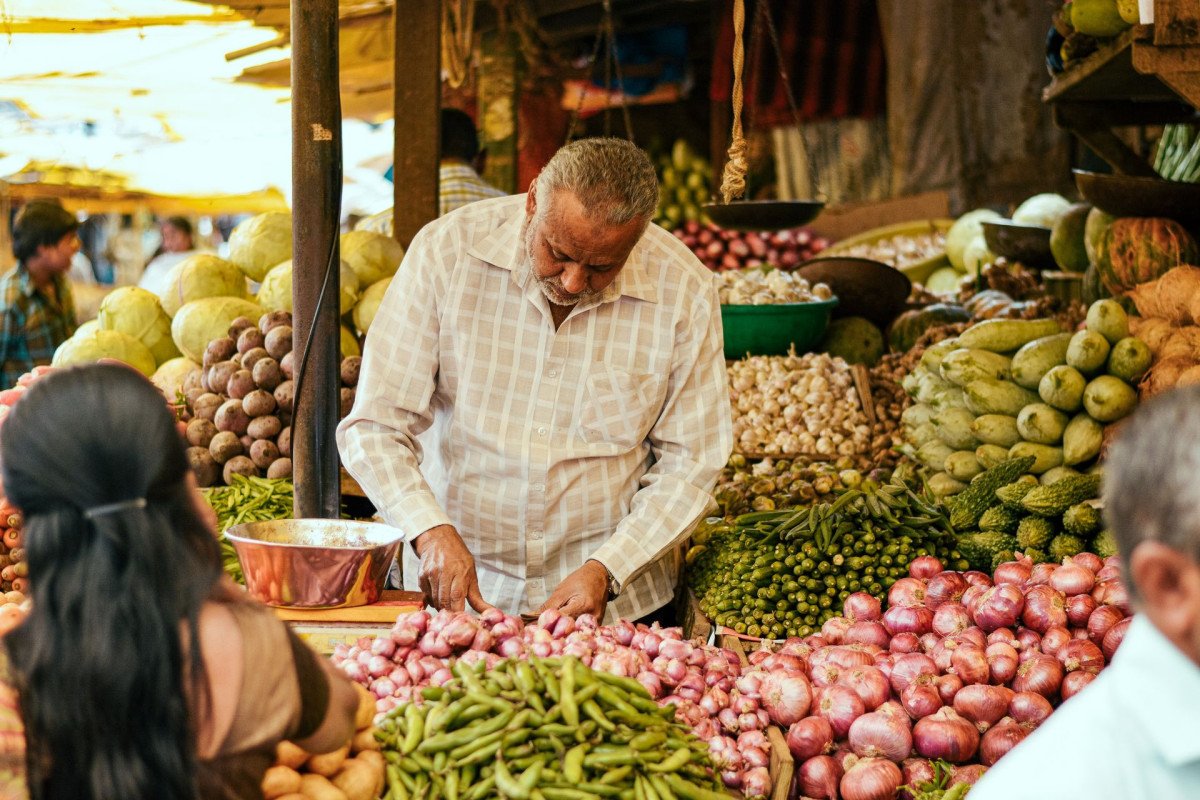
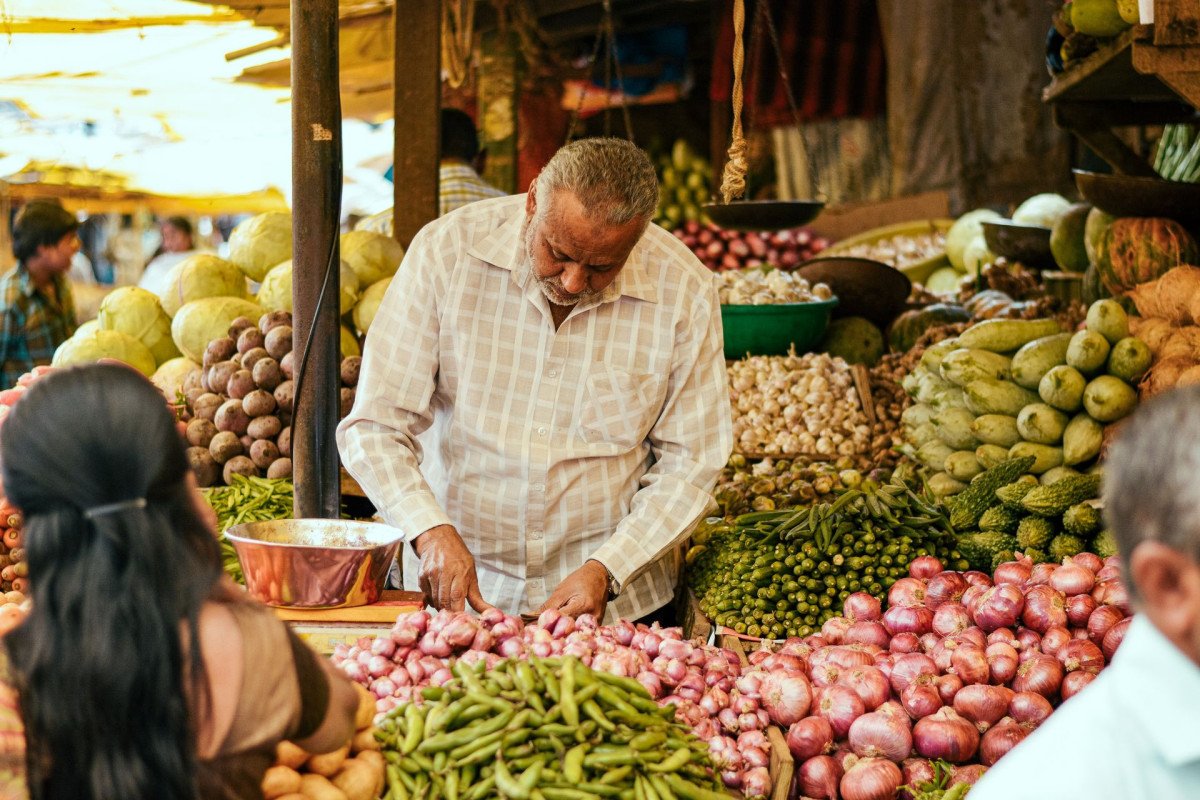
The Spice Stalls: The colourful mounds of chillies, turmeric, and ginger powders offer a fantastic contrast of textures and colours for close-up shots:
High Angle View from a Nearby Building: If permitted, shooting from a slight elevation cap...The Spice Stalls: The colourful mounds of chillies, turmeric, and ginger powders offer a fantastic contrast of textures and colours for close-up shots:
High Angle View from a Nearby Building: If permitted, shooting from a slight elevation captures the entire chaotic yet organized bustle of the market under its large roof, including the movement of people and goods:
Portraits of the Indigenous Vendors: Capturing the weathered faces and traditional attire of the local sellers, with their permission, provides the most compelling human-interest photographs:
():Photo Gallery
Things To Do
-
Browse Indigenous Produce: Explore and purchase unique items like locally grown ginger, turmeric, wild mushrooms, fermented bamboo shoot (Me'kham), and rare local fruits and vegetables, ensuring to support local farmers directly:
Taste Local Snacks: Sample a variety of local street food and snacks prepared by market vendors, such as sticky rice cakes, locally smoked meats, and a cup of authentic local tea or coffee:
Practice Ethical Bargaining: Engage politely in bargaining, particularly for non-fixed-price items, which is a key part of the market culture, while remaining respectful of the local economy and vendor efforts:
Observe the Cultural Exchange: Spend time simply sitting and watching the vibrant interaction between people from different tribes, observing the...Browse Indigenous Produce: Explore and purchase unique items like locally grown ginger, turmeric, wild mushrooms, fermented bamboo shoot (Me'kham), and rare local fruits and vegetables, ensuring to support local farmers directly:
Taste Local Snacks: Sample a variety of local street food and snacks prepared by market vendors, such as sticky rice cakes, locally smoked meats, and a cup of authentic local tea or coffee:
Practice Ethical Bargaining: Engage politely in bargaining, particularly for non-fixed-price items, which is a key part of the market culture, while remaining respectful of the local economy and vendor efforts:
Observe the Cultural Exchange: Spend time simply sitting and watching the vibrant interaction between people from different tribes, observing their distinct clothing, languages, and trading rituals, which highlights the area's rich diversity:
Photography of Vending: Capture the vibrant colours and human activity of the market stalls, always discreetly and with permission if photographing people up close, focusing on the beautiful displays of exotic products:
Visit the Dried Fish Section: While pungent, a visit to the Shutki (dried fish) section is a must-see for its historical and economic significance in the cross-border trade, demonstrating a unique aspect of the local diet:
Buy Souvenirs: Look for handcrafted bamboo and cane items, traditional Garo shawls or cloth (Dakha), and small, locally-made trinkets as authentic souvenirs of the region:
():
Information
-
Why Famous:
Trade Hub of the South: Famous for being the largest and most central market in the district, drawing vendors and buyers from remote villages and acting as the main distribution point for all essential goods:
Shutki (Dried Fish) Specialisation:Trade Hub of the South: Famous for being the largest and most central market in the district, drawing vendors and buyers from remote villages and acting as the main distribution point for all essential goods:
Shutki (Dried Fish) Specialisation: The market has a reputation for its trade in various types of dried fish, sourced from the nearby border areas and a staple in the local cuisine, giving it a unique, pungent aroma and a specialised trading niche:
Indigenous Produce: Its fame rests on the sheer volume and variety of authentic indigenous produce, spices, and wild edibles only found in the Garo Hills, which attracts culinary tourists and researchers:
(): -
Architecture:
Market Layout and Dimension: The primary market area is typically a covered shed structure built of steel and concrete, often covering an area of around 1500 to 2000 square meters to protect vendors and goods from the intense sun and monsoon rains, with rows of temporary and...Market Layout and Dimension: The primary market area is typically a covered shed structure built of steel and concrete, often covering an area of around 1500 to 2000 square meters to protect vendors and goods from the intense sun and monsoon rains, with rows of temporary and permanent stalls:
Architecture Style: The design is entirely functional, focusing on maximizing space for trade and movement, featuring high ceilings for ventilation and durable materials for longevity, with a distinct absence of decorative elements, prioritizing utility over aesthetics to handle the heavy foot traffic:
Local Materials Integration: Open-air sections often incorporate temporary structures made from local materials like bamboo and thatch, demonstrating a blend of modern construction for permanent stalls and traditional, sustainable materials for temporary setups:
(): -
How To Reach:
By Air: Fly to Guwahati's Lokpriya Gopinath Bordoloi International Airport (GAU), then take a 5-6 hour hired taxi or bus journey (NH-62) covering approx.
240 KM to Baghmara town center:
By Train: The nearest ...By Air: Fly to Guwahati's Lokpriya Gopinath Bordoloi International Airport (GAU), then take a 5-6 hour hired taxi or bus journey (NH-62) covering approx.
240 KM to Baghmara town center:
By Train: The nearest major railhead is Guwahati Railway Station (GHY), followed by a necessary road trip to the market location in Baghmara:
By Road: Well-connected by NH-62 and state transport buses from Tura (Approx. 110 KM) and other key Meghalaya and Assam towns; the market is right on the main highway passing through Baghmara:
By Local Transport: The market is centrally located; it is easily walkable from most of the small town's hotels, or a very short, cheap auto-rickshaw ride from the outskirts of Baghmara:
(): -
Weather and Best Time to Visit:
Different Types of Seasons: Dry Winter (October to February) is perfect, as the market is less muddy and the weather is cooler for spending extended time browsing the open stalls: Monsoon (June to September) makes the market muddy and less accessible but offers the freshest ...Different Types of Seasons: Dry Winter (October to February) is perfect, as the market is less muddy and the weather is cooler for spending extended time browsing the open stalls: Monsoon (June to September) makes the market muddy and less accessible but offers the freshest seasonal produce:
Different Parts of the Day: Mid-Morning is the most vibrant time for a visit, as the vendors have set up all their goods and the trading activity is at its peak:
(): -
Near Tourist Places:
Baghmara Christian Church (0. 5 KM), Simsang River Bank (0. 3 KM), Dilsa Hill Viewpoint (2. 5 KM), Baghmara Sports Complex (1 KM), Haluagaon Border Haat (10 KM), Nangmawal Ading Waterfalls (15 KM), Siju Caves (40 KM), Balpakram National Park (65 KM), Rongara (50 KM), Tura (110 KM)
Tourism Tips
-
Health & safety: Be aware of your surroundings, as it can get very crowded, and keep valuables secure; only drink bottled water and be cautious about consuming street food to prevent stomach upset:
Packing: Carry a sturdy, reusable shopping ...Health & safety: Be aware of your surroundings, as it can get very crowded, and keep valuables secure; only drink bottled water and be cautious about consuming street food to prevent stomach upset:
Packing: Carry a sturdy, reusable shopping bag for any purchases, small denominations of cash for easy transactions, and wear comfortable, preferably closed-toe, shoes as the ground can be wet and uneven:
Accommodation: Book accommodation in advance in Baghmara or use the town as a stopover on the way to Balpakram National Park or Siju Caves, opting for reputable guesthouses:
Other Different Topics heading: Learn a few basic local phrases in Garo (e. g. , greetings) to enhance your interaction with the local community, which will be greatly appreciated:
():
Reviews
FAQs
Baghmara Itineray And Cost:-
Information about New and Updated Locations() of Meghalaya Has Been Added :-
Card subtitle
Note:-
Information provided here in good Faith and for reference only.
All information and pictures will be updated soon, please keep visiting.
Near Places

Baghmara Christian Church
Some quick example text to build on the card title and make up the bulk of the card's content.
Go somewhere
Baghmara Market
Some quick example text to build on the card title and make up the bulk of the card's content.
Go somewhere
Baghmara Reserve Forest
Some quick example text to build on the card title and make up the bulk of the card's content.
Go somewhere
Baghmara Stadium
Some quick example text to build on the card title and make up the bulk of the card's content.
Go somewhere
Baghmara Town Viewpoint
Some quick example text to build on the card title and make up the bulk of the card's content.
Go somewhere
Balpakram Elephant Habitat
Some quick example text to build on the card title and make up the bulk of the card's content.
Go somewhere
Balpakram Gorge
Some quick example text to build on the card title and make up the bulk of the card's content.
Go somewhere
Balpakram National Park
Some quick example text to build on the card title and make up the bulk of the card's content.
Go somewhere
Chitmang Peak
Some quick example text to build on the card title and make up the bulk of the card's content.
Go somewhere
Chokpot
Some quick example text to build on the card title and make up the bulk of the card's content.
Go somewherein Other Cities