
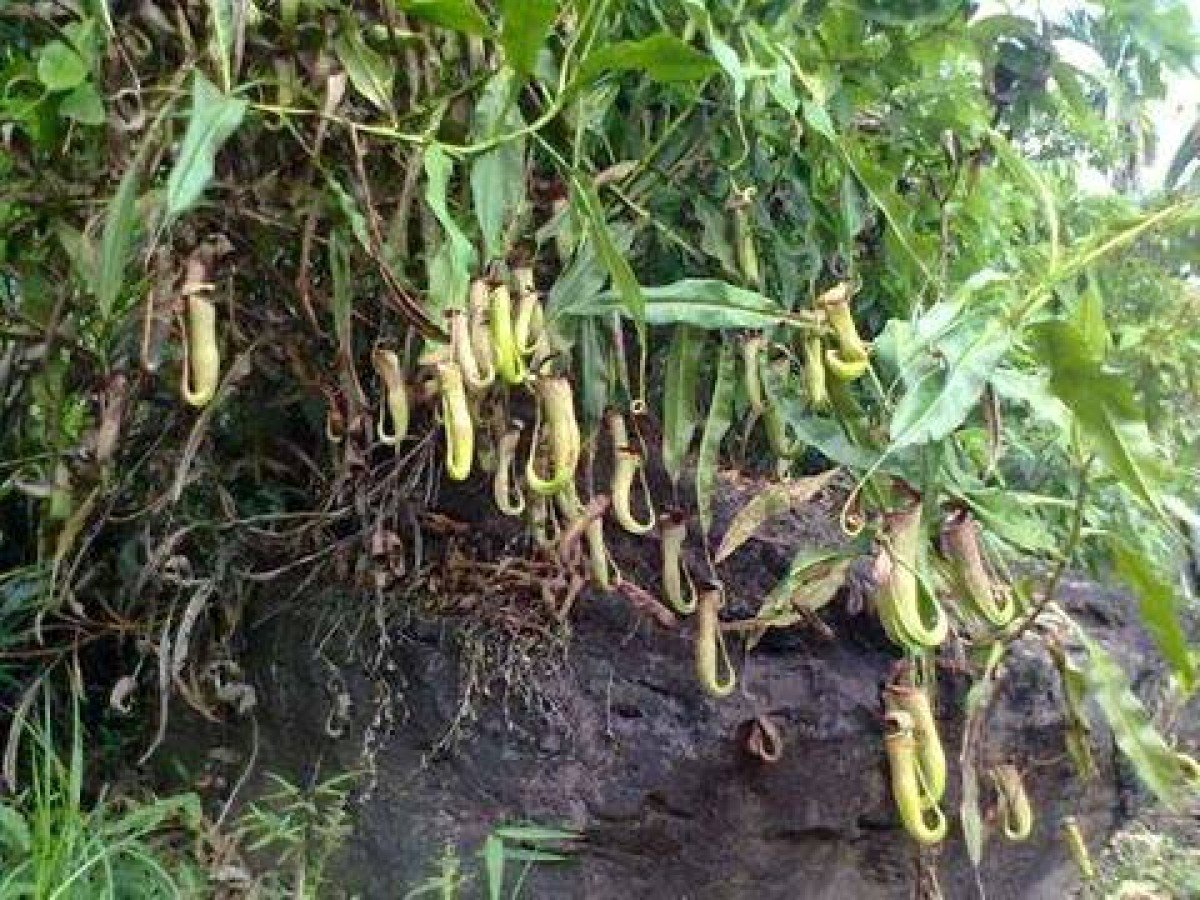
Baghmara Reserve Forest
General information
-
Ideal Duration:
3 to 4 Hours:Place Type:
Nature, Wildlife, Botanical:Entry Fees:
General Entry Fee: A nominal fee of approximately Rs.20 to Rs.50 per person is usually charged by the forest department for entry into the core sanctuary area to fund maintenance and conservation efforts:
Camera Fee: A separate, higher fee may be...General Entry Fee: A nominal fee of approximately Rs.20 to Rs.50 per person is usually charged by the forest department for entry into the core sanctuary area to fund maintenance and conservation efforts:
Camera Fee: A separate, higher fee may be charged for professional cameras (DSLRs) or video equipment, potentially ranging from Rs.100 to Rs.300, to regulate commercial photography within the protected zone:
Guide Fee: Hiring a mandatory or highly recommended local guide will incur an additional fee, typically negotiable but essential for safety and spotting specific flora/fauna:
():Timing:
Regular Timings: Generally open from 9:00 AM – 4:00 PM daily, as it is a natural reserve and access is restricted after sunset for safety and wildlife protection reasons:
Ideal Visit Time: Early Morning (9:00 AM) is the best time for wildli...Regular Timings: Generally open from 9:00 AM – 4:00 PM daily, as it is a natural reserve and access is restricted after sunset for safety and wildlife protection reasons:
Ideal Visit Time: Early Morning (9:00 AM) is the best time for wildlife spotting, bird watching, and to experience the forest at its freshest and most active before the afternoon heat and human traffic increase:
():Special Events:
Wildlife Week Celebrations: Held in October (first week) across the state, the reserve often hosts small awareness programs, nature walks, and educational talks focused on conservation and the importance of the Pitcher Plant:
Local Harvest Festiv...Wildlife Week Celebrations: Held in October (first week) across the state, the reserve often hosts small awareness programs, nature walks, and educational talks focused on conservation and the importance of the Pitcher Plant:
Local Harvest Festivals: During the harvest season, the local Garo communities living near the forest may hold smaller, localized thanksgiving ceremonies (Ajea or Ahaia), sometimes visible or audible from the edges of the reserve, showcasing their deep connection to the natural environment:
():Best Photo Spots:
The Pitcher Plant Clusters: A close-up of the unique carnivorous plant, capturing its distinct shape and colour, ideally with a macro lens to highlight the intricate details of its trapping mechanism:
Forest Canopy from a Trail: Shooting upwa...The Pitcher Plant Clusters: A close-up of the unique carnivorous plant, capturing its distinct shape and colour, ideally with a macro lens to highlight the intricate details of its trapping mechanism:
Forest Canopy from a Trail: Shooting upwards to capture the dense, lush green canopy, creating a dramatic, immersive jungle feel, especially when the sun filters through the leaves:
View of the Simsang River from the Forest Edge: Capturing the wide, majestic river framed by the dense forest on either side, perfect for a sweeping landscape shot:
():Photo Gallery
Things To Do
-
Guided Pitcher Plant Viewing: Hire a local forest guide to take you on the designated trails to safely locate and observe the unique carnivorous Pitcher Plant in its natural habitat without disturbing the delicate ecosystem:
Bird Watching: Spend time on the quieter trails searching for the region's diverse avifauna, which includes various hill birds, hornbills, and water birds near the Simsang River bank, requiring patience and a good pair of binoculars:
Soft Nature Trekking: Enjoy a gentle trek along the marked forest paths, soaking in the dense, humid air and the quiet sounds of the jungle, appreciating the rich, tropical foliage of the Garo Hills:
Wildlife Photography: Set up discreetly in an open area or near a lookout point to try and photograph the local monke...Guided Pitcher Plant Viewing: Hire a local forest guide to take you on the designated trails to safely locate and observe the unique carnivorous Pitcher Plant in its natural habitat without disturbing the delicate ecosystem:
Bird Watching: Spend time on the quieter trails searching for the region's diverse avifauna, which includes various hill birds, hornbills, and water birds near the Simsang River bank, requiring patience and a good pair of binoculars:
Soft Nature Trekking: Enjoy a gentle trek along the marked forest paths, soaking in the dense, humid air and the quiet sounds of the jungle, appreciating the rich, tropical foliage of the Garo Hills:
Wildlife Photography: Set up discreetly in an open area or near a lookout point to try and photograph the local monkeys (langurs), butterflies, and the diverse insect life that thrives in the forest environment:
Visit the Simsang River Bank: Walk down to the edge of the forest that meets the Simsang River to enjoy the river views and the contrast between the water and the dense jungle:
Learn from the Forest Guard: Engage with the forest guards or sanctuary staff (if present) to learn about their conservation efforts, the history of the reserve, and the challenges of protecting the Asian elephant corridor:
Mindful Meditation: Find a quiet, safe spot on a bench or cleared area and practice mindful listening and meditation, allowing the sounds of the deep forest to enhance your relaxation and connection with nature:
():
Information
-
Why Famous:
The Pitcher Plant Sanctuary: It is overwhelmingly famous for the Baghmara Pitcher Plant Wildlife Sanctuary, one of the few places in India where the carnivorous Nepenthes khasiana grows naturally and prolifically, a major draw for botanists and nature lovers:The Pitcher Plant Sanctuary: It is overwhelmingly famous for the Baghmara Pitcher Plant Wildlife Sanctuary, one of the few places in India where the carnivorous Nepenthes khasiana grows naturally and prolifically, a major draw for botanists and nature lovers:
Elephant Corridor: The reserve is an active corridor for wild Asian elephants moving between the hills and the plains of Bangladesh, although sightings are rare, the knowledge of their presence adds a thrilling element to the wilderness:
Simsang River Proximity: The forest's location right next to the mighty Simsang River adds to its scenic beauty and ecological richness, providing water to the diverse plant and animal life throughout the year:
(): -
Architecture:
Natural Reserve Dimension: While the Reserve Forest is vast, the specific, accessible, and protected core zone is relatively small, perhaps covering an area dedicated to the Pitcher Plant Sanctuary of a few square kilometres, with clearly marked trails:
Read MoreNatural Reserve Dimension: While the Reserve Forest is vast, the specific, accessible, and protected core zone is relatively small, perhaps covering an area dedicated to the Pitcher Plant Sanctuary of a few square kilometres, with clearly marked trails:
Trail Infrastructure: The infrastructure is minimal to preserve the natural state, consisting mainly of natural dirt paths, a few wooden observation decks, and simple guard/ranger posts, with paths perhaps only 1-2 meters wide to ensure visitor safety and reduce human impact:
Signage and Fencing: Simple, durable wooden or metal signage is used to identify plant species and guide visitors, along with natural or non-intrusive fencing around the most vulnerable Pitcher Plant clusters to prevent accidental damage by visitors:
():How To Reach:
By Air: Fly to Guwahati (GAU), followed by a 5-6 hour road trip (NH-62) covering approx. 240 KM to Baghmara, then an additional 4 KM to the forest gate:
By Train: Arrive at Guwahati Railway Station (GHY), then proceed by hired vehicle or bus...By Air: Fly to Guwahati (GAU), followed by a 5-6 hour road trip (NH-62) covering approx. 240 KM to Baghmara, then an additional 4 KM to the forest gate:
By Train: Arrive at Guwahati Railway Station (GHY), then proceed by hired vehicle or bus along the highway that leads directly past the forest area:
By Road: The forest is easily accessible as it is located right on or very close to the main NH-62 highway that connects Baghmara to Tura and Guwahati, with buses stopping near the main entry point:
By Local Transport: Hire a dedicated local taxi or auto-rickshaw from Baghmara town center to the forest gate and arrange for the driver to wait, as public transport back can be infrequent, especially late in the day:
():Weather and Best Time to Visit:
Different Types of Seasons: Winter (October to March) is ideal, as the weather is cool, dry, and pleasant for trekking and walking, and the undergrowth is less dense, making trail walking easier: Monsoon brings maximum humidity, which is vital for the Pitcher Plant, but trai...Different Types of Seasons: Winter (October to March) is ideal, as the weather is cool, dry, and pleasant for trekking and walking, and the undergrowth is less dense, making trail walking easier: Monsoon brings maximum humidity, which is vital for the Pitcher Plant, but trails become extremely slippery:
Different Parts of the Day: Sunrise (or shortly after) is the prime time, as the forest is waking up, the light is soft for photography, and the chances of seeing wildlife near the trails are highest:
():Near Tourist Places:
Simsang River Bridge (1 KM), Baghmara Town Viewpoint (Dilsa Hill - 2 KM), Baghmara Christian Church (4 KM), Siju Caves (36 KM), Balpakram National Park (61 KM), Haluagaon Border Haat (12 KM), Nangmawal Ading Waterfalls (18 KM), Rongara (46 KM), Chokpot (41 KM), Tura (106 KM)Tourism Tips
-
Health & safety: Always hire a local guide, stick to marked trails to avoid getting lost, carry a basic first-aid kit for insect bites, and be extremely cautious about wild elephants, particularly at dawn and dusk:
Packing: Wear drab-colored,...Health & safety: Always hire a local guide, stick to marked trails to avoid getting lost, carry a basic first-aid kit for insect bites, and be extremely cautious about wild elephants, particularly at dawn and dusk:
Packing: Wear drab-colored, long-sleeved clothing to deter insects, carry a good pair of binoculars, a field guide to local flora/fauna, and plenty of drinking water, as facilities are minimal:
Accommodation: No overnight stays are permitted within the forest; secure lodging in Baghmara town, where basic guesthouses and hotels are available:
Other Different Topics heading: Do not litter, do not touch or feed the wildlife, and absolutely refrain from collecting any plant specimens, especially the rare Pitcher Plant:
():
Reviews
FAQs
Baghmara Itineray And Cost:-
Baghmara Reserve Forest Tourism:-
Other Places In Baghmara :-
Other States In India :-
Information about New and Updated Locations() of Meghalaya Has Been Added :-
Card subtitle
Note:-
Information provided here in good Faith and for reference only.
Near Places

Chokpot
Some quick example text to build on the card title and make up the bulk of the card's content.
Go somewhere
Dambuk Falls
Some quick example text to build on the card title and make up the bulk of the card's content.
Go somewhere
Dillai Falls
Some quick example text to build on the card title and make up the bulk of the card's content.
Go somewhere
Jangrapara
Some quick example text to build on the card title and make up the bulk of the card's content.
Go somewhere
Karukol
Some quick example text to build on the card title and make up the bulk of the card's content.
Go somewhere
Khadam
Some quick example text to build on the card title and make up the bulk of the card's content.
Go somewhere
Kosi Falls
Some quick example text to build on the card title and make up the bulk of the card's content.
Go somewhere
Mahadeo
Some quick example text to build on the card title and make up the bulk of the card's content.
Go somewhere
Naphak Lake
Some quick example text to build on the card title and make up the bulk of the card's content.
Go somewhere
Rengchi River
Some quick example text to build on the card title and make up the bulk of the card's content.
Go somewhere
Rongara
Some quick example text to build on the card title and make up the bulk of the card's content.
Go somewhere
Rongchek Falls
Some quick example text to build on the card title and make up the bulk of the card's content.
Go somewhere
Rongsu River
Some quick example text to build on the card title and make up the bulk of the card's content.
Go somewhere
Rupnarayan
Some quick example text to build on the card title and make up the bulk of the card's content.
Go somewhere
Siju Bird Sanctuary
Some quick example text to build on the card title and make up the bulk of the card's content.
Go somewhere
Siju Caves
Some quick example text to build on the card title and make up the bulk of the card's content.
Go somewherein Other Cities