


Balasore
General information
-
Ideal Duration:
2 to 3 DaysPlace Type:
Coastal & HeritageEntry Fees:
Beach Entry: Most beaches like Chandipur and Talsari are free for the public, though nominal parking charges for vehicles may apply locally.
Sanctuary Fees: Entry to the Kuldiha Wildlife Sanctuary costs around 40 INR for Indians, with additi...Beach Entry: Most beaches like Chandipur and Talsari are free for the public, though nominal parking charges for vehicles may apply locally.
Sanctuary Fees: Entry to the Kuldiha Wildlife Sanctuary costs around 40 INR for Indians, with additional charges for safari vehicles and cameras.Timing:
Regular Hours: Temples are open from 6:00 AM to 8:30 PM, while beaches are accessible all day, though morning and evening are the safest.
Tide Timings: For Chandipur, it is essential to check the local tide charts to experience the receding ...Regular Hours: Temples are open from 6:00 AM to 8:30 PM, while beaches are accessible all day, though morning and evening are the safest.
Tide Timings: For Chandipur, it is essential to check the local tide charts to experience the receding sea phenomenon safely during the day.Special Events:
Maha Shivaratri: This festival is celebrated with grand fervor at the Panchalingeswar and Chandaneswar temples, attracting thousands of pilgrims.
Chandipur Beach Festival: Held in December, this event showcases local folk dances like Chhau a...Maha Shivaratri: This festival is celebrated with grand fervor at the Panchalingeswar and Chandaneswar temples, attracting thousands of pilgrims.
Chandipur Beach Festival: Held in December, this event showcases local folk dances like Chhau and traditional Odia music along the seaside.Best Photo Spots:
Chandipur Shore: The vast exposed seabed during low tide offers a unique backdrop for surreal photography, especially during the golden hour of sunset.
Nilgiri Hills: The panoramic view from the Panchalingeswar temple provides a stunning sho...Chandipur Shore: The vast exposed seabed during low tide offers a unique backdrop for surreal photography, especially during the golden hour of sunset.
Nilgiri Hills: The panoramic view from the Panchalingeswar temple provides a stunning shot of the green valley and the misty hills of northern Odisha.Photo Gallery


Things To Do
 Devkund Waterfall is a breathtaking natural wonder located on the outskirts of the Similipal National Park. The name "Devkund" literally translates to "The Bathtub of Gods," and the site is revered as a holy place where deities are believed to take their bath. The waterfall cascades from a height of about 50 feet into a large, crystal-clear pool known as a Kund. Interestingly, there are five such natural pools in the area—Amrit Kund, Ghrita Kund, Haladi Kund, Devi Kund, and Devkund—giving the place the name Pancha Kunda. The water is remarkably cold and clean, making it a popular spot for tourists to take a refreshing dip. Surrounded by dense tropical forests and rugged hills, the site offers a perfect escape for nature lovers and adventure seekers. To reach the main waterfall, one must undertake a scenic trek through the forest, which adds an element of adventure to the visit. Above the waterfall, after climbing over 100 stone steps, sits the ancient temple of Maa Ambika, built by the former kings of Mayurbhanj in 1940. The sound of the crashing water combined with the chirping of forest birds creates a symphony of nature that is incredibly soothing. The area is rich in biodiversity, and lucky visitors might spot colorful butterflies and rare birds. Devkund is not just a picnic spot; it is a spiritual sanctuary where the power of nature meets ancient faith. The journey through the winding forest roads to reach this spot is as beautiful as the destination itself, making it one of the most cherished day-trips from Balasore.
@@Introduction to Balaramgadi Port: Balaramgadi Port is a historic and functional maritime site located near the famous Chandipur Beach in the Balasore district of Odisha, India. It is situated at the significant confluence point where the Budhabalanga River empties into the Bay of Bengal, making it a natural harbour for centuries. Historically, this area was part of the greater Balasore Port which rose to prominence in the 17th century as a key commercial hub on India’s eastern coast. The port facilitated extensive trade with European and Persian countries, exporting textiles and importing goods like copper and quicksilver. The British and Dutch established factories nearby, underscoring its strategic commercial importance during the colonial era. The port was also known for shipbuilding and repairing, highlighting its crucial role in maritime history. Today, while the grand colonial trade has ceased, the area maintains its identity as a bustling fishing harbour. The daily activities of the local fishermen and the trading of fresh catches echo the site’s ancient commercial spirit. Visitors can observe the traditional coastal lifestyle, characterized by the sight of fishing trawlers and the sounds of the active fish market. The proximity to the retreating waters of Chandipur Beach adds to its unique charm, blending a working harbour's grit with a scenic coastal environment. The presence of a Radha Krishna Temple near the beach also offers a spiritual anchor. The area is a prime spot for observing the beautiful sunrise and sunset over the water, offering a peaceful escape for photography enthusiasts and those seeking a glimpse into Odisha’s coastal heritage. The transition from a major international trading post to a vibrant local fishery tells a compelling story of regional economic evolution. @@Geographical Significance: The meeting point of the river and the sea creates a rich ecosystem, historically providing deep anchorage which was crucial for large European vessels, making it a more accessible port than many others in the region during the 17th to 19th centuries. @@Modern Use and Local Economy: The current port primarily supports the local fishing industry. The busy harbour is the main economic lifeline for the surrounding villages, with large fishing trawlers bringing in a costly catch of prawns, hilsha, and other seafood, which is then traded locally and internationally. The sight of nets being mended and boats setting out is a common, authentic scene.
Devkund Waterfall is a breathtaking natural wonder located on the outskirts of the Similipal National Park. The name "Devkund" literally translates to "The Bathtub of Gods," and the site is revered as a holy place where deities are believed to take their bath. The waterfall cascades from a height of about 50 feet into a large, crystal-clear pool known as a Kund. Interestingly, there are five such natural pools in the area—Amrit Kund, Ghrita Kund, Haladi Kund, Devi Kund, and Devkund—giving the place the name Pancha Kunda. The water is remarkably cold and clean, making it a popular spot for tourists to take a refreshing dip. Surrounded by dense tropical forests and rugged hills, the site offers a perfect escape for nature lovers and adventure seekers. To reach the main waterfall, one must undertake a scenic trek through the forest, which adds an element of adventure to the visit. Above the waterfall, after climbing over 100 stone steps, sits the ancient temple of Maa Ambika, built by the former kings of Mayurbhanj in 1940. The sound of the crashing water combined with the chirping of forest birds creates a symphony of nature that is incredibly soothing. The area is rich in biodiversity, and lucky visitors might spot colorful butterflies and rare birds. Devkund is not just a picnic spot; it is a spiritual sanctuary where the power of nature meets ancient faith. The journey through the winding forest roads to reach this spot is as beautiful as the destination itself, making it one of the most cherished day-trips from Balasore.
@@Introduction to Balaramgadi Port: Balaramgadi Port is a historic and functional maritime site located near the famous Chandipur Beach in the Balasore district of Odisha, India. It is situated at the significant confluence point where the Budhabalanga River empties into the Bay of Bengal, making it a natural harbour for centuries. Historically, this area was part of the greater Balasore Port which rose to prominence in the 17th century as a key commercial hub on India’s eastern coast. The port facilitated extensive trade with European and Persian countries, exporting textiles and importing goods like copper and quicksilver. The British and Dutch established factories nearby, underscoring its strategic commercial importance during the colonial era. The port was also known for shipbuilding and repairing, highlighting its crucial role in maritime history. Today, while the grand colonial trade has ceased, the area maintains its identity as a bustling fishing harbour. The daily activities of the local fishermen and the trading of fresh catches echo the site’s ancient commercial spirit. Visitors can observe the traditional coastal lifestyle, characterized by the sight of fishing trawlers and the sounds of the active fish market. The proximity to the retreating waters of Chandipur Beach adds to its unique charm, blending a working harbour's grit with a scenic coastal environment. The presence of a Radha Krishna Temple near the beach also offers a spiritual anchor. The area is a prime spot for observing the beautiful sunrise and sunset over the water, offering a peaceful escape for photography enthusiasts and those seeking a glimpse into Odisha’s coastal heritage. The transition from a major international trading post to a vibrant local fishery tells a compelling story of regional economic evolution. @@Geographical Significance: The meeting point of the river and the sea creates a rich ecosystem, historically providing deep anchorage which was crucial for large European vessels, making it a more accessible port than many others in the region during the 17th to 19th centuries. @@Modern Use and Local Economy: The current port primarily supports the local fishing industry. The busy harbour is the main economic lifeline for the surrounding villages, with large fishing trawlers bringing in a costly catch of prawns, hilsha, and other seafood, which is then traded locally and internationally. The sight of nets being mended and boats setting out is a common, authentic scene. Langaleswar Temple, situated on the banks of the Parvati River in the Baliapal block, is a unique and ancient Shiva shrine. The name "Langaleswar" is derived from the Odia word 'Langala,' meaning a plough. According to local mythology, Lord Shiva himself used a plough to till the land here during the Dwapara Yuga to feed the Pandavas during their exile. The presiding deity is a Lingam that is believed to be "Swayambhu" (self-manifested) and is located deep within the soil, symbolizing the Lord's connection to the earth and agriculture. The temple is surrounded by scenic beauty, with the river flowing gracefully nearby, creating a peaceful and spiritual ambiance. It is one of the few temples where Lord Shiva is worshipped as a patron of farmers. The temple has a strong following among the agrarian communities of northern Odisha and neighboring West Bengal. During the festival of Maha Shivaratri, the temple attracts tens of thousands of devotees who come to offer water and milk to the Lingam. The site is also associated with various folk legends, including the story of Bhima of the Mahabharata. Historically, the temple has been a center for Saivism in the region for centuries. The local administration and the state tourism department have been working to improve the infrastructure around the temple to accommodate the growing number of tourists. A visit to Langaleswar offers a blend of mythological intrigue, religious fervor, and natural serenity, making it a must-visit spot in the Balasore district. [Word Count: 410]
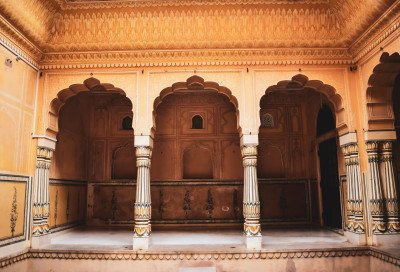 @@ Historical Legacy of Alalgarh: The Alalgarh Fort, also known as part of the massive Raibania fort complex, is a site of immense historical importance located in the northern part of Balasore. It served as a critical military defense against the Maratha and Afghan invasions in medieval times. The fort is spread over a large area and represents the martial glory of the Ganga dynasty. Visitors can see the remains of stone walls, deep moats, and secret pathways that once protected the kingdom. The site is surrounded by dense vegetation and local villages, offering a glimpse into the past. It is considered one of the largest medieval forts in eastern India. Exploring the ruins takes you back to an era of kings and warriors. The silence of the ruins is deeply evocative of its lost grandeur. History buffs find this place fascinating for its strategic design and raw archaeological appeal.
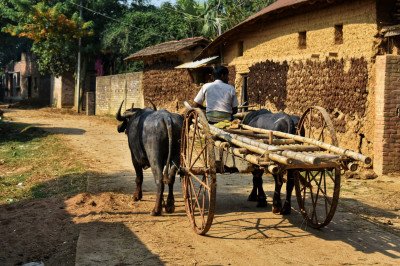 @@Natural Beauty and Calmness: Jhumpara Village is synonymous with a tranquil escape, offering lush green landscapes, paddy fields, and an authentic rural experience near the Nilagiri foothills, providing a peaceful contrast to the coastal areas. It's often associated with nearby eco-resorts and village tourism that highlights the traditional Odia way of life, with mud houses and local artisan crafts. The environment is pollution-free, making it an ideal destination for nature lovers and those seeking quiet rejuvenation. @@Local Culture: The village life here is simple, revolving around agriculture and local festivals. Visitors can witness daily activities, traditional cooking, and the genuine hospitality of the local community. The proximity to the Nilagiri hills also provides a backdrop of natural forests and minor streams, enhancing its overall rustic charm. The area is becoming popular for its homestays that offer a genuine taste of rural Odisha.
@@Introduction to Learning Center: The Balasore Science Centre is an initiative by the National Council of Science Museums, aiming to popularize science among students and the general public in Odisha: The center houses various interactive exhibits, focusing on physics, biology, and local scientific applications. It serves as a vital educational resource for the entire Balasore region, promoting a hands-on approach to learning complex scientific principles: @@Educational Value and Exhibits: The exhibits are categorized into different galleries, such as the Fun Science Gallery, Life Science Gallery, and a thematic gallery on local heritage and science: It regularly organizes workshops, science seminars, and planetarium shows, making it an engaging and dynamic venue for all age groups: The center's mission is to inspire curiosity and critical thinking, encouraging students to pursue careers in science and technology: It is designed to be highly interactive, where visitors are encouraged to touch, operate, and experiment with the displays to understand the underlying scientific concepts:
Sajanagarh is a serene village located near the Nilagiri hills famous for its ancient temple dedicated to Maa Bhudhara Chandi. The village was once the capital of the Nilagiri kingdom known as Sarojini named after a royal princess before the name evolved into Sajanagarh. This place is deeply rooted in tantric traditions and historical legends dating back to the 15th Century. The temple was built by King Vasanta Virata Bhujanga Mandhata after he received a divine instruction in his dream to find the deity under a Neem tree. The atmosphere here is spiritually charged and provides a sense of peace that is hard to find in urban areas. The village is surrounded by dense forests and small hillocks making it an ideal destination for nature lovers. Many pilgrims visit Sajanagarh to seek the blessings of the goddess especially during the Durga Puja and Chandi Yatra festivals. The rituals followed here are unique as they blend tribal customs with mainstream Hindu traditions. The temple complex is well-maintained and features a small garden that adds to its beauty. The village residents are mostly from the Bhumija and Bathudi tribes who have been the traditional keepers of the temple. Visiting Sajanagarh offers a glimpse into the rural soul of Odisha where history and mythology live on in the daily lives of the people. It is a place where you can witness the harmonious coexistence of man nature and the divine.Show All
@@ Spiritual Calm at Barunei: The Barunei Temple in Balasore (distinct from the one in Khordha) is a revered shrine dedicated to Goddess Barunei. It is situated on a scenic hillock, providing a panoramic view of the surrounding greenery and the city outskirts. The temple is a center for local faith and is particularly popular for those seeking peace away from the city noise. The climb to the temple is refreshing and offers a bit of light exercise. The goddess is believed to be the protector of the local community. The temple complex is well-maintained and provides a serene environment for meditation. Devotees often visit during weekends to offer their prayers and enjoy the natural beauty. It is a perfect blend of spirituality and nature.
@@Natural Beauty and Calmness: Jhumpara Village is synonymous with a tranquil escape, offering lush green landscapes, paddy fields, and an authentic rural experience near the Nilagiri foothills, providing a peaceful contrast to the coastal areas. It's often associated with nearby eco-resorts and village tourism that highlights the traditional Odia way of life, with mud houses and local artisan crafts. The environment is pollution-free, making it an ideal destination for nature lovers and those seeking quiet rejuvenation. @@Local Culture: The village life here is simple, revolving around agriculture and local festivals. Visitors can witness daily activities, traditional cooking, and the genuine hospitality of the local community. The proximity to the Nilagiri hills also provides a backdrop of natural forests and minor streams, enhancing its overall rustic charm. The area is becoming popular for its homestays that offer a genuine taste of rural Odisha.
@@Introduction to Learning Center: The Balasore Science Centre is an initiative by the National Council of Science Museums, aiming to popularize science among students and the general public in Odisha: The center houses various interactive exhibits, focusing on physics, biology, and local scientific applications. It serves as a vital educational resource for the entire Balasore region, promoting a hands-on approach to learning complex scientific principles: @@Educational Value and Exhibits: The exhibits are categorized into different galleries, such as the Fun Science Gallery, Life Science Gallery, and a thematic gallery on local heritage and science: It regularly organizes workshops, science seminars, and planetarium shows, making it an engaging and dynamic venue for all age groups: The center's mission is to inspire curiosity and critical thinking, encouraging students to pursue careers in science and technology: It is designed to be highly interactive, where visitors are encouraged to touch, operate, and experiment with the displays to understand the underlying scientific concepts:
Sajanagarh is a serene village located near the Nilagiri hills famous for its ancient temple dedicated to Maa Bhudhara Chandi. The village was once the capital of the Nilagiri kingdom known as Sarojini named after a royal princess before the name evolved into Sajanagarh. This place is deeply rooted in tantric traditions and historical legends dating back to the 15th Century. The temple was built by King Vasanta Virata Bhujanga Mandhata after he received a divine instruction in his dream to find the deity under a Neem tree. The atmosphere here is spiritually charged and provides a sense of peace that is hard to find in urban areas. The village is surrounded by dense forests and small hillocks making it an ideal destination for nature lovers. Many pilgrims visit Sajanagarh to seek the blessings of the goddess especially during the Durga Puja and Chandi Yatra festivals. The rituals followed here are unique as they blend tribal customs with mainstream Hindu traditions. The temple complex is well-maintained and features a small garden that adds to its beauty. The village residents are mostly from the Bhumija and Bathudi tribes who have been the traditional keepers of the temple. Visiting Sajanagarh offers a glimpse into the rural soul of Odisha where history and mythology live on in the daily lives of the people. It is a place where you can witness the harmonious coexistence of man nature and the divine.Show All
@@ Spiritual Calm at Barunei: The Barunei Temple in Balasore (distinct from the one in Khordha) is a revered shrine dedicated to Goddess Barunei. It is situated on a scenic hillock, providing a panoramic view of the surrounding greenery and the city outskirts. The temple is a center for local faith and is particularly popular for those seeking peace away from the city noise. The climb to the temple is refreshing and offers a bit of light exercise. The goddess is believed to be the protector of the local community. The temple complex is well-maintained and provides a serene environment for meditation. Devotees often visit during weekends to offer their prayers and enjoy the natural beauty. It is a perfect blend of spirituality and nature.Information
-
Why Famous:
Vanishing Sea: Chandipur Beach is world-famous for its receding sea phenomenon, allowing visitors to walk into the ocean for miles during low tide.
Missile Testing: As the site of the DRDO missile testing range, Balasore is a significant loc...Vanishing Sea: Chandipur Beach is world-famous for its receding sea phenomenon, allowing visitors to walk into the ocean for miles during low tide.
Missile Testing: As the site of the DRDO missile testing range, Balasore is a significant location for India's national defense and aerospace research. -
Architecture:
Utkaliya Style: The Khirachora Gopinatha temple in Remuna features the classic Kalinga style with a pyramid-shaped roof and intricate black stone idols.
Colonial Ruins: Remains of the Dutch and British cemeteries and old administrative build...Utkaliya Style: The Khirachora Gopinatha temple in Remuna features the classic Kalinga style with a pyramid-shaped roof and intricate black stone idols.
Colonial Ruins: Remains of the Dutch and British cemeteries and old administrative buildings showcase European architectural influences from the 18th Century. -
How To Reach:
By Air: The nearest major airport is in Bhubaneswar (200 KMS) or Kolkata (250 KMS), both well-connected by road and rail to Balasore.
By Train: Balasore Railway Station is a major halt on the Howrah-Chennai main line, with frequent trains ar...By Air: The nearest major airport is in Bhubaneswar (200 KMS) or Kolkata (250 KMS), both well-connected by road and rail to Balasore.
By Train: Balasore Railway Station is a major halt on the Howrah-Chennai main line, with frequent trains arriving from all parts of India daily.
By Road: The city is located on the NH 16, making it easily accessible via luxury buses and private taxis from Bhubaneswar, Cuttack, and Kolkata.
Local Transport: Auto-rickshaws and battery-operated e-rickshaws are widely available for commuting between the railway station, hotels, and local tourist spots. -
Weather and Best Time to Visit:
Winter Months: November to February is the best time, as the cool weather is ideal for exploring beaches and trekking in the nearby Nilgiri hills.
Summer Appeal: Although hot, the sea breeze at Chandipur makes early mornings and late evening...Winter Months: November to February is the best time, as the cool weather is ideal for exploring beaches and trekking in the nearby Nilgiri hills.
Summer Appeal: Although hot, the sea breeze at Chandipur makes early mornings and late evenings pleasant for a summer coastal getaway. -
Near Tourist Places:
1. Chandipur (16 KM), 2. Panchalingeswar (30 KM), 3. Remuna (9 KM), 4. Talsari (90 KM), 5. Kuldiha (40 KM), 6. Nilgiri (25 KM), 7. Chandaneswar (88 KM), 8. Dagara Beach (60 KM), 9. Bhujakhia Pir (2 KM), 10. Bichitrapur (100 KM).
Tourism Tips
-
Safety First: Do not venture too far into the seabed at Chandipur during high tide, as the water returns quickly and can be dangerous.
Packing Essentials: Carry light cotton clothes, a sturdy pair of walking shoes for the hills, and high-SPF...Safety First: Do not venture too far into the seabed at Chandipur during high tide, as the water returns quickly and can be dangerous.
Packing Essentials: Carry light cotton clothes, a sturdy pair of walking shoes for the hills, and high-SPF sunscreen for the beach visits.
Reviews
FAQs
Balasore Itineray And Cost:-
Other Places In Odisha :-
Other States In India :-
Information about New and Updated Locations() of Odisha Has Been Added :-
Card subtitle
Note:-
Information provided here in good Faith and for reference only.
Near Places
Angul
Some quick example text to build on the card title and make up the bulk of the card's content.
Go somewhere
Balasore
Some quick example text to build on the card title and make up the bulk of the card's content.
Go somewhere
Bargarh
Some quick example text to build on the card title and make up the bulk of the card's content.
Go somewhere
Baripada
Some quick example text to build on the card title and make up the bulk of the card's content.
Go somewhere
Berhampur
Some quick example text to build on the card title and make up the bulk of the card's content.
Go somewhere
Bhadrak
Some quick example text to build on the card title and make up the bulk of the card's content.
Go somewhere
Bhubaneswar
Some quick example text to build on the card title and make up the bulk of the card's content.
Go somewhere
Chandipur
Some quick example text to build on the card title and make up the bulk of the card's content.
Go somewhere
Cuttack
Some quick example text to build on the card title and make up the bulk of the card's content.
Go somewhere
Daringbadi
Some quick example text to build on the card title and make up the bulk of the card's content.
Go somewhere
Dhauli
Some quick example text to build on the card title and make up the bulk of the card's content.
Go somewhere
Dhauligiri
Some quick example text to build on the card title and make up the bulk of the card's content.
Go somewhere
Gopalpur
Some quick example text to build on the card title and make up the bulk of the card's content.
Go somewhere
Jajpur
Some quick example text to build on the card title and make up the bulk of the card's content.
Go somewhere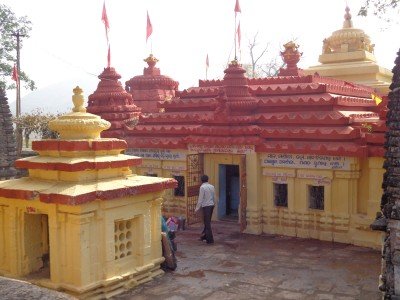
Jeypore
Some quick example text to build on the card title and make up the bulk of the card's content.
Go somewhere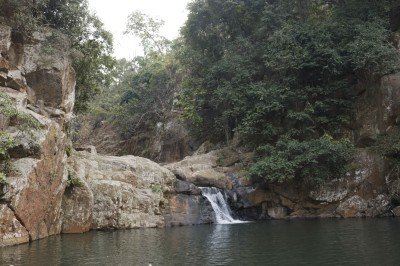
Jharsuguda
Some quick example text to build on the card title and make up the bulk of the card's content.
Go somewherein Other Cities