


Bastar
General information
-
Ideal Duration:
4 to 6 DaysPlace Type:
Tribal & WildlifeEntry Fees:
National Park: Around 50-100 INR for entry and safari.
Caves: 20-50 INR per person.
Photography: Nominal charges for video cameras in protected areas. ...National Park: Around 50-100 INR for entry and safari.
Caves: 20-50 INR per person.
Photography: Nominal charges for video cameras in protected areas.Timing:
Regular Timings: 8:00 AM to 5:00 PM for parks and caves.
Ideal Visit Time: Early morning (8 AM) for waterfalls and late afternoon (4 PM) for markets. ...Regular Timings: 8:00 AM to 5:00 PM for parks and caves.
Ideal Visit Time: Early morning (8 AM) for waterfalls and late afternoon (4 PM) for markets.Special Events:
Bastar Dussehra: The most significant event, featuring huge wooden chariots and tribal rituals in October.
Goncha Festival: A tribal festival involving a mock chariot pulling and fruit-shooting ceremonies. ...Bastar Dussehra: The most significant event, featuring huge wooden chariots and tribal rituals in October.
Goncha Festival: A tribal festival involving a mock chariot pulling and fruit-shooting ceremonies.Best Photo Spots:
Chitrakote Falls: Best photographed from the opposite bank during sunset.
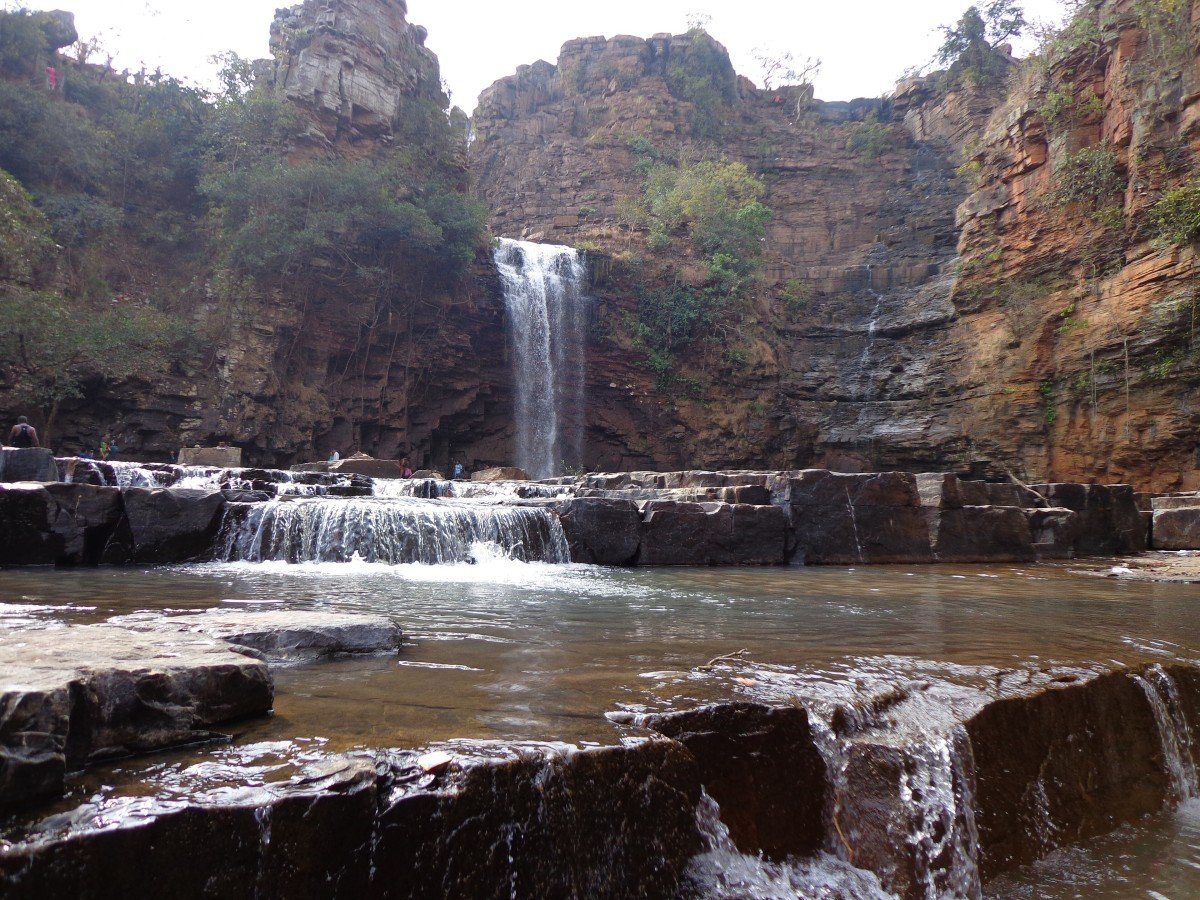
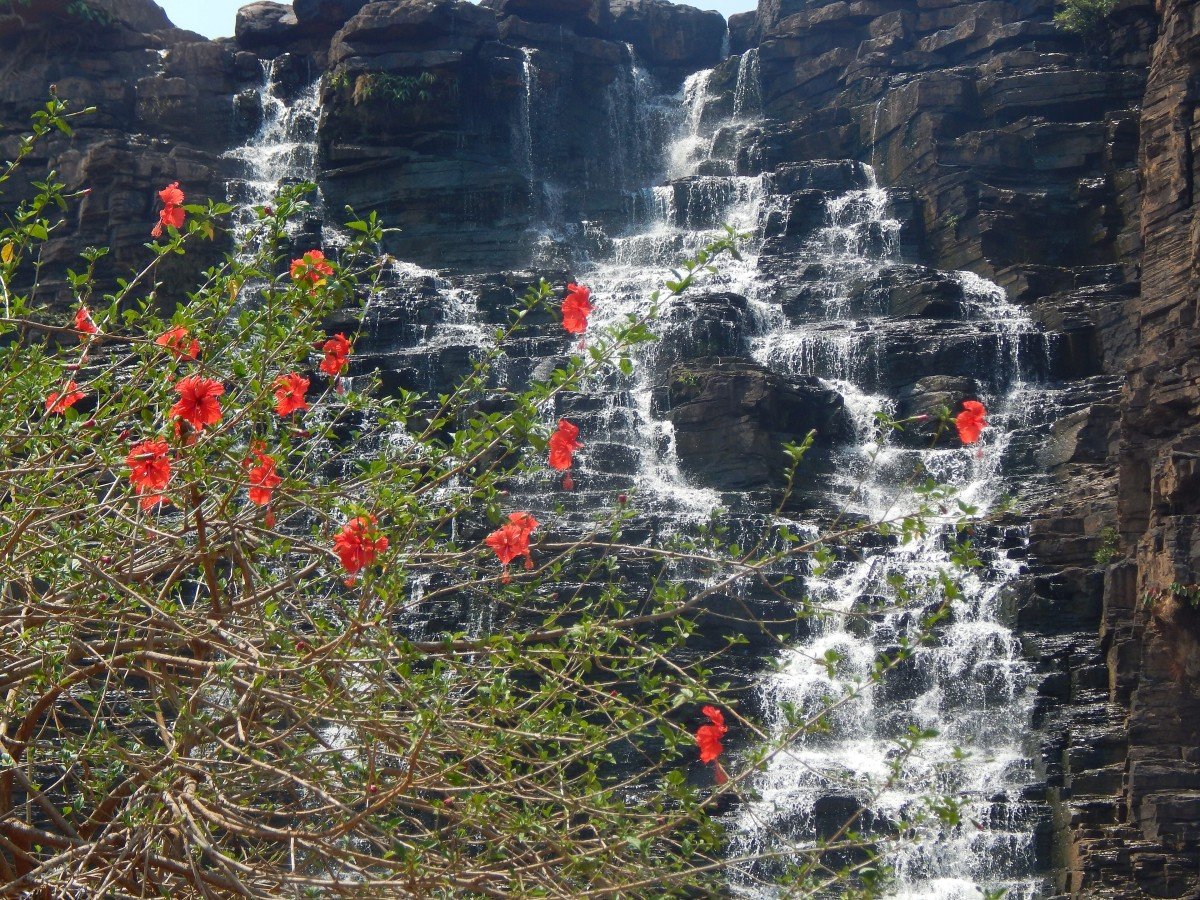
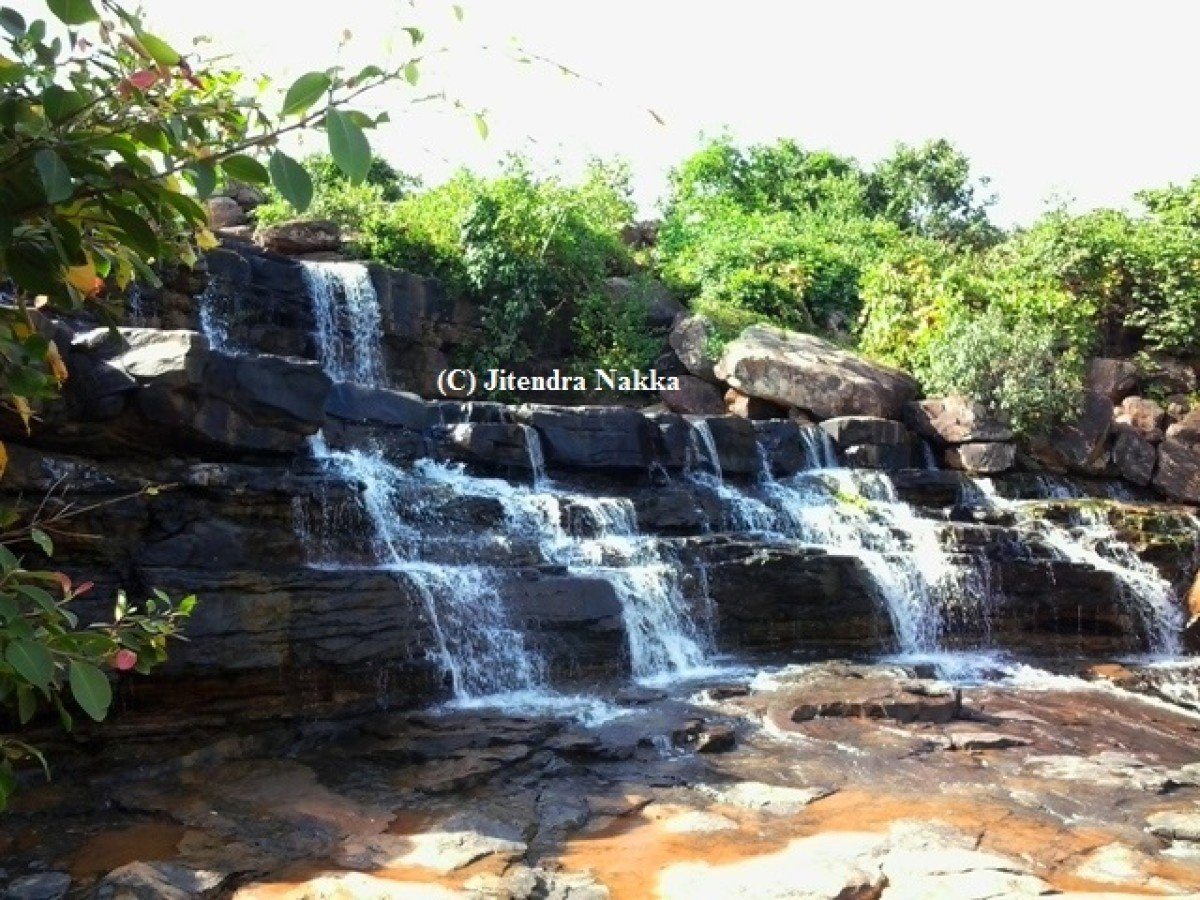
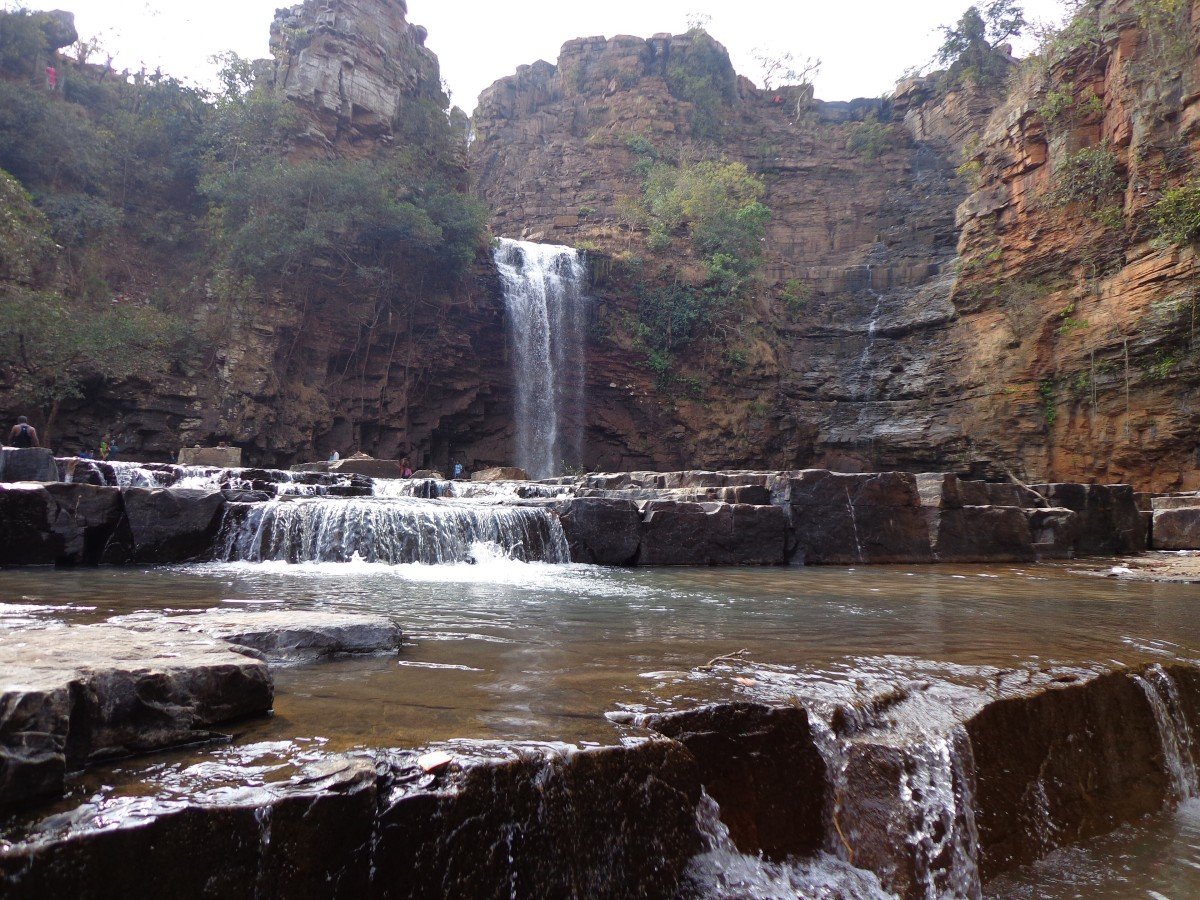
Tirathgarh Falls: The milky white layers of water falling over rocks make for excellent long-exposure shots.
Bastar Palace: The facad...Chitrakote Falls: Best photographed from the opposite bank during sunset.
Tirathgarh Falls: The milky white layers of water falling over rocks make for excellent long-exposure shots.
Bastar Palace: The facade is great for heritage photography.Photo Gallery
Things To Do
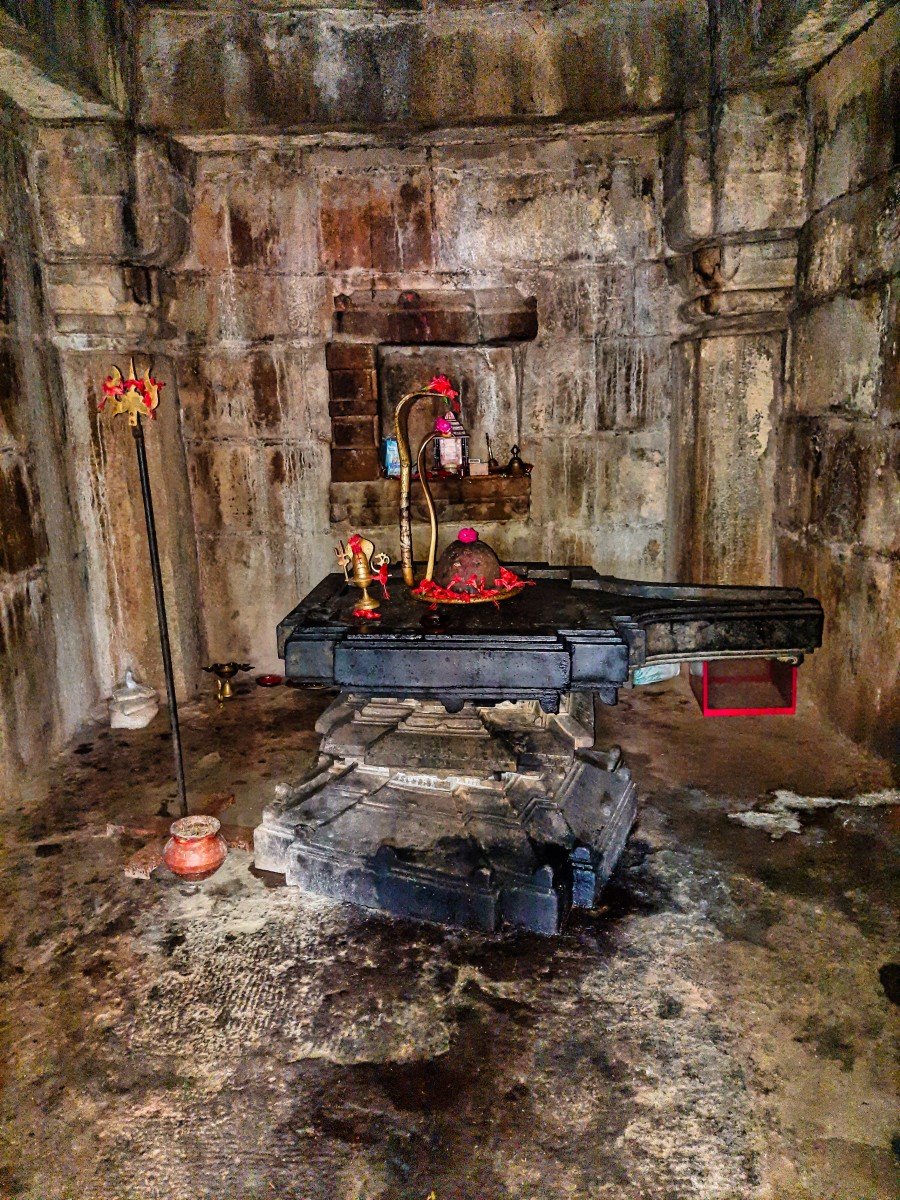
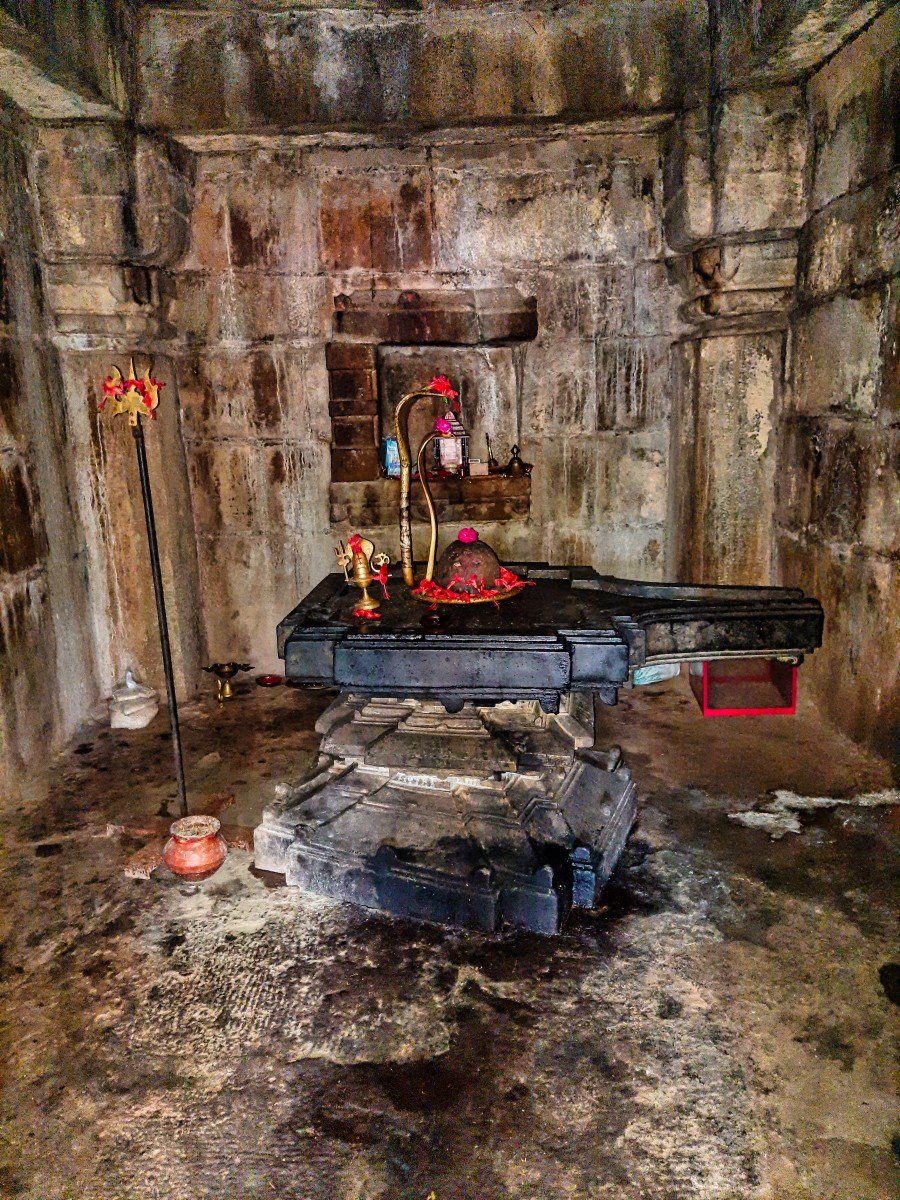
 @@Narayanpal Temple Details: Standing at the holy confluence of the Indravati and Narangi rivers, the Narayanpal Temple is a 1000-year-old architectural masterpiece. This temple is unique as it is the only ancient shrine in the entire Bastar district dedicated to Lord Vishnu. Built around 1111 AD by Queen Mumunda Devi of the Chindaka Naga dynasty, the temple is a testament to the region's rich medieval history. The temple is situated in the quiet village of Narayanpal, just a few kilometers away from the thunderous Chitrakote falls. The location provides a serene spiritual atmosphere, with the sound of the flowing rivers providing a natural background score. The temple has survived centuries of change and remains a protected monument under the Archaeological Survey of India. The main deity is a beautifully carved black stone idol of Lord Vishnu in his four-armed form. The walls of the temple are adorned with intricate carvings that depict various mythological scenes and symbols. It is often compared to the temples of Khajuraho due to its age and stylistic similarities. A visit to Narayanpal is like stepping back in time; the stone walls whisper stories of ancient kings and queens. The confluence of the two rivers nearby is considered sacred, and many devotees take a dip there before entering the temple. The surrounding village has maintained its traditional character, offering a peaceful environment for visitors. The temple's preservation is excellent, allowing one to admire the craftsmanship of the 11th century. It is an essential stop for anyone interested in history, religion, or Indian temple architecture. @@Historical Significance: The temple was built during the golden age of the Chakrakot kingdom. @@Spiritual Vibe: The energy of the temple is calm and meditative, far from the typical tourist crowds.
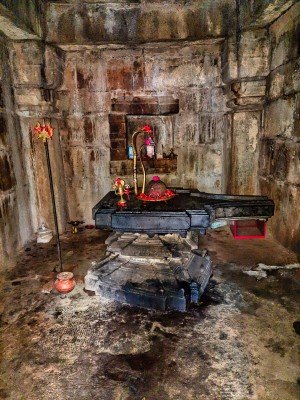 The ancient town of Barsoor is often referred to as the city of temples and ponds, having once housed 147 temples and an equal number of water bodies. Located on the banks of the Indravati River, it served as the capital of the Chhindaka Nagvanshi rulers between the 10th and 11th centuries. The site is a treasure trove for history buffs and spiritual seekers, featuring significant ruins like the Twin Ganesha statue, which is the third-largest single-sandstone Ganesha idol in India. The Battisa Temple, known for its 32 pillars, and the Mama Bhanja Temple are the primary attractions that reflect the height of medieval engineering. Walking through these ruins, one feels transported to a forgotten era of royal grandeur. The atmosphere is quiet, and the surrounding greenery complements the grey weathered stone of the structures. It is a site where every carved stone tells a story of devotion, war, and artistic brilliance that flourished in the heart of the Bastar jungle centuries ago.
 @@Detailed Overview of Tirathgarh Waterfall: Tirathgarh Waterfall is arguably one of the most stunning waterfalls in India, known for its unique "block-style" cascade that drops in multiple tiers. Located on the Mungabahar River, the water plunges from a total height of approximately 300 feet, though it does so in a series of steps rather than a single drop. This creates a spectacular "milky" effect as the water breaks against the dark rocky surfaces, earning it the nickname "The Milky Fall." It is situated within the protected boundaries of the Kanger Valley National Park, ensuring that the surrounding environment is rich in biodiversity. The waterfall is not just a single stream but a cluster of several falls that merge and split as they descend the staircase-like rock formations. This geological phenomenon was likely caused by ancient seismic activity that shifted the Earth's crust, creating these massive stone steps. As you descend the stairs provided for tourists, each level offers a completely different perspective of the falls. The bottom-most level is particularly popular as it allows visitors to feel the spray and see the sheer volume of water collecting in the lower pools. Unlike many other seasonal falls in Bastar, Tirathgarh has a decent flow almost year-round, though it is most vigorous following the Monsoon. The lush green canopy of the national park provides a vibrant green frame to the white water, making it a photographer's dream. The area is also famous for its nearby limestone caves, making it a hub for adventure and exploration. Local families often visit for day-long picnics, enjoying the cool breeze generated by the falling water. The site is well-maintained with pathways and railings, making it relatively safe for children and elderly visitors. Its prominence in Chhattisgarh tourism is well-deserved, as it combines massive scale with intricate natural beauty. The roar of the falls can be heard from a distance, building anticipation as one approaches through the forest. It is a must-visit destination that encapsulates the wild spirit of the Bastar region. :
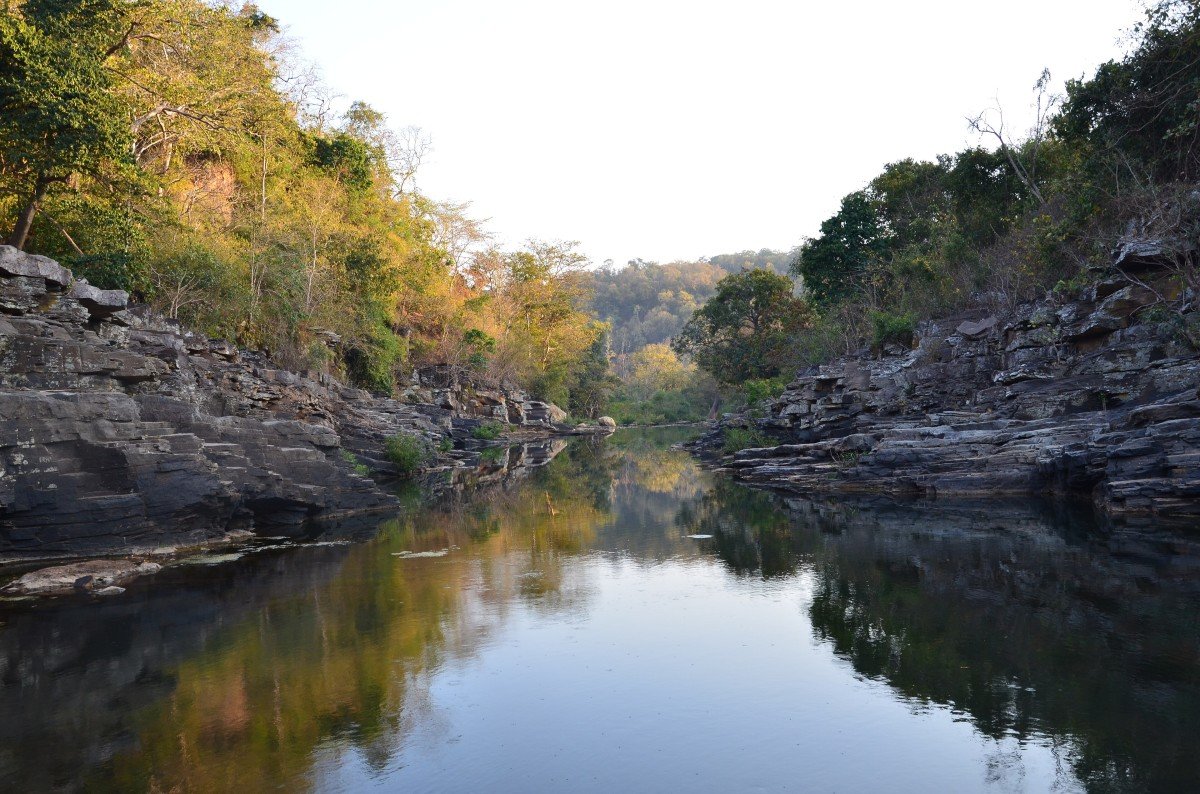
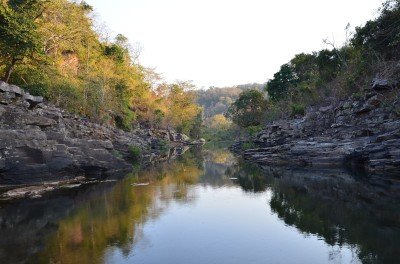 Kanger Dhara is a serene, miniature waterfall situated deep within the bio-forestry region of the Kanger Ghati National Park. It is formed by the Kanger River, which flows through the rocky terrains of the valley. Unlike the high vertical drops of other waterfalls in the region, Kanger Dhara is characterized by its horizontal spread and the way water cascades over a series of small rocky steps. The fall is approximately 30 feet high and is surrounded by a dense canopy of Sal and Teak trees. The geological formation here is fascinating, featuring various types of folding and joint patterns in the shale and limestone rocks. Because it is located inside a protected area, the environment is exceptionally clean and teeming with wildlife. It is often overshadowed by the nearby Tirathgarh Falls, which makes it a "quiet alternative" for those who want to avoid crowds. The sound of the water here is described as musical, blending with the calls of the Bastar Hill Myna. Visitors need to obtain permission from the forest check post to enter this zone, ensuring that the number of tourists is always regulated.
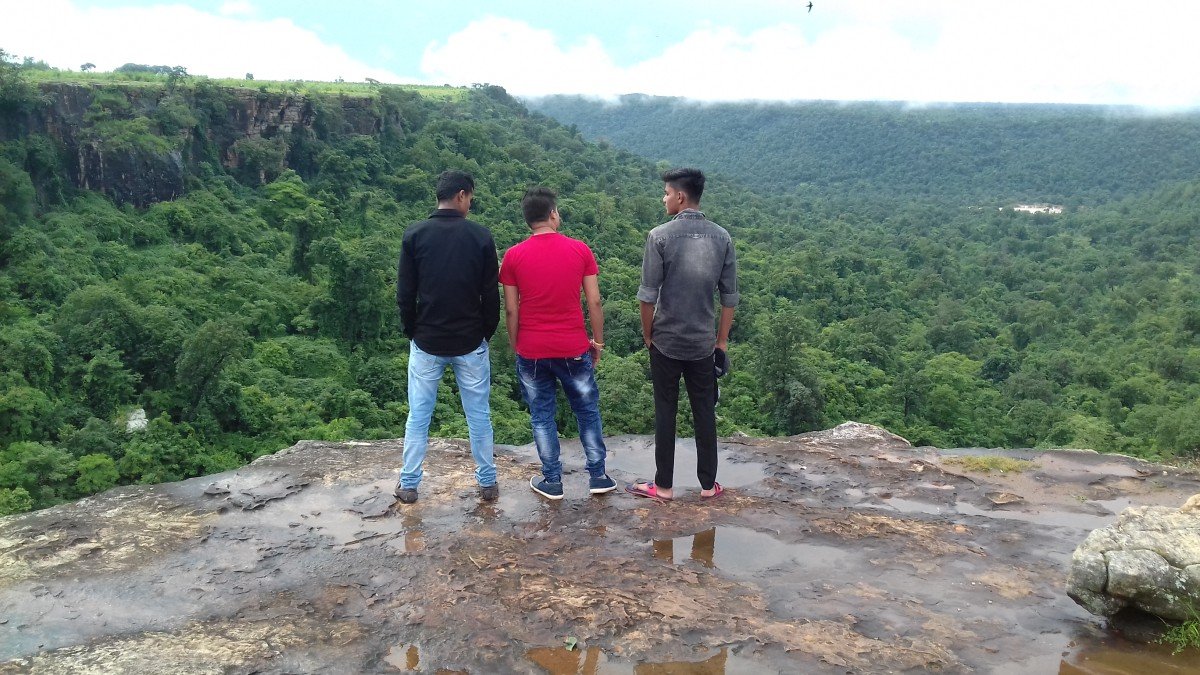
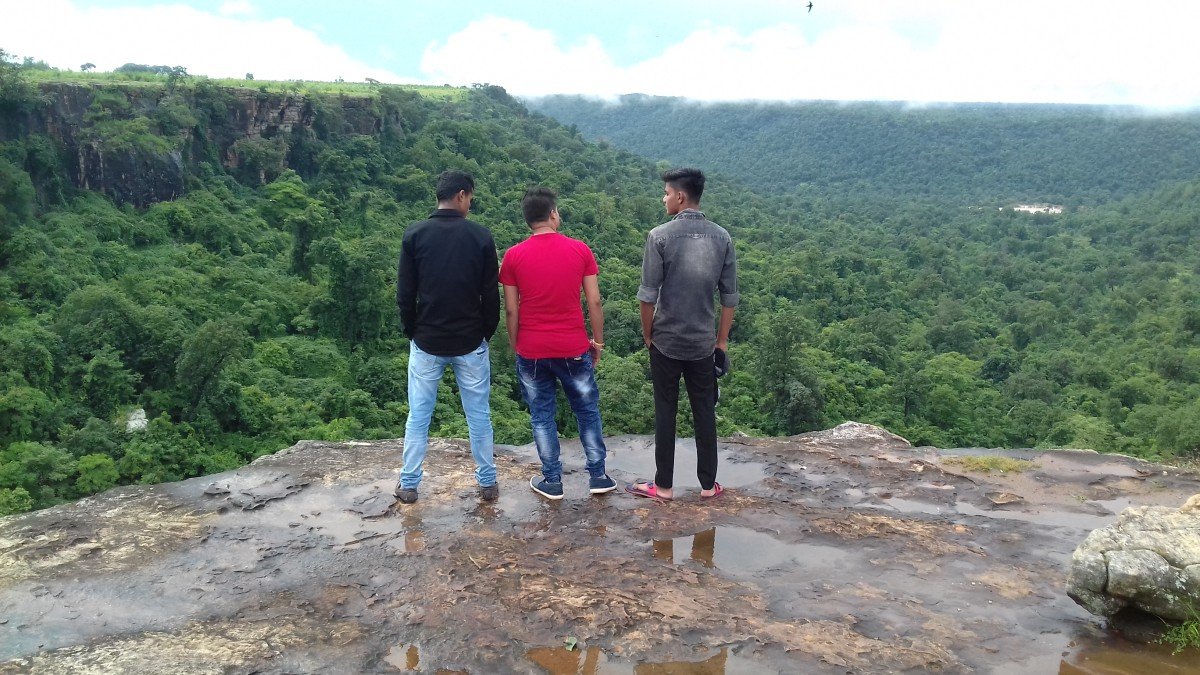
 @@Mendri Ghumar Details: Often referred to as the "Mist of the Valley," Mendri Ghumar Waterfall is a seasonal marvel located in the heart of the Bastar district. This waterfall is famous for its dramatic drop into a deep, lush green valley, creating a spectacle that rivals international landscapes. The fall is approximately 70 meters high, and during the peak monsoon, the force of the water creates a thick mist that blankets the entire valley, giving it its poetic name. It is situated on the way to the famous Chitrakote falls, making it an essential stop on the tourist circuit. The area is surrounded by dense forests and provides a panoramic view of the Bastar topography. Unlike other falls where you can play in the water, Mendri Ghumar is best enjoyed from the viewpoints along the cliff edge. The silence of the valley is only broken by the roar of the water and the chirping of wild birds. It is a highly "Instagrammable" spot due to the sheer scale of the gorge. The waterfall is seasonal, meaning it reaches its full glory during the rainy months and almost disappears during the peak of summer. The local government has developed several eco-tourism facilities here to allow visitors to enjoy the view safely. The valley itself is a biodiversity hotspot, home to many endemic plants. For those who love heights and grand vistas, this is the most impressive spot in Bastar. The cool breeze that blows across the valley even in the afternoon makes it a refreshing stop during a long day of sightseeing. It represents the wild and untamed beauty of the Chhattisgarh highlands. @@Valley Exploration: The depth of the valley creates a unique microclimate that stays cooler than the surrounding plains. @@Ecological Importance: The waterfall feeds the local streams that support the tribal agriculture in the villages below.
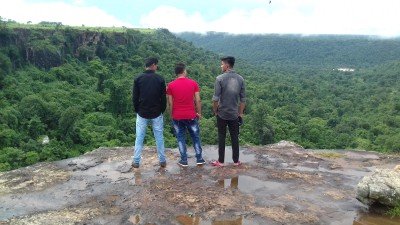 @@Detailed Overview of Tamda Ghumar: Tamda Ghumar Waterfall is a seasonal natural wonder located in the Bastar district, specifically near the famous Chitrakote Falls. It is often referred to as a "Red Whirl" because of the reddish hue of the rocks over which the water cascades during the peak Monsoon season. Unlike the more commercialized falls, this spot remains a peaceful retreat for those who wish to experience nature in its rawest form. The waterfall drops from a height of nearly 100 feet, creating a misty spray that cools the surrounding dense forests. The area is characterized by deep valleys and lush green fields that stretch as far as the eye can see. Historically, it was a secluded spot known only to the local tribal communities, but it has recently gained popularity among eco-tourists. The water source for this fall is largely rain-fed, meaning it reaches its full majesty between July and October. Visitors are often mesmerized by the circular pool at the bottom where the water collects before flowing into the deeper valley. The serenity of the place is its biggest draw, offering a stark contrast to the bustling city life. It is an ideal spot for nature lovers who enjoy exploring offbeat paths and witnessing the intersection of rugged terrain and flowing water. Local folklore suggests the name "Ghumar" originates from the sound of the swirling water. The surrounding vegetation is home to various bird species, making it a quiet paradise for birdwatchers. Despite being a bit remote, the journey to the falls is picturesque, passing through tribal hamlets and vibrant agricultural lands. The site is a testament to the geographical diversity of the Bastar plateau, showcasing the unique limestone and sandstone formations of the region. Visitors should prepare for a bit of walking to reach the best viewpoints. The lack of commercial shops adds to its "hidden" appeal, preserving the environmental integrity of the site. It is truly a jewel of Chhattisgarh tourism. :
Charre Marre Waterfall is a hidden gem located in the Kanker district, often visited as part of the greater Bastar circuit. This waterfall is formed by the Jogidhara River (also known as the Antagarh River) as it meanders through the scenic Pinjadin Valley. The name "Charre Marre" is derived from the local dialect, referring to the rhythmic sound and the zigzag flow of the water. The fall drops from a height of approximately 16 meters (52 feet) in a unique stepped manner. Unlike the massive roar of Chitrakote, this waterfall offers a more serene and melodic experience. The surrounding landscape consists of dense forests and black granite rocks that contrast beautifully with the white foaming water. It is a popular picnic spot for locals but remains relatively unexplored by national tourists, making it a perfect getaway for those seeking peace. The trek down to the base of the fall is short and manageable, allowing visitors to get close to the refreshing spray of the water.Show All
Established in 1982, Kanger Ghati National Park (Kanger Valley) is one of India’s densest and most beautiful national parks. Stretching over 34 KMS in length, the park is named after the Kanger River, which flows through its center. The terrain is characterized by high mountains, deep valleys, and a variety of forest types ranging from moist deciduous to teak and bamboo. This park is not just a wildlife sanctuary; it is a geological marvel containing some of the world’s most famous subterranean limestone caves like Kotumsar and Kailash. The park is home to a vast range of fauna, including leopards, sloth bears, wild boars, and the famous Bastar Hill Myna. The park’s unique ecosystem also supports rare species of butterflies and dragonflies. For the tribal communities like the Dhurwas and Marias living on its fringes, the forest is sacred. A visit to the park offers a complete wilderness experience—from trekking through dark caves and witnessing massive waterfalls like Tirathgarh to spotting crocodiles at Bhainsa Darha. It is a place where nature remains in its most pristine, untouched form, offering a deep sense of peace.
@@Detailed Overview of Tamda Ghumar: Tamda Ghumar Waterfall is a seasonal natural wonder located in the Bastar district, specifically near the famous Chitrakote Falls. It is often referred to as a "Red Whirl" because of the reddish hue of the rocks over which the water cascades during the peak Monsoon season. Unlike the more commercialized falls, this spot remains a peaceful retreat for those who wish to experience nature in its rawest form. The waterfall drops from a height of nearly 100 feet, creating a misty spray that cools the surrounding dense forests. The area is characterized by deep valleys and lush green fields that stretch as far as the eye can see. Historically, it was a secluded spot known only to the local tribal communities, but it has recently gained popularity among eco-tourists. The water source for this fall is largely rain-fed, meaning it reaches its full majesty between July and October. Visitors are often mesmerized by the circular pool at the bottom where the water collects before flowing into the deeper valley. The serenity of the place is its biggest draw, offering a stark contrast to the bustling city life. It is an ideal spot for nature lovers who enjoy exploring offbeat paths and witnessing the intersection of rugged terrain and flowing water. Local folklore suggests the name "Ghumar" originates from the sound of the swirling water. The surrounding vegetation is home to various bird species, making it a quiet paradise for birdwatchers. Despite being a bit remote, the journey to the falls is picturesque, passing through tribal hamlets and vibrant agricultural lands. The site is a testament to the geographical diversity of the Bastar plateau, showcasing the unique limestone and sandstone formations of the region. Visitors should prepare for a bit of walking to reach the best viewpoints. The lack of commercial shops adds to its "hidden" appeal, preserving the environmental integrity of the site. It is truly a jewel of Chhattisgarh tourism. :
Charre Marre Waterfall is a hidden gem located in the Kanker district, often visited as part of the greater Bastar circuit. This waterfall is formed by the Jogidhara River (also known as the Antagarh River) as it meanders through the scenic Pinjadin Valley. The name "Charre Marre" is derived from the local dialect, referring to the rhythmic sound and the zigzag flow of the water. The fall drops from a height of approximately 16 meters (52 feet) in a unique stepped manner. Unlike the massive roar of Chitrakote, this waterfall offers a more serene and melodic experience. The surrounding landscape consists of dense forests and black granite rocks that contrast beautifully with the white foaming water. It is a popular picnic spot for locals but remains relatively unexplored by national tourists, making it a perfect getaway for those seeking peace. The trek down to the base of the fall is short and manageable, allowing visitors to get close to the refreshing spray of the water.Show All
Established in 1982, Kanger Ghati National Park (Kanger Valley) is one of India’s densest and most beautiful national parks. Stretching over 34 KMS in length, the park is named after the Kanger River, which flows through its center. The terrain is characterized by high mountains, deep valleys, and a variety of forest types ranging from moist deciduous to teak and bamboo. This park is not just a wildlife sanctuary; it is a geological marvel containing some of the world’s most famous subterranean limestone caves like Kotumsar and Kailash. The park is home to a vast range of fauna, including leopards, sloth bears, wild boars, and the famous Bastar Hill Myna. The park’s unique ecosystem also supports rare species of butterflies and dragonflies. For the tribal communities like the Dhurwas and Marias living on its fringes, the forest is sacred. A visit to the park offers a complete wilderness experience—from trekking through dark caves and witnessing massive waterfalls like Tirathgarh to spotting crocodiles at Bhainsa Darha. It is a place where nature remains in its most pristine, untouched form, offering a deep sense of peace.Information
-
Why Famous:
Chitrakote Falls: The widest waterfall in India, spanning nearly 300 meters during the monsoons.
Bastar Dussehra: A 75-day long festival, the longest in the world, which is entirely different from the rest of India as it honors the local god...Chitrakote Falls: The widest waterfall in India, spanning nearly 300 meters during the monsoons.
Bastar Dussehra: A 75-day long festival, the longest in the world, which is entirely different from the rest of India as it honors the local goddess. -
Architecture:
Palatial Architecture: The Bastar Palace in Jagdalpur features a mix of Indian and French architectural styles. It has grand halls, high ceilings, and beautifully carved wooden doors.
Religious Structure: The Danteshwari Temple in Dantewada...Palatial Architecture: The Bastar Palace in Jagdalpur features a mix of Indian and French architectural styles. It has grand halls, high ceilings, and beautifully carved wooden doors.
Religious Structure: The Danteshwari Temple in Dantewada is a 14th-century marvel built in the South Indian style with a multi-layered shikhara and stone pillars. The temple complex covers a large area with multiple shrines. -
How To Reach:
By Air: Jagdalpur has a regional airport with flights from Raipur and Hyderabad.
By Train: Well connected to Visakhapatnam and Raipur.
By Road: Long but scenic drive from Raipur (300 km) or Visakhapatnam (30...By Air: Jagdalpur has a regional airport with flights from Raipur and Hyderabad.
By Train: Well connected to Visakhapatnam and Raipur.
By Road: Long but scenic drive from Raipur (300 km) or Visakhapatnam (300 km).
By Local Transport: Hired taxis are the best way to see remote waterfalls. -
Weather and Best Time to Visit:
Winter Season: October to March is the most comfortable for sightseeing and festivals.
Monsoon Season: August to September for seeing waterfalls in their full, thundering glory.
Summer Season: April to June ...Winter Season: October to March is the most comfortable for sightseeing and festivals.
Monsoon Season: August to September for seeing waterfalls in their full, thundering glory.
Summer Season: April to June is very hot, making outdoor treks difficult. -
Near Tourist Places:
Chitrakote Falls (38 km), Tirathgarh Falls (35 km), Kotumsar Cave (40 km), Bastar Palace (0 km), Danteshwari Temple (84 km), Kanger Valley (27 km), Tamda Ghumar (45 km), Anthropological Museum (2 km), Dalpat Sagar (2 km), Kondagaon (70 km)
Tourism Tips
-
Health & Safety: Malaria precautions are advised in forest areas.
Packing: Lightweight cotton clothes, a hat, and good trekking shoes.
Accommodation: Stay at the tribal-themed resorts or the Bastar Jungle Re...Health & Safety: Malaria precautions are advised in forest areas.
Packing: Lightweight cotton clothes, a hat, and good trekking shoes.
Accommodation: Stay at the tribal-themed resorts or the Bastar Jungle Resort.
General Tips: Always take a guide for caves; some are pitch dark and complex.
Reviews
FAQs
Bastar Itineray And Cost:-
Other Places In Chhattisgarh :-
Other States In India :-
Information about New and Updated Locations() of Chhattisgarh Has Been Added :-
Card subtitle
Note:-
Information provided here in good Faith and for reference only.
Near Places
Ambikapur
Some quick example text to build on the card title and make up the bulk of the card's content.
Go somewhere
Bastar
Some quick example text to build on the card title and make up the bulk of the card's content.
Go somewhere
Bilai
Some quick example text to build on the card title and make up the bulk of the card's content.
Go somewhere
Bilaspur
Some quick example text to build on the card title and make up the bulk of the card's content.
Go somewhere
Dantewada
Some quick example text to build on the card title and make up the bulk of the card's content.
Go somewhere
Dhamtari
Some quick example text to build on the card title and make up the bulk of the card's content.
Go somewhere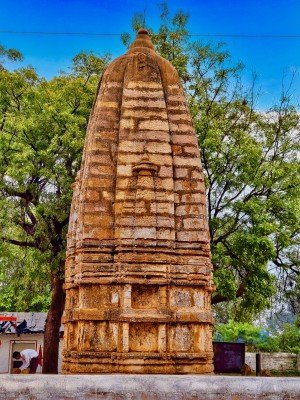
Durg
Some quick example text to build on the card title and make up the bulk of the card's content.
Go somewhere
Ghoghrapur
Some quick example text to build on the card title and make up the bulk of the card's content.
Go somewhere
Kabirdham
Some quick example text to build on the card title and make up the bulk of the card's content.
Go somewhere
Kanker
Some quick example text to build on the card title and make up the bulk of the card's content.
Go somewhere
Kirandul
Some quick example text to build on the card title and make up the bulk of the card's content.
Go somewhere
Kondagaon
Some quick example text to build on the card title and make up the bulk of the card's content.
Go somewhere
Korba
Some quick example text to build on the card title and make up the bulk of the card's content.
Go somewhere
Mahasamund
Some quick example text to build on the card title and make up the bulk of the card's content.
Go somewhere
Mainpat
Some quick example text to build on the card title and make up the bulk of the card's content.
Go somewhere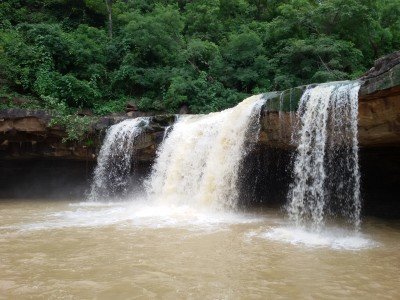
Narayanpur
Some quick example text to build on the card title and make up the bulk of the card's content.
Go somewherein Other Cities