

Dantewada
General information
-
Ideal Duration:
1 to 2 DaysPlace Type:
Pilgrimage / HeritageEntry Fees:
Nominal Fees: There is generally no entry fee for the Danteshwari Temple, though special darshan or offerings may involve small voluntary donations to the trust. ...Nominal Fees: There is generally no entry fee for the Danteshwari Temple, though special darshan or offerings may involve small voluntary donations to the trust.Timing:
Regular Hours: The temple is typically open from 6:00 AM to 8:00 PM daily, allowing visitors to attend both morning and evening prayer sessions comfortably. ...Regular Hours: The temple is typically open from 6:00 AM to 8:00 PM daily, allowing visitors to attend both morning and evening prayer sessions comfortably.Special Events:
Bastar Dussehra: The most significant event is the Bastar Dussehra, which spans 75 days and concludes with a grand procession in Dantewada. ...Bastar Dussehra: The most significant event is the Bastar Dussehra, which spans 75 days and concludes with a grand procession in Dantewada.Best Photo Spots:
Temple Confluence: The meeting point of the Shankini and Dhankini rivers offers a stunning backdrop for photography, especially during the golden hour of sunset.
Inner Courtyard: The stone pillars and ancient doorways of the temple provide a...Temple Confluence: The meeting point of the Shankini and Dhankini rivers offers a stunning backdrop for photography, especially during the golden hour of sunset.
Inner Courtyard: The stone pillars and ancient doorways of the temple provide a classic heritage aesthetic for portrait shots.Photo Gallery
Things To Do
 @@Historical Significance: The Danteshwari Temple is an ancient and revered Hindu temple dedicated to Goddess Danteshwari, a fierce and powerful form of Shakti or Goddess Durga. It is one of the 52 sacred Shakti Peethas in India, which are mythological sites where parts of Goddess Sati's body are believed to have fallen; in this case, her Daanth (tooth) is said to have landed here, giving the town and the deity its name. The temple served as the Kuldevi (family goddess) shrine for the former Kakatiya rulers of the Bastar state, cementing its central role in the regional socio-political and religious landscape. The current structure, predominantly built in the 14th century by King Annamdev, brother of Kakatiya ruler Prataprudra of Warangal, stands as a testament to the patronage of various dynasties, though earlier structures date back to the 11th-12th century under the Chindak Nagvanshi rulers. The confluence of the two holy rivers, the dark-watered Shankini and the white-watered Dhankini, further sanctifies the site. The deity's main idol, carved from a striking black stone, is a constant source of reverence. The continuous worship and the legendary status of the temple contribute to its immense spiritual pull, drawing devotees and tourists alike from all over India throughout the year, making it the undeniable spiritual heart of the Dantewada district. The ongoing traditions and rituals preserved within its walls are a living encapsulation of centuries of local history and Bastar's rich cultural heritage.
 The Bailadila Mountain Range is a world-renowned geographical marvel located in the Dantewada district of Chhattisgarh, India. The name "Bailadila" literally translates to "Hump of an Ox" in the local dialect because the peaks of these mountains resemble the humps of a bull when viewed from a distance. This range is globally significant for harboring one of the world's largest and highest-quality deposits of iron ore, managed primarily by the National Mineral Development Corporation (NMDC). The range is divided into two primary industrial townships, Bacheli and Kirandul, which serve as the base for mining operations. Beyond its industrial importance, the mountain range is a sanctuary of breathtaking natural beauty, featuring lush tropical forests, winding ghat roads, and mist-covered peaks that reach up to 1,271 meters. Visitors are often mesmerized by the panoramic views of the Bastar plateau from the summit at Akash Nagar, which feels like a city literally floating in the clouds. The region's ecosystem is incredibly rich, housing diverse flora and fauna that thrive in the iron-rich soil of the Deccan Plateau. Exploring the Bailadila Mountain Range offers a unique juxtaposition of massive heavy-duty mining machinery against the backdrop of serene, untouched wilderness. The 22-km long serpentine ghat road from Bacheli to the hilltop is an engineering marvel in itself, offering thrill-seekers an unforgettable drive through the clouds. This place is not just a hub for iron ore but a symbol of the raw, powerful beauty of the Indian heartland, making it a must-visit for nature lovers and industrial enthusiasts alike.
Jharalawa Water Fall, situated near the village of Jhirka in Dantewada, is a tranquil and picturesque destination that defines the phrase "off the beaten path." Unlike the massive and thunderous falls of the region, Jharalawa is known for its graceful multi-tiered cascade that flows over smooth, dark rocks nestled deep within a Sal forest. The journey to the waterfall involves a short but scenic trek from the Jhirka village, passing through tribal hamlets where life has remained unchanged for decades. The air here is exceptionally pure, filled with the scent of wild flowers and the damp earth. The waterfall creates a series of shallow natural pools that are perfect for a relaxing soak, making it a favorite spot for local families during the weekends. The canopy of the surrounding trees is so thick that even at noon, the area remains cool and shaded. One of the most enchanting aspects of Jharalawa is its seasonal transformation; during the monsoon, it is a vigorous white torrent, while in the winter, it turns into a delicate, crystal-clear stream. The site is largely undocumented in major travel guides, ensuring that visitors can enjoy its beauty in near-total solitude. It is an ideal location for those looking to escape the noise of the city and reconnect with the quiet rhythms of nature. The local villagers are extremely protective of the site and keep it clean, reflecting the deep spiritual bond the people of Dantewada share with their natural water sources.
The Bailadila Mountain Range is a world-renowned geographical marvel located in the Dantewada district of Chhattisgarh, India. The name "Bailadila" literally translates to "Hump of an Ox" in the local dialect because the peaks of these mountains resemble the humps of a bull when viewed from a distance. This range is globally significant for harboring one of the world's largest and highest-quality deposits of iron ore, managed primarily by the National Mineral Development Corporation (NMDC). The range is divided into two primary industrial townships, Bacheli and Kirandul, which serve as the base for mining operations. Beyond its industrial importance, the mountain range is a sanctuary of breathtaking natural beauty, featuring lush tropical forests, winding ghat roads, and mist-covered peaks that reach up to 1,271 meters. Visitors are often mesmerized by the panoramic views of the Bastar plateau from the summit at Akash Nagar, which feels like a city literally floating in the clouds. The region's ecosystem is incredibly rich, housing diverse flora and fauna that thrive in the iron-rich soil of the Deccan Plateau. Exploring the Bailadila Mountain Range offers a unique juxtaposition of massive heavy-duty mining machinery against the backdrop of serene, untouched wilderness. The 22-km long serpentine ghat road from Bacheli to the hilltop is an engineering marvel in itself, offering thrill-seekers an unforgettable drive through the clouds. This place is not just a hub for iron ore but a symbol of the raw, powerful beauty of the Indian heartland, making it a must-visit for nature lovers and industrial enthusiasts alike.
Jharalawa Water Fall, situated near the village of Jhirka in Dantewada, is a tranquil and picturesque destination that defines the phrase "off the beaten path." Unlike the massive and thunderous falls of the region, Jharalawa is known for its graceful multi-tiered cascade that flows over smooth, dark rocks nestled deep within a Sal forest. The journey to the waterfall involves a short but scenic trek from the Jhirka village, passing through tribal hamlets where life has remained unchanged for decades. The air here is exceptionally pure, filled with the scent of wild flowers and the damp earth. The waterfall creates a series of shallow natural pools that are perfect for a relaxing soak, making it a favorite spot for local families during the weekends. The canopy of the surrounding trees is so thick that even at noon, the area remains cool and shaded. One of the most enchanting aspects of Jharalawa is its seasonal transformation; during the monsoon, it is a vigorous white torrent, while in the winter, it turns into a delicate, crystal-clear stream. The site is largely undocumented in major travel guides, ensuring that visitors can enjoy its beauty in near-total solitude. It is an ideal location for those looking to escape the noise of the city and reconnect with the quiet rhythms of nature. The local villagers are extremely protective of the site and keep it clean, reflecting the deep spiritual bond the people of Dantewada share with their natural water sources.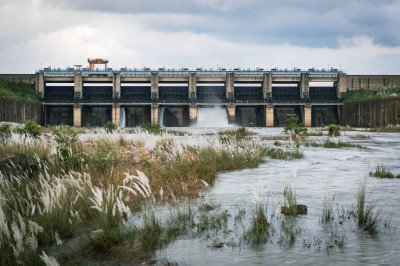 @@Engineering Marvel and Water Source: Kumarras Dam is a significant reservoir in the Dantewada district, primarily built for irrigation purposes, playing a vital role in supporting the local agricultural economy and providing water security to the surrounding villages. While not a massive multi-purpose project like some of Chhattisgarh's other dams, it is a crucial piece of local infrastructure. Its construction involved utilizing the natural contours of the hilly terrain, effectively creating a large water body that also serves as a check against seasonal water scarcity. The dam's location is strategically chosen to harness the water flow from the local rivulets and monsoon runoff. The sheer volume of water impounded creates a vast lake-like expanse, which significantly alters the micro-climate of the area, making the surroundings noticeably cooler. The dam project also includes ancillary structures, such as spillways and canals, to manage water release and distribution. @@A Sanctuary of Tranquility: Beyond its functional role, the dam site has naturally evolved into a popular local tourism spot, prized for its tranquil environment and scenic beauty. The massive body of water, framed by the lush green hills of the Bailadila range, creates a stunning, picturesque landscape that is a welcome retreat from the bustle of town life. It offers a unique vantage point to appreciate the natural forested wealth of the Dakshin Bastar region, as the reflections of the sky and the surrounding greenery on the water's surface provide a calming vista. The relative isolation of the site contributes to its peaceful ambiance, making it a favorite for weekend getaways, picnics, and simple nature contemplation. The dam is a perfect example of how vital infrastructure can also become a hub for eco-tourism.
Dholkal Ganesh is perhaps the most mystical and awe-inspiring archaeological site in the entire state of Chhattisgarh. Perched at a staggering altitude of 3,000 feet on a narrow peak within the Bailadila range, there sits a magnificent 11th-century stone idol of Lord Ganesha. The idol was "rediscovered" by a journalist in 2012, though it has been worshipped by the local Bhogami tribe for centuries. The trek to reach this site is a thrilling 7-kilometer journey through dense, deciduous forests, home to diverse wildlife and ancient trees. Legend has it that a fierce battle took place on this very peak between Lord Parshuram and Lord Ganesha. It is said that Parshuram threw his axe (Farsa) at Ganesha, which broke one of his tusks, leading to the name "Ekdanta." The idol itself is a masterpiece of ancient stone carving, surviving the elements for a millennium without a roof. Reaching the summit provides a 360-degree view of the vast, green Bastar jungle, making it a spiritual and adventurous pilgrimage. The silence at the top, punctuated only by the whistling wind, creates an atmosphere of deep serenity. This site is managed with the help of local tribal guides who ensure the safety of trekkers and the preservation of the idol. The mystery of how such a heavy stone idol was transported to such a precipitous height a thousand years ago remains one of the greatest unsolved puzzles of Indian archaeology.
@@Historical Context and Worship: The Samlur Shiva Temple is an ancient Hindu temple dedicated to Lord Shiva, dating back to the 11th-12th Century AD, a period when the Chindak Nagvanshi rulers held sway over the Bastar region. It represents a significant surviving example of the early medieval architectural heritage of Dantewada alongside the Danteshwari Temple and the ruins at Barsur. The temple is notable because it has remained almost entirely intact over the centuries and is still a site of regular worship, unlike many of the ruined temples in the nearby area. The continuation of rituals for nearly a millennium highlights its deep spiritual importance to the local community. The presiding deity, the Shiva Lingam, is considered Swayambhu (self-manifested) by some devotees. The temple's location in the quiet, forested village of Samlur gives it a secluded, contemplative atmosphere, which is highly prized by pilgrims and history enthusiasts. The simplicity of the shrine, compared to the grandeur of the main Danteshwari Temple, gives it a distinct, rustic charm, serving as a powerful reminder of the historical prevalence of Shaivism in the Bastar kingdom before the rise of the Kakatiyas. @@A Testament to Tribal Faith: The temple is also a melting pot where formal Hinduism merges seamlessly with local tribal beliefs. The deity here is often worshipped by local tribes as one of the many forms of their nature and forest Gods, integrating the shrine into the living culture of the surrounding hamlets. This syncretism of faith is a key element of the temple’s enduring legacy and charm.Show All
@@Engineering Marvel and Water Source: Kumarras Dam is a significant reservoir in the Dantewada district, primarily built for irrigation purposes, playing a vital role in supporting the local agricultural economy and providing water security to the surrounding villages. While not a massive multi-purpose project like some of Chhattisgarh's other dams, it is a crucial piece of local infrastructure. Its construction involved utilizing the natural contours of the hilly terrain, effectively creating a large water body that also serves as a check against seasonal water scarcity. The dam's location is strategically chosen to harness the water flow from the local rivulets and monsoon runoff. The sheer volume of water impounded creates a vast lake-like expanse, which significantly alters the micro-climate of the area, making the surroundings noticeably cooler. The dam project also includes ancillary structures, such as spillways and canals, to manage water release and distribution. @@A Sanctuary of Tranquility: Beyond its functional role, the dam site has naturally evolved into a popular local tourism spot, prized for its tranquil environment and scenic beauty. The massive body of water, framed by the lush green hills of the Bailadila range, creates a stunning, picturesque landscape that is a welcome retreat from the bustle of town life. It offers a unique vantage point to appreciate the natural forested wealth of the Dakshin Bastar region, as the reflections of the sky and the surrounding greenery on the water's surface provide a calming vista. The relative isolation of the site contributes to its peaceful ambiance, making it a favorite for weekend getaways, picnics, and simple nature contemplation. The dam is a perfect example of how vital infrastructure can also become a hub for eco-tourism.
Dholkal Ganesh is perhaps the most mystical and awe-inspiring archaeological site in the entire state of Chhattisgarh. Perched at a staggering altitude of 3,000 feet on a narrow peak within the Bailadila range, there sits a magnificent 11th-century stone idol of Lord Ganesha. The idol was "rediscovered" by a journalist in 2012, though it has been worshipped by the local Bhogami tribe for centuries. The trek to reach this site is a thrilling 7-kilometer journey through dense, deciduous forests, home to diverse wildlife and ancient trees. Legend has it that a fierce battle took place on this very peak between Lord Parshuram and Lord Ganesha. It is said that Parshuram threw his axe (Farsa) at Ganesha, which broke one of his tusks, leading to the name "Ekdanta." The idol itself is a masterpiece of ancient stone carving, surviving the elements for a millennium without a roof. Reaching the summit provides a 360-degree view of the vast, green Bastar jungle, making it a spiritual and adventurous pilgrimage. The silence at the top, punctuated only by the whistling wind, creates an atmosphere of deep serenity. This site is managed with the help of local tribal guides who ensure the safety of trekkers and the preservation of the idol. The mystery of how such a heavy stone idol was transported to such a precipitous height a thousand years ago remains one of the greatest unsolved puzzles of Indian archaeology.
@@Historical Context and Worship: The Samlur Shiva Temple is an ancient Hindu temple dedicated to Lord Shiva, dating back to the 11th-12th Century AD, a period when the Chindak Nagvanshi rulers held sway over the Bastar region. It represents a significant surviving example of the early medieval architectural heritage of Dantewada alongside the Danteshwari Temple and the ruins at Barsur. The temple is notable because it has remained almost entirely intact over the centuries and is still a site of regular worship, unlike many of the ruined temples in the nearby area. The continuation of rituals for nearly a millennium highlights its deep spiritual importance to the local community. The presiding deity, the Shiva Lingam, is considered Swayambhu (self-manifested) by some devotees. The temple's location in the quiet, forested village of Samlur gives it a secluded, contemplative atmosphere, which is highly prized by pilgrims and history enthusiasts. The simplicity of the shrine, compared to the grandeur of the main Danteshwari Temple, gives it a distinct, rustic charm, serving as a powerful reminder of the historical prevalence of Shaivism in the Bastar kingdom before the rise of the Kakatiyas. @@A Testament to Tribal Faith: The temple is also a melting pot where formal Hinduism merges seamlessly with local tribal beliefs. The deity here is often worshipped by local tribes as one of the many forms of their nature and forest Gods, integrating the shrine into the living culture of the surrounding hamlets. This syncretism of faith is a key element of the temple’s enduring legacy and charm.Show All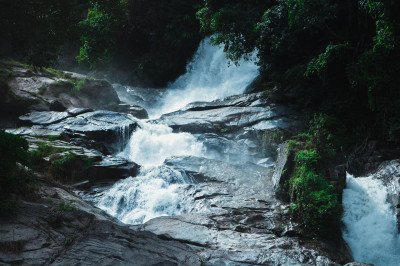 Handawada Waterfalls, also locally known as Goyedhar Ghumar, is a hidden gem located in the remote reaches of the Indravati river basin near Barsur in Dantewada. It is widely considered one of the highest and most powerful waterfalls in the entire Bastar region, yet it remains relatively untouched by mainstream tourism due to its challenging access. The waterfall is formed by the Goyedhar stream which plunges from a great height over a crescent-shaped cliff, creating a misty spray that can be felt from hundreds of meters away. To reach the falls, one must cross the mighty Indravati river via a boat and then trek through the dense meadows and forests of the Abujhmarh foothills. This area is the gateway to one of India's most mysterious and unexplored tribal regions. The sheer volume of water during and after the monsoon creates a thunderous roar that echoes through the valley. The surrounding landscape is a lush green paradise, filled with exotic birds and rare butterflies. Because it is so remote, the water is crystal clear and the environment is pristinely clean. Visiting Handawada is not just about seeing a waterfall; it is an expedition into the heart of tribal Chhattisgarh. It offers a sense of discovery that is hard to find in the modern world, as there are no concrete roads or commercial shops in the vicinity. It is a place where nature rules supreme, providing a humbling experience of the raw power and beauty of the earth.
Information
-
Why Famous:
Spiritual Significance: Dantewada is famous primarily for the Danteshwari Temple, a major pilgrimage site where devotees seek blessings for prosperity.
Historical Heritage: The town served as the capital of the Kakatiya rulers, making it a s...Spiritual Significance: Dantewada is famous primarily for the Danteshwari Temple, a major pilgrimage site where devotees seek blessings for prosperity.
Historical Heritage: The town served as the capital of the Kakatiya rulers, making it a significant site for studying the regional history of Bastar. -
Architecture:
Temple Structure & Dimensions: The Danteshwari Temple reflects the South Indian style of architecture, featuring high stone walls and a massive Garbagriha.
The temple complex is divided into four parts: Garbha Griha, Antarala, Maha Mandapa, ...Temple Structure & Dimensions: The Danteshwari Temple reflects the South Indian style of architecture, featuring high stone walls and a massive Garbagriha.
The temple complex is divided into four parts: Garbha Griha, Antarala, Maha Mandapa, and Mukhya Mandapa, each intricately carved. The main deity is carved out of black stone, standing tall as a symbol of divine power within the sanctum. The dimensions of the inner courtyard provide ample space for devotees to circumambulate while admiring the stone pillars and traditional roofing. -
How To Reach:
By Air: The nearest airport is Jagdalpur Airport, located about 80 KMS away, which connects to major cities like Raipur and Visakhapatnam.
By Train: Dantewada Railway Station is well-connected to Visakhapatnam and Kirandul, with regular pass...By Air: The nearest airport is Jagdalpur Airport, located about 80 KMS away, which connects to major cities like Raipur and Visakhapatnam.
By Train: Dantewada Railway Station is well-connected to Visakhapatnam and Kirandul, with regular passenger and express trains serving the route daily.
By Road: Regular bus services and private taxis operate from Jagdalpur, Raipur, and Bhilai, making it accessible via well-maintained national highways.
By Local Transport: Within the town, auto-rickshaws and cycle-rickshaws are the primary modes of transport, offering affordable and quick movement between local sites. -
Weather and Best Time to Visit:
Winter Season: October to March is the best time to visit as the weather is cool and pleasant for sightseeing and temple visits.
Summer Season: April to June can be quite hot, making it less ideal for outdoor exploration, though the temple s...Winter Season: October to March is the best time to visit as the weather is cool and pleasant for sightseeing and temple visits.
Summer Season: April to June can be quite hot, making it less ideal for outdoor exploration, though the temple stays cool inside.
Monsoon Season: July to September brings lush greenery, but heavy rains might occasionally disrupt travel plans to nearby hilly areas.
Time of Day: Early morning is the best time for prayers, while late afternoons are perfect for visiting the nearby hills and riverbanks. -
Near Tourist Places:
Bailadila Hills (40 KMS), Barsur (30 KMS), Tamda Ghumar (55 KMS), Chitrakote (70 KMS), Jagdalpur (80 KMS), Geedam (12 KMS), Tirathgarh (65 KMS), Phoolpad Waterfall (25 KMS), Dholkal Ganesh (30 KMS), Indravati National Park (90 KMS).
Tourism Tips
-
Safety First: Visitors are advised to travel during daylight hours and stick to well-known tourist routes for a safe and enjoyable journey.
Respect Traditions: When visiting the temple, wear modest clothing and follow the local customs regar...Safety First: Visitors are advised to travel during daylight hours and stick to well-known tourist routes for a safe and enjoyable journey.
Respect Traditions: When visiting the temple, wear modest clothing and follow the local customs regarding photography and entry into the sanctum sanctorum.
Packing Essentials: Carry comfortable walking shoes, a light jacket for winter nights, and basic first-aid supplies as medical facilities may be limited.
Accommodation: There are several government guest houses and budget hotels available in Dantewada, but it is better to book in advance during festivals.
Reviews
FAQs
Dantewada Itineray And Cost:-
Other Places In Chhattisgarh :-
Other States In India :-
Information about New and Updated Locations() of Chhattisgarh Has Been Added :-
Card subtitle
Note:-
Information provided here in good Faith and for reference only.
Near Places
Ambikapur
Some quick example text to build on the card title and make up the bulk of the card's content.
Go somewhere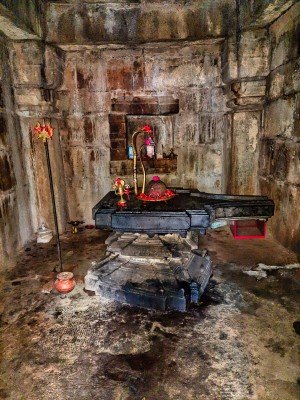
Bastar
Some quick example text to build on the card title and make up the bulk of the card's content.
Go somewhere
Bilai
Some quick example text to build on the card title and make up the bulk of the card's content.
Go somewhere
Bilaspur
Some quick example text to build on the card title and make up the bulk of the card's content.
Go somewhere
Dantewada
Some quick example text to build on the card title and make up the bulk of the card's content.
Go somewhere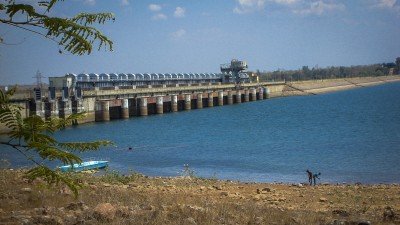
Dhamtari
Some quick example text to build on the card title and make up the bulk of the card's content.
Go somewhere
Durg
Some quick example text to build on the card title and make up the bulk of the card's content.
Go somewhere
Ghoghrapur
Some quick example text to build on the card title and make up the bulk of the card's content.
Go somewhere
Kabirdham
Some quick example text to build on the card title and make up the bulk of the card's content.
Go somewhere
Kanker
Some quick example text to build on the card title and make up the bulk of the card's content.
Go somewhere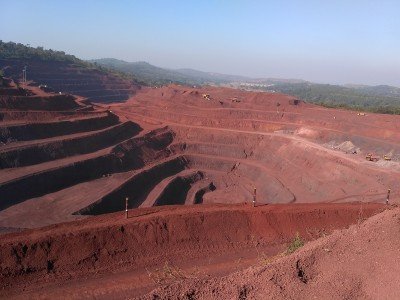
Kirandul
Some quick example text to build on the card title and make up the bulk of the card's content.
Go somewhere
Kondagaon
Some quick example text to build on the card title and make up the bulk of the card's content.
Go somewhere
Korba
Some quick example text to build on the card title and make up the bulk of the card's content.
Go somewhere
Mahasamund
Some quick example text to build on the card title and make up the bulk of the card's content.
Go somewhere
Mainpat
Some quick example text to build on the card title and make up the bulk of the card's content.
Go somewhere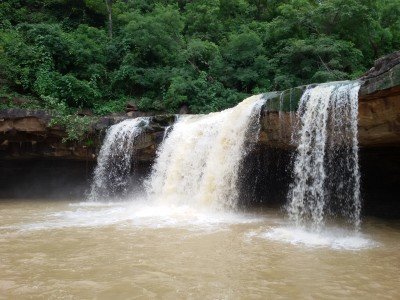
Narayanpur
Some quick example text to build on the card title and make up the bulk of the card's content.
Go somewherein Other Cities