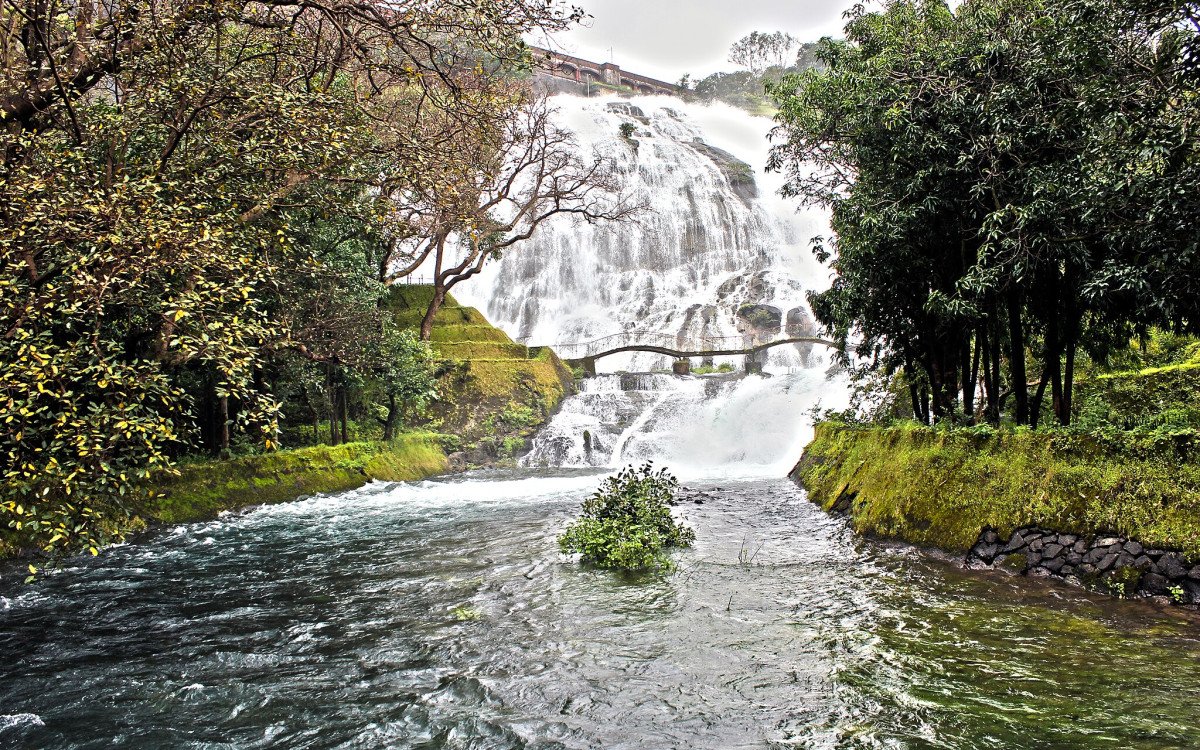

Bhandardara Dam Spillway
General information
-
Ideal Duration:
30 Minutes to 1 Hour (for viewing)Place Type:
Engineering, Seasonal, Natural SpectacleEntry Fees:
No Direct Entry Fee: There is No Entry Fee to view the dam spillway or walk on the dam wall/near the viewing areas.
Parking and Garden Fees: A nominal parking fee (approx. INR 20 to INR 50) may be charged by local bodies. The garden at the...No Direct Entry Fee: There is No Entry Fee to view the dam spillway or walk on the dam wall/near the viewing areas.
Parking and Garden Fees: A nominal parking fee (approx. INR 20 to INR 50) may be charged by local bodies. The garden at the base of the dam may also have a small maintenance fee (approx. INR 10 to INR 20) to ensure cleanliness and upkeep.
Access Restrictions: Access to the dam wall and the sluice gates is often restricted for security reasons, especially when the water flow is very high.Timing:
Regular Timings: 10:00 AM to 5:00 PM Daily (for the viewing areas and garden); the dam wall is subject to security-based timing restrictions.
Ideal Visit Time: Monsoon season (Mid-July to Mid-September) is the only time the spillway is acti...Regular Timings: 10:00 AM to 5:00 PM Daily (for the viewing areas and garden); the dam wall is subject to security-based timing restrictions.
Ideal Visit Time: Monsoon season (Mid-July to Mid-September) is the only time the spillway is active, making this the Ideal Visit Time. Mid-Day is best for viewing the full might of the water flow.
Avoid: Visiting during non-monsoon months (October to June) as the spillway will be completely dry and offers only a view of the structure.Special Events:
Monsoon Gate Opening: The most important Special Event is the highly unpredictable but spectacular moment when the dam gates are officially opened for the season, which is based purely on the intensity of the monsoon rainfall, making the timing a celebrated local occasion. <...Monsoon Gate Opening: The most important Special Event is the highly unpredictable but spectacular moment when the dam gates are officially opened for the season, which is based purely on the intensity of the monsoon rainfall, making the timing a celebrated local occasion.
Public Awareness Campaigns: Occasional educational events are held by the state irrigation department near the dam site to educate the local community and visitors about the importance of water conservation and dam safety.Best Photo Spots:
The Ratanwadi Garden Platform: The designated viewing platform in the garden provides the perfect mid-range vantage point to capture the full height and 'umbrella' shape of the cascade.
The Dam Wall Top: Capturing the vast, wide-angle shot o...The Ratanwadi Garden Platform: The designated viewing platform in the garden provides the perfect mid-range vantage point to capture the full height and 'umbrella' shape of the cascade.
The Dam Wall Top: Capturing the vast, wide-angle shot of the water hurtling down the steps of the spillway, contrasting the man-made structure with the force of nature.
Footbridge View: The footbridge connecting the dam's side offers a uniquely close and misty perspective of the cascade, ideal for capturing the spray and the rainbow effects.Photo Gallery


Things To Do
-
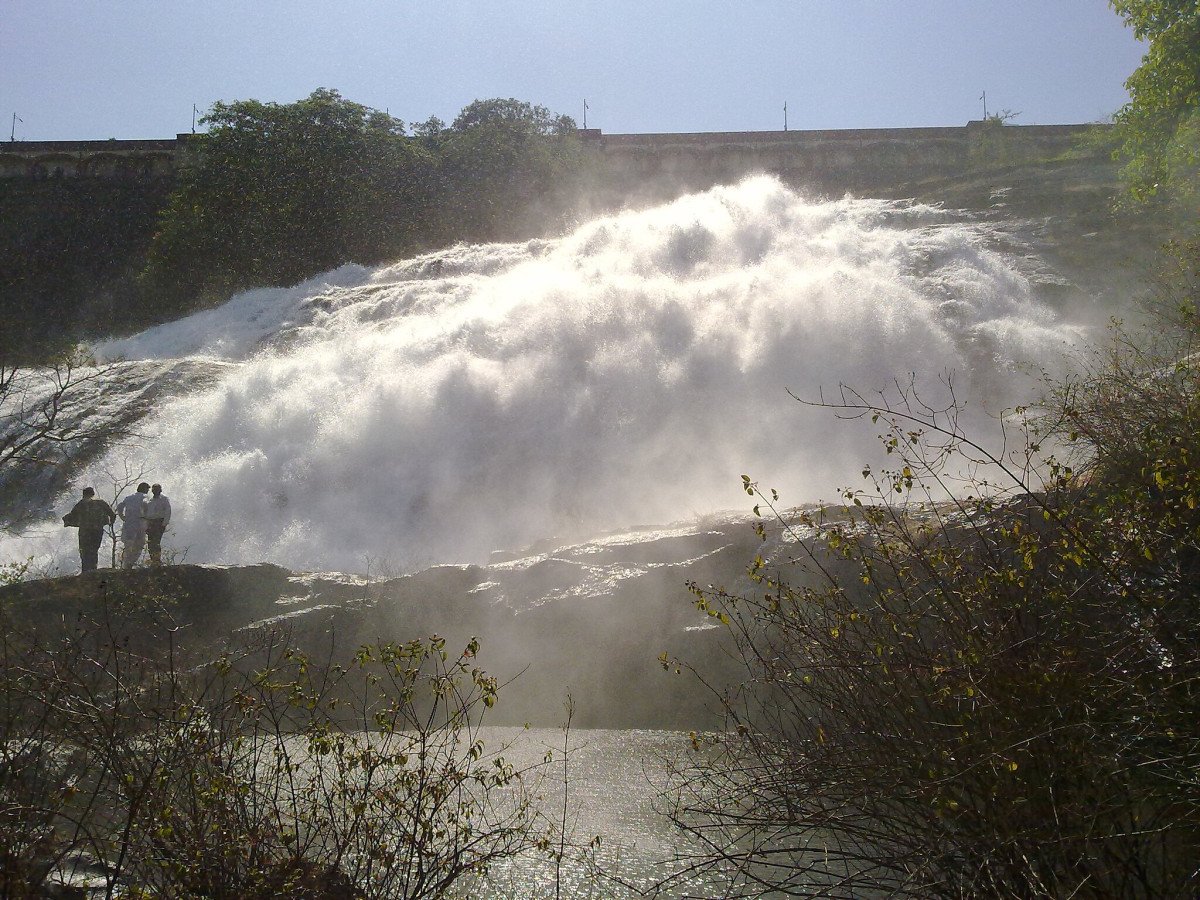
Witness the Water Release: The primary activity is to safely stand on the viewing bridge/platform and witness the thunderous release of water (when the dam is overflowing, usually July-September).
Visit the Ratanwadi Garden: Stroll through the well-maintained garden at the foot of the dam wall, which offers an excellent vantage point to view the spillway from below.
Hydro-Power Station View: Observe the older, small hydro-electric power generation unit (often restricted access) near the spillway, which taps into the water's force.
Photography of the Cascade: Capture the high-velocity, misty cascade of water from multiple angles, particularly during the peak flow when the volume is maximal.
Understand Water Management: Take a mome...Witness the Water Release: The primary activity is to safely stand on the viewing bridge/platform and witness the thunderous release of water (when the dam is overflowing, usually July-September).
Visit the Ratanwadi Garden: Stroll through the well-maintained garden at the foot of the dam wall, which offers an excellent vantage point to view the spillway from below.
Hydro-Power Station View: Observe the older, small hydro-electric power generation unit (often restricted access) near the spillway, which taps into the water's force.
Photography of the Cascade: Capture the high-velocity, misty cascade of water from multiple angles, particularly during the peak flow when the volume is maximal.
Understand Water Management: Take a moment to appreciate the large scale of water management and its role in the region's agriculture and energy supply.
Walk Across the Dam Top: When allowed, walk the length of the dam wall to appreciate the immense scale of the structure and the vastness of the Arthur Lake reservoir on one side.
Picnic: Enjoy a light snack in the dedicated garden area while watching the waterfall/spillway in action.
Information
-
Why Famous:
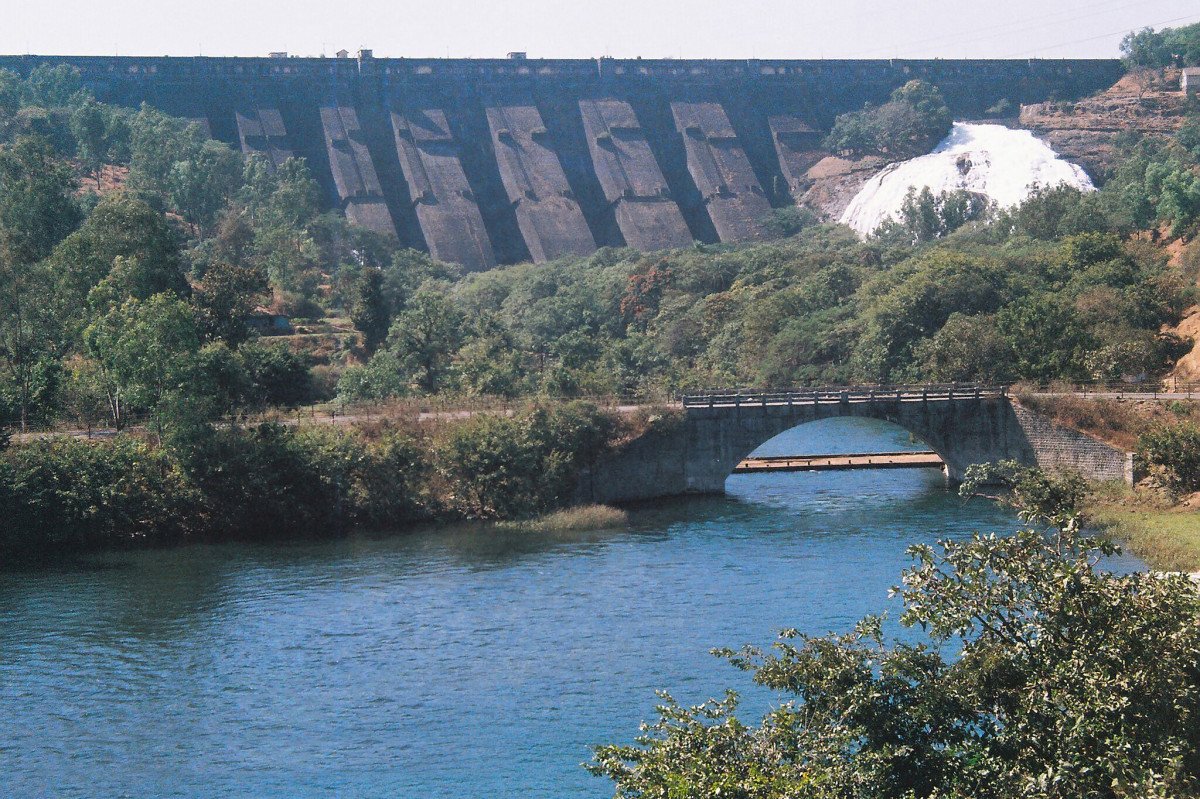
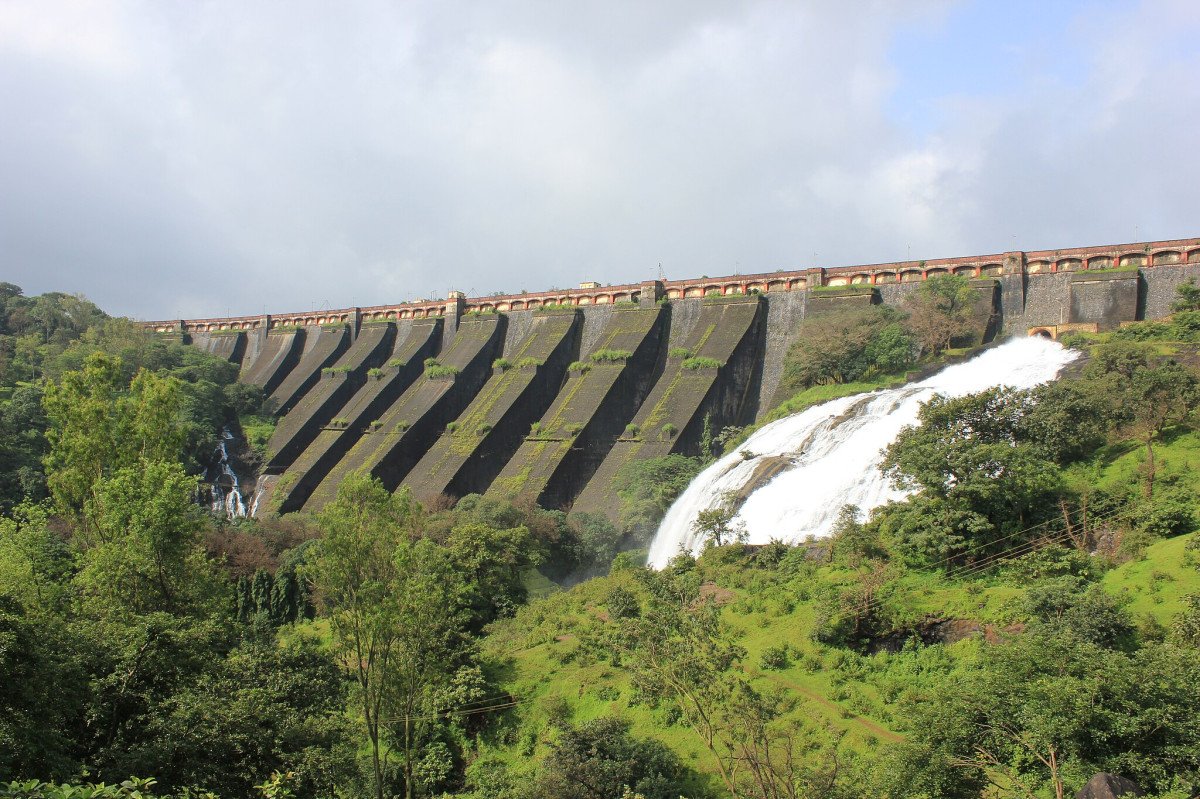
The Force Behind Umbrella Falls: It's famous for being the source of the spectacular Umbrella Falls. When the dam is full, the forceful release of water from the gates hits the underlying rocks and splays out, creating a unique, milky white, umbrella-shaped curtain of water...The Force Behind Umbrella Falls: It's famous for being the source of the spectacular Umbrella Falls. When the dam is full, the forceful release of water from the gates hits the underlying rocks and splays out, creating a unique, milky white, umbrella-shaped curtain of water, an iconic seasonal sight.
Colonial Engineering Marvel: As part of the Wilson Dam, one of India's oldest and largest earthen dams, the spillway represents a significant achievement of early 20th Century British engineering, designed to manage the unpredictable monsoon runoff of the Pravara River. -
Architecture:
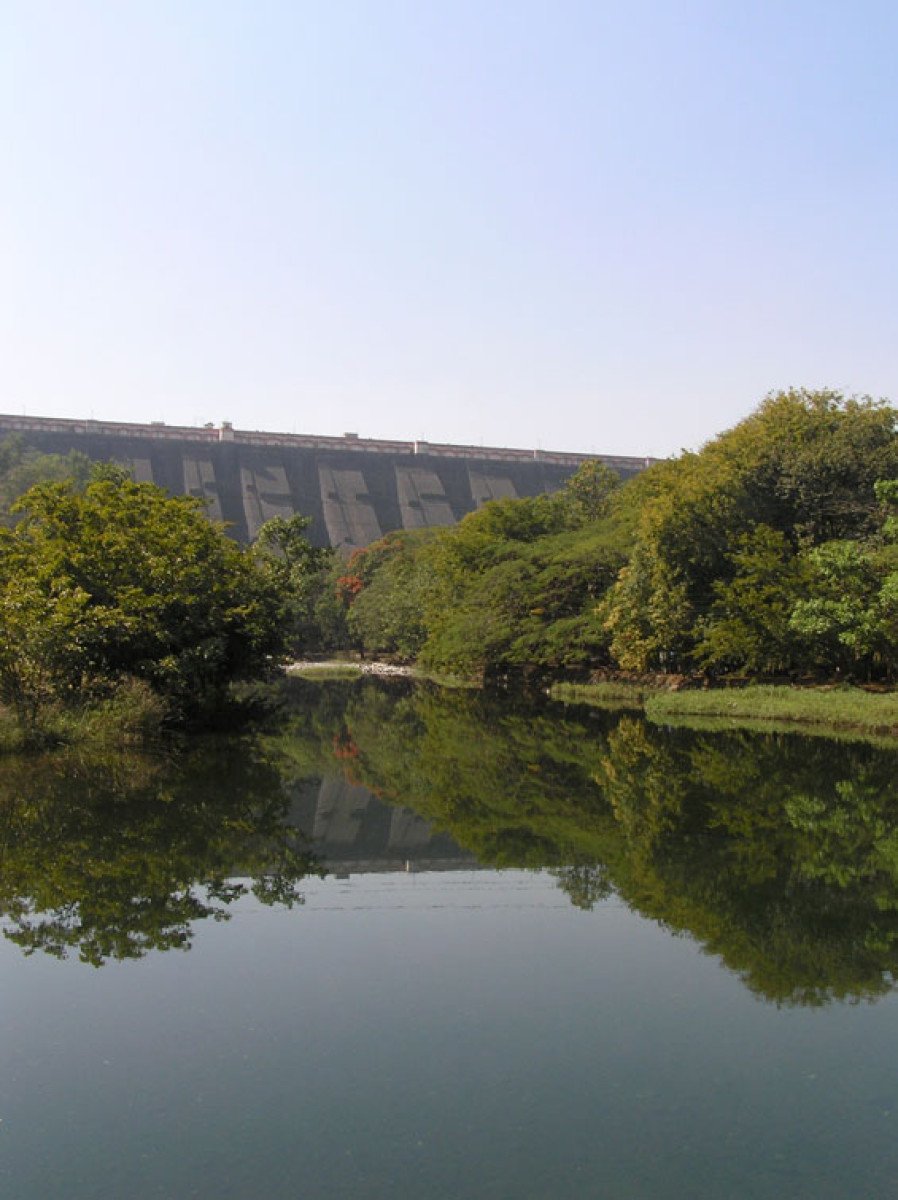
Hydro-Architectural Design and Gravity Flow: The spillway is an integral part of the Wilson Dam, designed as a controlled release mechanism for flood discharge. It is a masonry-gravity dam structure, meaning it holds back the water by the sheer force of its mass.Hydro-Architectural Design and Gravity Flow: The spillway is an integral part of the Wilson Dam, designed as a controlled release mechanism for flood discharge. It is a masonry-gravity dam structure, meaning it holds back the water by the sheer force of its mass.
Dimension: The Wilson Dam itself has a height of approximately 150 meters (500 feet) and a length of 507 meters. The spillway section comprises a calculated set of sluice gates, outlets, and the main spillway channel (often a series of stepped, rocky cascades). The specific gates and sluices are engineered for precise flow control. The architecture is purely utilitarian, focusing on structural integrity and water management, with the resulting natural-looking rock cascade being a secondary, albeit spectacular, aesthetic outcome. The design is a testament to colonial-era irrigation and civil engineering in India. -
How To Reach:
By Air: Nearest major airport is Mumbai (approx. 185 KM). From the airport, hire a cab to Igatpuri and then a local taxi to Bhandardara.
By Train: Nearest major station is Igatpuri (approx. 45 KM). Take a shared taxi or private cab from ...By Air: Nearest major airport is Mumbai (approx. 185 KM). From the airport, hire a cab to Igatpuri and then a local taxi to Bhandardara.
By Train: Nearest major station is Igatpuri (approx. 45 KM). Take a shared taxi or private cab from Igatpuri station to the main Bhandardara area (Shendi).
By Road: The spillway is located at the Wilson Dam site, which is the central point of Bhandardara (Shendi), easily accessible by well-paved roads from Nashik (70 KM) and Igatpuri.
By Local Transport: It is within easy walking distance (less than 1 KM) of the main Bhandardara market/resort area in Shendi. Shared jeeps are also easily available. -
Weather and Best Time to Visit:
Different Types of Seasons: Monsoon (July to September) is the only season to witness the spectacular overflow. The high humidity and mist add to the dramatic beauty, despite the heavy rain. Winter and Summer are for viewing the dam structure only.
Read MoreDifferent Types of Seasons: Monsoon (July to September) is the only season to witness the spectacular overflow. The high humidity and mist add to the dramatic beauty, despite the heavy rain. Winter and Summer are for viewing the dam structure only.
Different Parts of the Day: Mid-day to Early Afternoon provides the strongest sunlight, often creating spectacular rainbows in the water spray, and is the best time for clear viewing and photography.Near Tourist Places:
Wilson Dam (0 KM), Umbrella Falls (0. 5 KM), Arthur Lake (2 KM), Randha Falls (11 KM), Kalsubai Peak Base (12 KM), Amruteshwar Temple (18 KM), Ratangad Fort (16 KM), Ghatghar Dam (20 KM), Ratanwadi Village (15 KM), Agastya Rishi Ashram (20 KM).Tourism Tips
-
Health & Safety: Be extremely cautious of slippery surfaces on the dam wall and viewing areas due to the water spray and mist. Do not cross barriers or get too close to the edge.
Packing: Carry rain gear (waterproof jacket/poncho, umbrella)...Health & Safety: Be extremely cautious of slippery surfaces on the dam wall and viewing areas due to the water spray and mist. Do not cross barriers or get too close to the edge.
Packing: Carry rain gear (waterproof jacket/poncho, umbrella) and waterproof bags for electronics during the monsoon. Wear shoes with good grip.
Accommodation: Plenty of resorts and homestays are available within walking distance in the Shendi area.
Other: Always check local news or with your accommodation provider to confirm if the dam gates are open and the spillway is active before traveling long distances to see it.
Reviews
FAQs
Bhandardara Itineray And Cost:-
Bhandardara Dam Spillway Tourism:-
Other Places In Bhandardara :-
Other States In India :-
Information about New and Updated Locations() of Maharashtra Has Been Added :-
Card subtitle
Note:-
Information provided here in good Faith and for reference only.
Near Places
Agastya Rishi Ashram
Some quick example text to build on the card title and make up the bulk of the card's content.
Go somewhere
Amruteshwar Temple
Some quick example text to build on the card title and make up the bulk of the card's content.
Go somewhere
Arthur Lake
Some quick example text to build on the card title and make up the bulk of the card's content.
Go somewhere
Bhandardara Dam Spillway
Some quick example text to build on the card title and make up the bulk of the card's content.
Go somewhere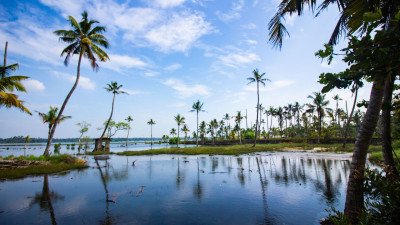
Bhandardara Lake
Some quick example text to build on the card title and make up the bulk of the card's content.
Go somewhere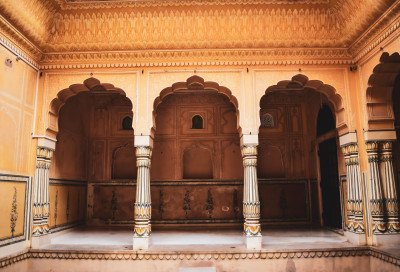
Harishchandragad Fort
Some quick example text to build on the card title and make up the bulk of the card's content.
Go somewhere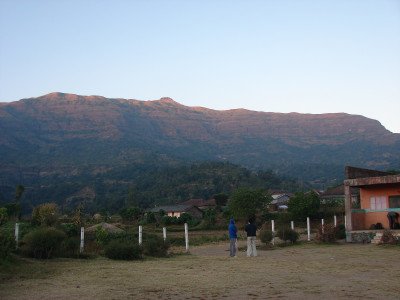
Kalsubai Peak
Some quick example text to build on the card title and make up the bulk of the card's content.
Go somewhere
Kedareshwar Cave
Some quick example text to build on the card title and make up the bulk of the card's content.
Go somewhere
Koltembhe Waterfall
Some quick example text to build on the card title and make up the bulk of the card's content.
Go somewhere
Kulang Fort
Some quick example text to build on the card title and make up the bulk of the card's content.
Go somewhere
Madangad Fort
Some quick example text to build on the card title and make up the bulk of the card's content.
Go somewhere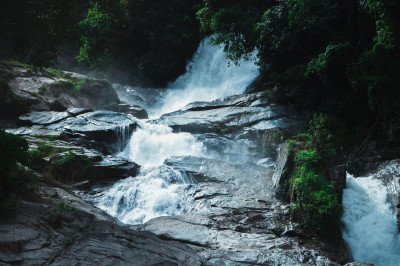
Nanhe Ghat Waterfalls
Some quick example text to build on the card title and make up the bulk of the card's content.
Go somewhere
Pabargad Fort
Some quick example text to build on the card title and make up the bulk of the card's content.
Go somewhere
Randha Falls
Some quick example text to build on the card title and make up the bulk of the card's content.
Go somewhere
Ratanwadi Village
Some quick example text to build on the card title and make up the bulk of the card's content.
Go somewhere
Reverse Waterfall Samrad
Some quick example text to build on the card title and make up the bulk of the card's content.
Go somewherein Other Cities