
Bhavani Mandap
General information
-
Ideal Duration:
1-2 HoursPlace Type:
Historical Landmark & Religious SiteEntry Fees:
No Entry Fee for the Main Complex: Generally, there is no official entry fee to visit the Bhavani Mandap complex or the shrine of Goddess Bhavani itself. This makes it a highly accessible heritage site for all visitors.
Optional Donations: ...No Entry Fee for the Main Complex: Generally, there is no official entry fee to visit the Bhavani Mandap complex or the shrine of Goddess Bhavani itself. This makes it a highly accessible heritage site for all visitors.
Optional Donations: Visitors may choose to make voluntary donations at the temple counter for the maintenance and daily running of the temple and the historical structure. These donations are entirely optional and a matter of personal choice.
Small Fees for Parking/Services: If you arrive by car or two-wheeler, there may be a nominal fee for parking in the designated areas nearby, as the Mandap is in a congested part of the old city. Any guides or special pooja services requested may also involve a charge.Timing:
Regular Timings: The Bhavani Mandap is typically open from 8:00 AM to 9:00 PM every day. However, the inner shrine and specific exhibition corners might have slightly restricted timings, particularly during the afternoon.
Ideal Visit Time (Morn...Regular Timings: The Bhavani Mandap is typically open from 8:00 AM to 9:00 PM every day. However, the inner shrine and specific exhibition corners might have slightly restricted timings, particularly during the afternoon.
Ideal Visit Time (Morning): The best time to visit is early morning, between 8:00 AM and 11:00 AM. This period is generally less crowded, especially before the main rush to the adjacent Mahalaxmi Temple begins. The morning light is excellent for photography, and the cooler temperature makes exploring the compound more comfortable.
Ideal Visit Time (Evening Aarti): Visiting during the evening Aarti (prayer ceremony), usually around sunset or early evening, offers a spiritually charged and atmospheric experience, with the lamps lit and devotees gathering for prayer.Special Events:
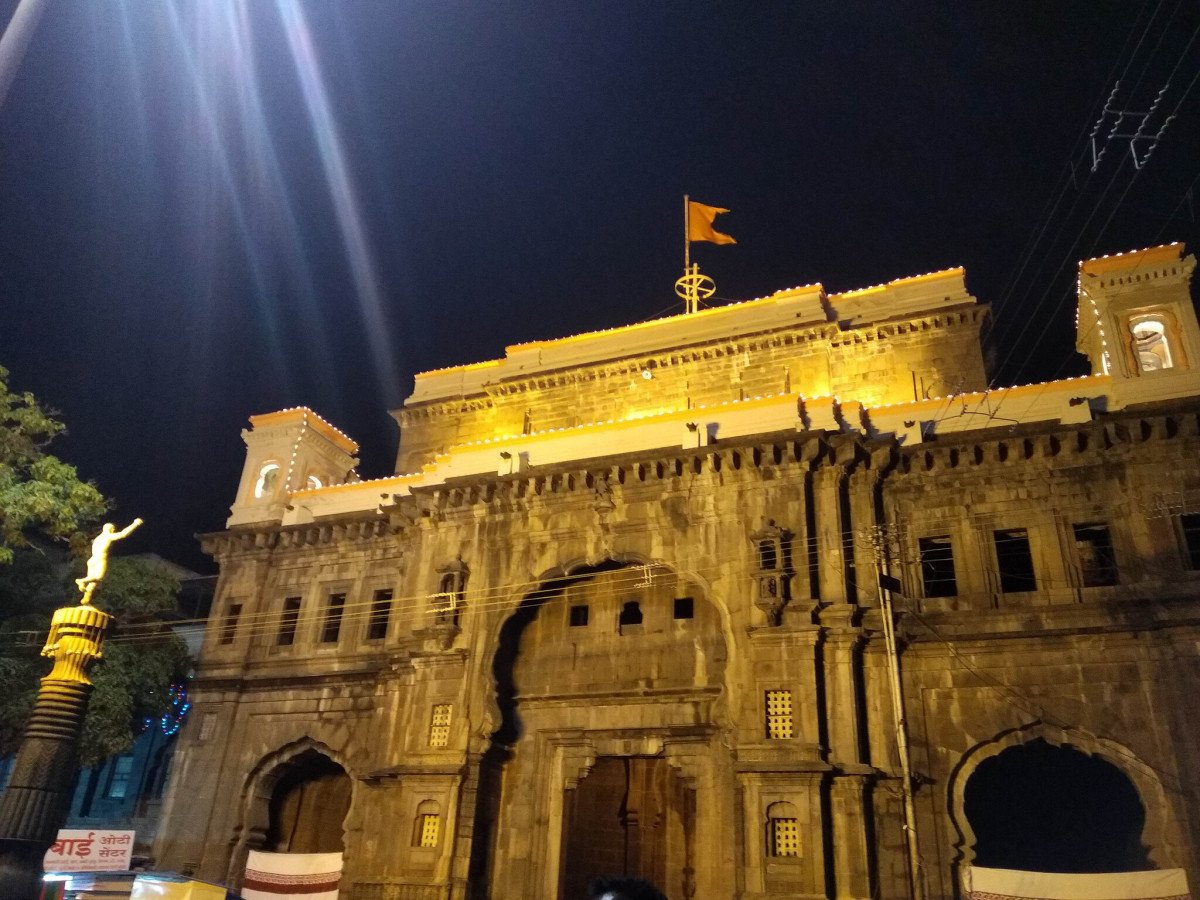
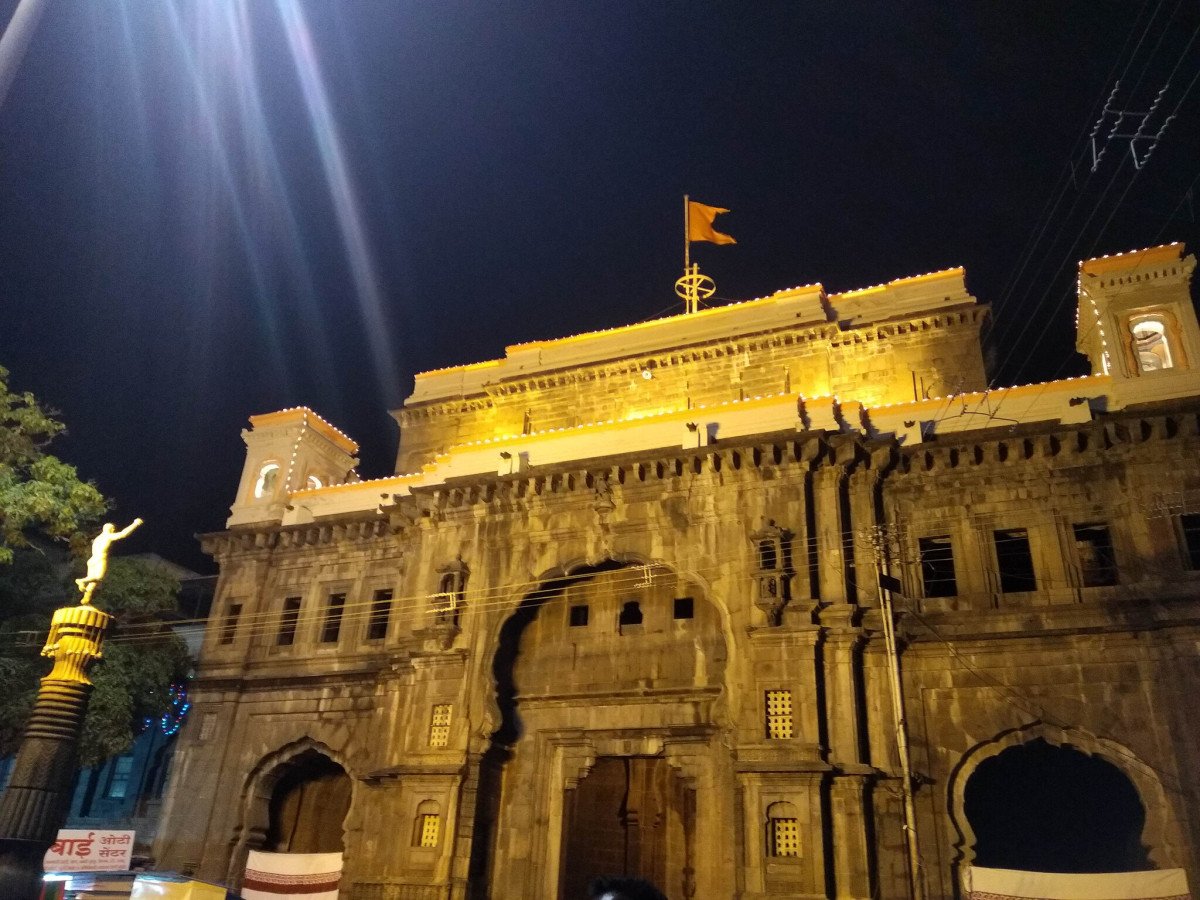
Navratri Festival Grandeur: The most significant and spectacular special event at Bhavani Mandap is the celebration of the Navratri festival, typically falling in September or October. During these nine nights, the entire complex is decorated with bright lights and flowers,...Navratri Festival Grandeur: The most significant and spectacular special event at Bhavani Mandap is the celebration of the Navratri festival, typically falling in September or October. During these nine nights, the entire complex is decorated with bright lights and flowers, creating a truly magnificent sight. The shrine of Goddess Bhavani is the focal point for special poojas, aartis, and devotional singing. The royal family still participates in some of the traditional rituals, including the procession, which attracts thousands of devotees and tourists. This period offers the most vibrant experience of Kolhapur's spiritual and cultural devotion, with the air filled with the sounds of traditional instruments and prayers.Best Photo Spots:
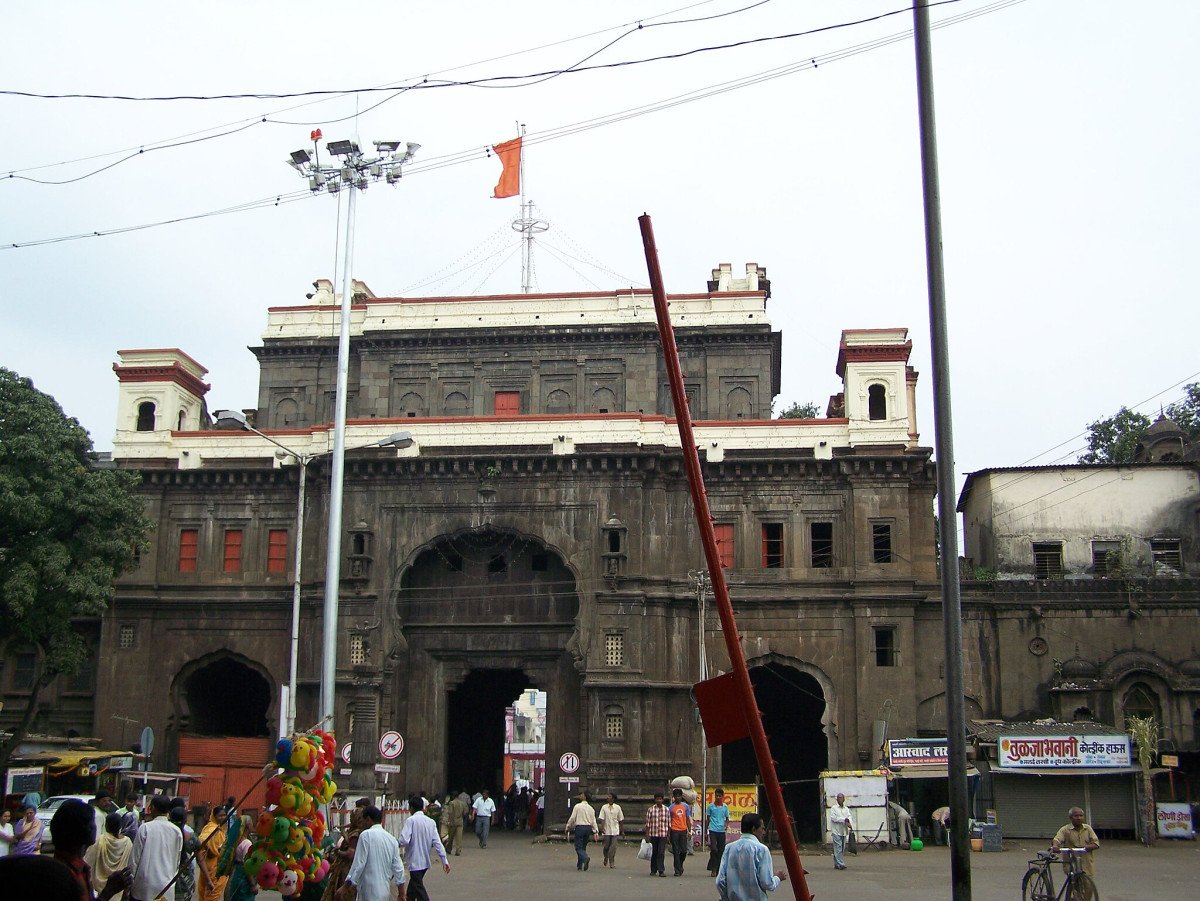
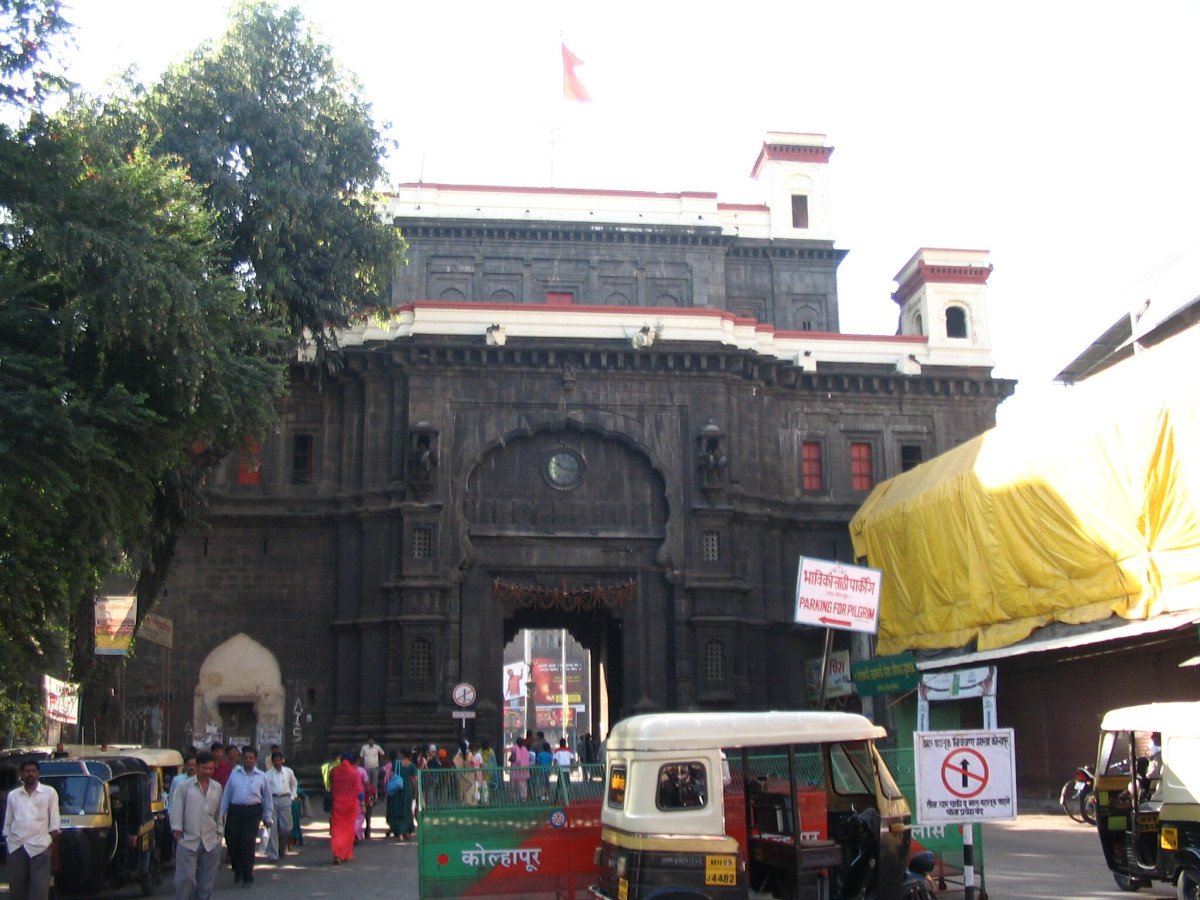
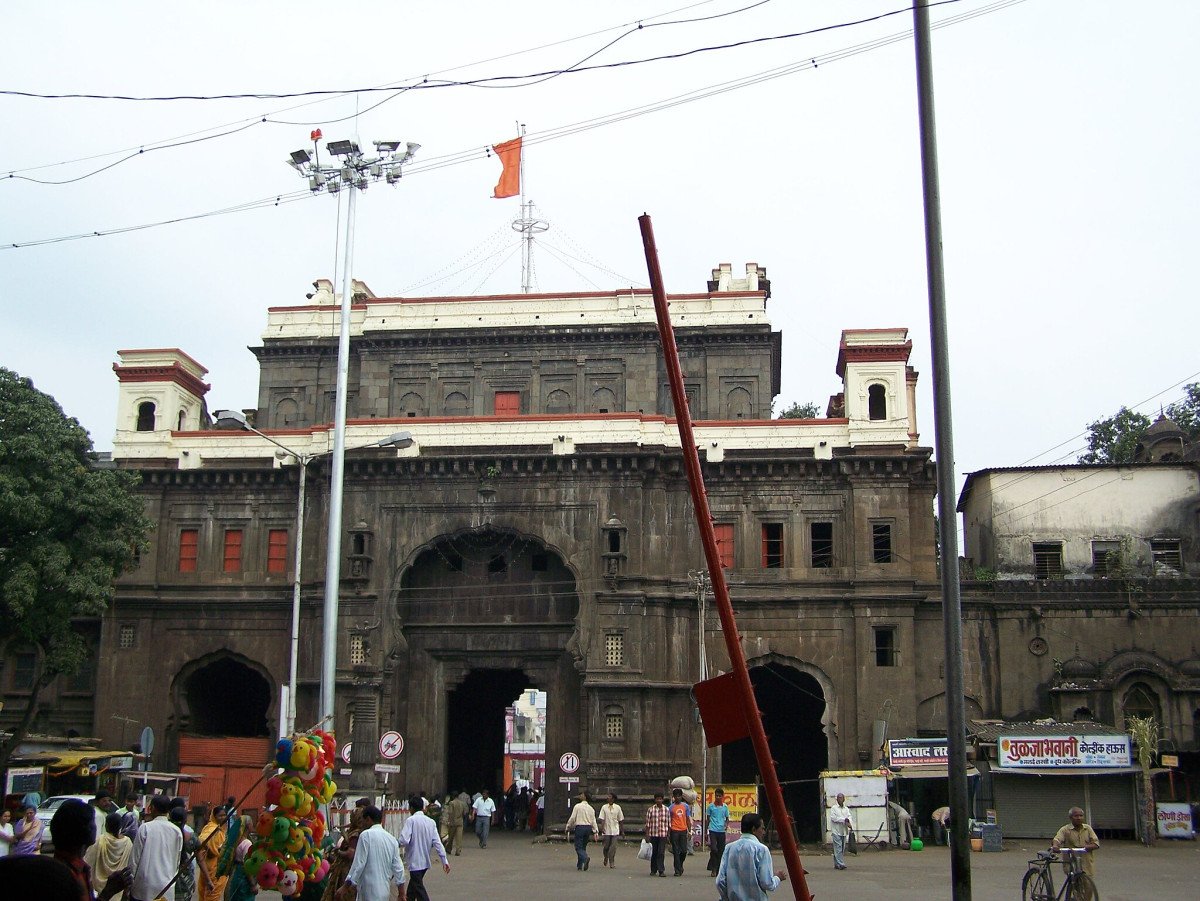
The Grand Archway Entrance: The main entrance gate to the Mandap provides a perfect frame for the historical building inside. Photographing the detailed archway and the surrounding old city market atmosphere creates a high-contrast shot combining heritage with daily life. <...The Grand Archway Entrance: The main entrance gate to the Mandap provides a perfect frame for the historical building inside. Photographing the detailed archway and the surrounding old city market atmosphere creates a high-contrast shot combining heritage with daily life.
The Stuffed Tiger Exhibit: This is an unmissable and unique photo spot. A close-up shot of the preserved tiger, set against the historical backdrop of the hall, makes for a dramatic and memorable photograph. It is one of the few places in Kolhapur where this type of royal artifact is publicly displayed.
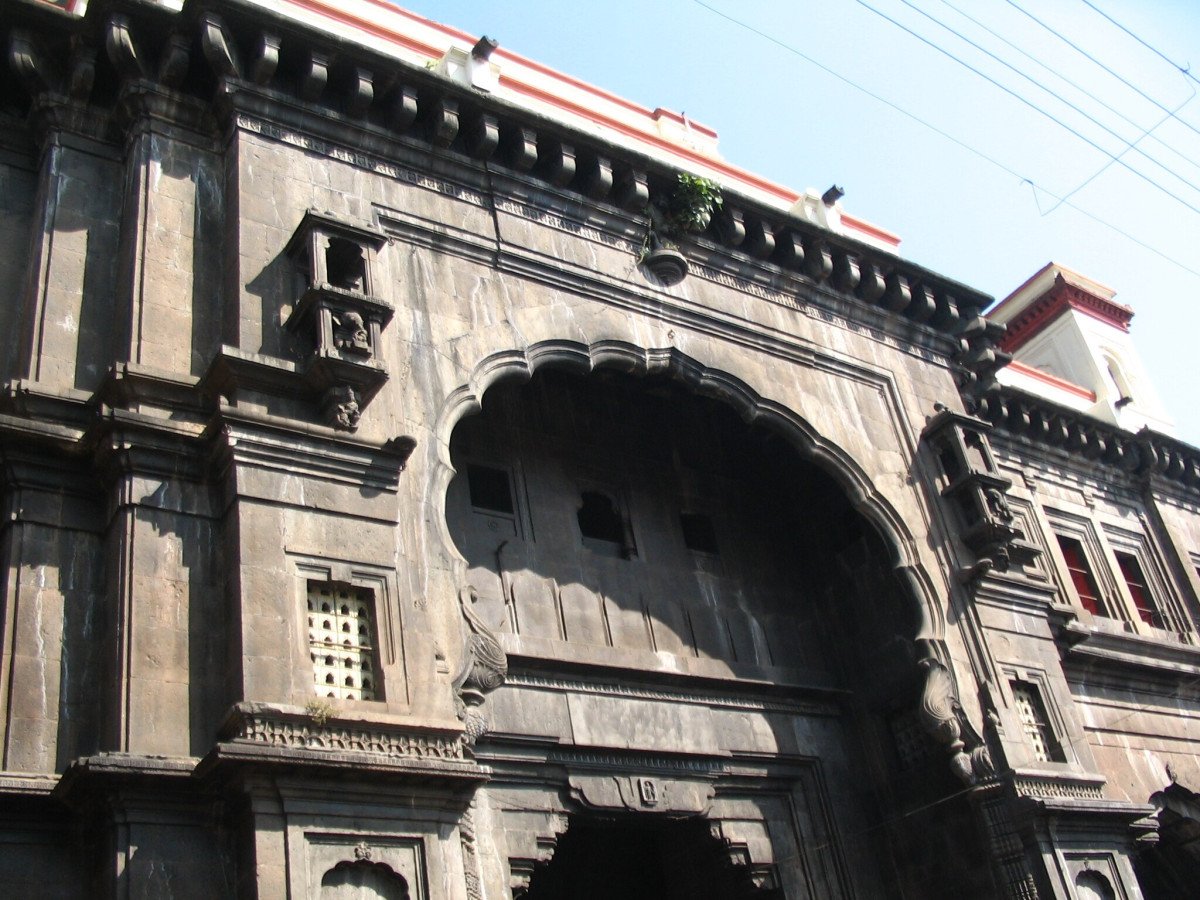
The Wooden Carvings and Balconies: Focus on the intricate, detailed wooden carvings found on the upper stories and balconies of the Mandap. These elements, particularly the Jharokhas, offer excellent opportunities for architectural detail shots, showcasing the subtle art of the Maratha craftsmen. Capture the textures and shadows of the old wood.Photo Gallery
Things To Do
-
Explore the Darbar Hall and Royal History: Spend time in the main Darbar Hall imagining the historical court proceedings, royal announcements, and cultural events that took place here for centuries. Study the preserved portraits and historical documents (where available) that detail the lives and achievements of the Kolhapur rulers, especially the social reforms initiated by Shahu Maharaj. Photography (of the exterior and non-restricted areas) is essential to capture the unique blend of architecture.
Seek Blessings at the Bhavani Temple: Dedicate time to offer prayers and experience the spiritual calm at the shrine of Goddess Bhavani. The environment here is profoundly devotional and offers a contrast to the bustling marketplace outside. Observe the daily rituals (aarti and pooja) performed by the priests.
Read MoreExplore the Darbar Hall and Royal History: Spend time in the main Darbar Hall imagining the historical court proceedings, royal announcements, and cultural events that took place here for centuries. Study the preserved portraits and historical documents (where available) that detail the lives and achievements of the Kolhapur rulers, especially the social reforms initiated by Shahu Maharaj. Photography (of the exterior and non-restricted areas) is essential to capture the unique blend of architecture.
Seek Blessings at the Bhavani Temple: Dedicate time to offer prayers and experience the spiritual calm at the shrine of Goddess Bhavani. The environment here is profoundly devotional and offers a contrast to the bustling marketplace outside. Observe the daily rituals (aarti and pooja) performed by the priests.
Witness the Stuffed Tiger Exhibit: Take a moment to view the famous stuffed tiger and other animal exhibits (like the preserved elephant head) that symbolize the royal hunting tradition. This unique display is an excellent conversation starter and a rare piece of natural history preservation. Look for the informative plaques that detail the story of the hunt.
Enjoy Local Shopping and Food: The area surrounding the Mandap is the heart of Kolhapur's old city and commercial center. This is the ideal place to shop for authentic Kolhapuri chappals (sandals), local jewelry, and traditional textiles. Kolhapuri food, particularly Misal Pav and Tambada/Pandhara Rassa (red/white curries), is readily available at nearby eateries. Engaging with the local vendors and sampling street food is a key cultural experience.
Combine Visit with Mahalaxmi Temple: Since the Bhavani Mandap is just a short walk (about 200m) from the iconic Mahalaxmi Temple, plan a combined trip. Complete the darshan (viewing) at the Mahalaxmi Temple and then walk over to the Mandap to connect the spiritual and royal history of the city. This provides a fuller cultural context for the area.
Observe the Architecture Details: Look closely at the carved wooden work, the Jharokhas (overhanging enclosed balconies), and the unique combination of the building's facade. Try to identify the distinct elements of Maratha and colonial design. Note the sturdy structure that has survived centuries of history.
Attend Cultural Gatherings: If visiting during a festival or a public holiday, check for any small cultural performances or lectures that might be organized within or near the complex, as it continues to be a venue for community events.
Information
-
Why Famous:
Connection to Chhatrapati Shahu Maharaj: The Mandap is highly revered because of its association with the great Chhatrapati Shahu Maharaj (who reigned from 1894-1922), a champion of social justice and a key figure in Kolhapur's history. His administrative legacy is deeply t...Connection to Chhatrapati Shahu Maharaj: The Mandap is highly revered because of its association with the great Chhatrapati Shahu Maharaj (who reigned from 1894-1922), a champion of social justice and a key figure in Kolhapur's history. His administrative legacy is deeply tied to this place, as it was his court.
Shrine of Goddess Bhavani: It is famous for housing a beautiful and revered shrine of Goddess Tulja Bhavani, a form of the divine mother, considered the Kul-Devata (family deity) of the Maratha rulers. This spiritual significance draws countless devotees, especially during the Navratri festival.
The Stuffed Tiger: The most visually unique and famous artifact is the preserved, stuffed body of a large tiger, which was reportedly hunted by Chhatrapati Shahu Maharaj. This iconic display is a powerful visual representation of the royal family's hunting tradition and valor, instantly recognizable to anyone visiting Kolhapur. The combination of royal history, religious devotion, and unique artifacts makes it a major cultural magnet. -
Architecture:
Architectural Style and Influence: The architecture of Bhavani Mandap is a fascinating synthesis of two different major styles: the traditional Maratha style and the colonial British Empire style, reflecting the period of its construction and subsequent repairs. The blend i...Architectural Style and Influence: The architecture of Bhavani Mandap is a fascinating synthesis of two different major styles: the traditional Maratha style and the colonial British Empire style, reflecting the period of its construction and subsequent repairs. The blend is most visible in the overall structure and the detailing.
Dimension and Layout: Originally a much larger structure with 14 squares, it was reduced to 7 squares after the early 19th-century fire. The overall palace structure is designed around a central open space (mandap) with rooms and halls surrounding it. The main hall, or Darbar Hall, is expansive and historically important, featuring high ceilings and traditional decorative elements. The structure is built with durable stone and has a sturdy, commanding presence typical of royal residences. The exterior facade often displays subtle Maratha architectural features like carved wooden balconies and intricate jali work, juxtaposed with the more plain, commanding lines of the colonial influence. The shrine of Goddess Bhavani is the most sacred part, maintained in a traditional temple architectural style within the larger complex. The design ensured functionality as both a court and a residence, with separate sections for administrative tasks, religious worship, and personal quarters. -
How To Reach:
By Air (Kolhapur Airport): The nearest airport is Kolhapur Airport (KLH), also known as Chhatrapati Rajaram Maharaj Airport, located approximately 9 KMs southeast of the city center. The airport has direct flights connecting it to major cities like Mumbai, Bengaluru, and Hy...By Air (Kolhapur Airport): The nearest airport is Kolhapur Airport (KLH), also known as Chhatrapati Rajaram Maharaj Airport, located approximately 9 KMs southeast of the city center. The airport has direct flights connecting it to major cities like Mumbai, Bengaluru, and Hyderabad. From the airport, visitors can hire a pre-paid taxi or a local auto-rickshaw to reach Bhavani Mandap in the city.
By Train (Kolhapur Station): The closest major railway station is Chhatrapati Shahu Maharaj Terminus (Kolhapur) (KOP), which is well-connected to all major cities across India, including Mumbai, Pune, Delhi, and Bengaluru. The station is approximately 2. 5 KMs from Bhavani Mandap. Auto-rickshaws and local taxis are easily available outside the station for the short ride.
By Road (Bus/Car): Kolhapur is strategically located on National Highway 48 (NH 48), making it easily accessible by road from major cities in Maharashtra and Karnataka. State-run MSRTC buses and private luxury buses run frequently from Pune (approx. 240 KMs), Mumbai (approx. 380 KMs), and Goa (approx. 220 KMs). The central bus stand is a short distance from the Mandap.
By Local Transport: Being in the heart of the old city (C Ward), Bhavani Mandap is best reached by local auto-rickshaws or walking from the Mahalaxmi Temple area. Auto-rickshaws are the most convenient mode for short distances within the city. -
Weather and Best Time to Visit:
Pleasant Season (October to March): The best time to visit is during the winter months, from October to March. The weather is cool and dry, with temperatures ranging from 14°C to 30°C, which is perfect for walking and sightseeing. Major festivals like Navratri often fall...Pleasant Season (October to March): The best time to visit is during the winter months, from October to March. The weather is cool and dry, with temperatures ranging from 14°C to 30°C, which is perfect for walking and sightseeing. Major festivals like Navratri often fall in this period (October), offering a culturally rich experience.
Summer Season (April to June): Summer is generally hot and humid, with temperatures sometimes exceeding 40°C. Visiting during this period is not ideal for extensive outdoor exploration. If visiting, plan your trip for early mornings and late evenings.
Monsoon Season (June to September): The monsoon brings heavy rainfall to the Kolhapur region. While the surrounding nature is lush and green, heavy downpours can disrupt travel and sightseeing plans. The period is less crowded, but carry appropriate rain gear.
Different Parts of the Day: Late morning (9 AM - 11 AM) and late afternoon (4 PM - 6 PM) are the most comfortable times to visit during the day. Avoid the harsh midday sun. -
Near Tourist Places:
Mahalaxmi Temple (Ambabaidevi Temple) (0.
2 KMs): The most famous temple in Kolhapur, a major Shakti Peetha. Binkhambi Ganesh Mandir (0.
3 KMs): A unique, pillar-less Ganesh temple.
Rankala Lake (4 KMs): A large, beautiful lake popular for evening walks and boating. Town Hall Museum (1.
5 KMs): Local museum showcasing artifacts and sculptures from the region. Chhatrapati Shahu Museum (New Palace) (2.
5 KMs): Historical palace and museum of the Kolhapur rulers.
Jyotiba Temple (17 KMs): A popular hill temple dedicated to the deity Jyotiba.
Panhala Fort (20 KMs): A major historical Maratha fort on a hilltop.
Shalini Palace (
5 KMs): A beautiful, historic palace on the banks of Rankala Lake. Khasbag Maidan (1 KM) India's largest wrestling stadium.
Kopeshwar Temple, Khidrapur (60 KMs): An ancient and exquisitely carved Shiva temple.
Tourism Tips
-
Health & Safety (Crowd Management): Since the Mandap is located near the highly popular Mahalaxmi Temple and in a busy market area, be prepared for crowds, especially on Fridays, weekends, and festival days. Keep your belongings secure and watch for pickpockets. Stay hydra...Health & Safety (Crowd Management): Since the Mandap is located near the highly popular Mahalaxmi Temple and in a busy market area, be prepared for crowds, especially on Fridays, weekends, and festival days. Keep your belongings secure and watch for pickpockets. Stay hydrated and carry a small first-aid kit for minor cuts.
Packing (Footwear and Attire): Wear comfortable walking shoes, as you will be exploring the historical structure and nearby streets. Given its status as a temple complex, modest and conservative attire is highly recommended, especially when entering the shrine (covering shoulders and knees is appropriate). Carry a light shawl or jacket during the winter months.
Accommodation (Old City Access): For the most authentic and convenient experience, consider staying in accommodations near the old city center, as this allows for easy walking access to the Mandap and other key historical sites. Options range from budget guesthouses to mid-range hotels. Book well in advance if visiting during the Navratri festival.
Cultural Respect and Photography: Always be respectful of the religious sanctity of the temple area. Ask for permission before taking close-up photos of priests or devotees. Note that photography might be restricted inside the inner temple and near the artifact exhibits. Do not touch or lean on the historical walls and carvings.
Local Transport Negotiation: If hiring an auto-rickshaw, agree on the fare before starting the journey, or insist on using the meter to avoid overcharging.
Reviews
FAQs
Kolhapur Itineray And Cost:-
Other Places In Kolhapur :-
Other States In India :-
Information about New and Updated Locations() of Maharashtra Has Been Added :-
Card subtitle
Note:-
Information provided here in good Faith and for reference only.
Near Places

Amber Khana
Some quick example text to build on the card title and make up the bulk of the card's content.
Go somewhere
Bhavani Mandap
Some quick example text to build on the card title and make up the bulk of the card's content.
Go somewhere
Binkhambi Ganesh Mandir
Some quick example text to build on the card title and make up the bulk of the card's content.
Go somewhere
Chandra Kant Mandare Art Gallery
Some quick example text to build on the card title and make up the bulk of the card's content.
Go somewhere
Dajipur Wildlife Sanctuary
Some quick example text to build on the card title and make up the bulk of the card's content.
Go somewhere
Dargah of Hazrat Pir Syed Shah Badruddin
Some quick example text to build on the card title and make up the bulk of the card's content.
Go somewhere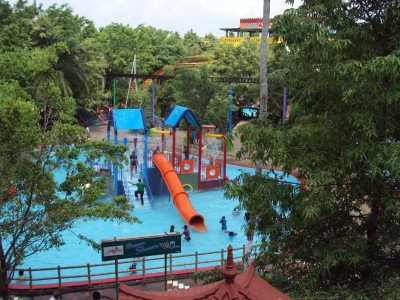
Dream World Water Park
Some quick example text to build on the card title and make up the bulk of the card's content.
Go somewhere
Gaganbawada
Some quick example text to build on the card title and make up the bulk of the card's content.
Go somewhere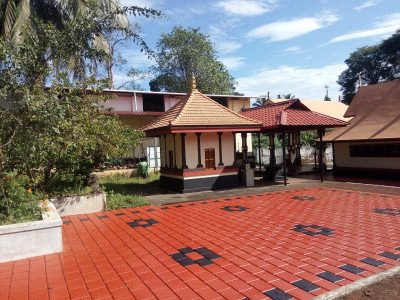
Katyayani Temple
Some quick example text to build on the card title and make up the bulk of the card's content.
Go somewhere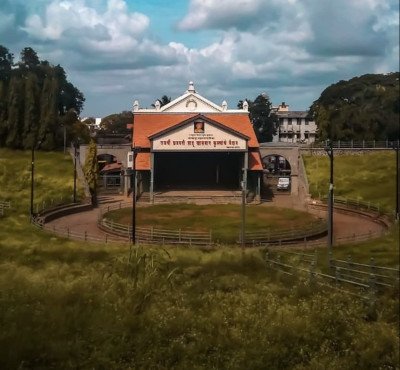
Khasbag Maidan
Some quick example text to build on the card title and make up the bulk of the card's content.
Go somewhere
Kopeshwar Temple
Some quick example text to build on the card title and make up the bulk of the card's content.
Go somewhere
Narsinhwadi Datta Mandir
Some quick example text to build on the card title and make up the bulk of the card's content.
Go somewhere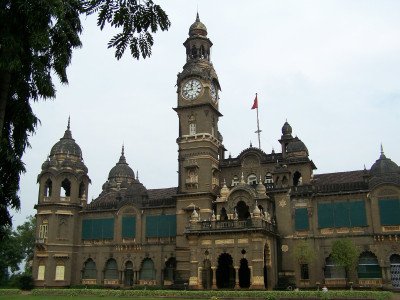
New Palace Museum
Some quick example text to build on the card title and make up the bulk of the card's content.
Go somewhere
Panchganga Ghat
Some quick example text to build on the card title and make up the bulk of the card's content.
Go somewhere
Panhala Fort
Some quick example text to build on the card title and make up the bulk of the card's content.
Go somewhere
Radhanagari Dam
Some quick example text to build on the card title and make up the bulk of the card's content.
Go somewherein Other Cities