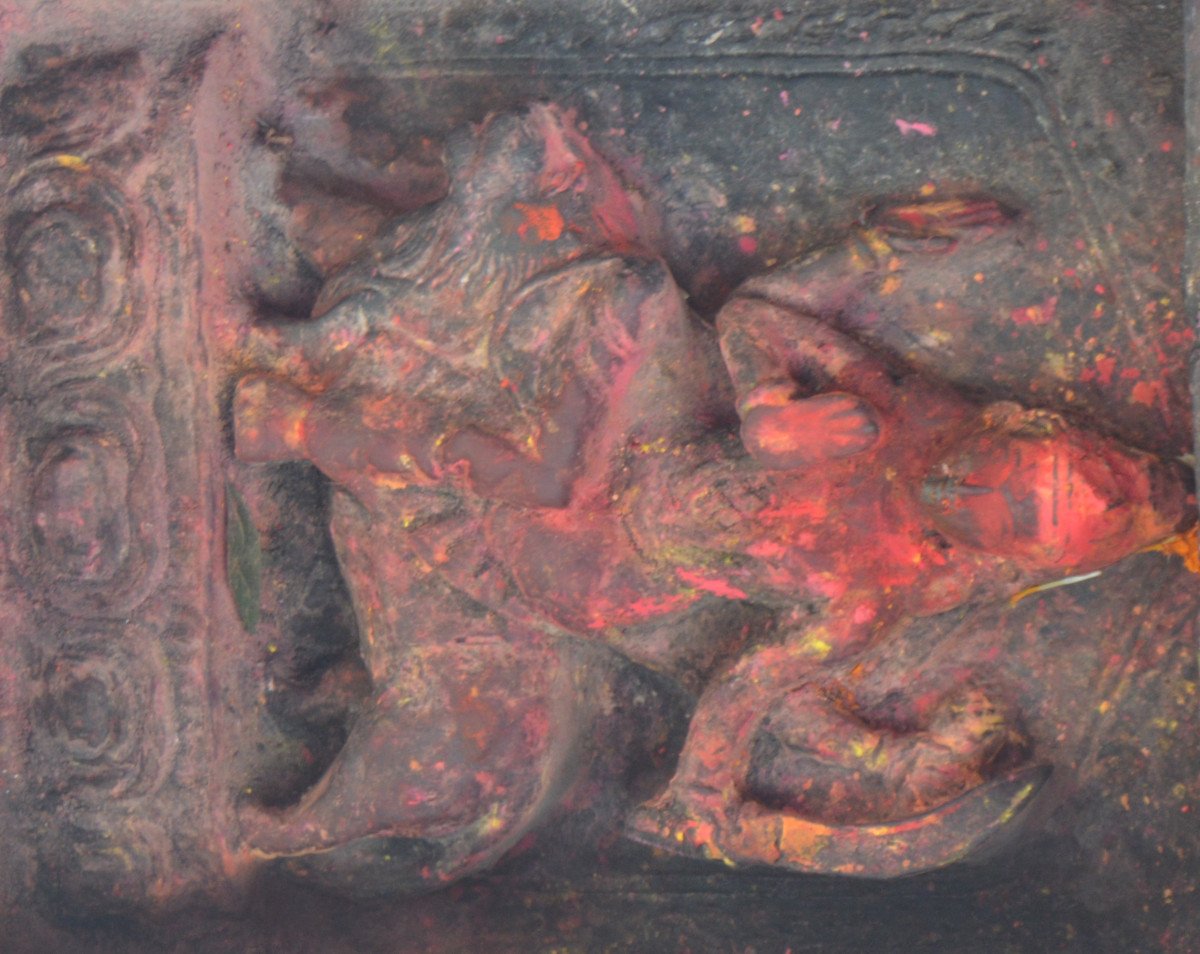
Katyayani Temple
General information
-
Ideal Duration:
1 to 2 hoursPlace Type:
Religious / TempleEntry Fees:
No Official Entry Fee (Free Entry): The Katyayani Temple, like most places of worship in India, does not charge an official Entry Fee for darshan. Access is open to all visitors, irrespective of their religion.
Donations (Voluntary Contribution...No Official Entry Fee (Free Entry): The Katyayani Temple, like most places of worship in India, does not charge an official Entry Fee for darshan. Access is open to all visitors, irrespective of their religion.
Donations (Voluntary Contributions): Visitors are encouraged to make Voluntary Contributions (Donations) to the temple fund. These donations are used for the temple's daily rituals, maintenance, preservation, and charitable activities. There is no fixed amount, and giving is at the devotee's discretion.
Special Puja or Havan Charges: If a devotee wishes to sponsor or participate in a special, elaborate Puja, Havan (fire ritual), or an Abhishek (ritual bathing of the idol), the temple priests will charge a set amount for the materials, service, and dakshina (honorarium). These charges vary based on the ritual's complexity.
Parking Fees: A small, nominal fee might be charged for parking vehicles in the designated area outside the temple premises, managed by local authorities or the temple trust.
Offerings Cost: The cost of items offered to the Goddess, such as flowers, coconuts, and prasad, is borne by the devotee and purchased from local vendors outside the temple.Timing:
Regular Timings: The Katyayani Temple is generally open from 5:00 AM to 12:00 PM (Morning session) and again from 4:00 PM to 9:00 PM (Evening session) daily. The temple often closes in the afternoon for bhog and rest.
Ideal Visit Time: The ...Regular Timings: The Katyayani Temple is generally open from 5:00 AM to 12:00 PM (Morning session) and again from 4:00 PM to 9:00 PM (Evening session) daily. The temple often closes in the afternoon for bhog and rest.
Ideal Visit Time: The Ideal Visit Time is during the Early Morning Hours (5:30 AM to 8:00 AM) or the Late Evening (6:00 PM to 8:00 PM). Early mornings offer a peaceful, uncrowded, and deeply spiritual environment, which is perfect for meditation. The late evening allows for witnessing the beautiful Aarti.
Aarti Timings: Check for the specific timings of the morning and evening Aarti rituals, as visiting during this time provides a heightened religious experience.
Navratri Special Timings: During the Navratri festival (September-October), the temple timings are extended, and the doors remain open for longer hours to accommodate the massive influx of devotees. Expect much larger crowds during this period.
Afternoon Closing: Be aware of the common afternoon closing (typically from 12:00 PM to 4:00 PM) to avoid an inconvenient visit.Special Events:
Navratri Festival: The most important special event is the grand celebration during the nine-day Navratri festival (September-October). Devotees flock in huge numbers, and special rituals, Aartis, Kirtans, and cultural programs are held, with the temple atmosphere becoming ...Navratri Festival: The most important special event is the grand celebration during the nine-day Navratri festival (September-October). Devotees flock in huge numbers, and special rituals, Aartis, Kirtans, and cultural programs are held, with the temple atmosphere becoming intensely spiritual and festive.
Chaitra Navratri: Similar, though often smaller, celebrations are also held during the Chaitra Navratri (March-April), which marks the beginning of the new year in the Hindu calendar, involving special prayers and fasting rituals.
Annual Jatra (Fair) or Utsav: The temple might have a specific annual Utsav or Jatra (a small village fair) dedicated to the Goddess on an auspicious day as per the Hindu calendar, drawing local villagers with stalls, food, and traditional music.
Ashtami and Purnima Celebrations: Special gatherings and elaborate Pujas are conducted on the days of Ashtami (eighth day after New Moon) and Purnima (Full Moon) every month, which are considered highly auspicious for the worship of Goddess Shakti.Best Photo Spots:
The Intricately Carved Shikhar: The best photo spot is a close-up or mid-shot of the temple's main spire (Shikhar), focusing on the intricate carvings and sculptures that adorn its exterior, showcasing the temple's architectural beauty.
The Temp...The Intricately Carved Shikhar: The best photo spot is a close-up or mid-shot of the temple's main spire (Shikhar), focusing on the intricate carvings and sculptures that adorn its exterior, showcasing the temple's architectural beauty.
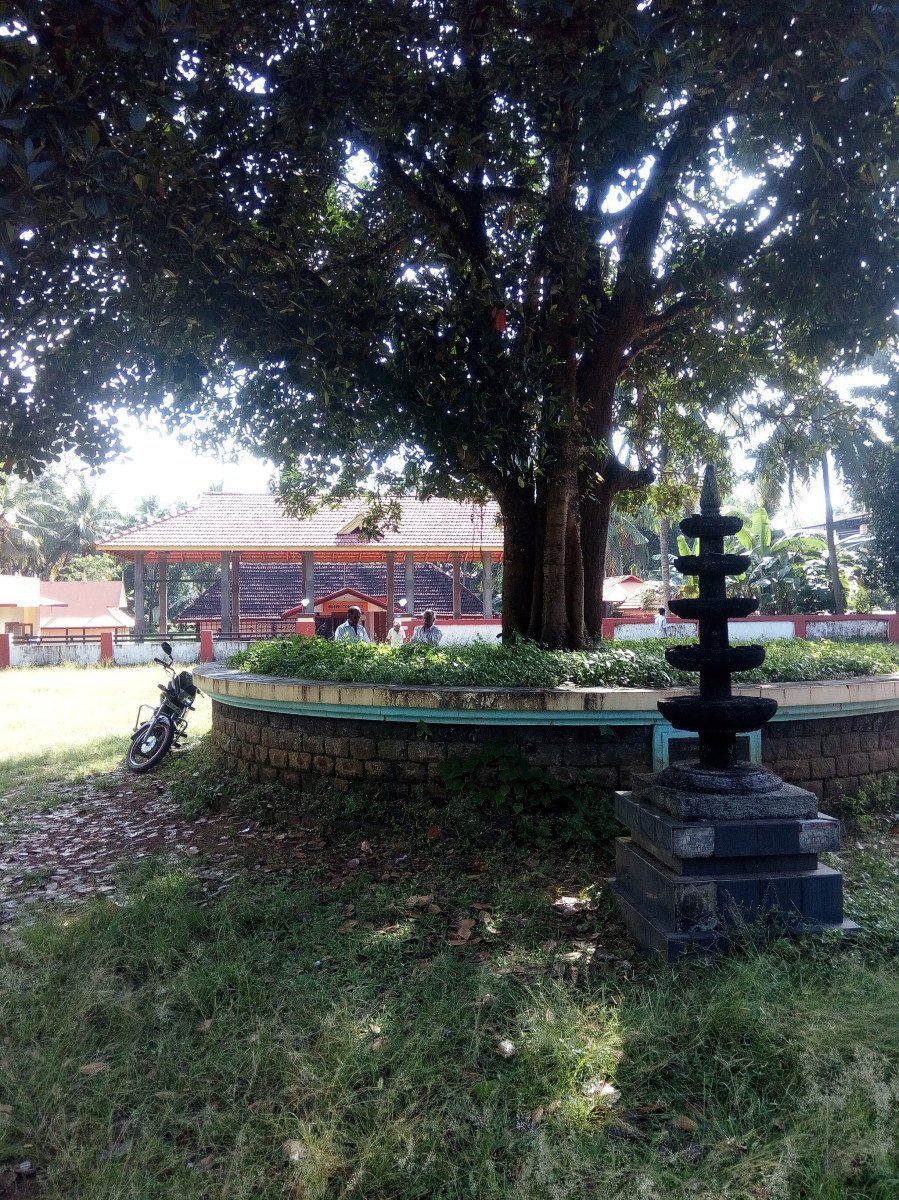
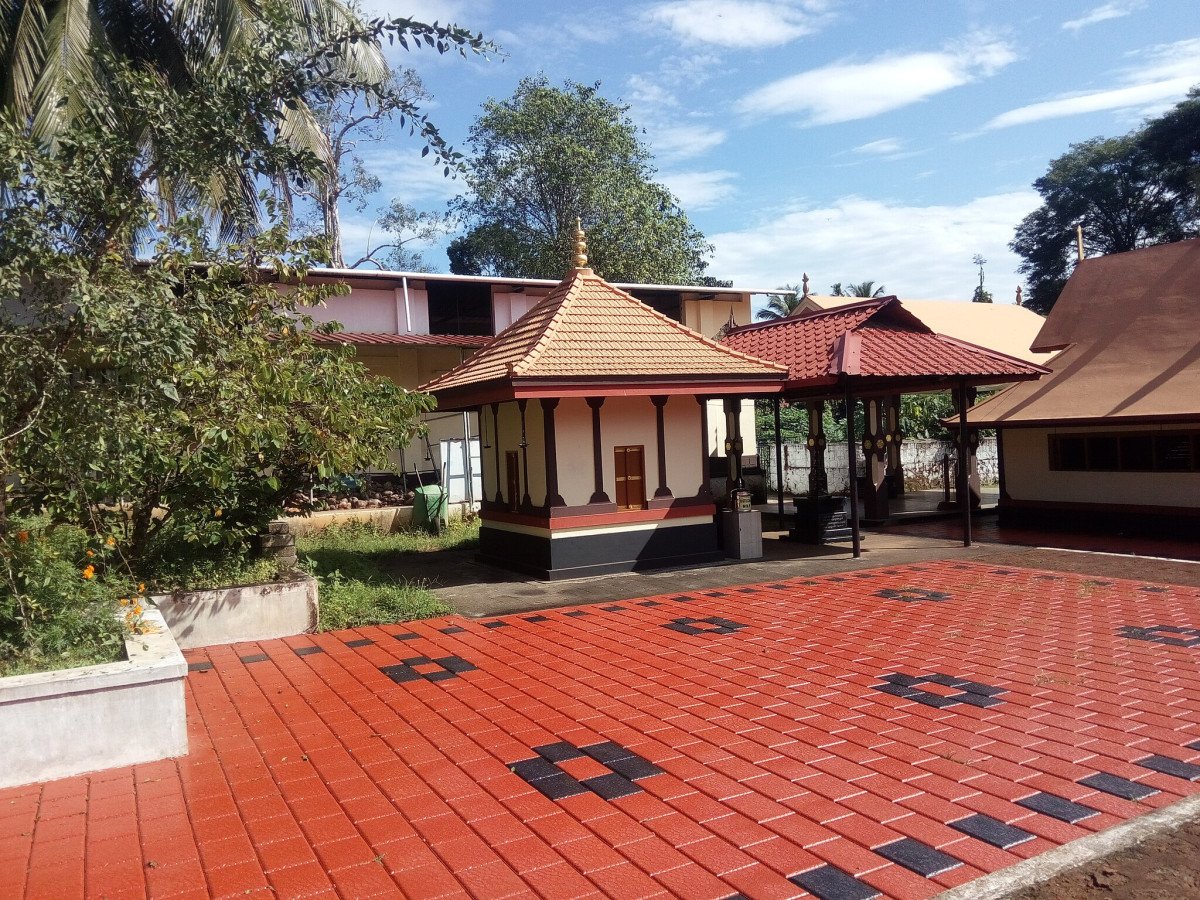
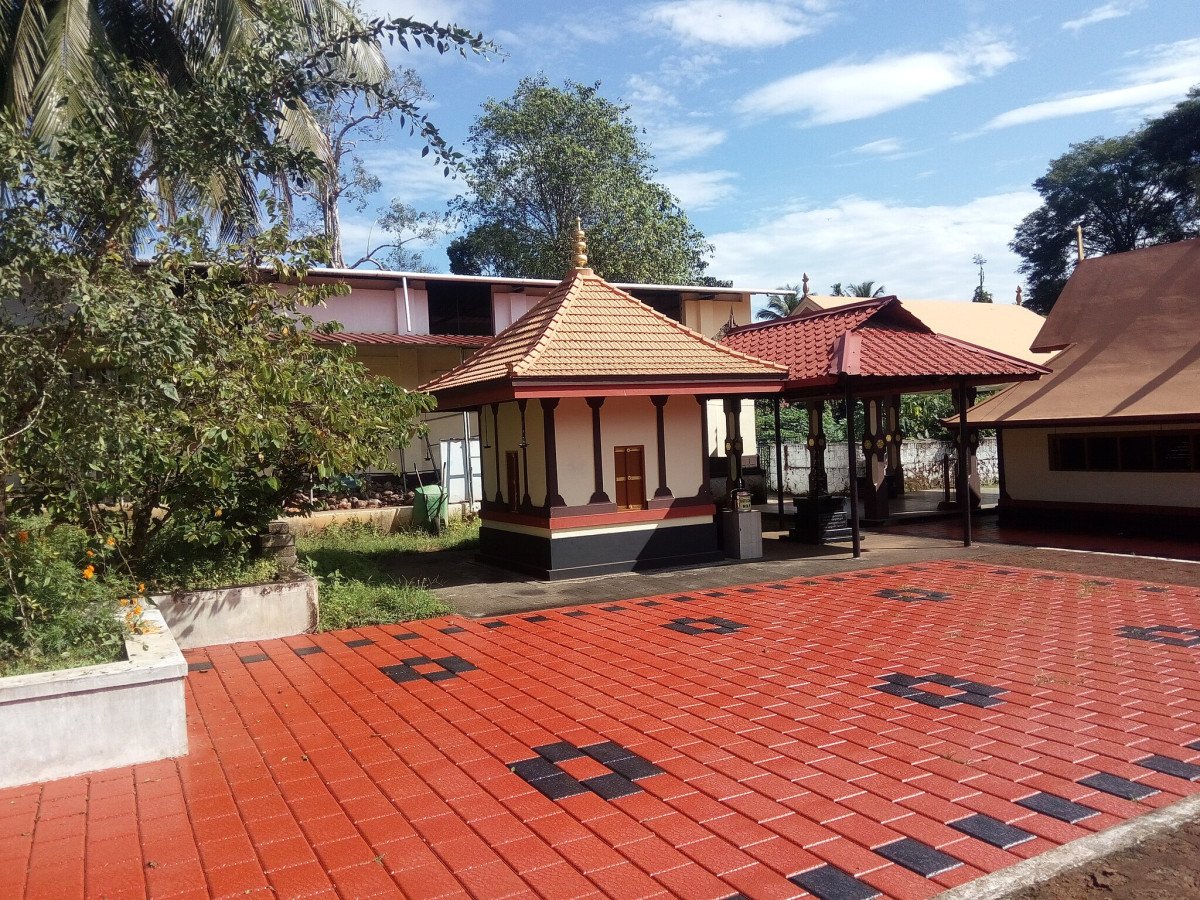
The Temple Exterior Against the Green Backdrop: A wide-angle shot of the entire temple complex, framed by the lush greenery of Balinge village and the serene natural surroundings, captures the temple's tranquil setting.
The Temple Doorway: The main entrance or the beautifully carved wooden/stone doorway of the temple, often guarded by sculpted figures, makes for a focused and spiritual photograph.
The Panchganga River View (from the Temple Area): A picture capturing the natural landscape and the glimpse of the nearby Panchganga River from the temple grounds, showcasing the serene and sacred environment.
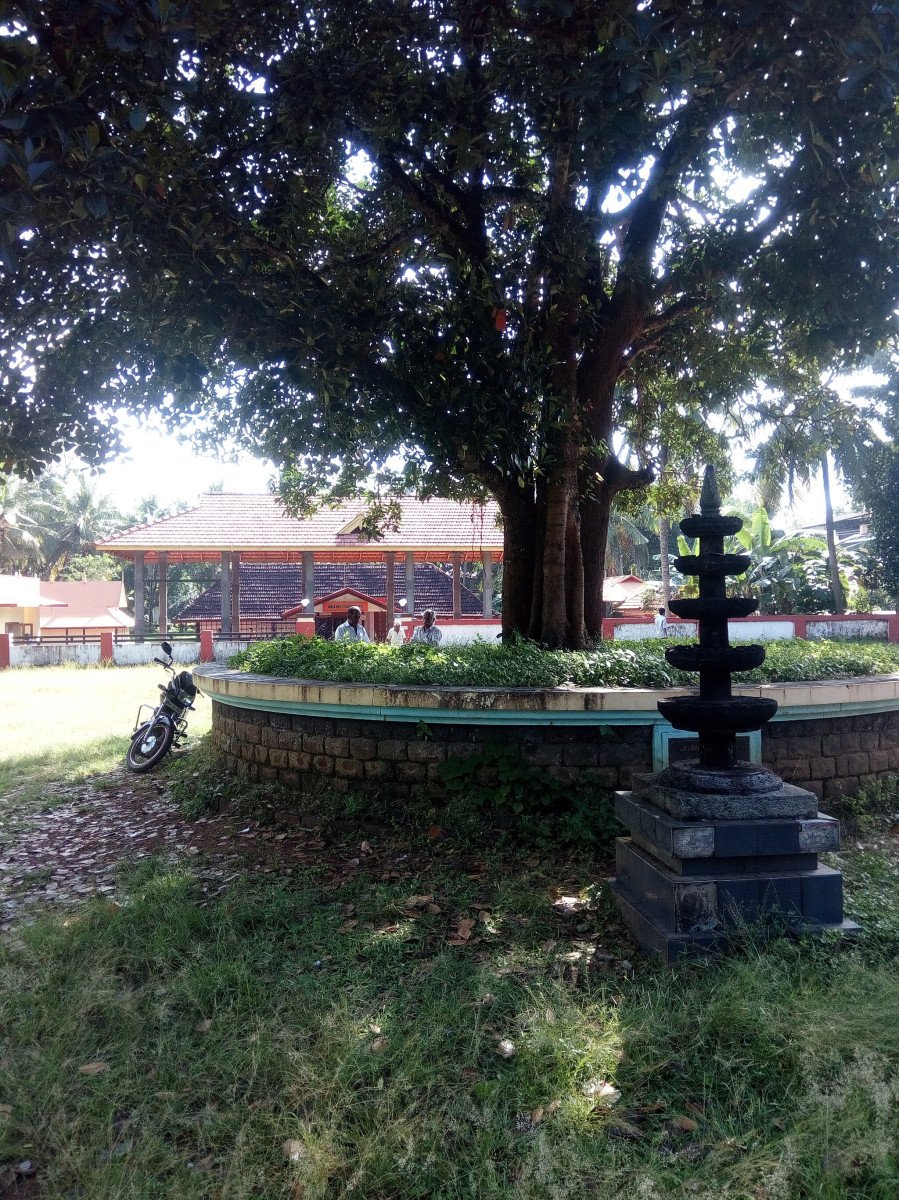
The Temple Bell and Pillar: A detailed shot of the Deepmala (a decorative tower of lamps) or the temple bell and one of the intricately carved pillars inside the Mandap (if allowed).Photo Gallery
Things To Do
-
Offering Prayers to Goddess Katyayani: The primary activity is to perform darshan (viewing the deity) and offer prayers to Goddess Katyayani. Devotees often bring offerings like flowers, coconut, and prasad (blessed food).
Meditation and Spiritual Reflection: Utilize the temple's serene and tranquil atmosphere for quiet meditation or spiritual reflection. The lush green surroundings are ideal for calming the mind away from the city noise.
Studying Temple Architecture: Spend time appreciating the beautiful traditional Hindu temple architecture, especially the intricate stone carvings on the walls and the detailed sculptures on the high spires (shikharas).
Exploring the Complex's Surroundings: Take a walk around the temple premises in the village of Balinge. Enj...Offering Prayers to Goddess Katyayani: The primary activity is to perform darshan (viewing the deity) and offer prayers to Goddess Katyayani. Devotees often bring offerings like flowers, coconut, and prasad (blessed food).
Meditation and Spiritual Reflection: Utilize the temple's serene and tranquil atmosphere for quiet meditation or spiritual reflection. The lush green surroundings are ideal for calming the mind away from the city noise.
Studying Temple Architecture: Spend time appreciating the beautiful traditional Hindu temple architecture, especially the intricate stone carvings on the walls and the detailed sculptures on the high spires (shikharas).
Exploring the Complex's Surroundings: Take a walk around the temple premises in the village of Balinge. Enjoy the peaceful, rural landscape and the natural beauty, including the proximity to the Panchganga River.
Learning the Temple's Legends: Engage with the priests or local villagers to hear the fascinating mythological tales of the Goddess, such as the story of Mahishasura and the temple's foundation by Rishi Kardam or Katyayan.
Participating in Rituals: If possible, witness or participate in the daily aarti (light offering) and other traditional rituals performed by the temple priests. This offers a deep cultural experience.
Visiting During Navratri: If your visit aligns with the nine-day Navratri festival (September or October), make sure to attend the temple during this period to witness the grand celebration and the heightened spiritual fervor.
Sponsoring a Puja or Havan: Devotees may choose to sponsor a special Puja or Havan (fire ritual) for personal blessings, especially for harmony in marriage or family well-being, which is a key belief associated with the Goddess.
Photography of the Exterior: Capture the exterior beauty of the ancient temple, focusing on the details of the carvings and the temple's overall structure set against the natural backdrop (always be respectful and check if any photography restrictions apply).
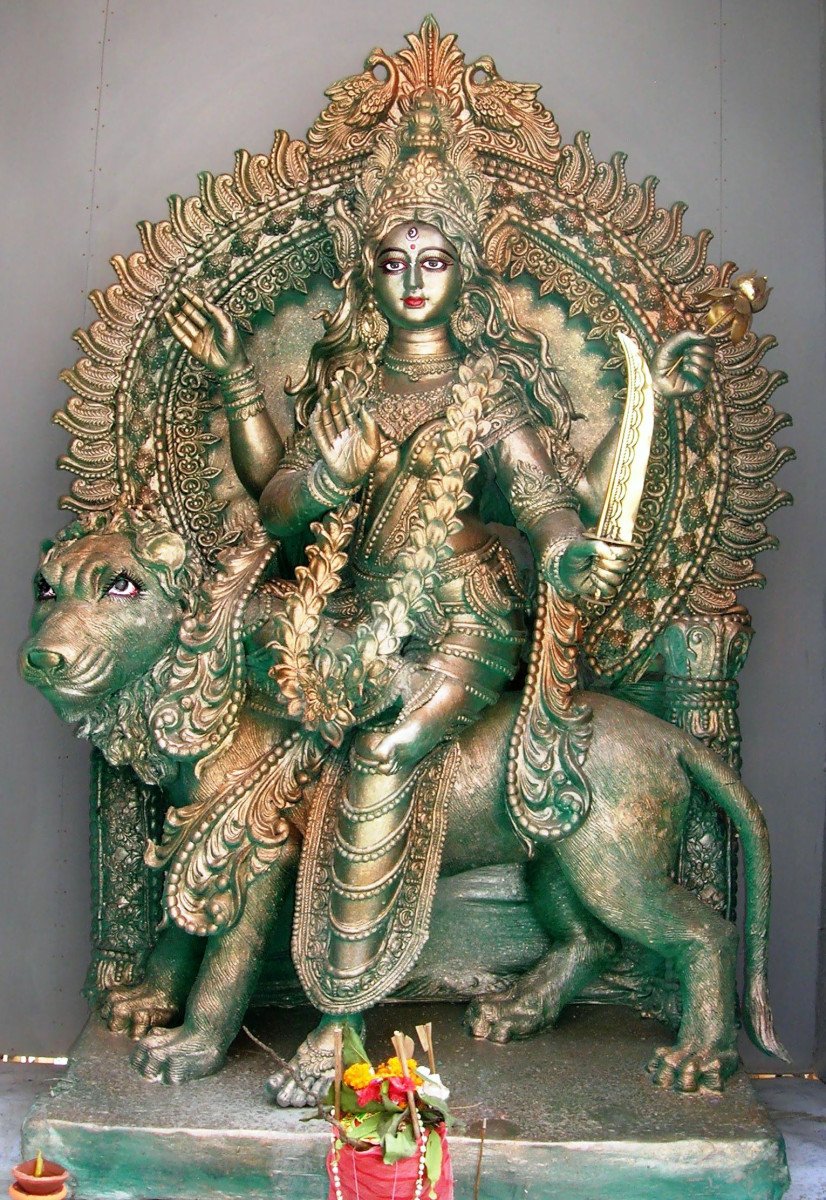
Finding the Iconographic Details: Try to observe the specific iconography of the Goddess, particularly the mention of her as Trinetradhari and her association with the lion, which can be a rewarding activity for the religiously or historically inclined.
Collecting Prasad: Accept and partake in the holy prasad offered at the temple, a symbolic act of receiving the Goddess's blessings.
Donating for Upkeep: Consider making a small contribution for the temple's maintenance, preservation, and charitable activities, supporting the continuation of its long-standing spiritual and cultural role.
Visiting Nearby Rural Kolhapur: Use the visit to Balinge to experience the quieter, more traditional village life of rural Kolhapur, providing a contrast to the bustling city.
Family Spiritual Bonding: The visit is an excellent opportunity for families to engage in a shared spiritual and cultural experience, passing on religious traditions and historical knowledge.
Information
-
Why Famous:
A Holy Shakti Peetha Association: The temple is locally considered to be one of the holy sites associated with the Shakti Peethas, a network of significant shrines dedicated to the Goddess Sati. This association elevates its religious importance and draws devotees from a wi...A Holy Shakti Peetha Association: The temple is locally considered to be one of the holy sites associated with the Shakti Peethas, a network of significant shrines dedicated to the Goddess Sati. This association elevates its religious importance and draws devotees from a wide area.
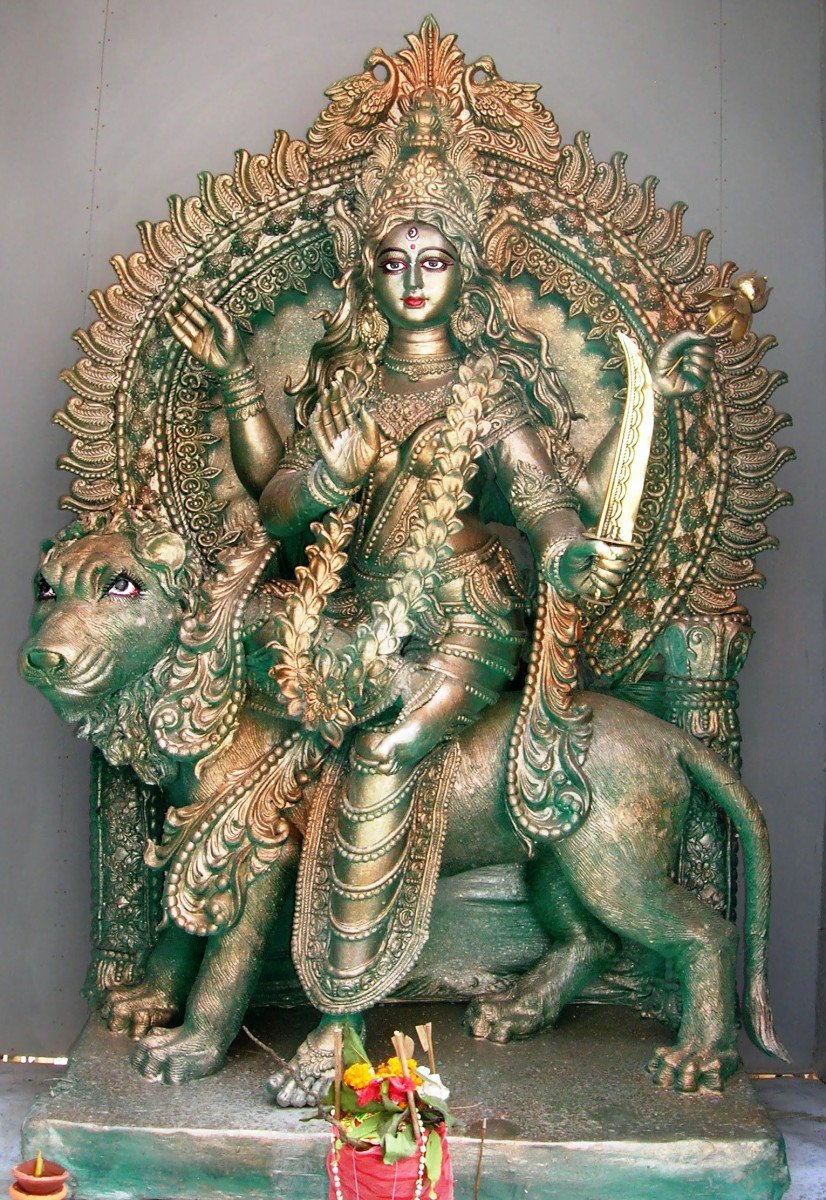
Devi Katyayani's Significance: It is a prominent temple dedicated to Goddess Katyayani, the fierce yet compassionate sixth form of Navadurga. It is especially significant during the Navratri festival, being a major pilgrimage destination for seeking blessings related to marriage, fertility, and protection from negative forces.
Mythological and Historical Roots: The temple's fame is entwined with the legend of Goddess Katyayani defeating the demon Mahishasura and the story of its foundation linked to the sage Kardam or Rishi Katyayan. This deep mythological past enriches its spiritual status.
Architectural Beauty and Serene Location: The temple's beautiful combination of traditional Hindu architecture, intricate carvings, and its serene location amidst lush greenery and near the Panchganga River makes it a visually appealing and spiritually tranquil destination, contributing to its fame. -
Architecture:
Traditional Hindu Temple Architecture: The Katyayani Temple in Balinge is a prime example of traditional Hindu temple architecture, emphasizing intricate craftsmanship and spiritual symbolism. The design typically incorporates elements common in Maharashtra and South Indian...Traditional Hindu Temple Architecture: The Katyayani Temple in Balinge is a prime example of traditional Hindu temple architecture, emphasizing intricate craftsmanship and spiritual symbolism. The design typically incorporates elements common in Maharashtra and South Indian temple styles, though specific regional variations apply. The temple features tall spires (shikharas or vimanas), which are decorated with detailed carvings and sculptures, leaving visitors in awe of their magnificence and scale.
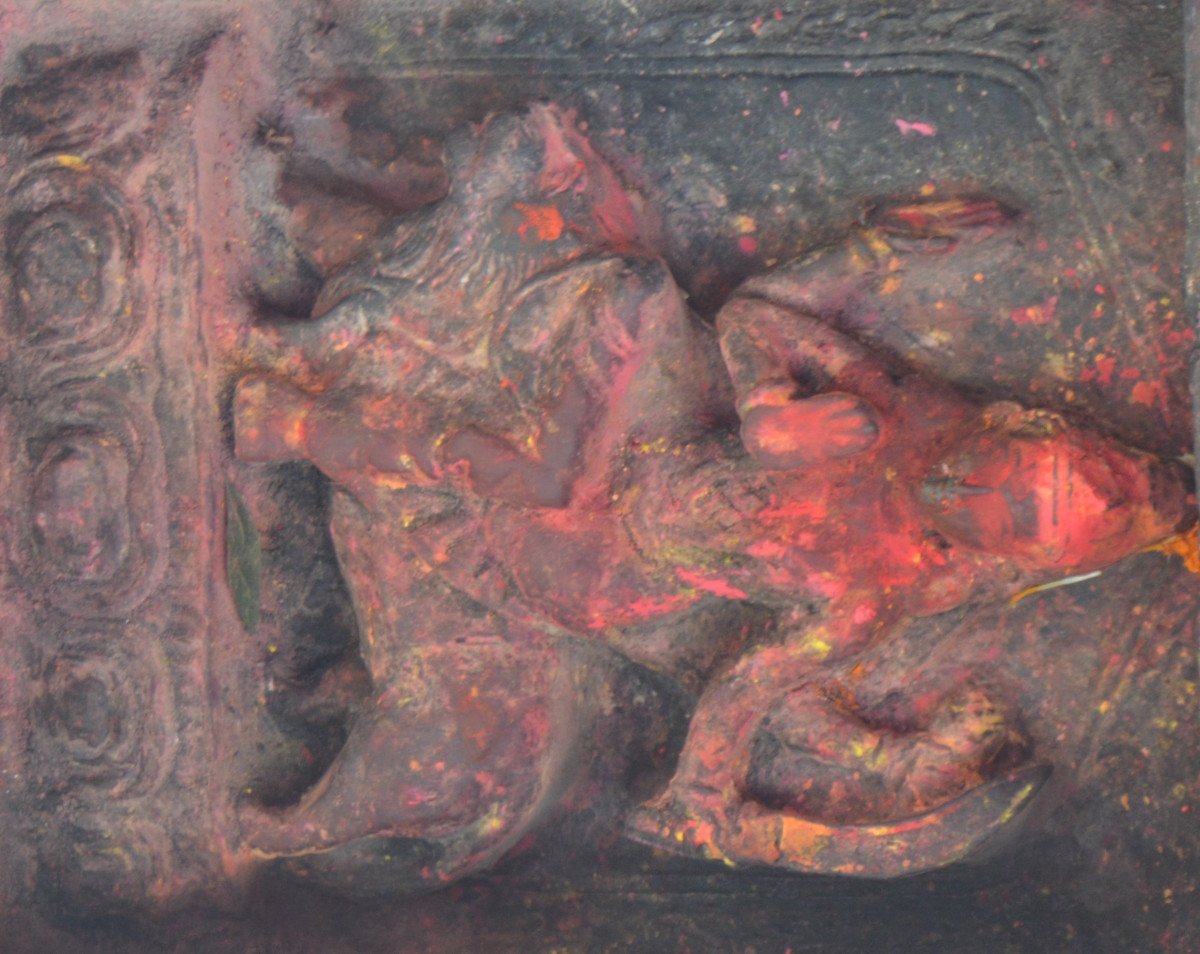
Detailed Carvings and Iconography: The walls of the temple are adorned with elaborate stone carvings that depict various scenes from Hindu mythology and epic tales. These carvings serve not only as decoration but also as visual narratives, showcasing the incredible talent and skill of ancient and medieval artisans. The iconography primarily revolves around Goddess Katyayani and related deities, often depicting her with four hands, riding a lion, and holding weapons and the lotus flower, symbolizing protection and the granting of boons.
Mandap and Sanctum Dimensions: While precise dimensions are not always documented, the temple complex typically includes a main sanctum (Garbhagriha) where the idol of Goddess Katyayani resides, and an assembly hall (Mandap) for devotees. The Garbhagriha is usually a small, sacred, and enclosed space, while the Mandap is larger, supported by intricately carved pillars. The overall temple structure is built to create a serene and enclosed atmosphere perfect for prayer and meditation.
Material and Historical Evolution: The temple is constructed primarily from stone, reflecting its antiquity and durability. Over its long history, the temple has undergone several renovations and expansions, with various ruling dynasties like the Chalukyas, Yadavas, and Marathas leaving their architectural and structural marks, ensuring the temple's preservation and continued significance for generations of devotees. The proximity to the Panchaganga River is a key aspect of its location and religious setting. -
How To Reach:
By Air: The nearest airport is Kolhapur Airport (KLH) (approx. 20-22 KMS). From the airport, a pre-booked taxi or a local cab is necessary to reach the village of Balinge, which is outside the main city. The drive will take approximately 45-55 minutes. Pune Airport (PNQ)...By Air: The nearest airport is Kolhapur Airport (KLH) (approx. 20-22 KMS). From the airport, a pre-booked taxi or a local cab is necessary to reach the village of Balinge, which is outside the main city. The drive will take approximately 45-55 minutes. Pune Airport (PNQ) is the other major hub (240 KMS).
By Train: The nearest railway station is Chhatrapati Shahu Maharaj Terminus, Kolhapur (KOP) (approx. 12-15 KMS). Since the temple is located in a rural area (Karveer taluka), you will need to hire a private taxi or a shared Jugaad/Tum-Tum (local rural transport) or a long-distance auto-rickshaw from the station to reach Balinge. The journey time is about 30-40 minutes.
By Road: Balinge is accessible via local roads branching off the main highways near Kolhapur. If you are driving, use GPS and expect to navigate through some village roads. From the Kolhapur Central Bus Stand (CBS), frequent local MSRTC buses or private shared vans ply to areas near Balinge or Karveer, after which you may need to walk or take a local village transport.
By Local Transport: While direct auto-rickshaws from the city center will be expensive, the best way is to hire a Taxi for a round trip to Balinge, as local transport can be infrequent and tricky. Shared public transport (Tum-Tum or local buses) from the city's outskirts, going towards Karveer, can be an economical but time-consuming option. Always confirm the return transport options. -
Weather and Best Time to Visit:
Different Types of Seasons: The Best Time to Visit is during the pleasant and moderate climate of the Winter Season (October to February). The cool weather enhances the spiritual and tranquil atmosphere of the temple, which is located a little outside the main city. Howev...Different Types of Seasons: The Best Time to Visit is during the pleasant and moderate climate of the Winter Season (October to February). The cool weather enhances the spiritual and tranquil atmosphere of the temple, which is located a little outside the main city. However, the most spiritually intense and best time for cultural immersion is during the Navratri Festival (September-October).
Different Parts of the Day: The Ideal Time is the Early Morning (5:30 AM to 8:00 AM). This allows for a peaceful darshan before the daily crowds, and the cool, fresh village air is perfect for prayer and reflection. The temple is also wonderful to visit in the Evening to witness the beautiful Aarti (around 7:00 PM) before the final closing. Be mindful of the afternoon closing time. -
Near Tourist Places:
1. Chhatrapati Shahu Maharaj Terminus (KOP) (Approx. 12 KMS) 2. Kolhapur Central Bus Stand (CBS) (Approx. 12 KMS) 3. New Palace Museum (Approx. 14 KMS) 4. Mahalaxmi Temple (Approx. 15 KMS) 5. Panhala Fort (Approx. 15 KMS) 6. Rankala Lake (Approx. 16 KMS) 7. Siddhagiri Gramjivan Museum (Approx. 10 KMS) 8. Jyotiba Temple (Approx. 10 KMS) 9. Bhavani Mandap (Approx. 15 KMS) 10. Panchganga Ghat (Approx. 17 KMS)
Tourism Tips
-
Health & safety: Be mindful of the steps, especially if they are wet or worn. The temple is in a quiet, rural area; travel in groups or during daylight hours. Always maintain respect for the sacred space. Dress modestly, covering shoulders and knees, as is customary in H...Health & safety: Be mindful of the steps, especially if they are wet or worn. The temple is in a quiet, rural area; travel in groups or during daylight hours. Always maintain respect for the sacred space. Dress modestly, covering shoulders and knees, as is customary in Hindu temples.
Packing: Carry a water bottle and some loose change for donations or offerings. Wear comfortable, non-slip footwear. A head covering (scarf) for women is often a sign of respect, especially when entering the main shrine.
Accommodation: Stay in a hotel in Kolhapur City, as there are limited stay options in the rural village of Balinge. Good accommodation can be found near the Mahalaxmi Temple area.
Other Different Topics: Confirm the temple's afternoon closing time to avoid a wasted trip. Combine this visit with Jyotiba Temple or Panhala Fort, as they are also located slightly outside the city center. Be respectful of the priests and the local village customs. Be quiet and maintain the sanctity of the environment, especially during prayer times. If you plan to perform a specific Puja, inform the priest in advance.
Reviews
FAQs
Kolhapur Itineray And Cost:-
Katyayani Temple Tourism:-
Other Places In Kolhapur :-
Other States In India :-
Information about New and Updated Locations() of Maharashtra Has Been Added :-
Card subtitle
Note:-
Information provided here in good Faith and for reference only.
Near Places

Amber Khana
Some quick example text to build on the card title and make up the bulk of the card's content.
Go somewhere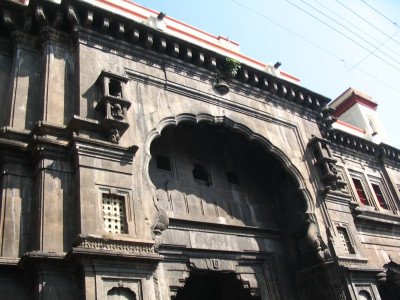
Bhavani Mandap
Some quick example text to build on the card title and make up the bulk of the card's content.
Go somewhere
Binkhambi Ganesh Mandir
Some quick example text to build on the card title and make up the bulk of the card's content.
Go somewhere
Chandra Kant Mandare Art Gallery
Some quick example text to build on the card title and make up the bulk of the card's content.
Go somewhere
Dajipur Wildlife Sanctuary
Some quick example text to build on the card title and make up the bulk of the card's content.
Go somewhere
Dargah of Hazrat Pir Syed Shah Badruddin
Some quick example text to build on the card title and make up the bulk of the card's content.
Go somewhere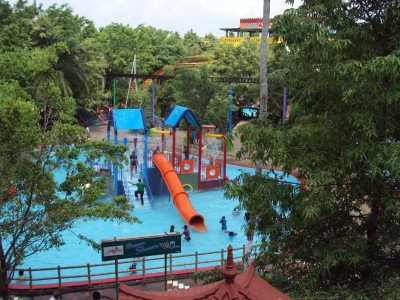
Dream World Water Park
Some quick example text to build on the card title and make up the bulk of the card's content.
Go somewhere
Gaganbawada
Some quick example text to build on the card title and make up the bulk of the card's content.
Go somewhere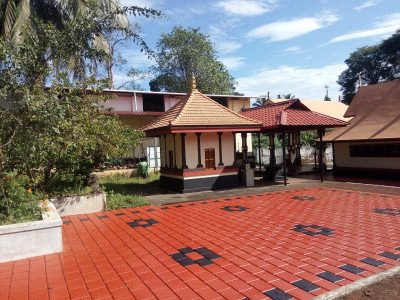
Katyayani Temple
Some quick example text to build on the card title and make up the bulk of the card's content.
Go somewhere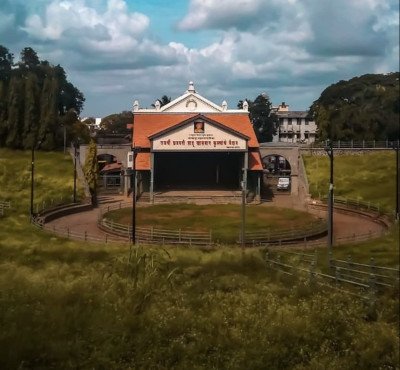
Khasbag Maidan
Some quick example text to build on the card title and make up the bulk of the card's content.
Go somewhere
Kopeshwar Temple
Some quick example text to build on the card title and make up the bulk of the card's content.
Go somewhere
Narsinhwadi Datta Mandir
Some quick example text to build on the card title and make up the bulk of the card's content.
Go somewhere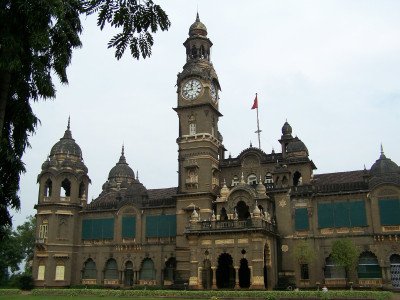
New Palace Museum
Some quick example text to build on the card title and make up the bulk of the card's content.
Go somewhere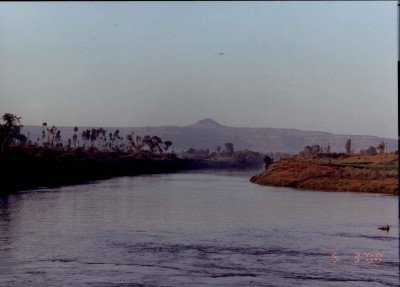
Panchganga Ghat
Some quick example text to build on the card title and make up the bulk of the card's content.
Go somewhere
Panhala Fort
Some quick example text to build on the card title and make up the bulk of the card's content.
Go somewhere
Radhanagari Dam
Some quick example text to build on the card title and make up the bulk of the card's content.
Go somewherein Other Cities