
Bhindawas Bird Sanctuary
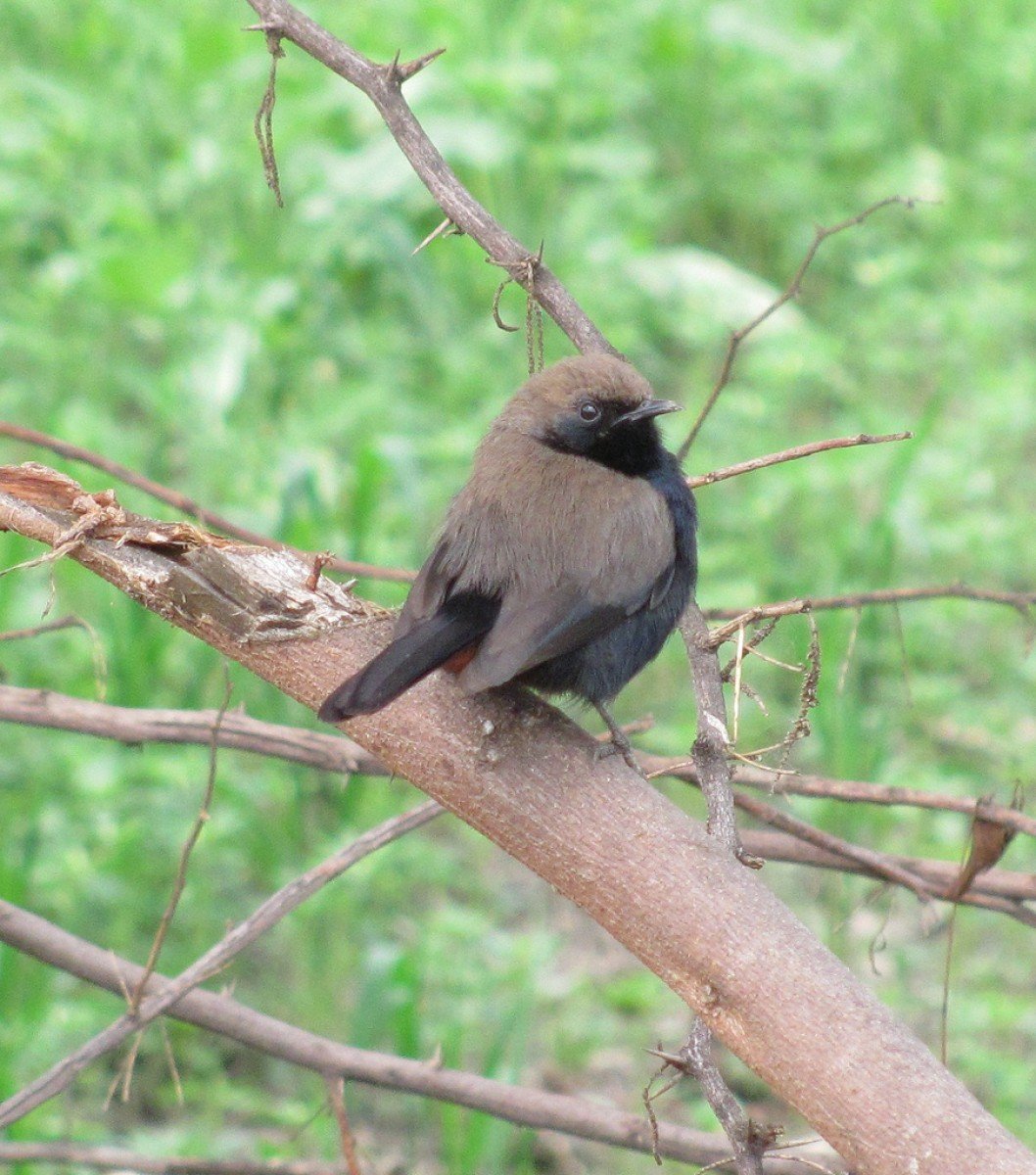
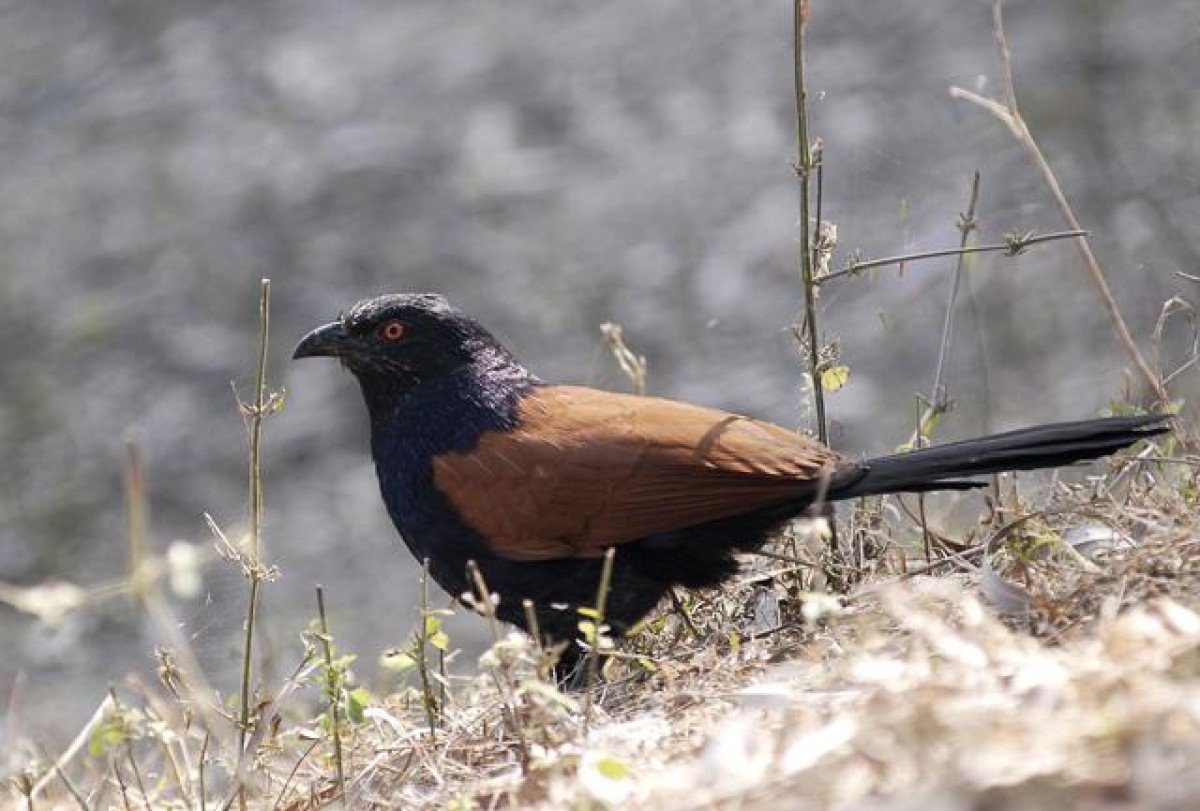
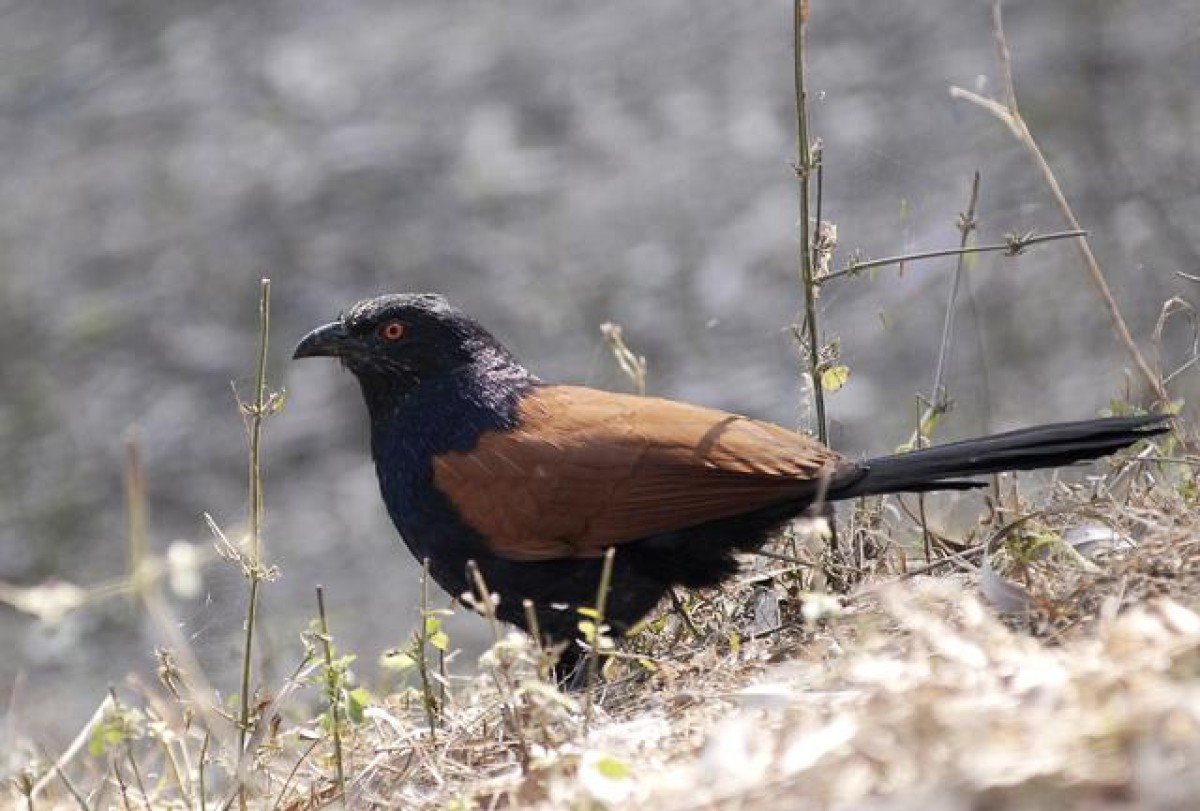
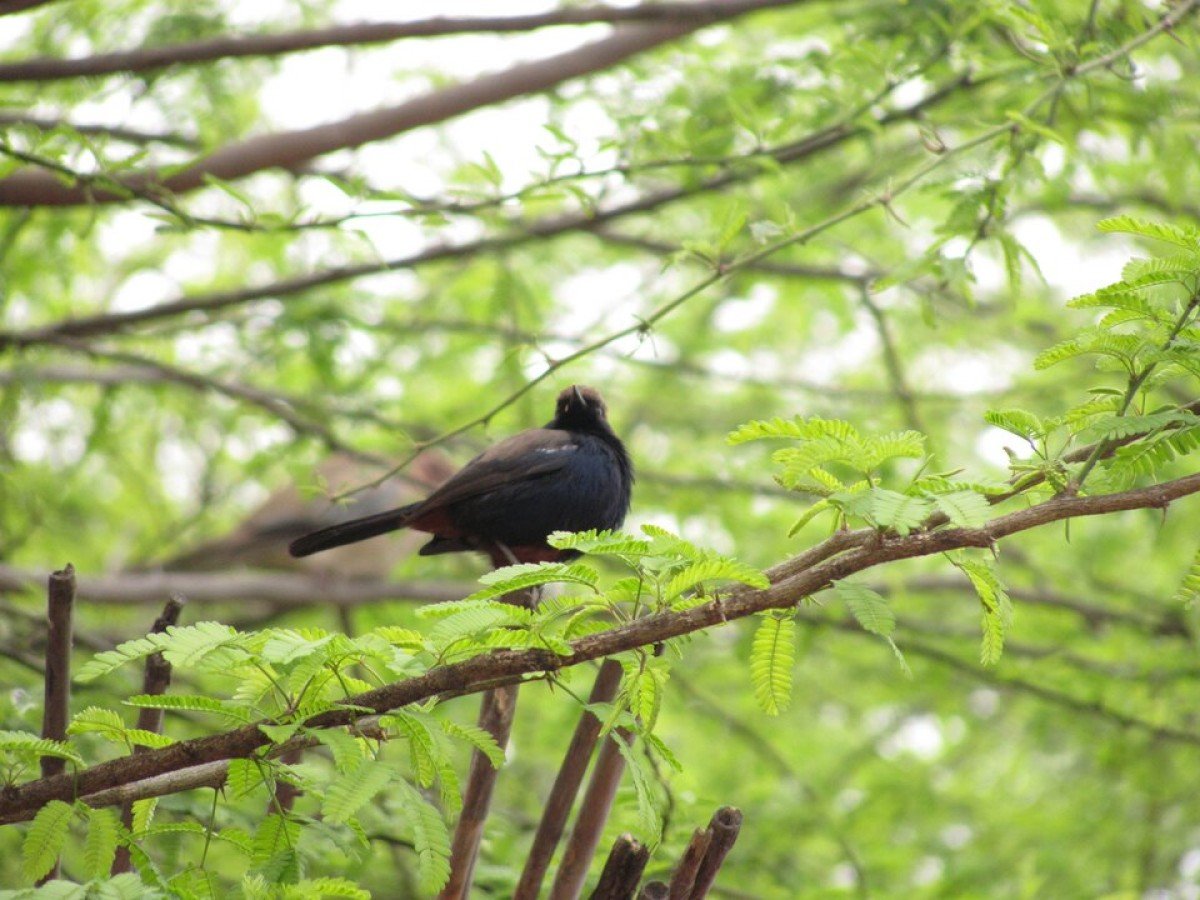
Bhindawas Bird Sanctuary is the largest wetland in the state of Haryana and was officially designated as a Ramsar Site in 2021. This ecological haven spans over 1074 acres of land and serves as a crucial habitat for over 250 species of resident and migratory birds. The sanctuary was originally esta blished to store excess water from the Jawaharlal Nehru Canal, but it soon transformed into a flourishing ecosystem. During the winter months, specifically from November to February, the lake becomes a vibrant tapestry of colors as thousands of birds arrive from Siberia, Europe, and Central Asia. Visitors can witness the majestic Sarus Crane, Greater Flamingo, and various species of ducks and storks. The serene environment, surrounded by lush green fields and acacia trees, offers a peaceful retreat for nature lovers and wildlife photographers. The sanctuary is not just a water body; it is a complex network of small islands and marshy areas that provide nesting sites for local birds. The government of Haryana has worked extensively to maintain the biodiversity of this region, ensuring that the water levels are stable enough to support the avian population throughout the year. As you walk along the 12 KM peripheral embankment, you can hear the rhythmic calls of the Bar-headed Geese and the gentle rustle of the reeds. It is a place where time seems to slow down, allowing one to connect deeply with the natural world. The sanctuary also supports other wildlife like Nilgai, Jackals, and several species of reptiles, making it a comprehensive biodiversity hotspot.
General information
-
Ideal Duration:
4 to 6 HoursPlace Type:
Nature and WildlifeEntry Fees:
For Indians:
Rs.30 per person:
For Foreigners:
Rs.500 per person:
Camera Charges: Rs.100 for still cameras and Rs.500 for professional video equipment...For Indians:
Rs.30 per person:
For Foreigners:
Rs.500 per person:
Camera Charges: Rs.100 for still cameras and Rs.500 for professional video equipment:
Parking Fees:
Rs.20 for two-wheelers and Rs.50 for cars:Timing:
Regular Timings: 6:00 AM to 6:00 PM (Summers), 7:00 AM to 5:
00 PM (Winters):
Ideal Visit Time: 7:00 AM to 10:
00 AM is best for bird activity:...Regular Timings: 6:00 AM to 6:00 PM (Summers), 7:00 AM to 5:
00 PM (Winters):
Ideal Visit Time: 7:00 AM to 10:
00 AM is best for bird activity:Special Events:
Annual Bird Festival: Every year in January, the forest department organizes a festival to celebrate the arrival of migratory birds:
World Wetlands Day: Celebrated on February 2nd with seminars and guided tours:...Annual Bird Festival: Every year in January, the forest department organizes a festival to celebrate the arrival of migratory birds:
World Wetlands Day: Celebrated on February 2nd with seminars and guided tours:Best Photo Spots:
Watchtowers: The top level of the watchtower offers a panoramic view of the lake:
The Sunset Point:
Located on the western side of the embankment:
Mustard Fields: The approach ...Watchtowers: The top level of the watchtower offers a panoramic view of the lake:
The Sunset Point:
Located on the western side of the embankment:
Mustard Fields: The approach road during February is lined with bright yellow mustard flowers:Photo Gallery

Things To Do
-
Bird Watching: This is the primary activity where visitors use binoculars to spot rare species:
Nature Photography: Capturing the flight of the Greater Flamingo against the sunrise is a top priority for professionals:
Cycling: Riding a bicycle along the 12 KM embankment road is a healthy way to explore the entire sanctuary:
Picnicking: Families often gather at the designated picnic spots near the entrance to enjoy a meal in nature:
Botanical Exploration: Studying the various types of trees and aquatic plants found in the wetland:
Sunrise Viewing: Arriving at 6:00 AM to see the sun rise over the lake is a spiritual experience:
Stargazing: For those who stay late, the c...Bird Watching: This is the primary activity where visitors use binoculars to spot rare species:
Nature Photography: Capturing the flight of the Greater Flamingo against the sunrise is a top priority for professionals:
Cycling: Riding a bicycle along the 12 KM embankment road is a healthy way to explore the entire sanctuary:
Picnicking: Families often gather at the designated picnic spots near the entrance to enjoy a meal in nature:
Botanical Exploration: Studying the various types of trees and aquatic plants found in the wetland:
Sunrise Viewing: Arriving at 6:00 AM to see the sun rise over the lake is a spiritual experience:
Stargazing: For those who stay late, the clear skies of the rural area provide an excellent opportunity for astronomical observation:
Village Interaction: Visiting the nearby Bhindawas Village to learn about local culture and agricultural practices:
Educational Trips: Schools often bring students here to teach them about ecology and environmental conservation:
Watching Nilgai: Spotting the Blue Bull in the surrounding scrub forests:
Information
-
Why Famous:
Biodiversity Hub: It is famous for being a home to over 250 bird species, including endangered ones like the Steppe Eagle:
Ramsar Site Status: Its international recognition as a wetland of importance has made it a global destination for orni...Biodiversity Hub: It is famous for being a home to over 250 bird species, including endangered ones like the Steppe Eagle:
Ramsar Site Status: Its international recognition as a wetland of importance has made it a global destination for ornithologists:
Winter Migrants: The influx of thousands of birds in December and January is a major draw for tourists:
Natural Scenery: The breathtaking views of the sunset over the lake attract landscape photographers from all over India: -
Architecture:
Architecture and Dimensions:
Total Area: The sanctuary covers a total area of 1074 acres including the central lake:
Lake Size: The water body itself occupies approximately 440 acres:
Read MoreArchitecture and Dimensions:
Total Area: The sanctuary covers a total area of 1074 acres including the central lake:
Lake Size: The water body itself occupies approximately 440 acres:
Embankment: A man-made peripheral embankment of 12 KMS surrounds the entire lake:
Watchtowers: There are two main watchtowers constructed at strategic locations to offer a 360-degree view of the sanctuary:
Architecture Style: The structures are minimalist and functional, designed to blend into the natural landscape without disturbing the bird population:How To Reach:
By Air: Indira Gandhi International Airport in Delhi is 55 KM away:
By Train:
Jhajjar Railway Station is the nearest at 15 KM:
By Road:
Well connec...By Air: Indira Gandhi International Airport in Delhi is 55 KM away:
By Train:
Jhajjar Railway Station is the nearest at 15 KM:
By Road:
Well connected via the Jhajjar-Dadri Road:
By Local Transport: Auto-rickshaws and private taxis are available from Jhajjar city:Weather and Best Time to Visit:
Near Tourist Places:
Khaparwas Sanctuary (1. 5 KM), Beri Temple (14 KM), Pratapgarh Farms (18 KM), Joygaon (22 KM), Rohtak Zoo (35 KM), Tilyar Lake (38 KM), Bua Wala Talab (16 KM), Jhajjar Museum (17 KM), Gauriyya Tourist Complex (15 KM), Sultanpur National Park (45 KM)Tourism Tips
-
Health & Safety:
Carry mosquito repellent and a first aid kit:
Packing:
Wear camouflage or neutral-colored clothing:
Accommodation:Health & Safety:
Carry mosquito repellent and a first aid kit:
Packing:
Wear camouflage or neutral-colored clothing:
Accommodation:
Stay in Jhajjar or Delhi hotels:
Reviews
FAQs
Jhajjar Itineray And Cost:-
Bhindawas Bird Sanctuary Tourism:-
Other Places In Jhajjar :-
Other States In India :-
Information about New and Updated Locations() of Haryana Has Been Added :-
Card subtitle
Note:-
Information provided here in good Faith and for reference only.
Near Places
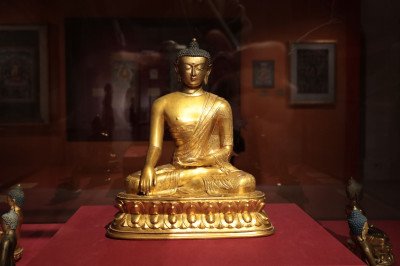
Archaeological Museum of Gurukul
Some quick example text to build on the card title and make up the bulk of the card's content.
Go somewhere
Bua Wala Talab
Some quick example text to build on the card title and make up the bulk of the card's content.
Go somewhere
Group of Tombs and Mosques
Some quick example text to build on the card title and make up the bulk of the card's content.
Go somewhere
Joygaon Picnic Park
Some quick example text to build on the card title and make up the bulk of the card's content.
Go somewhere
Khaparwas Wildlife Sanctuary
Some quick example text to build on the card title and make up the bulk of the card's content.
Go somewhere
Mata Bhimeshwari Devi Temple
Some quick example text to build on the card title and make up the bulk of the card's content.
Go somewhere
Pratapgarh Farms
Some quick example text to build on the card title and make up the bulk of the card's content.
Go somewherein Other Cities