

Bhivgad
General information
-
Ideal Duration:
4-6 Hours (Including Trekking)Place Type:
Trekking, Historical Fort, NatureEntry Fees:
General Entry: Free (The fort itself does not charge an entry fee, being an open historic monument).
Trek Permits/Guides: Organized treks may have a fee ranging from Rs.500 to Rs.1500 per person, which includes guide charges, meals, and transpor...General Entry: Free (The fort itself does not charge an entry fee, being an open historic monument).
Trek Permits/Guides: Organized treks may have a fee ranging from Rs.500 to Rs.1500 per person, which includes guide charges, meals, and transport from Karjat or Mumbai/Pune.
Parking/Base Village Charges: The base village may charge a nominal parking fee for vehicles, typically Rs.30 to Rs.50.
Local Support Fee: Some villagers may charge a small, voluntary fee for allowing use of their land for rest or for providing water/tea, which is not an official entry fee but a way to support the local community. :Timing:
Regular Timings: 24 Hours (It's a mountain trek, always open).
Ideal Visit Time: Start the trek early, between 6:00 AM and 8:00 AM, to avoid the midday sun and ensure a return before dark. For a day trip, plan for a total of 8 hours includi...Regular Timings: 24 Hours (It's a mountain trek, always open).
Ideal Visit Time: Start the trek early, between 6:00 AM and 8:00 AM, to avoid the midday sun and ensure a return before dark. For a day trip, plan for a total of 8 hours including travel to and from Karjat.
Peak Hours: Saturday and Sunday mornings (8:00 AM to 12:00 PM) are the busiest due to trekkers from Mumbai and Pune.
Best Light for Photos: Sunrise and the period immediately after (6:30 AM to 9:00 AM). :Special Events:
Maratha Fort Anniversary/Festivals: Local villagers occasionally organize a small event or religious gathering, especially around the fort's local deity shrine, typically during the Monsoon or post-monsoon period (August-October).
Trekkers' Gath...Maratha Fort Anniversary/Festivals: Local villagers occasionally organize a small event or religious gathering, especially around the fort's local deity shrine, typically during the Monsoon or post-monsoon period (August-October).
Trekkers' Gatherings: Organized trekking groups often use the fort for monsoon trek events and winter night treks, culminating in a community campfire or celebratory gathering at the base village or summit (where permitted).
Full Moon Treks: Special organized treks on Full Moon nights are occasionally held, offering a unique perspective of the fort and surrounding valleys under moonlight. :Best Photo Spots:
Fort Summit Viewpoint: The highest point of the fort, offering a 360-degree sweep of the entire Sahyadri range, including views of Dhak Bahiri and distant towns. Best during early morning or late afternoon.
The Water Cisterns: For a histori...Fort Summit Viewpoint: The highest point of the fort, offering a 360-degree sweep of the entire Sahyadri range, including views of Dhak Bahiri and distant towns. Best during early morning or late afternoon.
The Water Cisterns: For a historic-themed shot, the moss-covered rock-cut cisterns framed against the valley provide a rugged, atmospheric picture.
The Natural Archway: Certain sections of the remaining fortification wall form a natural arch, offering a perfect frame for the distant mountains.
Base Village Approach: Capturing the fort silhouette from the base village of Vadap at dawn provides a classic, dramatic shot of the imposing mountain structure. :Photo Gallery
Things To Do
-
Trekking and Hiking: Embark on the challenging trek from Vadap village, focusing on navigating the rocky and forested terrain, using proper gear.
Photography and Scenic Viewing: Dedicate time at the summit to capturing the panoramic landscape, especially the views of Dhak Bahiri Pinnacle and the distant valley.
Historical Exploration: Locate and examine the remnants of the fort walls and the ancient water cisterns, imagining the life of the Maratha soldiers stationed there.
Nature Walk and Bird Watching: Explore the trails leading up to the fort for spotting local bird species and enjoying the dense Western Ghats flora.
Combine with Dhak Bahiri: For an extreme adventure, combine the Bhivgad trek with the highly thrilling, vertica...Trekking and Hiking: Embark on the challenging trek from Vadap village, focusing on navigating the rocky and forested terrain, using proper gear.
Photography and Scenic Viewing: Dedicate time at the summit to capturing the panoramic landscape, especially the views of Dhak Bahiri Pinnacle and the distant valley.
Historical Exploration: Locate and examine the remnants of the fort walls and the ancient water cisterns, imagining the life of the Maratha soldiers stationed there.
Nature Walk and Bird Watching: Explore the trails leading up to the fort for spotting local bird species and enjoying the dense Western Ghats flora.
Combine with Dhak Bahiri: For an extreme adventure, combine the Bhivgad trek with the highly thrilling, vertical climb to the Dhak Bahiri Caves.
Picnicking and Rest: Find a sheltered spot near the caves for a well-deserved rest and a picnic meal, enjoying the cool mountain breeze.
Sunset/Sunrise Views: Plan the trek to coincide with either the spectacular sunrise or sunset from the top, a truly memorable experience that requires early morning or late afternoon planning. :
Information
-
Why Famous:
Trekking and Adventure: Its primary fame comes from the moderate-to-difficult trekking experience it offers, challenging enthusiasts with varying terrains, including forested paths and rocky sections, and often combined with the much steeper climb to the Dhak Bahiri Caves. <...Trekking and Adventure: Its primary fame comes from the moderate-to-difficult trekking experience it offers, challenging enthusiasts with varying terrains, including forested paths and rocky sections, and often combined with the much steeper climb to the Dhak Bahiri Caves.
Panoramic Sahyadri Views: The summit is renowned for providing unparalleled, 360-degree panoramic views of the surrounding Sahyadri range, the Konkan plains, and the vast valleys, especially stunning after the monsoon.
Maratha Legacy: As a remnant of the powerful Maratha Empire, it is famous among history buffs and patriots who seek to connect with the region's rich martial past, reflecting the ingenuity of the builders. The fort represents a piece of Shivaji Maharaj's legacy in protecting the area. The dense green cover during the Monsoon season also makes it an extremely popular destination for nature photography. : -
Architecture:
Fortifications and Citadel: The fort's architecture is typical of the Sahyadri hill forts, designed to leverage natural defenses. The remaining structures include remnants of fortification walls and a few collapsed bastions at strategic points.
...Fortifications and Citadel: The fort's architecture is typical of the Sahyadri hill forts, designed to leverage natural defenses. The remaining structures include remnants of fortification walls and a few collapsed bastions at strategic points.
Water Cisterns and Caves: Key to its survival were the several rock-cut water cisterns on the plateau, designed to collect and store rainwater, crucial for garrisons. The cisterns are carved directly into the basalt rock. There are also a couple of small caves at the top that historically provided temporary shelter for soldiers or hermits. These caves also sometimes serve as overnight shelters for trekkers, though arrangements are basic.
Dimensions and Layout: The fort is not expansive; the main fortified area on the summit is relatively small. The trek features a natural trail with some rock-cut steps near the top. The summit is roughly 2,000 feet (approx. 610 meters) above sea level, providing the commanding view for which it was built. The construction materials primarily consist of locally available hard basalt rock, used for the main walls and rough steps. : -
How To Reach:
By Air: Nearest airport is Chhatrapati Shivaji Maharaj International Airport, Mumbai (BOM), approximately 90-100 km away. From the airport, hire a pre-paid taxi or cab to Karjat and then proceed to the base village.
By Train: The most conve...By Air: Nearest airport is Chhatrapati Shivaji Maharaj International Airport, Mumbai (BOM), approximately 90-100 km away. From the airport, hire a pre-paid taxi or cab to Karjat and then proceed to the base village.
By Train: The most convenient route is by train to Karjat Railway Station, a major junction on the Mumbai-Pune line. From Karjat, take a local Tum-Tum (shared rickshaw) or private auto to Vadap village (approx. 12 km).
By Road: Easily accessible from Mumbai (approx. 70 km) and Pune (approx. 110 km) via the Mumbai-Pune Expressway (NH48), exiting towards Karjat. The last stretch to Vadap village is on local roads.
By Local Transport: From Karjat bus station or railway station, local buses or shared auto-rickshaws (Tum-Tum) are available to nearby villages, with the final stretch to the fort base often requiring a short walk or a private arrangement. : -
Weather and Best Time to Visit:
Monsoon Season (June-September): Ideal Visit Time for lush greenery, waterfalls, and cool weather, but trails are slippery; extreme caution is required.
Winter Season (October-February): Best Time for comfortable trekking, clear skies, and ...Monsoon Season (June-September): Ideal Visit Time for lush greenery, waterfalls, and cool weather, but trails are slippery; extreme caution is required.
Winter Season (October-February): Best Time for comfortable trekking, clear skies, and spectacular distant views. The weather is cool and dry, perfect for a long hike.
Summer Season (March-May): Least Ideal Time due to intense heat, making the trek very exhausting; stick to early mornings only.
Different Parts of the Day: Early Morning (6:00 AM - 9:00 AM) for trekking and Late Afternoon (4:00 PM - 6:00 PM) for sunset views and comfortable hiking. : -
Near Tourist Places:
Dhak Bahiri Caves (1-2 km via ridge), Kondana Caves (15 km), Kothaligad (Peth) Fort (18 km), Bhivpuri Waterfall (14 km), Palasdari Waterfall (20 km), Matheran Hill Station (30 km), Lonavala (45 km), Zenith Waterfall (10 km), Ulhas Valley (5 km), Ambivli Caves (18 km).
Tourism Tips
-
Health & Safety: Carry a first-aid kit including antiseptic, bandages, and pain relievers. Wear sturdy, high-grip trekking shoes as the trail is rocky and becomes very slippery in the monsoon. Do not attempt the vertical rock patches of the nearby Dhak Bahiri without profe...Health & Safety: Carry a first-aid kit including antiseptic, bandages, and pain relievers. Wear sturdy, high-grip trekking shoes as the trail is rocky and becomes very slippery in the monsoon. Do not attempt the vertical rock patches of the nearby Dhak Bahiri without professional guidance and gear.
Packing Essentials: Carry at least 2-3 liters of water per person, as water sources are unreliable. Pack high-energy snacks, a light rain jacket (for monsoon), and a headlamp/torch if planning to descend late. Sunscreen and a cap are crucial for summer.
Accommodation: Basic homestay and lodge options are available in Karjat town. Vadap base village has minimal facilities; resorts near Karjat offer more comfort.
Other Tips: Respect the local culture and the sanctity of the caves/shrines. Carry all trash back; strictly no littering. Inform a local or your host of your trekking plan and estimated return time. Book local transport (Tum-Tum) in advance for the return trip, especially if descending late. :
Reviews
FAQs
Karjat Itineray And Cost:-
Other Places In Karjat :-
Other States In India :-
Information about New and Updated Locations() of Maharashtra Has Been Added :-
Card subtitle
Note:-
Information provided here in good Faith and for reference only.
Near Places

Bhivgad
Some quick example text to build on the card title and make up the bulk of the card's content.
Go somewhere
Bhivpuri Waterfall
Some quick example text to build on the card title and make up the bulk of the card's content.
Go somewhere
Bhor Ghat
Some quick example text to build on the card title and make up the bulk of the card's content.
Go somewhere
Dhak Bahiri Caves
Some quick example text to build on the card title and make up the bulk of the card's content.
Go somewhere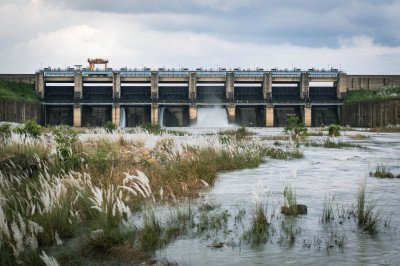
Jambrung Dam
Some quick example text to build on the card title and make up the bulk of the card's content.
Go somewhere
Kadav Ganpati Temple
Some quick example text to build on the card title and make up the bulk of the card's content.
Go somewhere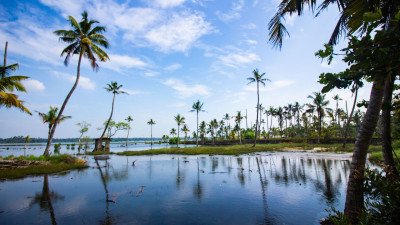
Khandpe Lake/Mudita Lake
Some quick example text to build on the card title and make up the bulk of the card's content.
Go somewhere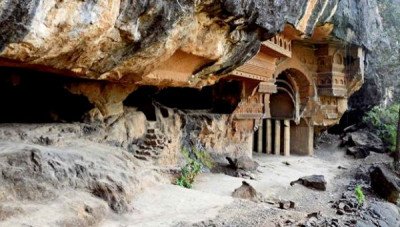
Kondana Caves
Some quick example text to build on the card title and make up the bulk of the card's content.
Go somewhere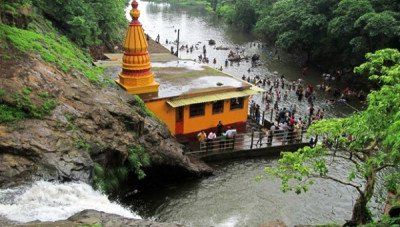
Kondeshwar Temple
Some quick example text to build on the card title and make up the bulk of the card's content.
Go somewhere
Kothaligad
Some quick example text to build on the card title and make up the bulk of the card's content.
Go somewhere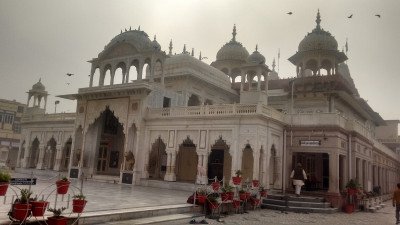
Mahavir Temple
Some quick example text to build on the card title and make up the bulk of the card's content.
Go somewhere
Mohili Waterfall
Some quick example text to build on the card title and make up the bulk of the card's content.
Go somewhere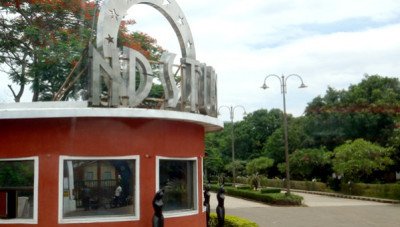
ND's Film World
Some quick example text to build on the card title and make up the bulk of the card's content.
Go somewhere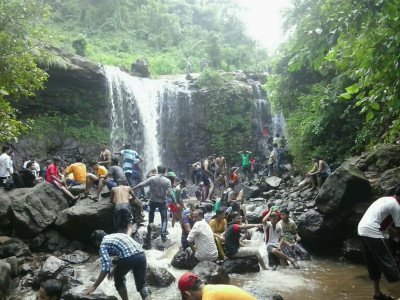
Palasdari Waterfall
Some quick example text to build on the card title and make up the bulk of the card's content.
Go somewhere
Pali Bhutivali Dam
Some quick example text to build on the card title and make up the bulk of the card's content.
Go somewhere
Pej River
Some quick example text to build on the card title and make up the bulk of the card's content.
Go somewherein Other Cities