

Bhor Ghat
General information
-
Ideal Duration:
1-2 Hours (Viewpoint Stop)Place Type:
Historical, Engineering Marvel, Scenic Drive, RailEntry Fees:
General Entry: Free (A public road and railway pass).
Toll Charges: Vehicles traveling on the Mumbai-Pune Expressway (NH48) must pay a toll fee. The old highway (NH4) is generally toll-free in this section.
No ...General Entry: Free (A public road and railway pass).
Toll Charges: Vehicles traveling on the Mumbai-Pune Expressway (NH48) must pay a toll fee. The old highway (NH4) is generally toll-free in this section.
No Specific Site Fee: There is no entry fee to drive on the ghat or stop at the viewpoints.
Parking Fees: Some popular roadside dhabas or tourist spots might charge a nominal parking fee, typically Rs.20-Rs.40 for cars. The main experience is part of a public thoroughfare and is free of charge. :Timing:
Regular Timings: 24 Hours (The road and rail pass are operational 24/7).
Ideal Visit Time: 8:00 AM to 5:00 PM for safe driving and clear views. Traffic is lowest in the early morning and late evening.
Peak Hour...Regular Timings: 24 Hours (The road and rail pass are operational 24/7).
Ideal Visit Time: 8:00 AM to 5:00 PM for safe driving and clear views. Traffic is lowest in the early morning and late evening.
Peak Hours: Saturday and Sunday afternoons (11:00 AM to 4:00 PM) are extremely busy, especially during the Monsoon.
Ideal Driving Time: Early morning for a smooth, less-crowded experience. Night time provides a stunning view of the lights of the Khopoli industrial area in the valley. :Special Events:
Inauguration Anniversary: The official opening of the railway line on April 21, 1863, is a historical marker, though usually not publicly celebrated.
Monsoon Getaway: The entire ghat is a major weekend destination throughout the Monsoon seas...Inauguration Anniversary: The official opening of the railway line on April 21, 1863, is a historical marker, though usually not publicly celebrated.
Monsoon Getaway: The entire ghat is a major weekend destination throughout the Monsoon season (July-September), attracting thousands of riders and drivers, creating a massive, spontaneous gathering for nature viewing and food stops.
Engineering and Heritage Tours: Organized heritage tours and railfan trips occasionally visit the key engineering spots, especially during the dry, cool season (November-February). :Best Photo Spots:
Viewpoint Overlooking Valley: The most popular photo spots are the designated turnouts/viewpoints near Khandala that provide a clear view of the Expressway tunnels and the multiple layers of road winding down into the valley.
Train Spotting Loca...Viewpoint Overlooking Valley: The most popular photo spots are the designated turnouts/viewpoints near Khandala that provide a clear view of the Expressway tunnels and the multiple layers of road winding down into the valley.
Train Spotting Locations: Specific, safe spots along the old highway or near Palasdari/Thakurwadi to photograph the banking locomotives in action on the steep incline, especially after they pass through a tunnel.
Waterfalls in Monsoon: Capturing the dramatic, seasonal waterfalls that cascade directly onto the road or near the railway tracks, best done on a cloudy, misty day for maximum effect.
Viaducts and Tunnels: The stone architecture of the oldest viaducts and the mouths of the railway tunnels for a historical, engineered landscape shot. :Photo Gallery
Things To Do
-
Railfanning: Position yourself at a safe, designated spot to watch and photograph the trains, especially the freight trains being pushed by WAG or WCM class banking locomotives.
Scenic Drive/Ride: Take a slow, mindful drive or ride along the old Mumbai-Pune Highway (NH4) through the ghat section to fully appreciate the elevation and the valley views.
Photography: Stop at key viewpoints (like the one near Khandala) to capture the serpentine roads, the deep valley, and the occasional train emerging from a tunnel.
Trekking to Viewpoints: Explore short, safe trails leading to unofficial viewpoints for a more private experience of the ghat's grandeur.
History Reflection: Pause at an elevated point and reflect on the immense human effo...Railfanning: Position yourself at a safe, designated spot to watch and photograph the trains, especially the freight trains being pushed by WAG or WCM class banking locomotives.
Scenic Drive/Ride: Take a slow, mindful drive or ride along the old Mumbai-Pune Highway (NH4) through the ghat section to fully appreciate the elevation and the valley views.
Photography: Stop at key viewpoints (like the one near Khandala) to capture the serpentine roads, the deep valley, and the occasional train emerging from a tunnel.
Trekking to Viewpoints: Explore short, safe trails leading to unofficial viewpoints for a more private experience of the ghat's grandeur.
History Reflection: Pause at an elevated point and reflect on the immense human effort and tragic loss of life that went into building this monumental transport artery.
Road Trip Stop: Use the numerous dhaba (roadside restaurants) and tea stalls for a refreshing stop, enjoying the mountain air. :
Information
-
Why Famous:
The Great Indian Railway History: It is renowned as a monument to 19th-century civil engineering, symbolizing the ambition and hardship of colonial-era infrastructure development and opening up the entire Deccan region to the coast.
Spectacular ...The Great Indian Railway History: It is renowned as a monument to 19th-century civil engineering, symbolizing the ambition and hardship of colonial-era infrastructure development and opening up the entire Deccan region to the coast.
Spectacular Viewpoints: The various viewpoints along the highway and old road offer dramatic, sweeping views of the deep valley, especially of the winding roads and the railway line below, making it a key spot for landscape photography and 'ghat' views.
The Railway Line Experience: It is famous among rail enthusiasts (railfans) for the unique experience of traveling through the numerous tunnels and witnessing the banking engines attaching and detaching from long freight and passenger trains to assist the climb/descent.
Monsoon Scenery: During the Monsoon, the entire ghat transforms into a misty wonderland with dozens of seasonal waterfalls cascading down the sheer rock face. : -
Architecture:
19th-Century Railway Incline: The most significant architecture is the GIPR Railway Incline, built from 1856 to 1863. This section spans approximately 21 km between Palasdari and Khandala.
Engineering Dimensions: It features a challenging g...19th-Century Railway Incline: The most significant architecture is the GIPR Railway Incline, built from 1856 to 1863. This section spans approximately 21 km between Palasdari and Khandala.
Engineering Dimensions: It features a challenging gradient of 1 in 37 to 1 in 40, one of the steepest in India's broad gauge network, requiring banking locomotives to push trains uphill. The design includes 28 tunnels (total length over 3,000 meters), massive stone viaducts, and reverse curves.
Road Architecture: The pass is crossed by the old Mumbai-Pune Highway (NH4) and the modern six-lane Mumbai-Pune Expressway, both feats of modern road engineering with complex flyovers and deep cuts into the rock face.
Historical Markers: Remnants of the old reversing station near Monkey Hill and the intricate stonework of the original viaducts stand as historical markers, showcasing Victorian-era construction methods using local basalt and manual labor. : -
How To Reach:
By Air: Nearest airport is Chhatrapati Shivaji Maharaj International Airport, Mumbai (BOM) (approx. 85 km to the Khopoli/Karjat side) or Pune International Airport (PNQ) (approx. 110 km). Hire a taxi to reach the ghat section.
By Train: T...By Air: Nearest airport is Chhatrapati Shivaji Maharaj International Airport, Mumbai (BOM) (approx. 85 km to the Khopoli/Karjat side) or Pune International Airport (PNQ) (approx. 110 km). Hire a taxi to reach the ghat section.
By Train: The Karjat Railway Station is the most convenient starting point. Take a local train towards Lonavala/Khandala and alight at stations like Palasdari or travel the entire ghat section to witness the engineering feat.
By Road: The ghat is directly on the main arterial route between Mumbai and Pune. Access is easy via the Mumbai-Pune Expressway (preferred for speed) or the old Mumbai-Pune Highway (NH4) (preferred for scenic stops and closer views of the rail line).
By Local Transport: From Karjat or Khopoli, hired taxis or private vehicles are the best option to drive the ghat and stop at viewpoints, as local public transport does not have designated tourist stops on the main highways. : -
Weather and Best Time to Visit:
Monsoon Season (June-September): Best Time for spectacular, misty views, dozens of seasonal waterfalls, and lush, vibrant greenery, though driving requires high caution.
Winter Season (October-February): Ideal Time for clear, long-distance v...Monsoon Season (June-September): Best Time for spectacular, misty views, dozens of seasonal waterfalls, and lush, vibrant greenery, though driving requires high caution.
Winter Season (October-February): Ideal Time for clear, long-distance visibility, comfortable travel, and the best time for railfanning due to stable weather.
Summer Season (March-May): Avoid the midday hours due to excessive heat; travel only in the early morning or late evening.
Different Parts of the Day: Dawn/Early Morning for clear, less-crowded driving and mystical valley fog. Late Afternoon for sunset views over the Konkan plain. : -
Near Tourist Places:
Khandala Hill Station (10 km), Lonavala (15 km), Duke's Nose/Nagphani (18 km), Karla Caves (25 km), Bhaja Caves (28 km), Lohagad Fort (35 km), Visapur Fort (35 km), Palasdari Waterfall (15 km), Tungarli Lake (20 km), Kondana Caves (35 km).
Tourism Tips
-
Health & Safety: Drive with extreme caution; the ghat sections of both highways have high accident rates, especially in the Monsoon. Never stop on the Expressway; use designated view/rest points. Be extremely careful near the railway tracks; never trespass.Health & Safety: Drive with extreme caution; the ghat sections of both highways have high accident rates, especially in the Monsoon. Never stop on the Expressway; use designated view/rest points. Be extremely careful near the railway tracks; never trespass.
Packing Essentials: Carry rain gear (umbrellas, jackets) in the monsoon. A good camera with a zoom lens is a must for capturing the distant trains and waterfalls. Keep the car fuel tank full.
Accommodation: Stay in nearby towns like Karjat, Khopoli, or Khandala/Lonavala. Numerous resorts and hotels catering to all budgets are available in these areas.
Other Tips: Check traffic and weather updates before starting. Use the old highway (NH4) for a slower, more scenic experience with better options for roadside food (Dhabas). Carry sufficient change for tolls and local vendors. :
Reviews
FAQs
Karjat Itineray And Cost:-
Other Places In Karjat :-
Other States In India :-
Information about New and Updated Locations() of Maharashtra Has Been Added :-
Card subtitle
Note:-
Information provided here in good Faith and for reference only.
Near Places

Bhivgad
Some quick example text to build on the card title and make up the bulk of the card's content.
Go somewhere
Bhivpuri Waterfall
Some quick example text to build on the card title and make up the bulk of the card's content.
Go somewhere
Bhor Ghat
Some quick example text to build on the card title and make up the bulk of the card's content.
Go somewhere
Dhak Bahiri Caves
Some quick example text to build on the card title and make up the bulk of the card's content.
Go somewhere
Jambrung Dam
Some quick example text to build on the card title and make up the bulk of the card's content.
Go somewhere
Kadav Ganpati Temple
Some quick example text to build on the card title and make up the bulk of the card's content.
Go somewhere
Khandpe Lake/Mudita Lake
Some quick example text to build on the card title and make up the bulk of the card's content.
Go somewhere
Kondana Caves
Some quick example text to build on the card title and make up the bulk of the card's content.
Go somewhere
Kondeshwar Temple
Some quick example text to build on the card title and make up the bulk of the card's content.
Go somewhere
Kothaligad
Some quick example text to build on the card title and make up the bulk of the card's content.
Go somewhere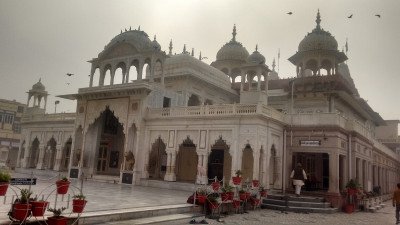
Mahavir Temple
Some quick example text to build on the card title and make up the bulk of the card's content.
Go somewhere
Mohili Waterfall
Some quick example text to build on the card title and make up the bulk of the card's content.
Go somewhere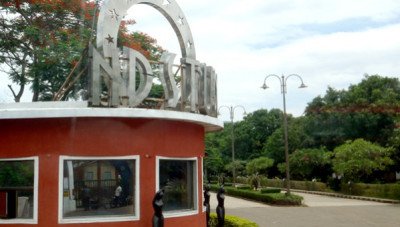
ND's Film World
Some quick example text to build on the card title and make up the bulk of the card's content.
Go somewhere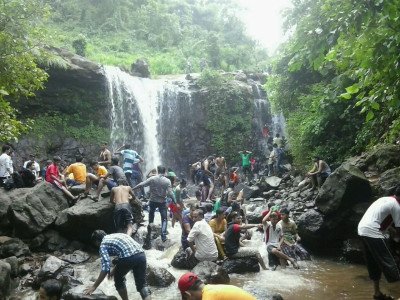
Palasdari Waterfall
Some quick example text to build on the card title and make up the bulk of the card's content.
Go somewhere
Pali Bhutivali Dam
Some quick example text to build on the card title and make up the bulk of the card's content.
Go somewhere
Pej River
Some quick example text to build on the card title and make up the bulk of the card's content.
Go somewherein Other Cities