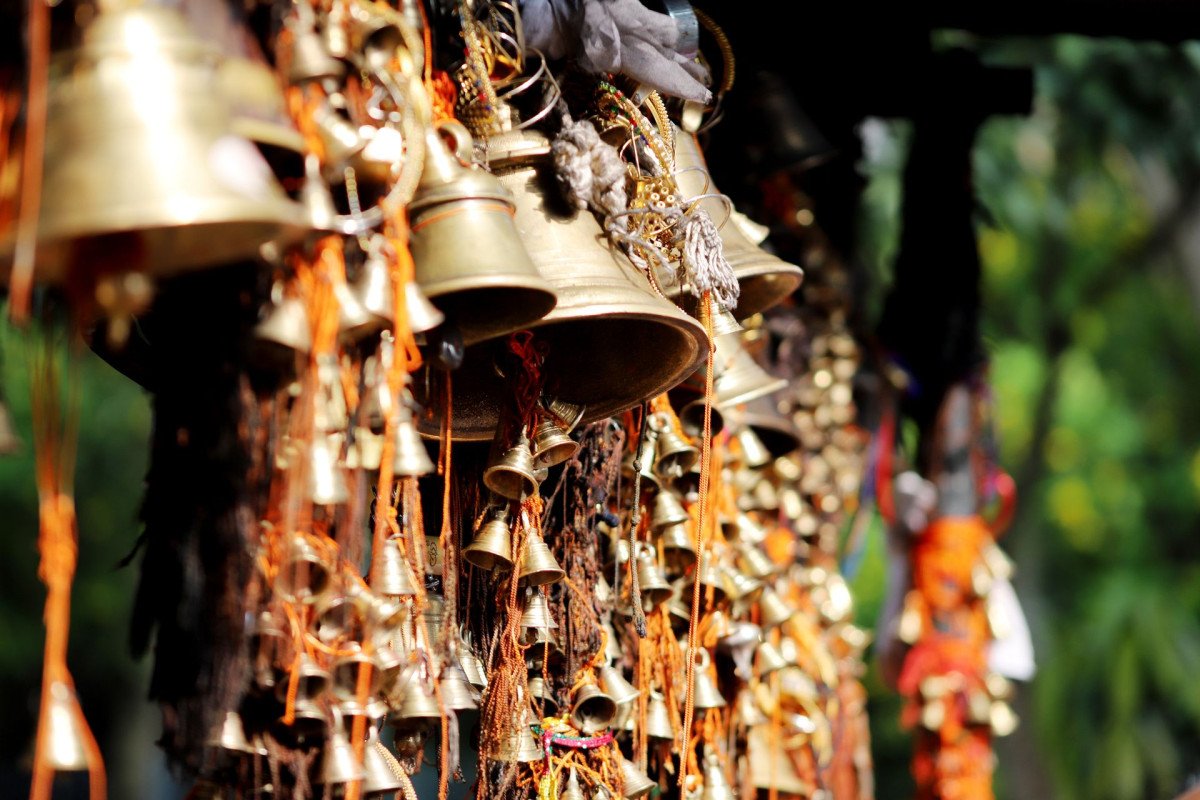
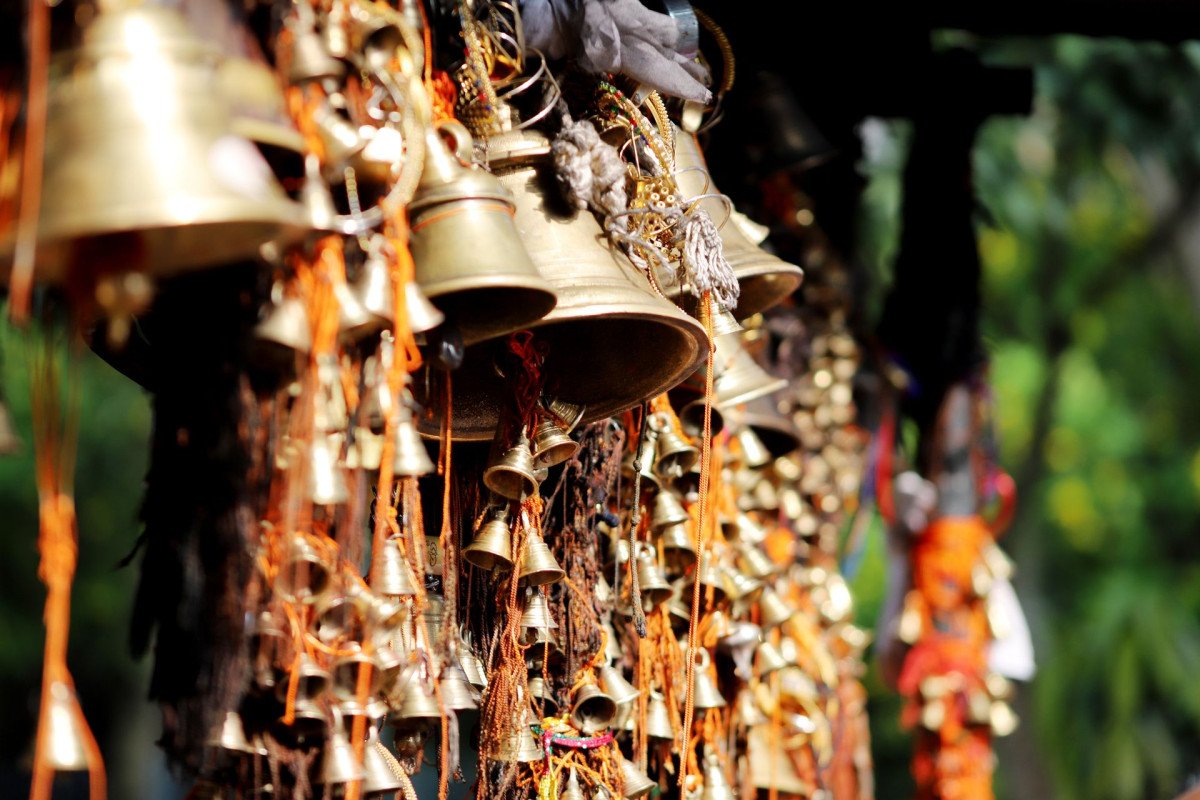
Bishnupur Temple
General information
-
Ideal Duration:
1 - 2 Hours:Place Type:
Religious, Heritage, Architectural:Entry Fees:
Adults and Children (Indian Nationals): INR 10 - 20 per person. This nominal fee is generally collected for maintenance purposes or sometimes as a donation. This low cost ensures accessibility for all, and the temple management relies on voluntary contributions from devote...Adults and Children (Indian Nationals): INR 10 - 20 per person. This nominal fee is generally collected for maintenance purposes or sometimes as a donation. This low cost ensures accessibility for all, and the temple management relies on voluntary contributions from devotees and visitors for upkeep.
Foreign Tourists: May be charged a slightly higher fee, typically around INR 100 per person, a standard practice at ASI-protected sites.
Photography/Videography Charges: Minimal or Free; however, professional equipment might require a permit and a higher fee, so check with the temple or ASI officials beforehand. Commercial photography is strictly prohibited without prior permission.
Timing:
Regular Timings: 06:00 AM to 06:
00 PM (Daily): The temple opens early for morning rituals and closes after the evening aarti. Check locally for any minor seasonal variations, especially during the Winter months.
...Regular Timings: 06:00 AM to 06:
00 PM (Daily): The temple opens early for morning rituals and closes after the evening aarti. Check locally for any minor seasonal variations, especially during the Winter months.
Ideal Visit Time: Morning (08:00 AM - 10:00 AM) and Late Afternoon (04:00 PM - 05:00 PM) Visiting during these times avoids the harsh midday heat and allows observation of the morning or evening prayer ceremonies in a quieter, more spiritual setting.
Best Day for Visit:
Thursday and Saturday: These days are traditionally associated with Lord Vishnu in many parts of India, leading to increased activity and devotional fervor.
Special Events:
Janmashtami Celebrations: The festival celebrating the birth of Lord Krishna (Vishnu's avatar) is the most significant event here. The temple is elaborately decorated, attracting thousands of devotees for night-long prayers, cultural performances, and the ceremonial bathing...Janmashtami Celebrations: The festival celebrating the birth of Lord Krishna (Vishnu's avatar) is the most significant event here. The temple is elaborately decorated, attracting thousands of devotees for night-long prayers, cultural performances, and the ceremonial bathing of the deity. The atmosphere is highly devotional and festive.
Rath Yatra Festival: A modest but significant Rath Yatra (chariot festival) is celebrated, though not on the scale of Puri, where the deity is taken out in a small chariot, symbolising his journey, drawing participation from the local Meitei community.
Best Photo Spots:
The Main Entrance Archway: The temple entrance offers a framed view of the pagoda-style structure. Position yourself slightly off-center to include the aged brick walls and some surrounding greenery, creating a rich texture.
The Tiered Roof Lin...The Main Entrance Archway: The temple entrance offers a framed view of the pagoda-style structure. Position yourself slightly off-center to include the aged brick walls and some surrounding greenery, creating a rich texture.
The Tiered Roof Line: Shoot from a low angle to accentuate the height and the layers of the unique tiered roof against the sky, highlighting its distinctive Chinese-Manipuri architectural fusion. Best taken during sunrise or sunset for vibrant colors.
The Idol of Vishnu: Photograph the deity (if permitted and without flash), focusing on the traditional ornamentation and the devotional ambiance created by the oil lamps and flowers within the sanctum.
Photo Gallery
Things To Do
-
Seek Spiritual Solace:
Pray and Meditate: Spend time in quiet contemplation in the temple's serene environment. Observing the daily rituals (puja and aarti) offers a deep cultural and spiritual experience. Participate respectfully in the morning or evening prayers.
Explore Temple Architecture:
Study the Unique Design: Take time to observe the pagoda-style roof and the brickwork, noting the fusion of different regional styles. Compare the temple's design with other historical structures in Manipur to appreciate its uniqueness.
Engage with History:
Read the ASI Plaques: Seek out and read the historical information and plaques provided by the Archaeological Survey of India to understand the temple's...Seek Spiritual Solace:
Pray and Meditate: Spend time in quiet contemplation in the temple's serene environment. Observing the daily rituals (puja and aarti) offers a deep cultural and spiritual experience. Participate respectfully in the morning or evening prayers.
Explore Temple Architecture:
Study the Unique Design: Take time to observe the pagoda-style roof and the brickwork, noting the fusion of different regional styles. Compare the temple's design with other historical structures in Manipur to appreciate its uniqueness.
Engage with History:
Read the ASI Plaques: Seek out and read the historical information and plaques provided by the Archaeological Survey of India to understand the temple's construction date, royal patronage, and significance in the 15th century.
Photography Session:
Capture the Pagoda Roof: Use the early morning or late afternoon light to photograph the tiered roof and the intricate, albeit minimal, stucco work on the walls. Focus on the contrasting texture of the old bricks.
Local Interaction:
Talk to Temple Priests/Elders: Politely engage with the temple authorities or local elders to learn about the legends, folklore, and specific customs associated with the Vishnu idol and the temple's history, which are often passed down orally.
Visit the Nearby Market:
Experience Local Life: After the temple visit, take a short walk to the nearby Bishnupur market to observe the daily activities of the town, sample local snacks like Pakora or Khamang Chatpa, and buy local handicrafts.
Attend a Religious Discourse:
Listen to Kirtan or Bhajan: If a religious gathering, a bhajan (devotional song) session, or a kirtan (call-and-response chanting) is ongoing, sit and listen for a while to immerse yourself in the Vaishnavite devotional culture of Manipur.
Information
-
Why Famous:
Fusion of Faiths: It is famous as a testament to the early adoption of Vaishnavism in Manipur, following the gifting of the Vishnu idol. It represents a significant marker in the religious history of the state, serving as the namesake for the entire district.Fusion of Faiths: It is famous as a testament to the early adoption of Vaishnavism in Manipur, following the gifting of the Vishnu idol. It represents a significant marker in the religious history of the state, serving as the namesake for the entire district.
Unique Architecture: Its distinct pagoda-like structure, influenced by Chinese/Southeast Asian architectural elements mixed with local Meitei building traditions, makes it architecturally unique within India. It stands apart from the common styles of North and South Indian temples, making it a compelling study for scholars.
King Kyamba's Legacy: The temple is intrinsically linked to King Kyamba and his historical victory, serving as a monument to his reign and the early cultural exchanges with neighboring kingdoms. The preservation of the original metal idol adds to its fame.
-
Architecture:
Architectural Style: The temple showcases a unique, rare architectural blend, prominently featuring the Chinese and local Manipuri styles, distinguishing it from the terracotta temples of West Bengal with the same name. It is built mainly of brick and features a tiered roof...Architectural Style: The temple showcases a unique, rare architectural blend, prominently featuring the Chinese and local Manipuri styles, distinguishing it from the terracotta temples of West Bengal with the same name. It is built mainly of brick and features a tiered roof structure that resembles a pagoda or a miniature replication of an elevated hut with multiple layers, which is a significant deviation from typical North Indian temple shikhara styles, reflecting influences from the surrounding region, particularly Southeast Asia.
Dimension and Material: The structure is relatively small in scale compared to monumental temple complexes, typically built on a raised platform (plinth). The core material is burnt brick and stucco, which has withstood centuries of weather and seismic activity. The internal sanctum houses the central deity, with the entire structure designed to facilitate circumambulation (pradakshina). While exact historical blueprints are scarce, the temple's base is generally square, leading to the upward-tapering roof. The detailing includes simple, yet elegant, stucco ornamentation, which, unlike the profuse terracotta work in West Bengal's Bishnupur, focuses more on structural form and purity.
-
How To Reach:
By Air: The nearest major airport is Imphal's Bir Tikendrajit International Airport (IMF), approximately 27-30 KMS from Bishnupur town. The airport is well-connected to major Indian cities like Delhi, Kolkata, Guwahati, and Bengaluru. From the airport, one can hire a pre-p...By Air: The nearest major airport is Imphal's Bir Tikendrajit International Airport (IMF), approximately 27-30 KMS from Bishnupur town. The airport is well-connected to major Indian cities like Delhi, Kolkata, Guwahati, and Bengaluru. From the airport, one can hire a pre-paid taxi or a private cab to reach Bishnupur, which takes about 45-60 minutes. Book your taxi in advance for a smoother transition.
By Train: There is no direct railway station in Bishnupur or near it. The nearest major railhead is Dimapur Railway Station (DMV) in Nagaland, approximately 200 KMS away, or the newly constructed Jiribam Railway Station in Manipur, about 225 KMS away, though road connectivity from Jiribam is still developing. From Dimapur, you must take a long-distance taxi or bus to Imphal, and then a local transport to Bishnupur. This journey is long and scenic but challenging.
By Road: Bishnupur is well-connected by National Highway (NH) 2 (formerly NH-39) and NH-150. Regular state-run and private buses ply between Imphal (the state capital, approx. 27 KMS) and Bishnupur. The road condition is generally good. You can also hire a private car or take a shared Winger/Tata Sumo service from Imphal's Kwakeithel area.
By Local Transport: Once in Bishnupur town, the temple is easily accessible via local auto-rickshaws, cycle-rickshaws, or by walking, as the town is relatively small. Shared auto-rickshaws are a cost-effective option for short distances within the town perimeter.
-
Weather and Best Time to Visit:
Different Types of Seasons:
Winter (October to March): This is the Best Time to Visit. The weather is cool, pleasant, and ideal for sightseeing and outdoor exploration. The temperature is comfortable, ranging from 10Rs.C to 25Rs.C.Different Types of Seasons:
Winter (October to March): This is the Best Time to Visit. The weather is cool, pleasant, and ideal for sightseeing and outdoor exploration. The temperature is comfortable, ranging from 10Rs.C to 25Rs.C.
Summer (April to June): The weather is hot and humid, making mid-day visits uncomfortable, with temperatures soaring above 30Rs.C. Early mornings are the only viable time for outdoor activity.
Monsoon (July to September): The region receives heavy rainfall, which can disrupt travel plans and local transport. While the surrounding area is lush, sightseeing can be challenging.
Different Parts of the Day: Morning (08:00 AM - 11:00 AM) The best time for photography and detailed sightseeing due to soft light and low crowds. Late Afternoon (04:00 PM - 06:00 PM) Another excellent period, offering a chance to witness the evening rituals and the temple's facade illuminated by the setting sun.
-
Near Tourist Places:
Keibul Lamjao National Park (Approx.
10 KMS): Loktak Lake (Approx.
10 KMS): INA Memorial, Moirang (Approx.
15 KMS): Chaoba Ching (Approx.
18 KMS): Kwangdrak (Approx.
5 KMS): Ningthoukhong (Approx.
8 KMS): Toubul (Approx.
12 KMS): Phubala (Approx.
14 KMS): Pumlen Pat (Approx.
25 KMS): Imphal (Approx. 30 KMS)
Tourism Tips
-
Health & Safety:
Stay Hydrated: Always carry a water bottle, especially if visiting during the day.
Footwear Policy: Be prepared to remove your footwear before entering the main temple premises, as is customa...Health & Safety:
Stay Hydrated: Always carry a water bottle, especially if visiting during the day.
Footwear Policy: Be prepared to remove your footwear before entering the main temple premises, as is customary. Dress modestly to respect the religious sanctity of the place.
Packing:
Essential Items: Carry a light shawl or scarf for covering your head if you plan to enter the inner sanctum. A good camera, comfortable walking shoes, and sun protection (hat/sunscreen) are a must.
Accommodation:
Stay in Imphal or Moirang: While limited local options exist in Bishnupur, staying in Imphal (the capital, approx. 30 KMS) or Moirang (near Loktak Lake, approx. 10 KMS) offers better hotel and guesthouse choices, ranging from budget to mid-range. Pre-booking, particularly during peak season or festivals, is advised.
Other Different Topics heading:
Respect Local Customs: Manipur has a rich cultural heritage. Be mindful of local etiquette, ask for permission before photographing people, and avoid loud or disruptive behavior in religious places.
Local Transport Negotiation: When hiring auto-rickshaws, negotiate the fare beforehand or ensure the meter is used where applicable.
Reviews
FAQs
Bishnupur Itineray And Cost:-
Bishnupur Temple Tourism:-
Other Places In Bishnupur :-
Other States In India :-
Information about New and Updated Locations() of Manipur Has Been Added :-
Card subtitle
Note:-
Information provided here in good Faith and for reference only.
Near Places

Bishnupur Temple
Some quick example text to build on the card title and make up the bulk of the card's content.
Go somewhere
Cafeteria Crafts Handloom Village
Some quick example text to build on the card title and make up the bulk of the card's content.
Go somewhere
Chaoba Ching
Some quick example text to build on the card title and make up the bulk of the card's content.
Go somewhere
Chingnungkok
Some quick example text to build on the card title and make up the bulk of the card's content.
Go somewhere
Japanese War Memorial
Some quick example text to build on the card title and make up the bulk of the card's content.
Go somewhere
Keibul Lamjao National Park
Some quick example text to build on the card title and make up the bulk of the card's content.
Go somewhere
Keirenphabi
Some quick example text to build on the card title and make up the bulk of the card's content.
Go somewhere
Khuman Lampak
Some quick example text to build on the card title and make up the bulk of the card's content.
Go somewhere
Kumbi Town
Some quick example text to build on the card title and make up the bulk of the card's content.
Go somewhere
Kwangdang Park
Some quick example text to build on the card title and make up the bulk of the card's content.
Go somewhere
Laimaton Parallel Point
Some quick example text to build on the card title and make up the bulk of the card's content.
Go somewhere
Loktak Lake
Some quick example text to build on the card title and make up the bulk of the card's content.
Go somewhere
Loukoi Pat Lake
Some quick example text to build on the card title and make up the bulk of the card's content.
Go somewhere
Loukoipat
Some quick example text to build on the card title and make up the bulk of the card's content.
Go somewhere
Loukoipat Ecological Park
Some quick example text to build on the card title and make up the bulk of the card's content.
Go somewhere
Loukoipat Lake
Some quick example text to build on the card title and make up the bulk of the card's content.
Go somewherein Other Cities