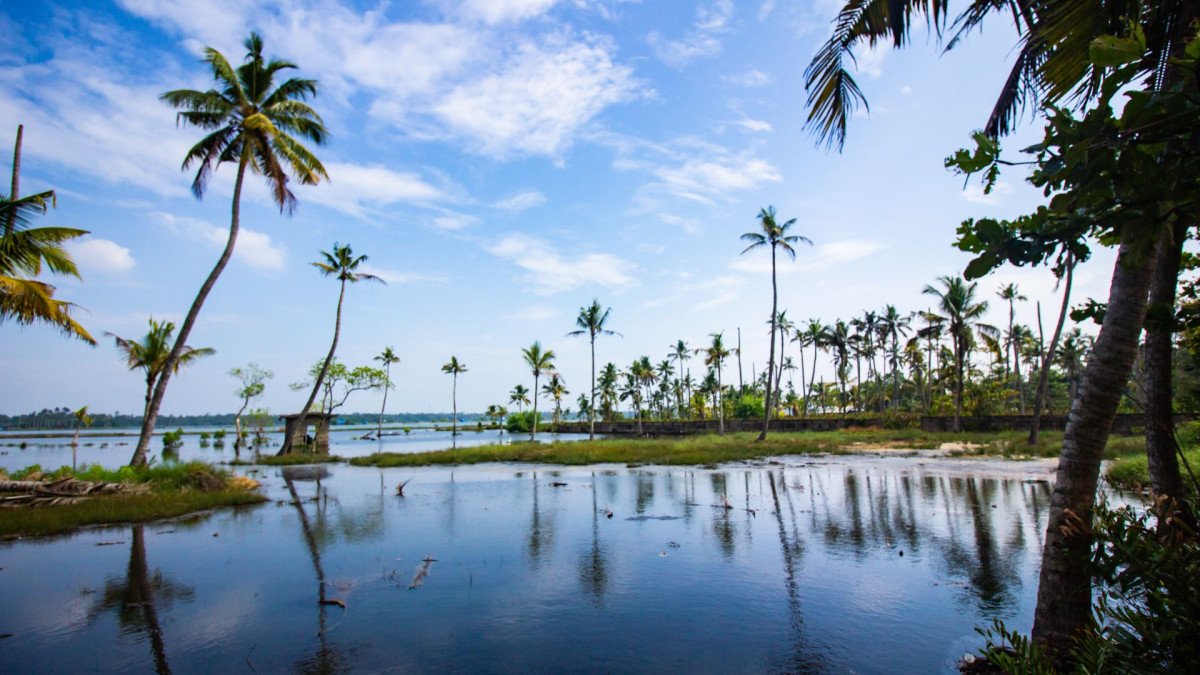
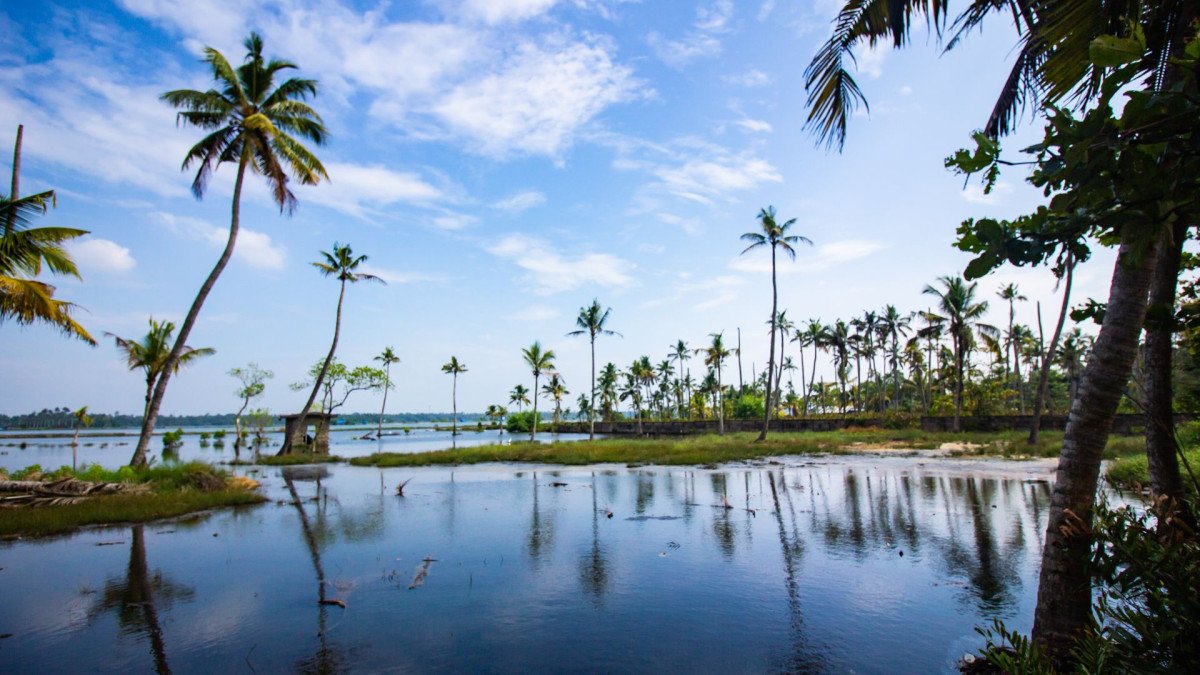
Chotila Lake
General information
-
Ideal Duration:
1 Hour:Place Type:
Lake, Nature Spot, Picnic Spot, Reservoir, PhotogrEntry Fees:
Entry Fee Status: There are No Entry Fees to visit or spend time at Chotila Lake. It is an open, public water body and picnic area maintained by the local municipality.
Parking Costs: Since it is a public space, there are generally No Forma...Entry Fee Status: There are No Entry Fees to visit or spend time at Chotila Lake. It is an open, public water body and picnic area maintained by the local municipality.
Parking Costs: Since it is a public space, there are generally No Formal Parking Fees unless you are parking on private land or near an organized commercial area. However, it is advisable to ensure you park safely and responsibly.
Fishing Permit: If one intends to fish in the lake (a very local activity), they might need a local permit or permission from the village head, but this is not an entry fee for tourists.
Cost of Local Goods: Any cost incurred would be for local snacks, water bottles, or other goods purchased from small vendors near the lake perimeter.Timing:
Regular Timings: As a public, open water body, Chotila Lake has No Formal Opening or Closing Timings. It is accessible 24 hours a day.
Ideal Visit Time: The Ideal Visit Time is the Late Afternoon (4:30 PM to Sunset). This avoids the heat o...Regular Timings: As a public, open water body, Chotila Lake has No Formal Opening or Closing Timings. It is accessible 24 hours a day.
Ideal Visit Time: The Ideal Visit Time is the Late Afternoon (4:30 PM to Sunset). This avoids the heat of the day, allows for the best photography, and provides a comfortable atmosphere for picnicking and relaxing.
Safety Recommendation: It is strongly recommended to Avoid Visiting After Sunset as the area is not well-lit and can be secluded, presenting potential safety concerns and difficulty in navigation.Special Events:
Post-Monsoon Greenery: The lake is at its most beautiful and special right after the monsoon (late September to November), when it is full of water and the surrounding area is lush and green, marking a celebration of life and water availability in the dry area.Post-Monsoon Greenery: The lake is at its most beautiful and special right after the monsoon (late September to November), when it is full of water and the surrounding area is lush and green, marking a celebration of life and water availability in the dry area.
Makar Sankranti: While not centered on the lake, the festival of Makar Sankranti (January 14th) sees local children and families fly kites from the open grounds near the lake's banks, providing a colorful and festive spectacle against the sky.
Local Harvest Festivals: Small, informal rituals and thanksgivings by local farmers, particularly focused on water and agriculture, may take place on the banks after a successful harvest or a good monsoon.Best Photo Spots:
Reflection of Chotila Hill: The most crucial photo spot is the point where the lake's surface is calm enough to perfectly reflect the conical Chotila Hill with the temple on top. This is best captured early in the morning or late evening.
The G...Reflection of Chotila Hill: The most crucial photo spot is the point where the lake's surface is calm enough to perfectly reflect the conical Chotila Hill with the temple on top. This is best captured early in the morning or late evening.
The Ghat and Water Edge: Photos of the local fishermen or women drawing water at the simple stone ghat create compelling human interest and cultural shots, showcasing the lake's importance to the local community.
Birdlife and Landscape: Capture the wide-open landscape with the still water in the foreground and a flock of birds taking flight or wading in the shallows, emphasizing the ecological importance of the area.Photo Gallery
Things To Do
-
Relax and Picnic: The primary activity is simply finding a shady spot under a tree (if available) or by the banks to enjoy a packed picnic lunch or a light snack, soaking in the quiet atmosphere and the scenic views.
Sunset Viewing: Be sure to stay until the late afternoon to witness the sunset. The light over the surrounding plains and the reflection on the water is a mesmerizing, calming, and highly recommended experience.
Nature and Bird Photography: Carry a camera with a good zoom lens to capture the local birdlife that frequents the lake. Look for the various species of aquatic birds and the local terrestrial birds in the nearby scrubland.
Gentle Strolls: Take a slow walk around the accessible perimeter of the lake. The gentle exercise combined with the t...Relax and Picnic: The primary activity is simply finding a shady spot under a tree (if available) or by the banks to enjoy a packed picnic lunch or a light snack, soaking in the quiet atmosphere and the scenic views.
Sunset Viewing: Be sure to stay until the late afternoon to witness the sunset. The light over the surrounding plains and the reflection on the water is a mesmerizing, calming, and highly recommended experience.
Nature and Bird Photography: Carry a camera with a good zoom lens to capture the local birdlife that frequents the lake. Look for the various species of aquatic birds and the local terrestrial birds in the nearby scrubland.
Gentle Strolls: Take a slow walk around the accessible perimeter of the lake. The gentle exercise combined with the tranquil setting is perfect for relaxation after the temple climb.
Local Interaction: Engage in friendly conversation with the local fishermen or families present. This provides an excellent opportunity to learn about the local culture and the challenges of water management in the Saurashtra region.
Sketching and Painting: The reflective water, the simple ghat structures, and the distant hill provide a perfect subject for artists, making it an ideal spot for sketching or landscape painting.
Simple Reflection: Find a quiet stone step on the ghat to sit and engage in peaceful meditation or introspection, utilizing the calm water as a focus point away from the distractions of the road.
Information
-
Why Famous:
Ecological Oasis: Its fame stems from being a rare source of surface water in the dry Surendranagar district, acting as a small ecological oasis for migratory birds and local wildlife, especially after the monsoon.
Local Gathering Spot: It i...Ecological Oasis: Its fame stems from being a rare source of surface water in the dry Surendranagar district, acting as a small ecological oasis for migratory birds and local wildlife, especially after the monsoon.
Local Gathering Spot: It is famous among local residents as a prime spot for evening walks, family picnics, and fishing, providing a natural community space away from the main highway and the crowded temple base.
Relaxation Spot for Pilgrims: The lake is a popular spot for pilgrims to rest and refresh themselves after completing the strenuous climb of the Chamunda Mataji Temple, offering a tranquil environment for recovery and reflection.
Monsoon Beauty: The lake is particularly famous immediately after a good monsoon season when the surrounding landscape turns a vibrant green, dramatically contrasting with the usual arid appearance of the region, attracting nature lovers. -
Architecture:
Waterbody Type and Construction: The lake is largely a man-made reservoir or tank (Talav), designed to harness and store monsoon rainwater. Its construction is primarily utilitarian, featuring earth embankments and simple, stone-reinforced boundaries to prevent erosion and ...Waterbody Type and Construction: The lake is largely a man-made reservoir or tank (Talav), designed to harness and store monsoon rainwater. Its construction is primarily utilitarian, featuring earth embankments and simple, stone-reinforced boundaries to prevent erosion and maximize water retention in the hard-packed soil of the plains.
Shape and Dimension: The lake generally has an irregular, oblong shape, typical of reservoirs built to follow natural low-lying depressions. Its approximate dimension is estimated to be around 300 meters in length and 150 meters in width during the peak post-monsoon season, though this shrinks considerably in the summer.
Architectural Features: Permanent architectural elements are minimal, often including only a simple stone ghat (steps leading to the water's edge) used for bathing, washing, and accessing water. There may be a small, unadorned shrine dedicated to a local deity on one bank, constructed from simple painted concrete or stone blocks, which adds to the local charm. The surrounding vegetation is mostly thorny scrub and grasses, which stabilize the banks naturally. -
How To Reach:
By Road and Location: Since the lake is close to the Chotila Hill base, access is straightforward. Take the same route as the temple via NH-47 to the town of Chotila. From the town center, hire a local auto-rickshaw or drive your vehicle for the short 1-3 KMS distance.By Road and Location: Since the lake is close to the Chotila Hill base, access is straightforward. Take the same route as the temple via NH-47 to the town of Chotila. From the town center, hire a local auto-rickshaw or drive your vehicle for the short 1-3 KMS distance.
By Local Transport: Most local auto-rickshaw drivers are aware of the main talav or sarovar (lake) near the town and can take you there directly.
Walking Option: If you are staying at the Chotila Taleti (temple base) or in the town, the lake is close enough to walk to, which is a pleasant option in the cooler morning or evening hours, and helps you see more of the local village life.
No Direct Public Transport: There is no direct public bus service to the lake itself; travelers must rely on private vehicles, taxis, auto-rickshaws, or walking from the main road. -
Weather and Best Time to Visit:
Post-Monsoon (October and November): This is the Best Time to Visit as the water level is high, the environment is greenest, and the weather is pleasant enough for outdoor activities like picnics and photography.
Late Winter (February and March)...Post-Monsoon (October and November): This is the Best Time to Visit as the water level is high, the environment is greenest, and the weather is pleasant enough for outdoor activities like picnics and photography.
Late Winter (February and March): Also a good time, as the weather is cool and dry, perfect for a peaceful outdoor excursion.
Different Parts of the Day: Late Afternoon is the most pleasant and popular time for local visitors. Early Morning is best for birdwatching when the water is calmest and the birds are most active. -
Near Tourist Places:
Khodiyar Mata Temple (10 KMS):
Chamunda Mataji Temple (On Chotila Hill - 2 KMS):
Bhadra Kali Temple (3 KMS):
Jariya Mahadev Mandir (5 KMS):
Than Junction (Ancient temples - 21 KMS): Wadhwan City (Old capital with temples/stepwells - 60 KMS):
Ghelasomnath Temple (40 KMS):
Hingolgadh Nature Education Camp (40 KMS):
Rajkot City (60 KMS):
Surendranagar City (72 KMS):
Tourism Tips
-
Health & Safety:
Watch Your Step: The banks can be muddy, especially after the monsoon; take care to avoid slipping.
Water Safety: Swimming is generally not recommended as the depth and quality are unregulat...Health & Safety:
Watch Your Step: The banks can be muddy, especially after the monsoon; take care to avoid slipping.
Water Safety: Swimming is generally not recommended as the depth and quality are unregulated. Keep children away from the water's edge.
Packing Essentials:
Binoculars: Essential for birdwatching and observing the distant temple and hill.
Mosquito Repellent: Advised for sunset visits, as water bodies attract insects.
Picnic Blanket: Bring your own mat or blanket for sitting comfortably on the banks.
Local Interaction:
Respect Local Use: Be mindful that the lake is a functional water source and community area for locals; keep your activities respectful and non-disruptive.
Leave No Trace: Strictly adhere to a Leave No Trace policy and take all your garbage with you.
Accommodation: Accommodation in Chotila remains basic. Staying in Rajkot is the most comfortable base for a day trip, but even in Chotila, the lake is easily reached from any local guesthouse.
Reviews
FAQs
Chotila Itineray And Cost:-
Information about New and Updated Locations() of Gujarat Has Been Added :-
Card subtitle
Note:-
Information provided here in good Faith and for reference only.
All information and pictures will be updated soon, please keep visiting.
Near Places

Chamunda Mataji Temple
Some quick example text to build on the card title and make up the bulk of the card's content.
Go somewhere
Chotila Fort
Some quick example text to build on the card title and make up the bulk of the card's content.
Go somewhere
Chotila Lake
Some quick example text to build on the card title and make up the bulk of the card's content.
Go somewhere
Dholidhaja Dam
Some quick example text to build on the card title and make up the bulk of the card's content.
Go somewhere
Ghela Somnath Mahadev Temple
Some quick example text to build on the card title and make up the bulk of the card's content.
Go somewhere
Hawamahal in Chotila
Some quick example text to build on the card title and make up the bulk of the card's content.
Go somewhere
Hingolgadh Wildlife Sanctuary
Some quick example text to build on the card title and make up the bulk of the card's content.
Go somewhere
Khambhalida Caves
Some quick example text to build on the card title and make up the bulk of the card's content.
Go somewhere
Khandipole Darwaja
Some quick example text to build on the card title and make up the bulk of the card's content.
Go somewhere
Khodiyar Mata Temple
Some quick example text to build on the card title and make up the bulk of the card's content.
Go somewherein Other Cities