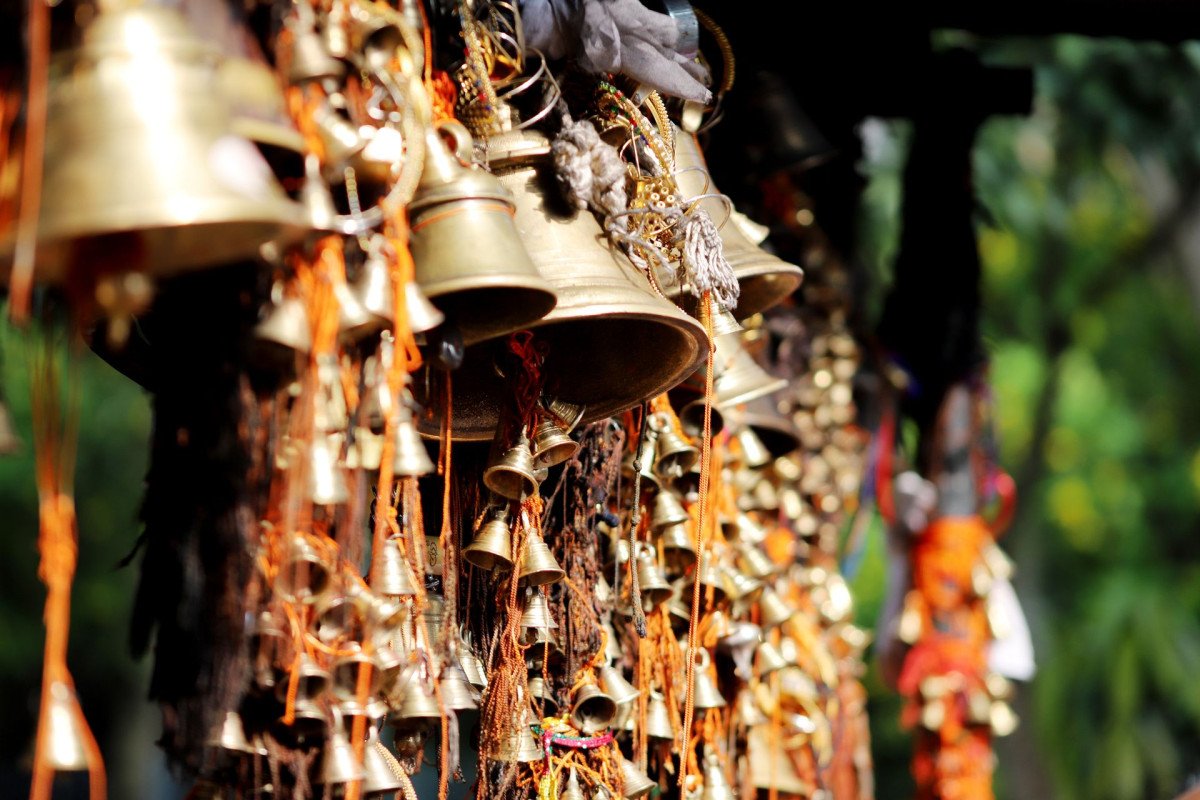
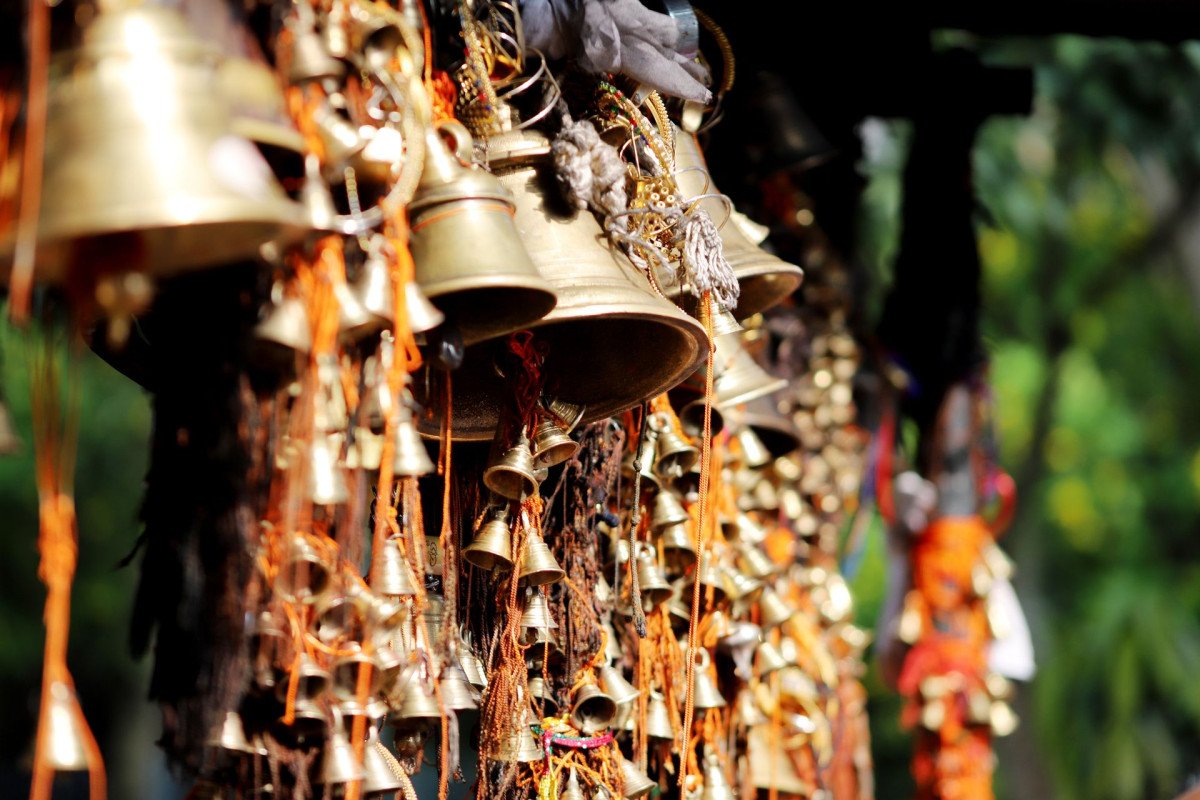
Khodiyar Mata Temple
General information
-
Ideal Duration:
1 Hour:Place Type:
Temple, Religious Site, Local Shrine, Village TempEntry Fees:
Entry Fee Status: There are No Entry Fees for visiting this small, local shrine. It operates on the voluntary donations and contributions of the local community and pilgrims.
Donation and Prasad: The only expected cost is for purchasing pra...Entry Fee Status: There are No Entry Fees for visiting this small, local shrine. It operates on the voluntary donations and contributions of the local community and pilgrims.
Donation and Prasad: The only expected cost is for purchasing prasad or making a small voluntary donation towards the temple's maintenance and the daily Bhog (food offering) to the deity.
Parking: Since it is a small village shrine, there is usually No Formal Parking Fee; vehicles are typically parked safely on the side of the nearby road.
Cost of Services: Any puja (ritual) performed on behalf of the devotee by the priest might involve a small, customary Dakshina (offering) to the priest, which is entirely optional and based on the devotee's reverence.Timing:
Regular Timings: The temple is generally open from 6:00 AM to 8:00 PM daily, accommodating the local villagers' schedules. It may open earlier for Mangala Aarti and close later during festivals like Navratri.
Ideal Visit Time: The Ideal Vis...Regular Timings: The temple is generally open from 6:00 AM to 8:00 PM daily, accommodating the local villagers' schedules. It may open earlier for Mangala Aarti and close later during festivals like Navratri.
Ideal Visit Time: The Ideal Visit Time is the Early Evening (6:00 PM to 7:30 PM) when the Evening Aarti is held. This time is cool and the atmosphere is filled with the devotional energy of the local community gathering for prayer.
Flexible Hours: Since it is a small, local temple, the hours can be somewhat flexible, and the priest often resides nearby, which means Darshan can sometimes be arranged outside of formal hours with prior request.Special Events:
Navratri Celebrations: Like all manifestations of the Divine Mother, the local shrine celebrates Navratri (September/October) with nine days of special Aartis, fasting, and community Garba and Dandiya Raas in the nearby village square, providing a more intimate and tradition...Navratri Celebrations: Like all manifestations of the Divine Mother, the local shrine celebrates Navratri (September/October) with nine days of special Aartis, fasting, and community Garba and Dandiya Raas in the nearby village square, providing a more intimate and traditional festival atmosphere.
Khodiyar Jayanti: The temple's most significant event is Khodiyar Jayanti, the birth anniversary of Maa Khodiyar, celebrated on the Aatham (eighth day) of the bright half of the Hindu month of Magha (usually in January or February). This day features a large fair (Mela), community Bhandaras (free feasts), and an influx of devotees from surrounding regions.
Purnima (Full Moon): Every Purnima sees an increase in devotees and special night Aartis and prayers, which are considered particularly auspicious for seeking the goddess's blessings.Best Photo Spots:
The Magar (Crocodile) Iconography: A close-up, well-lit photo of the idol of Khodiyar Mata or the carved Crocodile Vahan (vehicle) at the temple entrance, emphasizing the unique folk art and the symbolic vehicle of the goddess.
The Temple in a V...The Magar (Crocodile) Iconography: A close-up, well-lit photo of the idol of Khodiyar Mata or the carved Crocodile Vahan (vehicle) at the temple entrance, emphasizing the unique folk art and the symbolic vehicle of the goddess.
The Temple in a Village Setting: A wide-angle shot that captures the simple temple structure nestled within the local village or the open countryside, providing a contrast to the monumental temple architecture.
Devotional Portraiture: Capturing genuine, candid moments of local women or elderly pilgrims offering their prayers, showcasing the deep-rooted faith and devotion in the rural community.Photo Gallery
Things To Do
-
Offer Aarti and Darshan: Participate in the morning or evening Aarti (prayer ritual) for a spiritually charged experience, and offer the main prasad of Lapsi (a sweet dish made of broken wheat), which is traditional for Maa Khodiyar temples.
Circumambulation (Parikrama): Perform the Parikrama (ritual circumambulation) around the temple and any sacred trees within the complex as a form of devotion.
Observe Folk Rituals: Watch how local villagers offer their prayers, which often involve specific local traditions, such as tying threads (Mauli) or offering small pieces of cloth to the flagpole or the Trishul (trident) outside the temple.
Contribute to Gau Seva: Many Kuldevi temples, like this one, engage in Gau Seva (cow service). Take part by offering fodder or mak...Offer Aarti and Darshan: Participate in the morning or evening Aarti (prayer ritual) for a spiritually charged experience, and offer the main prasad of Lapsi (a sweet dish made of broken wheat), which is traditional for Maa Khodiyar temples.
Circumambulation (Parikrama): Perform the Parikrama (ritual circumambulation) around the temple and any sacred trees within the complex as a form of devotion.
Observe Folk Rituals: Watch how local villagers offer their prayers, which often involve specific local traditions, such as tying threads (Mauli) or offering small pieces of cloth to the flagpole or the Trishul (trident) outside the temple.
Contribute to Gau Seva: Many Kuldevi temples, like this one, engage in Gau Seva (cow service). Take part by offering fodder or making a small donation towards the upkeep of the cowshed if one is maintained by the temple trust.
Engage with the Priest: Have a conversation with the temple priest (Pujari) about the temple's specific history, the local legends surrounding Khodiyar Mata, and the customs of the community that supports the shrine.
Purchase Local Handiwork: Small stalls near the temple often sell local handicrafts, devotional items, and simple, authentic village products. Purchasing these supports the local economy and provides unique souvenirs.
Attend a Bhajan Session: If visiting in the evening, you might be lucky enough to attend a spontaneous Bhajan (devotional singing) session by local women or men, which offers a genuine glimpse into the local religious culture.
Information
-
Why Famous:
Clan Deity Reverence: It is primarily famous because Khodiyar Mata is the Kuldevi (clan goddess) of many powerful communities in Gujarat, including the Charans, Yadavs, and several other Rajput clans. Devotees come to offer prayers directly related to their ancestral lineag...Clan Deity Reverence: It is primarily famous because Khodiyar Mata is the Kuldevi (clan goddess) of many powerful communities in Gujarat, including the Charans, Yadavs, and several other Rajput clans. Devotees come to offer prayers directly related to their ancestral lineage.
Folk Heroism: The goddess's origin is rooted in the legend of her being a warrior daughter of the Charan caste around 700 AD, known for performing miracles and protecting her devotees, which makes her a symbol of empowerment and protection.
Accessibility: Unlike the Chamunda Mataji Temple which requires a tough climb, this local shrine is on flat ground, making it easily accessible for the elderly and those with mobility issues, providing a convenient alternative for offering worship in the area.
Roadside Blessings: The temple's proximity to the major highway makes it a famous stop for travelers who pause to seek blessings for a safe and successful journey, a tradition often seen at shrines of protector deities. -
Architecture:
Village Temple Style: This local shrine exemplifies the architecture of a common village temple in Saurashtra. It is small, typically constructed from a blend of white marble (or painted concrete) and simple red bricks, usually featuring a brightly colored dome or Shikhara ...Village Temple Style: This local shrine exemplifies the architecture of a common village temple in Saurashtra. It is small, typically constructed from a blend of white marble (or painted concrete) and simple red bricks, usually featuring a brightly colored dome or Shikhara on top.
Sanctum and Idol Details: The structure consists of a single small Garbhagriha (sanctum) and a modest Mandapa (hall) that can accommodate only a few dozen devotees. The main idol of Khodiyar Mata is usually depicted riding her vehicle, the Crocodile (Magar), and is often adorned with colorful garments, silver ornaments, and a bright red or orange paint scheme.
Dimension and Scale: The temple is small in dimension, often not exceeding 8 meters by 8 meters. The emphasis is on the colorful, often folk-art-style carvings of the vahan (crocodile) near the entrance and the simplicity of the approach. It is primarily a functional shrine rather than an architectural marvel. -
How To Reach:
By Road (The Best Option): The temple is best reached by road. Since it is approximately 10 KMS from Chotila center, hiring a local auto-rickshaw for a round trip is the most efficient method. Be sure to negotiate the fare beforehand.
Private ...By Road (The Best Option): The temple is best reached by road. Since it is approximately 10 KMS from Chotila center, hiring a local auto-rickshaw for a round trip is the most efficient method. Be sure to negotiate the fare beforehand.
Private Vehicle: Travelers with their own cars or hired taxis will find this temple easily accessible via local roads branching off NH-47. Ask the driver for the local Khodiyar Mata Mandir near Chotila.
Local Bus: Local State Transport (GSRTC) buses may stop at the main junction nearest to the village where the temple is located. From there, a short walk or a local shared taxi would be necessary to reach the final spot.
No Air or Train Connectivity: Due to its small, regional nature, it has no direct connectivity by air or train; these modes of transport will only get you to the nearest major hub (Rajkot or Than Junction). -
Weather and Best Time to Visit:
Winter Season (October to March): This is the Best Time to Visit. The mild and pleasant climate makes the short travel from Chotila comfortable, and the spiritual energy of the temple can be experienced without the discomfort of extreme heat.
A...Winter Season (October to March): This is the Best Time to Visit. The mild and pleasant climate makes the short travel from Chotila comfortable, and the spiritual energy of the temple can be experienced without the discomfort of extreme heat.
Avoid Mid-day Summer: Visiting between 11:00 AM and 4:00 PM during the Summer months (April to June) should be avoided due to the intense heat in the plains, which makes the open-air temple environment very harsh.
Different Parts of the Day: Evening Aarti Time is highly recommended for the best cultural experience. Morning visits are quieter and provide a more personal time for prayer. -
Near Tourist Places:
Chamunda Mataji Temple (10 KMS):
Chotila Lake (8-12 KMS):
Jariya Mahadev Mandir (7 KMS):
Bhadra Kali Temple (12 KMS):
Than Junction (Ancient temples - 21 KMS): Wadhwan City (Old capital with temples/stepwells - 60 KMS):
Ghelasomnath Temple (40 KMS):
Hingolgadh Nature Education Camp (40 KMS):
Rajkot City (60 KMS):
Surendranagar City (72 KMS):
Tourism Tips
-
Health & Safety:
Insect Awareness: Due to its location near the open fields, carry insect repellent, especially in the evening.
Footwear: Leave footwear outside the temple premises and walk barefoot on the cl...Health & Safety:
Insect Awareness: Due to its location near the open fields, carry insect repellent, especially in the evening.
Footwear: Leave footwear outside the temple premises and walk barefoot on the clean stone or marble floor inside.
Packing Essentials:
A Small Offering: Carry a small offering like a coconut, flowers, or a packet of sugar/sweets to offer to the deity, as this is the local custom.
Water: Always carry drinking water, as facilities at small village shrines can be minimal.
Local Etiquette:
Respect the Customs: Be respectful of the local villagers and their traditional ways of worship. Ask for permission before taking photographs of individuals.
Ask Directions: Local shrines can be confusing to find; always re-confirm directions from the main road.
Accommodation: Plan for this to be a quick trip from your main accommodation in Chotila or Rajkot, as there are no tourist-grade facilities for staying overnight near this small shrine.
Reviews
FAQs
Chotila Itineray And Cost:-
Khodiyar Mata Temple Tourism:-
Other Places In Chotila :-
Other States In India :-
Information about New and Updated Locations() of Gujarat Has Been Added :-
Card subtitle
Note:-
Information provided here in good Faith and for reference only.
Near Places
Chamunda Mataji Temple
Some quick example text to build on the card title and make up the bulk of the card's content.
Go somewhere
Chotila Fort
Some quick example text to build on the card title and make up the bulk of the card's content.
Go somewhere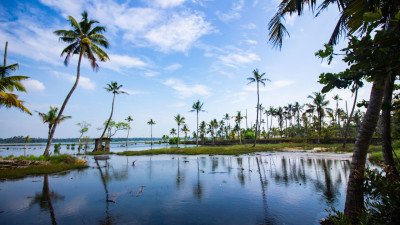
Chotila Lake
Some quick example text to build on the card title and make up the bulk of the card's content.
Go somewhere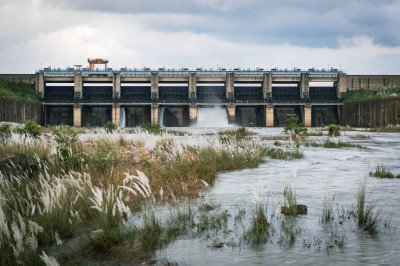
Dholidhaja Dam
Some quick example text to build on the card title and make up the bulk of the card's content.
Go somewhere
Ghela Somnath Mahadev Temple
Some quick example text to build on the card title and make up the bulk of the card's content.
Go somewhere
Hawamahal in Chotila
Some quick example text to build on the card title and make up the bulk of the card's content.
Go somewhere
Hingolgadh Wildlife Sanctuary
Some quick example text to build on the card title and make up the bulk of the card's content.
Go somewhere
Khambhalida Caves
Some quick example text to build on the card title and make up the bulk of the card's content.
Go somewhere
Khandipole Darwaja
Some quick example text to build on the card title and make up the bulk of the card's content.
Go somewhere
Khodiyar Mata Temple
Some quick example text to build on the card title and make up the bulk of the card's content.
Go somewhere
Vachcharaj Bet Temple
Some quick example text to build on the card title and make up the bulk of the card's content.
Go somewhere
Varnindra Dham Swaminarayan Temple
Some quick example text to build on the card title and make up the bulk of the card's content.
Go somewherein Other Cities