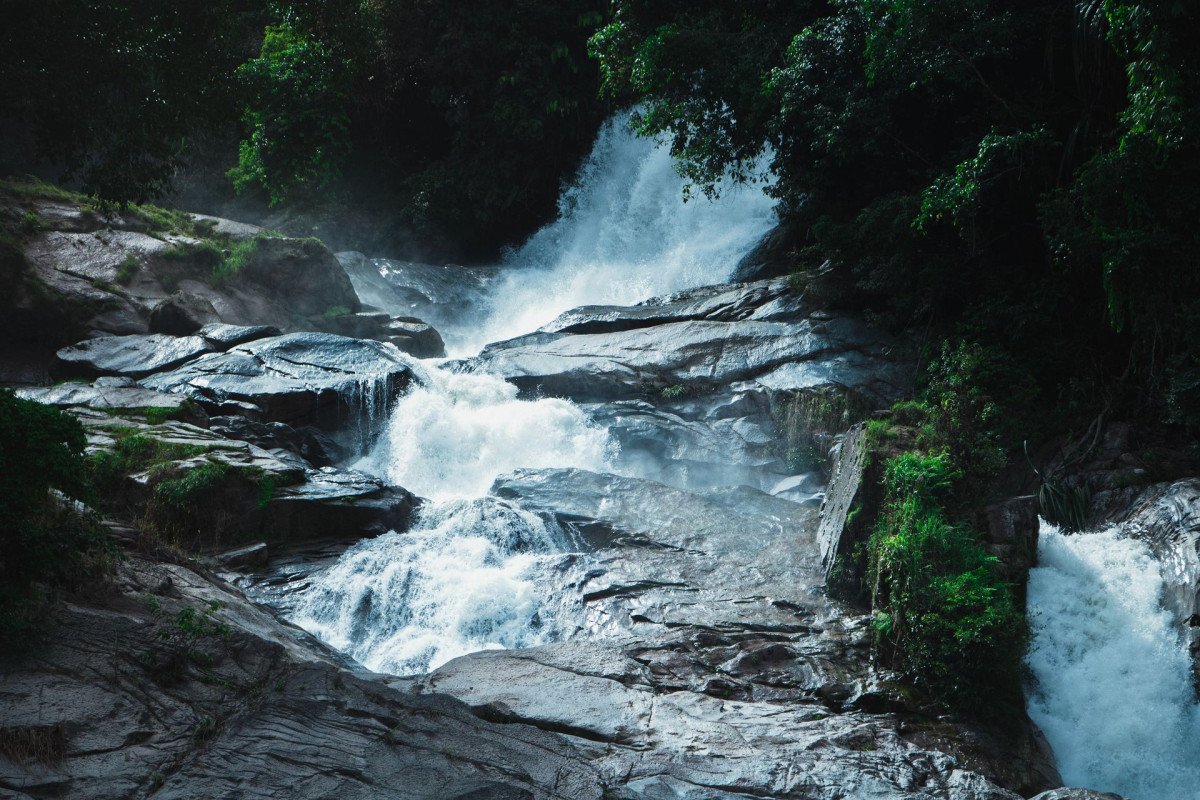
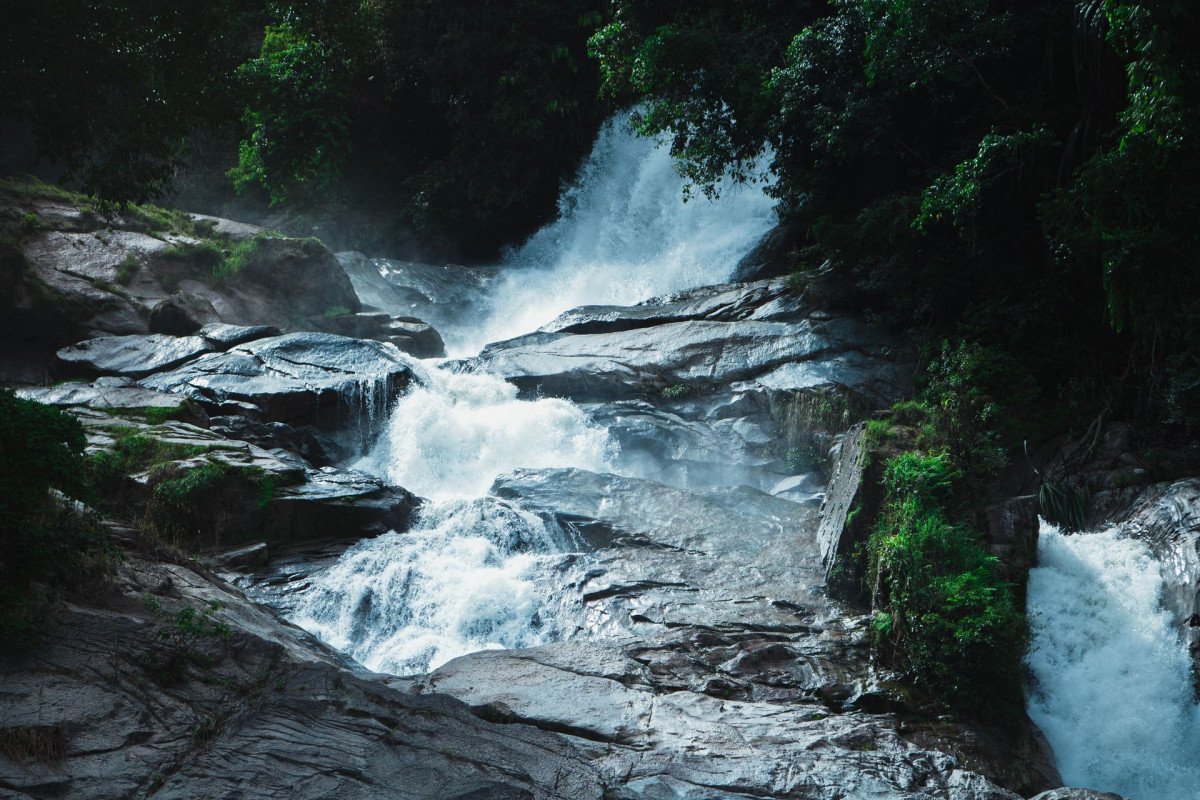
Dharagiri Falls
General information
-
Ideal Duration:
2-3 hours (Excluding travel time from Ghatsila)Place Type:
Waterfall, Picnic Spot, Trekking Destination, NatuEntry Fees:
Nominal Entry Fee Structure: The falls are a natural area, and generally, there is either no official entry fee or only a nominal charge to support local maintenance and basic facilities. The fee is often around Rs. 20 per person. This low cost is part of the attraction, ...Nominal Entry Fee Structure: The falls are a natural area, and generally, there is either no official entry fee or only a nominal charge to support local maintenance and basic facilities. The fee is often around Rs. 20 per person. This low cost is part of the attraction, making it an affordable destination for a day out.
Parking and Guide Fees: While the entry fee is low, visitors should budget for additional small, local charges. Parking near the trail-head in the village will likely incur a small fee, often around Rs. 30 to Rs. 50 per vehicle, managed by local villagers. Furthermore, hiring a local guide, which is highly advisable due to the remote location and rugged trail, typically costs a very small, negotiated amount, historically around Rs. 20 to Rs. 50. This small investment is essential for safety and navigation.
Comparison with Commercial Spots: The low fee structure differentiates Dharagiri Falls from more commercialized tourist spots, emphasizing its natural, community-managed appeal. The funds collected are usually used directly by the local community for basic upkeep of the path and the surrounding area.Timing:
Regular Timings: Dharagiri Falls is generally accessible from 9:00 AM to 5:00 PM daily. This timing is essential as the falls are located deep within a dense forest where it becomes unsafe to be present after sunset due to the lack of proper lighting and the risk of encount...Regular Timings: Dharagiri Falls is generally accessible from 9:00 AM to 5:00 PM daily. This timing is essential as the falls are located deep within a dense forest where it becomes unsafe to be present after sunset due to the lack of proper lighting and the risk of encountering wildlife, particularly wild elephants from the nearby Dalma range.
Ideal Visit Time: The ideal time to visit is during the mid-morning, around 10:00 AM to 12:00 PM, as the light is perfect for photography and the temperature is relatively cool, making the final trek less strenuous. Starting the visit early also allows ample time to enjoy the falls, have a picnic, and then proceed to the nearby Burudih Lake before sunset. Post-monsoon (from October to November) is the perfect season to visit, as the falls have maximum water flow, and the surrounding greenery is at its most vibrant.Special Events:
Monsoon High Flow Celebration: While not a formal, organized festival, the monsoon season, particularly from July to September, is the site's most significant "event. " Locals and tourists flock to the falls during this time to witness the waterfall in its full, majestic glo...Monsoon High Flow Celebration: While not a formal, organized festival, the monsoon season, particularly from July to September, is the site's most significant "event. " Locals and tourists flock to the falls during this time to witness the waterfall in its full, majestic glory. The immense water flow, which transforms the trickle of other seasons into a powerful torrent, is a natural spectacle. This period sees an increased number of visitors, creating a festive, lively atmosphere with picnickers and nature enthusiasts celebrating the vibrant life of the forest after the rain.
New Year and Makar Sankranti Picnics: The period around the New Year and the festival of Makar Sankranti (January) is a time when the falls and the surrounding areas are buzzing with activity as they become a prime destination for large-scale picnics and day trips. Families and groups from Ghatsila, Jamshedpur, and neighboring regions come to enjoy the cool winter weather and the scenic beauty, turning the area into a temporary social hub.Best Photo Spots:
The Main Cascade Viewpoint: The immediate area right in front of the 20-25 feet cascade is the primary spot for capturing the full glory of the waterfall. This position allows for photographs that highlight the height of the drop, the volume of the water, and the surroundin...The Main Cascade Viewpoint: The immediate area right in front of the 20-25 feet cascade is the primary spot for capturing the full glory of the waterfall. This position allows for photographs that highlight the height of the drop, the volume of the water, and the surrounding lush forest framing the scene, especially beautiful in the post-monsoon months of October and November.
The Trekking Path through the Jungle: The narrow, rugged forest path leading to the falls offers numerous opportunities for adventure and candid shots. Photos here can capture the thrill of the journey, the density of the untouched jungle, the play of sunlight filtering through the canopy, and the moss-covered boulders. Focus on candid shots of friends or family navigating the trail.
Riverside Rock Formations: Along the stream that feeds the falls, there are numerous unique rock formations and smooth, water-worn boulders. These spots are excellent for macro-photography, capturing the texture and colors of the rocks, or for striking portraits with the flowing water as a dynamic background element.Photo Gallery
Things To Do
-
Trekking and Adventure: Embark on the essential 1 KM trek through the forest and rugged terrain from the parking area to reach the falls. This short hike is invigorating and passes through thick natural forests, making it a key part of the Dharagiri experience. The path is challenging with uneven ground and boulders, promising a small dose of adventure.
Nature Photography and Scenic Captures: Dedicate time to capturing the mesmerizing beauty of the cascading water, the lush tropical forest, and the scenic rock formations. The play of light and shadow on the water and the vibrant green hues of the surrounding foliage make for excellent landscape and nature photography.
Picnicking and Relaxation: Utilize the tranquil setting near the falls or by the stream for a peaceful picnic lunch with family...Trekking and Adventure: Embark on the essential 1 KM trek through the forest and rugged terrain from the parking area to reach the falls. This short hike is invigorating and passes through thick natural forests, making it a key part of the Dharagiri experience. The path is challenging with uneven ground and boulders, promising a small dose of adventure.
Nature Photography and Scenic Captures: Dedicate time to capturing the mesmerizing beauty of the cascading water, the lush tropical forest, and the scenic rock formations. The play of light and shadow on the water and the vibrant green hues of the surrounding foliage make for excellent landscape and nature photography.
Picnicking and Relaxation: Utilize the tranquil setting near the falls or by the stream for a peaceful picnic lunch with family or friends. The cool, refreshing air and the sound of the waterfall create an ideal atmosphere for relaxation and unwinding. It is a popular spot for a day trip.
Birdwatching and Wildlife Spotting: Due to its location within the Dalma Hill range, the area is rich in birdlife and is an excellent spot for birdwatching. Visitors should keep an eye out for various indigenous and migratory birds. On rare occasions, one might also spot local wildlife, including deer or even a glimpse of wild elephants, especially during early mornings or late afternoons, reinforcing the need for caution.
Exploring Local Culture: Hire a local villager as a guide from the nearby settlement like Basadera. Interacting with the local tribal people offers a unique opportunity to learn about the region's culture, folklore, and their close relationship with the forest and the falls. The guides can also point out hidden paths and lesser-known sights like the stone carvings.
Visiting the Nearby Kali Temple: Take a moment to visit the small, simple temple dedicated to Goddess Kali often located near the falls. This provides a cultural and spiritual dimension to the trip, showcasing local religious practices.
Combining with Burudih Lake: As the falls are very close to the beautiful Burudih Lake (approximately 6 KM), a visit is often combined. After the trek and refreshment at the falls, spend the rest of the day relaxing, boating, or watching the sunset at the lake.
Information
-
Why Famous:
Stunning Natural Beauty and Serene Atmosphere: The falls are highly regarded for their stunning natural beauty, especially the powerful, gushing water amidst the backdrop of dense, lush green forests and rolling hills. The serene and peaceful environment offers a quiet retr...Stunning Natural Beauty and Serene Atmosphere: The falls are highly regarded for their stunning natural beauty, especially the powerful, gushing water amidst the backdrop of dense, lush green forests and rolling hills. The serene and peaceful environment offers a quiet retreat from the noise and stress of city life, making it a favorite spot for those seeking solitude and nature therapy. The area's relative remoteness and the short trek required to reach it add to the sense of adventure and discovery, appealing to travelers who prefer less commercialized destinations.
Ecological Significance and Rich Biodiversity: The falls and the surrounding Dalma forest area are ecologically significant, home to rich biodiversity, including various species of flora and fauna. It is known to be an area where wild animals, including occasionally wild elephants from the Dalma region, pass through, connecting visitors to the true wild side of Jharkhand. The trek to the falls showcases this natural wealth, with a path lined by trees like Sal, Kendu, and Mahua. -
Architecture:
Geological Formation and Natural Design: Dharagiri Falls does not possess man-made architecture; its design is purely the result of natural erosion and geological processes over millennia. The term "architecture" here refers to the natural structure that facilitates the ca...Geological Formation and Natural Design: Dharagiri Falls does not possess man-made architecture; its design is purely the result of natural erosion and geological processes over millennia. The term "architecture" here refers to the natural structure that facilitates the cascade. The waterfall is formed as a river flows over a series of stepped, rugged rocks within the Dharagiri Hills, part of the greater Dalma Hill system. The cascades are a result of differential weathering and the natural fracturing of the rock strata. The water falls from a height, generally reported to be approximately 25 feet (or about 7. 6 meters), creating a multi-tiered effect in some sections, although it is primarily a single, significant drop. The surrounding area has minimal and functional development to accommodate visitors, such as basic walking trails carved out of the forest and sometimes small, rudimentary viewing areas or rest points. A small, simple, traditional temple dedicated to Goddess Kali, often made of local stone and brick, is sometimes found near the falls, representing the only man-made structure of note.
Natural Dimensions: The total geological area encompassing the falls and its immediate catchment area is part of a larger hill system. The fall itself has a vertical drop of around 20-25 feet (approx. 6-7. 6 meters). The overall pool area at the base and the immediate surrounding natural viewing space are estimated to cover several acres, offering ample space for tourists, especially during non-peak season. The surrounding forest is dense and tropical, providing a natural, rugged frame for the cascading water. The stream that feeds the falls is sourced from the nearby hills and flows through the tribal villages before its dramatic descent. -
How To Reach:
By Air (Nearest Airport): The nearest major airport is Birsa Munda Airport (IXR) in Ranchi, approximately 160-180 KMS away. A closer, though smaller, airport is Netaji Subhas Chandra Bose International Airport (CCU) in Kolkata, around 250 KMS. From Ranchi or Kolkata, trave...By Air (Nearest Airport): The nearest major airport is Birsa Munda Airport (IXR) in Ranchi, approximately 160-180 KMS away. A closer, though smaller, airport is Netaji Subhas Chandra Bose International Airport (CCU) in Kolkata, around 250 KMS. From Ranchi or Kolkata, travelers need to hire a private taxi or take a train to Ghatsila. The journey from Ranchi by road takes about 4-5 hours, and from Kolkata about 5-6 hours.
By Train (Nearest Railway Station): The most convenient option is to take a train to Ghatsila Railway Station (GTS), which is well-connected to major cities like Howrah (Kolkata) and Tatanagar (Jamshedpur). Trains like the Howrah-Barbil Jan Shatabdi Express or various others on the Kharagpur–Tatanagar section of the South Eastern Railway stop here. Ghatsila Railway Station is the nearest major railhead, approximately 10 to 13 KMS from the falls. From the station, hire an auto-rickshaw or a car.
By Road (Self-Drive or Bus): Ghatsila is well-connected by National Highway 49 (NH 49), which connects the town to Jamshedpur (approx. 45 KMS) and Kharagpur (West Bengal). From Ghatsila, one must take the road towards Burudih Lake and then on to Basadera village. A private car or hired taxi is the most comfortable option. Note that the final stretch of 1-2 KMS from the village to the fall’s parking area can be rough, and the last 1 KM is a mandatory trek.
By Local Transport (Auto-rickshaw/Car Hire): From Ghatsila Railway Station or the town center, hire a local auto-rickshaw or a private car. Negotiate the fare beforehand. The auto-rickshaw may charge around Rs. 500 for a return trip including waiting time for the falls and Burudih Lake. It is highly recommended to hire a local guide from Basadera village for the final trek to ensure safety and navigation through the forest path. -
Weather and Best Time to Visit:
Post-Monsoon (The Ideal Season): The period from October to November is the absolute best time to visit. The monsoon rains have subsided, ensuring a pleasant climate and drier trekking conditions, while the water flow in the falls is at its maximum, creating the most specta...Post-Monsoon (The Ideal Season): The period from October to November is the absolute best time to visit. The monsoon rains have subsided, ensuring a pleasant climate and drier trekking conditions, while the water flow in the falls is at its maximum, creating the most spectacular view. The surrounding forest is also at its most vibrant and green.
Winter Season (Cool and Pleasant): The months from December to February are characterized by cool and very pleasant weather, making the trekking and picnicking experience enjoyable. However, visitors should be aware that the water flow in the falls might reduce significantly during this period, and they may only see a small stream, especially in January and February.
Summer Season (To Be Avoided): The period from March to June is hot and humid. The falls may completely dry up or have a minimal trickle. Trekking in this heat can be extremely tiring and uncomfortable.
Different Parts of the Day (Mid-Morning is Best): Visit the falls between 10:00 AM and 1:00 PM. This timeframe provides excellent natural light for photography, and the cool forest canopy offers relief from the sun. Visiting late afternoon is not recommended due to safety concerns related to wildlife and the forest location. -
Near Tourist Places:
Burudih Lake (6 KMS from the falls, best visited in the afternoon for boating), Galudih Barrage Dam (15 KMS, good for sunset views), Phuldungri Hillock (12 KMS, a small hill for a panoramic view), Ratmohona River Side (15 KMS, famous for Subarnarekha River views), Gouri Kunja (House of Bibhutibhushan Bandyopadhyay) (10 KMS, a literary landmark), Rankini Temple (12 KMS, famous local temple), Jadugora (30 KMS, a mining town with a unique landscape), Dalma Wildlife Sanctuary (Nearby range, for a full-day jungle safari), Narwa Forest (25 KMS, for nature walks), Chhata Falls (40 KMS, another small waterfall).
Tourism Tips
-
Health & Safety (Essential Precautions): Always hire a local guide from Basadera village for the final 1 KM trek. Never wander off the established path, as the area is dense forest and can be confusing. Be cautious near the water's edge, especially during the monsoon when ...Health & Safety (Essential Precautions): Always hire a local guide from Basadera village for the final 1 KM trek. Never wander off the established path, as the area is dense forest and can be confusing. Be cautious near the water's edge, especially during the monsoon when rocks are slippery. Carry a basic first-aid kit, insect repellent, and sufficient drinking water. The area is known for occasional visits by wild elephants, so maintain silence and respect the guidelines of your local guide.
Packing Essentials (Must-Carry Items): Wear comfortable trekking shoes with a good grip as the trail is rocky and uneven. Carry light, quick-drying clothing suitable for trekking. Pack a power bank, as mobile network connectivity can be intermittent. Bring snacks and refreshments, as limited shops are available only near the parking spot. Do not forget your camera to capture the stunning scenery.
Accommodation (Stay in Ghatsila): Since the falls are a day-trip destination, it is recommended to stay in Ghatsila town or nearby Galudih. Options include hotels like Hotel Bibhuti Vihar or other local resorts and guesthouses. Book accommodation in advance, especially during the peak tourist season (October to March).
Responsible Tourism (Keep it Pristine): Dharagiri Falls is an untouched natural wonder. Carry back all non-biodegradable waste, especially plastic. Do not litter, vandalize, or disturb the natural environment. Respect the local tribal communities and their customs. Support the local economy by hiring a guide or buying small items from local vendors.
Reviews
FAQs
Ghatsila Itineray And Cost:-
Other Places In Ghatsila :-
Other States In India :-
Information about New and Updated Locations() of Jharkhand Has Been Added :-
Card subtitle
Note:-
Information provided here in good Faith and for reference only.
Near Places
Amadubi Rural Tourism Village
Some quick example text to build on the card title and make up the bulk of the card's content.
Go somewhere
Benasol Falls
Some quick example text to build on the card title and make up the bulk of the card's content.
Go somewhere
Bibhutibhushan Bandyopadhyay's Cottage
Some quick example text to build on the card title and make up the bulk of the card's content.
Go somewhere
Birsa Fun City Waterpark
Some quick example text to build on the card title and make up the bulk of the card's content.
Go somewhere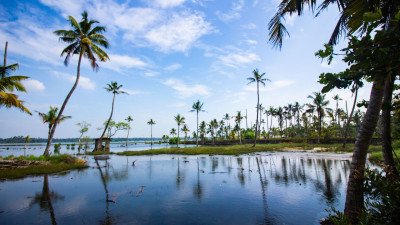
Burudih Lake/Dam
Some quick example text to build on the card title and make up the bulk of the card's content.
Go somewhere
Chatra Waterfalls
Some quick example text to build on the card title and make up the bulk of the card's content.
Go somewhere
Dharagiri Falls
Some quick example text to build on the card title and make up the bulk of the card's content.
Go somewhere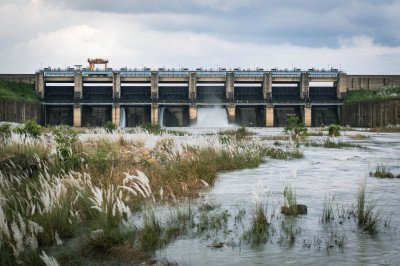
Galudih Barrage/Dam
Some quick example text to build on the card title and make up the bulk of the card's content.
Go somewhere
Gouri Kunj
Some quick example text to build on the card title and make up the bulk of the card's content.
Go somewhere
Jadugoda Mines Area
Some quick example text to build on the card title and make up the bulk of the card's content.
Go somewhere
Lakaisini Hill View Point
Some quick example text to build on the card title and make up the bulk of the card's content.
Go somewhere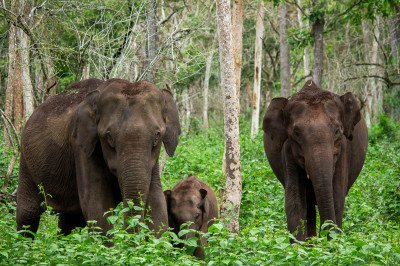
Narwa Forest
Some quick example text to build on the card title and make up the bulk of the card's content.
Go somewhere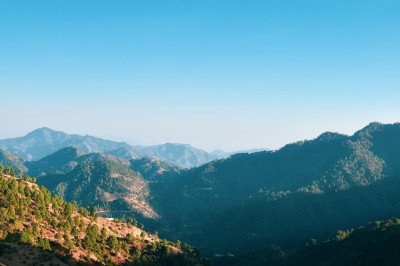
Panch Pandav Hills
Some quick example text to build on the card title and make up the bulk of the card's content.
Go somewhere
Phuldungri Hills
Some quick example text to build on the card title and make up the bulk of the card's content.
Go somewhere
Ramakrishna Math
Some quick example text to build on the card title and make up the bulk of the card's content.
Go somewhere
Rankini Temple
Some quick example text to build on the card title and make up the bulk of the card's content.
Go somewherein Other Cities