Dibru-Saikhowa National Park
General information
-
Ideal Duration:
3-5 Days (To fully explore the major entry points, boat safaris, surrounding wetlands like Maguri Motapung Beel, and local culture. A single day trip is only sufficient for a quick boat safari).Place Type:
National Park, Wildlife Sanctuary, Biosphere ReserEntry Fees:
National Park Entry Fee: The entry fees for Dibru-Saikhowa National Park vary significantly based on the visitor's nationality and whether the fee is for the Core Area or only the Buffer Zone.
Indian Nationals: There is a nominal fee for Ind...National Park Entry Fee: The entry fees for Dibru-Saikhowa National Park vary significantly based on the visitor's nationality and whether the fee is for the Core Area or only the Buffer Zone.
Indian Nationals: There is a nominal fee for Indian visitors, typically a few hundred Rupees per person for a day's visit. This fee helps fund the park's maintenance and conservation efforts.
Foreign Nationals (Non-Indian): The fee for foreign tourists is significantly higher than for Indian nationals, as is standard across most Indian protected areas, often set at several thousand Rupees per person. Vehicle and
Boat Charges: Separate charges apply for vehicles and the essential boat ride, as the main park area is only accessible by water.
Boat Charges: This is usually the most substantial cost component. The fee is generally for the whole boat (charter) rather than per person, varying based on the size of the boat and the duration of the safari (1-hour to 4-hour packages). The cost can range from a few thousand to several thousand Rupees per trip.
Local Transport/Jeep: If a jeep is hired for the journey from Tinsukia to the entry ghat (Guijan or Saikhowa), there is a separate cost.
Guide and Camera Fees: Visitors must hire a mandatory local guide or forest guard for safaris and walks, which incurs a separate daily fee. Additionally, still camera and video camera fees are levied, with charges being higher for professional equipment. It is always best to check the latest, official fee structure at the forest office at Guijan Ghat or the Tinsukia Forest Office, as fees are subject to change, especially for boat charters and guides.Timing:
Regular Operating Timings: Dibru-Saikhowa National Park generally operates during daylight hours, consistent with most wildlife parks to ensure animal safety and visitor security.
Daily Hours: The park is typically open from 8:00 AM to 5:00 ...Regular Operating Timings: Dibru-Saikhowa National Park generally operates during daylight hours, consistent with most wildlife parks to ensure animal safety and visitor security.
Daily Hours: The park is typically open from 8:00 AM to 5:00 PM. However, access to the core area by boat must be completed within these hours, and morning safaris often start a little earlier for optimal wildlife viewing. It is crucial to check the specific timings for boat entry at Guijan or Saikhowa Ghat upon arrival.
Ideal Visit Time for Wildlife: The best time for wildlife viewing, especially for spotting the Feral Horses and various bird species, is during the early morning hours (from Sunrise to about 10:00 AM) and the late afternoon (from 3:00 PM until Sunset).
Activity Patterns: Animals are generally more active, feeding, or drinking during these cooler periods. The soft, golden light also provides the best conditions for photography.
Ideal Visit Time for Bird Watching: For bird enthusiasts, the best time is often the winter season (November to March), particularly the early morning, when migratory birds are present in huge numbers in the surrounding wetlands like Maguri Motapung Beel and along the river banks.
Best Time of the Year: The overall best season to visit is the dry winter season from November to April, when the weather is pleasant and comfortable for exploring. The park remains open throughout the year, but the monsoon season (June to September) can be challenging due to heavy rainfall and high river levels.Special Events:
Migratory Bird Arrival (Winter): The arrival of migratory birds is the biggest annual natural event.
Peak Season: Starting from November and peaking through December to February, countless species of migratory birds from colder regions flock...Migratory Bird Arrival (Winter): The arrival of migratory birds is the biggest annual natural event.
Peak Season: Starting from November and peaking through December to February, countless species of migratory birds from colder regions flock to the wetlands and river systems of the park.
Spectacle of Flocks: The sheer number and variety of species create a spectacular sight, with massive flocks of various ducks, geese (like the Bar-headed Goose and Greylag Goose), pelicans, and storks filling the sky and water bodies. This period transforms the park into a vibrant, bustling hub of avian activity, drawing birders globally.
Wildlife Census and Monitoring Activities: While not a "tourist event," the forest department periodically organizes wildlife censuses and monitoring programs, often around the drier March and April months, or during specific times for particular species like the Dolphin.
Conservation Focus: These events highlight the serious conservation efforts of the park. Tourists visiting during these times may gain a greater appreciation for the scientific work involved in protecting this biodiversity hotspot, although direct participation is usually restricted.
Local Festivals of the Matock and Moran Tribes: The local indigenous communities, such as the Matock and Moran tribes, who reside in the villages adjacent to the buffer zone, celebrate their traditional festivals.
Bihu Celebration: The three Bihus (Bohag Bihu in April, Magh Bihu in January, and Kati Bihu in October) are the most important festivals in Assam. Experiencing Bohag Bihu (the spring festival) in a village near the park, with its traditional songs and dances, offers a rich cultural dimension to the visit, connecting the park's natural cycle with the human communities that surround it.Best Photo Spots:
Guijan Ghat at Sunrise: The main entry point, Guijan Ghat, offers a stunning backdrop for photography, especially in the early morning.
Misty River Scenes: As the sun rises, the mist often hangs low over the Dibru River, creating a dramatic,...Guijan Ghat at Sunrise: The main entry point, Guijan Ghat, offers a stunning backdrop for photography, especially in the early morning.
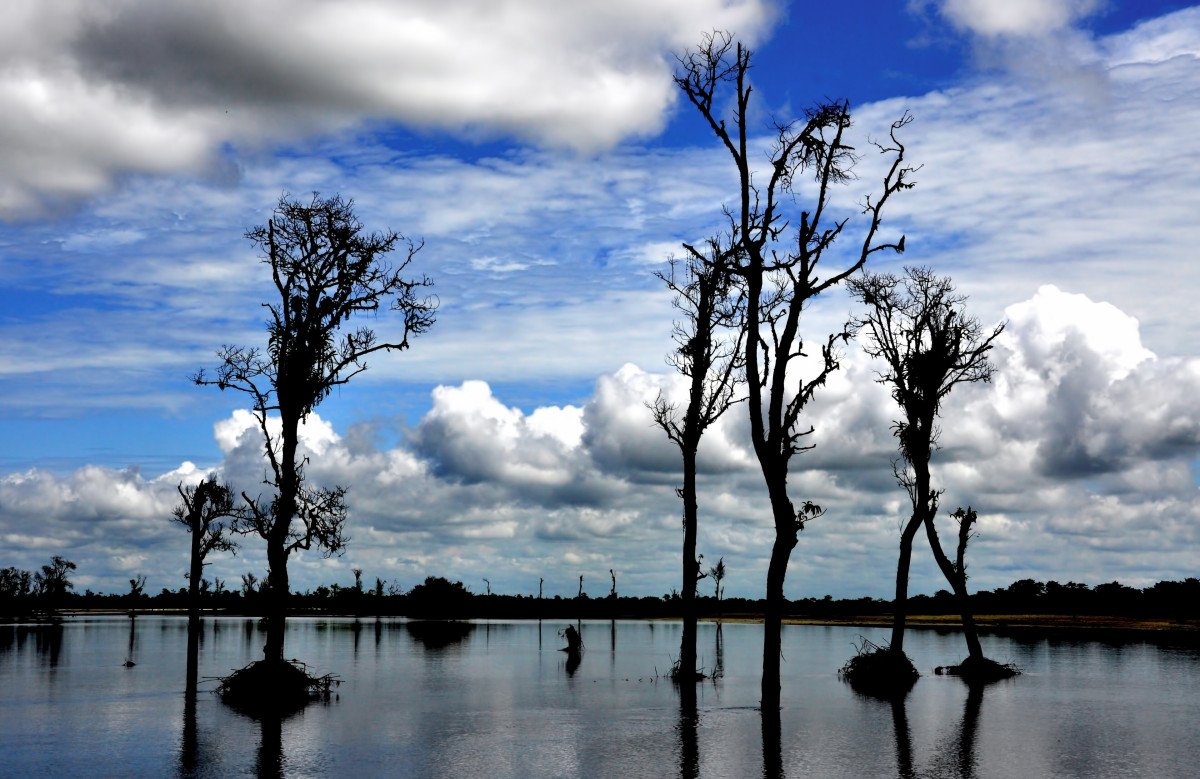
Misty River Scenes: As the sun rises, the mist often hangs low over the Dibru River, creating a dramatic, soft-focus effect ideal for landscape shots. The silhouettes of the country boats and the surrounding trees against the colorful sky make for striking, atmospheric images. This spot captures the tranquil essence of the riverine park before the day's activity begins.
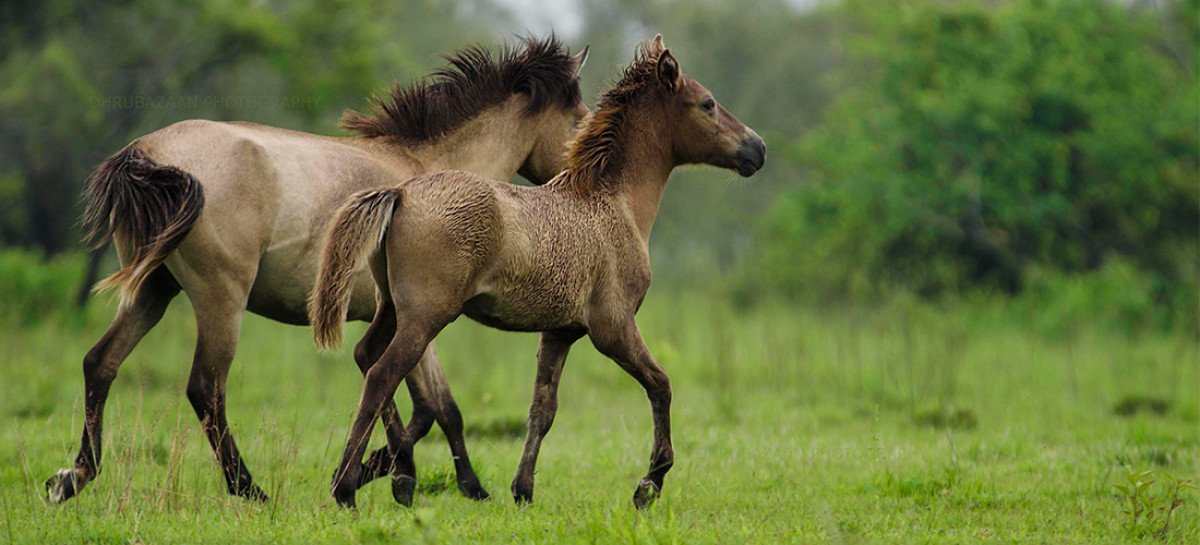
The Feral Horse Grasslands: The open grasslands within the core area are the prime location for capturing the park's most iconic residents.
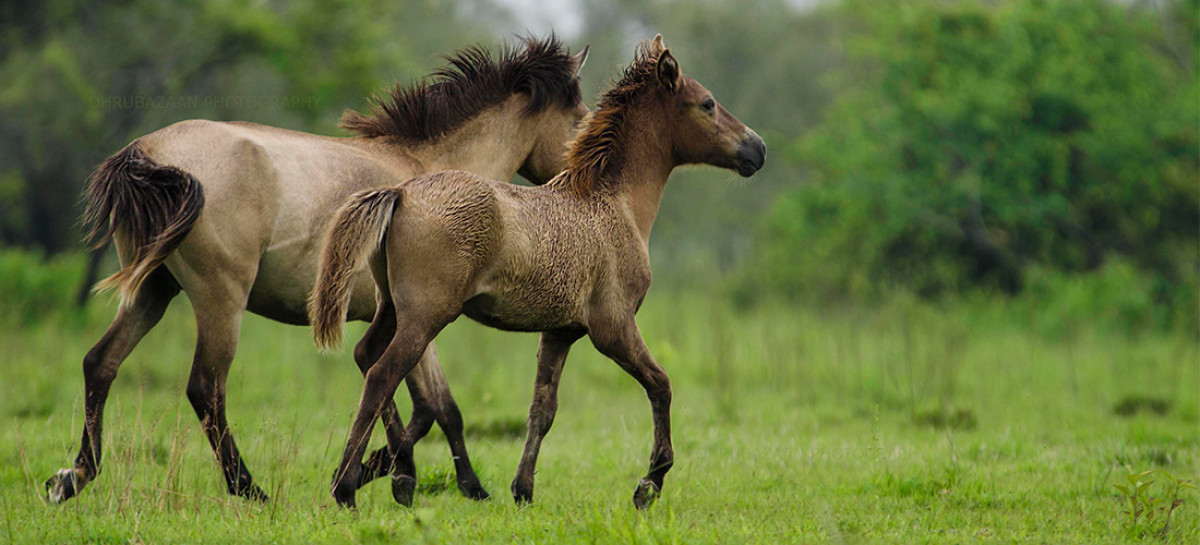
Action and Portrait Shots: The best time is during early morning or late afternoon when the light is soft, and the horses are most active. You can capture them grazing peacefully or, if lucky, in a dynamic trot. The vastness of the grassland provides a clean, natural background that emphasizes the wildness of these animals, making for powerful wildlife portraits.
Ganges River Channel for Dolphin Sighting: The wider channels of the Brahmaputra and Dibru rivers are where the Gangetic River Dolphin can be sighted.
Reflection and Ripple: While the dolphin is fast, the movement it creates in the water is highly photogenic. Focus on capturing the beautiful water reflections, the ripples caused by the dolphin's brief surface appearance, and the interplay of the water, boat, and surrounding jungle. The sheer excitement of the sighting adds a memorable element to the resulting photographs.
Kekjori Tree Island: This area, with the enormous, sprawling tree, offers unique compositional challenges and rewards.
Scale and Detail: The huge trunk and vast canopy provide an incredible sense of scale when a human subject or a boat is placed next to it. Focus on the intricate network of its branches and the dense foliage to capture its "immortal" character. The journey by boat to reach it also offers great photos of narrow, forested waterways.
Maguri Motapung Beel Bird Congregation: The nearby wetland is perfect for specialized bird photography.
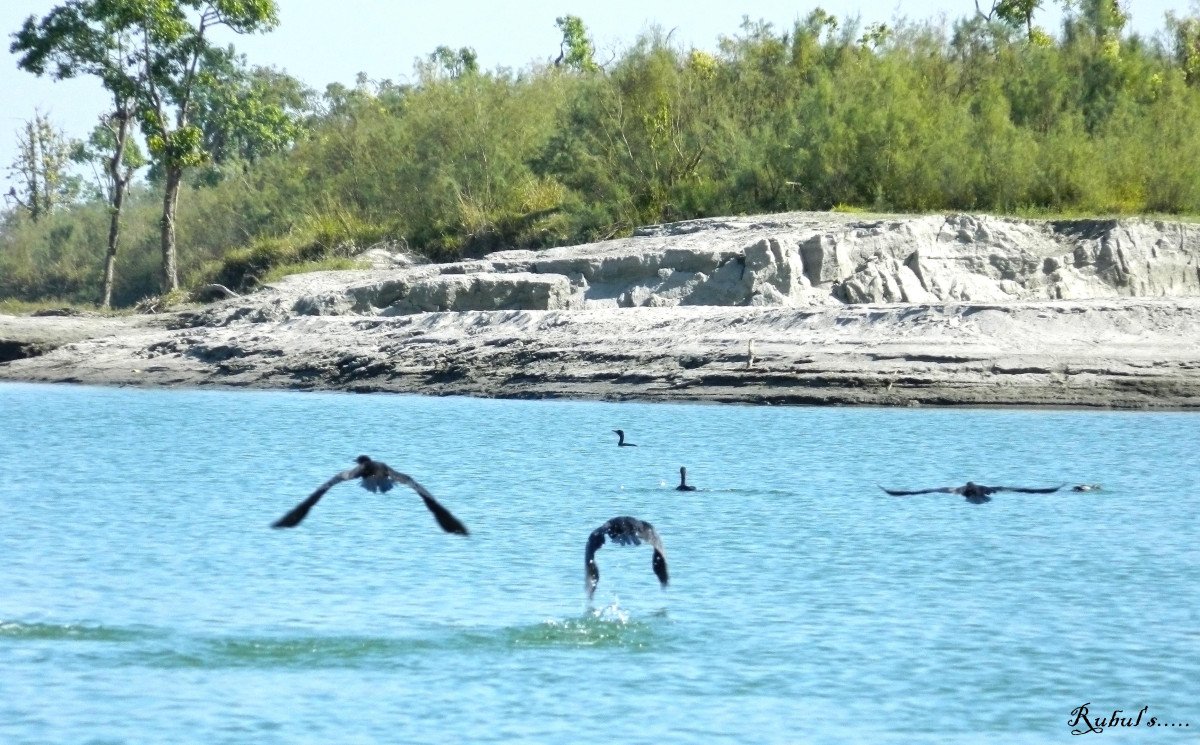
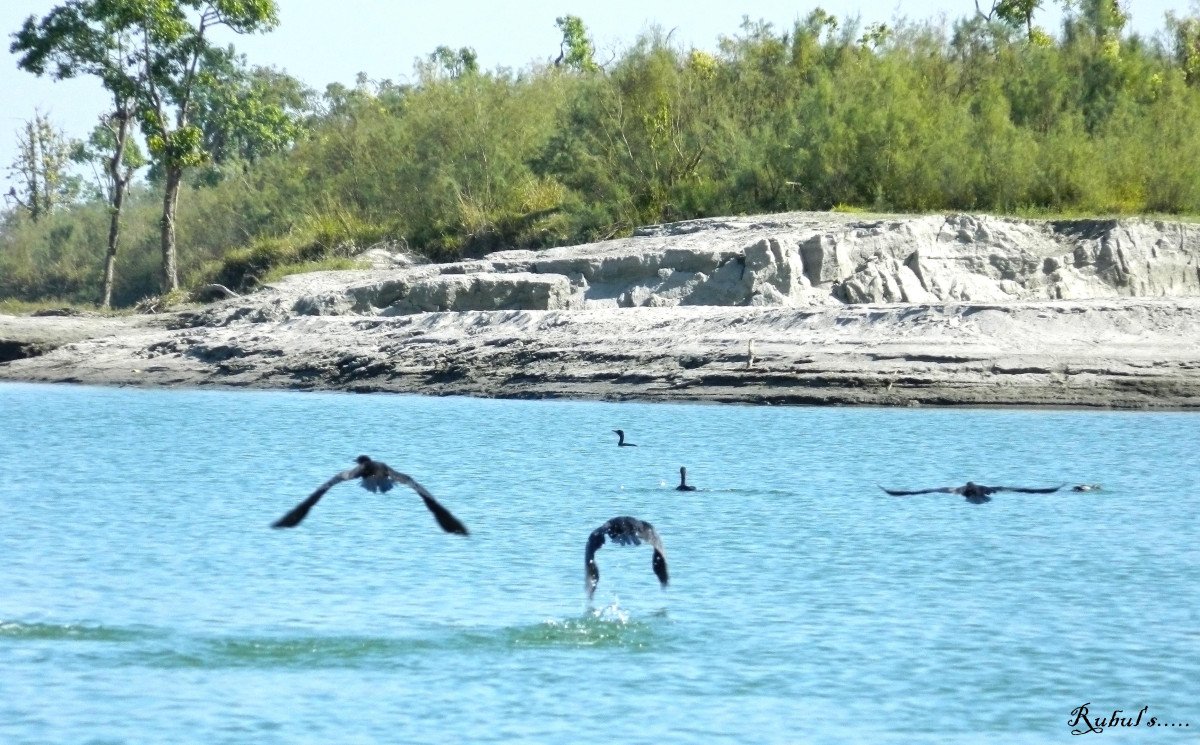
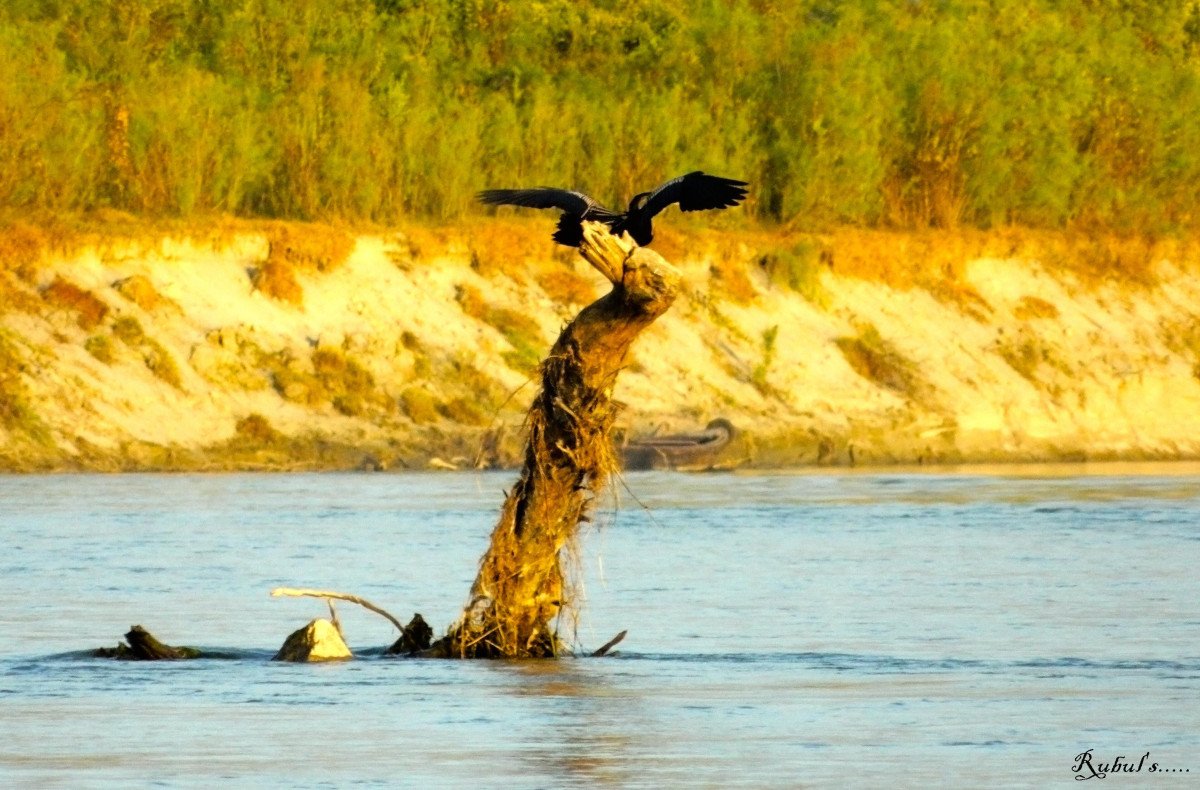
Telephoto Opportunities: The concentration of migratory birds in the winter provides exceptional opportunities for telephoto shots of waterfowl in flight or resting. The glassy water surface often allows for perfect reflections of the feeding birds and the surrounding hills, making for picturesque natural compositions.Photo Gallery
Things To Do
-
Boat Safari for Wildlife and Landscape: Boat safaris are the primary and most essential activity, as the park is predominantly an island accessible only by river. The safaris usually start from entry points like Guijan Ghat or Saikhowa Ghat.
Duration and Experience: Safaris can range from a short 1-hour trip to an extensive 4-6 hour exploration. The longer trips venture deep into the river channels (nullahs) and around the main park boundaries. The experience is incredibly serene, gliding over the water with the lush forest edge as a backdrop.
Key Wildlife Sightings: The main draw is the chance to see the endangered Gangetic River Dolphin in the Brahmaputra and Lohit rivers. Additionally, safaris provide excellent views of the Feral Horses grazing on the river islands and sandbanks.
<...Boat Safari for Wildlife and Landscape: Boat safaris are the primary and most essential activity, as the park is predominantly an island accessible only by river. The safaris usually start from entry points like Guijan Ghat or Saikhowa Ghat.
Duration and Experience: Safaris can range from a short 1-hour trip to an extensive 4-6 hour exploration. The longer trips venture deep into the river channels (nullahs) and around the main park boundaries. The experience is incredibly serene, gliding over the water with the lush forest edge as a backdrop.
Key Wildlife Sightings: The main draw is the chance to see the endangered Gangetic River Dolphin in the Brahmaputra and Lohit rivers. Additionally, safaris provide excellent views of the Feral Horses grazing on the river islands and sandbanks.
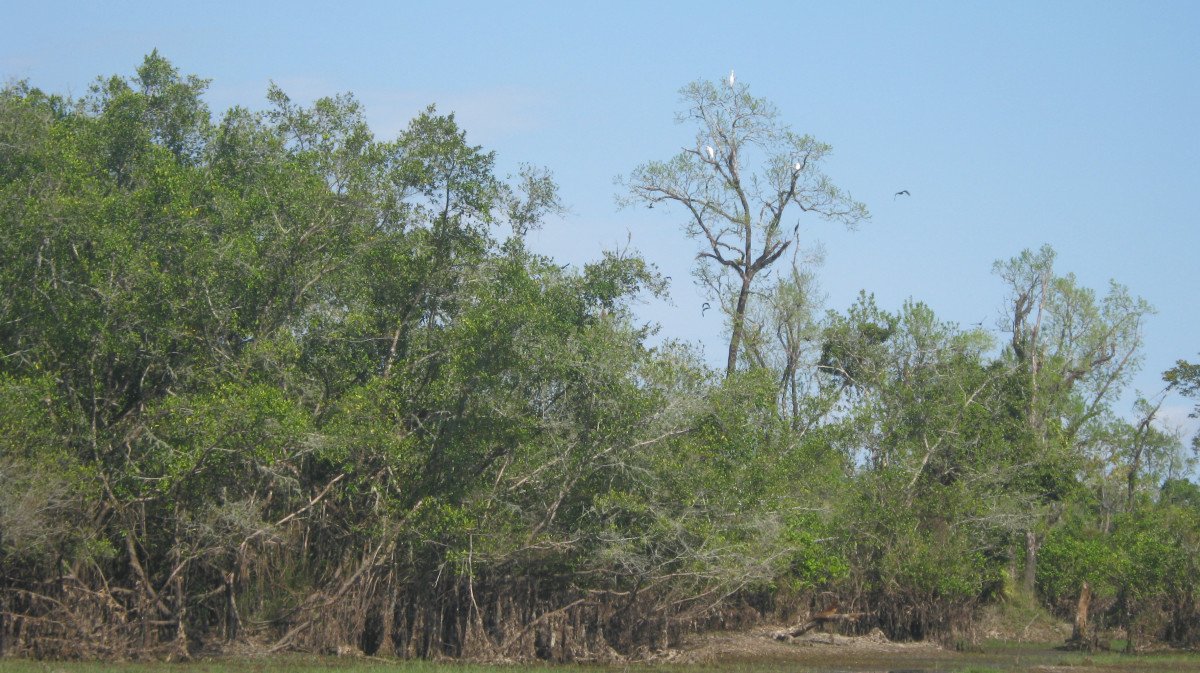
Bird Watching Excellence: Dibru-Saikhowa is an internationally acclaimed Important Bird Area (IBA), hosting over 400 species of birds, including migratory and resident avian life.
Diverse Habitats: The birding experience is diverse, covering open water, riparian grasslands, and dense swamp forests. This variety means birdwatchers can target different species in a single day.
Target Species: Key birds to look for include the White-winged Wood Duck, Marsh Babbler, Jerdon's Babbler, Spot-billed Pelican, and various storks and raptors. Hiring a local, experienced birding guide is highly recommended to maximize sightings.
Nature Walks and Trekking (with Guide): Unlike many other National Parks, guided nature walks are permitted in certain areas, particularly on the islands during the dry season.
Permitted Areas: Walking is generally restricted to the peripheral parts and designated trails within the forest villages, always accompanied by an authorized forest guard or guide.
Close-up Experience: These walks allow for a much more intimate experience with the forest floor, focusing on smaller flora, insects, butterflies, and smaller mammals. It's the best way to appreciate the diverse tropical and swamp vegetation up close.
Wildlife Spotting from Watchtowers: The park has a few strategically located watchtowers that provide panoramic views of the surrounding forest and grasslands.
Observation Points: These towers are excellent vantage points for spotting distant herds of Feral Horses and other herbivores like Hog Deer and Sambar Deer in the open areas. They also serve as a quiet location for prolonged bird-watching without disturbing the animals.
Photography of Flora and Fauna: Given the park's immense biodiversity and scenic beauty, photography is a major activity.
Landscape Shots: The confluence of the great rivers, the vastness of the grasslands, and the dense, misty swamp forests offer stunning landscape photography opportunities, especially during sunrise and sunset.
Wildlife Photography: The relatively high visibility of primates like the Hoolock Gibbon and the unique subject of the Feral Horses provides exceptional chances for wildlife photographers.
Ecotourism and Local Culture Interaction: The park’s buffer zones contain small local communities and eco-camps, offering cultural immersion.
Eco-Camp Stay: Staying at one of the local eco-camps, such as the ones near Guijan Ghat, provides insight into the sustainable lifestyle of the communities.
Matock Tribe: Interacting with the local Matock tribe can offer unique cultural perspectives, particularly regarding their folklore and reverence for natural features like the Kekjori Tree.
Visit Maguri Motapung Beel: This large wetland area is located just outside the National Park boundary but is a vital part of the greater ecosystem and is a separate popular destination.
Wetland Birding: The Beel (lake) is famous for its concentration of waterfowl, migratory birds, and as a habitat for the Gangetic Dolphin. It’s an easy-to-access area for dedicated wetland birding and offers a calmer, boat-based experience.
Information
-
Why Famous:
Home of the Feral Horses: The park is globally famous for its population of Feral Horses. These horses are descendants of army horses that were set free after World War II. They have adapted to the wild riverine environment and are often seen grazing in the park's grasslan...Home of the Feral Horses: The park is globally famous for its population of Feral Horses. These horses are descendants of army horses that were set free after World War II. They have adapted to the wild riverine environment and are often seen grazing in the park's grasslands, a truly unique sight in an Indian national park. Their presence is a major draw for wildlife enthusiasts and photographers.
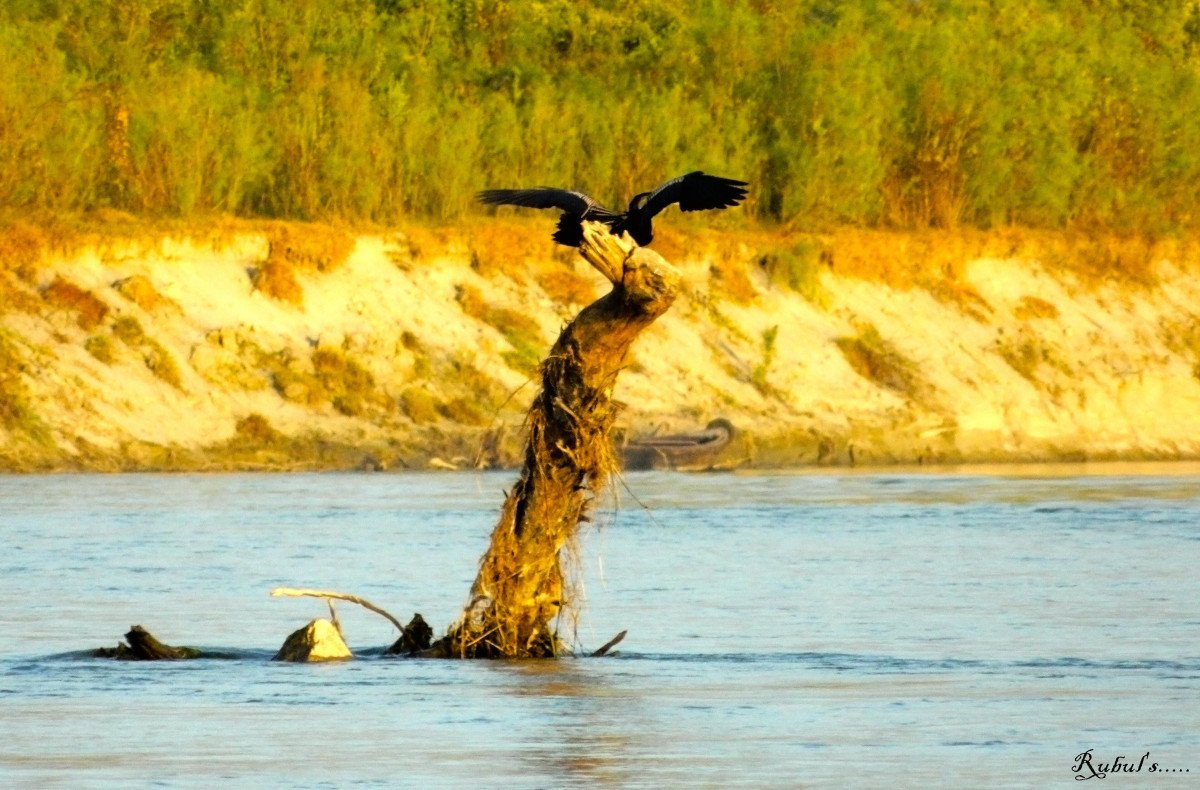
Sanctuary of the White-winged Wood Duck: The park was originally established with the primary objective of protecting the habitat of the critically endangered White-winged Wood Duck (Cairina scutulata). This large, dark-colored duck is a rare sight and a flagship species for the park's conservation efforts. The success in protecting its swampy forest habitat contributes significantly to the park's fame in the global bird-watching community.
Rich Primate Diversity and Hoolock Gibbons: Dibru-Saikhowa boasts one of the highest densities of primates in India. It is one of the few places where you can easily spot the endangered Hoolock Gibbon, India's only ape species, swinging through the canopy. Other significant primates include the Capped Langur, Assamese Macaque, and Rhesus Macaque. This rich primate population underscores the park's importance as a biodiversity hotspot in the Indo-Burma region.
Observation of the Gangetic River Dolphin: The river channels and the confluence of the mighty rivers surrounding the park are a habitat for the endangered Gangetic River Dolphin (Platanista gangetica minor). Boat safaris offer visitors a chance to witness these rare freshwater dolphins, a sighting that adds a unique and prestigious element to the park's reputation. -
Architecture:
Natural Architectural Form:
Riverine Island Structure: The fundamental "architecture" of Dibru-Saikhowa is purely natural, sculpted by the mighty Brahmaputra and Dibru river systems. It is essentially a large river island and a flood-plain r...Natural Architectural Form:
Riverine Island Structure: The fundamental "architecture" of Dibru-Saikhowa is purely natural, sculpted by the mighty Brahmaputra and Dibru river systems. It is essentially a large river island and a flood-plain reserve, making it one of the largest river island national parks globally. The core area has a dimension of approximately 340 square kilometers (or 130 square miles). The surrounding buffer zone brings the total Biosphere Reserve area to about 765 square kilometers. The structure is defined by the constant fluvial processes of deposition and erosion, creating a dynamic landscape of sandbars, wetlands, and stable forest patches. The elevation is low-lying, ranging from 110 meters to 126 meters above sea level.
Vegetation Structures:
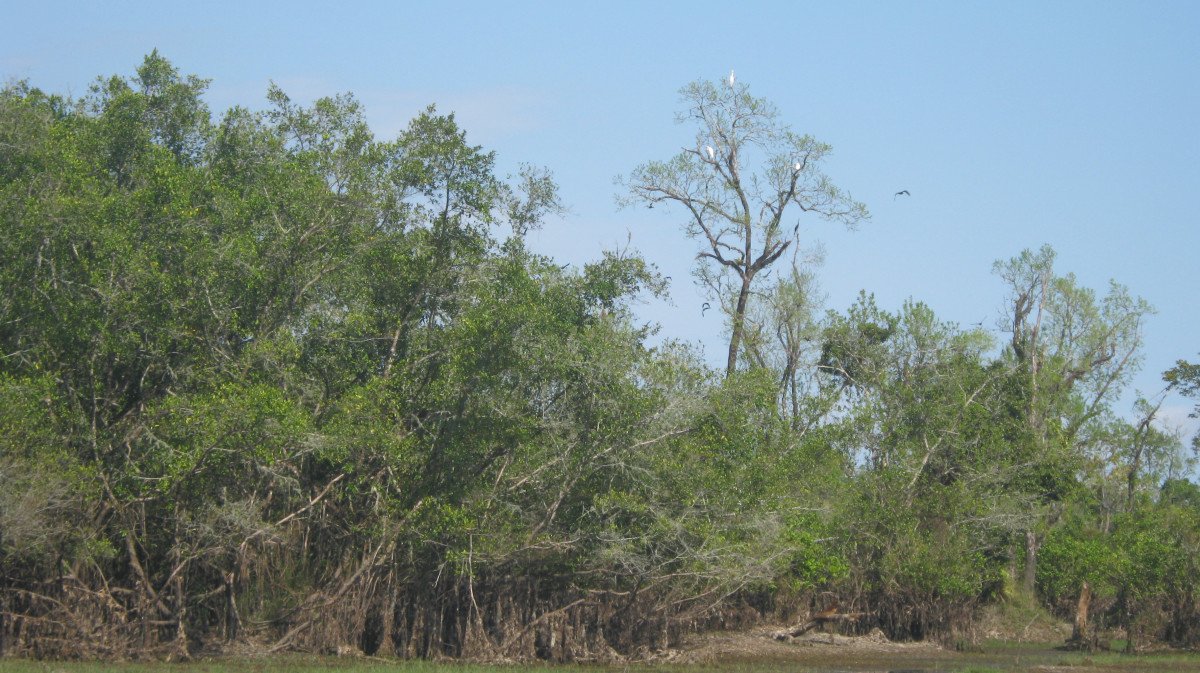
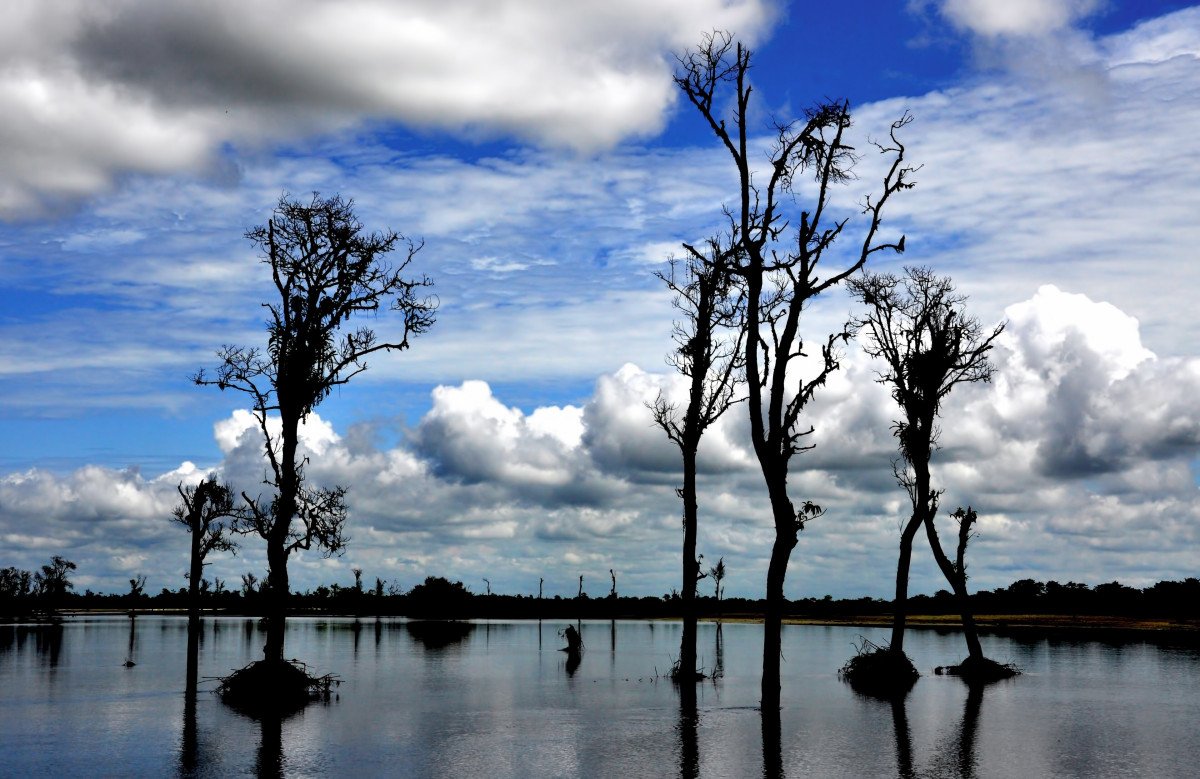
Forest and Grassland Diversity: The internal "architecture" is a complex mosaic of vegetation types. There are extensive patches of moist mixed semi-evergreen forests, interspersed with moist mixed deciduous forests. A notable structural component is the Salix swamp forest, the largest of its kind in North-East India, which creates a dense, impenetrable thicket in flooded areas. Approximately 35. 84% of the park is covered by moist mixed forest, and 21. 25% by grassland. The grasslands are structurally dominated by tall grasses like Imperata cylindrica and Saccharum ravennae. These natural structural forms determine the habitat and distribution of wildlife. -
How To Reach:
By Air: The nearest airport is Mohanbari Airport (DIB) in Dibrugarh.
Distance and Connection: The airport is approximately 70 KM from the park entry point at Guijan Ghat. It is well-connected to major Indian cities like Kolkata and Delhi wi...By Air: The nearest airport is Mohanbari Airport (DIB) in Dibrugarh.
Distance and Connection: The airport is approximately 70 KM from the park entry point at Guijan Ghat. It is well-connected to major Indian cities like Kolkata and Delhi with regular flight services.
From Airport: From the airport, visitors can easily hire prepaid taxis or private cabs directly to Tinsukia town (about 40 KM) or directly to the park's entry points. The journey takes around 2 hours.
By Train: The nearest major railway station is Tinsukia Junction Railway Station (TSK).
Connectivity: Tinsukia is a major rail hub in Upper Assam and is well-connected by express and mail trains to key cities across India, including Delhi, Kolkata, Chennai, and Bengaluru.
Distance from Entry Point: The station is conveniently close, with Guijan Ghat being only about 10 KM away, and the Dhola entry point about 50 KM away.
Alternative Railhead: Another well-connected station is Dibrugarh Railway Station (DBRG).
By Road: Tinsukia is the nearest major town and is well-connected by road networks to the rest of Assam and neighboring states.
Bus Services: Regular government-run (ASTC) and private bus services operate from major Assamese cities like Guwahati, Jorhat, and Dibrugarh to Tinsukia. The roads are generally in good condition, allowing for a comfortable journey.
Self-Drive/Hired Cabs: One can hire a private taxi or drive their own vehicle to Tinsukia. From Tinsukia, the roads leading to Guijan Ghat are motorable.
By Local Transport:
From Tinsukia Town: Auto Rickshaws and Taxis are readily available at Tinsukia Railway Station and the town center to take visitors to the park's entry points, primarily Guijan Ghat. It is advisable to negotiate the fare before starting the journey. The 10-12 KM trip to Guijan should take around 30-40 minutes.
To the Core Area (Mandatory Boat): From the Ghat (river bank), the only way to enter the core National Park area (a river island) is by Motorized Boat or traditional country boat. These boats are hired at the Ghat, along with a mandatory guide or forest guard. The water journey is an integral part of the experience. -
Weather and Best Time to Visit:
Best Season:
Winter (November to March):
Weather Conditions: This is the most popular and generally considered the best time to visit. The weather is cool and pleasant, with temperatures ranging from a comfor...Best Season:
Winter (November to March):
Weather Conditions: This is the most popular and generally considered the best time to visit. The weather is cool and pleasant, with temperatures ranging from a comfortable 10°C to 25°C. The skies are generally clear, providing excellent visibility for birding and photography.
Wildlife and Birding: The winter months coincide with the peak of migratory bird arrivals, turning the wetlands into a spectacular bird-watching haven. Low water levels in the river channels also make it easier to traverse and spot wildlife like the Feral Horses on the exposed grasslands and sandbars.
Shoulder Season:
Summer (April to May):
Weather and Visibility: The weather becomes warmer and more humid, with temperatures potentially rising above 30°C. However, visibility for wildlife is still quite good, as the vegetation has not yet grown too dense.
Tourist Flow: This period sees a slightly reduced number of tourists, offering a quieter experience for those who can tolerate the heat.
Monsoon/Wet Season (June to October):
Access and Conditions: This period brings heavy rainfall and high river levels. While the park remains technically open, boat travel can be challenging, and some parts of the park may be inaccessible or inundated due to flooding.
Biodiversity: For those interested in the park's unique tropical flora and the lush green landscape, the monsoon offers a stunning display of rejuvenated biodiversity. Animals often move to higher ground, which can sometimes make them easier to spot near the periphery.
Best Part of the Day:
Early Morning (Sunrise):
Optimal Wildlife Activity: The period just after sunrise is the most ideal time for wildlife sighting, as animals like the Hoolock Gibbon are vocal, and other mammals are actively feeding. The gentle morning light is also perfect for photography.
Best Part of the Day:
Late Afternoon (Sunset):
Serene Experience: The hours leading up to sunset offer another excellent window for wildlife viewing. The golden light provides a beautiful backdrop for landscape and wildlife shots. It is a more peaceful time, and the boat ride back offers the stunning sight of the sun setting over the mighty Brahmaputra. -
Near Tourist Places:
1.
Maguri Motapung Beel: 3 KM from Guijan Ghat (A renowned wetland for birding and dolphin sighting). 2.
Tinsukia Railway Heritage Park: 10-12 KM (In Tinsukia town, showcases railway history). 3.
Shiv Dham (Tinsukia): 15 KM (A modern, large Shiva Temple). 4.
Digboi Oil Refinery and Digboi Oil Museum: 45 KM (Historic oil town, first refinery in Asia). 5.
Na-Pukhuri (Nine Ponds): 11 KM (Historical ancient pond complex in Tinsukia). 6.
Doom Dooma: 50 KM (Historic town near the park). 7.
Lekhapani/Ledo: 70 KM (Starting point of the historic Stilwell Road). 8.
Margherita: 65 KM (Historical coal and tea town, known as the 'Coal Queen of Assam'). 9.
Dehing Patkai National Park: 75 KM (Known as the 'Amazon of the East'). 10.
Namdapha National Park (Arunachal Pradesh): 130 KM (A major biodiversity hotspot, best for a multi-day trip).
Tourism Tips
-
Health & Safety:
Mosquito Protection: Since the park is a tropical riverine ecosystem, mosquitos and other insects are present, especially during the wetter months. Carry high-quality insect repellent and wear long-sleeved, light-colored clo...Health & Safety:
Mosquito Protection: Since the park is a tropical riverine ecosystem, mosquitos and other insects are present, especially during the wetter months. Carry high-quality insect repellent and wear long-sleeved, light-colored clothing.
Hydration and Sun: Carry adequate drinking water, especially during the day, and wear a hat and sunscreen, even in winter, as the sun can be intense on the river.
Wildlife Distancing: Always maintain a safe and respectful distance from all animals. Never attempt to feed or approach the wildlife, including the Feral Horses. Follow your guide's instructions at all times.
Packing:
Clothing: Pack light, breathable, and quick-drying clothing in muted, earthy colors (green, brown, khaki) to blend into the environment and minimize disturbance to wildlife.
Footwear: Carry comfortable walking shoes or sandals that are suitable for boat travel and potentially wet landings at the river bank.
Gear: A good pair of binoculars is essential for bird-watching and spotting distant animals. A good quality camera with a zoom lens is highly recommended for capturing wildlife.
Accommodation:
Eco-Camps: The most recommended lodging option is to stay at one of the excellent eco-camps or resorts located near the entry points, such as Kohuwa Eco-Camp near Maguri Beel or Banashree Eco-Camp near Guijan Ghat. These offer an authentic, sustainable, and close-to-nature experience.
Hotels in Tinsukia: For a wider range of amenities and budget options, staying in Tinsukia town is a practical choice. You can easily commute to the park entry point from the town.
Other Different Topics:
Permits and Guides:
Mandatory Guide: It is mandatory to hire a forest guide or forest guard to enter the park, even for a boat safari. This is for your safety and the park's protection.
Entry Permit: Ensure you obtain the necessary entry permit from the Forest Department office in Tinsukia or at the relevant Ghat entry point before your visit.
Respect Local Culture: The surrounding areas are home to indigenous communities like the Matock tribe. Be respectful of their customs, traditions, and privacy, especially when visiting local villages or engaging in cultural interactions.
Minimize Environmental Impact: Dibru-Saikhowa is a fragile Biosphere Reserve. Carry all plastic and waste back with you. Do not litter, make loud noises, or take any natural souvenirs from the park.
Reviews
FAQs
Tinsukia Itineray And Cost:-
Dibru-Saikhowa National Park Tourism:-
Information about New and Updated Locations() of Assam Has Been Added :-
Card subtitle
Note:-
Information provided here in good Faith and for reference only.
Near Places

Bherjan-Borajan-Padumoni Wildlife Sanctuary
Some quick example text to build on the card title and make up the bulk of the card's content.
Go somewhere
Chauldhuwa Pukhuri
Some quick example text to build on the card title and make up the bulk of the card's content.
Go somewhere
Dehing Patkai National Park
Some quick example text to build on the card title and make up the bulk of the card's content.
Go somewhere
Dibru-Saikhowa National Park
Some quick example text to build on the card title and make up the bulk of the card's content.
Go somewhere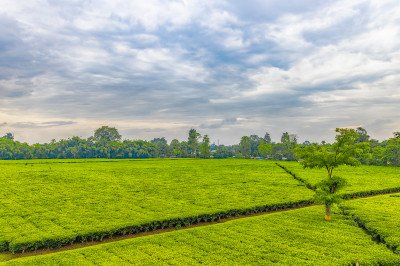
Doomdooma
Some quick example text to build on the card title and make up the bulk of the card's content.
Go somewhere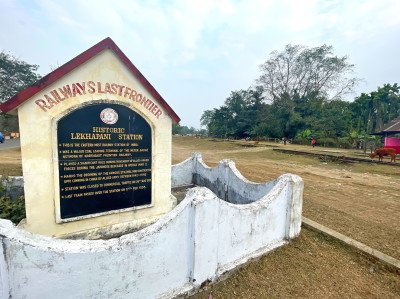
Historic Lekhapani Station Tomb
Some quick example text to build on the card title and make up the bulk of the card's content.
Go somewhere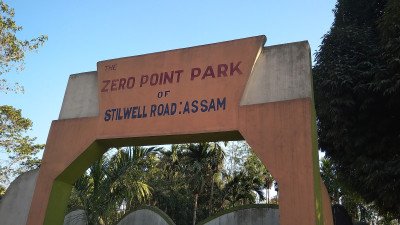
Ledo
Some quick example text to build on the card title and make up the bulk of the card's content.
Go somewhere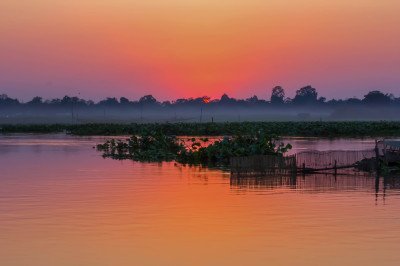
Maguri Motapung Beel
Some quick example text to build on the card title and make up the bulk of the card's content.
Go somewhere
Margherita Sunset Point
Some quick example text to build on the card title and make up the bulk of the card's content.
Go somewhere
Margherita
Some quick example text to build on the card title and make up the bulk of the card's content.
Go somewhere
Na-Pukhuri
Some quick example text to build on the card title and make up the bulk of the card's content.
Go somewhere
Paklongkam Waterfalls
Some quick example text to build on the card title and make up the bulk of the card's content.
Go somewhere
Rukmini Island
Some quick example text to build on the card title and make up the bulk of the card's content.
Go somewhere
Sadiya
Some quick example text to build on the card title and make up the bulk of the card's content.
Go somewhere
Shiv Dham
Some quick example text to build on the card title and make up the bulk of the card's content.
Go somewhere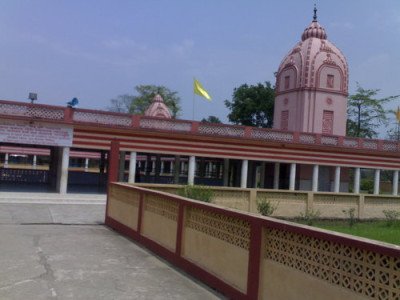
Shiv Dham Tinsukia
Some quick example text to build on the card title and make up the bulk of the card's content.
Go somewherein Other Cities