

Bherjan-Borajan-Padumoni Wildlife Sanctuary
General information
-
Ideal Duration:
2 to 3 hoursPlace Type:
Wildlife Sanctuary / Primate Conservation AreaEntry Fees:
Entry Fee Structure (General):: The sanctuary typically charges a nominal entry fee to Indian and foreign nationals. This fee is essential for funding conservation efforts, maintenance of the trails, and supporting the local staff and guides. The exact fee structure can ch...Entry Fee Structure (General):: The sanctuary typically charges a nominal entry fee to Indian and foreign nationals. This fee is essential for funding conservation efforts, maintenance of the trails, and supporting the local staff and guides. The exact fee structure can change, but generally, it is quite low for Indian visitors and slightly higher for foreign visitors.
Indian Nationals: The fee is usually around Rs.20 to Rs.50 per person.
Foreign Nationals: The fee can range from Rs.100 to Rs.500 per person. It is vital to check the latest rates at the Forest Department Office or the gate before entry.
Vehicle Entry and Camera Fees:: There may be additional fees for vehicles, especially if you drive into the periphery of the blocks, or for carrying specialized photographic equipment.
Vehicle Entry Fee (Car/Jeep): Usually around Rs.100 to Rs.250.
Still Camera Fee: Often a minimal charge, around Rs.50.
Video Camera/Professional Equipment Fee: Can be higher, sometimes around Rs.300 to Rs.500, depending on the intended use. These fees help manage the traffic flow and the impact of photography on the wildlife.
Guide Charges and Other Services:: Hiring a local, authorized guide is highly recommended, and their fee is separate from the entry fee. A guide's charge for a 2-3 hour walk usually ranges from Rs.500 to Rs.1000, which is money well spent for a successful wildlife sighting. The fees collected contribute to the local community's involvement in eco-tourism. Always carry cash for these payments as card facilities are almost nonexistent at the entry points.
No Specific Age Criterion for Entry:: The sanctuary welcomes visitors of all ages, and there is usually no separate or reduced fee based on age, although this should be confirmed.Timing:
Regular Timings and Daily Schedule:: The Bherjan-Borajan-Padumoni Wildlife Sanctuary is generally open for visitors throughout the week. The most common opening time is early in the morning, which is the best time for wildlife viewing.
Opening ...Regular Timings and Daily Schedule:: The Bherjan-Borajan-Padumoni Wildlife Sanctuary is generally open for visitors throughout the week. The most common opening time is early in the morning, which is the best time for wildlife viewing.
Opening Time: 6:
00 AM Closing Time: 5:00 PM to 7:00 PM (varies slightly by season and block). These long hours allow visitors to experience both the early morning activity and the late afternoon serenity. It's best to confirm the exact closing time on arrival.
Ideal Visit Time for Primate Spotting:: The single most ideal time to visit is during the first two hours after sunrise, typically from 6:00 AM to 8:00 AM. Hoolock Gibbons are most active and vocal in the early morning, using their loud calls to mark territory, which helps guides locate them. This is the "golden hour" for observation. The air is cool, and the forest is quiet, increasing the chances of spotting other wildlife like the Slow Loris returning to rest or the deer feeding.
Afternoon and Post-Noon Timings:: The late afternoon, from 3:00 PM to 5:00 PM, is the second-best time. Many animals, including primates, become active again after the mid-day heat. Mid-day (10:00 AM to 3:00 PM) can be very quiet, especially during the hotter months, as animals seek shelter from the sun.
Weekly Holiday/Maintenance:: The sanctuary does not typically have a weekly closing day, but it is always wise to check if any specific block is temporarily closed for maintenance or census activities, particularly during the monsoon season.Special Events:
Wildlife Week Celebrations (October):: One of the most important annual events related to the sanctuary is the Wildlife Week celebration, which typically takes place in the first week of October. While the celebrations are district-wide, the sanctuary plays a central role. ...Wildlife Week Celebrations (October):: One of the most important annual events related to the sanctuary is the Wildlife Week celebration, which typically takes place in the first week of October. While the celebrations are district-wide, the sanctuary plays a central role. During this period, the forest department organizes special awareness programs, nature camps, and educational sessions for students and the public. These events aim to promote wildlife conservation, with a special focus on the Hoolock Gibbon. Visitors who are present during this October week may get a chance to participate in these educational activities, which can include guided nature walks with experienced conservationists, film screenings, and art competitions.
Local Festival of Bihu (April/January):: The main festival of Assam, Bihu, is celebrated with great fervor in the villages and towns surrounding the sanctuary in Tinsukia. The Bohag Bihu (Spring Festival, usually in April) or Magh Bihu (Harvest Festival, usually in January) offer a unique cultural experience that contrasts with the pure nature focus of the sanctuary. While not a sanctuary event, visiting during Bihu provides a complete immersion into the local culture of the region. The forest department sometimes organizes small cultural programs at the eco-camps to coincide with the festivities.
Primate Census and Monitoring Drives:: Although not strictly "events" for the general public, the periodic Primate Census and monitoring drives conducted by researchers and forest officials are crucial activities. Occasionally, if you visit during a research period, you might encounter or even briefly interact with the research teams, which can offer a fascinating glimpse into the scientific work being done to save the Hoolock Gibbons. This is usually an unadvertised and unscheduled occurrence.Best Photo Spots:
The Canopy Viewing Watchtower:: The best photo spot is generally the main Watchtower (usually found near the Padumoni or Borajan block). Climbing to the top provides a panoramic view over the dense forest canopy. This vantage point is perfect for landscape shots capturing ...The Canopy Viewing Watchtower:: The best photo spot is generally the main Watchtower (usually found near the Padumoni or Borajan block). Climbing to the top provides a panoramic view over the dense forest canopy. This vantage point is perfect for landscape shots capturing the vast expanse of green forest set against the distant backdrop of tea gardens and the low hills. It is also an excellent place for telephoto shots of the Hoolock Gibbons and canopy-dwelling birds as they move between trees, especially during the morning when the light is soft.
Sunrise or Sunset over the Forest Edge:: The forest edges, where the sanctuary meets the surrounding open land or tea gardens, offer stunning opportunities for sunrise or sunset photography. The golden or crimson light filtering through the tall trees and casting long shadows creates a magical, dramatic effect. The contrasting textures of the wild forest canopy and the neatly manicured tea bushes make for an interesting photographic composition, symbolizing the close relationship and conflict between nature and human activity.
The Primate Viewing Zone (Specific Trees):: There are certain specific tall trees within the forest trails, known to be the favorite resting or feeding spots for the resident gibbons and langurs. Your guide will know these locations. These areas offer the best chance for close-up (with a telephoto lens) portraits of the primates in their natural habitat. Patience is key, as is a quick shutter speed to capture their movement. Focus on capturing their distinctive features, such as the white brow of the Hoolock Gibbon or the expressive face of the Capped Langur.Photo Gallery
Things To Do
-
Primate Spotting and Observation:: The primary activity is tracking and observing the rich population of primates. Start your visit early, around 6:00 AM, as this is when the Hoolock Gibbons are most active and vocal. Their loud, haunting calls travel a long distance and guide trackers to their location. You'll need patience and a good guide to spot them high up in the canopy as they brachiate (swing) from tree to tree. Look for the distinct black coat of the male and the yellowish-white coat of the female. Keep an eye out for other primates like the Capped Langur and the different species of Macaque that forage at lower levels. The three different blocks (Bherjan, Borajan, Padumoni) each have their own resident groups, offering varied viewing experiences. Focus on quiet observation to avoid disturbing the animals.
Bird Watchi...Primate Spotting and Observation:: The primary activity is tracking and observing the rich population of primates. Start your visit early, around 6:00 AM, as this is when the Hoolock Gibbons are most active and vocal. Their loud, haunting calls travel a long distance and guide trackers to their location. You'll need patience and a good guide to spot them high up in the canopy as they brachiate (swing) from tree to tree. Look for the distinct black coat of the male and the yellowish-white coat of the female. Keep an eye out for other primates like the Capped Langur and the different species of Macaque that forage at lower levels. The three different blocks (Bherjan, Borajan, Padumoni) each have their own resident groups, offering varied viewing experiences. Focus on quiet observation to avoid disturbing the animals.
Bird Watching Expedition:: The sanctuary is a noted Important Bird Area (IBA), making it a paradise for birdwatching. Over 84 species of birds have been recorded here. Bring binoculars and a good field guide. Focus on spotting species like the Osprey, various Kingfishers near any water bodies, the impressive Indian Pied Hornbill, and colorful forest birds such as the Lineated Barbet, Woodpecker, Drongo, Common Mynah, Bulbul, and Wagtail. The small area of the sanctuary means you can cover key spots quickly, increasing your chances of a successful day of birding. The dense canopy offers excellent opportunities for photography.
Guided Nature Walks and Forest Trails:: Explore the sanctuary through a guided nature walk. Hire a local forest guide who can point out subtle signs of wildlife and explain the local flora. Since the sanctuary is relatively small (7. 22 sq km), the trails are manageable and usually not too strenuous. These walks are crucial for learning about the ecosystem, including the diverse plant life and the various species of butterflies and reptiles present. A typical walk might last 2 to 3 hours, focusing on the main routes where primate sightings are common.
Photography and Wildlife Documentation:: The sanctuary offers excellent opportunities for wildlife photography, particularly of primates and birds. Because the forest blocks are surrounded by open areas (like tea gardens), the light filtering through the canopy can create dramatic photo opportunities. Early mornings and late afternoons are the best times for soft, natural light. Patience is key for getting clear shots of the fast-moving gibbons. Remember to use a telephoto lens to maintain a respectful distance from the animals.
Learning and Conservation Awareness:: Engage with the forest guards or local eco-camp staff to learn about the conservation challenges and successes in the sanctuary. Understanding the impact of the surrounding tea gardens and human activities on the small forest patches provides a deeper appreciation for the conservation work being done. This educational aspect is a fulfilling part of the visit, turning a simple tour into a meaningful ecological experience.
Jeep Safari (Limited Access):: While the forest paths are more suited for walking, some areas near the perimeter or connecting paths between the blocks may allow for a limited jeep safari, especially if you are covering multiple blocks in a short time. This is less about high-speed chases and more about covering ground to different entry points for walking. Always confirm jeep availability and authorized routes with the forest department beforehand.
Ecotourism Experience at Banashree Eco-Camp:: For a truly immersive experience, stay at or visit a nearby eco-camp, such as the Banashree Eco-Camp. These camps often offer their own guided tours, local cuisine, and comfortable stays that enhance the overall visit, providing a base for multiple early morning excursions.
Information
-
Why Famous:
Habitat for the Endangered Hoolock Gibbon:: The Bherjan-Borajan-Padumoni Wildlife Sanctuary is most famous as one of the last remaining natural habitats for the endangered Western Hoolock Gibbon in Assam. The Hoolock Gibbon is the only ape found in India, and the sanctuary ...Habitat for the Endangered Hoolock Gibbon:: The Bherjan-Borajan-Padumoni Wildlife Sanctuary is most famous as one of the last remaining natural habitats for the endangered Western Hoolock Gibbon in Assam. The Hoolock Gibbon is the only ape found in India, and the sanctuary provides a critical, though fragmented, home for this species. Visitors often come specifically for the chance to hear their distinct, melodic calls, especially early in the morning, and to observe them swinging through the forest canopy. The successful conservation of this primate in such a small, isolated area is a major achievement, drawing both national and international attention.
A High Density of Primate Species:: The sanctuary is a haven for numerous other primate species, earning it the nickname "Primate Paradise. " Besides the Hoolock Gibbon, it is a key habitat for the Slow Loris, Assamese Macaque, Pig-tailed Macaque, Rhesus Macaque, Capped Langur, and Stump-tailed Macaque. This incredible concentration of different primates within a small area is a rare sight and a primary reason for its fame among wildlife enthusiasts and researchers. It offers an unparalleled opportunity for primate research and conservation studies.
Role as a Forest Fragment Conservation Model:: The sanctuary is famous not just for its wildlife but also as a successful model for conserving fragmented forest patches amidst heavy human use, particularly the surrounding tea gardens. Its existence proves that small forest islands, when properly managed and protected, can still serve as vital ecological anchors and genetic reservoirs. This model is crucial for conservation efforts in areas facing rapid deforestation and habitat loss. The close proximity of the forest to Tinsukia town makes it an accessible, important natural landmark. -
Architecture:
Natural Infrastructure and Dimensions:: The "architecture" of the Bherjan-Borajan-Padumoni Wildlife Sanctuary is purely natural, defined by its forest structure and ecological layout rather than man-made constructions. The sanctuary's core area is approximately 7. 22 square...Natural Infrastructure and Dimensions:: The "architecture" of the Bherjan-Borajan-Padumoni Wildlife Sanctuary is purely natural, defined by its forest structure and ecological layout rather than man-made constructions. The sanctuary's core area is approximately 7. 22 square kilometers, a small, yet ecologically dense space. It is not a single contiguous unit but three separate blocks: Bherjan, Borajan, and Padumoni. These blocks are primarily characterized by Tropical Moist Deciduous forest. The canopy height generally ranges from 15 to 25 meters, with a few emergent trees reaching up to 30 meters, creating a dense overhead cover. The forest floor is relatively clear in some parts and dense with undergrowth in others, providing different micro-habitats. The overall boundary perimeter of the sanctuary blocks combined is significant, needing careful patrolling and management to mitigate human-animal conflict from the surrounding areas, which are largely tea gardens and villages. The geographical structure is largely low-lying plain land, typical of the Upper Assam plains.
Man-Made Structures for Wildlife Viewing:: The sanctuary does not feature elaborate structures but includes functional viewing aids. There are a few strategically placed watchtowers constructed from wood and concrete, typically standing 10 to 15 meters tall. These towers provide visitors with an elevated platform for birdwatching and primate spotting, offering a panoramic view over the forest canopy. The size of these towers is modest, generally accommodating up to 10-15 people at a time. The visitor paths are mostly natural, well-trodden forest trails, kept clear for movement. The forest department office and a few rest areas near the entrance of the blocks are simple, functional wooden or brick structures designed to blend with the natural surroundings. There are no large resort-like structures, emphasizing the raw, natural appeal of the place. -
How To Reach:
By Air (Flying In):: The nearest major airport is Mohanbari Airport (DIB) in Dibrugarh, which is approximately 40 to 50 KMS from Tinsukia town. Mohanbari is well-connected with major cities across India like Guwahati, Kolkata, and Delhi. From Mohanbari Airport, you can hir...By Air (Flying In):: The nearest major airport is Mohanbari Airport (DIB) in Dibrugarh, which is approximately 40 to 50 KMS from Tinsukia town. Mohanbari is well-connected with major cities across India like Guwahati, Kolkata, and Delhi. From Mohanbari Airport, you can hire a pre-paid taxi or a private cab directly to Tinsukia town, which takes about 1. 5 to 2 hours. Once you reach Tinsukia, you can hire local transport to the sanctuary blocks, which are just a short drive away (3-6 KMS).
By Train (Traveling by Rail):: Tinsukia Railway Station (TSK) is a major railway junction and the nearest railhead. It is extremely well-connected to the rest of India, with several daily and weekly trains from cities like Guwahati, Kolkata, Delhi, Mumbai, and Chennai. The railway station is located right in Tinsukia town. From the station, the sanctuary blocks are easily accessible. You can hire an auto-rickshaw (called a 'tempo' or 'auto') or a taxi. The distance is very short (3-6 KMS), taking only about 15-20 minutes.
By Road (Driving or Bus):: Tinsukia is well-connected by National Highways. National Highway 15 passes nearby. You can drive to Tinsukia from nearby major cities like Dibrugarh (45 KMS) or Guwahati (450 KMS). Regular state-run and private buses (known as 'Astc' or 'Tata Sumo') connect Tinsukia with other towns and cities in Assam and nearby states. From Tinsukia town, the sanctuary is just a short drive. You can take a taxi, auto-rickshaw, or a local town bus running on the routes near the Limbuguri or Chikajan Gaon area.
By Local Transport (Within Tinsukia):: The sanctuary blocks are very close to the Tinsukia city center, making local transport the easiest way to reach the entrance. Auto-rickshaws (autos/tempos) and cycle-rickshaws are abundant in Tinsukia and can be hired for the short trip. Always agree on the fare beforehand. Hired local taxis or cabs are also a quick and comfortable option. Given the small distance (3-6 KMS), this leg of the journey is very quick and affordable. -
Weather and Best Time to Visit:
Winter (Best Overall Time):: The period from October to March is considered the best time to visit.
Weather: The weather is most pleasant and comfortable, with cool, dry days ...Winter (Best Overall Time):: The period from October to March is considered the best time to visit.
Weather: The weather is most pleasant and comfortable, with cool, dry days and chilly nights. Daytime temperatures range from 10°C to 25°C.
Wildlife Activity: Animals are most active and visible during this period, particularly the primates, as they forage for food in the morning sun. The clear weather also makes the trails easier to walk and photography more enjoyable.
Summer (Hot and Humid):: The months from April to May mark the summer.
Weather: It gets hot and humid, with temperatures rising to 35°C or more.
Wildlife Activity: Wildlife is generally less active during the hot mid-day hours, taking shelter in the dense forest. Early mornings remain a good time, but the overall heat can make extended walking challenging.
Monsoon (Lush but Difficult):: The season from June to September brings heavy rainfall.
Weather: The sanctuary is at its most lush and green, but the constant rain makes the forest trails muddy, slippery, and difficult to traverse.
Wildlife Activity: Visibility can be low, and tracking becomes hard. However, the forest is extremely vibrant, and this is the breeding season for many species.
Different Parts of the Day:: Early Morning (6:00 AM - 9:00 AM) The Ideal Visit Time. This is when the Hoolock Gibbons are most vocal and active. Best for primate and bird spotting, and photography. Mid-day (10:00 AM - 3:00 PM) The quietest time. Good for a general nature walk but less rewarding for major wildlife sightings. Late Afternoon (3:00 PM - 5:00 PM) A second burst of activity as the sun begins to set. Good for spotting monkeys and deer-like species. -
Near Tourist Places:
Dibru-Saikhowa National Park (40 KMS): Famous for feral horses, migratory birds, and the Brahmaputra river ecosystem.
Maguri Motapung Beel (15 KMS): A large wetland ideal for birdwatching and photography.
Tilinga Mandir (Bell Temple) (12 KMS): A unique Shiva temple known for the countless bells tied by devotees.
Na Pukhuri (Nine Ponds) (2 KMS): A historic site with a cluster of nine ponds from the Muttock Kingdom era.
Digboi Oil Town & Centenary Museum (65 KMS): India's oldest operating oil refinery and a historic British-era town.
Dehing Patkai Wildlife Sanctuary (70 KMS): Known as the "Amazon of the East" for its dense rainforest.
Lekhapani (75 KMS): A town known for its beautiful tea plantations and the start of the historic Stilwell Road. Rukmini Island (Approx.
10 KMS): A scenic spot on the river, accessible by boat.
Doom Dooma (30 KMS): Famous for its extensive tea gardens and tea estates. Sadiya (Approx.
100 KMS): A historic village on the foothills of the Himalayas, once the capital of the Chutia Kingdom.
Tourism Tips
-
Health & Safety Guidelines:: Always carry mosquito repellent, especially for early morning and late afternoon visits, as the area is humid. Wear sturdy, comfortable walking shoes suitable for forest trails. Do not feed the animals under any circumstances, and maintain a re...Health & Safety Guidelines:: Always carry mosquito repellent, especially for early morning and late afternoon visits, as the area is humid. Wear sturdy, comfortable walking shoes suitable for forest trails. Do not feed the animals under any circumstances, and maintain a respectful distance to avoid disturbing their natural behavior. Carry a basic first-aid kit with necessary medications. It's advisable to get a check-up if you are prone to allergic reactions from insect bites. Always follow the instructions of your assigned forest guide.
Packing Essentials:: Pack light-colored, dull clothing like greens, browns, and khakis, which blend in with the forest and are less likely to scare wildlife. Bring a good quality pair of binoculars for better viewing of the gibbons high up in the canopy. Carry a water bottle (preferably reusable) and some light snacks. A rain jacket/umbrella is useful, even outside the monsoon season, due to the unpredictable weather in Assam.
Accommodation Choices:: The best options are located in Tinsukia town, which is very close. You can choose from mid-range hotels like Hotel Highway, Hotel Jyoti, or Hotel Urmila Continental. For an eco-friendly stay closer to the sanctuary, consider the Banashree Eco-Camp near Guijan, which offers a more immersive experience with basic but comfortable facilities and guided tours.
Other Important Tips::
Hire a Local Guide: It is highly recommended and sometimes mandatory to hire an authorized local guide. They know the territory and the best spots for sightings.
Carry Cash: Most local transport and entry fee points, as well as guides, only accept cash.
Respect the Environment: Do not litter inside the sanctuary. Carry all your trash back with you.
Permits: Check with the Divisional Forest Officer, Tinsukia Wildlife Division, for any special permits required, especially if you plan to visit for professional filming or research.
Reviews
FAQs
Tinsukia Itineray And Cost:-
Bherjan-Borajan-Padumoni Wildlife Sanctuary Tourism:-
Information about New and Updated Locations() of Assam Has Been Added :-
Card subtitle
Note:-
Information provided here in good Faith and for reference only.
Near Places

Bherjan-Borajan-Padumoni Wildlife Sanctuary
Some quick example text to build on the card title and make up the bulk of the card's content.
Go somewhere
Chauldhuwa Pukhuri
Some quick example text to build on the card title and make up the bulk of the card's content.
Go somewhere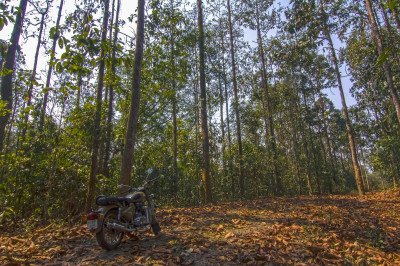
Dehing Patkai National Park
Some quick example text to build on the card title and make up the bulk of the card's content.
Go somewhere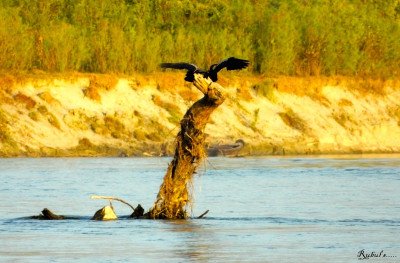
Dibru-Saikhowa National Park
Some quick example text to build on the card title and make up the bulk of the card's content.
Go somewhere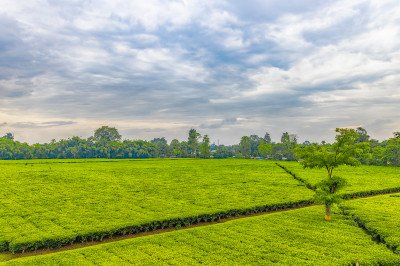
Doomdooma
Some quick example text to build on the card title and make up the bulk of the card's content.
Go somewhere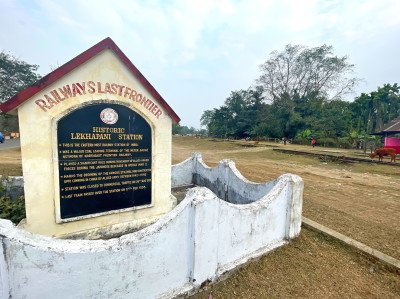
Historic Lekhapani Station Tomb
Some quick example text to build on the card title and make up the bulk of the card's content.
Go somewhere
Ledo
Some quick example text to build on the card title and make up the bulk of the card's content.
Go somewhere
Maguri Motapung Beel
Some quick example text to build on the card title and make up the bulk of the card's content.
Go somewhere
Margherita Sunset Point
Some quick example text to build on the card title and make up the bulk of the card's content.
Go somewhere
Margherita
Some quick example text to build on the card title and make up the bulk of the card's content.
Go somewhere
Na-Pukhuri
Some quick example text to build on the card title and make up the bulk of the card's content.
Go somewhere
Paklongkam Waterfalls
Some quick example text to build on the card title and make up the bulk of the card's content.
Go somewhere
Rukmini Island
Some quick example text to build on the card title and make up the bulk of the card's content.
Go somewhere
Sadiya
Some quick example text to build on the card title and make up the bulk of the card's content.
Go somewhere
Shiv Dham
Some quick example text to build on the card title and make up the bulk of the card's content.
Go somewhere
Shiv Dham Tinsukia
Some quick example text to build on the card title and make up the bulk of the card's content.
Go somewherein Other Cities