...

FAQs On Academy of Fine Arts

Kolkata, West Bengal, India
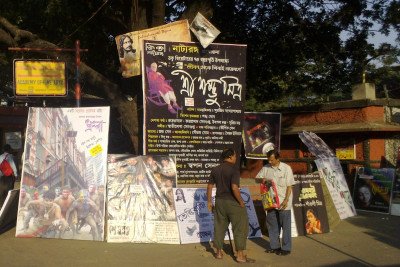
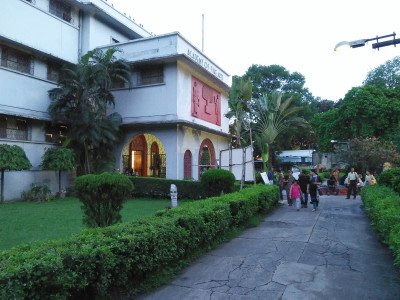
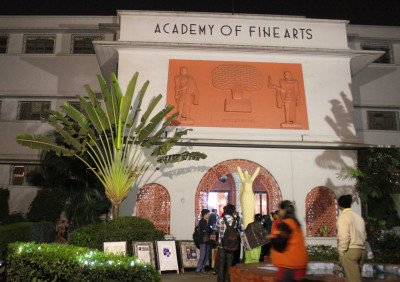
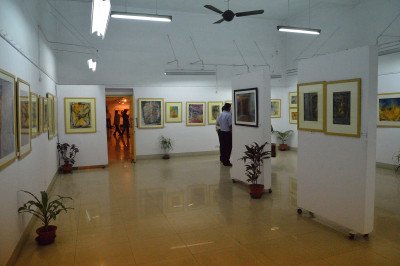
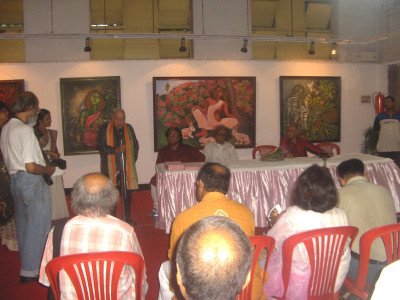
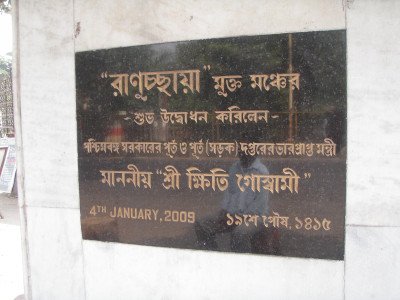
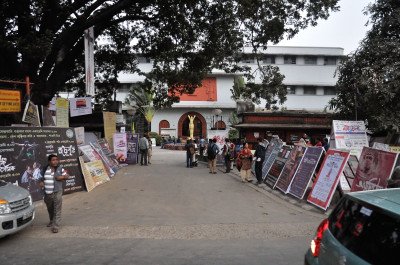
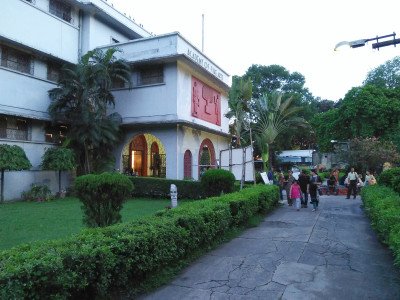
The Historical Legacy: The Academy of Fine Arts is one of India's oldest and most prestigious art societies, founded in 1933 by Lady Ranu Mookerjee. Initially operating from a room in the Indian Museum, it moved to its current iconic building on Cathedral Road in the 1950s with support from Dr. Bidh an Chandra Roy and Jawaharlal Nehru. This institution has served as a sanctuary for artists for nearly a century, preserving the soul of Bengal's creative spirit. It houses a vast and priceless collection of paintings, including works by the Tagore family and legendary masters of the Bengal School of Art. The galleries offer a window into the evolution of Indian art, from traditional roots to modern experimentation. Beyond paintings, the academy is a major venue for Bengali theater, hosting plays that have defined the city’s intellectual landscape. It is not just a museum but a living, breathing space where students, veteran artists, and art lovers meet to discuss ideas over tea. The atmosphere is thick with history, where every corridor whispers stories of great creative minds like Rabindranath Tagore and Jamini Roy. The institution also manages a library and a conference hall for scholarly pursuits. It remains a vital hub for cultural diplomacy, often hosting international exhibitions and collaborative art projects. Visitors often find the academy to be a peaceful escape from the bustling streets of Kolkata, offering a serene environment to appreciate beauty. The academy’s role in promoting the group theater movement in Kolkata is unparalleled, making it a pilgrimage site for drama enthusiasts. Over the years, it has maintained its relevance by encouraging young talent through regular exhibitions. It stands as a testament to the city’s title as the Cultural Capital of India, bridging the gap between historical heritage and contemporary artistic expression. Visiting this place is an essential experience for anyone wishing to understand the depth of Bengali culture and its artistic contributions to the world.

Ans:- Photography and videography are strictly prohibited inside the permanent museum and the Rabindra Gallery to protect the sensitive artworks from flash damage. However, for the rotating contemporary exhibitions on the ground floor, rules may vary, and visitors should seek permission from the individual artists or gallery staff.

Ans:- The Academy houses a diverse range of sculptures, including ancient stone carvings and modern bronze works by famous artists like Ramkinkar Baij. The collection spans from traditional religious iconography to avant-garde contemporary pieces, reflecting the dynamic shift in Indian sculptural techniques through the 19th and 20th centuries.

Ans:- The Academy is generally open to the public every day from 12:00 PM to 8:00 PM, though the museum section often operates from 11:00 AM to 6:00 PM. It remains open on most days, but it is always wise to check for specific gallery closures during public holidays or private events.

Ans:- The Academy is well-known for providing its eight ground-floor galleries to both emerging and established artists for solo or group exhibitions. Due to its popularity and prime location, artists often have to book these spaces several months or even a year in advance to showcase their creative works.

Ans:- The Academy occasionally organizes workshops, seminars, and art appreciation courses for students and enthusiasts. It also provides a studio space at the back for working artists. Interested individuals should contact the administrative office or check the notice board for updates on upcoming educational programs and certifications.

Ans:- The ground floor galleries are generally accessible, but the permanent museum and some parts of the first floor may be difficult for wheelchair users as the building is an older structure. It is recommended to contact the staff upon arrival for assistance or to inquire about portable ramp availability.

Ans:- To fully appreciate the various galleries, the textile museum, and the Tagore collection, a visitor should plan to spend at least 2 to 3 hours. If you intend to watch a theater performance in the evening, you should add another 2.5 hours to your itinerary for a complete experience.

Ans:- While entry to the contemporary art galleries on the ground floor is usually free for visitors, the Rabindra Gallery and the permanent museum section on the first floor may charge a nominal fee of approximately ₹20 to ₹50. Prices are subject to change based on current institutional policies.

Ans:- While there is no major restaurant inside the building, there is a small canteen area where visitors can find snacks and tea. Additionally, the surrounding Maidan and Rabindra Sadan area is famous for street food and cafes, offering plenty of dining options just a few steps away.

Ans:- Yes, the Academy possesses a rare and exquisite collection of Indian miniature paintings representing various schools, including Mughal, Rajasthani, and Pahari styles. These tiny, detailed masterpieces are part of the permanent collection and offer insights into the royal courtly life and mythological themes prevalent in ancient India.

Note:-

Information provided here in good Faith and for reference only.

All information and pictures will be updated soon, please keep visiting.

Near Places
...
Academy of Fine Arts

Some quick example text to build on the card title and make up the bulk of the card's content.

Go somewhere
...
Acharya Jagadish Chandra Bose Indian Botanic Garden

Some quick example text to build on the card title and make up the bulk of the card's content.

Go somewhere

...
Alipore Zoological Garden

Some quick example text to build on the card title and make up the bulk of the card's content.

Go somewhere
...
Aquatica Water Park

Some quick example text to build on the card title and make up the bulk of the card's content.

Go somewhere
...
Babu Ghat

Some quick example text to build on the card title and make up the bulk of the card's content.

Go somewhere
...
Belilious Park

Some quick example text to build on the card title and make up the bulk of the card's content.

Go somewhere
...
Belur Math

Some quick example text to build on the card title and make up the bulk of the card's content.

Go somewhere

...
Birla Academy of Art & Culture

Some quick example text to build on the card title and make up the bulk of the card's content.

Go somewhere
...
Birla Industrial & Technological Museum

Some quick example text to build on the card title and make up the bulk of the card's content.

Go somewhere
...
Birla Mandir

Some quick example text to build on the card title and make up the bulk of the card's content.

Go somewhere

in Other Cities