Gadwal Fort
General information
-
Ideal Duration:
4 Hours:Place Type:
Fort / Historical Monument / Temple ComplexEntry Fees:
Entry to the Gadwal Fort and the temples inside is generally Free of charge for all visitors. This makes it an accessible historical and spiritual destination.
College Area: Since the compound also houses a college, visitors should be respectful of the academic en...Entry to the Gadwal Fort and the temples inside is generally Free of charge for all visitors. This makes it an accessible historical and spiritual destination.
College Area: Since the compound also houses a college, visitors should be respectful of the academic environment and may be restricted from certain modern college buildings.
Camera Fees: There are typically No official camera or video camera fees, but courteous behavior and avoiding the use of large professional equipment without permission is advised, especially near the active temples or college areas.
Parking Fees: There may be a nominal, locally managed fee for parking vehicles outside the main fort entrance, which is usually a very small amount to ensure organized parking. :Timing:
Regular Timings: The fort complex is generally accessible from 9:00 AM to 5:00 PM daily. However, the temples within the complex follow separate, more flexible timings, often opening early (6:00 AM) for darshan and closing late (8:00 PM), with a possible break in the aftern...Regular Timings: The fort complex is generally accessible from 9:00 AM to 5:00 PM daily. However, the temples within the complex follow separate, more flexible timings, often opening early (6:00 AM) for darshan and closing late (8:00 PM), with a possible break in the afternoon.
Ideal Visit Time: The Ideal Visit Time is the early morning (9:00 AM to 11:00 AM) when the weather is cool and the temples are active. This is perfect for leisurely exploration before the college activity peaks. Visiting in the late afternoon (3:00 PM to 5:00 PM) is also good for photography and a cooler experience. Sunday mornings are best to catch the most vibrant temple activities.
Best Month to Visit: The cooler months of November through February are recommended. :Special Events:
Chennakesava Swamy Brahmotsavam: The Chennakesava Swamy Temple inside the fort is the focal point for major religious festivals, especially the annual Brahmotsavam (usually held in the Spring months, like March or April). This multi-day event involves elaborate rituals, pro...Chennakesava Swamy Brahmotsavam: The Chennakesava Swamy Temple inside the fort is the focal point for major religious festivals, especially the annual Brahmotsavam (usually held in the Spring months, like March or April). This multi-day event involves elaborate rituals, processions of the deity, and draws thousands of devotees from surrounding regions, making it the Special Event of the year.
Maha Shivaratri Celebrations: As the fort also houses a Ramalayam and a Venugopala Swamy Temple, major Hindu festivals like Sankranti (January) and Maha Shivaratri (February/March) are celebrated with fervor, including special pujas and cultural programs organized by the temple trusts.
College Events: Since the fort is an active college campus, annual college events, cultural fests, and sports days are held, creating a vibrant, modern spectacle against the ancient backdrop. :Best Photo Spots:
The Giant Cannon at the Gate: The massive 32-foot-long Cannon is the most iconic and essential photo spot. Capture it with the fort wall as the background to emphasize its scale and historical power.
Chennakesava Temple Gopuram: The large, ...The Giant Cannon at the Gate: The massive 32-foot-long Cannon is the most iconic and essential photo spot. Capture it with the fort wall as the background to emphasize its scale and historical power.
Chennakesava Temple Gopuram: The large, intricately carved temple tower (Gopuram) provides a magnificent backdrop for both wide-angle architectural shots and close-up detail photos of the deities and mythical figures.
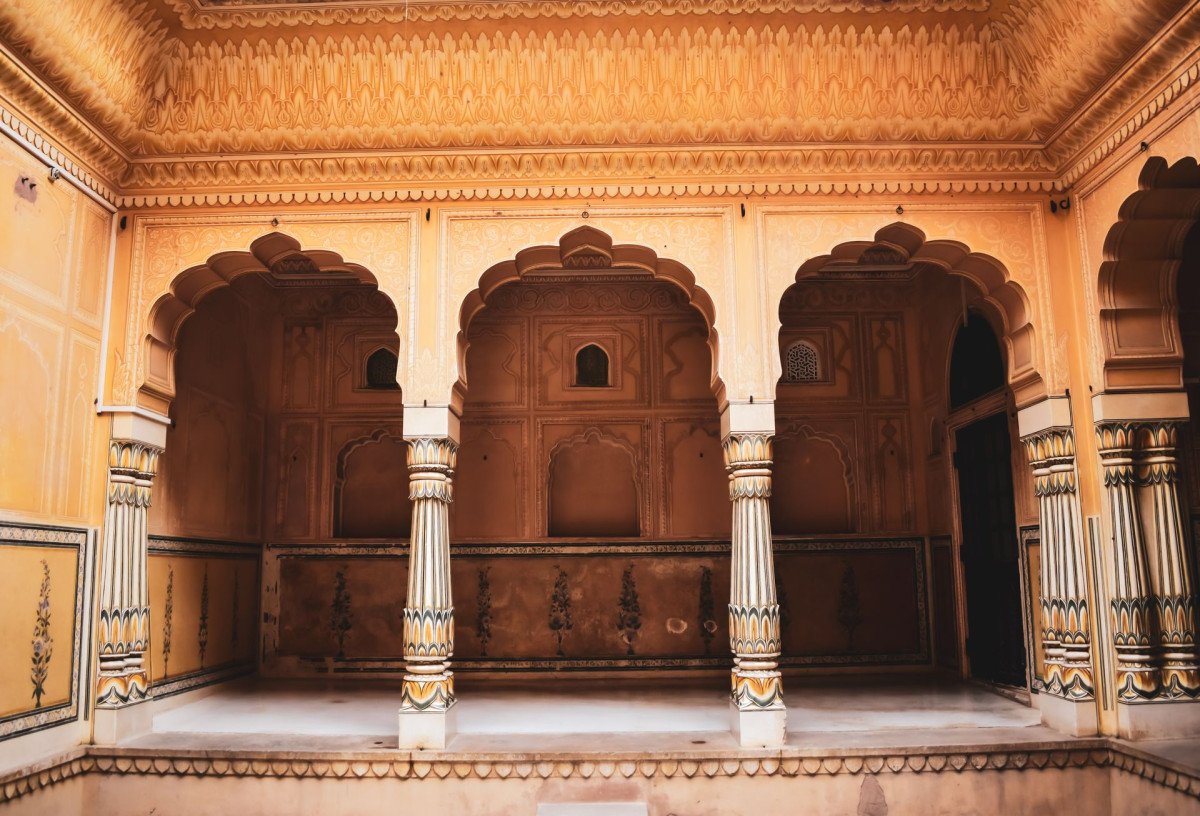
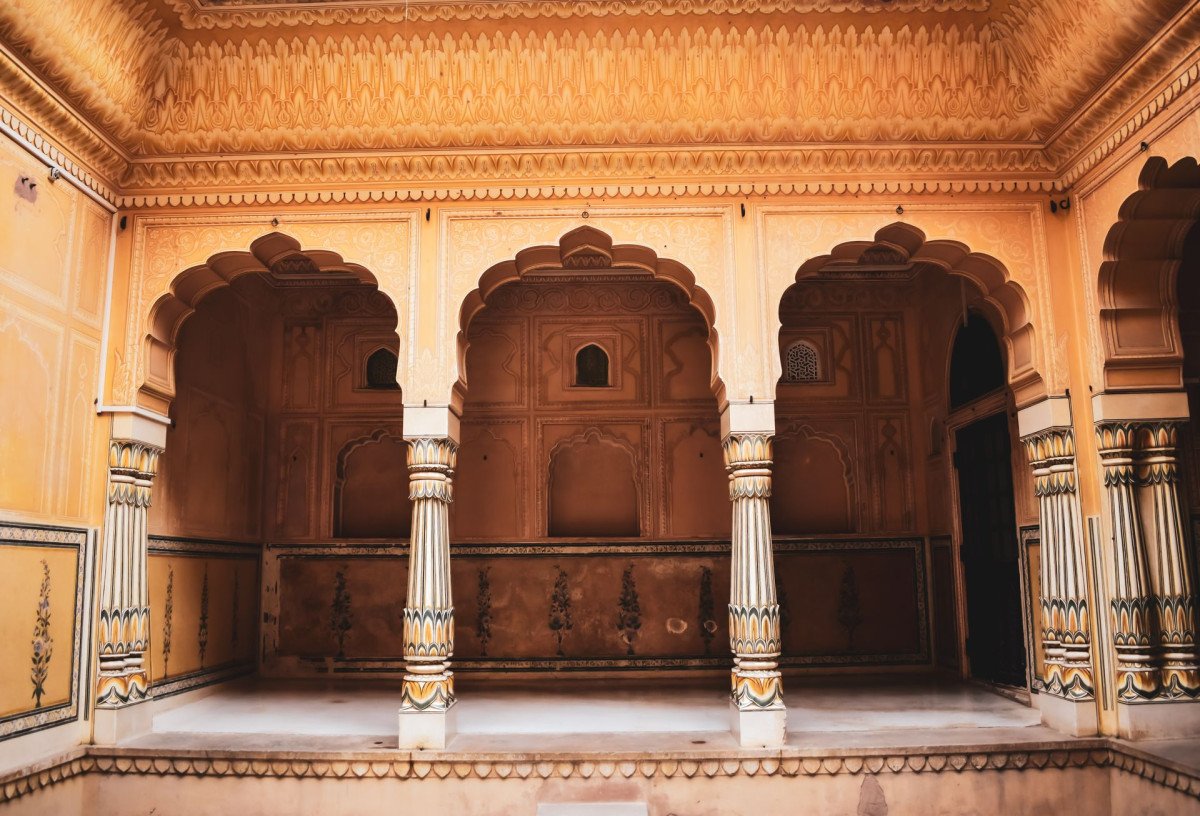
The Stepwell's Arches: The arched pavilions surrounding the ancient stepwell create stunning frames and symmetrical compositions, especially if photographed during the golden hour, providing depth and texture.
Ruins and Sky: The dilapidated walls and ruins of the palaces, set against the blue sky, offer a powerful contrast between the past and present, ideal for dramatic, atmospheric photography. The unique blend of the ancient stones and the greenery is also very photogenic. :Photo Gallery
Things To Do
-
Visit the Chennakesava Swamy Temple: Spend time in devotion at the grand Chennakesava Swamy Temple, admiring its large temple tower (Gopuram), stone mandapa, and intricate carvings. This is the main spiritual draw.
Examine the Giant Cannon: Spend time viewing and taking photos with the impressive 32-foot-long Cannon located outside the fort gates, which is a historical marvel in itself.
Explore the Fort Walls and Moat: Walk around the perimeter of the fort to appreciate the scale of the massive stone walls and the remnants of the moat, allowing you to understand its defensive capabilities.
Stepwell and Photography: Locate and photograph the serene, arched stepwell near the main temple. Its architecture is stunning and makes for excellent structural photography....Visit the Chennakesava Swamy Temple: Spend time in devotion at the grand Chennakesava Swamy Temple, admiring its large temple tower (Gopuram), stone mandapa, and intricate carvings. This is the main spiritual draw.
Examine the Giant Cannon: Spend time viewing and taking photos with the impressive 32-foot-long Cannon located outside the fort gates, which is a historical marvel in itself.
Explore the Fort Walls and Moat: Walk around the perimeter of the fort to appreciate the scale of the massive stone walls and the remnants of the moat, allowing you to understand its defensive capabilities.
Stepwell and Photography: Locate and photograph the serene, arched stepwell near the main temple. Its architecture is stunning and makes for excellent structural photography.
Architectural Study: Observe the remnants of the Raja's Palace and Durbar Hall to appreciate the intricate carvings and overall layout of the royal structures. This is a must for history and architecture enthusiasts.
Shopping for Gadwal Sarees: After the fort visit, head to the nearby Gadwal Market Area to shop for the world-famous handloom Gadwal Sarees, the pride of the region.
Trekking and Views: While not a high hill, the fort area offers good vantage points for viewing the surrounding Gadwal town. Consider a quiet walk through the ancient complex for introspection and to soak in the atmosphere. :
Information
-
Why Famous:
The Impregnable Fortress: The fort is famous for its strong and elaborate defensive structure, including its huge walls and moat, a testament to Somanadri's military genius. It was one of the strongest citadels in the region.
The 32-Foot Cannon...The Impregnable Fortress: The fort is famous for its strong and elaborate defensive structure, including its huge walls and moat, a testament to Somanadri's military genius. It was one of the strongest citadels in the region.
The 32-Foot Cannon: It is locally and nationally famous for housing one of the largest cannons in India, which symbolizes Somanadri's victory over the Nawab of Kurnool.
Religious Hub: The presence of the three actively worshipped temples, particularly the majestic Chennakesava Swamy Temple with its beautiful carvings and large tower, makes the fort an important religious destination alongside its historical significance.
The Gadwal Saree Connection: Though not directly part of the fort, the surrounding town of Gadwal is famous globally for its handloom Gadwal Silk Sarees, which draws many visitors to the area, including the fort. The fort serves as the historical heart of this weaving tradition. : -
Architecture:
Architectural Style and Defense: The fort is a prime example of Deccan military architecture from the 17th century. The fort's defensive design is its most striking feature: it was protected by massive stone walls and a steep, wide moat that encircled the complex, ensuring ...Architectural Style and Defense: The fort is a prime example of Deccan military architecture from the 17th century. The fort's defensive design is its most striking feature: it was protected by massive stone walls and a steep, wide moat that encircled the complex, ensuring its strength and invincibility.
Dimension The Grand Cannon: The famous 32-foot-long Cannon is a notable 'dimension' on display outside the fort. The fort itself is spread over approximately 12 acres.
Palace and Hall Structures: Key structures inside include the ruins of the Raja's Palace, the Zenana Palace (used by the royal women), and the Durbar Hall. The Raja's Palace was the largest structure, known for its intricate carvings and architectural beauty, though now largely in ruins.
Temples Within: The fort complex is unique because it integrates three well-known temples: the Chennakesava Swamy Temple (the grandest, with a large temple tower and stone mandapa), the Ramalayam, and the Venugopala Swamy Temple. These temples display typical South Indian temple architecture with detailed carvings. : -
How To Reach:
By Air: The nearest major airport is Rajiv Gandhi International Airport (RGIA) in Hyderabad (HYD), located approximately 170 KMS away. From Hyderabad, one can take a pre-booked taxi or an interstate bus to Gadwal, which is a 3 to 4-hour drive.
...By Air: The nearest major airport is Rajiv Gandhi International Airport (RGIA) in Hyderabad (HYD), located approximately 170 KMS away. From Hyderabad, one can take a pre-booked taxi or an interstate bus to Gadwal, which is a 3 to 4-hour drive.
By Train: Gadwal Junction Railway Station (GWD) is the nearest station, located only about 2 KMS from the fort. It is well-connected to major cities like Hyderabad, Kurnool, Bengaluru, and Chennai. Auto-rickshaws and cycle-rickshaws are easily available outside the station for the short ride to the fort.
By Road: Gadwal is well-connected by National and State Highways, including being close to NH 44 (the main Hyderabad-Kurnool route). The fort is only half a kilometer from the main Gadwal Town center. Telangana State Road Transport Corporation (TSRTC) buses run frequently from Hyderabad and Mahbubnagar.
By Local Transport: The fort is within easy walking distance from the main Gadwal bus stand. Auto-rickshaws are the primary mode of local transport and are readily available throughout the town for a quick and cheap ride. : -
Weather and Best Time to Visit:
Different Types of Seasons: Winter (October to February) is the Best Time to Visit. The mild temperatures (ranging from 18°C to 30°C) are ideal for walking around the large fort complex and spending time in the open air. The Summer (March to May) is extremely hot, making...Different Types of Seasons: Winter (October to February) is the Best Time to Visit. The mild temperatures (ranging from 18°C to 30°C) are ideal for walking around the large fort complex and spending time in the open air. The Summer (March to May) is extremely hot, making a midday visit uncomfortable, so only very early morning or late afternoon visits are advised. The Monsoon (June to September) makes the terrain muddy but brings greenery.
Different Parts of the Day: Early Morning (9:00 AM to 11:00 AM) is the Ideal Time. The light is beautiful for photography, and the temple activities are in full swing. The late afternoon (4:00 PM onwards) is also excellent for a cooler experience and to capture the fort in the warm glow of the setting sun. : -
Near Tourist Places:
Sri Chennakesava Swamy Temple (Inside), Jurala Dam (18 KMS), Alampur Jogulamba Temple (40 KMS), Papanasi Temples (45 KMS), Beechupalli Anjaneya Swamy Temple (30 KMS), Koilkonda Fort (75 KMS), Wanaparthy (30 KMS), Gattu Anjaneya Swamy Temple (15 KMS), Rajoli Dam (35 KMS), Gattemma Temple (22 KMS).
Tourism Tips
-
Health & safety: Be careful when walking through the ruins, as the ground can be uneven and rocky. Since a college operates here, be mindful of students and their privacy. Carry water, especially during hot months.
Packing: Wear modest clo...Health & safety: Be careful when walking through the ruins, as the ground can be uneven and rocky. Since a college operates here, be mindful of students and their privacy. Carry water, especially during hot months.
Packing: Wear modest clothing, especially if visiting the active temples within the fort complex. Comfortable walking shoes are essential for exploring the sprawling grounds.
Accommodation: Gadwal offers a range of mid-range to budget hotels and guesthouses. For more upscale lodging, you might consider staying in Kurnool (about 80 KMS) or Mahbubnagar (about 60 KMS) and making a day trip.
Other Different Topics heading:
Respect the Premises: Maintain silence near the college buildings and avoid disturbing the educational environment.
Temple Etiquette: Remove footwear before entering the temple precincts.
Local Guides: Since the fort has many historical points, hiring a local guide can enhance the experience significantly.
Saree Shopping Time: Allocate extra time for shopping, as the fort is the historical gateway to Gadwal's famous handloom industry. :
Reviews
FAQs
Gadwal Itineray And Cost:-
Other Places In Gadwal :-
Other States In India :-
Information about New and Updated Locations() of Telangana Has Been Added :-
Card subtitle
Note:-
Information provided here in good Faith and for reference only.
Near Places

Alampur Jogulamba Devi Temple
Some quick example text to build on the card title and make up the bulk of the card's content.
Go somewhere
Beechupally Anjaneya Swamy Temple
Some quick example text to build on the card title and make up the bulk of the card's content.
Go somewhere
Chandragiri Konda
Some quick example text to build on the card title and make up the bulk of the card's content.
Go somewhere
Gadwal Fort
Some quick example text to build on the card title and make up the bulk of the card's content.
Go somewhere
Gadwal Market Area
Some quick example text to build on the card title and make up the bulk of the card's content.
Go somewhere
Ganga Katta Temple
Some quick example text to build on the card title and make up the bulk of the card's content.
Go somewhere
Gattu Lift Irrigation Project
Some quick example text to build on the card title and make up the bulk of the card's content.
Go somewhere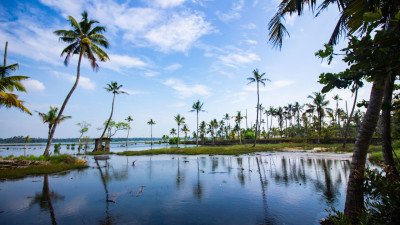
Gopaladinne Lake
Some quick example text to build on the card title and make up the bulk of the card's content.
Go somewhere
I-Park Gadwal
Some quick example text to build on the card title and make up the bulk of the card's content.
Go somewhere
Jammulamma Temple
Some quick example text to build on the card title and make up the bulk of the card's content.
Go somewhere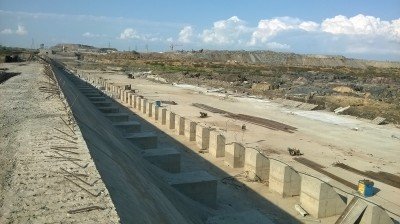
Jurala Dam
Some quick example text to build on the card title and make up the bulk of the card's content.
Go somewhere
Keesara Gutta
Some quick example text to build on the card title and make up the bulk of the card's content.
Go somewhere
Krishna River Ghat
Some quick example text to build on the card title and make up the bulk of the card's content.
Go somewhere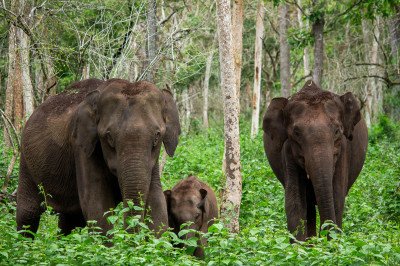
Mullakarra Forest
Some quick example text to build on the card title and make up the bulk of the card's content.
Go somewhere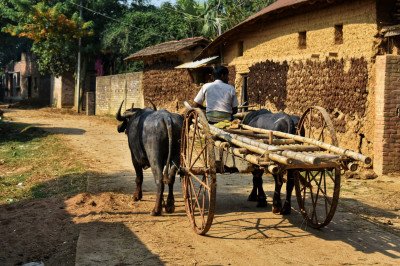
Pallepadu Village
Some quick example text to build on the card title and make up the bulk of the card's content.
Go somewhere
Rajoli Dam
Some quick example text to build on the card title and make up the bulk of the card's content.
Go somewherein Other Cities