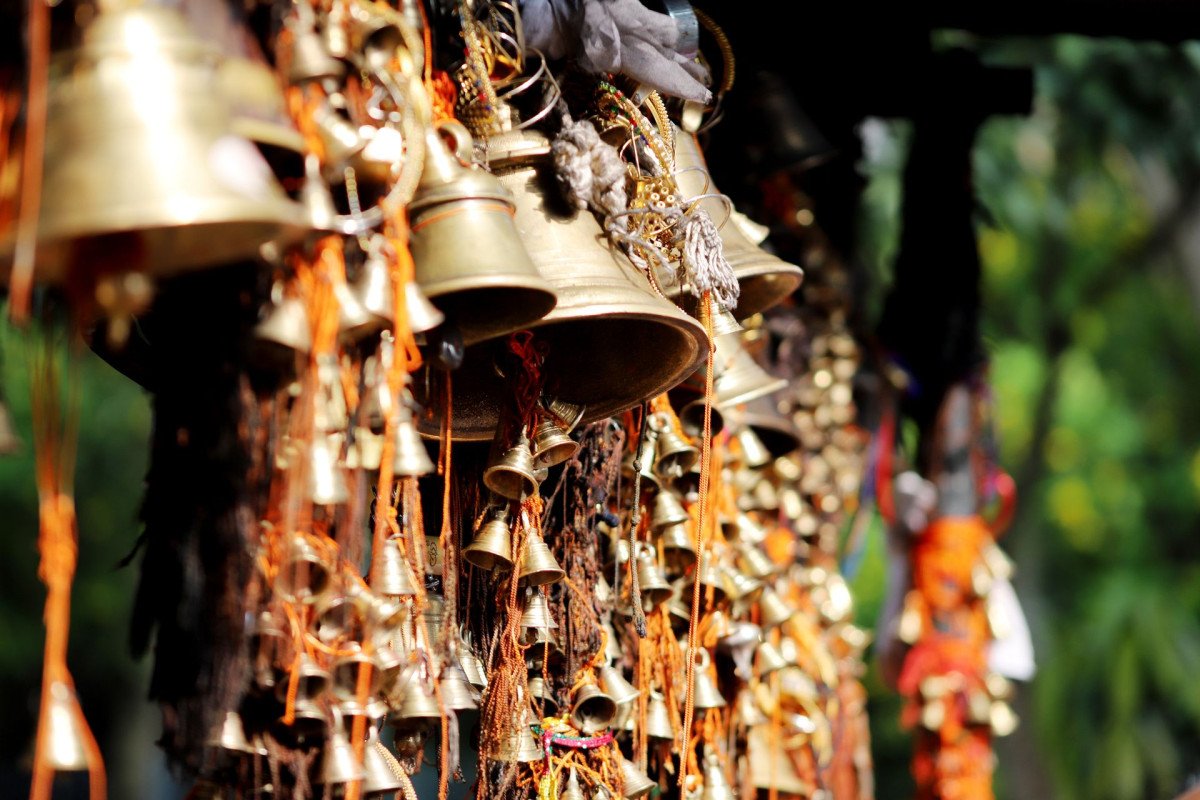
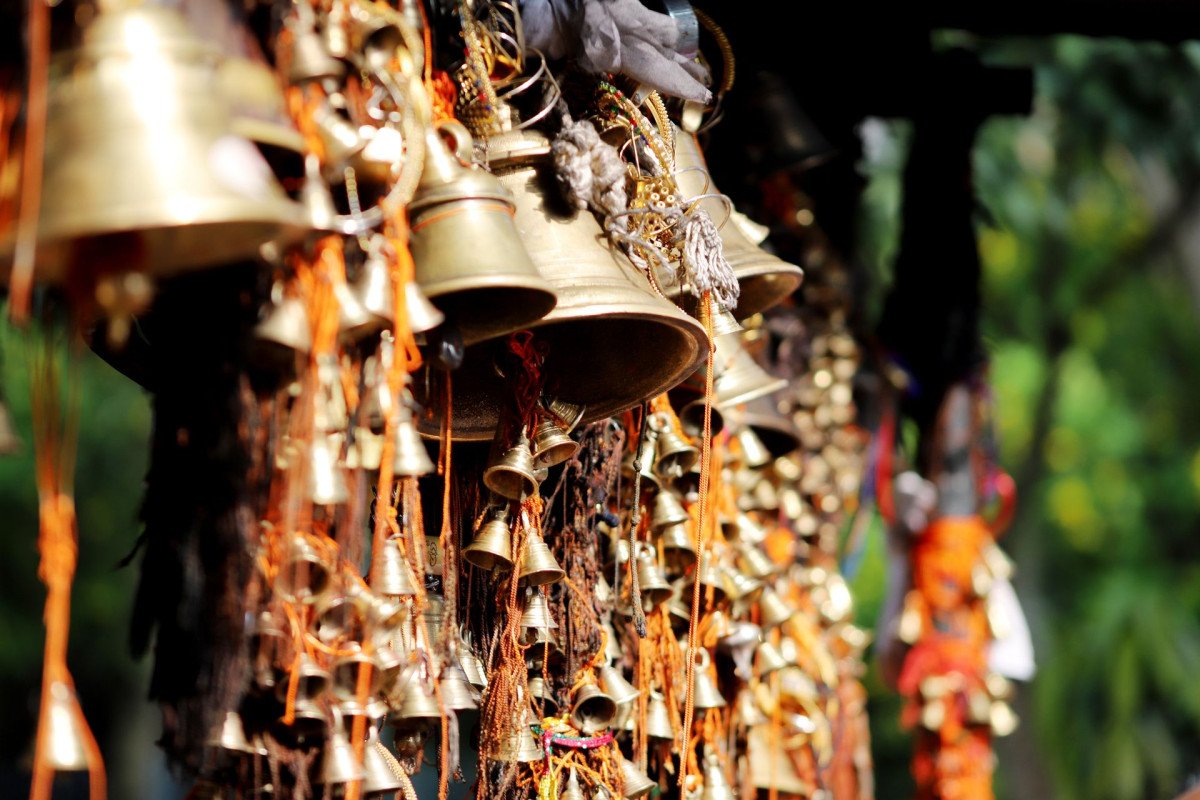
Ganga Katta Temple
General information
-
Ideal Duration:
1 Hour:Place Type:
Temple / Religious Place / Riverbank ShrineEntry Fees:
There are No Entry Fees to visit this temple. It is a place of public worship and is maintained through local donations.
Donations: Visitors are welcome to offer voluntary donations for the temple's maintenance or to participate in the local offering of flowers/fr...There are No Entry Fees to visit this temple. It is a place of public worship and is maintained through local donations.
Donations: Visitors are welcome to offer voluntary donations for the temple's maintenance or to participate in the local offering of flowers/fruits, which is purely optional.
Parking and Camera Fees: There are No official parking or camera fees. The area is open and generally allows for easy access and photography. :Timing:
Regular Timings: As a local shrine, the temple is often accessible all day, with the main sanctum opening early (6:00 AM to 12:00 PM) and then again in the evening (4:00 PM to 8:00 PM) for darshan. It is generally open 24 Hrs for general viewing of the exterior.Regular Timings: As a local shrine, the temple is often accessible all day, with the main sanctum opening early (6:00 AM to 12:00 PM) and then again in the evening (4:00 PM to 8:00 PM) for darshan. It is generally open 24 Hrs for general viewing of the exterior.
Ideal Visit Time: The Ideal Visit Time is the very early morning (Sunrise - around 6:00 AM) or late evening (Sunset - around 6:00 PM). These times offer the best atmosphere, lighting, and relief from the day's heat. Tuesday and Friday are often special worship days and can be slightly more crowded with locals.
Best Time for Meditation: Very early morning is best for quiet contemplation. :Special Events:
Local Jatras (Fairs): The temple may host a small annual Jatra (fair or festival) in the Summer or post-monsoon period, often in May or November, dedicated to the local deity. These events are highly localized, featuring small stalls, local food, and community gatherings. <...Local Jatras (Fairs): The temple may host a small annual Jatra (fair or festival) in the Summer or post-monsoon period, often in May or November, dedicated to the local deity. These events are highly localized, featuring small stalls, local food, and community gatherings.
Purnima and Amavasya Special Pujas: Special pujas are often held during the auspicious full moon (Purnima) and new moon (Amavasya) days, drawing a larger number of local devotees for night-time prayers and rituals on the riverbank.
Harvest Festival Blessings: During harvest festivals like Sankranti (January), locals may visit the temple to offer the first grains or produce to the deity, seeking blessings for a good yield. :Best Photo Spots:
Temple Silhouette at Sunset: The most beautiful shot is the simple temple structure silhouetted against the vibrant orange and pink colors of the sunset over the still water of the river or tank.
Reflections on Water: Capture the reflection ...Temple Silhouette at Sunset: The most beautiful shot is the simple temple structure silhouetted against the vibrant orange and pink colors of the sunset over the still water of the river or tank.
Reflections on Water: Capture the reflection of the temple tower or a local boat/fishermen on the water's surface for a tranquil, artistic shot.
Close-up of Painted Stucco: Get a close-up photo of the brightly painted stucco deity figures on the temple's small Gopuram to showcase the local folk-art style and vibrant colors.
The Katta Landscape: The wide-angle shot of the embankment and the surrounding landscape is great for capturing the peaceful isolation of the location. :Photo Gallery
Things To Do
-
Engage in Prayer and Meditation: Spend time offering prayers and taking part in the quiet rituals. The primary activity is spiritual contemplation and seeking blessings from the enshrined deity.
Enjoy the Scenic View: Sit by the embankment and simply enjoy the peaceful, scenic view of the water body. This is a perfect activity for relaxation and stress relief.
Observe Local Rituals: If a local festival or ritual is occurring (especially those related to water), respectfully observe the ceremonies to gain a deeper understanding of local customs.
Photography: Take landscape photos of the temple, the water body, and the surrounding nature, particularly during the beautiful morning or evening light.
Short Walk: Take a short, refres...Engage in Prayer and Meditation: Spend time offering prayers and taking part in the quiet rituals. The primary activity is spiritual contemplation and seeking blessings from the enshrined deity.
Enjoy the Scenic View: Sit by the embankment and simply enjoy the peaceful, scenic view of the water body. This is a perfect activity for relaxation and stress relief.
Observe Local Rituals: If a local festival or ritual is occurring (especially those related to water), respectfully observe the ceremonies to gain a deeper understanding of local customs.
Photography: Take landscape photos of the temple, the water body, and the surrounding nature, particularly during the beautiful morning or evening light.
Short Walk: Take a short, refreshing walk along the 'Katta' (embankment) to enjoy the fresh air and the natural surroundings. :
Information
-
Why Famous:
Spiritual Tranquility: The temple is famous locally for its serene and tranquil location right on the water's edge, offering devotees a peaceful place for prayer and meditation away from the main town center.
Water Body Association: Its loca...Spiritual Tranquility: The temple is famous locally for its serene and tranquil location right on the water's edge, offering devotees a peaceful place for prayer and meditation away from the main town center.
Water Body Association: Its location on the 'Katta' (embankment) makes it a famous spot for local rituals associated with water bodies, particularly during harvest festivals or for seeking blessings for rain and abundant water supply.
Unspoiled Devotion: It is famous for representing pure, localized folk-Hindu traditions and devotion, attracting a steady stream of local villagers who prefer the solitude of this shrine over the larger, crowded temples in the main town. : -
Architecture:
Simple Dravidian Style: The architecture of the Ganga Katta Temple is typical of smaller, regional shrines, following a simplified form of Dravidian Temple architecture. It is characterized by its simplicity, with a small Garbhagriha (sanctum sanctorum) and a small Mandapa ...Simple Dravidian Style: The architecture of the Ganga Katta Temple is typical of smaller, regional shrines, following a simplified form of Dravidian Temple architecture. It is characterized by its simplicity, with a small Garbhagriha (sanctum sanctorum) and a small Mandapa (pillared hall).
Dimension Structure Size: The temple is likely a modest structure, typically built from stone and concrete, not exceeding a height of 20-30 feet. The surrounding 'Katta' or embankment provides a naturally elevated space.
Material and Detail: The construction uses locally sourced materials. Decoration is usually minimal, often featuring bright, painted stucco figures of deities on the small Gopuram (tower) or on the walls of the Vimana (tower over the sanctum), reflecting local artisanal styles. : -
How To Reach:
By Air: The nearest major airport is Rajiv Gandhi International Airport (RGIA) in Hyderabad (HYD), approximately 170 KMS away. From there, take an interstate bus or taxi to Gadwal Town.
By Train: Gadwal Junction Railway Station (GWD) is the...By Air: The nearest major airport is Rajiv Gandhi International Airport (RGIA) in Hyderabad (HYD), approximately 170 KMS away. From there, take an interstate bus or taxi to Gadwal Town.
By Train: Gadwal Junction Railway Station (GWD) is the nearest station (about 5-10 KMS). From the station, you will need to hire a local auto-rickshaw to reach the temple, as it is a localized spot.
By Road: The temple is on a local road near Gadwal Town, possibly near the road leading to the Jurala Dam. Hire an auto-rickshaw or a local taxi from the Gadwal Bus Stand. It is not a major highway attraction. You may need to ask locals for the exact directions to the Ganga Katta area.
By Local Transport: An auto-rickshaw is the most practical way to reach this local shrine from Gadwal Town. Negotiate the fare beforehand, as it is off the main routes. : -
Weather and Best Time to Visit:
Different Types of Seasons: Winter (October to February) is the Best Time to Visit for a pleasant outdoor experience by the water. The cool, gentle breeze makes the setting very enjoyable. Summer visits should be restricted to early morning or evening to avoid extreme heat...Different Types of Seasons: Winter (October to February) is the Best Time to Visit for a pleasant outdoor experience by the water. The cool, gentle breeze makes the setting very enjoyable. Summer visits should be restricted to early morning or evening to avoid extreme heat. The Monsoon brings high water levels and lush greenery, but the embankment path can become muddy and slippery.
Different Parts of the Day: Sunrise or Sunset is the undisputed Best Time to Visit. The soft, colorful light reflecting on the water creates a highly spiritual and aesthetic experience, perfect for quiet reflection and photography. Midday is best avoided due to the sun. : -
Near Tourist Places:
Jurala Dam (8-13 KMS), Gadwal Fort (5-10 KMS), Jammulamma Temple (3-7 KMS), Beechupalli Anjaneya Swamy Temple (25 KMS), Alampur Jogulamba Temple (35 KMS), Rajoli Dam (30 KMS), Priyadarshini Park (Jurala) (10-15 KMS), Ranganatha Swamy Temple (15 KMS), Gattamma Temple (18 KMS), Kuravpur Kshetra (25 KMS).
Tourism Tips
-
Health & safety: Be mindful of the river or tank edge, especially with children. The embankment can be uneven. In the monsoon, the ground can be very slippery. Be aware of insects during the evening hours.
Packing: Carry a small mat or cl...Health & safety: Be mindful of the river or tank edge, especially with children. The embankment can be uneven. In the monsoon, the ground can be very slippery. Be aware of insects during the evening hours.
Packing: Carry a small mat or cloth if you wish to sit and meditate. Insect repellent is advisable for an evening visit. Wear modest clothes suitable for a religious place.
Accommodation: Accommodation should be planned in Gadwal Town, which is a short drive away. There are no facilities or hotels near this local shrine.
Other Different Topics heading:
Respect the Environment: Given its location by a water body, maintaining cleanliness and not littering is paramount.
Local Language: Basic knowledge of Telugu might be helpful for interacting with the priests or local devotees. :
Reviews
FAQs
Gadwal Itineray And Cost:-
Ganga Katta Temple Tourism:-
Information about New and Updated Locations() of Telangana Has Been Added :-
Card subtitle
Note:-
Information provided here in good Faith and for reference only.
All information and pictures will be updated soon, please keep visiting.
Near Places
Alampur Jogulamba Devi Temple
Some quick example text to build on the card title and make up the bulk of the card's content.
Go somewhere
Beechupally Anjaneya Swamy Temple
Some quick example text to build on the card title and make up the bulk of the card's content.
Go somewhere
Chandragiri Konda
Some quick example text to build on the card title and make up the bulk of the card's content.
Go somewhere
Gadwal Fort
Some quick example text to build on the card title and make up the bulk of the card's content.
Go somewhere
Gadwal Market Area
Some quick example text to build on the card title and make up the bulk of the card's content.
Go somewhere
Ganga Katta Temple
Some quick example text to build on the card title and make up the bulk of the card's content.
Go somewhere
Gattu Lift Irrigation Project
Some quick example text to build on the card title and make up the bulk of the card's content.
Go somewhere
Gopaladinne Lake
Some quick example text to build on the card title and make up the bulk of the card's content.
Go somewhere
I-Park Gadwal
Some quick example text to build on the card title and make up the bulk of the card's content.
Go somewhere
Jammulamma Temple
Some quick example text to build on the card title and make up the bulk of the card's content.
Go somewherein Other Cities