Gadwal
General information
-
Ideal Duration:
1-2 DaysPlace Type:
Handlooms & HeritageEntry Fees:
Minimal Entry Fees: Entry to the Gadwal Fort and the temples is generally free for all visitors. This makes the town an accessible cultural destination for everyone, from budget travelers to large families looking to explore their heritage without worrying about high costs....Minimal Entry Fees: Entry to the Gadwal Fort and the temples is generally free for all visitors. This makes the town an accessible cultural destination for everyone, from budget travelers to large families looking to explore their heritage without worrying about high costs.
Jurala Park Charges: The park near the Jurala Dam may have a small entry fee of around Rs.10 for maintenance. This nominal charge helps keep the area clean and provides basic facilities for the tourists who visit the dam for recreation and sightseeing.Timing:
Regular Timings: The fort and major temples are typically open from 8:00 AM to 6:00 PM. It is best to visit the handloom workshops during standard business hours, from 10:00 AM to 5:00 PM, when the weavers are most active and available to explain their craft.Regular Timings: The fort and major temples are typically open from 8:00 AM to 6:00 PM. It is best to visit the handloom workshops during standard business hours, from 10:00 AM to 5:00 PM, when the weavers are most active and available to explain their craft.
Ideal Visit Time: The post-monsoon and winter months from September to February are the best times to visit. The weather is cool, the rivers are full, and the festive season brings a vibrant energy to the town that makes the travel experience truly memorable.Special Events:
Bathukamma Festival: Celebrated with great fervor in September or October, the women of Gadwal create beautiful floral stacks and dance around them. The festival turns the entire town into a colorful celebration of nature and goddess Gauri, with special events held near the...Bathukamma Festival: Celebrated with great fervor in September or October, the women of Gadwal create beautiful floral stacks and dance around them. The festival turns the entire town into a colorful celebration of nature and goddess Gauri, with special events held near the fort.
Bonalu at Jogulamba: The nearby Alampur temple hosts a massive Bonalu festival where devotees offer "Bonam" to the goddess. The event features traditional music, trance-like dances, and a grand procession that attracts thousands of people from across the Jogulamba Gadwal district.Best Photo Spots:
Fort Bastions: The high walls of the fort offer a great perspective for landscape shots of the old town. The contrast between the ancient grey stone and the modern colorful houses below makes for a compelling photograph that tells the story of Gadwal's continuing evolution ...Fort Bastions: The high walls of the fort offer a great perspective for landscape shots of the old town. The contrast between the ancient grey stone and the modern colorful houses below makes for a compelling photograph that tells the story of Gadwal's continuing evolution through the ages.
Temple Gopuram: The intricately carved entrance of the Chennakesava Temple is a perfect subject for architectural photography. Capturing the detail of the sculptures during the early morning light highlights the depth and artistry of the Vijayanagara style carvings.Photo Gallery
Things To Do
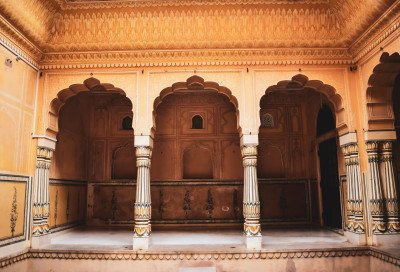 @@Foundation and Historical Rulers: The Gadwal Fort is a monumental 17th-century fortress, an enduring symbol of the powerful Gadwal Samsthanam. It was constructed by the legendary ruler Peda Soma Bhupaludu (also known as Somanadri) between 1703 and 1710 CE. Somanadri was a formidable strongman who established the Gadwal Samsthanam as a vassal state under the Nizam of Hyderabad. The fort was built with colossal walls, wide moats, and strong bastions, making it virtually impregnable in its time and earning Gadwal the moniker 'Vidvadgadwala' for its patronage of arts and learning. A significant historical fact is the 32-feet-long cannon, one of the largest in India, which Somanadri brought back as a trophy after defeating the Nawab of Kurnool, and which is still displayed outside the fort. @@Present Day Status: While much of the original palace is dilapidated, parts of the fort are still active. It houses the Maharani Adi Laxmi Devamma Government Arts & Science College, which utilizes several of the historical structures. The fort complex also holds three significant temples and a stepwell, making it a blend of military history, royal heritage, education, and spiritual devotion. It is a testament to the region's rich cultural and political past, providing a vivid glimpse into the life of the Gadwal rulers.:
 The Somashekar Ananda Reddy Statue stands as a magnificent tribute to the most famous ruler of the Gadwal Samsthanam, Raja Peda Soma Bhupala (also known as Somashekar Ananda Reddy). He was a legendary figure who ruled in the 17th Century and is credited with building the formidable Gadwal Fort. The statue commemorates his bravery, administrative skills, and his role in making Gadwal a center for art and weaving. He famously defeated the Nawab of Kurnool and brought back a massive cannon as a trophy of war. The statue is a point of pride for the local Reddy community and the citizens of Gadwal, symbolizing the town's glorious past as a semi-independent state under the Nizams. It is often decorated during state festivals and the anniversary of the king. Standing tall at a prominent junction, it welcomes visitors to the historical part of the city, reminding them of the warrior-king who shaped the region's identity.
 The Sri Chenna Kesava Swamy Temple is a magnificent spiritual landmark situated within the historic Gadwal Fort in the Jogulamba Gadwal district. This temple is dedicated to Lord Chenna Kesava, a beautiful manifestation of Lord Vishnu, and it serves as the primary deity for the royal family of the Gadwal Samsthanam. The temple was constructed by the local rulers who were known for their patronage of art, culture, and religious harmony. Walking into the temple premises, visitors are greeted by a sense of ancient serenity and a profound connection to the historical past of the Deccan region. The temple has stood the test of time, witnessing the rise and fall of dynasties while remaining a steadfast pillar of faith for the local community. The deity is worshipped with great devotion, and the atmosphere inside the sanctum is filled with the fragrance of incense and the sound of Vedic chants. For history buffs and spiritual seekers alike, this temple offers a unique glimpse into the 17th-century religious life of South India. The intricate carvings on the pillars and the majestic gopuram reflect the wealth and aesthetic sensibility of the Gadwal kings. The temple complex also includes various smaller shrines and a spacious courtyard where devotees gather during festivals. Every stone in the temple tells a story of devotion and the architectural prowess of the artisans of that era. Visiting this place is not just a religious experience but also a journey through the cultural heritage of Telangana. The temple's association with the Gadwal sarees—as the weavers often seek blessings here—adds another layer of cultural significance. It remains one of the most visited sites in the district, drawing pilgrims from nearby towns and far-off states who come to witness the divine beauty of Chenna Kesava Swamy. The temple's location within the fort walls makes it an integrated part of the city's historical landscape, providing a quiet escape from the modern hustle of Gadwal town. :
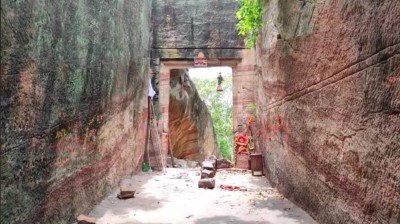
Chandragiri Konda (Moon Hill) is a historical site located near Gadwal that serves as a testament to the region's medieval defensive architecture. Unlike the famous Chandragiri in Andhra Pradesh, this local "Konda" (hill) is a rugged, rocky outcrop that once housed a formidable fort used by the local chieftains and the Gadwal Samsthanam rulers. The hill provides a strategic vantage point over the surrounding plains and the Krishna river basin. Historically, it served as a watchtower and a secondary defense line for the Gadwal Fort. The site is characterized by massive granite boulders, ancient stone walls, and ruins of granaries and water cisterns carved directly into the rock. Legend has it that the hill was named "Chandragiri" because the white granite glowed like the moon under the full moon's light. Today, it is a popular spot for trekking enthusiasts and history seekers who want to explore off-the-beaten-path locations. The climb to the top is moderately challenging but rewards visitors with a 360-degree view of the green landscape. Small shrines dedicated to local deities are scattered across the hill, often visited by villagers during festivals. The silence of the hill, interrupted only by the wind, makes it a perfect place for introspection and connecting with the past. While much of the fort is in ruins, the sheer scale of the stone blocks used in the ramparts leaves one in awe of the manual labor and engineering of the bygone era.
@@A Hub for Industrial Development: The I-Park Gadwal refers to the official Industrial Park or Industrial Area established by the Government of Telangana to promote and facilitate industrial growth in the Jogulamba Gadwal District. This park was established in 1996 and is a key component of the state's industrial policy (TS-iPASS), designed to provide entrepreneurs with necessary infrastructure and clear regulatory pathways. It is a functional area dedicated to manufacturing, processing, and ancillary units, aiming to create employment and boost the local economy. The park includes allocated plots, roads, water supply infrastructure, and power availability. It is not an amusement park. @@Focus on Local Industries: While open to various sectors, the park has a special focus on facilitating industries related to the region's strengths, such as handloom, textiles, and agro-based units, aiming to modernize and expand the local craft and agricultural base. The existence of the Industrial Park reflects the government's commitment to industrializing the district.:
The Thummilla Lift Irrigation Project is a significant modern engineering feat located in the Jogulamba Gadwal district. It was designed to provide a permanent solution to the water woes of the Alampur and Gadwal regions, which often faced drought-like conditions. The project lifts water from the Tungabhadra River to supply the Rajolibanda Diversion Scheme (RDS) canal. This project is a lifeline for thousands of farmers, irrigating over 87,000 acres of parched land. Visiting the site provides a deep insight into how massive infrastructure projects are changing the landscape of rural Telangana. The sight of massive pumps lifting thousands of cusecs of water is truly awe-inspiring. The project consists of a huge pump house, massive pipelines, and delivery cisterns. The surrounding area is relatively rugged and rural, offering a glimpse into the agricultural heartland of the state. The project was completed in record time to ensure that the farmers of the region receive their fair share of water. While primarily a functional site, it has become a point of interest for those interested in irrigation, engineering, and rural development. The vast expanse of the river and the mechanical precision of the lift system make it a unique stop for travelers. It is best visited along with the nearby Rajoli village, which is known for its traditional weaving. The project reflects the government's commitment to agricultural prosperity. Standing near the delivery point, one can feel the power of the water as it gushes into the canals, ready to transform the dry fields into green patches. It is a symbol of hope for the local community and a testament to modern Indian engineering. The road to the project takes you through picturesque rural landscapes, crossing small canals and vast fields of cotton and chili, which are the primary crops of this region. :
The Sri Chenna Kesava Swamy Temple is a magnificent spiritual landmark situated within the historic Gadwal Fort in the Jogulamba Gadwal district. This temple is dedicated to Lord Chenna Kesava, a beautiful manifestation of Lord Vishnu, and it serves as the primary deity for the royal family of the Gadwal Samsthanam. The temple was constructed by the local rulers who were known for their patronage of art, culture, and religious harmony. Walking into the temple premises, visitors are greeted by a sense of ancient serenity and a profound connection to the historical past of the Deccan region. The temple has stood the test of time, witnessing the rise and fall of dynasties while remaining a steadfast pillar of faith for the local community. The deity is worshipped with great devotion, and the atmosphere inside the sanctum is filled with the fragrance of incense and the sound of Vedic chants. For history buffs and spiritual seekers alike, this temple offers a unique glimpse into the 17th-century religious life of South India. The intricate carvings on the pillars and the majestic gopuram reflect the wealth and aesthetic sensibility of the Gadwal kings. The temple complex also includes various smaller shrines and a spacious courtyard where devotees gather during festivals. Every stone in the temple tells a story of devotion and the architectural prowess of the artisans of that era. Visiting this place is not just a religious experience but also a journey through the cultural heritage of Telangana. The temple's association with the Gadwal sarees—as the weavers often seek blessings here—adds another layer of cultural significance. It remains one of the most visited sites in the district, drawing pilgrims from nearby towns and far-off states who come to witness the divine beauty of Chenna Kesava Swamy. The temple's location within the fort walls makes it an integrated part of the city's historical landscape, providing a quiet escape from the modern hustle of Gadwal town. :
Chandragiri Konda (Moon Hill) is a historical site located near Gadwal that serves as a testament to the region's medieval defensive architecture. Unlike the famous Chandragiri in Andhra Pradesh, this local "Konda" (hill) is a rugged, rocky outcrop that once housed a formidable fort used by the local chieftains and the Gadwal Samsthanam rulers. The hill provides a strategic vantage point over the surrounding plains and the Krishna river basin. Historically, it served as a watchtower and a secondary defense line for the Gadwal Fort. The site is characterized by massive granite boulders, ancient stone walls, and ruins of granaries and water cisterns carved directly into the rock. Legend has it that the hill was named "Chandragiri" because the white granite glowed like the moon under the full moon's light. Today, it is a popular spot for trekking enthusiasts and history seekers who want to explore off-the-beaten-path locations. The climb to the top is moderately challenging but rewards visitors with a 360-degree view of the green landscape. Small shrines dedicated to local deities are scattered across the hill, often visited by villagers during festivals. The silence of the hill, interrupted only by the wind, makes it a perfect place for introspection and connecting with the past. While much of the fort is in ruins, the sheer scale of the stone blocks used in the ramparts leaves one in awe of the manual labor and engineering of the bygone era.
@@A Hub for Industrial Development: The I-Park Gadwal refers to the official Industrial Park or Industrial Area established by the Government of Telangana to promote and facilitate industrial growth in the Jogulamba Gadwal District. This park was established in 1996 and is a key component of the state's industrial policy (TS-iPASS), designed to provide entrepreneurs with necessary infrastructure and clear regulatory pathways. It is a functional area dedicated to manufacturing, processing, and ancillary units, aiming to create employment and boost the local economy. The park includes allocated plots, roads, water supply infrastructure, and power availability. It is not an amusement park. @@Focus on Local Industries: While open to various sectors, the park has a special focus on facilitating industries related to the region's strengths, such as handloom, textiles, and agro-based units, aiming to modernize and expand the local craft and agricultural base. The existence of the Industrial Park reflects the government's commitment to industrializing the district.:
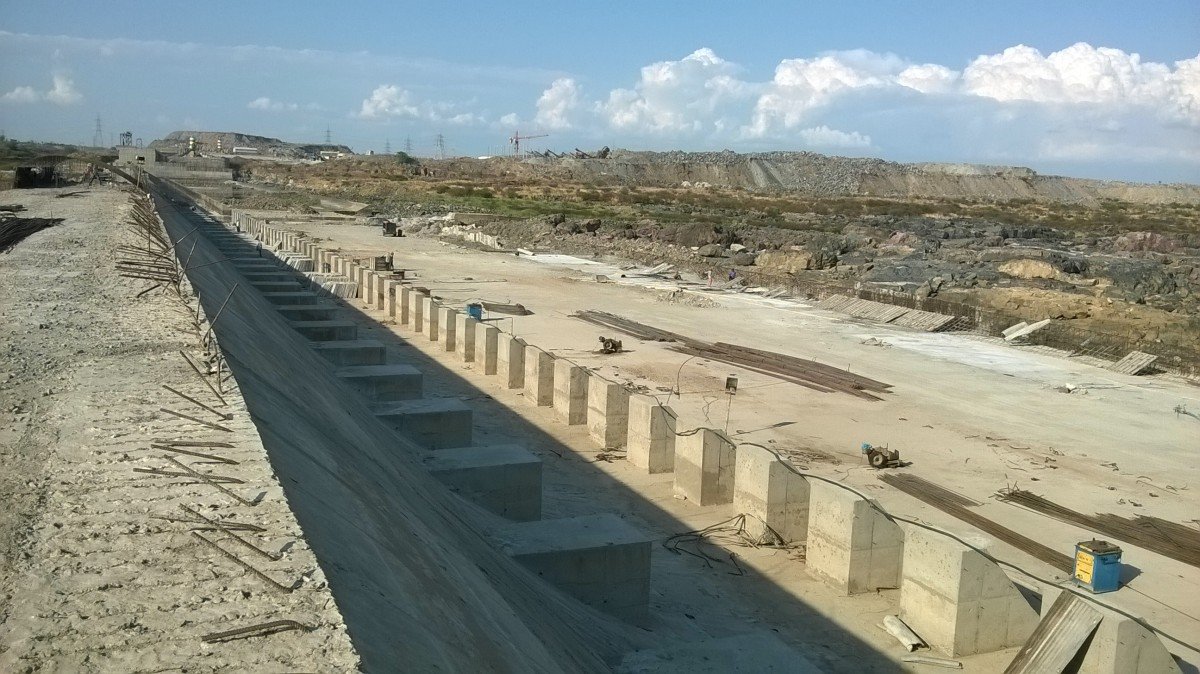
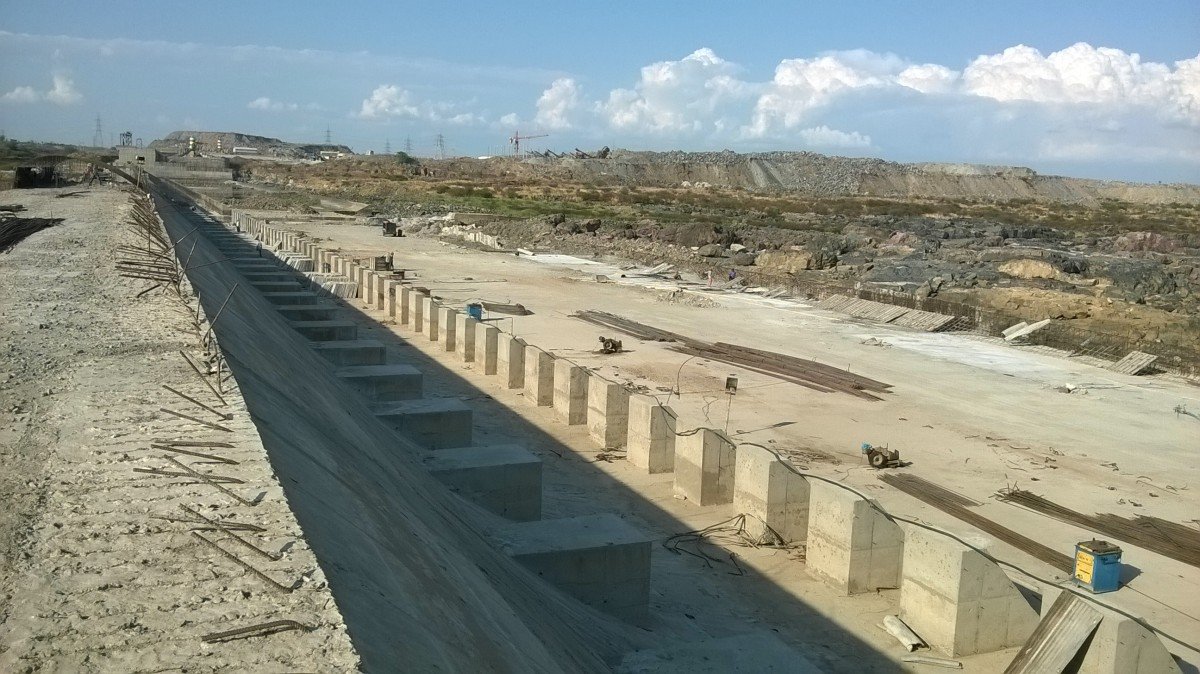
The Thummilla Lift Irrigation Project is a significant modern engineering feat located in the Jogulamba Gadwal district. It was designed to provide a permanent solution to the water woes of the Alampur and Gadwal regions, which often faced drought-like conditions. The project lifts water from the Tungabhadra River to supply the Rajolibanda Diversion Scheme (RDS) canal. This project is a lifeline for thousands of farmers, irrigating over 87,000 acres of parched land. Visiting the site provides a deep insight into how massive infrastructure projects are changing the landscape of rural Telangana. The sight of massive pumps lifting thousands of cusecs of water is truly awe-inspiring. The project consists of a huge pump house, massive pipelines, and delivery cisterns. The surrounding area is relatively rugged and rural, offering a glimpse into the agricultural heartland of the state. The project was completed in record time to ensure that the farmers of the region receive their fair share of water. While primarily a functional site, it has become a point of interest for those interested in irrigation, engineering, and rural development. The vast expanse of the river and the mechanical precision of the lift system make it a unique stop for travelers. It is best visited along with the nearby Rajoli village, which is known for its traditional weaving. The project reflects the government's commitment to agricultural prosperity. Standing near the delivery point, one can feel the power of the water as it gushes into the canals, ready to transform the dry fields into green patches. It is a symbol of hope for the local community and a testament to modern Indian engineering. The road to the project takes you through picturesque rural landscapes, crossing small canals and vast fields of cotton and chili, which are the primary crops of this region. : The Jurala Dam, also known as the Priyadarshini Jurala Project, is a massive multipurpose dam built across the Krishna River. It serves as a vital source of irrigation and hydroelectric power for the drought-prone regions of Jogulamba Gadwal and Mahabubnagar. The reservoir is a sight to behold during the monsoon when all gates are opened, creating a thunderous roar. The project was inaugurated in 1995 and has since become a major landmark. It supports a diverse ecosystem, attracting various bird species to its waters. The dam's proximity to Gadwal makes it a favorite weekend getaway for locals and tourists alike.Show All
Alampur Jogulamba Devi Temple is one of the most significant pilgrimage sites in India, recognized as the 5th Maha Shakti Peetha among the 18 sacred shrines dedicated to Goddess Shakti. Located at the holy confluence of the Tungabhadra and Krishna rivers, this temple town is often referred to as Dakshina Kashi (Kashi of the South) due to its immense spiritual aura and historical depth. The temple is dedicated to Goddess Jogulamba, an incarnation of Goddess Parvati, whose name is derived from "Yogula Amma," meaning the Mother of Yogis. Historically, the temple dates back to the 7th century CE, built under the patronage of the Badami Chalukya kings. The original temple was tragically destroyed during the 14th-century invasions by the Bahmani Sultans, and the idol of the Goddess was hidden in the nearby Bala Brahmeswara Temple for safety for centuries. It wasn't until 2005 that a new, magnificent temple was constructed to house the original deity once again. The goddess is depicted in a fierce yet protective form, seated on a corpse, with a scorpion, frog, and lizard on her head, symbolizing her control over life, death, and time. Surrounded by the Navabrahma Temples—a cluster of nine ancient Shiva temples—the complex serves as a living museum of ancient Indian heritage. Pilgrims believe that a visit here grants spiritual liberation and protection from evil forces. The atmosphere is thick with the scent of incense and the rhythmic chanting of Vedic hymns, making it a profound destination for both the devout and the history enthusiast. The site is managed by the Archaeological Survey of India (ASI) due to its historical value. Visiting Alampur provides a unique window into the Chalukyan era's religious and cultural life, where the confluence of rivers mirrors the confluence of Shaivism and Shaktism traditions.
The Jurala Dam, also known as the Priyadarshini Jurala Project, is a massive multipurpose dam built across the Krishna River. It serves as a vital source of irrigation and hydroelectric power for the drought-prone regions of Jogulamba Gadwal and Mahabubnagar. The reservoir is a sight to behold during the monsoon when all gates are opened, creating a thunderous roar. The project was inaugurated in 1995 and has since become a major landmark. It supports a diverse ecosystem, attracting various bird species to its waters. The dam's proximity to Gadwal makes it a favorite weekend getaway for locals and tourists alike.Show All
Alampur Jogulamba Devi Temple is one of the most significant pilgrimage sites in India, recognized as the 5th Maha Shakti Peetha among the 18 sacred shrines dedicated to Goddess Shakti. Located at the holy confluence of the Tungabhadra and Krishna rivers, this temple town is often referred to as Dakshina Kashi (Kashi of the South) due to its immense spiritual aura and historical depth. The temple is dedicated to Goddess Jogulamba, an incarnation of Goddess Parvati, whose name is derived from "Yogula Amma," meaning the Mother of Yogis. Historically, the temple dates back to the 7th century CE, built under the patronage of the Badami Chalukya kings. The original temple was tragically destroyed during the 14th-century invasions by the Bahmani Sultans, and the idol of the Goddess was hidden in the nearby Bala Brahmeswara Temple for safety for centuries. It wasn't until 2005 that a new, magnificent temple was constructed to house the original deity once again. The goddess is depicted in a fierce yet protective form, seated on a corpse, with a scorpion, frog, and lizard on her head, symbolizing her control over life, death, and time. Surrounded by the Navabrahma Temples—a cluster of nine ancient Shiva temples—the complex serves as a living museum of ancient Indian heritage. Pilgrims believe that a visit here grants spiritual liberation and protection from evil forces. The atmosphere is thick with the scent of incense and the rhythmic chanting of Vedic hymns, making it a profound destination for both the devout and the history enthusiast. The site is managed by the Archaeological Survey of India (ASI) due to its historical value. Visiting Alampur provides a unique window into the Chalukyan era's religious and cultural life, where the confluence of rivers mirrors the confluence of Shaivism and Shaktism traditions.Information
-
Why Famous:
Gadwal Sarees: The town is famous across the globe for its Gadwal Silk Sarees. Known for their lightweight cotton body and heavy silk borders with gold zari, these sarees are a staple of Indian bridal wear and represent the peak of South Indian weaving excellence.
<...Gadwal Sarees: The town is famous across the globe for its Gadwal Silk Sarees. Known for their lightweight cotton body and heavy silk borders with gold zari, these sarees are a staple of Indian bridal wear and represent the peak of South Indian weaving excellence.
Historic Samsthanam: Gadwal is famous for its history as an independent kingdom that patronized arts and literature. The Gadwal Fort and its surviving structures stand as a testament to the bravery and cultural vision of the Somanadri dynasty that ruled this fertile region. -
Architecture:
Fort Architecture: The Gadwal Fort features massive stone walls and a deep moat that once protected the royal family. The structure is built using local granite and limestone, with a central courtyard that measures approximately 200x200 feet, surrounded by arched corridors ...Fort Architecture: The Gadwal Fort features massive stone walls and a deep moat that once protected the royal family. The structure is built using local granite and limestone, with a central courtyard that measures approximately 200x200 feet, surrounded by arched corridors and defensive bastions.
Temple Craftsmanship: The Chennakesava Swamy Temple inside the fort is a brilliant example of the Vijayanagara style. It features a grand Gopuram rising about 50 feet high, adorned with intricate sculptures of deities and mythological scenes carved into the hard stone.
Handloom Workshops: The traditional weaving centers in the town are architectural symbols of local industry. These long, ventilated halls are designed to accommodate large wooden looms, some measuring 10 feet in width, allowing master weavers to create the wide and intricate borders of the Gadwal sarees. -
How To Reach:
By Air: The nearest airport is Rajiv Gandhi International Airport in Hyderabad, located about 190 KMS away. From the airport, one can hire a taxi or take a luxury bus to reach Gadwal via the Bangalore-Hyderabad National Highway (NH 44) in about three hours.By Air: The nearest airport is Rajiv Gandhi International Airport in Hyderabad, located about 190 KMS away. From the airport, one can hire a taxi or take a luxury bus to reach Gadwal via the Bangalore-Hyderabad National Highway (NH 44) in about three hours.
By Train: Gadwal Railway Station is a major junction on the Secunderabad-Dharmavaram line. Many express trains, including those traveling to Bangalore and Tirupati, stop here, making it very convenient for tourists from both Telangana and Karnataka to reach the town.
By Road: Gadwal is well-connected by a network of state and national highways. Regular TSRTC buses ply from Hyderabad, Kurnool, and Raichur. The journey from Hyderabad is smooth and scenic, taking travelers through the heart of the Deccan plateau's agricultural heartland.
By Local Transport: Within the town, auto-rickshaws are the primary mode of transportation. For visiting nearby sites like Alampur or Jurala Dam, it is recommended to hire a private taxi for the day to ensure a comfortable and timely visit to all the major attractions. -
Weather and Best Time to Visit:
Winter Season: From November to February, the weather is pleasant with temperatures ranging from 18°C to 28°C. This is the peak season for tourists to explore the fort and the temples comfortably without the discomfort of the scorching summer heat.
Read MoreWinter Season: From November to February, the weather is pleasant with temperatures ranging from 18°C to 28°C. This is the peak season for tourists to explore the fort and the temples comfortably without the discomfort of the scorching summer heat.
Monsoon Season: From July to September, the Krishna River is in full flow, making the Jurala Dam a spectacular sight. The town also celebrates several festivals during this time, adding a cultural richness to the lush green landscape that surrounds the historic fortress.
Summer Season: March to June can be very hot, with temperatures often exceeding 40°C. If visiting during this time, it is best to stay indoors during the afternoon and explore the handloom workshops, which are usually cooler, while leaving temple visits for the early morning.Near Tourist Places:
Alampur (60km), Jurala Dam (20km), Beechupally (30km), Kurnool (55km), Mantralayam (90km), Raichur (60km), Priyadarshini Jurala (22km), Jogulamba Temple (58km), Somanadri Fort (1km), Wanaparthy (55km)Tourism Tips
-
Health and Safety: When visiting the dam or riverbanks, always follow the safety signs and stay away from the deep water areas. The currents in the Krishna River can be very strong, especially during the monsoon, so avoid swimming in unauthorized locations for your safety. ...Health and Safety: When visiting the dam or riverbanks, always follow the safety signs and stay away from the deep water areas. The currents in the Krishna River can be very strong, especially during the monsoon, so avoid swimming in unauthorized locations for your safety.
Packing Essentials: Wear light, breathable cotton clothes and a good pair of walking shoes for exploring the fort. If you plan to buy sarees, carry a large bag or leave space in your luggage, as the authentic Gadwal handlooms are a must-buy for any visitor.
Accommodation: The town has several decent budget hotels and lodges near the railway station and bus stand. For a more comfortable stay, travelers often choose the Haritha Resort at Alampur or stay in the nearby city of Kurnool, which offers more upscale options.
Cultural Etiquette: When visiting weaving workshops, it is polite to ask for permission before touching the looms or the silk threads. Most weavers are happy to show their work, and buying a small item or a saree directly from them is a great way to appreciate their traditional craft.
Reviews
FAQs
Gadwal Itineray And Cost:-
Other Places In Telangana :-
Other States In India :-
Information about New and Updated Locations() of Telangana Has Been Added :-
Card subtitle
Note:-
Information provided here in good Faith and for reference only.
Near Places
Adilabad
Some quick example text to build on the card title and make up the bulk of the card's content.
Go somewhere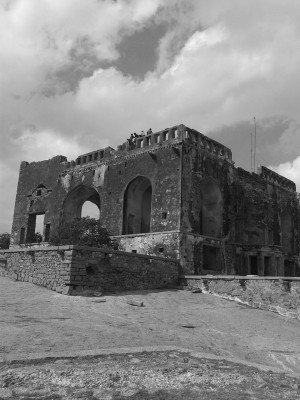
Bhongir
Some quick example text to build on the card title and make up the bulk of the card's content.
Go somewhere
Bodhan
Some quick example text to build on the card title and make up the bulk of the card's content.
Go somewhere
Gadwal
Some quick example text to build on the card title and make up the bulk of the card's content.
Go somewhere
HYDERABAD
Some quick example text to build on the card title and make up the bulk of the card's content.
Go somewhere
Jagtial
Some quick example text to build on the card title and make up the bulk of the card's content.
Go somewhere
Jangaon
Some quick example text to build on the card title and make up the bulk of the card's content.
Go somewhere
Kamareddy
Some quick example text to build on the card title and make up the bulk of the card's content.
Go somewhere
Karimnagar
Some quick example text to build on the card title and make up the bulk of the card's content.
Go somewhere
KHAMMAM
Some quick example text to build on the card title and make up the bulk of the card's content.
Go somewhere
Kothagudem
Some quick example text to build on the card title and make up the bulk of the card's content.
Go somewhere
Mahabubabad
Some quick example text to build on the card title and make up the bulk of the card's content.
Go somewhere
Mahabubnagar
Some quick example text to build on the card title and make up the bulk of the card's content.
Go somewhere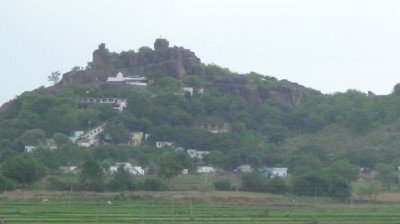
Mancherial
Some quick example text to build on the card title and make up the bulk of the card's content.
Go somewhere
Medak
Some quick example text to build on the card title and make up the bulk of the card's content.
Go somewhere
Nagarjunakonda
Some quick example text to build on the card title and make up the bulk of the card's content.
Go somewherein Other Cities