...

Place To Visit And Things To Do In Gadwal

Telangana, India
Weaving Heritage: Gadwal is world-renowned for its traditional handloom sarees that feature a unique combination of silk and cotton. The town has been a hub for master weavers for centuries, with the craft receiving a Geographical Indication (GI) tag for its distinct style and high-quality zari work . Fortified History: The Gadwal Fort is a massive structure built in the 17th century by Raja Pedda Soma Bhupala. It served as the seat of the Gadwal Samsthanam, a powerful local principality that maintained its autonomy under various regional empires including the Nizams. Spiritual Landmarks: The town and its surroundings are home to significant religious sites like the Chennakesava Swamy Temple and the nearby Alampur Jogulamba Temple. These shrines are not only places of worship but also architectural gems that showcase the region's deep spiritual and artistic roots. Riverine Beauty: Situated near the confluence of the Krishna and Tungabhadra rivers, Gadwal enjoys a picturesque setting. The nearby Jurala Dam provides a vast expanse of water and lush surroundings, making it a popular destination for nature lovers and weekend travelers.

Things To Do

Card image cap
Alampur Jogulamba Devi Temple

Alampur Jogulamba Devi Temple is one of the most significant pilgrimage sites in India, recognized as the 5th Maha Shakti Peetha among the 18 sacred ...

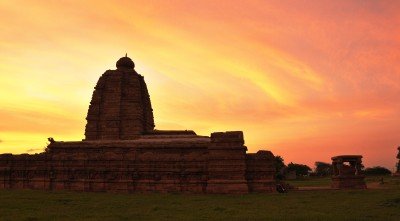
Alampur Jogulamba Devi Temple is one of the most significant pilgrimage sites in India, recognized as the 5th Maha Shakti Peetha among the 18 sacred shrines dedicated to Goddess Shakti. Located at the holy confluence of the Tungabhadra and Krishna rivers, this temple town is often referred to as Dakshina Kashi (Kashi of the South) due to its immense spiritual aura and historical depth. The temple is dedicated to Goddess Jogulamba, an incarnation of Goddess Parvati, whose name is derived from "Yogula Amma," meaning the Mother of Yogis. Historically, the temple dates back to the 7th century CE, built under the patronage of the Badami Chalukya kings. The original temple was tragically destroyed during the 14th-century invasions by the Bahmani Sultans, and the idol of the Goddess was hidden in the nearby Bala Brahmeswara Temple for safety for centuries. It wasn't until 2005 that a new, magnificent temple was constructed to house the original deity once again. The goddess is depicted in a fierce yet protective form, seated on a corpse, with a scorpion, frog, and lizard on her head, symbolizing her control over life, death, and time. Surrounded by the Navabrahma Temples—a cluster of nine ancient Shiva temples—the complex serves as a living museum of ancient Indian heritage. Pilgrims believe that a visit here grants spiritual liberation and protection from evil forces. The atmosphere is thick with the scent of incense and the rhythmic chanting of Vedic hymns, making it a profound destination for both the devout and the history enthusiast. The site is managed by the Archaeological Survey of India (ASI) due to its historical value. Visiting Alampur provides a unique window into the Chalukyan era's religious and cultural life, where the confluence of rivers mirrors the confluence of Shaivism and Shaktism traditions.
Card image cap
Beechupally Anjaneya Swamy Temple

Beechupally Anjaneya Swamy Temple is a highly revered shrine dedicated to Lord Hanuman, situated on the picturesque banks of the Krishna River. This ...

Beechupally Anjaneya Swamy Temple is a highly revered shrine dedicated to Lord Hanuman, situated on the picturesque banks of the Krishna River. This temple holds a unique place in the hearts of the local "Boya" tribe and devotees across Telangana and Andhra Pradesh. The temple's origins are steeped in a beautiful legend involving the great saint Sri Vyasaraja, the rajaguru of the Vijayanagara Empire. It is said that the saint installed the idol of Hanuman here in the 16th century. When he was leaving, he worried about who would perform the daily prayers. Lord Hanuman appeared in his dream and said the first person to arrive the next morning should be the priest. A young tribal boy named Beechupally from the Boya tribe was the first to offer prayers, and to this day, his descendants continue to serve as the temple's archakas (priests). This tradition highlights a rare instance of tribal priesthood in a mainstream Hindu temple. The location is strategically significant as it lies on the NH-44 (Hyderabad-Bangalore Highway), making it a popular stop for travelers. The temple complex includes a shrine for Lord Rama (built in 1992) and an ancient Shiva Lingam temple located very close to the riverbank. During the monsoon, the Krishna river often rises to touch the feet of the Shiva idol, a sight considered highly auspicious. The area is also known for performing "Apara Karma" (last rites) for the departed, similar to the ghats of Varanasi. The scenic beauty of the river, combined with the spiritual vibrations of the Hanuman chants, creates a tranquil atmosphere for all visitors.
Card image cap
Chandragiri Konda

Chandragiri Konda (Moon Hill) is a historical site located near Gadwal that serves as a testament to the region's medieval defensive architecture. Un...
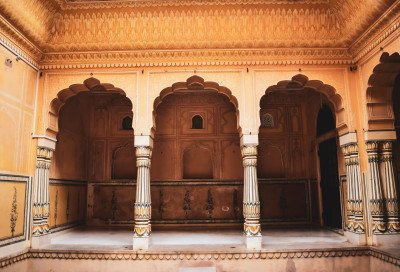
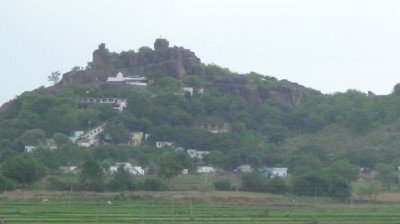
Chandragiri Konda (Moon Hill) is a historical site located near Gadwal that serves as a testament to the region's medieval defensive architecture. Unlike the famous Chandragiri in Andhra Pradesh, this local "Konda" (hill) is a rugged, rocky outcrop that once housed a formidable fort used by the local chieftains and the Gadwal Samsthanam rulers. The hill provides a strategic vantage point over the surrounding plains and the Krishna river basin. Historically, it served as a watchtower and a secondary defense line for the Gadwal Fort. The site is characterized by massive granite boulders, ancient stone walls, and ruins of granaries and water cisterns carved directly into the rock. Legend has it that the hill was named "Chandragiri" because the white granite glowed like the moon under the full moon's light. Today, it is a popular spot for trekking enthusiasts and history seekers who want to explore off-the-beaten-path locations. The climb to the top is moderately challenging but rewards visitors with a 360-degree view of the green landscape. Small shrines dedicated to local deities are scattered across the hill, often visited by villagers during festivals. The silence of the hill, interrupted only by the wind, makes it a perfect place for introspection and connecting with the past. While much of the fort is in ruins, the sheer scale of the stone blocks used in the ramparts leaves one in awe of the manual labor and engineering of the bygone era.
Card image cap
Gadwal Fort

@@Foundation and Historical Rulers: The Gadwal Fort is a monumental 17th-century fortress, an enduring symbol of the powerful Gadwal Samsthanam. It wa...
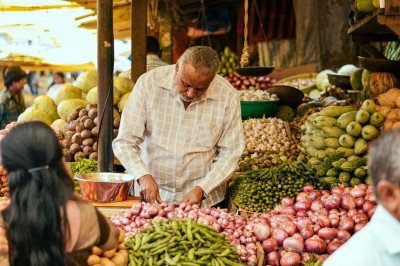
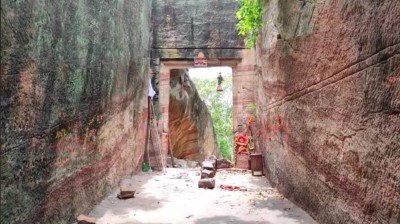
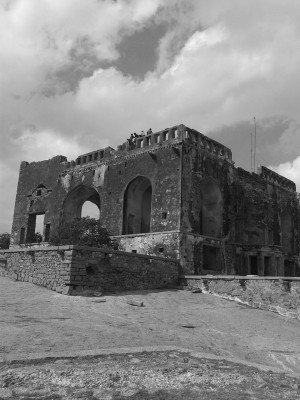
@@Foundation and Historical Rulers: The Gadwal Fort is a monumental 17th-century fortress, an enduring symbol of the powerful Gadwal Samsthanam. It was constructed by the legendary ruler Peda Soma Bhupaludu (also known as Somanadri) between 1703 and 1710 CE. Somanadri was a formidable strongman who established the Gadwal Samsthanam as a vassal state under the Nizam of Hyderabad. The fort was built with colossal walls, wide moats, and strong bastions, making it virtually impregnable in its time and earning Gadwal the moniker 'Vidvadgadwala' for its patronage of arts and learning. A significant historical fact is the 32-feet-long cannon, one of the largest in India, which Somanadri brought back as a trophy after defeating the Nawab of Kurnool, and which is still displayed outside the fort. @@Present Day Status: While much of the original palace is dilapidated, parts of the fort are still active. It houses the Maharani Adi Laxmi Devamma Government Arts & Science College, which utilizes several of the historical structures. The fort complex also holds three significant temples and a stepwell, making it a blend of military history, royal heritage, education, and spiritual devotion. It is a testament to the region's rich cultural and political past, providing a vivid glimpse into the life of the Gadwal rulers.:
Card image cap
Gadwal Market Area

@@The Pulse of Handloom Heritage: The Gadwal Market Area is the bustling economic and cultural heart of the town, primarily renowned as the central hu...

@@The Pulse of Handloom Heritage: The Gadwal Market Area is the bustling economic and cultural heart of the town, primarily renowned as the central hub for the production and trade of the world-famous Gadwal Sarees. This market is where you can witness the confluence of tradition and commerce, with numerous specialized handloom stores, weaving units, and small artisan shops. The unique feature of the Gadwal Sarees—the Kuttu technique, where the cotton body is interlocked with the silk border and pallu—is the main draw, a skill passed down through generations. The market serves not just as a retail center but as a showcase for the town's unique cultural identity, where the air is filled with the colors of the sarees and the sounds of trade. @@A Glimpse into Local Life: Beyond the sarees, the market area is a typical South Indian bazaar, selling everything from fresh produce, spices, and local crafts to household goods. It is the best place to experience the authentic daily life of the Gadwal people, providing a sensory overload of sights, sounds, and smells. The area around Gandhi Chowk is especially vibrant and a focal point for all commercial activities.:
Card image cap
Ganga Katta Temple

@@A Place of Local Devotion: The Ganga Katta Temple is a small, locally significant shrine situated on the 'Katta' or embankment of a local river or a...

@@A Place of Local Devotion: The Ganga Katta Temple is a small, locally significant shrine situated on the 'Katta' or embankment of a local river or a water tank in the vicinity of Gadwal. While not a major tourist landmark, it is a vital spiritual center for the local community, serving as a place of daily worship and a focal point for various local religious rituals. The presence of the word 'Ganga' often signifies the worship of a deity associated with the holy river, or a local name for the body of water it is located next to. Given the proximity of the Krishna River and the Jurala Dam to Gadwal, the temple likely holds special significance as a river-bank shrine. The temple provides a serene and tranquil atmosphere, contrasting with the bustling town, making it a place for quiet reflection. @@Community Significance: The temple is important for local fishermen, farmers, and women who perform rituals related to water, fertility, and prosperity. It embodies the deep-rooted cultural and spiritual connection of the Gadwal community to the local environment and water sources. Its simplicity is part of its charm and spiritual power.:
Card image cap
Gattu Lift Irrigation Project

The Gattu Lift Irrigation Project is a monumental engineering feat designed to transform the arid landscape of the Jogulamba Gadwal district into fer...
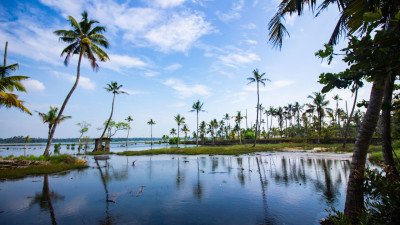
The Gattu Lift Irrigation Project is a monumental engineering feat designed to transform the arid landscape of the Jogulamba Gadwal district into fertile agricultural land. Located in the remote Gattu mandal, this project was initiated to provide water to over 33,000 acres of land that had historically suffered from severe drought. The project works by "lifting" water from the Relampadu Balancing Reservoir (which receives water from the Jurala project) and transporting it through a network of canals and pipes to higher elevations. This is a classic example of how modern technology is used to overcome geographical challenges where gravity flow is not possible. For a tourist, the site offers a fascinating look at massive pump houses, giant delivery mains, and the intricate network of canals that look like silver threads across the landscape. The project cost nearly ?554 crore and represents a lifeline for the local farming community. Visiting the site provides an educational perspective on India's efforts in water management and irrigation. The area around the project is becoming increasingly green, offering a stark contrast to the surrounding dry zones. It is especially impressive to see the sheer force with which the water is pumped into the cisterns. The project has not only boosted agriculture but also created a large water body that attracts local migratory birds, making it an accidental eco-tourism spot.
Card image cap
Gopaladinne Lake

Gopaladinne Lake is a serene water body located near the village of Gopaladinne, serving as a vital source of water and a beautiful natural attractio...

Gopaladinne Lake is a serene water body located near the village of Gopaladinne, serving as a vital source of water and a beautiful natural attraction in the Gadwal region. The lake is part of the local irrigation system but has evolved into a popular spot for relaxation and nature appreciation. Surrounded by low-lying hills and agricultural fields, the lake provides a peaceful getaway from the hustle of the town. During the monsoon and winter seasons, the lake is at its fullest, with sparkling blue water reflecting the clear skies. The area is known for its biodiversity, attracting various species of local and migratory birds like egrets, kingfishers, and ducks. The lake is also a center for local fishing activities; you can often see fishermen in their small traditional coracles (round boats) casting nets. For the local community, it is a place for evening walks and weekend outings. The air here is fresh, and the environment is remarkably quiet, making it an ideal spot for meditation or a quiet picnic. Historically, such lakes in the Gadwal region were maintained by the local Samsthanam kings to ensure water security for their subjects. Today, the lake stands as a symbol of the region's natural beauty and the harmonious relationship between the people and their water sources. Its proximity to Gadwal town makes it a very accessible spot for a quick refreshing trip.
Card image cap
I-Park Gadwal

@@A Hub for Industrial Development: The I-Park Gadwal refers to the official Industrial Park or Industrial Area established by the Government of Telan...

@@A Hub for Industrial Development: The I-Park Gadwal refers to the official Industrial Park or Industrial Area established by the Government of Telangana to promote and facilitate industrial growth in the Jogulamba Gadwal District. This park was established in 1996 and is a key component of the state's industrial policy (TS-iPASS), designed to provide entrepreneurs with necessary infrastructure and clear regulatory pathways. It is a functional area dedicated to manufacturing, processing, and ancillary units, aiming to create employment and boost the local economy. The park includes allocated plots, roads, water supply infrastructure, and power availability. It is not an amusement park. @@Focus on Local Industries: While open to various sectors, the park has a special focus on facilitating industries related to the region's strengths, such as handloom, textiles, and agro-based units, aiming to modernize and expand the local craft and agricultural base. The existence of the Industrial Park reflects the government's commitment to industrializing the district.:
Card image cap
Jammulamma Temple

@@Spiritual Center for Regional Devotion: The Jammulamma Temple is a highly revered local Hindu temple, primarily dedicated to Goddess Jammulamma, a f...

@@Spiritual Center for Regional Devotion: The Jammulamma Temple is a highly revered local Hindu temple, primarily dedicated to Goddess Jammulamma, a form of the regional Mother Goddess (Shakti) widely worshipped in Telangana and Andhra Pradesh. It is located in the nearby village of Jammiched and is a cornerstone of the spiritual life for the residents of Gadwal and the surrounding areas. The temple is known for its powerful, wish-granting deity and draws thousands of devotees, especially on specific auspicious days and during festivals. The atmosphere is one of deep, traditional devotion, often involving folk rituals specific to the regional Mother Goddess worship. @@Folk Traditions and Rituals: The temple is important for local folk traditions, including the ritual of offering Bonam (a special cooked offering to the Goddess) and performing Kalyanam (the celestial wedding of the Goddess). The temple is generally open 24 Hrs for devotees, though the sanctum darshan follows set timings. It holds a high place among the local shrines in the Jogulamba Gadwal district.:
Card image cap
Jurala Dam

The Jurala Dam, also known as the Priyadarshini Jurala Project, is a massive multipurpose dam built across the Krishna River. It serves as a vital so...

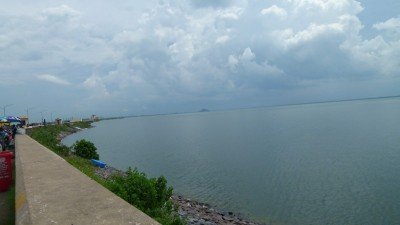
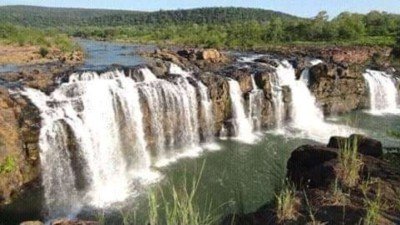
The Jurala Dam, also known as the Priyadarshini Jurala Project, is a massive multipurpose dam built across the Krishna River. It serves as a vital source of irrigation and hydroelectric power for the drought-prone regions of Jogulamba Gadwal and Mahabubnagar. The reservoir is a sight to behold during the monsoon when all gates are opened, creating a thunderous roar. The project was inaugurated in 1995 and has since become a major landmark. It supports a diverse ecosystem, attracting various bird species to its waters. The dam's proximity to Gadwal makes it a favorite weekend getaway for locals and tourists alike.
Card image cap
Keesara Gutta

@@An Ancient Hilltop Sanctuary: The Keesara Gutta is a highly ancient and revered Hindu temple dedicated to Lord Shiva (as Ramalingeshwara Swamy) and ...

@@An Ancient Hilltop Sanctuary: The Keesara Gutta is a highly ancient and revered Hindu temple dedicated to Lord Shiva (as Ramalingeshwara Swamy) and his consort, Parvati. It is situated atop a scenic hillock (Gutta means hill) near Hyderabad. Legend holds immense spiritual weight here, stating that Lord Rama himself installed the Siva Lingam at this site to atone for the sin of slaying the Brahmin king Ravana. The Lingam is considered a Swayambhu Linga. An early Telugu inscription found here, dating to the 4th-5th century CE, makes it a site of major historical and linguistic significance in Telangana. The hill is named after Hanuman's father, Kesari (Kesarigiri), which colloquially became Keesara Gutta. The serene environment and panoramic views make it a significant pilgrimage and heritage site.:
Card image cap
Krishna River Ghat

The Krishna River Ghat at Beechupally is a spiritual and cultural hub located on the banks of the sacred Krishna River. It is most famous for the Bee...

The Krishna River Ghat at Beechupally is a spiritual and cultural hub located on the banks of the sacred Krishna River. It is most famous for the Beechupally Anjaneya Swamy Temple, an ancient shrine dedicated to Lord Hanuman. The ghats are beautifully constructed, allowing pilgrims to perform rituals and take holy baths comfortably. The location is strategically placed on the Hyderabad-Bangalore National Highway, making it highly accessible. The river here is wide and serene, providing a peaceful environment for meditation and prayer. It is also a site where last rites and obsequies are traditionally performed.
Card image cap
Mullakarra Forest

Mullakarra Forest is a dry deciduous forest patch that represents the natural wilderness of the Jogulamba Gadwal district. It serves as a vital habit...
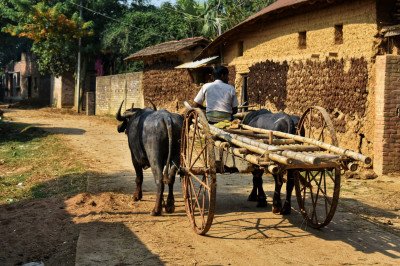
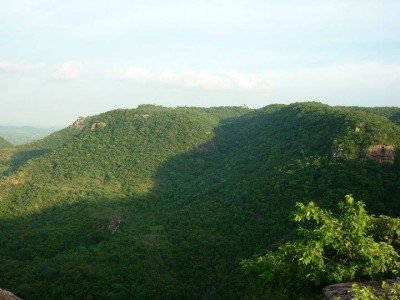
Mullakarra Forest is a dry deciduous forest patch that represents the natural wilderness of the Jogulamba Gadwal district. It serves as a vital habitat for local wildlife including blackbucks, foxes, and a variety of reptiles. The forest area is characterized by thorny shrubs and hardy trees like teak and neem, which survive the harsh Deccan summers. It provides a stark contrast to the surrounding agricultural lands. For nature lovers, it offers a raw experience of the local flora and fauna. The area is also important for soil conservation and maintaining the micro-climate of the region.
Card image cap
Pallepadu Village

Pallepadu Village is known for its breathtaking rural scenery and its location near the confluence of local streams. The village offers a glimpse int...
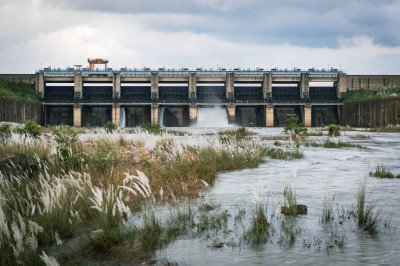
Pallepadu Village is known for its breathtaking rural scenery and its location near the confluence of local streams. The village offers a glimpse into the traditional agrarian lifestyle of Telangana. The landscape is dominated by lush green fields of cotton and chili, which change colors with the seasons. The peaceful atmosphere and the hospitality of the villagers make it a unique cultural experience. It is an ideal spot for those looking to escape the hustle of city life and enjoy the simplicity of nature. The village also has historical significance as a site of early settlements in the district.
Card image cap
Rajoli Dam

The Rajolibanda Diversion Scheme (RDS) is a vital irrigation project located across the Tungabhadra River. It is an inter-state project that provides...

The Rajolibanda Diversion Scheme (RDS) is a vital irrigation project located across the Tungabhadra River. It is an inter-state project that provides water to Telangana, Karnataka, and Andhra Pradesh. The dam site is historically significant, with construction dating back to the Nizam era in 1946. It is situated in a picturesque location where the river carves its path through rocky terrain. The RDS canal is the main source of water for the Alampur and Gadwal regions. The area around the dam is popular for its rugged beauty and the massive anicut that stretches across the river.
Card image cap
Rajolibanda Diversion Scheme

The Rajolibanda Diversion Scheme (RDS) is a vital irrigation project situated across the Tungabhadra River. Initiated during the Nizam era between 19...

The Rajolibanda Diversion Scheme (RDS) is a vital irrigation project situated across the Tungabhadra River. Initiated during the Nizam era between 1946 and 1958, it serves as a crucial water source for the drought-prone regions of Telangana, Karnataka, and Andhra Pradesh. The scheme consists of a 143 km long canal system that provides life-giving water to thousands of acres of agricultural land in the Jogulamba Gadwal district. Visitors can witness the massive barrage and the complex network of gates that regulate the river's flow. The surrounding area offers a serene rural landscape, making it a peaceful spot for engineering enthusiasts and nature lovers. It stands as a testament to mid-20th-century hydraulic engineering in South India.
Card image cap
Ramalayam Temple

The Ramalayam Temple is one of the three significant temples situated within the historic Gadwal Fort. Built during the 17th Century under the patron...

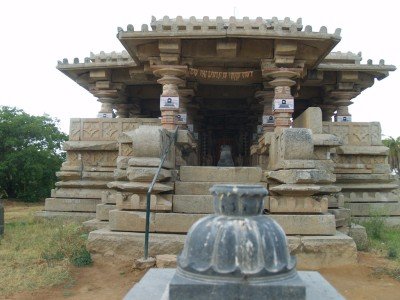
The Ramalayam Temple is one of the three significant temples situated within the historic Gadwal Fort. Built during the 17th Century under the patronage of the Gadwal Samsthanam rulers, specifically Pedda Soma Bhupala, it serves as a spiritual anchor for the local community. The temple is dedicated to Lord Rama, along with his consort Sita and brother Lakshmana. It is situated amidst the ruins of the royal fort, providing a unique atmosphere where history and spirituality converge. The temple continues to be a living place of worship, maintaining traditions that date back hundreds of years. Visitors are often struck by the peaceful ambiance that exists despite being within the heart of the town. The intricate carvings on the pillars and the traditional rituals performed here reflect the deep cultural heritage of the Reddy kings who ruled the region.
Card image cap
Saraswati Temple

The Saraswati Temple in Gadwal is a revered shrine dedicated to the Goddess of Knowledge, Music, and Art. While not as ancient as the fort temples, i...

The Saraswati Temple in Gadwal is a revered shrine dedicated to the Goddess of Knowledge, Music, and Art. While not as ancient as the fort temples, it holds a special place in the hearts of the "Vidwad Gadwal" (Gadwal of Scholars) community. The town has a long-standing tradition of valuing education and literature, and this temple serves as a focal point for students and artists. The idol of Goddess Saraswati is beautifully crafted, usually depicted in a white saree holding a Veena. Parents often bring their children here for Akshara Abhyasam (the formal initiation into education). The temple premises are known for their calm and studious atmosphere, often housing small community gatherings related to classical music or literary discussions. It embodies the intellectual spirit of the Gadwal Samsthanam, which was historically known for patronizing poets and scholars.
Card image cap
Shantinagar Town

Shantinagar is a significant town and mandal headquarters in the Jogulamba Gadwal district. Historically a major agricultural trading center, it has ...

Shantinagar is a significant town and mandal headquarters in the Jogulamba Gadwal district. Historically a major agricultural trading center, it has grown into a busy hub due to its proximity to the Hyderabad-Bangalore National Highway (NH-44). The town serves as a gateway to several rural tourist spots including the Rajolibanda Diversion Scheme. For a traveler, Shantinagar offers a glimpse into the rapidly modernizing rural life of Telangana. It is famous for its vibrant weekly markets and its role as a central point for farmers from surrounding villages to sell their produce, especially cotton and chilies. The town has several local temples and a diverse community that celebrates festivals with traditional fervor. It provides essential services like healthcare, banking, and shopping for the southern part of the district, making it a critical stopover for those traveling between Gadwal and Kurnool.
Card image cap
Somashekar Ananda Reddy Statue

The Somashekar Ananda Reddy Statue stands as a magnificent tribute to the most famous ruler of the Gadwal Samsthanam, Raja Peda Soma Bhupala (also kn...

The Somashekar Ananda Reddy Statue stands as a magnificent tribute to the most famous ruler of the Gadwal Samsthanam, Raja Peda Soma Bhupala (also known as Somashekar Ananda Reddy). He was a legendary figure who ruled in the 17th Century and is credited with building the formidable Gadwal Fort. The statue commemorates his bravery, administrative skills, and his role in making Gadwal a center for art and weaving. He famously defeated the Nawab of Kurnool and brought back a massive cannon as a trophy of war. The statue is a point of pride for the local Reddy community and the citizens of Gadwal, symbolizing the town's glorious past as a semi-independent state under the Nizams. It is often decorated during state festivals and the anniversary of the king. Standing tall at a prominent junction, it welcomes visitors to the historical part of the city, reminding them of the warrior-king who shaped the region's identity.
Card image cap
Sri Chenna Kesava Swamy Temple

The Sri Chenna Kesava Swamy Temple is a magnificent spiritual landmark situated within the historic Gadwal Fort in the Jogulamba Gadwal district. Thi...

The Sri Chenna Kesava Swamy Temple is a magnificent spiritual landmark situated within the historic Gadwal Fort in the Jogulamba Gadwal district. This temple is dedicated to Lord Chenna Kesava, a beautiful manifestation of Lord Vishnu, and it serves as the primary deity for the royal family of the Gadwal Samsthanam. The temple was constructed by the local rulers who were known for their patronage of art, culture, and religious harmony. Walking into the temple premises, visitors are greeted by a sense of ancient serenity and a profound connection to the historical past of the Deccan region. The temple has stood the test of time, witnessing the rise and fall of dynasties while remaining a steadfast pillar of faith for the local community. The deity is worshipped with great devotion, and the atmosphere inside the sanctum is filled with the fragrance of incense and the sound of Vedic chants. For history buffs and spiritual seekers alike, this temple offers a unique glimpse into the 17th-century religious life of South India. The intricate carvings on the pillars and the majestic gopuram reflect the wealth and aesthetic sensibility of the Gadwal kings. The temple complex also includes various smaller shrines and a spacious courtyard where devotees gather during festivals. Every stone in the temple tells a story of devotion and the architectural prowess of the artisans of that era. Visiting this place is not just a religious experience but also a journey through the cultural heritage of Telangana. The temple's association with the Gadwal sarees—as the weavers often seek blessings here—adds another layer of cultural significance. It remains one of the most visited sites in the district, drawing pilgrims from nearby towns and far-off states who come to witness the divine beauty of Chenna Kesava Swamy. The temple's location within the fort walls makes it an integrated part of the city's historical landscape, providing a quiet escape from the modern hustle of Gadwal town. :
Card image cap
Sri Venkateswara Swamy Temple

The Sri Venkateswara Swamy Temple in Gadwal is a revered shrine that brings the essence of the famous Tirumala temple to the local devotees. This tem...

The Sri Venkateswara Swamy Temple in Gadwal is a revered shrine that brings the essence of the famous Tirumala temple to the local devotees. This temple has a historical link with the Gadwal Samsthanam, as the rulers were ardent devotees of Lord Venkateswara. The temple is situated in the heart of the old town, surrounded by narrow streets that buzz with the activity of flower sellers and religious shops. The presiding deity, Lord Srinivasa, is a magnificent idol that resembles the one in Tirupati, complete with the Shankha, Chakra, and the Abhaya Hasta. The temple complex is not just a place of worship but also a center for cultural activities and traditional music. Many locals believe that a visit to this temple is equivalent to a pilgrimage to Tirumala, especially for those who cannot make the long journey to Andhra Pradesh. The temple sees a massive influx of devotees on Saturdays, which are considered auspicious for Lord Vishnu. The rituals followed here are strictly in accordance with the Vaikhanasa Agama traditions, ensuring the sanctity of the worship. The inner sanctum is often cool and dark, lit by oil lamps that cast a golden glow on the deity’s ornaments. Over the years, the temple has undergone several renovations, but it still retains its ancient charm. The sound of the temple bell and the chanting of the Sahasranama create a meditative atmosphere that helps devotees find peace. The temple also hosts several festivals throughout the year, with Vaikunta Ekadasi being the most prominent. On this day, a special "Heavenly Gate" (Uttara Dwara) is opened for devotees. The temple's role in the social fabric of Gadwal is immense, acting as a gathering spot for community elders and a place of solace for many. Its proximity to the local markets makes it an easy stop for residents and visitors alike, making it one of the busiest spiritual hubs in the district. :
Card image cap
Suresh M Park

Suresh M Park is the most popular recreational spot in Gadwal, providing a much-needed green space for the residents of the town. This park was devel...

Suresh M Park is the most popular recreational spot in Gadwal, providing a much-needed green space for the residents of the town. This park was developed to offer a place for relaxation, morning walks, and family outings. Spread over a significant area, it features well-maintained lawns, a variety of flowering plants, and shaded walkways. For a town that is primarily known for its historical fort and temples, this park offers a modern contrast where youth and families can spend quality time. The park is especially lively in the evenings when children flock to the play area, which is equipped with slides, swings, and see-saws. There is also a small pond or water feature that adds to the aesthetic appeal of the park, though its maintenance varies by season. The pathways are paved, making it an ideal spot for fitness enthusiasts who come here for morning and evening jogs. Benches are placed at regular intervals under the shade of trees, allowing elderly visitors to sit and chat. The park's layout is simple yet effective, with a central fountain that serves as a landmark. It has become a favorite spot for local school picnics and small community gatherings. During the monsoon, the park turns into a lush green oasis, making it a perfect spot for photography. The management ensures that the park is cleaned regularly, although peak holiday seasons can see a bit of a rush. For a traveler visiting Gadwal, Suresh M Park provides a peaceful break between visiting the fort and the temples, allowing one to sit back and enjoy the local atmosphere. The park is named after a local figure and stands as a testament to the town's growing urban amenities. It is a place where one can observe the daily life of Gadwal's citizens away from the religious and commercial centers. :
Card image cap
Thummilla Lift Irrigation Project

The Thummilla Lift Irrigation Project is a significant modern engineering feat located in the Jogulamba Gadwal district. It was designed to provide a...

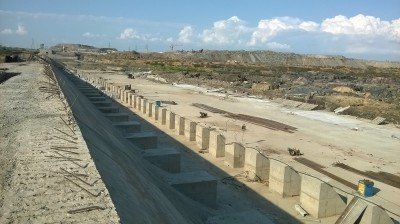
The Thummilla Lift Irrigation Project is a significant modern engineering feat located in the Jogulamba Gadwal district. It was designed to provide a permanent solution to the water woes of the Alampur and Gadwal regions, which often faced drought-like conditions. The project lifts water from the Tungabhadra River to supply the Rajolibanda Diversion Scheme (RDS) canal. This project is a lifeline for thousands of farmers, irrigating over 87,000 acres of parched land. Visiting the site provides a deep insight into how massive infrastructure projects are changing the landscape of rural Telangana. The sight of massive pumps lifting thousands of cusecs of water is truly awe-inspiring. The project consists of a huge pump house, massive pipelines, and delivery cisterns. The surrounding area is relatively rugged and rural, offering a glimpse into the agricultural heartland of the state. The project was completed in record time to ensure that the farmers of the region receive their fair share of water. While primarily a functional site, it has become a point of interest for those interested in irrigation, engineering, and rural development. The vast expanse of the river and the mechanical precision of the lift system make it a unique stop for travelers. It is best visited along with the nearby Rajoli village, which is known for its traditional weaving. The project reflects the government's commitment to agricultural prosperity. Standing near the delivery point, one can feel the power of the water as it gushes into the canals, ready to transform the dry fields into green patches. It is a symbol of hope for the local community and a testament to modern Indian engineering. The road to the project takes you through picturesque rural landscapes, crossing small canals and vast fields of cotton and chili, which are the primary crops of this region. :
Show All
Information about New and Updated Locations() of Telangana Has Been Added :-
Card subtitle

Note:-

Information provided here in good Faith and for reference only.

All information and pictures will be updated soon, please keep visiting.

Near Places
in Other Cities