

Gahandar Waterfall
General information
-
Ideal Duration:
3 to 5 Hours (Including Trek):Place Type:
Waterfall/Trekking/Nature SpotEntry Fees:
No Entry Fee: Currently, there is No Official Entry Fee to access the Gahandar Waterfall or the surrounding forest area, which is part of its appeal as a pristine, budget-friendly natural destination. It is considered an open forest area.
Local...No Entry Fee: Currently, there is No Official Entry Fee to access the Gahandar Waterfall or the surrounding forest area, which is part of its appeal as a pristine, budget-friendly natural destination. It is considered an open forest area.
Local Guide Fee: The primary unavoidable cost is the fee for a Local Guide, which is highly recommended due to the difficulty of navigation and lack of signage. This fee is negotiated and usually ranges from Rs.500 to Rs.1000 for a full-day trip, depending on the group size and the negotiation.
Parking Fee (Village): A small, nominal Parking Fee (around Rs.20 to Rs.50) might be charged by the local village committee where the motorable road ends, and the trek begins. This fee is often for the security and informal management of the parking space.
Transport Cost: The major expenditure is the cost of hiring a dedicated taxi/car for the round trip from Dhamtari or the nearest town, as public transport is non-existent. The cost for the entire day's hire can range from Rs.2000 to Rs.3500.Timing:
Regular Timings: As a natural, open forest area, there are No Official Regular Timings. However, access is practically limited to Daylight Hours (Sunrise to Sunset). It is extremely unsafe to begin or end the trek after 4:00 PM due to the risk of getting lost in the dense ...Regular Timings: As a natural, open forest area, there are No Official Regular Timings. However, access is practically limited to Daylight Hours (Sunrise to Sunset). It is extremely unsafe to begin or end the trek after 4:00 PM due to the risk of getting lost in the dense forest and the presence of wildlife.
Ideal Visit Time: The Mid-Morning (9:00 AM) is the best time to start the trek to reach the falls around the midday to enjoy the full light and then start the return journey by the early afternoon. The post-monsoon season (October to November) is the most ideal for the best water flow.
Avoidance Time: The monsoon season itself (July to September) can be very difficult due to slippery trails and the risk of flash floods in the streams, making the area less ideal and more dangerous. The intense summer heat in May and June makes the trek physically exhausting.Special Events:
Post-Monsoon Nature Trails: The period right after the Monsoon (October to November) is celebrated by local adventure groups as the best time to explore the freshly washed trails and witness the falls in their full glory, often involving organized trekking trips by local clu...Post-Monsoon Nature Trails: The period right after the Monsoon (October to November) is celebrated by local adventure groups as the best time to explore the freshly washed trails and witness the falls in their full glory, often involving organized trekking trips by local clubs.
Local Village Fairs: The nearest village, Gahandar, occasionally hosts small, traditional village fairs or celebrations associated with the harvest or a local deity. While not directly related to the waterfall, timing a visit with these events offers a glimpse into authentic rural life.
New Year's Day Treks: Given the growing interest in adventure tourism, local trekking and nature clubs often organize a dedicated New Year's Day Trek to the Gahandar Waterfall as a way to start the year with an outdoor adventure, attracting a small community of like-minded individuals.Best Photo Spots:
The Waterfall's Full Flow: The most dramatic photo spot is capturing the Full Cascading Flow of the water (best in post-monsoon), using a long exposure setting to create a silky, misty look against the dark, wet rocks and the deep green jungle.
...The Waterfall's Full Flow: The most dramatic photo spot is capturing the Full Cascading Flow of the water (best in post-monsoon), using a long exposure setting to create a silky, misty look against the dark, wet rocks and the deep green jungle.
Forest and Canopy Shots: The hike offers various photo opportunities, particularly shots of the dense Forest Canopy and the sun filtering through the leaves, creating natural spotlights on the trail. This is great for showing the journey to the falls.
The Plunge Pool Reflection: Capture the clear Plunge Pool, especially in calm areas, where the surrounding forest and the falling water are reflected perfectly on the water surface. This requires careful framing and stable hands.
Rocky Outcrops: Find a safe Rocky Outcrop with a clear view of the falls for a dramatic photograph, using the raw rock texture to frame the shot. This is ideal for powerful nature portraits.Photo Gallery
Things To Do
-
The Challenging Trek: The primary activity is the Trek to the Waterfall. This moderate-to-difficult walk (depending on the season) through the forest and rugged terrain is a key part of the experience, offering physical challenge and immersion in nature. Ensure you have proper gear and a local guide.
Refreshing Dip in the Plunge Pool: Taking a refreshing and invigorating Dip in the Natural Plunge Pool at the base of the falls is a highly recommended activity, especially after the strenuous trek. The cool water is a perfect way to relax (always exercise caution about water depth and currents).
Raw Nature and Landscape Photography: Capture the raw beauty of the cascading water and the lush, untouched forest. The focus here is on Landscape and Close-up Nature Photography—shooting the texture o...The Challenging Trek: The primary activity is the Trek to the Waterfall. This moderate-to-difficult walk (depending on the season) through the forest and rugged terrain is a key part of the experience, offering physical challenge and immersion in nature. Ensure you have proper gear and a local guide.
Refreshing Dip in the Plunge Pool: Taking a refreshing and invigorating Dip in the Natural Plunge Pool at the base of the falls is a highly recommended activity, especially after the strenuous trek. The cool water is a perfect way to relax (always exercise caution about water depth and currents).
Raw Nature and Landscape Photography: Capture the raw beauty of the cascading water and the lush, untouched forest. The focus here is on Landscape and Close-up Nature Photography—shooting the texture of the rocks, the flow of the water, and the surrounding jungle environment.
Birdwatching and Nature Spotting: Use the quiet, secluded environment for Birdwatching and spotting other small wildlife. The lack of human noise in this deep forest setting increases the chances of seeing shy, native species. Carry a simple notepad and binoculars.
Picnic and Relaxation: Find a suitable flat rock or clearing near the falls to enjoy a small, well-deserved Picnic Lunch. The sound of the waterfall acts as a natural white noise, making it an ideal spot for peaceful relaxation and contemplation. Remember to pack out all trash to maintain the pristine nature of the site.
Exploration of the Surroundings: With a guide, explore the immediate surroundings of the waterfall, which often involve navigating through natural rock shelters and small streams. This provides a sense of adventure and discovery in the true wilderness.
Camping (Informal): For the truly adventurous, limited, informal Camping might be possible (with permission and a guide) in the nearby forest clearings, offering a complete overnight wilderness experience.
Information
-
Why Famous:
Untouched Natural Beauty: Gahandar Waterfall is famous precisely because it is an undiscovered, pristine natural gem. Its secluded location ensures that the surrounding forest and the water are relatively untouched by commercial activity, appealing to those who want an auth...Untouched Natural Beauty: Gahandar Waterfall is famous precisely because it is an undiscovered, pristine natural gem. Its secluded location ensures that the surrounding forest and the water are relatively untouched by commercial activity, appealing to those who want an authentic, raw nature experience.
Rewarding Trekking Destination: Its fame is built upon being a rewarding destination for trekkers and adventure seekers. The difficulty of the journey, requiring a trek through the wilderness, makes the sight of the cascading water a significant achievement. It's often recommended by experienced local guides as a more challenging alternative to more accessible falls.
Photographer's Delight: The secluded setting, the deep green of the forest, and the raw power of the water make it a photographer's delight for capturing dramatic nature scenes, especially in the post-monsoon sunlight filtering through the canopy. The low tourist footfall allows for undisturbed photography. -
Architecture:
Natural Formation and Erosion: Gahandar Waterfall is an entirely natural geological formation, with no man-made structures or architecture. Its "architecture" is a product of long-term geological processes: the vertical drop is caused by differential erosion of hard and sof...Natural Formation and Erosion: Gahandar Waterfall is an entirely natural geological formation, with no man-made structures or architecture. Its "architecture" is a product of long-term geological processes: the vertical drop is caused by differential erosion of hard and soft rock strata in the region's hilly terrain. The cascade plunges from a height (variable, but estimated to be significant) into a natural plunge pool at the base.
Estimated Dimensions: Specific dimensions are highly variable and dependent on the monsoon flow. The approximate Height of the fall is not definitively recorded but is estimated to be around 30-50 feet. During the peak rainy season, the Width can expand significantly as the water volume increases, creating a dramatic, wide curtain of water. The natural Plunge Pool is typically a circular basin formed by the force of the falling water, with a diameter that changes with the season.
Surrounding Forest Structure: The site's structural appeal is the surrounding forest canopy, which creates a natural, secluded 'chamber' for the waterfall. The path to the fall is characterized by natural trails, rock formations, and jungle pathways, with some informal stone steps or clearings created by frequent visitors. The natural rock faces around the fall are often moss-covered, adding to the picturesque ambiance. -
How To Reach:
By Air: The nearest major airport is Swami Vivekananda Airport, Raipur (RPR), approximately 130-140 KMS away. From the airport, hire a pre-paid taxi or private cab to Dhamtari and then a further vehicle to the starting point of the trek near Gahandar Village. The total roa...By Air: The nearest major airport is Swami Vivekananda Airport, Raipur (RPR), approximately 130-140 KMS away. From the airport, hire a pre-paid taxi or private cab to Dhamtari and then a further vehicle to the starting point of the trek near Gahandar Village. The total road journey is long and requires an early start.
By Train: The nearest major railway station is Raipur Junction (R), about 130 KMS away. From Raipur, take a taxi or bus to Dhamtari. From Dhamtari, the journey to the waterfall's starting point must be done by a hired private vehicle.
By Road: Gahandar Waterfall is located approximately 35-40 KMS from Dhamtari city. Travel by hired taxi/car is the only reliable way. The journey involves a drive on state/district roads, followed by a local road, and finally, the road ends at a village near the forest border. From this point, a trek of several kilometers with a local guide is necessary. The last stretch of the road is generally in poor condition.
By Local Transport: Public transport is generally unavailable for the final part of the journey. The only viable option is to hire a dedicated private taxi for the entire round trip from Dhamtari. Local villagers near the drop-off point often act as guides for a fee. -
Weather and Best Time to Visit:
Monsoon Majesty (August - October): This is when the waterfall is at its most powerful and beautiful, with massive water flow and vibrant green surroundings. It's the best time for photography and viewing the spectacle, but caution is required on the slippery trails.Monsoon Majesty (August - October): This is when the waterfall is at its most powerful and beautiful, with massive water flow and vibrant green surroundings. It's the best time for photography and viewing the spectacle, but caution is required on the slippery trails.
Cool Trekking Winters (November - February): The cold and pleasant weather makes the trekking experience comfortable and enjoyable. The water flow is still decent, and the surrounding jungle is dry enough for safer movement. This is the Best Time for adventure tourists.
Hot/Dry Summers (March - June): This is the worst time for the falls, as the water flow is minimal, sometimes reduced to a trickle, and the trek is strenuous due to intense heat. It should be avoided unless you are comfortable with high temperatures. -
Near Tourist Places:
Narhara Waterfall (15 Kms):
Pawai Rani Waterfall (20 Kms):
Madamsilli Dam (Murumsilli) (25 Kms):
Sitanadi Wildlife Sanctuary (40 Kms):
Mandagiri Hill (60 Kms):
Gangrel Dam (50 Kms):
Rudri Dam (45 Kms):
Sondhur Dam (55 Kms):
Bilai Mata Mandir (55 Kms):
Rudri Barrage (45 Kms):
Tourism Tips
-
Health & Safety: Hire a local guide without fail, as getting lost is a serious risk. Wear sturdy, non-slip trekking shoes. Carry a basic first-aid kit, and be aware of wild insects/snakes in the jungle. Carry sufficient water and energy-giving snacks, as there are no shop...Health & Safety: Hire a local guide without fail, as getting lost is a serious risk. Wear sturdy, non-slip trekking shoes. Carry a basic first-aid kit, and be aware of wild insects/snakes in the jungle. Carry sufficient water and energy-giving snacks, as there are no shops en route.
Packing Essentials: A light backpack, fully charged phone, power bank, waterproof clothing (especially post-monsoon), and high-quality mosquito repellent are essential. Do not forget to carry a bag for your trash; pack it all out.
Accommodation: There are No Accommodation options near the falls. Visitors must arrange to stay in Dhamtari or at the resorts near Gangrel Dam and treat the waterfall visit as a full-day excursion.
Other Tips: Start the journey very early from Dhamtari to ensure you have enough daylight for the trek and the return journey. Check the weather forecast before leaving. Respect the local flora, fauna, and the pristine environment—Do not leave any waste behind.
Reviews
FAQs
Dhamtari Itineray And Cost:-
Gahandar Waterfall Tourism:-
Other Places In Dhamtari :-
Other States In India :-
Information about New and Updated Locations() of Chhattisgarh Has Been Added :-
Card subtitle
Note:-
Information provided here in good Faith and for reference only.
Near Places

Bilai Mata Mandir
Some quick example text to build on the card title and make up the bulk of the card's content.
Go somewhere
Bova Beach
Some quick example text to build on the card title and make up the bulk of the card's content.
Go somewhere
Dudhawa Dam
Some quick example text to build on the card title and make up the bulk of the card's content.
Go somewhere
Gahandar Waterfall
Some quick example text to build on the card title and make up the bulk of the card's content.
Go somewhere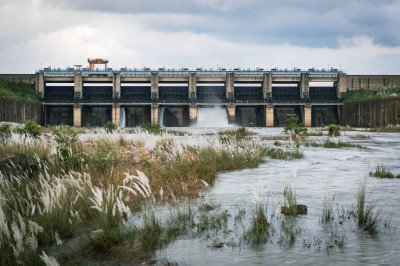
Gangrel Dam
Some quick example text to build on the card title and make up the bulk of the card's content.
Go somewhere
Madamsilli Dam
Some quick example text to build on the card title and make up the bulk of the card's content.
Go somewhere
Mandagiri Hill
Some quick example text to build on the card title and make up the bulk of the card's content.
Go somewhere
Mini Goa
Some quick example text to build on the card title and make up the bulk of the card's content.
Go somewhere
Narhara Waterfall
Some quick example text to build on the card title and make up the bulk of the card's content.
Go somewhere
Nature View Gangrel
Some quick example text to build on the card title and make up the bulk of the card's content.
Go somewhere
Rudri Dam / Rudreshwar Mahadev Temple
Some quick example text to build on the card title and make up the bulk of the card's content.
Go somewhere
Shanta Mata Ashram
Some quick example text to build on the card title and make up the bulk of the card's content.
Go somewhere
Sihawa
Some quick example text to build on the card title and make up the bulk of the card's content.
Go somewhere
Sitanadi Wildlife Sanctuary
Some quick example text to build on the card title and make up the bulk of the card's content.
Go somewhere
Sondhur Dam
Some quick example text to build on the card title and make up the bulk of the card's content.
Go somewherein Other Cities