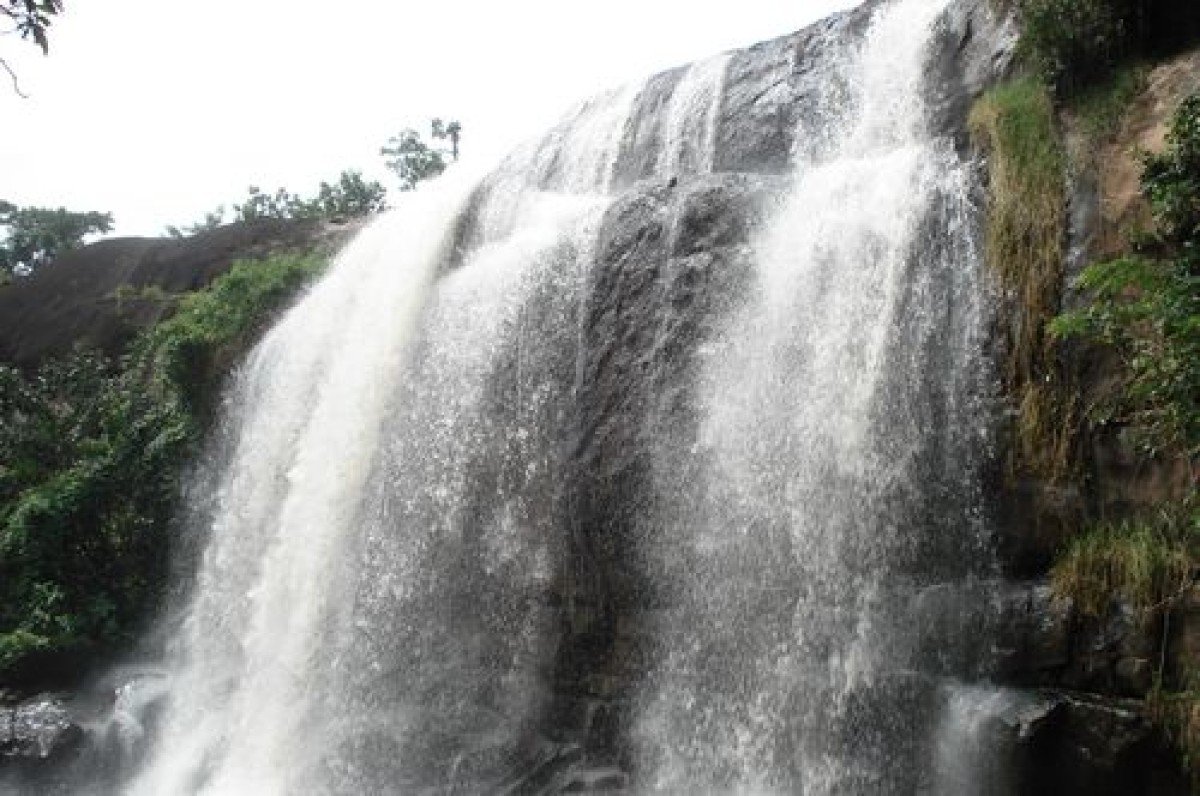
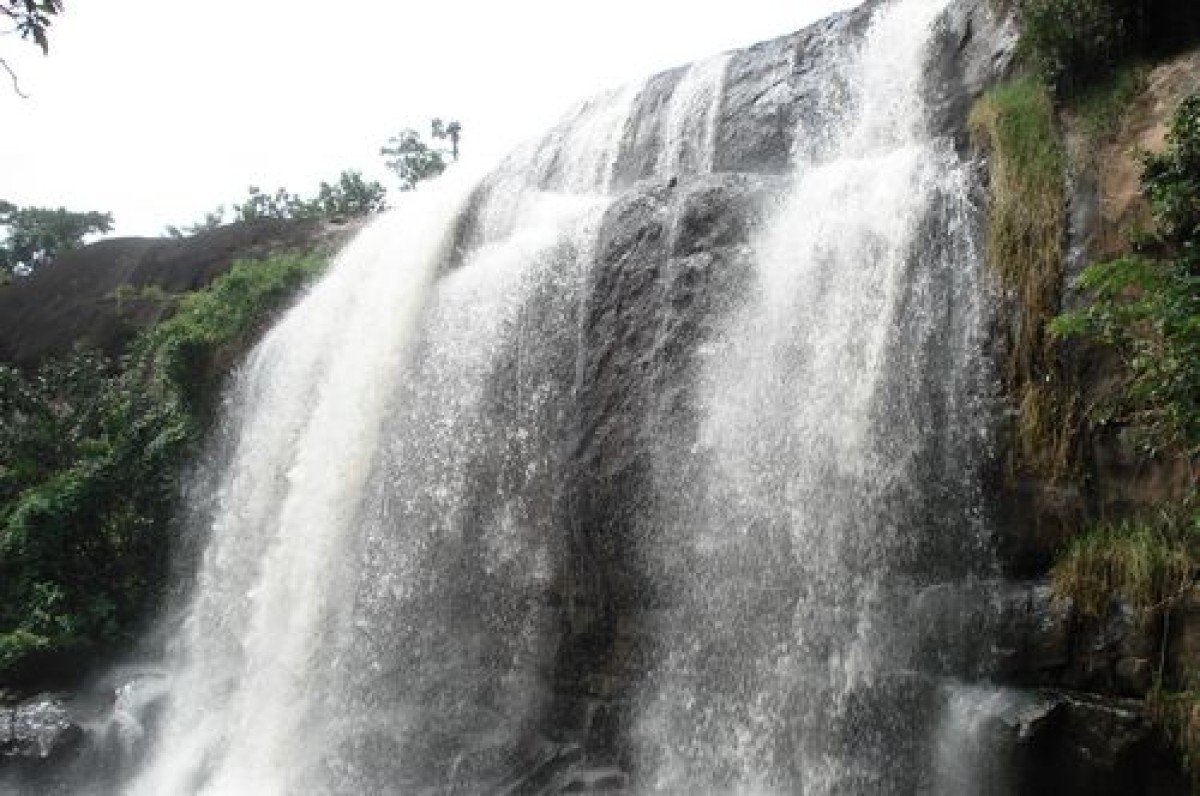
Dudhawa Dam
General information
-
Ideal Duration:
4 to 5 Hours:Place Type:
Dam/Reservoir/Historical SiteEntry Fees:
No Entry Fee for Dam: There is generally No Entry Fee to visit the Dudhawa Dam itself, as it is a public-utility and irrigation project. Access to the main embankment and surrounding picnic areas is free of charge.
Parking Charges: Parking ...No Entry Fee for Dam: There is generally No Entry Fee to visit the Dudhawa Dam itself, as it is a public-utility and irrigation project. Access to the main embankment and surrounding picnic areas is free of charge.
Parking Charges: Parking is usually available in designated areas, often with a nominal Parking Fee (around Rs.20 to Rs.50) for cars and other private vehicles. This fee is managed by local bodies.
Boating and Activities: Costs will be incurred for recreational activities. A Boat Ride on the reservoir typically costs around Rs.100 to Rs.200 per person. The Floating Café's prices are standard restaurant rates.
Temple Donation: There is no mandatory fee to visit the Shiva Temple, but visitors are welcome to make donations (Daan) for the maintenance and rituals of the ancient temple when it is accessible.
Guide Fee: Due to the remote location, hiring a local Guide (especially for temple access or forest trails) is recommended, and a fee (usually negotiated, around Rs.300 to Rs.500) is appropriate.Timing:
Regular Timings: The dam site is typically open from Sunrise (around 6:00 AM) to Sunset (around 6:00 PM). Security personnel may restrict access to the main embankment after dark for safety and security reasons, as it is a vital public infrastructure.
Read MoreRegular Timings: The dam site is typically open from Sunrise (around 6:00 AM) to Sunset (around 6:00 PM). Security personnel may restrict access to the main embankment after dark for safety and security reasons, as it is a vital public infrastructure.
Ideal Visit Time: The best time for a visit is the Early Morning (6:00 AM to 9:00 AM) to experience the peaceful sunrise and the cool air, or the Late Afternoon (3:00 PM to 6:00 PM) for the gentle breeze and sunset view. Visiting when the Shiva Temple is accessible (dry months) requires flexibility but is a unique opportunity.
Picnic Timings: Groups planning a picnic usually arrive around 10:00 AM and stay till the afternoon, but the environment is more pleasant for a picnic in the early morning or late afternoon hours due to less intense sunlight.Special Events:
Maha Shivaratri Fair (Submerged Temple): When the water levels are low, and the ancient Shiva Temple is accessible (usually in the pre-monsoon heat), a major fair (Mela) is organized to celebrate Maha Shivaratri. This draws thousands of devotees from Dhamtari, Kanker, and s...Maha Shivaratri Fair (Submerged Temple): When the water levels are low, and the ancient Shiva Temple is accessible (usually in the pre-monsoon heat), a major fair (Mela) is organized to celebrate Maha Shivaratri. This draws thousands of devotees from Dhamtari, Kanker, and surrounding villages for prayers and traditional celebrations.
Seasonal Floating Restaurant Opening: The launch or reopening of the Floating Restaurant is a significant seasonal event, particularly during the peak winter tourist season, often accompanied by local fanfare and special inaugural events organized by local tourism.
Fishing Festivals: Local fishing communities sometimes organize smaller, traditional fishing festivals or gatherings to mark the beginning or end of a good fishing season, often held on the banks near the dam.Best Photo Spots:
The Re-Emerging Temple: The best spot is the area around the re-emerging Shiva Temple during the dry months (April to June), offering a mystical and rare photographic subject. The exposed stone structure against the reservoir's floor is stunning.
Read MoreThe Re-Emerging Temple: The best spot is the area around the re-emerging Shiva Temple during the dry months (April to June), offering a mystical and rare photographic subject. The exposed stone structure against the reservoir's floor is stunning.
Embankment Walkway: The top of the Earthen Embankment offers a vast, unobstructed Panoramic View of the reservoir on one side and the irrigation channels/river course on the other. This is ideal for wide-angle landscape shots, especially at sunset.
Floating Cafe Perspective: Capturing photos from the floating café provides a unique perspective of the dam and the surrounding hills, placing the viewer right in the middle of the tranquility.
Forested Shoreline: The shoreline where the reservoir meets the dense Seetanadi forests provides excellent contrast and depth, perfect for nature and wildlife photography, especially of the diverse birdlife.Photo Gallery
Things To Do
-
Tranquil Boating and Water Activities: Engage in leisurely boating or speed boat rides on the vast reservoir waters, which are calmer and less crowded than at Gangrel. This is perfect for quiet sightseeing and enjoying the scale of the landscape. Seasonal water sports are sometimes available.
Pilgrimage to the Submerged Temple: If visiting during the dry months (April to June), make the pilgrimage to the 6th Century Shiva Temple (when it is accessible) to participate in local rituals and witness this ancient structure up close. A local fair (Mela) is sometimes organized around the temple's emergence.
Birdwatching: The reservoir and the nearby forests, being close to the Sitanadi Wildlife Sanctuary, are a haven for Birdwatching. Carry binoculars and a field guide to spot migratory birds (espec...Tranquil Boating and Water Activities: Engage in leisurely boating or speed boat rides on the vast reservoir waters, which are calmer and less crowded than at Gangrel. This is perfect for quiet sightseeing and enjoying the scale of the landscape. Seasonal water sports are sometimes available.
Pilgrimage to the Submerged Temple: If visiting during the dry months (April to June), make the pilgrimage to the 6th Century Shiva Temple (when it is accessible) to participate in local rituals and witness this ancient structure up close. A local fair (Mela) is sometimes organized around the temple's emergence.
Birdwatching: The reservoir and the nearby forests, being close to the Sitanadi Wildlife Sanctuary, are a haven for Birdwatching. Carry binoculars and a field guide to spot migratory birds (especially in winter) and local aquatic species like egrets, storks, and kingfishers. The serene environment is perfect for this activity.
Relaxation at the Floating Café: If operational, spend time at the Floating Restaurant/Café for a unique dining experience. Enjoying local cuisine or simple refreshments while floating gently on the water is a highly relaxing activity and a major draw.
Photography and Nature Walks: The earthen structure, the forested backdrop, and the re-emerging temple offer diverse subjects for Nature Photography. Take gentle walks along the embankment in the early morning or late afternoon to soak in the peaceful ambiance and capture the sunrise/sunset.
Connecting with Local Culture: Interact with the local villagers and fisherfolk to learn about the dam's impact on their lives and their traditional methods of fishing. This provides a rich, authentic cultural experience away from commercial tourism.
Exploring Nagari Block: Combine the trip with a visit to nearby attractions in the Nagari Block, such as the origin point of the Mahanadi River at Sihawa Hills or the Shringi Rishi Ashram.
Information
-
Why Famous:
The Submerged Temple: Its primary fame rests on the unique and mystical feature of the 6th-century Lord Shiva Temple that remains submerged for most of the year, only to reappear when the water level is low. This phenomenon is a powerful draw for spiritual visitors and phot...The Submerged Temple: Its primary fame rests on the unique and mystical feature of the 6th-century Lord Shiva Temple that remains submerged for most of the year, only to reappear when the water level is low. This phenomenon is a powerful draw for spiritual visitors and photographers, making it a rare site of devotion and nature.
Tranquil Natural Beauty: Unlike the more bustling Gangrel, Dudhawa Dam is renowned for its tranquil, undisturbed natural beauty. Surrounded by the Seetanadi Wildlife Sanctuary and dense forests, it offers a pristine environment perfect for nature lovers, birdwatchers, and those seeking genuine peace away from urban crowds.
Engineering Landmark: It is an important Post-Independence Engineering Landmark, highlighting the early development efforts in Chhattisgarh. Its earthen structure and role in irrigation have made it a vital lifeline for the local agricultural economy since the 1960s.
Floating Café Experience: The occasional or seasonal presence of a floating restaurant or café on the reservoir adds a modern, unique recreational element, drawing tourists for a special dining experience on the water. -
Architecture:
Type and Material: Dudhawa Dam is predominantly an Earthen Embankment Dam, which means it is constructed primarily from compacted natural soil and rock fill. This choice of material gives it a natural, organic appearance that blends seamlessly with the surrounding landscape...Type and Material: Dudhawa Dam is predominantly an Earthen Embankment Dam, which means it is constructed primarily from compacted natural soil and rock fill. This choice of material gives it a natural, organic appearance that blends seamlessly with the surrounding landscape, unlike concrete gravity dams. The design prioritizes stability against water pressure using the dam's own weight and material composition.
Key Dimensions: The dam has impressive dimensions that highlight its scale. Its Length is approximately 2,906. 43 meters (or about 2. 9 kilometers). The Height of the dam is about 24. 53 meters. The massive Catchment Area for the reservoir is reported to be around 625. 27 square kilometers. These specifications illustrate the dam's significance in controlling and storing the waters of the Mahanadi River.
The Submerged Temple: The ancient Shiva Temple is built in a traditional stone temple architecture style, typical of the regional temples from the 6th century. Its stone masonry is designed to withstand submersion, and its appearance as it emerges from the water is a unique architectural and photographic sight.
Associated Structures: Other structures include a rest house on the right flank embankment and the associated sluice gates and outlets for controlled water release. -
How To Reach:
By Air: The nearest airport is Swami Vivekananda Airport, Raipur (RPR), approximately 150-160 KMS away from the dam site. After flying to Raipur, the journey requires hiring a private taxi or taking a bus to Dhamtari, and then a further 75-80 KMS drive towards the Nagari bl...By Air: The nearest airport is Swami Vivekananda Airport, Raipur (RPR), approximately 150-160 KMS away from the dam site. After flying to Raipur, the journey requires hiring a private taxi or taking a bus to Dhamtari, and then a further 75-80 KMS drive towards the Nagari block to reach Dudhawa Village.
By Train: The nearest major railway station is Raipur Junction (R), about 150 KMS away. Direct trains connect Raipur to all major Indian cities. From the station, the most convenient option is a private cab to the dam site. Alternatively, one can travel to Dhamtari (less convenient rail link) and then take a bus or taxi.
By Road: Dudhawa Dam is located in the Nagari block. It is well-connected by State Highways from both Dhamtari (approx. 75-80 KMS) and Kanker (approx. 29 KMS). The dam is located off the main road to Sihawa. Hiring a private car or taxi from Dhamtari is the most recommended way to reach the site due to the distance and the remote location. Buses are available but have limited frequency and may drop you some distance from the actual spot.
By Local Transport: From Dhamtari or the nearest town of Nagari, a local taxi or shared jeep (jeep-taxi) is the only viable local transport option for the last few kilometers, as auto-rickshaws are generally unavailable for this long distance. Confirm the return trip arrangement with the driver. -
Weather and Best Time to Visit:
Pleasant Winters (October - February): This is the ideal time. The weather is cool, dry, and perfect for sightseeing, picnics, birdwatching, and enjoying the natural scenery without humidity. The water level is typically high enough for boating but the atmosphere is crisp....Pleasant Winters (October - February): This is the ideal time. The weather is cool, dry, and perfect for sightseeing, picnics, birdwatching, and enjoying the natural scenery without humidity. The water level is typically high enough for boating but the atmosphere is crisp.
Temple Access Time (April - June): If the primary objective is to visit the submerged Shiva Temple, the pre-monsoon summer months are the best, as the water levels recede to expose the ancient structure. However, the daytime heat can be intense and must be managed.
Lush Monsoons (July - September): The surrounding forests are at their most beautiful and green. The reservoir is full to the brim, a majestic sight. However, heavy rains can make the earthen roads muddy, and boating activities are often suspended for safety. -
Near Tourist Places:
Sitanadi Wildlife Sanctuary (20 Kms): Shringi Rishi Ashram/Mahanadi Origin (Sihawa) (20 Kms):
Mandagiri Hill (45 Kms):
Sondhur Dam (40 Kms):
Karneshwar Mandir (Ancient Temple) (25 Kms):
Narhara Waterfall (50 Kms):
Gangrel Dam (100 Kms):
Madamsilli Dam (110 Kms):
Nagri Forest (15 Kms):
Danteshwari Cave (30 Kms):
Tourism Tips
-
Health & Safety: Since the location is remote, carry a fully charged mobile phone (though network coverage can be patchy) and a basic first-aid kit, especially for forest walks. If accessing the exposed temple, be cautious of the slippery, uneven ground. Always inform the ...Health & Safety: Since the location is remote, carry a fully charged mobile phone (though network coverage can be patchy) and a basic first-aid kit, especially for forest walks. If accessing the exposed temple, be cautious of the slippery, uneven ground. Always inform the local guide or park staff if venturing off the main track.
Packing Essentials: For the forested surroundings, wear sturdy, comfortable walking shoes. Carry mosquito repellent, particularly for the morning/evening visits. Pack binoculars for birdwatching. If visiting in the summer, carry plenty of fluids, electrolytes, and light clothing.
Accommodation: Accommodation options are very limited near the dam site itself. The best option is to stay in Dhamtari or at the resorts near Gangrel Dam and plan a day trip to Dudhawa. Budget stays might be available in the nearby town of Nagari.
Other Tips: Hire a reliable local Guide in the Nagari area, as the dam is in a remote location and combined with a visit to the Sitanadi Sanctuary or Sihawa. Respect the environment and wildlife, as the area is adjacent to a major reserve. Carry snacks as food options near the dam are basic.
Reviews
FAQs
Dhamtari Itineray And Cost:-
Other Places In Dhamtari :-
Other States In India :-
Information about New and Updated Locations() of Chhattisgarh Has Been Added :-
Card subtitle
Note:-
Information provided here in good Faith and for reference only.
Near Places

Bilai Mata Mandir
Some quick example text to build on the card title and make up the bulk of the card's content.
Go somewhere
Bova Beach
Some quick example text to build on the card title and make up the bulk of the card's content.
Go somewhere
Dudhawa Dam
Some quick example text to build on the card title and make up the bulk of the card's content.
Go somewhere
Gahandar Waterfall
Some quick example text to build on the card title and make up the bulk of the card's content.
Go somewhere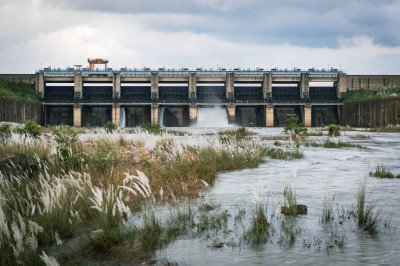
Gangrel Dam
Some quick example text to build on the card title and make up the bulk of the card's content.
Go somewhere
Madamsilli Dam
Some quick example text to build on the card title and make up the bulk of the card's content.
Go somewhere
Mandagiri Hill
Some quick example text to build on the card title and make up the bulk of the card's content.
Go somewhere
Mini Goa
Some quick example text to build on the card title and make up the bulk of the card's content.
Go somewhere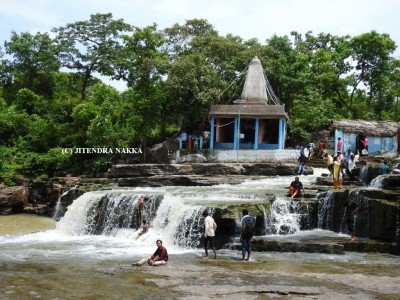
Narhara Waterfall
Some quick example text to build on the card title and make up the bulk of the card's content.
Go somewhere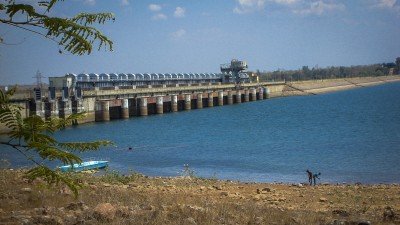
Nature View Gangrel
Some quick example text to build on the card title and make up the bulk of the card's content.
Go somewhere
Rudri Dam / Rudreshwar Mahadev Temple
Some quick example text to build on the card title and make up the bulk of the card's content.
Go somewhere
Shanta Mata Ashram
Some quick example text to build on the card title and make up the bulk of the card's content.
Go somewhere
Sihawa
Some quick example text to build on the card title and make up the bulk of the card's content.
Go somewhere
Sitanadi Wildlife Sanctuary
Some quick example text to build on the card title and make up the bulk of the card's content.
Go somewhere
Sondhur Dam
Some quick example text to build on the card title and make up the bulk of the card's content.
Go somewherein Other Cities