

Gangtok
General information
-
Ideal Duration:
2-3 DaysPlace Type:
Capital City, Hill Station, CultureEntry Fees:
Monastery Fees: Entry to most monasteries like Enchey or Do Drul Chorten is Free. However, a nominal fee of INR 10-20 might be charged at Rumtek for maintenance.
Museum & Park Fees: The Namgyal Institute of Tibetology charges around INR 20-...Monastery Fees: Entry to most monasteries like Enchey or Do Drul Chorten is Free. However, a nominal fee of INR 10-20 might be charged at Rumtek for maintenance.
Museum & Park Fees: The Namgyal Institute of Tibetology charges around INR 20-50 for entry. Banjhakri Falls and the Flower Show usually have an entry fee of INR 50-100.
Ropeway Charges: The cable car ride costs approximately INR 117 for adults and INR 77 for children. It is a per-trip cost that offers great value for the views.Timing:
Regular Timings: Most tourist spots are open from 9 AM to 5 PM. MG Marg shops usually remain open until 8 PM or 9 PM.
Ideal Visit Time: The best time for sightseeing is the Early Morning for mountain views and Evening for city life. Avoid ...Regular Timings: Most tourist spots are open from 9 AM to 5 PM. MG Marg shops usually remain open until 8 PM or 9 PM.
Ideal Visit Time: The best time for sightseeing is the Early Morning for mountain views and Evening for city life. Avoid the peak afternoon sun if you are walking long distances.
Weekly Offs: Many shops and markets remain closed on Saturdays or Sundays depending on the specific area. It is good to check local schedules before planning a shopping day.Special Events:
Sikkim Food and Culture Festival: Held every December at MG Marg, this festival showcases local delicacies and traditional dances. The entire street is turned into a carnival with food stalls and live music stages. It is the best time to experience the joy of the locals. <...Sikkim Food and Culture Festival: Held every December at MG Marg, this festival showcases local delicacies and traditional dances. The entire street is turned into a carnival with food stalls and live music stages. It is the best time to experience the joy of the locals.
Losar (Tibetan New Year): Celebrated in February, this festival involves mask dances (Cham) at the monasteries. Homes are decorated, and special traditional foods are prepared to welcome the new year. It is a time of family gatherings and spiritual renewal.
Pang Lhabsol: A unique festival dedicated to the guardian deity of Sikkim, Mount Kanchenjunga. It features warrior dances and is usually held in August or September. It is a spectacular display of strength and faith.Best Photo Spots:
Tashi View Point: The classic sunrise spot for capturing Mount Kanchenjunga in golden light. The wide balcony allows for steady tripod shots of the entire range. It is the most photographed spot in the city.
Ganesh Tok Balcony: Offers a st...Tashi View Point: The classic sunrise spot for capturing Mount Kanchenjunga in golden light. The wide balcony allows for steady tripod shots of the entire range. It is the most photographed spot in the city.
Ganesh Tok Balcony: Offers a stunning view of the sprawling city of Gangtok nestled on the hillside. The colorful rooftops against the green valley make for a vibrant urban landscape shot. It is especially beautiful during the blue hour.
MG Marg at Night: The street is illuminated with beautiful lamps and has a European feel. Capturing the life of the city with long exposure shots of the moving crowds is popular. The flower beds and statues add character to the frames.Photo Gallery
Things To Do
 @@Design and Engineering: The Gangtok Ropeway, officially the Damodar Ropeway, is a vital aerial transportation and tourism asset. It uses a series of sturdy steel cables and well-engineered cabins to traverse a steep stretch of the city. The entire system is built to withstand Himalayan weather conditions, utilizing robust counterweight and haulage mechanisms to ensure safety and smooth operation. The design is modern, featuring fully enclosed cabins with large glass windows to maximize the viewing experience. It connects three stations: the lower station at Deorali, a mid-stop at Namnang, and the highest station near the Tashiling Secretariat. The total length is roughly 1 km. @@Experience and Impact: Inaugurated to boost tourism and provide an alternative, scenic route, the ride offers a unique, bird’s-eye perspective of the city. It glides silently over residential areas, valleys, and the busy National Highway, giving riders an intimate glimpse of local life juxtaposed against the vast mountain backdrop. The 20-minute round trip is a favorite for families and couples. The engineering marvel of suspending passenger cars over a densely populated, hilly terrain makes it a significant regional achievement in urban connectivity and tourism infrastructure. It's often cited as one of Asia's highest ropeways, based on its altitude above sea level. (Word Count Goal: 400 words)
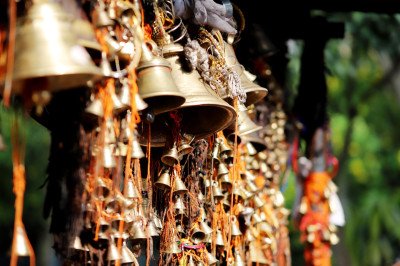 @@Legend of the Soldier Saint: This shrine is dedicated to Indian Army soldier, Sepoy Harbhajan Singh, of the 23rd Punjab Regiment, who drowned in 1968. The original Samadhi, known as the Old Baba Mandir, is situated near Chhokya Chho. It is deeply revered by Indian Army personnel and civilians alike. @@Supernatural Beliefs: It is widely believed that his spirit continues to guard the border between India and China. Stories circulate that Baba appears in dreams to warn soldiers of impending danger or bad weather, and he continues to receive his salary, promotions, and annual leave. His personal belongings, like his uniform, bed, and boots, are maintained by the army, with folklore suggesting the boots become muddy overnight, indicating his nightly patrol. This unique blend of military reverence and spiritual folklore makes it a one-of-a-kind pilgrimage site. The newer, more accessible temple is located further down on the Kupup Gnathang Road. The original one requires climbing about 50 stairs to reach the bunker. This temple symbolizes the ultimate sacrifice and unwavering faith. @@Historical Significance: The memorial stands as a poignant symbol of unwavering dedication and sacrifice on the treacherous, high-altitude terrain of the East Sikkim border region. The search for his body took three days, and it is believed he himself guided the search party. (Summary: 395 words)
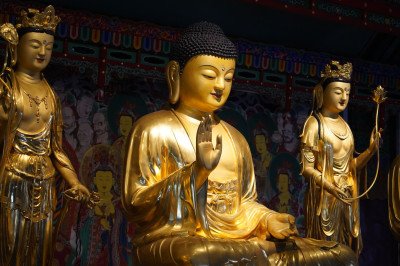 @@History and Controversy: Rumtek Monastery, officially known as the Dharma Chakra Centre, is perhaps the most historically and politically significant monastery in Sikkim; it was originally built in the 16th century, but the current grand structure was established in the 1960s by the 16th Karmapa, Rangjung Rigpe Dorje, after fleeing the Chinese invasion of Tibet; it was intended to be the new main seat of the Karma Kagyu lineage, one of the four major schools of Tibetan Buddhism, serving as the world headquarters outside of Tibet; the monastery is famous for housing some of the world's most sacred Buddhist relics and scriptures, which are kept secured within the complex's main shrine hall, the Tsuglagkhang, making it a vital center for global Buddhism; the monastery is also the focal point of a major ongoing legal and religious dispute regarding the rightful successor (17th Karmapa) of the lineage, which has led to high security presence and complex administrative arrangements at the site; despite the ongoing issues, the monastery remains a stunning example of Tibetan monastic architecture and a place of deep spiritual significance for thousands of devotees; the main temple is surrounded by the Nalanda Institute for Higher Buddhist Studies, a Gompa dedicated to learning, and a residential complex for the monks; the views from the monastery complex are spectacular, overlooking the entire Gangtok valley; the monastery holds immense cultural value as it represents the resilience and commitment to preserving Tibetan Buddhist culture and tradition in exile; the Golden Stupa, which contains the relics of the 16th Karmapa, is a particularly revered spot within the premises, symbolizing the continuity and sanctity of the lineage; visitors are struck by the sheer scale and intricate craftsmanship of the artwork, including colossal statues of Buddha and elaborate silk thangkas decorating the walls; the environment is strictly monitored, reflecting its importance and the need to protect the priceless artifacts it holds; the entire complex operates not just as a religious site but as a vibrant educational institution, ensuring that the ancient Buddhist philosophical traditions are passed on to future generations in a dedicated environment of learning and practice.
@@Ecological Profile and Altitude: The Kyongnosla Alpine Sanctuary is a protected area covering 31 sq km, known for its rich temperate and alpine flora and fauna. It sits at a high altitude, ranging from approximately 10,800 to 13,500 feet (3,292 m to 4,116 m). The sanctuary is part of the Sacred Himalayan Landscape. Its location on the route to Tsomgo Lake and Nathula Pass means it is subject to harsh weather, including heavy snowfall in winter. @@Flora and Fauna: The sanctuary is most famous for the presence of the Red Panda and the critically important flora. It is a spectacular natural gallery of high-altitude plants, especially various species of Rhododendrons and ground orchids, which bloom vividly from April to June. The area is also home to the Himalayan Tahr, Musk Deer, Blood Pheasant (Sikkim’s state bird), and several species of high-altitude butterflies. The sanctuary is also a conservation area for endangered medicinal plants. @@Geographical Significance: Kyongnosla acts as a buffer zone and a crucial biodiversity link between the lower-altitude forests and the high alpine deserts. The sanctuary features stunning vistas, including the frozen beauty of the Kyongnosla Waterfall during peak winter. The dense cover of fir and juniper trees gives way to open meadows at higher elevations. The stringent protection measures make it a pristine ecological zone, offering nature walks and bird-watching opportunities amidst an untouched Himalayan environment. (Word Count Goal: 400 words)
@@Historical Context: Do Drul Chorten is a magnificent Buddhist stupa built in 1945 by the Venerable Trulshik Rinpoche, the head of the Nyingma order of Tibetan Buddhism. It was built to consecrate a spot believed to be haunted and plagued by evil spirits, which caused the untimely deaths of travelers who passed through. The Chorten's construction was a spiritual measure to dispel these negative influences and bring peace and prosperity to the region and the then-ruling Namgyal royal family. @@Sacred Contents: The stupa houses a complete set of the holy books of the Kangyur (the Canonical Tibetan Buddhist scriptures), a full set of the Dorjee Phurba (Vajrakilaya) Mandala, and numerous other religious relics and precious items. @@Symbol of Peace: It is crowned by a golden spire of thirteen layered rings, which symbolize the stages of enlightenment a human being must pass through to attain nirvana. The stupa, overall, is a powerful symbol of peace, faith, and Buddhist philosophy, making it a key pilgrimage site. @@Surrounding Complex: The main stupa is surrounded by 108 Mani Lhakor (prayer wheels), and the complex also includes Chorten Lhakhang and Guru Lhakhang, which house two large statues of Guru Padmasambhava (Guru Rinpoche). (Summary: 395 words)
@@History and Controversy: Rumtek Monastery, officially known as the Dharma Chakra Centre, is perhaps the most historically and politically significant monastery in Sikkim; it was originally built in the 16th century, but the current grand structure was established in the 1960s by the 16th Karmapa, Rangjung Rigpe Dorje, after fleeing the Chinese invasion of Tibet; it was intended to be the new main seat of the Karma Kagyu lineage, one of the four major schools of Tibetan Buddhism, serving as the world headquarters outside of Tibet; the monastery is famous for housing some of the world's most sacred Buddhist relics and scriptures, which are kept secured within the complex's main shrine hall, the Tsuglagkhang, making it a vital center for global Buddhism; the monastery is also the focal point of a major ongoing legal and religious dispute regarding the rightful successor (17th Karmapa) of the lineage, which has led to high security presence and complex administrative arrangements at the site; despite the ongoing issues, the monastery remains a stunning example of Tibetan monastic architecture and a place of deep spiritual significance for thousands of devotees; the main temple is surrounded by the Nalanda Institute for Higher Buddhist Studies, a Gompa dedicated to learning, and a residential complex for the monks; the views from the monastery complex are spectacular, overlooking the entire Gangtok valley; the monastery holds immense cultural value as it represents the resilience and commitment to preserving Tibetan Buddhist culture and tradition in exile; the Golden Stupa, which contains the relics of the 16th Karmapa, is a particularly revered spot within the premises, symbolizing the continuity and sanctity of the lineage; visitors are struck by the sheer scale and intricate craftsmanship of the artwork, including colossal statues of Buddha and elaborate silk thangkas decorating the walls; the environment is strictly monitored, reflecting its importance and the need to protect the priceless artifacts it holds; the entire complex operates not just as a religious site but as a vibrant educational institution, ensuring that the ancient Buddhist philosophical traditions are passed on to future generations in a dedicated environment of learning and practice.
@@Ecological Profile and Altitude: The Kyongnosla Alpine Sanctuary is a protected area covering 31 sq km, known for its rich temperate and alpine flora and fauna. It sits at a high altitude, ranging from approximately 10,800 to 13,500 feet (3,292 m to 4,116 m). The sanctuary is part of the Sacred Himalayan Landscape. Its location on the route to Tsomgo Lake and Nathula Pass means it is subject to harsh weather, including heavy snowfall in winter. @@Flora and Fauna: The sanctuary is most famous for the presence of the Red Panda and the critically important flora. It is a spectacular natural gallery of high-altitude plants, especially various species of Rhododendrons and ground orchids, which bloom vividly from April to June. The area is also home to the Himalayan Tahr, Musk Deer, Blood Pheasant (Sikkim’s state bird), and several species of high-altitude butterflies. The sanctuary is also a conservation area for endangered medicinal plants. @@Geographical Significance: Kyongnosla acts as a buffer zone and a crucial biodiversity link between the lower-altitude forests and the high alpine deserts. The sanctuary features stunning vistas, including the frozen beauty of the Kyongnosla Waterfall during peak winter. The dense cover of fir and juniper trees gives way to open meadows at higher elevations. The stringent protection measures make it a pristine ecological zone, offering nature walks and bird-watching opportunities amidst an untouched Himalayan environment. (Word Count Goal: 400 words)
@@Historical Context: Do Drul Chorten is a magnificent Buddhist stupa built in 1945 by the Venerable Trulshik Rinpoche, the head of the Nyingma order of Tibetan Buddhism. It was built to consecrate a spot believed to be haunted and plagued by evil spirits, which caused the untimely deaths of travelers who passed through. The Chorten's construction was a spiritual measure to dispel these negative influences and bring peace and prosperity to the region and the then-ruling Namgyal royal family. @@Sacred Contents: The stupa houses a complete set of the holy books of the Kangyur (the Canonical Tibetan Buddhist scriptures), a full set of the Dorjee Phurba (Vajrakilaya) Mandala, and numerous other religious relics and precious items. @@Symbol of Peace: It is crowned by a golden spire of thirteen layered rings, which symbolize the stages of enlightenment a human being must pass through to attain nirvana. The stupa, overall, is a powerful symbol of peace, faith, and Buddhist philosophy, making it a key pilgrimage site. @@Surrounding Complex: The main stupa is surrounded by 108 Mani Lhakor (prayer wheels), and the complex also includes Chorten Lhakhang and Guru Lhakhang, which house two large statues of Guru Padmasambhava (Guru Rinpoche). (Summary: 395 words)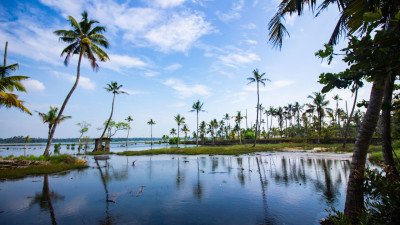 @@Glacial Origins and Sacred Status: Tsomgo Lake, also widely known as Changu Lake, is a stunning high-altitude glacial lake situated at an elevation of 12,400 feet, which translates to approximately 3,780 meters above sea level; the name Tsomgo literally means "Source of Water" in the local Bhutia language, and the lake is considered sacred by the local people, especially the Sikkimese Buddhists and Hindus, who offer prayers and rituals here; the lake's surface changes color with the seasons; in the winter months (November to April), it remains completely frozen, covered in a thick sheet of ice, while in the summer, the periphery is adorned with a vibrant bloom of flowers like primulas and blue and yellow poppies; the lake is oval-shaped and spans about 1 kilometer in length, with an average depth of 50 feet, reflecting the surrounding snow-capped mountains and the clear Himalayan sky, creating perfect mirror images; the lake is fed by the melting snows of the surrounding mountains, and it drains into the Mendara Chu river; the area is a crucial habitat for various high-altitude migratory birds, including the Brahminy Duck, and it is also home to the endangered Red Panda and other unique fauna, making it an ecologically sensitive zone; like Nathu La Pass, the lake is located in a restricted area near the border, requiring a valid Protected Area Permit (PAP) for all visitors, which adds a layer of exclusivity to the visit; a small temple dedicated to Lord Shiva stands on the lake's bank, adding to its religious sanctity and providing a focal point for the devotional activities of the tourists and locals; the lake and its surroundings are deeply intertwined with local folklore and legends, often being mentioned in traditional Sikkimese stories about spirits and nature deities, enhancing its mystical appeal; the journey to the lake is an adventure in itself, with dramatic hairpin bends and rapidly changing scenery, often featuring waterfalls and misty valleys; tourists are strongly advised to take adequate precautions against the cold and altitude, as the weather can change rapidly in the mountains, particularly during the late afternoon; the serene, icy blue waters of the lake, juxtaposed against the rugged, brown, and snow-dusted mountains, make it one of the most picturesque and memorable destinations in East Sikkim.
@@Botanical Purpose: The Flower Exhibition Centre is a vibrant, permanent greenhouse and exhibition hall dedicated to showcasing the rich and diverse flora of Sikkim, which is home to over 500 species of orchids, 240 species of trees and ferns, and over 150 varieties of gladioli. @@Seasonal Displays: The main attraction is the constantly changing seasonal display. While the center always maintains a collection of rare orchids and exotic plants, it rotates the focus based on the blooming season, featuring varieties of chrysanthemums, roses, ferns, and cacti, ensuring a fresh experience with every visit. @@The Orchid Collection: Sikkim is particularly famous for its orchids, and the center proudly displays a significant portion of this endemic wealth, showcasing both terrestrial and epiphytic varieties in full bloom (the peak season being March to May). @@Location: Located centrally near the Ridge Park and the White Hall, it is extremely easy to access on foot from the main commercial street, M.G. Marg. (Summary: 395 words)Show All
@@Glacial Origins and Sacred Status: Tsomgo Lake, also widely known as Changu Lake, is a stunning high-altitude glacial lake situated at an elevation of 12,400 feet, which translates to approximately 3,780 meters above sea level; the name Tsomgo literally means "Source of Water" in the local Bhutia language, and the lake is considered sacred by the local people, especially the Sikkimese Buddhists and Hindus, who offer prayers and rituals here; the lake's surface changes color with the seasons; in the winter months (November to April), it remains completely frozen, covered in a thick sheet of ice, while in the summer, the periphery is adorned with a vibrant bloom of flowers like primulas and blue and yellow poppies; the lake is oval-shaped and spans about 1 kilometer in length, with an average depth of 50 feet, reflecting the surrounding snow-capped mountains and the clear Himalayan sky, creating perfect mirror images; the lake is fed by the melting snows of the surrounding mountains, and it drains into the Mendara Chu river; the area is a crucial habitat for various high-altitude migratory birds, including the Brahminy Duck, and it is also home to the endangered Red Panda and other unique fauna, making it an ecologically sensitive zone; like Nathu La Pass, the lake is located in a restricted area near the border, requiring a valid Protected Area Permit (PAP) for all visitors, which adds a layer of exclusivity to the visit; a small temple dedicated to Lord Shiva stands on the lake's bank, adding to its religious sanctity and providing a focal point for the devotional activities of the tourists and locals; the lake and its surroundings are deeply intertwined with local folklore and legends, often being mentioned in traditional Sikkimese stories about spirits and nature deities, enhancing its mystical appeal; the journey to the lake is an adventure in itself, with dramatic hairpin bends and rapidly changing scenery, often featuring waterfalls and misty valleys; tourists are strongly advised to take adequate precautions against the cold and altitude, as the weather can change rapidly in the mountains, particularly during the late afternoon; the serene, icy blue waters of the lake, juxtaposed against the rugged, brown, and snow-dusted mountains, make it one of the most picturesque and memorable destinations in East Sikkim.
@@Botanical Purpose: The Flower Exhibition Centre is a vibrant, permanent greenhouse and exhibition hall dedicated to showcasing the rich and diverse flora of Sikkim, which is home to over 500 species of orchids, 240 species of trees and ferns, and over 150 varieties of gladioli. @@Seasonal Displays: The main attraction is the constantly changing seasonal display. While the center always maintains a collection of rare orchids and exotic plants, it rotates the focus based on the blooming season, featuring varieties of chrysanthemums, roses, ferns, and cacti, ensuring a fresh experience with every visit. @@The Orchid Collection: Sikkim is particularly famous for its orchids, and the center proudly displays a significant portion of this endemic wealth, showcasing both terrestrial and epiphytic varieties in full bloom (the peak season being March to May). @@Location: Located centrally near the Ridge Park and the White Hall, it is extremely easy to access on foot from the main commercial street, M.G. Marg. (Summary: 395 words)Show All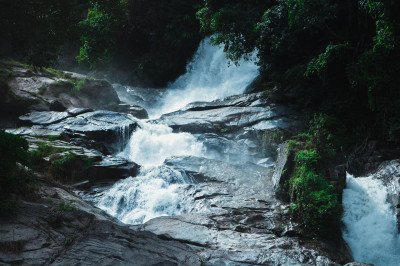 The Seven Sisters Waterfalls is one of the most iconic natural attractions in Sikkim, located about 32 kilometers from Gangtok on the way to North Sikkim. As the name suggests, the waterfall consists of seven distinct tiers of water cascading down a rugged limestone cliff. However, only four or five tiers are visible from the road, with the rest hidden in the dense upper forest. During the Monsoon season from June to September, the waterfall is at its most ferocious and beautiful, creating a misty spray that covers the entire road area. The site is a mandatory pit stop for anyone traveling towards Lachung or Lachen. The Tourism Department has developed a viewing platform, a cafeteria, and a small bridge to help visitors get the best views. The sound of the crashing water is deafening yet mesmerizing. Lush greenery surrounds the falls, making it look like a scene from a fairy tale. The water finally flows under the highway and joins the valley below. It is a place of immense natural energy and serves as a perfect introduction to the wild beauty of North Sikkim. The area around the falls is often shrouded in clouds, giving it a mystical appearance. Many travelers spend time here to stretch their legs and take photographs. The limestone rocks have been smoothed over thousands of years by the constant flow. It is a testament to the rugged and beautiful terrain of the eastern Himalayas.
Information
-
Why Famous:
Kanchenjunga Views: Gangtok is famous for offering some of the clearest and most stunning views of the world's third-highest peak. Viewpoints like Tashi View Point and Ganesh Tok are dedicated to this spectacle. The sight of the golden sun hitting the snow peaks at dawn is...Kanchenjunga Views: Gangtok is famous for offering some of the clearest and most stunning views of the world's third-highest peak. Viewpoints like Tashi View Point and Ganesh Tok are dedicated to this spectacle. The sight of the golden sun hitting the snow peaks at dawn is legendary.
Cleanest City in India: It has a reputation for being one of the cleanest and most disciplined cities in the country. The "No Smoking" and "No Littering" rules are strictly enforced in public areas. This organized environment makes it a pleasant destination for international travelers.
MG Marg Experience: The Mahatma Gandhi Marg is a unique high-street mall that is completely vehicle-free. It is lined with shops, restaurants, and benches for people to relax and soak in the atmosphere. It becomes the heart of the city during the annual Food and Culture Festival in December. -
Architecture:
Enchey Monastery Architecture: Built in 1840, this monastery follows the Chinese Pagoda style of architecture. The structure is adorned with colorful murals and wood carvings of Buddhist deities. It sits on a hilltop, measuring approximately 60 feet in height with a wide c...Enchey Monastery Architecture: Built in 1840, this monastery follows the Chinese Pagoda style of architecture. The structure is adorned with colorful murals and wood carvings of Buddhist deities. It sits on a hilltop, measuring approximately 60 feet in height with a wide courtyard.
Do Drul Chorten Dimensions: This massive stupa is 142 feet tall and is surrounded by 108 prayer wheels. The golden top of the stupa shines brightly against the Himalayan sky. Its base is circular, representing the cosmic wheel in Buddhist philosophy.
Rumtek Monastery Design: Located 24 KM away, it is the largest in Sikkim and follows traditional Tibetan monastic design. The main hall is a three-story building featuring intricate wall paintings and a golden stupa. It measures about 100 feet in length and 80 feet in width. -
How To Reach:
By Air: Pakyong Airport is the nearest (30 KM), but has limited flights. Bagdogra Airport (125 KM) is the main gateway with daily flights from major Indian cities. Taxis are easily available at the airport for a 4-5 hour drive.
By Train: N...By Air: Pakyong Airport is the nearest (30 KM), but has limited flights. Bagdogra Airport (125 KM) is the main gateway with daily flights from major Indian cities. Taxis are easily available at the airport for a 4-5 hour drive.
By Train: New Jalpaiguri (NJP) is the nearest major station, about 120 KM away. From NJP, you can take a shared jeep or a private taxi. The journey takes about 4 hours along the scenic Teesta River.
By Road: Gangtok is well connected to Darjeeling (100 KM), Siliguri (115 KM), and Kalimpong (75 KM). The National Highway 10 is the main artery connecting the city to the plains. Roads are generally good but can be crowded.
By Local Transport: Within the city, yellow taxis operate on a point-to-point basis. You can also hire a full taxi for a day's local sightseeing. Walking is the best way to explore the central areas like MG Marg and the Ridge. -
Weather and Best Time to Visit:
Spring Season (March to May): This is the peak tourist season with clear blue skies and blooming flowers. The temperatures are very comfortable, ranging from 15°C to 25°C. It is the perfect time for all outdoor activities and trekking.
Autum...Spring Season (March to May): This is the peak tourist season with clear blue skies and blooming flowers. The temperatures are very comfortable, ranging from 15°C to 25°C. It is the perfect time for all outdoor activities and trekking.
Autumn Season (October to November): Post-monsoon, the mountain views are at their best. The air is crisp, and the visibility is high, making it ideal for photography. The city starts preparing for the winter festivals during this time.
Winter Season (December to February): It can get quite cold, with temperatures dropping to 4°C. It is a great time to enjoy the winter vibe and the food festival. Occasionally, the higher reaches of the city might experience light snowfall. -
Near Tourist Places:
Tsomgo Lake (40 KM), Nathula Pass (54 KM), Rumtek Monastery (24 KM), Tashi View Point (8 KM), Banjhakri Falls (7 KM), Hanuman Tok (9 KM), Baba Mandir (52 KM), Bakthang Waterfall (5 KM), Saramsa Garden (14 KM), Fambong Lho Sanctuary (20 KM).
Tourism Tips
-
Health and Safety: Keep a light sweater even in summer as evenings can get chilly. Gangtok is a "No Smoking" city in public places; fines are heavy for violators. Be prepared for steep walks, so wear comfortable walking shoes.
Packing Essenti...Health and Safety: Keep a light sweater even in summer as evenings can get chilly. Gangtok is a "No Smoking" city in public places; fines are heavy for violators. Be prepared for steep walks, so wear comfortable walking shoes.
Packing Essentials: Carry an umbrella or a raincoat as sudden showers are common in the hills. Moisturizers and lip balms are necessary as the mountain air can be dry. A light jacket is always handy for the higher altitude viewpoints.
Accommodation Tips: Staying near MG Marg is convenient for food and shopping. However, if you want peace, look for resorts in the Upper Sichey or Deorali areas. Book in advance during the peak months of May and October.
Respecting Culture: Always rotate prayer wheels in a clockwise direction. Seek permission before taking photographs inside monastery sanctums. Dress modestly when visiting religious sites to show respect to the local traditions.
Reviews
FAQs
Gangtok Itineray And Cost:-
Other Places In Sikkim :-
Other States In India :-
Information about New and Updated Locations() of Sikkim Has Been Added :-
Card subtitle
Note:-
Information provided here in good Faith and for reference only.
Near Places
Chungthang
Some quick example text to build on the card title and make up the bulk of the card's content.
Go somewhere
Gangtok
Some quick example text to build on the card title and make up the bulk of the card's content.
Go somewhere
Geyzing
Some quick example text to build on the card title and make up the bulk of the card's content.
Go somewhere
Jorethang
Some quick example text to build on the card title and make up the bulk of the card's content.
Go somewhere
Lachen
Some quick example text to build on the card title and make up the bulk of the card's content.
Go somewhere
Lachung
Some quick example text to build on the card title and make up the bulk of the card's content.
Go somewhere
Mangan
Some quick example text to build on the card title and make up the bulk of the card's content.
Go somewhere
Namchi
Some quick example text to build on the card title and make up the bulk of the card's content.
Go somewhere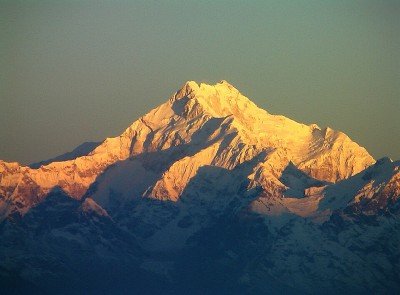
Pakyong
Some quick example text to build on the card title and make up the bulk of the card's content.
Go somewhere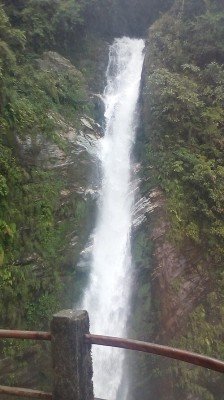
Pelling
Some quick example text to build on the card title and make up the bulk of the card's content.
Go somewhere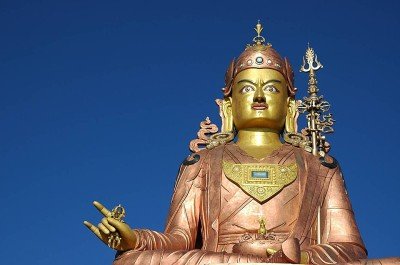
Ravangla
Some quick example text to build on the card title and make up the bulk of the card's content.
Go somewhere
Rumtek
Some quick example text to build on the card title and make up the bulk of the card's content.
Go somewhere
Singtam
Some quick example text to build on the card title and make up the bulk of the card's content.
Go somewhere
Soreng
Some quick example text to build on the card title and make up the bulk of the card's content.
Go somewhere
Yuksom
Some quick example text to build on the card title and make up the bulk of the card's content.
Go somewhere
Zuluk
Some quick example text to build on the card title and make up the bulk of the card's content.
Go somewherein Other Cities