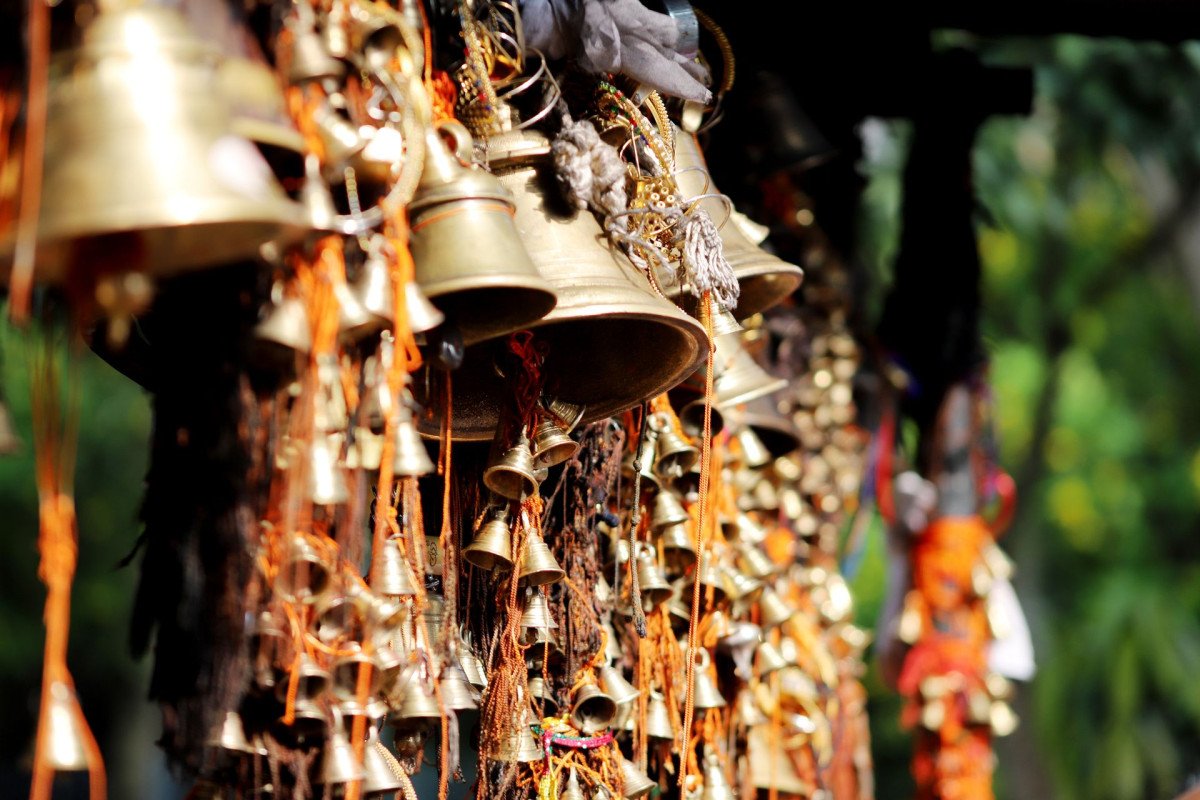
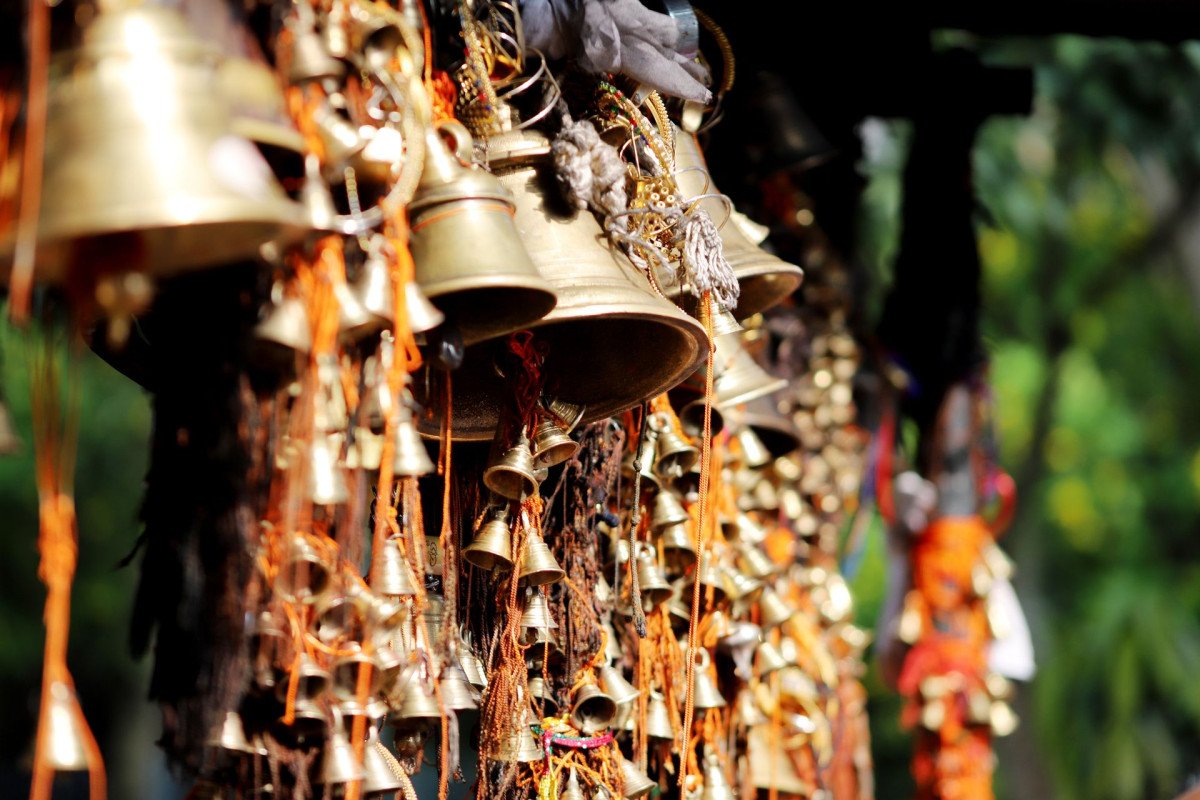
Ganjam Ancient Shiva Temple
General information
-
Ideal Duration:
30 Minutes to 1 Hour:Place Type:
Religious, Ancient Shrine:Entry Fees:
Entry Ticket: Free (No entry fee is generally charged for ancient functioning temples).
Ritual Fees: Small fees or dakshina (donation) may be offered to the priest for performing specific poojas like Rudrabhisheka.
Read MoreEntry Ticket: Free (No entry fee is generally charged for ancient functioning temples).
Ritual Fees: Small fees or dakshina (donation) may be offered to the priest for performing specific poojas like Rudrabhisheka.
Donations: Visitors are encouraged to make voluntary donations for the temple's upkeep.Timing:
Regular Timings: 6:30 AM to 1:00 PM and 4:00 PM to 8:30 PM (Timings are generally flexible, opening early for morning poojas and closing in the afternoon).
Ideal Visit Time: Early morning (7:00 AM to 9:00 AM) for the main abhisheka (sacred b...Regular Timings: 6:30 AM to 1:00 PM and 4:00 PM to 8:30 PM (Timings are generally flexible, opening early for morning poojas and closing in the afternoon).
Ideal Visit Time: Early morning (7:00 AM to 9:00 AM) for the main abhisheka (sacred bath) and to avoid the mid-day sun, especially in summer. The winter months are generally the best.
Best Time of Day: The morning and evening Aarti (Mangala Aarti and Sandhya Aarti) are the most spiritually vibrant times to visit.Special Events:
Maha Shivaratri: This is the temple's most significant annual event, celebrated with night-long poojas, fasting, and special decoration of the Shiva Linga, drawing a large number of local devotees.
Karthika Masa Celebrations: The entire mont...Maha Shivaratri: This is the temple's most significant annual event, celebrated with night-long poojas, fasting, and special decoration of the Shiva Linga, drawing a large number of local devotees.
Karthika Masa Celebrations: The entire month of Karthika (falling between October and November) is dedicated to Lord Shiva, with special deepotsavas (lamp festivals) and Rudrabhisheka (sacred bath ceremonies) held daily.
Annual Temple Jatre (Fair): The temple may have a small local fair or procession (Jatre) held annually, often involving the carrying of the deity's utsava murti (processional idol).Best Photo Spots:
The Weathered Stone Linga: A photo focusing on the sacred Shiva Linga through the doorway of the sanctum (Garbhagriha), capturing the spiritual atmosphere.
The Old Nandi Sculpture: A close-up or side-angle shot of the ancient, intricately ca...The Weathered Stone Linga: A photo focusing on the sacred Shiva Linga through the doorway of the sanctum (Garbhagriha), capturing the spiritual atmosphere.
The Old Nandi Sculpture: A close-up or side-angle shot of the ancient, intricately carved stone statue of Nandi, the Bull.
The Simple Stone Vimana: A shot capturing the entire temple structure, highlighting its ancient, simple stone vimana against the sky.
The Temple Tank/River View: A shot showing the temple in its natural setting, framed by trees or near a water body.Photo Gallery
Things To Do
-
Offering Jalabhisheka: Perform the ritual of pouring water (Jalabhisheka) or milk over the main Shiva Linga deity as a sign of devotion, following the instructions of the local priest.
Meditation and Prayer: Utilize the quiet, calm atmosphere of the ancient temple for personal prayer or meditation, away from the bustle of the larger sites.
Architecture Study: Observe the simple, ancient stonework, carvings, and the design of the garbhagriha, noting the stylistic differences from the more prominent temples.
Local Interaction: Interact respectfully with the local priests and villagers to learn about the temple's legends and its historical importance to the Ganjam community.
Combine with Nimishamba: Visit the highly popular Nimisham...Offering Jalabhisheka: Perform the ritual of pouring water (Jalabhisheka) or milk over the main Shiva Linga deity as a sign of devotion, following the instructions of the local priest.
Meditation and Prayer: Utilize the quiet, calm atmosphere of the ancient temple for personal prayer or meditation, away from the bustle of the larger sites.
Architecture Study: Observe the simple, ancient stonework, carvings, and the design of the garbhagriha, noting the stylistic differences from the more prominent temples.
Local Interaction: Interact respectfully with the local priests and villagers to learn about the temple's legends and its historical importance to the Ganjam community.
Combine with Nimishamba: Visit the highly popular Nimishamba Temple immediately after this shrine, as it is in the same locality, providing a complete spiritual experience.
Information
-
Why Famous:
The Local Deity of Ganjam: It is famous among the local population as a powerful and ancient shrine dedicated to Lord Shiva, the Destroyer and Regenerator, fulfilling the spiritual needs of the immediate community.
A Spiritual Counterpoint: ...The Local Deity of Ganjam: It is famous among the local population as a powerful and ancient shrine dedicated to Lord Shiva, the Destroyer and Regenerator, fulfilling the spiritual needs of the immediate community.
A Spiritual Counterpoint: Its fame lies in its role as a counterpoint to the more celebrated Vaishnavite and Shakti temples nearby, ensuring that the local Shaivite tradition remains active in the region.
Ancient Roots: The temple is a symbol of the town's pre-Hyder Ali/Tipu era, with its ancient stone structure providing a direct link to the Vijayanagara or earlier Wodeyar rulers who governed the region.
Pilgrimage Route Stop: It is often a key stop for pilgrims visiting the nearby Nimishamba Temple and the Sangama (confluence) point, becoming part of the local circuit of important spiritual sites. -
Architecture:
Simple Stone Construction: Ancient local temples, like smaller Shiva shrines, are typically built with a simple, yet sturdy, stone structure using granite blocks. They are characterized by a small garbhagriha (sanctum sanctorum) and a small antarala (vestibule).Simple Stone Construction: Ancient local temples, like smaller Shiva shrines, are typically built with a simple, yet sturdy, stone structure using granite blocks. They are characterized by a small garbhagriha (sanctum sanctorum) and a small antarala (vestibule).
Minimalist Vimana: Unlike the grand Ranganathaswamy Temple, these local shrines feature a relatively minimalist vimana (tower over the sanctum) with simple stucco decoration or sometimes just a plain slab roof.
Dravidian Influence: The architecture often shows an evolution from early Dravidian styles, characterized by solid masonry, low-slung roofs, and minimal carvings on the exterior walls, focusing the sanctity within the dark sanctum.
Materials and Design: Local schist, granite, and basic mortar were used.
The floor plan is simple: a square sanctum, a pillared hall (Mandapa), and often an accompanying shrine for the Goddess or a Nandi (Shiva's vehicle) facing the main deity.
Integration with Nature: The temple is typically situated amidst local flora and close to the river or a water tank, signifying the link between the deity and the elements. -
How To Reach:
By Air: Nearest airports are BLR (Bangalore - 145 KM) and MYQ (Mysore - 30 KM). The road journey is best done via pre-booked taxi.
By Train: Closest station is Srirangapatna Railway Station (S). Mysore Junction (MYS) (16 KM) is a reliable ...By Air: Nearest airports are BLR (Bangalore - 145 KM) and MYQ (Mysore - 30 KM). The road journey is best done via pre-booked taxi.
By Train: Closest station is Srirangapatna Railway Station (S). Mysore Junction (MYS) (16 KM) is a reliable hub. From the station, take an auto-rickshaw to Ganjam (Nimishamba Temple area).
By Road: The temple is located in the Ganjam village area of Srirangapatna, easily accessible by road from Mysore (16 KM) via the Bangalore-Mysore Highway (NH275).
By Local Transport: Auto-rickshaws are the most direct way to reach the Ganjam area. You can combine this with a visit to Nimishamba Temple and the Sangama. -
Weather and Best Time to Visit:
Different Types of Seasons:
Winter (October to March): Most comfortable weather for temple visits and walking around the village.
Summer (April to June): Hot, making the dark, cool temple interior a relief, b...Different Types of Seasons:
Winter (October to March): Most comfortable weather for temple visits and walking around the village.
Summer (April to June): Hot, making the dark, cool temple interior a relief, but the outside heat is intense.
Monsoon (July to September): The surrounding greenery is lush, but travel may be slightly hampered by rain.
Different Parts of the Day: Morning (6 AM - 10 AM) The most peaceful and religiously active time. Mid-day (11 AM - 4 PM) Least crowded, but very hot; the temple may be closed for Naivedya (offering). Evening (5 PM - 8 PM) Ideal for evening Aarti and a calmer visit. -
Near Tourist Places:
Nimishamba Temple (0. 5 KM), Sangama (Confluence) (5 KM), Daria Daulat Bagh (4 KM), Gumbaz (6 KM), Srirangapatna Fort (5 KM), Wellesley Bridge (3 KM), Karighatta Temple (4 KM), Dodda Ghosai Ghat (6 KM), Ranganathittu Bird Sanctuary (10 KM), Mysore Palace (20 KM)
Tourism Tips
-
Health & Safety: Be respectful of the sanctity of the temple; dress modestly (covering shoulders and knees). Remove footwear outside the temple premises.
Packing: Carry a small offering (flowers, fruits, coconut) if you plan to perform poo...Health & Safety: Be respectful of the sanctity of the temple; dress modestly (covering shoulders and knees). Remove footwear outside the temple premises.
Packing: Carry a small offering (flowers, fruits, coconut) if you plan to perform pooja. Keep water handy for the journey.
Accommodation: Basic guest houses in Srirangapatna; superior hotels in Mysore.
Other Different Topics heading:
Respectful Photography: Photography inside the main sanctum is usually prohibited; always ask the priest for permission.
Village Charm: Take time to appreciate the simple, traditional village life of Ganjam surrounding the temple.
Reviews
FAQs
Srirangapatna Itineray And Cost:-
Ganjam Ancient Shiva Temple Tourism:-
Information about New and Updated Locations() of Karnataka Has Been Added :-
Card subtitle
Note:-
Information provided here in good Faith and for reference only.
All information and pictures will be updated soon, please keep visiting.
Near Places
Balmuri Falls
Some quick example text to build on the card title and make up the bulk of the card's content.
Go somewhere
Colonel Bailey's Dungeon
Some quick example text to build on the card title and make up the bulk of the card's content.
Go somewhere
Daria Daulat Bagh
Some quick example text to build on the card title and make up the bulk of the card's content.
Go somewhere
Dodda Ghosai Ghat
Some quick example text to build on the card title and make up the bulk of the card's content.
Go somewhere
Ganjam Ancient Shiva Temple
Some quick example text to build on the card title and make up the bulk of the card's content.
Go somewhere
Gumbaz
Some quick example text to build on the card title and make up the bulk of the card's content.
Go somewhere
Jama Masjid, Srirangapatna
Some quick example text to build on the card title and make up the bulk of the card's content.
Go somewhere
Karighatta Venkataramana Temple
Some quick example text to build on the card title and make up the bulk of the card's content.
Go somewhere
Kere Thonnur
Some quick example text to build on the card title and make up the bulk of the card's content.
Go somewhere
KRS Backwaters
Some quick example text to build on the card title and make up the bulk of the card's content.
Go somewherein Other Cities