

Garhwa
General information
-
Ideal Duration:
1 to 2 DaysPlace Type:
Nature / SpiritualEntry Fees:
Bansi Dhar Temple: Entry to the temple is Free, though donations for temple maintenance are welcomed.
Waterfalls: Most natural sites do not have an entry fee, but you may need to pay for local parking or guides.
...Bansi Dhar Temple: Entry to the temple is Free, though donations for temple maintenance are welcomed.
Waterfalls: Most natural sites do not have an entry fee, but you may need to pay for local parking or guides.
Fort Ruins: Access to historical ruins is generally Free and open to all curious travelers.Timing:
Regular Timings: The golden temple is open from 6:00 AM to 8:00 PM. Waterfalls are best visited between 9:00 AM and 5:00 PM.
Ideal Visit Time: Early mornings for the temple and mid-mornings for the waterfalls to ensure good lighting and saf...Regular Timings: The golden temple is open from 6:00 AM to 8:00 PM. Waterfalls are best visited between 9:00 AM and 5:00 PM.
Ideal Visit Time: Early mornings for the temple and mid-mornings for the waterfalls to ensure good lighting and safety.
Seasonal Timing: Avoid visiting forest waterfalls late in the evening during the monsoon for safety reasons.Special Events:
Janmashtami: The biggest festival at the Radha Krishna Mandir, featuring 24-hour prayers, music, and a large fair.
Makar Sankranti: Celebrated with a dip in the holy rivers and traditional kite flying across the district.
Read MoreJanmashtami: The biggest festival at the Radha Krishna Mandir, featuring 24-hour prayers, music, and a large fair.
Makar Sankranti: Celebrated with a dip in the holy rivers and traditional kite flying across the district.
Forest Fairs: Small local fairs held in tribal areas that showcase traditional games and forest-based handicrafts.Best Photo Spots:
Golden Idol: The shimmering gold of the deity under the temple lights is a must-capture shot for any visitor.
Sukhaldari Landscape: The wide frame of the waterfall with the river stretching into the distance is perfect for landscape shots. <...Golden Idol: The shimmering gold of the deity under the temple lights is a must-capture shot for any visitor.
Sukhaldari Landscape: The wide frame of the waterfall with the river stretching into the distance is perfect for landscape shots.
Forest Trails: The play of sunlight through the dense tree canopy creates beautiful patterns for nature photography.Photo Gallery
Things To Do
 Janki Talab is a historic and religious pond located in the Akalbani region. Local legends link this pond to the Ramayana era, suggesting it was a resting place for Goddess Sita (Janki). The pond is rectangular and surrounded by old stone ghats (steps) that showcase traditional water-harvesting techniques. It is considered a holy site, and many locals perform religious ablutions here before visiting nearby temples. The water remains relatively still, reflecting the surrounding tall palm trees and the sky like a giant mirror. Throughout the year, the pond serves as a communal space where elders gather to discuss village affairs under the shade of ancient Banyan trees. The atmosphere is deeply spiritual and calm. In recent years, the local government has made efforts to beautify the surroundings with a small park area. It is a place where history, mythology, and nature converge seamlessly. Visitors can often see lotus flowers blooming in certain sections of the pond during the summer months.
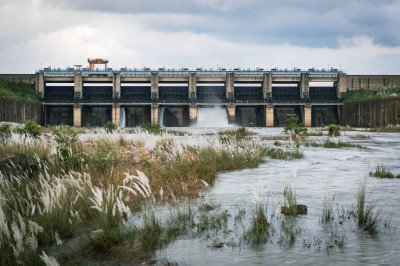 Anraj Dam is a magnificent water reservoir and an engineering marvel located in the heart of Garhwa. Inaugurated in 1982 by the then Prime Minister Indira Gandhi, it serves as a critical irrigation source for over 30 villages in the Gowal region. Beyond its utility, the dam is a paradise for nature lovers, surrounded by lush green mountains and dense forests that create a serene atmosphere. During the winter months, the reservoir becomes a habitat for various exotic migratory birds, making it a hotspot for birdwatchers. The government has recently introduced boating facilities to boost eco-tourism, allowing visitors to glide across the calm waters while enjoying the reflection of the hills. It is the perfect escape for those seeking peace away from urban noise. The dam's vast expanse and the surrounding topography offer a unique blend of natural beauty and rural charm that defines the spirit of Jharkhand.
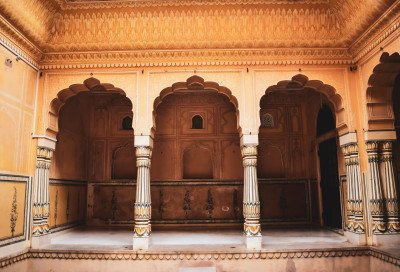 Ranka Garh Fort, also known as the Ranka Raj Mahal, is a historical landmark that represents the royal legacy of the Chero dynasty. The fort is situated in the Ranka block and was once the seat of power for the local kings. It is an expansive complex featuring residential quarters, administrative halls, and defensive structures. The fort has witnessed centuries of history, from the era of local chieftains to the British colonial period. The descendants of the royal family still reside in a portion of the palace, maintaining the traditions of their ancestors. The architecture reflects a blend of traditional Indian styles with subtle colonial influences. Inside the fort, one can find ancient artifacts, royal portraits, and vintage weaponry that tell stories of bravery and governance. The fort is particularly lively during festivals like Dussehra, when the royal family participates in public rituals. It serves as a bridge between the glorious past of Jharkhand and the modern era, attracting history buffs and students alike.
Bamba Dam is one of the more secluded and pristine water bodies in the Garhwa district. Located near the village of Sendha, it serves as an essential water management system for local agriculture while doubling as a hidden tourist spot. Unlike the more famous dams, Bamba offers a raw, untouched beauty that appeals to those who prefer solitude over crowds. The water is exceptionally clear, reflecting the sky and the surrounding small hills like a giant mirror. The area is frequented by local fishermen and a variety of local water birds. The surrounding landscape is a mix of scrub forest and agricultural fields, giving it a very authentic rural Jharkhand feel. It is a place where you can spend hours just watching the ripples on the water or the wind moving through the tall grass. The dam's isolation makes it a perfect spot for "slow travel" enthusiasts who want to experience the quiet side of life in the district.
The Vanshidhar Radha Krishna Mandir in Nagar Untari is one of the most prestigious religious sites in India. It is famous for its life-sized idols of Lord Krishna and Radha, which are made of solid gold. The idol of Lord Krishna is said to weigh around 32 'mands' (approx. 1280 KG) of pure gold. The temple was built in the 19th century by the Queen of the Nagar Untari royal family after she had a divine dream. The craftsmanship of the idols is exquisite, showing Lord Krishna playing the flute on a lotus flower. The temple complex is beautifully maintained and includes other shrines dedicated to various Hindu deities. It serves as a major center for the Vaishnavite tradition in the region. Thousands of pilgrims from Jharkhand, Bihar, and Uttar Pradesh visit the temple daily. The temple's location at the base of a scenic hill adds to its spiritual aura. A Shiva temple, known as Raja Pahari, is located on the hilltop nearby, and devotees often visit both. The town of Nagar Untari has recently been renamed Shree Banshidhar Nagar in honor of this iconic temple.
Guru Sindhu Waterfall is one of the most magnificent natural wonders in the Garhwa district, situated right on the border of Jharkhand and Chhattisgarh. The water falls from a significant height into a deep, rocky pool surrounded by a dense deciduous forest. The name "Guru Sindhu" is steeped in local folklore, believed to be associated with ancient sages who meditated in the nearby caves. The approach to the waterfall involves a short trek through a jungle path, making it a favorite for adventure seekers. During the monsoon, the sound of the falling water can be heard from miles away. The mist created by the impact of water on the rocks keeps the surrounding area cool even during the summer. It is a pristine site, largely untouched by commercialization, offering a raw experience of nature. The biodiversity around the falls includes rare orchids and several species of butterflies. Local tribal communities hold the site in high regard, often performing traditional rituals near the base. It serves as a major source for the local stream that nourishes the downstream villages.
Mandal Dam, also known as the North Koel Reservoir, is a massive project situated in the Kutku region near Ranka. It is one of the largest engineering projects in Jharkhand, designed to provide irrigation to thousands of hectares in Jharkhand and Bihar. The dam is built across the North Koel River and is surrounded by the dense forests of the Palamu Tiger Reserve fringe. The site offers a dramatic view of the river cutting through deep gorges and hilly terrain. For a long time, the project was stalled, but it has recently regained attention as a major tourism and utility hub. The reservoir created by the dam is humongous, resembling a large inland sea. The area is exceptionally rich in wildlife, and it is not uncommon to see elephants or deer near the water's edge in the early hours. The sheer scale of the concrete structure against the backdrop of raw, green mountains is a sight to behold. It is a destination for those who appreciate large-scale human achievement integrated into a wild, natural landscape.Show All
Arangi Tourist Place is a burgeoning eco-tourism destination known for its rolling hills and valley views. Located near the village of Mahetam, this spot has gained popularity among local residents for its "Mini-Hill Station" vibe. The area is characterized by vast stretches of green land, rocky outcrops, and a peaceful rural setting that offers a glimpse into the natural heritage of Jharkhand. It is often visited by those looking to escape the hustle of Garhwa town for a few hours. The landscape changes beautifully with the seasons, offering golden meadows in summer and lush pastures during the rains. It is a place where one can truly connect with nature without the distractions of commercial tourism. Recent developments in local infrastructure have made it more accessible, leading to an increase in weekend visitors who come for trekking and outdoor relaxation. The local community is also very welcoming, often sharing stories of the valley's history with curious travelers.
Ranka Garh Fort, also known as the Ranka Raj Mahal, is a historical landmark that represents the royal legacy of the Chero dynasty. The fort is situated in the Ranka block and was once the seat of power for the local kings. It is an expansive complex featuring residential quarters, administrative halls, and defensive structures. The fort has witnessed centuries of history, from the era of local chieftains to the British colonial period. The descendants of the royal family still reside in a portion of the palace, maintaining the traditions of their ancestors. The architecture reflects a blend of traditional Indian styles with subtle colonial influences. Inside the fort, one can find ancient artifacts, royal portraits, and vintage weaponry that tell stories of bravery and governance. The fort is particularly lively during festivals like Dussehra, when the royal family participates in public rituals. It serves as a bridge between the glorious past of Jharkhand and the modern era, attracting history buffs and students alike.
Bamba Dam is one of the more secluded and pristine water bodies in the Garhwa district. Located near the village of Sendha, it serves as an essential water management system for local agriculture while doubling as a hidden tourist spot. Unlike the more famous dams, Bamba offers a raw, untouched beauty that appeals to those who prefer solitude over crowds. The water is exceptionally clear, reflecting the sky and the surrounding small hills like a giant mirror. The area is frequented by local fishermen and a variety of local water birds. The surrounding landscape is a mix of scrub forest and agricultural fields, giving it a very authentic rural Jharkhand feel. It is a place where you can spend hours just watching the ripples on the water or the wind moving through the tall grass. The dam's isolation makes it a perfect spot for "slow travel" enthusiasts who want to experience the quiet side of life in the district.
The Vanshidhar Radha Krishna Mandir in Nagar Untari is one of the most prestigious religious sites in India. It is famous for its life-sized idols of Lord Krishna and Radha, which are made of solid gold. The idol of Lord Krishna is said to weigh around 32 'mands' (approx. 1280 KG) of pure gold. The temple was built in the 19th century by the Queen of the Nagar Untari royal family after she had a divine dream. The craftsmanship of the idols is exquisite, showing Lord Krishna playing the flute on a lotus flower. The temple complex is beautifully maintained and includes other shrines dedicated to various Hindu deities. It serves as a major center for the Vaishnavite tradition in the region. Thousands of pilgrims from Jharkhand, Bihar, and Uttar Pradesh visit the temple daily. The temple's location at the base of a scenic hill adds to its spiritual aura. A Shiva temple, known as Raja Pahari, is located on the hilltop nearby, and devotees often visit both. The town of Nagar Untari has recently been renamed Shree Banshidhar Nagar in honor of this iconic temple.
Guru Sindhu Waterfall is one of the most magnificent natural wonders in the Garhwa district, situated right on the border of Jharkhand and Chhattisgarh. The water falls from a significant height into a deep, rocky pool surrounded by a dense deciduous forest. The name "Guru Sindhu" is steeped in local folklore, believed to be associated with ancient sages who meditated in the nearby caves. The approach to the waterfall involves a short trek through a jungle path, making it a favorite for adventure seekers. During the monsoon, the sound of the falling water can be heard from miles away. The mist created by the impact of water on the rocks keeps the surrounding area cool even during the summer. It is a pristine site, largely untouched by commercialization, offering a raw experience of nature. The biodiversity around the falls includes rare orchids and several species of butterflies. Local tribal communities hold the site in high regard, often performing traditional rituals near the base. It serves as a major source for the local stream that nourishes the downstream villages.
Mandal Dam, also known as the North Koel Reservoir, is a massive project situated in the Kutku region near Ranka. It is one of the largest engineering projects in Jharkhand, designed to provide irrigation to thousands of hectares in Jharkhand and Bihar. The dam is built across the North Koel River and is surrounded by the dense forests of the Palamu Tiger Reserve fringe. The site offers a dramatic view of the river cutting through deep gorges and hilly terrain. For a long time, the project was stalled, but it has recently regained attention as a major tourism and utility hub. The reservoir created by the dam is humongous, resembling a large inland sea. The area is exceptionally rich in wildlife, and it is not uncommon to see elephants or deer near the water's edge in the early hours. The sheer scale of the concrete structure against the backdrop of raw, green mountains is a sight to behold. It is a destination for those who appreciate large-scale human achievement integrated into a wild, natural landscape.Show All
Arangi Tourist Place is a burgeoning eco-tourism destination known for its rolling hills and valley views. Located near the village of Mahetam, this spot has gained popularity among local residents for its "Mini-Hill Station" vibe. The area is characterized by vast stretches of green land, rocky outcrops, and a peaceful rural setting that offers a glimpse into the natural heritage of Jharkhand. It is often visited by those looking to escape the hustle of Garhwa town for a few hours. The landscape changes beautifully with the seasons, offering golden meadows in summer and lush pastures during the rains. It is a place where one can truly connect with nature without the distractions of commercial tourism. Recent developments in local infrastructure have made it more accessible, leading to an increase in weekend visitors who come for trekking and outdoor relaxation. The local community is also very welcoming, often sharing stories of the valley's history with curious travelers.Information
-
Why Famous:
Bansi Dhar Temple: Famous for its incredible 1200 kg solid gold idol of Lord Krishna, a rare sight in India.
Sukhaldari Falls: A magnificent waterfall located at the confluence of three states, known for its natural beauty.Bansi Dhar Temple: Famous for its incredible 1200 kg solid gold idol of Lord Krishna, a rare sight in India.
Sukhaldari Falls: A magnificent waterfall located at the confluence of three states, known for its natural beauty.
Strategic Location: It is the only district in Jharkhand that borders three different states, making it a unique geographical point. -
Architecture:
Golden Statue: The idol at Radha Krishna Mandir is made of 32 Maunds (approx. 1200 kg) of solid gold.
Dimensions: The temple complex is built in a traditional North Indian style with a high Shikhara.
Colonial I...Golden Statue: The idol at Radha Krishna Mandir is made of 32 Maunds (approx. 1200 kg) of solid gold.
Dimensions: The temple complex is built in a traditional North Indian style with a high Shikhara.
Colonial Influence: Some government buildings and old rest houses in Garhwa reflect the British colonial architectural style with thick walls and high ceilings.
Fort Ruins: The ruins of ancient local forts feature massive stone walls and strategic bastions that overlook the surrounding valleys and river crossings. -
How To Reach:
By Air: The nearest airport is Birsa Munda Airport (IXR) in Ranchi, about 210 KM away. Varanasi airport is another option.
By Train: Garhwa Town and Garhwa Road Junction are the main stations, well-connected to Ranchi, Delhi, and Kolkata. <...By Air: The nearest airport is Birsa Munda Airport (IXR) in Ranchi, about 210 KM away. Varanasi airport is another option.
By Train: Garhwa Town and Garhwa Road Junction are the main stations, well-connected to Ranchi, Delhi, and Kolkata.
By Road: It is connected via National Highway 39, with regular bus services from Daltonganj, Ranchi, and Ambikapur.
By Local Transport: Shared autos and private taxis are the most reliable ways to travel between the town and distant tourist spots. -
Weather and Best Time to Visit:
Post-Monsoon: October to December is the best time when the waterfalls are in full flow and the weather is cool.
Winter Season: January and February are ideal for temple visits and trekking due to the pleasant daytime temperatures.
<...Post-Monsoon: October to December is the best time when the waterfalls are in full flow and the weather is cool.
Winter Season: January and February are ideal for temple visits and trekking due to the pleasant daytime temperatures.
Daytime: Plan your outdoor trips for the daytime to enjoy the natural scenery and ensure a safe return to the town. -
Near Tourist Places:
Nagar Untari (40 KM), Sukhaldari Falls (50 KM), Gurushindhu (25 KM), Satbahini Falls (30 KM), Sone River (15 KM), Daltonganj (90 KM), Betla National Park (100 KM), Kuthilwa Hill (12 KM), Annaraj Valley (20 KM), Palamu Fort (95 KM)
Tourism Tips
-
Health and Safety: Avoid venturing deep into the forests without a local guide as some areas are quite remote.
Packing: Bring sturdy shoes for rocky terrains and a high-quality camera to capture the unique golden idol.
Read MoreHealth and Safety: Avoid venturing deep into the forests without a local guide as some areas are quite remote.
Packing: Bring sturdy shoes for rocky terrains and a high-quality camera to capture the unique golden idol.
Accommodation: Stay in Garhwa town or Nagar Untari, where basic but comfortable guesthouses are available.
Connectivity: Mobile network can be patchy in forest areas, so download offline maps before heading to the waterfalls.Reviews
FAQs
Garhwa Itineray And Cost:-
Information about New and Updated Locations() of Jharkhand Has Been Added :-
Card subtitle
Note:-
Information provided here in good Faith and for reference only.
All information and pictures will be updated soon, please keep visiting.
Near Places

Bokaro
Some quick example text to build on the card title and make up the bulk of the card's content.
Go somewhere
Chaibasa
Some quick example text to build on the card title and make up the bulk of the card's content.
Go somewhere
Chatra
Some quick example text to build on the card title and make up the bulk of the card's content.
Go somewhere
Chirkunda
Some quick example text to build on the card title and make up the bulk of the card's content.
Go somewhere
Daltonganj
Some quick example text to build on the card title and make up the bulk of the card's content.
Go somewhere
Deoghar
Some quick example text to build on the card title and make up the bulk of the card's content.
Go somewhere
Dhanbad
Some quick example text to build on the card title and make up the bulk of the card's content.
Go somewhere
Dumka
Some quick example text to build on the card title and make up the bulk of the card's content.
Go somewhere
Garhwa
Some quick example text to build on the card title and make up the bulk of the card's content.
Go somewhere
Ghatsila
Some quick example text to build on the card title and make up the bulk of the card's content.
Go somewherein Other Cities