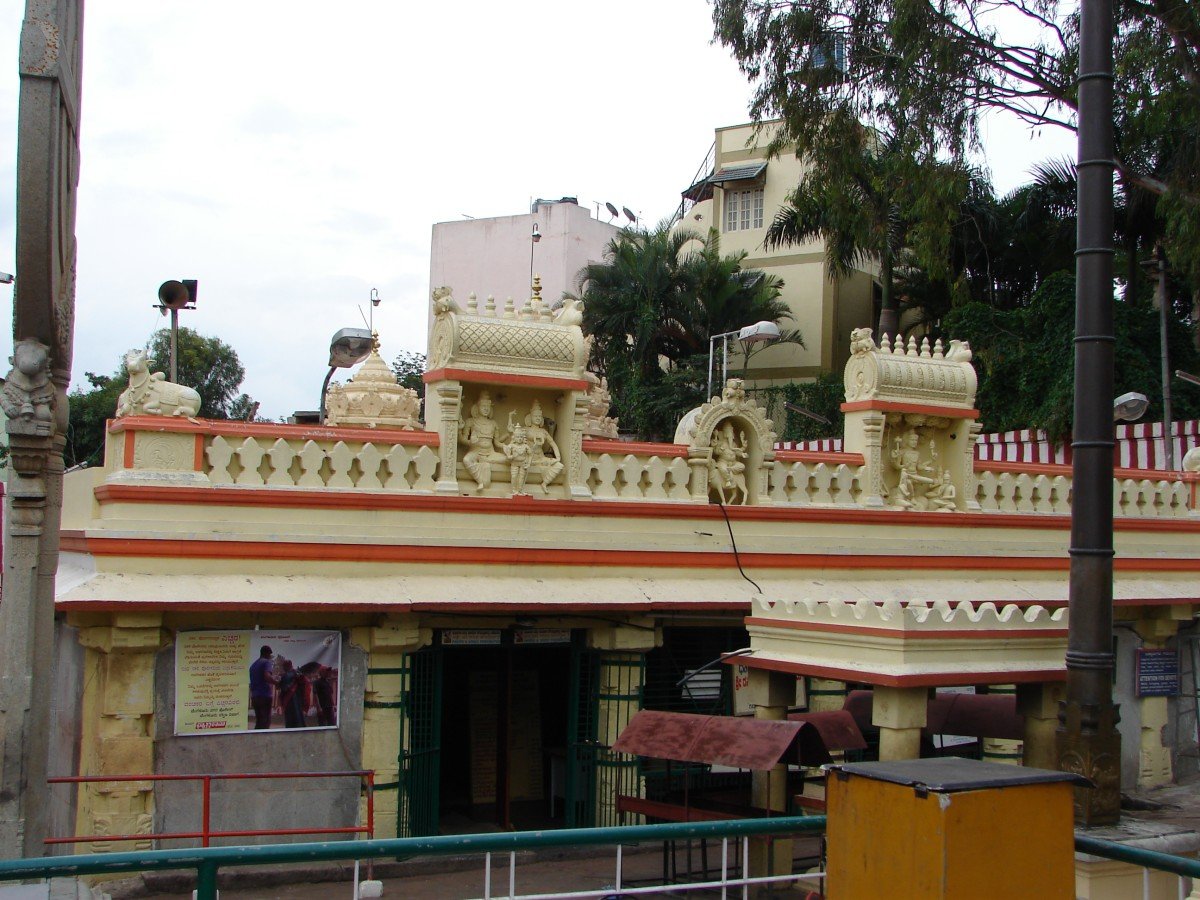
Gavi Gangadhareshwara Temple
General information
-
Ideal Duration:
1 hour (Approx.
):Place Type:
Religious Site/Cave Temple:Entry Fees:
Entry Fee: There is No Entry Fee to enter and worship at the Gavi Gangadhareshwara Temple, as it is a public religious site.
Puja/Seva Tickets: Devotees can purchase tickets for specific pujas or sevas (ritual services) they wish to offer to...Entry Fee: There is No Entry Fee to enter and worship at the Gavi Gangadhareshwara Temple, as it is a public religious site.
Puja/Seva Tickets: Devotees can purchase tickets for specific pujas or sevas (ritual services) they wish to offer to Lord Shiva, which are optional contributions.
Camera Fees: There are generally No Separate Camera Fees for still photography in the courtyard, but photography is strictly prohibited inside the main, dark cave sanctum to respect the spiritual ambiance.
Donation: Voluntary donations are accepted in the hundi (donation box) for the temple's maintenance.Timing:
Regular Timings: Open daily from 7:00 AM to 12:30 PM and 5:00 PM to 8:30 PM (The temple closes in the afternoon).
Ideal Visit Time: The best time to visit is during the late morning (10:00 AM to 12:30 PM) or early evening (5:00 PM to 7:00 PM...Regular Timings: Open daily from 7:00 AM to 12:30 PM and 5:00 PM to 8:30 PM (The temple closes in the afternoon).
Ideal Visit Time: The best time to visit is during the late morning (10:00 AM to 12:30 PM) or early evening (5:00 PM to 7:00 PM). The evening visit allows you to witness the temple lit up and the evening aarti.
Special Time: For a scientific or devotional experience, visit on Makar Sankranti (mid-January) to witness the solar phenomenon, but be aware of the immense crowds.
Time Required for Visit: About 1 hour is sufficient for a peaceful darshan and observation of the architectural details.Special Events:
Makar Sankranti Celebration: The most important event is the festival on Makar Sankranti (usually January 14th or 15th) when thousands gather to witness the sun's rays illuminate the Shivling. Special pujas and abhishekas are performed all day.
...Makar Sankranti Celebration: The most important event is the festival on Makar Sankranti (usually January 14th or 15th) when thousands gather to witness the sun's rays illuminate the Shivling. Special pujas and abhishekas are performed all day.
Maha Shivaratri: This festival, dedicated to Lord Shiva, is celebrated with great devotion, featuring late-night pujas, fasting, and continuous chanting. The temple is especially decorated during this time.
Annual Rathotsava: The temple hosts its own smaller annual Rathotsava (chariot festival), where a ceremonial chariot bearing the deity is pulled through the local streets, attracting local devotees and providing a vibrant cultural spectacle.Best Photo Spots:
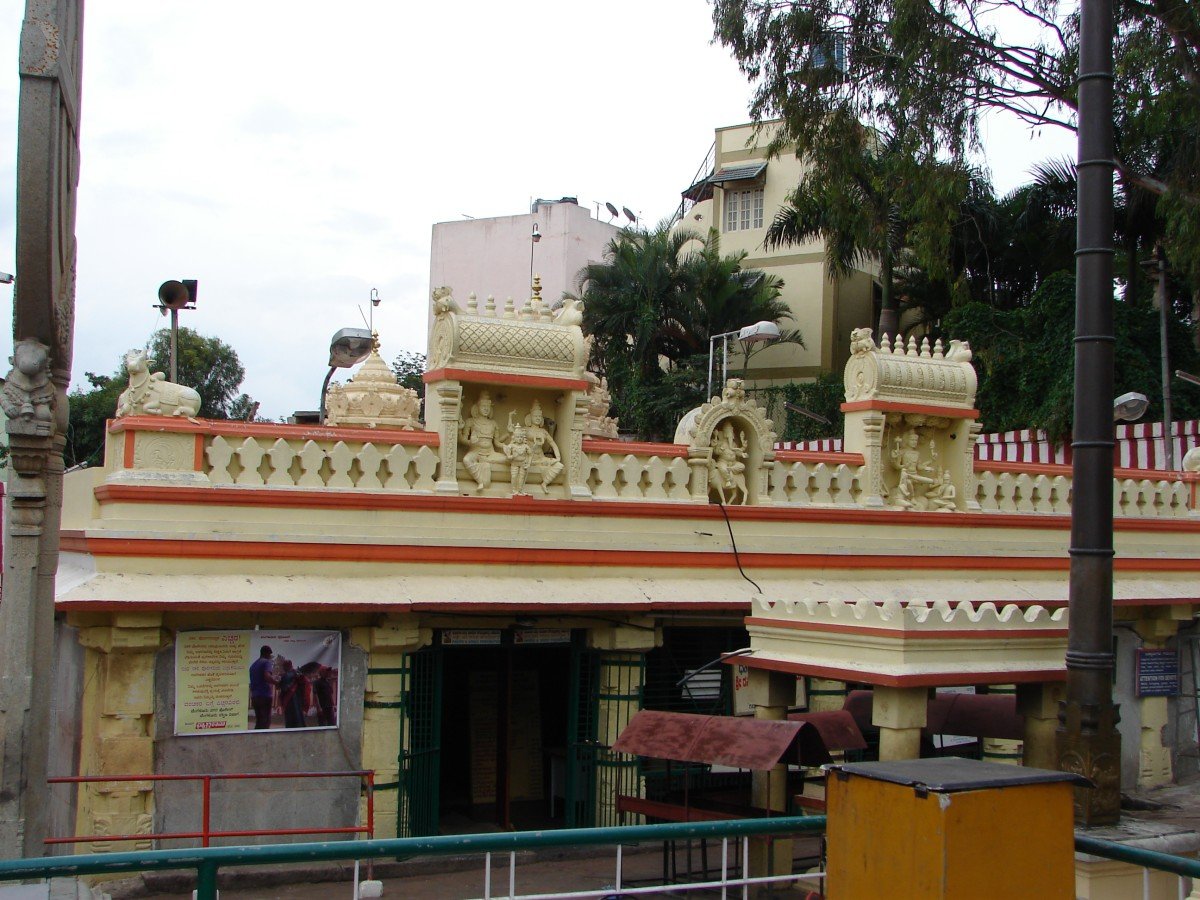
The Rock-Cut Cave Entrance: Capture the unique facade of the temple, with its rock-cut pillars and the dark cave entrance, especially in the morning light to highlight the texture of the stone.
The Nandi Statue and Stone Discs: The exterior ...The Rock-Cut Cave Entrance: Capture the unique facade of the temple, with its rock-cut pillars and the dark cave entrance, especially in the morning light to highlight the texture of the stone.
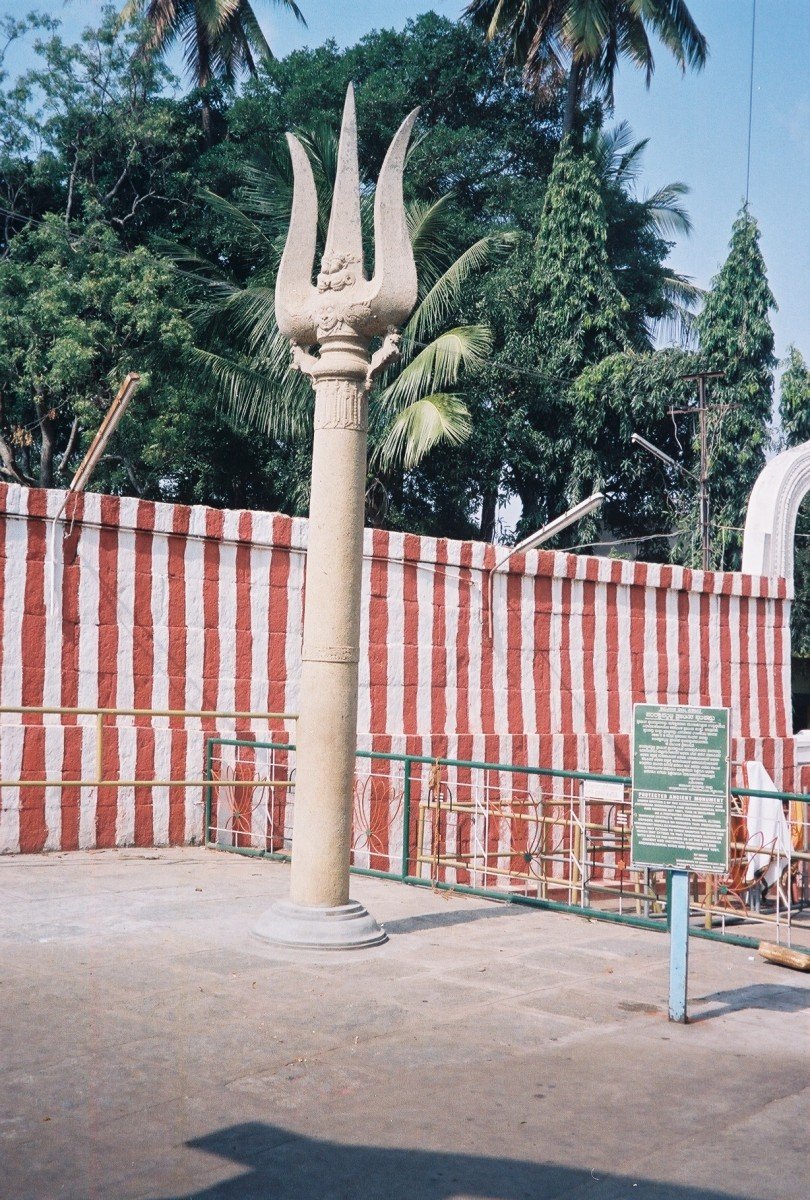
The Nandi Statue and Stone Discs: The exterior Nandi statue and the massive stone discs are key photo points, offering a chance to capture the elements involved in the celestial alignment.
The Courtyard Vistas: Capture the overall temple complex from the courtyard, utilizing the surrounding area and the Dravidian-style Vimana (tower) for a full-frame shot of the complex.
Temple Festivities: During the Makar Sankranti festival, the crowd, the decorations, and the anticipation of the solar miracle are great subjects for candid, cultural photography.Photo Gallery
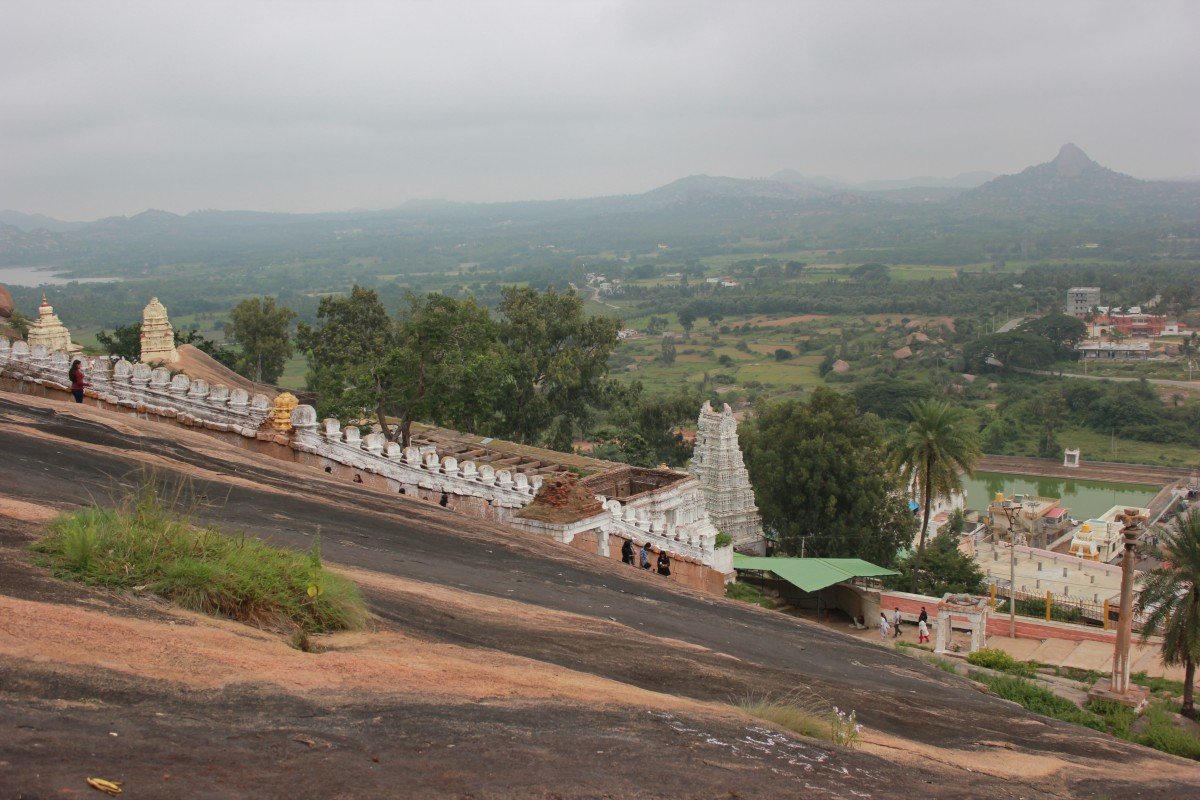
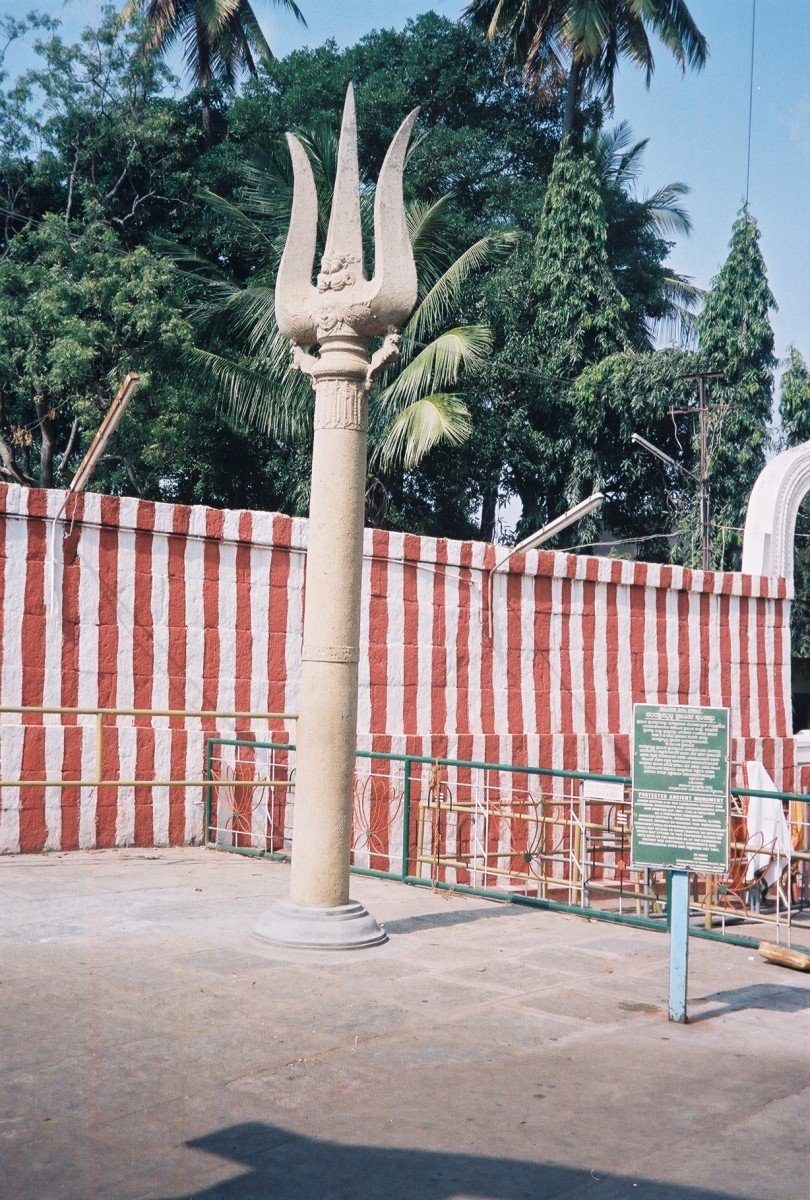

Things To Do
-
Witnessing the Solar Miracle: If visiting in mid-January around Makar Sankranti, try to witness the spectacular solar illumination of the Shivling, a once-a-year event that is the temple's highlight. Be prepared for massive crowds.
Offering Prayers to Lord Shiva: The main activity is performing darshan (viewing) and offering puja (worship) to the Shivling in the cave shrine, appreciating the cool, mystical atmosphere.
Observing the Architectural Ingenuity: Study the placement of the stone discs and the Nandi statue in the courtyard to understand the complex astronomical planning behind the temple's construction.
Visiting the Rare Shrines: Seek out and pay respects to the rarely seen idols of the two-headed Agni and the Parvati-Ganesha idol for a unique spiritual...Witnessing the Solar Miracle: If visiting in mid-January around Makar Sankranti, try to witness the spectacular solar illumination of the Shivling, a once-a-year event that is the temple's highlight. Be prepared for massive crowds.
Offering Prayers to Lord Shiva: The main activity is performing darshan (viewing) and offering puja (worship) to the Shivling in the cave shrine, appreciating the cool, mystical atmosphere.
Observing the Architectural Ingenuity: Study the placement of the stone discs and the Nandi statue in the courtyard to understand the complex astronomical planning behind the temple's construction.
Visiting the Rare Shrines: Seek out and pay respects to the rarely seen idols of the two-headed Agni and the Parvati-Ganesha idol for a unique spiritual experience.
Exploring the Gavipuram Area: The Gavipuram neighborhood is a traditional part of old Bengaluru. Take a short walk to experience the local, historical flavor of the area and sample local eateries.
Meditation and Contemplation: The cave's dark, cool, and quiet atmosphere makes it conducive for short periods of personal meditation or quiet contemplation, especially during less crowded hours.
Photography: Capture the temple's unique rock-cut facade, the stone discs in the courtyard, and the exterior Nandi statue (ensure no photography is taken inside the main cave sanctum).
Information
-
Why Famous:
The Solar Illumination Miracle: It is internationally famous for the annual celestial event on Makar Sankranti (mid-January), where the sun's rays align perfectly to illuminate the Shivling inside the cave, a feat of ancient architectural and astronomical planning.
<...The Solar Illumination Miracle: It is internationally famous for the annual celestial event on Makar Sankranti (mid-January), where the sun's rays align perfectly to illuminate the Shivling inside the cave, a feat of ancient architectural and astronomical planning.
Monolithic Rock-Cut Temple: It is a unique and ancient rock-cut cave temple in Bengaluru, giving it significant historical and geological importance.
Founder's Heritage: The temple was renovated and popularized by Kempe Gowda I, connecting it directly to the foundational history of the city of Bengaluru.
Rarity of Deities: The temple houses a rare, two-headed idol of the Agni (Fire God), one of the few such representations in all of India, making it a unique point of interest for devotees and scholars. -
Architecture:
Rock-Cut Cave Architecture: The entire temple is carved out of a natural cave in a monolithic rock formation, making it a prime example of Indian rock-cut architecture. The main shrine (Garbhagriha) is a dark cave, adding to the temple's mystical atmosphere.Rock-Cut Cave Architecture: The entire temple is carved out of a natural cave in a monolithic rock formation, making it a prime example of Indian rock-cut architecture. The main shrine (Garbhagriha) is a dark cave, adding to the temple's mystical atmosphere.
The Celestial Alignment Design: The architectural genius lies in the precise positioning of the two stone discs and the Nandi statue in the courtyard. This positioning ensures the annual spectacle of the sun's rays perfectly illuminating the Shivling on Makar Sankranti, demonstrating a remarkable mastery of engineering and celestial science.
Dimension and Scale: The temple complex is not massive but the Shivling is tall. The cave's interior is relatively small and dark. The courtyard features two impressive granite discs with specific angles and heights that facilitate the solar alignment, highlighting the functional yet spiritual design.
Other Idols: The temple complex also features rare idols of Agni (Fire God), which has only two heads, and shrines for Subrahmanya and Ganesha (including a rarely seen one of Lord Ganesha with his mother, Parvati). -
How To Reach:
By Air: Kempegowda International Airport, Bengaluru (BLR) is about 38 Kms away. A pre-paid or app-based taxi is the most convenient option, taking about 1. 5 hours.
By Train: The nearest major railway station is KSR Bengaluru City Junction ...By Air: Kempegowda International Airport, Bengaluru (BLR) is about 38 Kms away. A pre-paid or app-based taxi is the most convenient option, taking about 1. 5 hours.
By Train: The nearest major railway station is KSR Bengaluru City Junction (SBC), about 5 Kms away. The journey by auto-rickshaw or taxi takes about 20-30 minutes. The nearby Majestic Bus Stand is well-connected by local buses.
By Road: The temple is located in Gavipuram, Kempegowda Nagar, easily accessible by city roads. BMTC public buses have routes running near the temple, and the bus stop overlooking Kempambudhi Lake is a key reference point.
By Local Transport: The nearest metro is the National College Metro Station on the Green Line (approx. 3 Kms away). From the metro station, an auto-rickshaw or taxi will quickly take you to the temple. Auto-rickshaws are plentiful in this area. -
Weather and Best Time to Visit:
The Cooler Months: The best time to visit is during the winter and post-monsoon months, from September to December. The cool and pleasant weather is ideal for a focused spiritual visit.
The Special Festival Time: A visit in January is speci...The Cooler Months: The best time to visit is during the winter and post-monsoon months, from September to December. The cool and pleasant weather is ideal for a focused spiritual visit.
The Special Festival Time: A visit in January is special for witnessing the Makar Sankranti miracle, but the area is extremely crowded and requires a lot of patience.
Avoiding the Peak Heat: Avoid the midday sun in the summer (March to May) for a comfortable visit.
Different Parts of the Day: Early morning and evening are the best times. The early evening aarti is vibrant, while the morning is quiet and spiritual. The afternoon closure means you must plan to visit before 12:30 PM or after 5:00 PM. -
Near Tourist Places:
Big Bull Temple (3 Kms), Lalbagh Botanical Garden (2. 2 Kms), Tipu Sultan's Summer Palace (3 Kms), Krishna Rajendra (KR) Market (4 Kms), Bugle Rock Park (3 Kms), Kempambudhi Lake (adjacent), Jayanagar IV Block Market (5 Kms), Cubbon Park (5 Kms), Vidhana Soudha (6 Kms), ISKCON Temple Bangalore (10 Kms):
Tourism Tips
-
Health & Safety: Dress modestly, covering the shoulders and knees, as it is a sacred temple. Shoes must be removed before entering the temple complex. Be cautious of the slippery surfaces inside the cave, especially after rain or ritual cleaning.
Read MoreHealth & Safety: Dress modestly, covering the shoulders and knees, as it is a sacred temple. Shoes must be removed before entering the temple complex. Be cautious of the slippery surfaces inside the cave, especially after rain or ritual cleaning.
Packing Essentials: Carry cash for donations or offerings. A small flashlight might be helpful inside the dark cave, though the area near the Shivling is usually lit. Do not carry your phone inside the main sanctum (sometimes discouraged).
Accommodation Advice: The temple is located in a traditional, older part of the city. For a modern stay, choose hotels near Basavanagudi or Jayanagar (5-8 Kms away), which have good connectivity.
Other Key Tips: Combine your visit with the nearby Big Bull Temple and Lalbagh Botanical Garden. Ask a local guide or priest about the story of the solar alignment for a deeper understanding of the temple's architectural significance.Reviews
FAQs
Bengaluru Itineray And Cost:-
Gavi Gangadhareshwara Temple Tourism:-
Other Places In Bengaluru :-
Other States In India :-
Information about New and Updated Locations() of Karnataka Has Been Added :-
Card subtitle
Note:-
Information provided here in good Faith and for reference only.
Near Places

Bangalore Palace
Some quick example text to build on the card title and make up the bulk of the card's content.
Go somewhere
Bannerghatta Biological Park
Some quick example text to build on the card title and make up the bulk of the card's content.
Go somewhere
Big Bull Temple
Some quick example text to build on the card title and make up the bulk of the card's content.
Go somewhere
Commercial Street
Some quick example text to build on the card title and make up the bulk of the card's content.
Go somewhere
Cubbon Park
Some quick example text to build on the card title and make up the bulk of the card's content.
Go somewhere
Devanahalli Fort
Some quick example text to build on the card title and make up the bulk of the card's content.
Go somewhere
Dodda Alada Mara
Some quick example text to build on the card title and make up the bulk of the card's content.
Go somewhere
Gavi Gangadhareshwara Temple
Some quick example text to build on the card title and make up the bulk of the card's content.
Go somewhere
ISKCON Temple Bangalore
Some quick example text to build on the card title and make up the bulk of the card's content.
Go somewhere
Jawaharlal Nehru Planetarium
Some quick example text to build on the card title and make up the bulk of the card's content.
Go somewhere
Lalbagh Botanical Garden
Some quick example text to build on the card title and make up the bulk of the card's content.
Go somewhere
MG Road / Church Street
Some quick example text to build on the card title and make up the bulk of the card's content.
Go somewhere
Nandi Hills
Some quick example text to build on the card title and make up the bulk of the card's content.
Go somewhere
National Gallery of Modern Art
Some quick example text to build on the card title and make up the bulk of the card's content.
Go somewhere
St. Mary's Basilica
Some quick example text to build on the card title and make up the bulk of the card's content.
Go somewhere
Tipu Sultan's Summer Palace
Some quick example text to build on the card title and make up the bulk of the card's content.
Go somewherein Other Cities