
Goakaran Tank
Ancient Reservoir and Pilgrimage Site: Goakaran Tank, historically known as Gau Karan Tank, is a large, ancient water reservoir with significant religious and historical importance in Rohtak. Legend links it to figures from the Mahabharata, asserting that the tank was used by mythological heroes, ma king it a sacred tirtha (pilgrimage spot). The tank served as a vital source of water for the old city and was a center for religious bathing rituals. Although its size and water quality have fluctuated over time due to urbanization, it remains a focal point for traditional Hindu rituals, especially during solar/lunar eclipses and specific snan (bathing) festivals. The surrounding area features old temples and ghats (steps leading to the water), reflecting its past glory as a major religious complex. Restoration and maintenance efforts are periodically undertaken by the local authorities and community trusts to preserve its heritage value, despite the challenges posed by its urban location. Its historical association with the city's foundation and its role as a spiritual center make it an irreplaceable part of Rohtak's heritage narrative.
General information
-
Ideal Duration:
1 HourPlace Type:
Historical & Religious TankEntry Fees:
Nominal Fees or Free Access: Entry Fees to the tank area and the surrounding ghats are Free for all visitors, as it is a public religious site and historical water body.
Temple Offerings: The only costs are voluntary donations to the perimet...Nominal Fees or Free Access: Entry Fees to the tank area and the surrounding ghats are Free for all visitors, as it is a public religious site and historical water body.
Temple Offerings: The only costs are voluntary donations to the perimeter temples or the purchase of puja items (flowers, incense) from local vendors (e. g. , Rs.20-Rs.200).
Donation for Maintenance: Signage might request voluntary contributions towards the tank's cleaning and maintenance efforts by the local trust, but it is not a mandatory entry fee. The focus is on public access to a sacred heritage site.Timing:
Morning Rituals Ideal: Regular Timings are essentially Open 24 hours a day, though the best and safest time to visit is during daylight hours, typically 6:00 AM to 8:00 PM. Ideal Visit Time is during the Early Morning (6:30 AM to 8:30 AM) to witness the traditional bathing ...Morning Rituals Ideal: Regular Timings are essentially Open 24 hours a day, though the best and safest time to visit is during daylight hours, typically 6:00 AM to 8:00 PM. Ideal Visit Time is during the Early Morning (6:30 AM to 8:30 AM) to witness the traditional bathing rituals, the quiet religious atmosphere, and the best light quality for photography. Visiting during one of the major Snan days (like an eclipse or Purnima) provides a unique cultural experience, despite the massive crowds.Special Events:
Solar/Lunar Eclipse Snan: The most important event is the mass gathering for Sacred Bathing (Snan) during Solar and Lunar Eclipses, when thousands of pilgrims converge for the ritual dip, believing it washes away sins and grants spiritual merit; this draws the largest crowd...Solar/Lunar Eclipse Snan: The most important event is the mass gathering for Sacred Bathing (Snan) during Solar and Lunar Eclipses, when thousands of pilgrims converge for the ritual dip, believing it washes away sins and grants spiritual merit; this draws the largest crowds.
Gau Karan Fair: A small, traditional fair is sometimes organized locally during major festivals like Maha Shivratri (February/March) or Kartik Purnima (November), featuring stalls and folk performances in the nearby areas surrounding the tank.Best Photo Spots:
Ghat Steps at Dawn: The Best Photo Spot is capturing the long, symmetrical Ghat Steps leading down to the water at Sunrise, ideally with a pilgrim taking a ritual dip or a priest performing puja, showcasing the religious purpose and the depth of the structure.Ghat Steps at Dawn: The Best Photo Spot is capturing the long, symmetrical Ghat Steps leading down to the water at Sunrise, ideally with a pilgrim taking a ritual dip or a priest performing puja, showcasing the religious purpose and the depth of the structure.
Reflections in the Water: Photographing the Reflection of the surrounding old temples and the sky in the tank's water (best when the water is still), offering a tranquil and artistic view of the complex.
Architectural Details: Close-up shots of the intricate but weathered stone carvings or the small, colorful flags atop the nearby shrines, emphasizing the age and historical layers of the site, particularly the small chhatris on the ghats.Photo Gallery
Things To Do
-
Ritual Bathing & Darshan: Performing Ritual Bathing on an auspicious day (e. g. , Sankranti, Purnima); visiting the various Perimeter Shrines for darshan (viewing the deities); Photography of the ghats and the water body, particularly at sunrise/sunset, capturing the ancient feel; Quiet Contemplation on the steps of the ghats, observing the local life and the historical ambiance; Feeding the fish or turtles that inhabit the tank (if allowed and if the water quality permits); Attending community prayer meetings (Satsang) that occasionally take place near the temples; Participating in the Pind Daan or Tarpan rituals for ancestors, which are traditionally performed here; Exploring the narrow, old-city lanes surrounding the tank, which are filled with traditional shops and historic residential buildings; Documenting the architectural features of the old templ...Ritual Bathing & Darshan: Performing Ritual Bathing on an auspicious day (e. g. , Sankranti, Purnima); visiting the various Perimeter Shrines for darshan (viewing the deities); Photography of the ghats and the water body, particularly at sunrise/sunset, capturing the ancient feel; Quiet Contemplation on the steps of the ghats, observing the local life and the historical ambiance; Feeding the fish or turtles that inhabit the tank (if allowed and if the water quality permits); Attending community prayer meetings (Satsang) that occasionally take place near the temples; Participating in the Pind Daan or Tarpan rituals for ancestors, which are traditionally performed here; Exploring the narrow, old-city lanes surrounding the tank, which are filled with traditional shops and historic residential buildings; Documenting the architectural features of the old temples; Observing the socio-religious life of the local community centered around the tank.
Information
-
Why Famous:
Sacred Bathing Rituals: Famous for its deep-rooted association with Hindu mythology and its role as a sacred site for ritualistic bathing (snan), especially on auspicious days like Purnima, Amavasya, and during solar/lunar Eclipses, when taking a dip is considered highly mer...Sacred Bathing Rituals: Famous for its deep-rooted association with Hindu mythology and its role as a sacred site for ritualistic bathing (snan), especially on auspicious days like Purnima, Amavasya, and during solar/lunar Eclipses, when taking a dip is considered highly meritorious.
Mahabharata Connection: Its legendary link to the Mahabharata period and ancient sages enhances its fame as a historical and spiritual tirtha.
Local Heritage Site: It is recognized as one of the oldest surviving historical landmarks in the heart of Rohtak City, representing its ancient past and continuous religious tradition, making it a key site for history buffs and pilgrims. -
Architecture:
Traditional Temple Ghat Design: The architecture is defined by the traditional layout of a sacred water tank with surrounding ghats.
Dimension: The tank is a large, square-to-rectangular body of water, approximately 150 meters×100 meters,...Traditional Temple Ghat Design: The architecture is defined by the traditional layout of a sacred water tank with surrounding ghats.
Dimension: The tank is a large, square-to-rectangular body of water, approximately 150 meters×100 meters, varying in size depending on water levels.
Stepped Ghats: Features stone or concrete steps (ghats) on all sides, leading down to the water, designed for ritual bathing and easy access; the steps are wide, typically 2 meters or more, to accommodate large crowds during festivals.
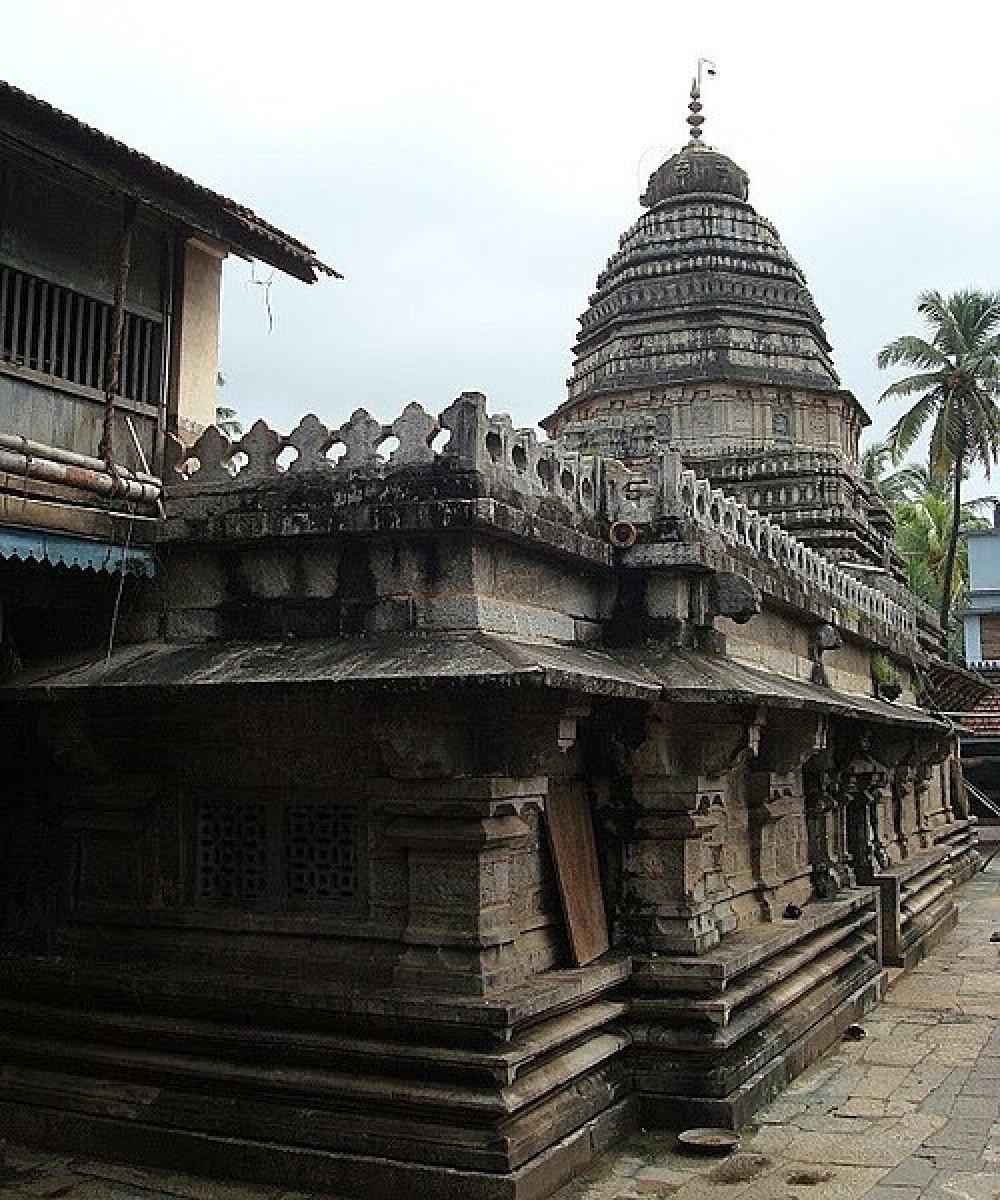
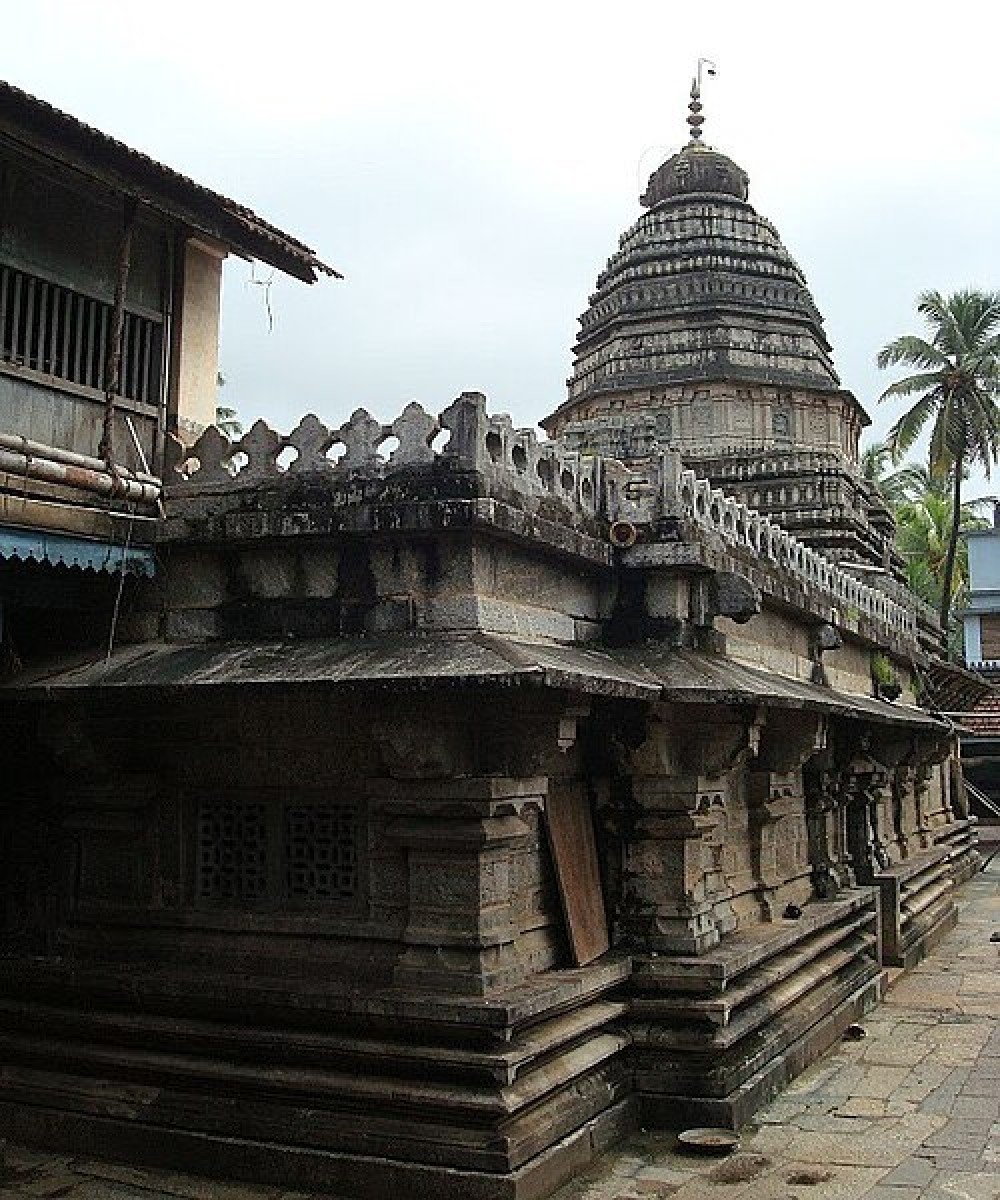
Perimeter Temples: Several small, old temples and shrines, constructed in simple North Indian styles (small shikharas and dome structures), are situated along the perimeter, adding a distinct religious landscape to the site. The entire tank area is often secured by a perimeter wall or railings. -
How To Reach:
By Air & Train Connectivity:
By Air: Nearest major airport is Indira Gandhi International Airport (DEL), Delhi (approx. 75 KMS). From the airport, taxis and direct buses are easily available to Rohtak City.
By ...By Air & Train Connectivity:
By Air: Nearest major airport is Indira Gandhi International Airport (DEL), Delhi (approx. 75 KMS). From the airport, taxis and direct buses are easily available to Rohtak City.
By Train: Nearest major station is Rohtak Junction (ROK) (approx. 3. 5 KMS), which is well-connected to major cities.
By Road: Located in the old city area, accessible from the main Gohana Road; it is well-connected by local bus routes within Rohtak.
Local Transport: Easily reachable via auto-rickshaws, cycle-rickshaws, and local taxis from Rohtak Junction or the main bus stand; cycle-rickshaws are often the best choice for navigating the narrow lanes of the old city area leading to the tank. -
Weather and Best Time to Visit:
Winter Pilgrimage Season: Best Time to Visit is during the Winter Season (October to March) when the temperatures are mild (avg. 10Rs.C to 25Rs.C), which is ideal for walking and spending time near the water body. Best Part of the Day is the Early Morning for witnessing the mo...Winter Pilgrimage Season: Best Time to Visit is during the Winter Season (October to March) when the temperatures are mild (avg. 10Rs.C to 25Rs.C), which is ideal for walking and spending time near the water body. Best Part of the Day is the Early Morning for witnessing the most authentic religious activity and avoiding the midday heat, or the Late Afternoon for softer lighting and viewing the sunset over the historical site. Visiting during a major Purnima in November (Kartik Purnima) is spiritually significant. -
Near Tourist Places:
Tomb of Firoz Khan (2 KMS); Durga Bhawan Mandir (3 KMS); Khokhrakot (Ancient Site) (4 KMS); Bhiwani Stand Market (1 KM); Rohtak Junction (3. 5 KMS); Sheesh Mahal (5 KMS); Tilyar Lake & Zoo (8 KMS); MDU Pond (5 KMS); Old Hanuman Mandir (1 KM); Jind City (65 KMS)
Tourism Tips
-
Health, Safety & Essential
Packing:
Health & Safety: Be extremely cautious around the water's edge and the steps (ghats), as they can be slippery; the water quality is usually not recommended for recreational swimming. Wear modest c...Health, Safety & Essential
Packing:
Health & Safety: Be extremely cautious around the water's edge and the steps (ghats), as they can be slippery; the water quality is usually not recommended for recreational swimming. Wear modest clothing when visiting the perimeter shrines.
Packing: Essentials include comfortable, slip-resistant footwear; a scarf/shawl for visiting temples; and hand sanitizer.
Accommodation: Good hotels are located in the newer parts of Rohtak City, away from the old city area (e. g. , Hotel Divine City, Hotel Rivoli), requiring a short auto ride.
Other Tips: Carry a small bottle of water; be prepared for some crowds and congested narrow roads, especially around the old city market; respect the religious sensitivity of the site; carry change for small temple offerings.
Reviews
FAQs
Rohtak Itineray And Cost:-
Other Places In Rohtak :-
Other States In India :-
Information about New and Updated Locations() of Haryana Has Been Added :-
Card subtitle
Note:-
Information provided here in good Faith and for reference only.
Near Places

Asthal Bohar Math
Some quick example text to build on the card title and make up the bulk of the card's content.
Go somewhere
Banni Khera Farm
Some quick example text to build on the card title and make up the bulk of the card's content.
Go somewhere
Durga Bhawan Mandir
Some quick example text to build on the card title and make up the bulk of the card's content.
Go somewhere
Meham Town
Some quick example text to build on the card title and make up the bulk of the card's content.
Go somewhere
Splash Water Park
Some quick example text to build on the card title and make up the bulk of the card's content.
Go somewhere
Tomb of Firoz Khan
Some quick example text to build on the card title and make up the bulk of the card's content.
Go somewherein Other Cities