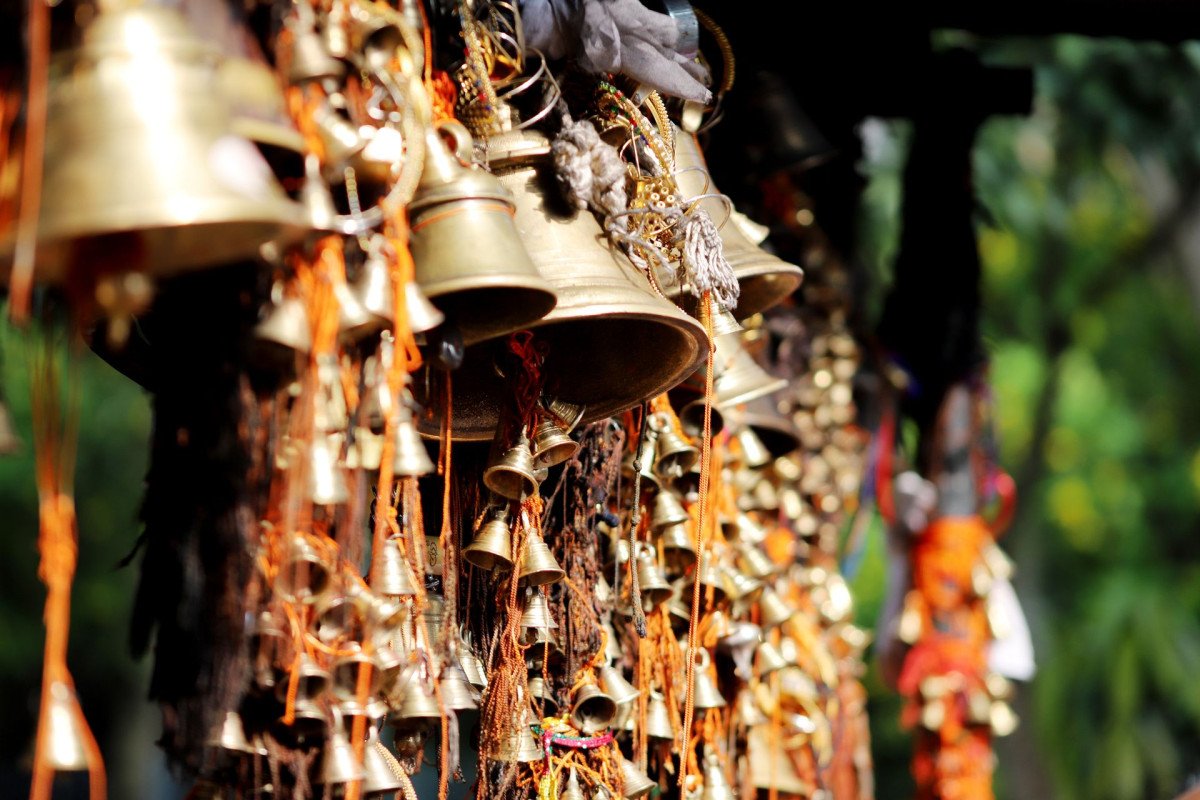
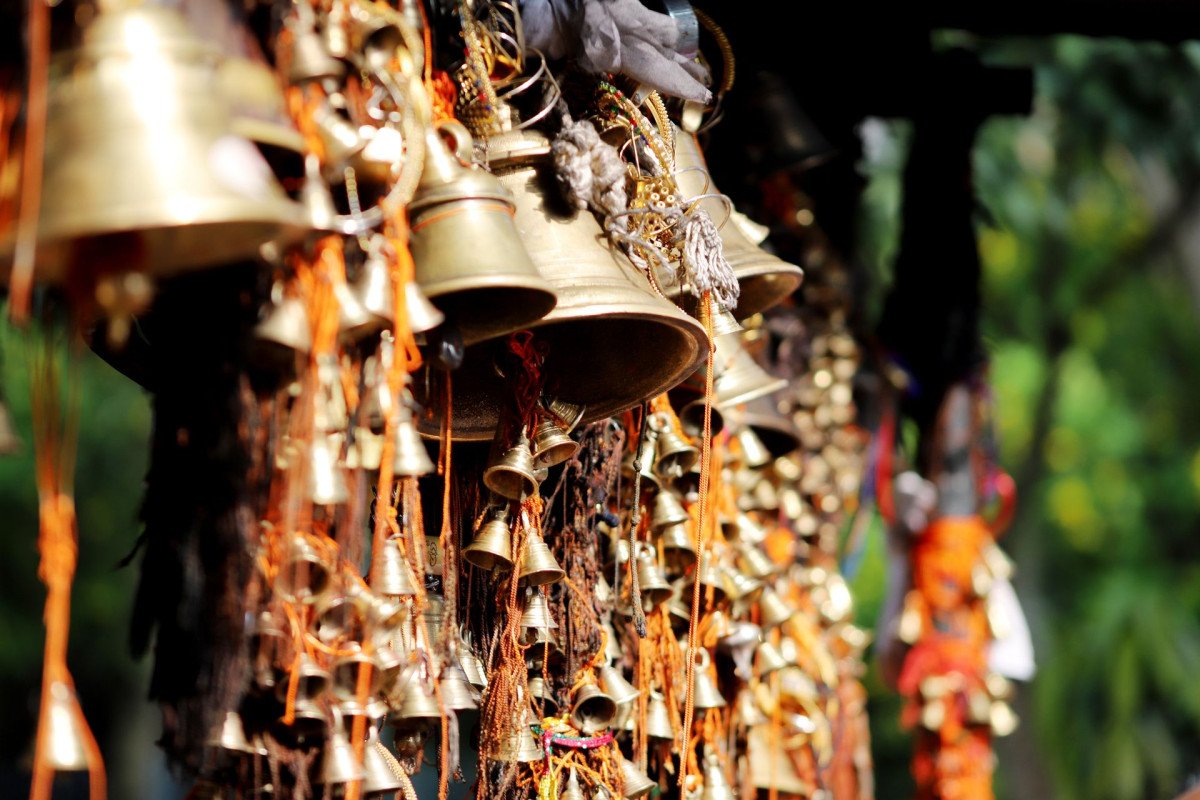
Gobrahin Shiv Temple
General information
-
Ideal Duration:
3 to 4 HoursPlace Type:
Archaeological & ReligiousEntry Fees:
Minimal Maintenance Fee: There is currently no formal entry fee charged by the government for individual visitors.
Parking Charges: A nominal fee of Rs.20 to Rs.50 might be collected for vehicles during the Mahashivaratri mela.Minimal Maintenance Fee: There is currently no formal entry fee charged by the government for individual visitors.
Parking Charges: A nominal fee of Rs.20 to Rs.50 might be collected for vehicles during the Mahashivaratri mela.
Donations: Many visitors choose to donate to the local temple committee for the upkeep of the sacred site.Timing:
Daylight Hours: The temple site is open from 6:00 AM to 6:00 PM daily.
Ideal Visit Time: The best time to reach is around 9:00 AM when the light is perfect for photography and the weather is cool.
Seasonal Shift...Daylight Hours: The temple site is open from 6:00 AM to 6:00 PM daily.
Ideal Visit Time: The best time to reach is around 9:00 AM when the light is perfect for photography and the weather is cool.
Seasonal Shift: During the monsoon, the paths can be muddy, so visiting before 4:00 PM is advised.Special Events:
Mahashivaratri Mela: The most significant event is the grand fair held during Mahashivaratri in February or March.
Tribal Rituals: During the mela, local tribes perform traditional dances and rituals that blend Vedic and indigenous customs. ...Mahashivaratri Mela: The most significant event is the grand fair held during Mahashivaratri in February or March.
Tribal Rituals: During the mela, local tribes perform traditional dances and rituals that blend Vedic and indigenous customs.
Annual Archaeological Survey: Occasionally, government-led heritage weeks celebrate the site's history with guided tours and exhibitions.Best Photo Spots:
The Main Shivalinga: The best spot for a photo is the massive stone Shivalinga set against the brick ruins.
The Vishnu Idols: Capture the intricate carvings of the Narasimha statue which showcases the Vakataka influence.
Read MoreThe Main Shivalinga: The best spot for a photo is the massive stone Shivalinga set against the brick ruins.
The Vishnu Idols: Capture the intricate carvings of the Narasimha statue which showcases the Vakataka influence.
Panoramic View from the Mound: Stand atop the highest mound in the Gobrahin Complex to capture the layout of the entire ancient city.Photo Gallery
Things To Do
-
Exploring the Mounds: Visitors can spend hours trekking through the different complexes to see excavated foundations.
Offering Prayers: Devotees often perform 'Abhishek' on the ancient Shivalingas still present at the site.
Photography of Ruins: The contrast of red bricks against green forest provides excellent shots.
Nature Walk: The area surrounding the temple is perfect for a quiet walk through the woods.
Studying the Inscriptions: For those with a keen eye, fragments of ancient scripts can sometimes be spotted on stones.
Picnic in History: The serene environment makes it a great spot for a family lunch.
Interaction with Locals: Talk to the local priests to le...Exploring the Mounds: Visitors can spend hours trekking through the different complexes to see excavated foundations.
Offering Prayers: Devotees often perform 'Abhishek' on the ancient Shivalingas still present at the site.
Photography of Ruins: The contrast of red bricks against green forest provides excellent shots.
Nature Walk: The area surrounding the temple is perfect for a quiet walk through the woods.
Studying the Inscriptions: For those with a keen eye, fragments of ancient scripts can sometimes be spotted on stones.
Picnic in History: The serene environment makes it a great spot for a family lunch.
Interaction with Locals: Talk to the local priests to learn about the oral history of King Karna.
Information
-
Why Famous:
The Capital of Ancient Kings: This site is famous because it served as the royal seat for the Nala Dynasty, who were rivals to the powerful Vakatakas.
Archaeological Rarity: It is one of the few places in Central India where such a high dens...The Capital of Ancient Kings: This site is famous because it served as the royal seat for the Nala Dynasty, who were rivals to the powerful Vakatakas.
Archaeological Rarity: It is one of the few places in Central India where such a high density of ancient brick temples has been found together.
Spiritual Magnet: The presence of the massive Gobarhin Shivalinga makes it a major pilgrimage point, especially for those interested in the evolution of Shaivism in the tribal heartland of India. -
Architecture:
Brick and Stone Engineering: The architecture of the Gobrahin Shiv Temple is characterized by the use of burnt bricks joined by clay mortar, a hallmark of the 5th Century.
Structural Dimensions: The main temple base measures approximately 15...Brick and Stone Engineering: The architecture of the Gobrahin Shiv Temple is characterized by the use of burnt bricks joined by clay mortar, a hallmark of the 5th Century.
Structural Dimensions: The main temple base measures approximately 15 feet by 15 feet, consisting of a square Garbhagriha (sanctum) and a rectangular Mandapa. The walls are mostly plain, showcasing a simple yet sturdy design typical of the early medieval period.
Iconographic Features: The primary Shivalinga is roughly 6 feet in height, carved from high-quality stone that contrasts with the surrounding brickwork. Unlike later North Indian temples, these lack the soaring Shikharas, focusing instead on functional, sacred spaces. -
How To Reach:
By Air: The nearest major airport is Swami Vivekananda Airport in Raipur, approximately 171 KMS away. From there, one can take a taxi to Kondagaon or directly to Keshkal.
By Train: The nearest railway station is Jagdalpur, located 131 KMS a...By Air: The nearest major airport is Swami Vivekananda Airport in Raipur, approximately 171 KMS away. From there, one can take a taxi to Kondagaon or directly to Keshkal.
By Train: The nearest railway station is Jagdalpur, located 131 KMS away, which is connected to Visakhapatnam. Alternatively, Raipur station offers better connectivity to the rest of India.
By Road: Located on NH-30, it is well-connected. Buses from Raipur to Jagdalpur stop at Keshkal, which is only 2 KMS from the site.
By Local Transport: Auto-rickshaws and private taxis are easily available from Keshkal market to reach the Gobrahin site. -
Weather and Best Time to Visit:
The Winter Season: October to March is the best time as the weather is pleasant between 15°C and 25°C.
Monsoon Charm: From July to September, the area is lush green, though trekking might be difficult.
Best Pa...The Winter Season: October to March is the best time as the weather is pleasant between 15°C and 25°C.
Monsoon Charm: From July to September, the area is lush green, though trekking might be difficult.
Best Part of Day: Early mornings are the most spiritual and peaceful, while late afternoons offer a golden hue for history enthusiasts. -
Near Tourist Places:
Keshkal Valley (4 KM), Tatamari (6 KM), Manjhingarh (15 KM), Kopabeda (40 KM), Jatayu Shila (25 KM), Cherbeda Falls (35 KM), Badedongar (50 KM), Amadarha Falls (12 KM), Alor Cave (30 KM), Narangi River (45 KM).
Tourism Tips
-
Health and Safety: Carry plenty of water as there are limited shops near the mounds.
Packing Essentials: Wear sturdy walking shoes for climbing the archaeological mounds and a hat for sun protection.
Accommodati...Health and Safety: Carry plenty of water as there are limited shops near the mounds.
Packing Essentials: Wear sturdy walking shoes for climbing the archaeological mounds and a hat for sun protection.
Accommodation: It is best to stay in Kondagaon or Keshkal as there are no luxury hotels at the site.
Respect Local Customs: As it is a religious site, dress modestly and remove footwear before entering the sanctum areas.
Reviews
FAQs
Kondagaon Itineray And Cost:-
Gobrahin Shiv Temple Tourism:-
Other Places In Kondagaon :-
Other States In India :-
Information about New and Updated Locations() of Chhattisgarh Has Been Added :-
Card subtitle
Note:-
Information provided here in good Faith and for reference only.
Near Places

Gobrahin Shiv Temple
Some quick example text to build on the card title and make up the bulk of the card's content.
Go somewhere
Hata Pathra
Some quick example text to build on the card title and make up the bulk of the card's content.
Go somewhere
Hinglaj Mata Temple
Some quick example text to build on the card title and make up the bulk of the card's content.
Go somewhere
Honabedgo
Some quick example text to build on the card title and make up the bulk of the card's content.
Go somewhere
Jatayu Shila
Some quick example text to build on the card title and make up the bulk of the card's content.
Go somewhere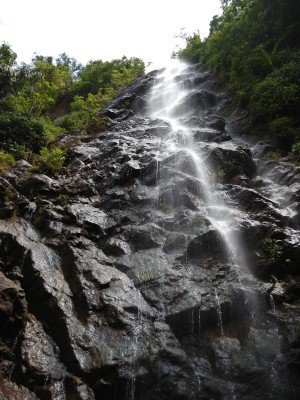
Katulkasa Waterfall
Some quick example text to build on the card title and make up the bulk of the card's content.
Go somewhere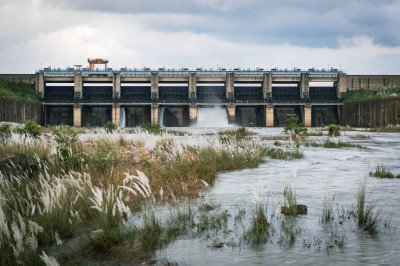
Kosartenda Dam
Some quick example text to build on the card title and make up the bulk of the card's content.
Go somewhere
Kudarwahi Waterfall
Some quick example text to build on the card title and make up the bulk of the card's content.
Go somewhere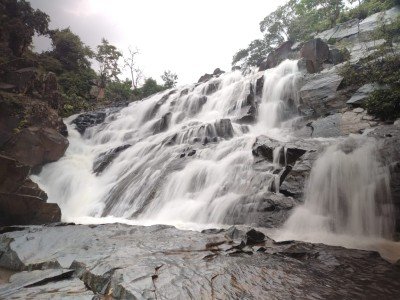
Ling-Darha Waterfall
Some quick example text to build on the card title and make up the bulk of the card's content.
Go somewhere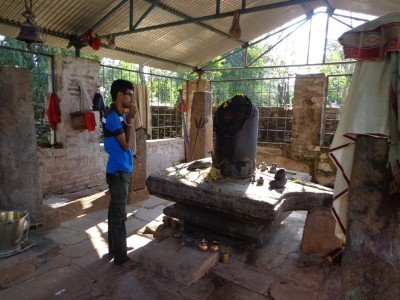
Manjhingarh
Some quick example text to build on the card title and make up the bulk of the card's content.
Go somewhere
Mulmulla
Some quick example text to build on the card title and make up the bulk of the card's content.
Go somewhere
Shiv Temple in Coppabeda
Some quick example text to build on the card title and make up the bulk of the card's content.
Go somewhere
Umradah Waterfall
Some quick example text to build on the card title and make up the bulk of the card's content.
Go somewhere
Uperbedi Waterfall
Some quick example text to build on the card title and make up the bulk of the card's content.
Go somewherein Other Cities