
Hirekolale Lake
General information
-
Ideal Duration:
1 to 2 hours (Photography and Lakeside Walk):Place Type:
Lake/Photography/Nature:Entry Fees:
Scenic Viewpoint - Minimal Fee: Hirekolale Lake generally charges a nominal entry or access fee to maintain the grounds, often around Rs.10 to Rs.20 per person. This low fee is collected by local management or a minor authority to ensure the cleanliness of the surrounding area,...Scenic Viewpoint - Minimal Fee: Hirekolale Lake generally charges a nominal entry or access fee to maintain the grounds, often around Rs.10 to Rs.20 per person. This low fee is collected by local management or a minor authority to ensure the cleanliness of the surrounding area, the maintenance of the embankment and pathways, and the security of the site, especially during the busy sunset hours.
Parking Charges: Parking for cars and two-wheelers is usually available near the lake's embankment, and a small, separate parking fee may be charged, typically ranging from Rs.30 to Rs.50 per vehicle. This fee is minimal and ensures organized parking, especially for the evening rush of visitors coming for the sunset view.
Camera and Time: There are no extra charges for photography or videography, encouraging visitors to capture the famous sunset reflections. The low fees ensure the lake remains a highly accessible and budget-friendly spot for all visitors, prioritizing public enjoyment of the stunning natural scenery and the peaceful atmosphere over revenue generation, making it a perfect spot for an evening outing with minimal financial commitment:Timing:
Regular Timings: Hirekolale Lake is accessible during daylight hours, generally from 6:00 AM to 6:30 PM. The path to the viewing areas is informally open, but the best light and general tourist activity are concentrated during specific periods.
...Regular Timings: Hirekolale Lake is accessible during daylight hours, generally from 6:00 AM to 6:30 PM. The path to the viewing areas is informally open, but the best light and general tourist activity are concentrated during specific periods.
Ideal Visit Time - Sunset and Evening: The single best and most ideal time to visit is the late afternoon, specifically from 5:00 PM to 6:30 PM, to fully experience and photograph the famous sunset and the spectacular mirror reflection of the peaks. This is the 'peak hour' of the attraction.
Sunrise Alternative: A quieter, but equally beautiful, ideal time is the early morning, around 6:00 AM to 7:30 AM, for a peaceful walk and the chance to capture the sunrise and the still, mist-covered water before any wind disturbs the surface, offering the best chance for the perfect mountain reflection.
Winter Clarity: The best season for photography is the winter season, from November to February, when the skies are clearest, providing the most vibrant sunset colors and the sharpest reflections on the water's surface, making the scene truly spectacular:Special Events:
The Peak Sunset Season: The most consistent special event at Hirekolale Lake is the natural spectacle of the sunset during the clear-sky, dry seasons, particularly from November to February. During this period, the sky is at its clearest and the colors are at their most sat...The Peak Sunset Season: The most consistent special event at Hirekolale Lake is the natural spectacle of the sunset during the clear-sky, dry seasons, particularly from November to February. During this period, the sky is at its clearest and the colors are at their most saturated (vibrant golds, reds, and oranges), creating the perfect, unmissable mirror reflection on the lake's surface. This daily, yet seasonally enhanced, natural light show is the primary special event, attracting large numbers of photographers and romantic visitors.
Local Festivals on the Banks: Though not formally organized by any body, the local community occasionally uses the lake banks and the area near the small temple for minor, informal religious ceremonies or family gatherings, especially during festivals like Ganesh Chaturthi or Ugadi. Witnessing these quiet, genuine local customs provides a small, authentic cultural special event for the attentive visitor, connecting the scenic spot to the community it sustains:Best Photo Spots:
The Full-Body Buttermilk Shot: The best photo spot is the main viewing area that offers an unhindered, full-frame view of the entire, multi-tiered cascade of Jhari Waterfalls. This shot is essential for capturing the 'buttermilk' effect—the broad, white, frothy water cont...The Full-Body Buttermilk Shot: The best photo spot is the main viewing area that offers an unhindered, full-frame view of the entire, multi-tiered cascade of Jhari Waterfalls. This shot is essential for capturing the 'buttermilk' effect—the broad, white, frothy water contrasting against the deep green of the forest and plantations.
The Plunge Pool Perspective: Capturing the falls from the edge of the natural plunge pool at the base, with swimmers or rocks in the foreground, provides a sense of scale and the recreational aspect of the location. This spot is perfect for action shots and family photos with the falls as the magnificent backdrop.
The 4x4 Adventure Shot: The jeep ride itself provides excellent photo opportunities. Capturing the jeeps navigating the extremely rugged, steep, and winding road through the dense coffee estates perfectly documents the adventure part of the trip and the unique, necessary mode of transport.
The Plantation Walk Frame: The short walking path from the jeep drop-off to the falls, which is lined with fragrant coffee, pepper, and spice plants, offers a great spot for close-up nature photography, capturing the agricultural beauty of the surrounding estates and framing the falls in the distance.
The Upper Tier Intimacy: For those who make the challenging scramble, the upper tiers and smaller pools offer a great spot for intimate, clean nature shots of the water flow and the mossy rock formations, a quieter and less crowded photographic subject:Photo Gallery
Things To Do
-
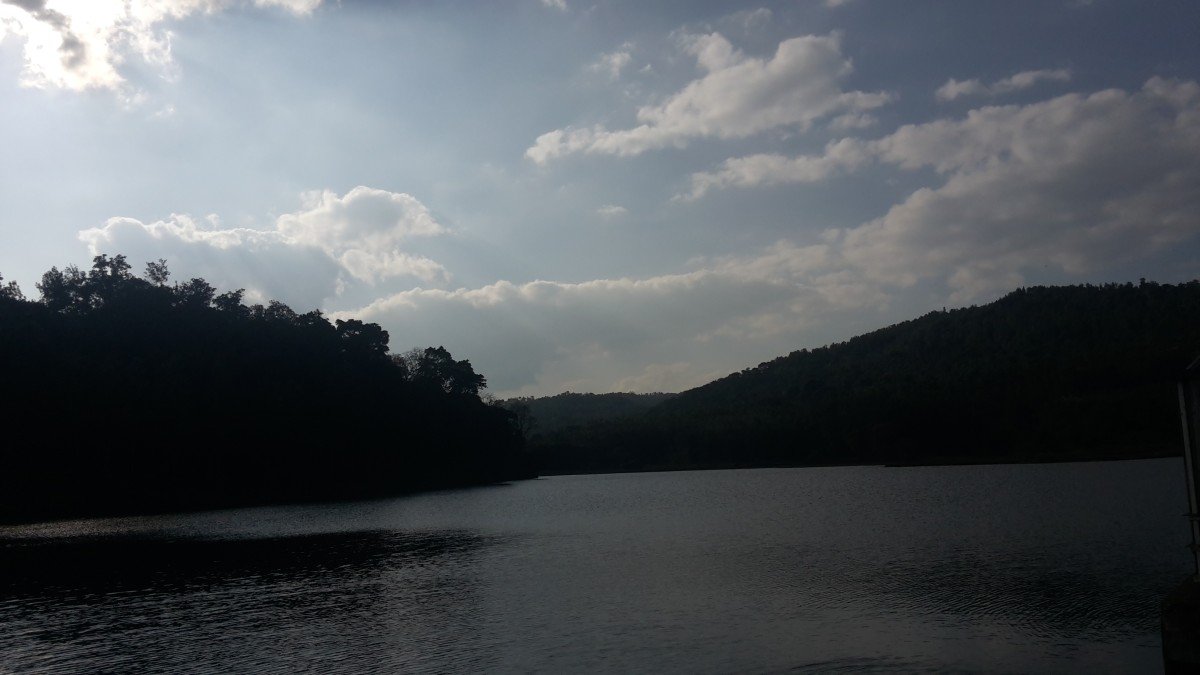
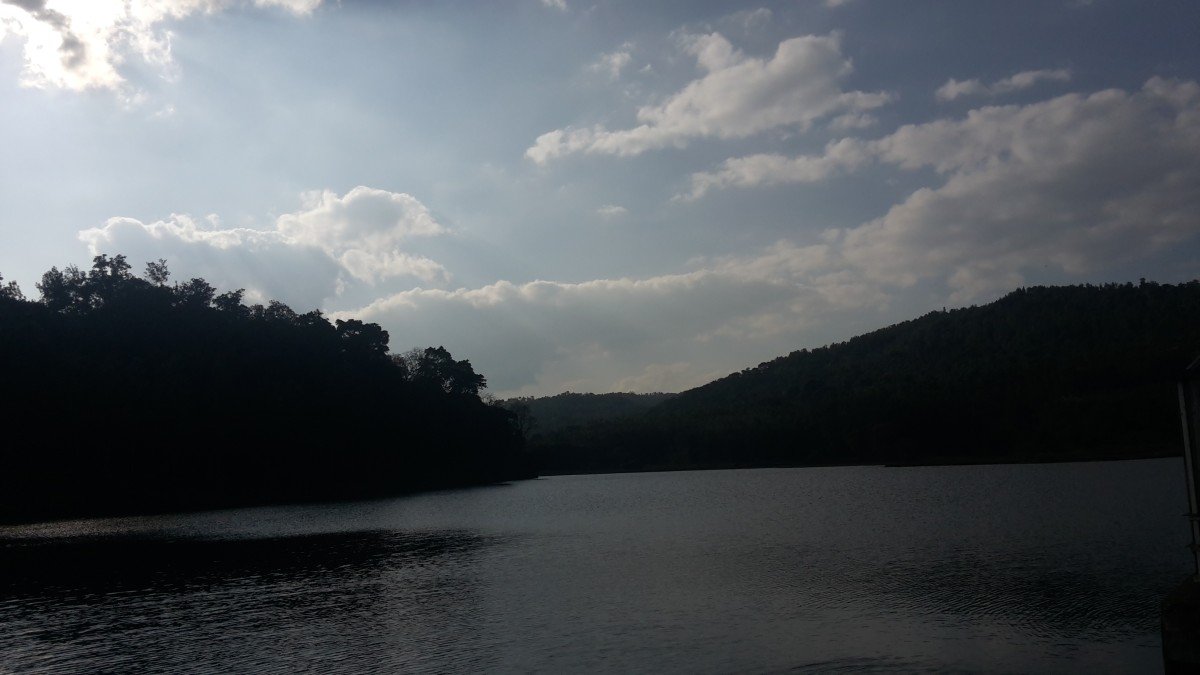
The Sunset Photography Session: The quintessential activity is arriving around 5:00 PM to set up for the sunset view. The goal is to capture the moment the setting sun paints the sky with vibrant colors, which are then perfectly mirrored in the lake's calm water, a true highlight for professional and amateur photographers alike.
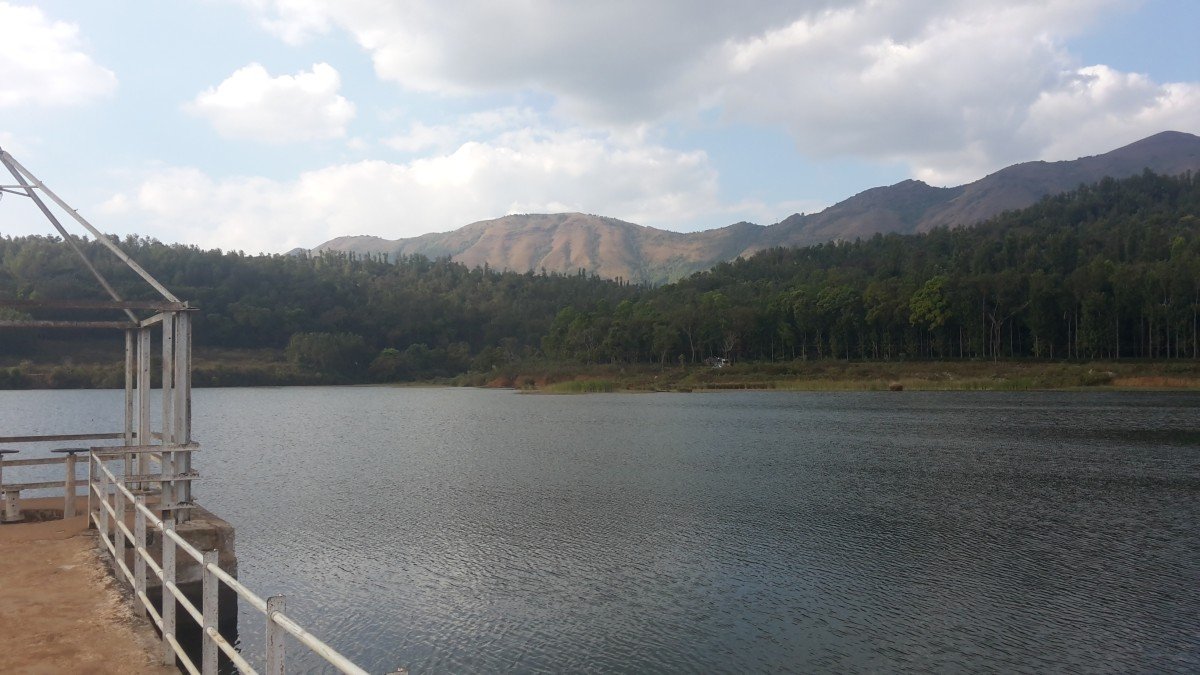
Leisurely Lakeside Walk: Enjoy a relaxing walk along the wide embankment (bund) that runs beside the lake. This gentle exercise allows for multiple viewing angles of the water and the surrounding mountain silhouettes, a perfect, unhurried end to a day of travel.
Contemplation and Relaxation: Simply sitting by the water's edge, away from the crowds, and enjoying the profound peace and quiet is a core activity here. The serene environment is ideal for meditation, quiet r...The Sunset Photography Session: The quintessential activity is arriving around 5:00 PM to set up for the sunset view. The goal is to capture the moment the setting sun paints the sky with vibrant colors, which are then perfectly mirrored in the lake's calm water, a true highlight for professional and amateur photographers alike.
Leisurely Lakeside Walk: Enjoy a relaxing walk along the wide embankment (bund) that runs beside the lake. This gentle exercise allows for multiple viewing angles of the water and the surrounding mountain silhouettes, a perfect, unhurried end to a day of travel.
Contemplation and Relaxation: Simply sitting by the water's edge, away from the crowds, and enjoying the profound peace and quiet is a core activity here. The serene environment is ideal for meditation, quiet reading, or simply watching the reflections and the gentle movement of the water.
Capturing the Reflection: Focus on capturing the perfect, symmetrical reflection of the Mullayanagiri-Baba Budangiri peaks in the lake's still surface. This requires clear weather and calm water, often best achieved in the early morning or on a windless evening, a specific photographic pursuit.
Temple and Artificial Falls Visit: Take a brief detour to the small, simple temple and the nearby artificial waterfall structure. This adds a minor cultural and natural feature to the visit, providing a slightly different photo spot and a quiet moment of local spiritual connection.
Family Time and Accessibility: The lake's flat, easy-to-navigate banks make it an ideal spot for families with young children and the elderly to enjoy a peaceful natural setting together, an activity often difficult at the steeper mountain locations.
Enjoying the Drive: The short drive from Chikmagalur to the lake, passing through picturesque coffee plantations, is an enjoyable scenic drive in itself, marking the transition from the town to the peaceful lakeside environment, a perfect lead-in to the main activity:
Information
-
Why Famous:
The Sunset Mirror: Hirekolale Lake is overwhelmingly famous for being the premier sunset viewing and photography spot in the Chikmagalur area. The lake's calm, vast surface acts as a perfect natural mirror, reflecting the vibrant, golden and orange hues of the sky and the s...The Sunset Mirror: Hirekolale Lake is overwhelmingly famous for being the premier sunset viewing and photography spot in the Chikmagalur area. The lake's calm, vast surface acts as a perfect natural mirror, reflecting the vibrant, golden and orange hues of the sky and the silhouette of the dramatic Mullayanagiri and Baba Budangiri hills, creating a world-class photographic spectacle.
Accessibility and Tranquility: Its fame is also due to its ease of access—it's very close to Chikmagalur town and requires no rigorous trekking, making it an ideal spot for all visitors, including families and the elderly. This accessibility, combined with its profound serenity, makes it a popular choice for a relaxing evening retreat.
Integration with Peaks: The lake is famous for its visual connection to the region's highest peaks, as it offers the best low-altitude, full-frame view of the Chandra Drona mountain ranges, perfectly framed by the water. The purposeful man-made architecture (the bund) is seamlessly integrated into the natural setting, enhancing the viewing experience. It has become a must-include location on every visitor's itinerary, symbolizing the gentle, reflective beauty of the Malnad landscape, especially popular in the cool, clear-skied winter months: -
Architecture:
Reservoir and Embankment Design: Hirekolale Lake's architecture is that of a functional, man-made water reservoir, transformed by its picturesque setting into a scenic landmark.
The Embankment Structure: The lake is formed by a substantial e...Reservoir and Embankment Design: Hirekolale Lake's architecture is that of a functional, man-made water reservoir, transformed by its picturesque setting into a scenic landmark.
The Embankment Structure: The lake is formed by a substantial earth and stone dam (bund), which is the principal architectural element. This embankment is generally long, perhaps over 500 meters in length, and is wide enough to function as a public pathway or a service road, often maintained and paved with rough stones. The height of the bund is modest, likely ranging from 10m to 15m at its maximum height. This structure serves its original purpose of water retention for irrigation.
Viewing and Access: Modern, minor architectural additions include a small, constructed viewing platform or pathway along a section of the bank, specifically for tourists to enjoy the sunset and the reflection. The area has been subtly landscaped to accommodate visitors while maintaining the natural feel. A small, simple, and brightly colored temple is situated near the bank, typically a single-room structure made of concrete or dressed stone, adhering to vernacular style, perhaps 5m x 5m in dimension.
The Water Surface Dimension: The lake itself, while artificial, is the main 'dimension', covering a vast surface area that acts as the mirror. When full, the lake can easily stretch to over 1 square kilometer in area, with depths reaching 15-20m at the deepest point near the sluice gates. The architecture is a study in how a purely functional civil engineering project can be transformed into a work of natural art due to its spectacular geographical placement: -
How To Reach:
By Air: The nearest major airport is Mangaluru International Airport (IXE), approximately 180 KMS away. Visitors should hire a private taxi to Chikmagalur city, which is the necessary hub for this short trip.
By Train: The nearest major rai...By Air: The nearest major airport is Mangaluru International Airport (IXE), approximately 180 KMS away. Visitors should hire a private taxi to Chikmagalur city, which is the necessary hub for this short trip.
By Train: The nearest major railway station is Kadur (KDU), about 57 KMS away, or the closer Chikmagalur Railway Station (CMGR). From either station, a taxi or auto-rickshaw to the lake is required, with the total travel time from Kadur being around 1. 5 hours.
By Road - From Chikmagalur: Hirekolale Lake is very close to the city, located just about 9 KMS from the Chikmagalur City Center. The route is via the main M. G. Road and then the dedicated Hirekolale Lake Road. The road is good and easily motorable. The drive takes a very short 20 to 30 minutes.
By Local Transport: Auto-rickshaws are the most convenient and cost-effective local transport, available readily from the city center, which can take you directly to the lake's viewing spot and wait for the return trip for a pre-negotiated fare. Local taxis and private cabs can also be easily hired for a short, round-trip visit, which is especially recommended for the late-evening sunset view to ensure a safe return. The lake's proximity makes it the most accessible natural viewpoint near the town: -
Weather and Best Time to Visit:
Seasonal Preference - Clear Skies and Winter: The best time to visit Hirekolale Lake is from November to February. The winter season offers the clearest skies, which are essential for the most vibrant, uninterrupted sunset colors and the sharpest, most beautiful reflections...Seasonal Preference - Clear Skies and Winter: The best time to visit Hirekolale Lake is from November to February. The winter season offers the clearest skies, which are essential for the most vibrant, uninterrupted sunset colors and the sharpest, most beautiful reflections on the lake's surface, maximizing its photographic appeal.
Post-Monsoon Greenery: The post-monsoon period in September and October is also a beautiful time, as the surrounding hills are intensely green, and the lake is full, though the air clarity for the sunset might not be as sharp as in the peak winter months.
Best Time of Day - The Golden Hour: The single ideal time of day is the 'Golden Hour' of sunset, specifically between 5:00 PM and 6:30 PM, which is the absolute peak window for the lake's famous beauty. A secondary ideal time is the early morning (6:00 AM to 7:30 AM) for a quieter, more reflective visit and to capture the sunrise without the evening crowds.
Monsoon Reflection: The monsoon is a moderate time, as the lake is full, but the cloudy skies often hide the sunset, turning the area misty and romantic but not providing the famous, colorful reflection shot: -
Near Tourist Places:
Mullayanagiri Peak (15 KMS): Highest peak in Karnataka, for trekking and views.
Sitalayanagiri (10 KMS): A holy hill with a small temple.
Chikmagalur Town (9 KMS): Main city hub for food and accommodation.
Baba Budangiri/Dattatreya Peetha (30 KMS): The famous dual-faith shrine and peak.
Jhari Waterfalls (22 KMS): The famous Buttermilk Falls jeep safari.
Ayyana Kere Lake (25 KMS): A large, historical lake and scenic spot.
Coffee Museum (6 KMS): Educational center on coffee history.
Mahatma Gandhi Park (7 KMS): Local park in Chikmagalur for a leisure walk.
Attigundi (20 KMS): Village junction on the mountain road.
Rathnagiri Bore (10 KMS):
Local scenic spot often used for picnics:
Tourism Tips
-
Health & Safety: The area is relatively safe, but exercise caution on the embankment, especially if it is muddy or wet. Do not walk too close to the water's edge on soft ground. If you use a camera tripod for sunset shots, ensure it is firmly set up.
Read MoreHealth & Safety: The area is relatively safe, but exercise caution on the embankment, especially if it is muddy or wet. Do not walk too close to the water's edge on soft ground. If you use a camera tripod for sunset shots, ensure it is firmly set up.
Packing Essentials: A tripod and a good quality camera with a remote shutter are highly recommended for the famous long-exposure sunset shots. Carry mosquito repellent for the evening visit. A light jacket is useful as it can get breezy and cool after sunset.
Accommodation: The lake is easily reached from any accommodation in Chikmagalur town. However, a homestay on the nearby Mullayanagiri road allows for an easy drive and less traffic, especially for the early morning visit.
Other Tips:
Aim for Stillness: Check the local wind conditions. The best reflections are on windless days; sometimes, the early morning offers better stillness than the evening.
Keep it Clean: Respect the scenic environment by using designated bins or taking all trash back with you.
Be Mindful of Crowds: The sunset viewing hour can be crowded, so arrive at least 30-45 minutes early to secure the best vantage point along the embankment for the ideal photographic angle of the water and the peaks:Reviews
FAQs
Chikmagalur Itineray And Cost:-
Other Places In Chikmagalur :-
Other States In India :-
Information about New and Updated Locations() of Karnataka Has Been Added :-
Card subtitle
Note:-
Information provided here in good Faith and for reference only.
Near Places
Ayyanakere Lake
Some quick example text to build on the card title and make up the bulk of the card's content.
Go somewhere
Baba Budangiri/Dattatreya Peetha
Some quick example text to build on the card title and make up the bulk of the card's content.
Go somewhere
Ballalarayana Durga Fort
Some quick example text to build on the card title and make up the bulk of the card's content.
Go somewhere
Bhadra Wildlife Sanctuary
Some quick example text to build on the card title and make up the bulk of the card's content.
Go somewhere
Coffee Museum Chikmagalur
Some quick example text to build on the card title and make up the bulk of the card's content.
Go somewhere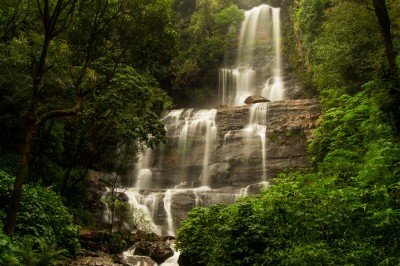
Dabdabe Falls
Some quick example text to build on the card title and make up the bulk of the card's content.
Go somewhere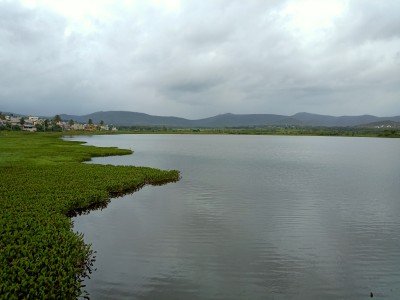
Dantaramakki Lake
Some quick example text to build on the card title and make up the bulk of the card's content.
Go somewhere
Gadaikallu View Point
Some quick example text to build on the card title and make up the bulk of the card's content.
Go somewhere
Hebbe Falls
Some quick example text to build on the card title and make up the bulk of the card's content.
Go somewhere
Hirekolale Lake
Some quick example text to build on the card title and make up the bulk of the card's content.
Go somewhere
Honnamana Falls
Some quick example text to build on the card title and make up the bulk of the card's content.
Go somewhere
Jhari Waterfalls
Some quick example text to build on the card title and make up the bulk of the card's content.
Go somewhere
Manikyadhara Falls
Some quick example text to build on the card title and make up the bulk of the card's content.
Go somewhere
Mullayanagiri Peak
Some quick example text to build on the card title and make up the bulk of the card's content.
Go somewhere
Mullayyana Giri Twin Caves
Some quick example text to build on the card title and make up the bulk of the card's content.
Go somewhere
Nallur Lake
Some quick example text to build on the card title and make up the bulk of the card's content.
Go somewherein Other Cities