Maguri Motapung Beel
General information
-
Ideal Duration:
2 to 3 hours (for a core birdwatching boat safari). A full day is ideal to include early morning and late afternoon sessions.Place Type:
Wetland, Important Bird Area (IBA), Nature ConservEntry Fees:
No Formal Entry Fee for the Wetland: Currently, the Maguri Motapung Beel itself, being a natural, open wetland, does not have a formal government-mandated entry fee or ticket for general access to the bank. This makes the initial visit free for all tourists.No Formal Entry Fee for the Wetland: Currently, the Maguri Motapung Beel itself, being a natural, open wetland, does not have a formal government-mandated entry fee or ticket for general access to the bank. This makes the initial visit free for all tourists.
Associated Service Charges and Fees: The primary costs are associated with the services required to properly experience the area, mainly Boat Safaris and Guide Fees. A private boat safari for birdwatching for a few hours typically costs around Rs.1,500 to Rs.2,000 for the whole boat (which can accommodate 3 to 4 people), and this often includes the boatman's services who acts as a basic guide. Hiring a professional, specialized birdwatching guide (highly recommended for spotting rare species) will incur an additional, separate fee, which can range from Rs.500 to Rs.1,500 depending on the duration and expertise. Camera fees are not usually charged. Visitors should budget for these costs, as they directly contribute to the local economy and enhance the experience significantly.
Accommodation Costs: If you choose to stay overnight, local eco-camps or homestays (like Kohuwa Eco Camp) can cost approximately Rs.1,500 to Rs.2,500 per person per night, which often includes dinner and breakfast.Timing:
Regular Timings for Visitors: The wetland is a natural, open area, meaning there are no strict opening and closing gates like a national park. However, for practical and ethical reasons, general visitor time is considered to be from 6:00 AM to 5:00 PM (or sunset). Accessin...Regular Timings for Visitors: The wetland is a natural, open area, meaning there are no strict opening and closing gates like a national park. However, for practical and ethical reasons, general visitor time is considered to be from 6:00 AM to 5:00 PM (or sunset). Accessing the area outside these times is not recommended due to safety and the difficulty of navigating the area in the dark.
Ideal Visit Time for Birdwatching: The best time for birding activities, especially boat safaris, is the Early Morning Slot (approximately 6:00 AM to 9:30 AM) and the Late Afternoon Slot (approximately 2:00 PM to 4:30 PM). Birds are most active during these cooler periods—feeding, preening, and flying—offering the best sighting and photography opportunities. The mid-day sun (from 11:00 AM to 2:00 PM) is generally less productive as many birds rest.Special Events:
The Migratory Bird Season Arrival: The most significant 'special event' at Maguri Motapung Beel is the annual arrival of migratory birds, which usually begins in November and peaks in January and February. This natural event transforms the Beel into a hub of activity. Bird...The Migratory Bird Season Arrival: The most significant 'special event' at Maguri Motapung Beel is the annual arrival of migratory birds, which usually begins in November and peaks in January and February. This natural event transforms the Beel into a hub of activity. Birdwatching enthusiasts from all over the globe flock to the region during this window to witness the massive congregations of waterfowl, including rare visitors like the Baikal Teal and the more common but spectacular sight of thousands of Bar-headed Geese. The local eco-tourism operators sometimes organize specific festivals or guided trips to celebrate this natural phenomenon.
Bihu Festival Celebrations: While not directly tied to the Beel, the state-wide celebration of the Assamese New Year (Rongali Bihu) in April is a key cultural event that visitors can experience. The local communities around the Beel celebrate with traditional music, dance (Bihu Dance), and feasts. Planning a visit during this time allows for a rich combination of nature exploration and cultural immersion.Best Photo Spots:
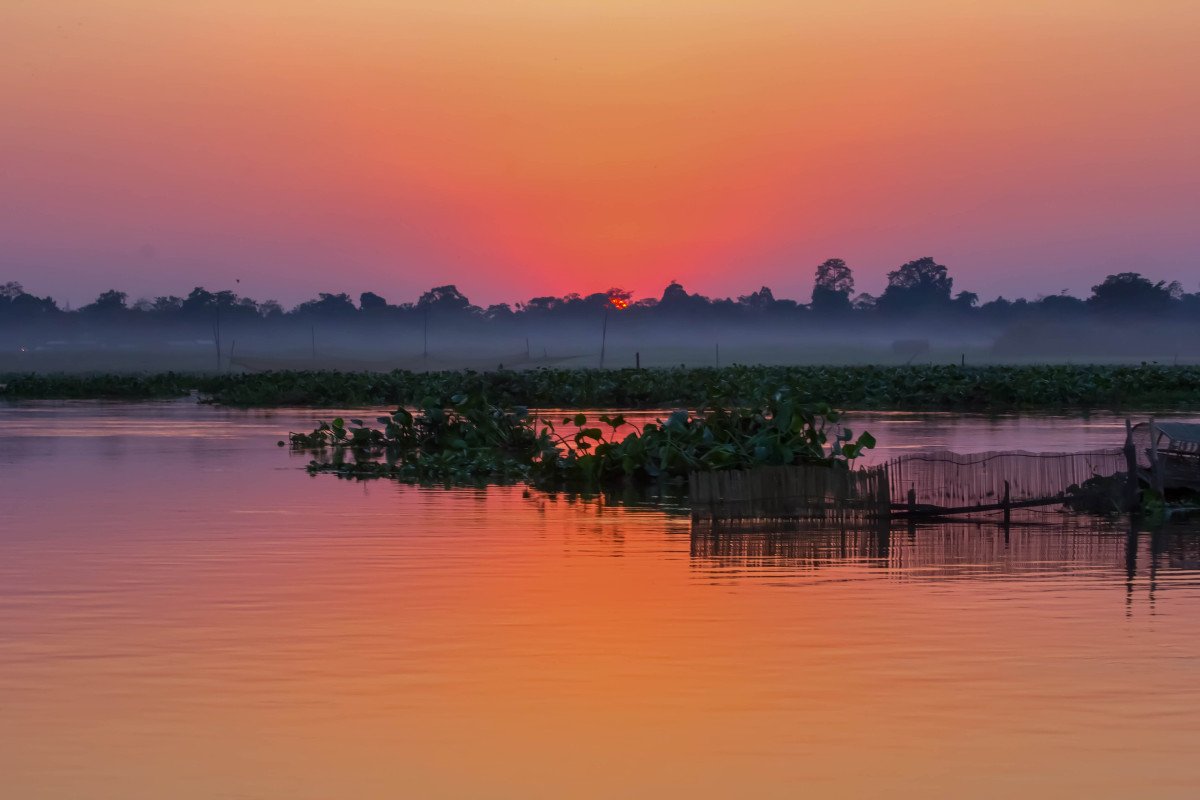
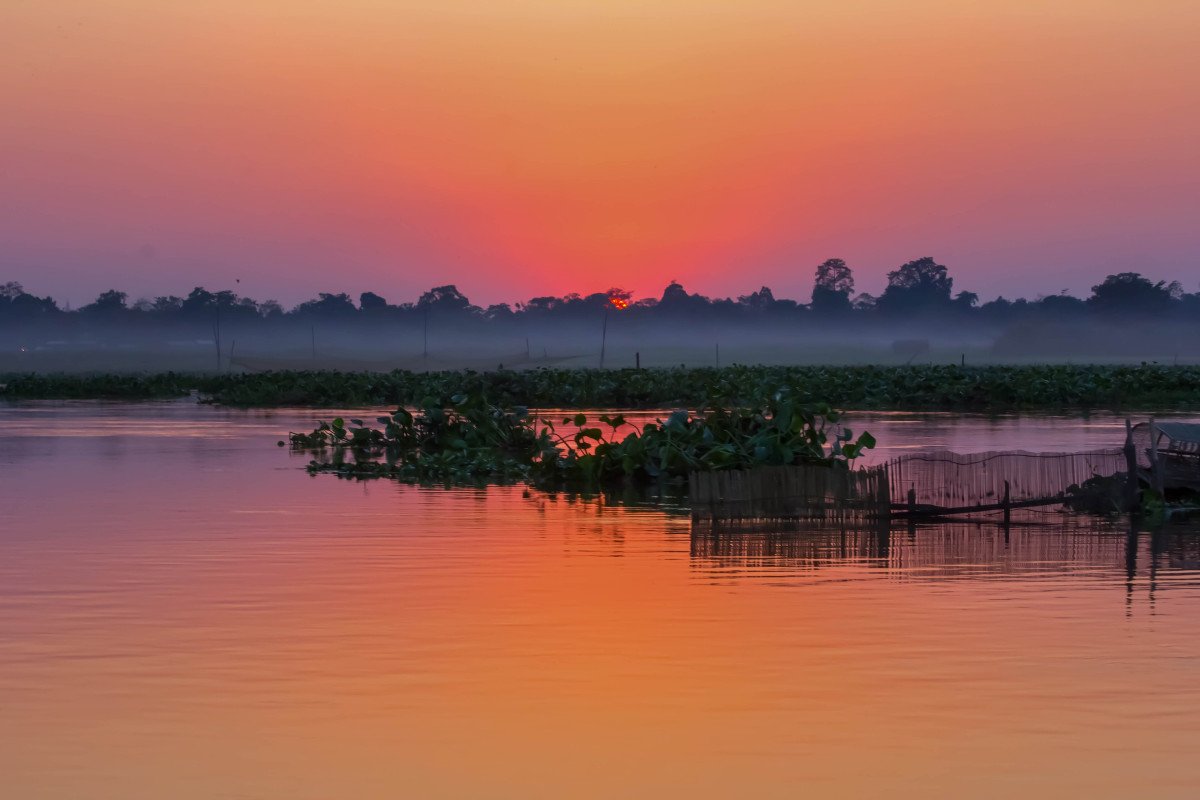
The Early Morning Mist on the Water: The time slot right at sunrise (typically 6:00 AM to 7:30 AM) is the best for atmospheric landscape shots. The cool air causes a light mist to form over the water, creating a soft, ethereal background, perfect for capturing silhouettes o...The Early Morning Mist on the Water: The time slot right at sunrise (typically 6:00 AM to 7:30 AM) is the best for atmospheric landscape shots. The cool air causes a light mist to form over the water, creating a soft, ethereal background, perfect for capturing silhouettes of fishing boats, reed beds, and early-rising birds. Use a wide-angle or standard lens for capturing the entire scene.
The Floating Weed-mat Areas: These dense patches of aquatic vegetation are the feeding grounds for many smaller, unique birds and waders, offering excellent close-up opportunities. Species like the Pheasant-tailed Jacana or various bitterns are often found here. The challenge is navigating the boat close enough without disturbing the birds, making a telephoto lens (400mm or more) essential.
Periphery Trees and Adjacent Grasslands: The taller trees on the Beel's edge are prime perching spots for raptors like the Greater Spotted Eagle and various kingfishers. The nearby grasslands are the habitat for elusive species like the Swamp Grass Babbler. These areas require patient observation from the shore or a very stable point on the boat, making a high-quality tripod and a long lens crucial for sharp, detailed shots.Photo Gallery
Things To Do
-
The Ultimate Birdwatching Safari: This is the primary activity. The best way to experience it is by hiring a traditional wooden boat with a local guide. The boat safari typically lasts around 2-3 hours and is best undertaken in the early morning (starting around 6:00 AM) or late afternoon. You'll glide silently through the open water and near the reed beds, spotting a variety of waterfowl like Ruddy Shelducks, different species of Pochards, Bar-headed Geese, and various species of Herons and Egrets. The guides are adept at spotting camouflaged species like the Marsh Babbler and identifying distant raptors, making the experience highly rewarding for both amateur and professional birders. Ensure you carry high-magnification binoculars and a field guide.
Photography Tours for Wildlife: The Beel is a photographer's dream. The ...The Ultimate Birdwatching Safari: This is the primary activity. The best way to experience it is by hiring a traditional wooden boat with a local guide. The boat safari typically lasts around 2-3 hours and is best undertaken in the early morning (starting around 6:00 AM) or late afternoon. You'll glide silently through the open water and near the reed beds, spotting a variety of waterfowl like Ruddy Shelducks, different species of Pochards, Bar-headed Geese, and various species of Herons and Egrets. The guides are adept at spotting camouflaged species like the Marsh Babbler and identifying distant raptors, making the experience highly rewarding for both amateur and professional birders. Ensure you carry high-magnification binoculars and a field guide.
Photography Tours for Wildlife: The Beel is a photographer's dream. The mist that hangs over the water in the winter mornings, combined with the golden light of sunrise, creates a magical backdrop for landscape photography. For wildlife photography, the concentration of bird species provides countless opportunities to capture rare and migratory birds in their natural habitat. Special photography boats are sometimes available that offer more stability and space for long lenses. Capturing the reflections of the birds on the still water or the dramatic flight of raptors like the Pied Harrier are popular photographic pursuits. Patience and telephoto lenses are key tools for this activity.
Exploring Dibru-Saikhowa National Park: Since the Beel is part of the same Biosphere Reserve ecosystem and is a short drive away from the Guijan Ferry Ghat (the main entry point), a visit to the National Park is a must-do. You can take a boat safari on the Dibru River to spot the endangered Gangetic Dolphin, or explore the park's grasslands, known for the Feral Horse, Asian Elephant, and various deer species. This allows for a deeper appreciation of the region’s expansive biodiversity.
Nature Walks and Strolling along the Edges: Apart from the boat rides, visitors can take leisurely nature walks along the periphery and adjacent grasslands of the Beel. This is the ideal way to spot grassland-specific birds such as Indian Rollers, various babblers, and ground-dwelling raptors. The walk also offers a chance to observe the local village life and the flora surrounding the wetland. Wear appropriate footwear, as the ground can be uneven or marshy.
Experiencing Local Culture and Cuisine: Engage with the local Motapung Village community through homestays. Staying at a local eco-camp provides an immersive cultural experience, allowing you to sample authentic Assamese cuisine, interact with the local Mishing and Moran communities, and learn about their traditional fishing methods and conservation efforts. Many local guides come from these communities and can offer unique insights.
Sunset and Sunrise Viewing: The tranquil environment of the Beel makes it a superb spot for simply sitting and observing the landscape during the golden hours. A sunrise view from the boat, with the sounds of the waking wetland, is an unforgettable, peaceful experience. Similarly, the sunset, with the sky reflecting off the water, offers a serene end to the day.
Information
-
Why Famous:
World-Class Birdwatching Destination: Maguri Motapung Beel is internationally renowned as one of Northeast India's premier birdwatching spots. It is a declared Important Bird Area (IBA) and a stopover point on the global migratory flyway. Over 300 species of birds have bee...World-Class Birdwatching Destination: Maguri Motapung Beel is internationally renowned as one of Northeast India's premier birdwatching spots. It is a declared Important Bird Area (IBA) and a stopover point on the global migratory flyway. Over 300 species of birds have been recorded here, including over 110 resident species and a huge influx of migratory waterfowl during the winter season. This high species count is the main reason for its fame.
Home to Rare and Threatened Species: The Beel is a critical habitat for several bird species listed as threatened on the IUCN Red List. Notable species include the Swamp Grass Babbler, Ferruginous Duck, White-winged Wood Duck, and Falcated Duck. The Beel made international headlines in February 2021 when a rare Mandarin Duck was sighted here for the first time in over a century, which further solidified its reputation as a significant ecological site.
Proximity to Dibru-Saikhowa National Park: Its location adjacent to the famous Dibru-Saikhowa National Park enhances its importance, as it acts as a satellite wetland for the park's biodiversity. Tourists often combine a visit to the Beel with a safari to the National Park, making the entire region a powerful eco-tourism circuit. -
Architecture:
Natural Wetland Structure and Dimensions: The "architecture" of the Maguri Motapung Beel is entirely natural and defined by its geo-hydrological formation as a floodplain wetland. Its shape is irregular, typical of a 'Beel' formed by abandoned channels of a large river syst...Natural Wetland Structure and Dimensions: The "architecture" of the Maguri Motapung Beel is entirely natural and defined by its geo-hydrological formation as a floodplain wetland. Its shape is irregular, typical of a 'Beel' formed by abandoned channels of a large river system. The wetland covers a significant Surface area of approximately 9. 6 square kilometers (3. 7 sq mi). The depth of the water varies significantly with the season, being shallower during the winter months and expanding considerably during the monsoon season when the Dibru River floods. This seasonal fluctuation is crucial for maintaining the diversity of its aquatic and avian life.
Ecological Zoning and Habitat Diversity: The Beel exhibits natural zoning critical to its biodiversity. The central open water body, where boat safaris primarily operate, is surrounded by a zone of floating and emergent vegetation, including various grasses and reeds. Beyond this are the marshy areas and then the adjacent grasslands and scattered patches of riparian forest. This arrangement of open water, reed beds, and grasslands acts as a multi-layered habitat (or architecture) that supports distinct groups of birds and animals—waterfowl in the open water, babblers and francolins in the grass/reed beds, and raptors in the peripheral trees. The proximity to the Dibru-Saikhowa National Park also makes it an essential ecological corridor, connecting different habitats. -
How To Reach:
By Air: The nearest airport is Dibrugarh Airport (DIB), officially known as Mohanbari Airport. It is approximately 48 to 50 KMs away from the Beel. The airport is well-connected with major Indian cities like Delhi and Kolkata. From the airport, one can hire a pre-paid tax...By Air: The nearest airport is Dibrugarh Airport (DIB), officially known as Mohanbari Airport. It is approximately 48 to 50 KMs away from the Beel. The airport is well-connected with major Indian cities like Delhi and Kolkata. From the airport, one can hire a pre-paid taxi or a private cab for a 1. 5 to 2-hour drive to Maguri Motapung Beel or Tinsukia town, depending on the accommodation choice.
By Train: The nearest major railway station is New Tinsukia Junction (NTSK), located right in Tinsukia town. This station is a major railhead in Upper Assam and is connected to the rest of India through an extensive network of express and superfast trains, including the Rajdhani Express. The drive from New Tinsukia Junction to the Beel takes about 30 to 45 minutes. Upon arrival, one can easily hire a local taxi or an auto-rickshaw.
By Road: Tinsukia is well-connected by National Highways. The town is accessible via NH-15 and other state roads. From major cities like Guwahati or Dibrugarh, one can hire an inter-city taxi or take an overnight bus service. The road journey from Tinsukia town to the Beel is straightforward, covering the 12-15 KMs distance primarily on paved roads leading towards Rangagora and Motapung Village.
By Local Transport: From Tinsukia town, the most convenient local transport option is hiring a tuktuk (auto-rickshaw) or a local taxi (Maruti Omni or similar) for a round trip. It is advisable to book the vehicle for the entire duration of your visit to the Beel, as return transport may be infrequent, especially during the early morning or late evening. Local guides can also arrange for transport as part of their package. -
Weather and Best Time to Visit:
Different Types of Seasons: The absolute Best Time to Visit Maguri Motapung Beel is the Winter Season, which runs from November to April.
This period is ideal for two main reasons:
Migratory Bird Sighting: Th...Different Types of Seasons: The absolute Best Time to Visit Maguri Motapung Beel is the Winter Season, which runs from November to April.
This period is ideal for two main reasons:
Migratory Bird Sighting: Thousands of migratory birds, including many rare species, arrive at the Beel during these months from colder regions, turning it into a vibrant bird sanctuary.
Weather Comfort: The temperature is pleasant, ranging from a low of around 10°C to 12°C in the early mornings and a comfortable maximum of 25°C during the day, which is perfect for extended hours of outdoor activities like boat safaris and walks. Visitors should avoid the Monsoon Season (May to September) as heavy rainfall leads to waterlogging, restricted access, and fewer bird sightings.
Different Parts of the Day: Early Morning (6:00 AM to 9:30 AM) is the scientifically and aesthetically Ideal Visit Time. This is when the birds are most active, feeding, and the light is soft, ideal for photography. The mist over the water adds a magical element. Late Afternoon (2:00 PM to 4:30 PM) is the second-best slot, offering excellent bird activity as they settle in for the evening and providing beautiful sunset views. -
Near Tourist Places:
1.
Dibru-Saikhowa National Park: 3 KMs (from Guijan Ferry Ghat, a key entry point). 2.
Na-Pukhuri (Nine Ponds): ~15 KMs (in Tinsukia). 3.
Tilinga Mandir (Bell Temple): ~45 KMs (near Bordubi). 4.
Bherjan-Borajan-Padumoni Wildlife Sanctuary: ~20 KMs (near Tinsukia). 5.
Rukmini Island (on Dibru River): Accessible via boat from nearby ghats. 6.
Digboi Oil Refinery Town: ~60 KMs. 7.
Margherita Tea Gardens: ~85 KMs. 8.
Ledo: ~75 KMs (Historical place). 9.
Dehing Patkai National Park: ~100 KMs (Part of the larger forest area). 10.
Shiv Dham: ~18 KMs (in Tinsukia).
Tourism Tips
-
Health & Safety: Carry mosquito repellent or wear full-sleeved clothing, especially for morning and evening visits, as the wetland environment attracts insects. If venturing into the grasslands, be aware of the possibility of leeches, and consider wearing leech socks. Alwa...Health & Safety: Carry mosquito repellent or wear full-sleeved clothing, especially for morning and evening visits, as the wetland environment attracts insects. If venturing into the grasslands, be aware of the possibility of leeches, and consider wearing leech socks. Always follow the local boatman's safety instructions during the boat ride, especially if you stand up for photography. Inform your hotel or guide about your itinerary.
Packing:
Must-Have Gear: Pack high-quality binoculars (8x40 or 10x42 are ideal) and a good camera with a powerful telephoto lens for birding and photography. For the winter months (November to February), pack ample warm clothing (jackets, gloves, woolly hats) for the chilly early mornings on the water, but also carry lighter layers for the warmer afternoons. A rain cover for camera gear is essential year-round, especially if you plan to visit the nearby Dibru-Saikhowa National Park.
Accommodation: It is highly recommended to book accommodation in the nearby local eco-camps or homestays, such as the Kohuwa Eco Camp, rather than staying only in Tinsukia town. This allows you to start your crucial early morning birding safari without a long commute, maximizes your time at the Beel, and provides a much richer cultural experience. Book well in advance during the peak winter season, as these local places have limited capacity.
Other Important Tips:
Hire a Local Guide: For an optimal birdwatching experience, hire an experienced local guide. They know the current bird locations, their calls, and the safe navigation paths on the Beel.
Respect the Environment: Maintain silence during the boat ride to avoid disturbing the birds. Do not litter or feed the wildlife.
Cash is King: While some bigger hotels or guides might accept digital payments, local transport, small shops, and the boatmen often prefer or only accept cash. Carry sufficient cash for daily expenses.
Reviews
FAQs
Tinsukia Itineray And Cost:-
Maguri Motapung Beel Tourism:-
Information about New and Updated Locations() of Assam Has Been Added :-
Card subtitle
Note:-
Information provided here in good Faith and for reference only.
All information and pictures will be updated soon, please keep visiting.
Near Places

Bherjan-Borajan-Padumoni Wildlife Sanctuary
Some quick example text to build on the card title and make up the bulk of the card's content.
Go somewhere
Chauldhuwa Pukhuri
Some quick example text to build on the card title and make up the bulk of the card's content.
Go somewhere
Dehing Patkai National Park
Some quick example text to build on the card title and make up the bulk of the card's content.
Go somewhere
Dibru-Saikhowa National Park
Some quick example text to build on the card title and make up the bulk of the card's content.
Go somewhere
Doomdooma
Some quick example text to build on the card title and make up the bulk of the card's content.
Go somewhere
Historic Lekhapani Station Tomb
Some quick example text to build on the card title and make up the bulk of the card's content.
Go somewhere
Ledo
Some quick example text to build on the card title and make up the bulk of the card's content.
Go somewhere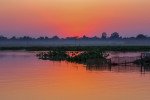
Maguri Motapung Beel
Some quick example text to build on the card title and make up the bulk of the card's content.
Go somewhere
Margherita Sunset Point
Some quick example text to build on the card title and make up the bulk of the card's content.
Go somewhere
Margherita
Some quick example text to build on the card title and make up the bulk of the card's content.
Go somewherein Other Cities