Hiuen Tsang Memorial Hall
General information
-
Ideal Duration:
1 Hour to 1.
5 Hours:Place Type:
Museum, Historical Monument, Cultural Center:Entry Fees:
Indian Nationals: A nominal entry fee, often around Rs.20 to Rs.50 per person. :
Foreign Nationals: A slightly higher fee, typically around Rs.100 per person. :
Camera/Videography Fees: Still photography is often in...Indian Nationals: A nominal entry fee, often around Rs.20 to Rs.50 per person. :
Foreign Nationals: A slightly higher fee, typically around Rs.100 per person. :
Camera/Videography Fees: Still photography is often included in the entry ticket, but there might be a separate and higher fee for professional-grade video cameras, sometimes around Rs.50 to Rs.100. :
Discounts: Free entry is often granted to children under a certain age and students with valid ID cards, especially for academic research purposes, promoting scholarly engagement with the site. :Timing:
Regular Timings: Open daily from 9:00 AM to 5:00 PM (confirm locally, as it may close earlier in winter or on certain days). It is typically closed on Fridays. :
Ideal Visit Time: Visit right after opening at 9:00 AM or in the last hour befo...Regular Timings: Open daily from 9:00 AM to 5:00 PM (confirm locally, as it may close earlier in winter or on certain days). It is typically closed on Fridays. :
Ideal Visit Time: Visit right after opening at 9:00 AM or in the last hour before closing (4:00 PM to 5:00 PM). This avoids the heat of the day and the rush of group tours, allowing for quieter viewing of the exhibits. :
Maintenance Break: Note that this site, as a museum/hall, adheres to strict opening hours and may close for a lunch break or maintenance on specific days, so it is vital to check locally before planning a midday visit. :Special Events:
Xuanzang's Birth Anniversary: Special commemorative ceremonies and academic seminars are sometimes organized around the birth or death anniversary of Xuanzang, often involving international delegates. :
Cultural Exchange Programs: The hall fr...Xuanzang's Birth Anniversary: Special commemorative ceremonies and academic seminars are sometimes organized around the birth or death anniversary of Xuanzang, often involving international delegates. :
Cultural Exchange Programs: The hall frequently hosts cultural exchange events, exhibitions, and lectures, often involving delegations from China and other East Asian countries, promoting Buddhist studies. :
Dalai Lama Visits: Although not annual, the hall receives very high-profile visits from Buddhist leaders, including the Dalai Lama, for special prayers and teachings, making these rare events highly significant. :Best Photo Spots:
The Gate and Main Hall: Take a wide shot from the main gate (Pailou) to capture the entire structure and its classic Chinese architecture, especially the vibrant red columns and yellow roofs. :
Statue and Murals Close-up: Capture the solemn s...The Gate and Main Hall: Take a wide shot from the main gate (Pailou) to capture the entire structure and its classic Chinese architecture, especially the vibrant red columns and yellow roofs. :
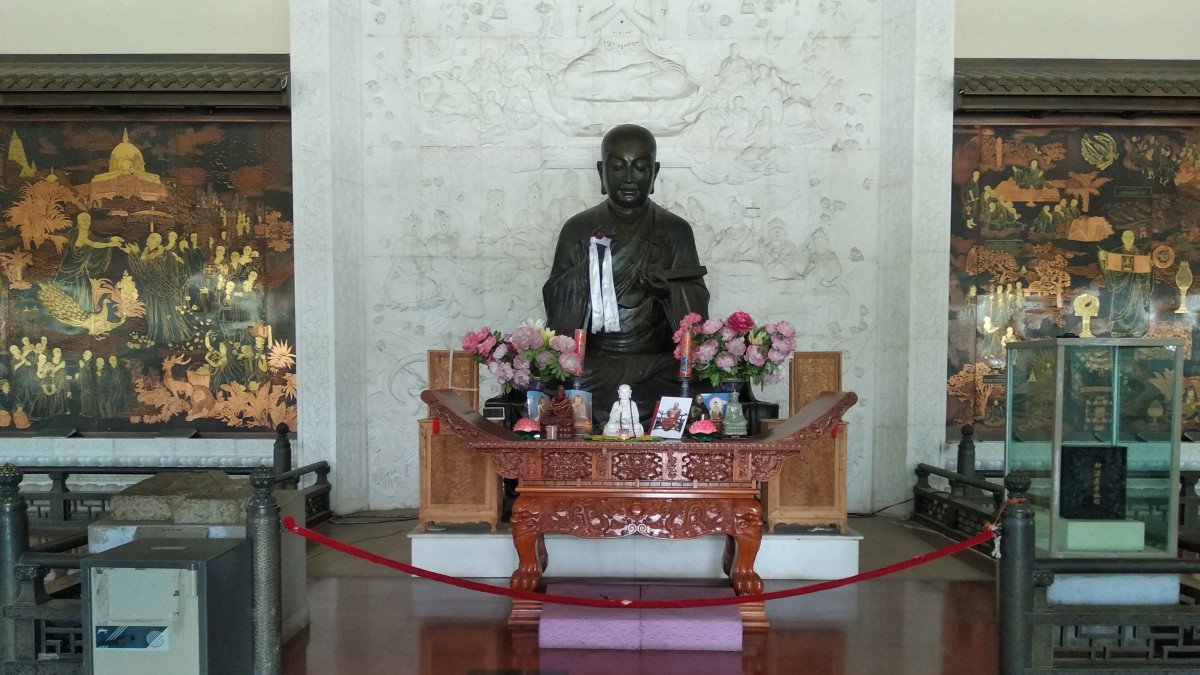
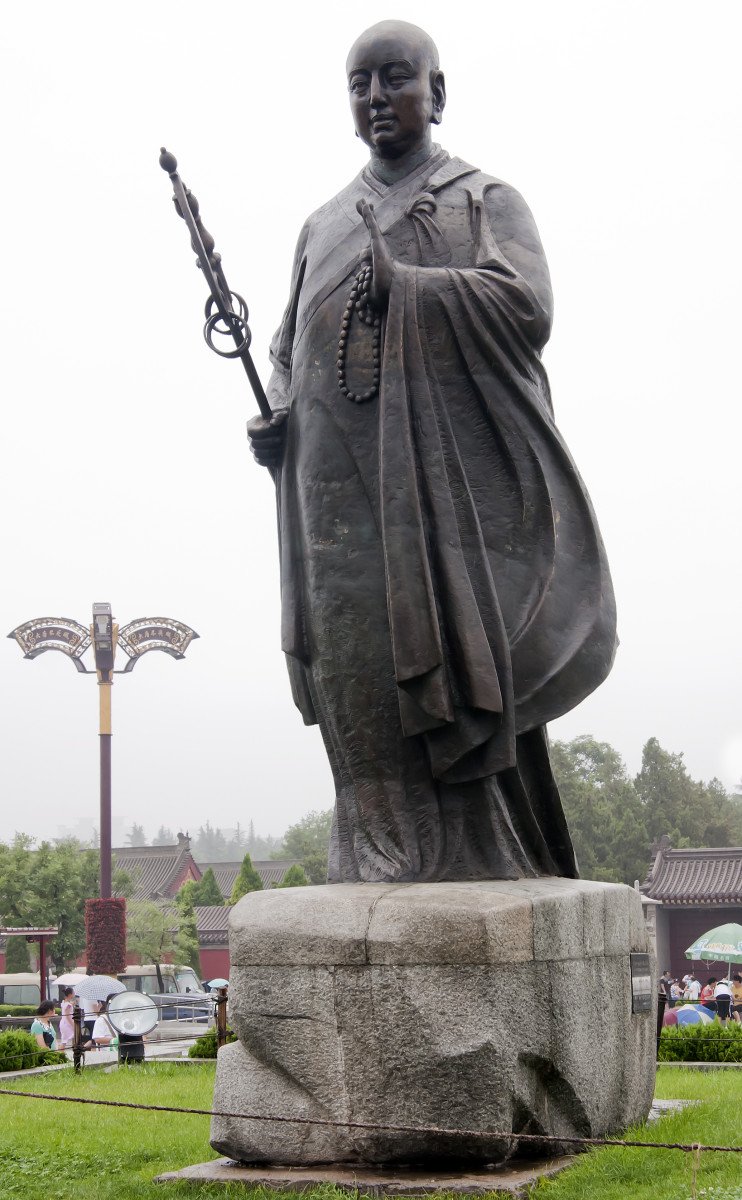
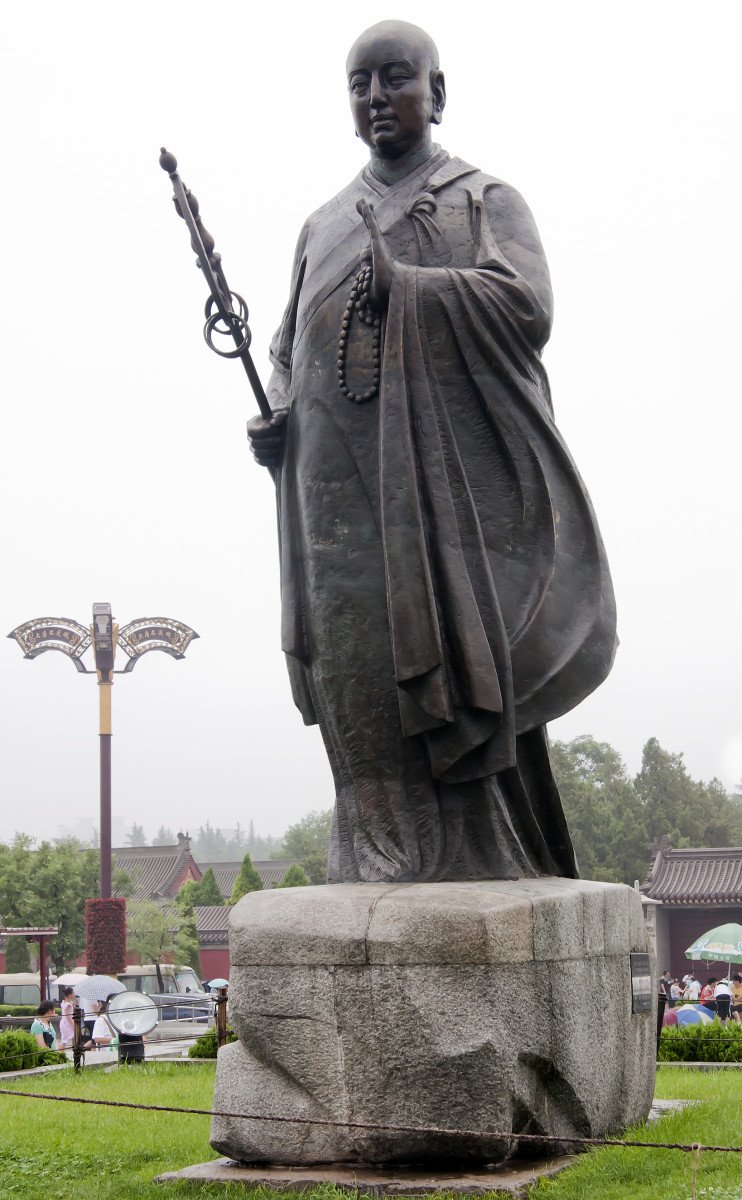
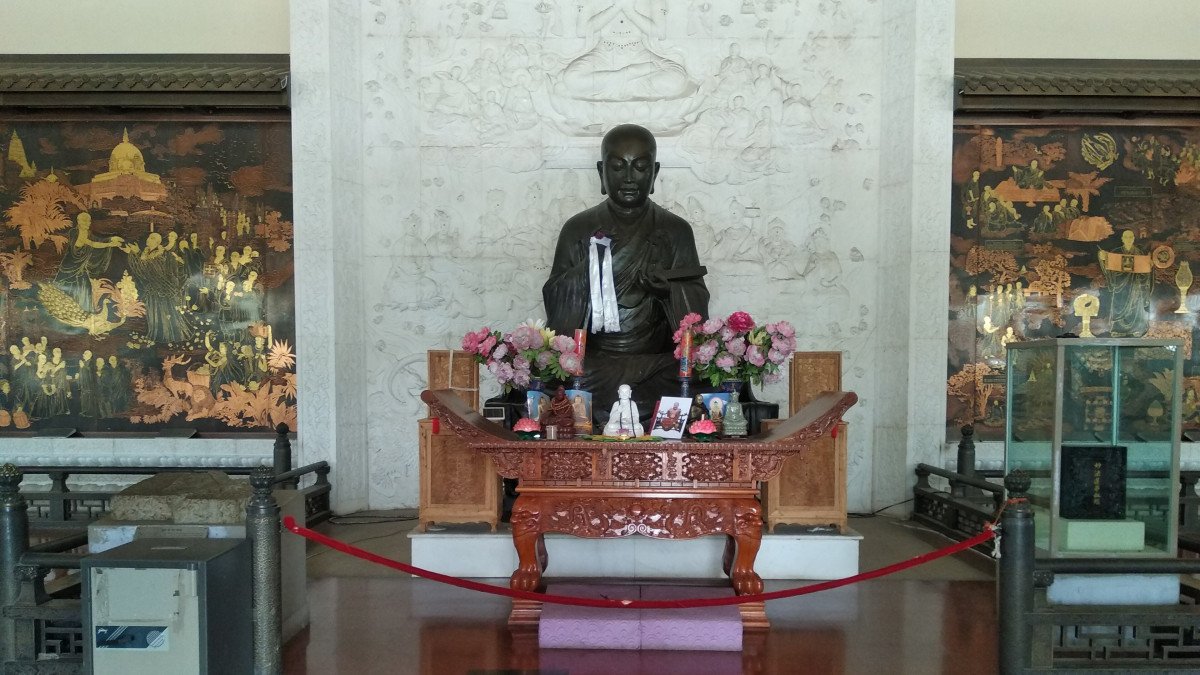
Statue and Murals Close-up: Capture the solemn statue of Xuanzang and the vibrant, storytelling murals on the interior walls (check for photography restrictions inside the main hall). :
Garden Viewpoints: Photograph the complex from within the gardens, using the perfectly manicured lawns and hedges to frame the colorful buildings, emphasizing the tranquility and clean lines. :
Reflections: Capture the building's reflection in any small water features or shiny floor areas, especially during the soft light of the morning or late afternoon, to highlight its unique design elements. :Photo Gallery
Things To Do
-
Study the Murals: Spend ample time reading the captions and observing the detailed murals that illustrate the life and travels of Xuanzang. This is a free history lesson on the 7th-century silk road and Nalanda. :
Photography in the Gardens: Capture the unique Chinese architectural features, like the distinct roof lines and gateways, set against the tropical Bihar sky in the well-manicured green space. :
Reflect on History: Use the peaceful environment to contemplate the vast exchange of knowledge that occurred at Nalanda and how Xuanzang played a crucial role in disseminating Buddhist teachings to East Asia. :
Visit the Museum Section: Explore any smaller exhibit rooms that house artifacts or copies of his famous text, the Si-Yu-Ki (Record of the Western Regions),...Study the Murals: Spend ample time reading the captions and observing the detailed murals that illustrate the life and travels of Xuanzang. This is a free history lesson on the 7th-century silk road and Nalanda. :
Photography in the Gardens: Capture the unique Chinese architectural features, like the distinct roof lines and gateways, set against the tropical Bihar sky in the well-manicured green space. :
Reflect on History: Use the peaceful environment to contemplate the vast exchange of knowledge that occurred at Nalanda and how Xuanzang played a crucial role in disseminating Buddhist teachings to East Asia. :
Visit the Museum Section: Explore any smaller exhibit rooms that house artifacts or copies of his famous text, the Si-Yu-Ki (Record of the Western Regions), for academic interest. :
Connect with the Ruins: Reflect on the Memorial Hall's purpose while looking towards the nearby Nalanda Ruins, creating a historical link between the scholar and his school. :
Attend a Guided Tour: If available, join a guided tour to gain in-depth knowledge about the symbolism and history of the hall, which is often more comprehensive than independent reading. :
Sit by the Bell: Observe the decorated bell in its enclosure, which is a typical feature of Chinese Buddhist temples, and appreciate the cultural blend. :
Information
-
Why Famous:
The Scholar's Legacy: It is famous as a memorial dedicated to the most celebrated student and later teacher of the ancient Nalanda University, the Chinese traveler Hiuen Tsang (Xuanzang), whose writings are the primary source for understanding ancient Nalanda. :The Scholar's Legacy: It is famous as a memorial dedicated to the most celebrated student and later teacher of the ancient Nalanda University, the Chinese traveler Hiuen Tsang (Xuanzang), whose writings are the primary source for understanding ancient Nalanda. :
Indo-Chinese Friendship: The hall symbolizes the enduring cultural and academic relationship between India and China, established as a joint initiative to honor their shared Buddhist history and intellectual exchange. :
Historical Relic: It houses a precious relic (skull bone) of Xuanzang gifted by the Chinese government, making it a sacred site for pilgrims following his scholarly and spiritual footsteps. : -
Architecture:
Architectural Influence and Dimension: The building is designed in a traditional Chinese temple style, featuring a majestic gateway, slanting roofs, and intricate detailing that clearly distinguishes it from the local Indian structures. The complex includes a main memorial ...Architectural Influence and Dimension: The building is designed in a traditional Chinese temple style, featuring a majestic gateway, slanting roofs, and intricate detailing that clearly distinguishes it from the local Indian structures. The complex includes a main memorial hall, two smaller wings, and surrounding courtyards. The main hall is a large, rectangular structure, possibly around 25 meters by 15 meters, built primarily with brick and concrete, meant to evoke the grandeur of a Chinese monastery. :
Interior Design: The interior features a central Buddha statue and a commemorative statue of Xuanzang. The walls are adorned with beautiful, large-scale murals and paintings that visually narrate the monk's epic journey from China to India and his time at Nalanda, offering a deep historical and artistic value to the structure. :
Symbolism: The entire complex symbolizes the Indo-Sino relationship and the shared Buddhist heritage. The architecture and the presence of Xuanzang's relic (when on display) act as a cultural bridge, honoring a scholar whose work was instrumental in preserving Nalanda's history. : -
How To Reach:
By Air: The nearest airport is Gaya International Airport (GAY) (85 KM). Hire a pre-paid taxi or cab for the roughly 2. 5-hour drive via the well-connected roads to Nalanda. :
By Train: The most convenient local railhead is Nalanda Railway S...By Air: The nearest airport is Gaya International Airport (GAY) (85 KM). Hire a pre-paid taxi or cab for the roughly 2. 5-hour drive via the well-connected roads to Nalanda. :
By Train: The most convenient local railhead is Nalanda Railway Station (NLD) (2 KM). The nearest major station is Rajgir Junction (RGD) (12 KM). From the station, the hall is easily accessible by auto-rickshaw or taxi along the main road leading to the university ruins. :
By Road: Nalanda is connected by NH 20 to Patna (90 KM) and is a short drive from Rajgir. State buses and private cabs run regularly. The Memorial Hall is located on the main tourist circuit, making it an easy point to navigate to. :
By Local Transport: From the Nalanda University Ruins area, the Hall is just a 15-minute walk (1. 5 KM). Shared auto-rickshaws (Tempos) and cycle-rickshaws are the primary local transport, offering affordable and quick travel within the immediate vicinity. -
Weather and Best Time to Visit:
Season: Winter (October to March) is the most comfortable period for visiting. The weather is cool and ideal for walking and viewing the murals. Monsoon offers a picturesque, green landscape, but expect sudden downpours. :
Part of the Day: ...Season: Winter (October to March) is the most comfortable period for visiting. The weather is cool and ideal for walking and viewing the murals. Monsoon offers a picturesque, green landscape, but expect sudden downpours. :
Part of the Day: Morning is preferable. The indoor exhibits are cooler, and the light is good for viewing the gardens. Visiting in the late morning provides enough time to explore the Nalanda Ruins before or after. :
Avoidance Time: Avoid the peak midday heat of the summer months (April to June). The area surrounding the hall can be very exposed to the sun. -
Near Tourist Places:
Nalanda University Ruins (1 KM), Nalanda Archaeological Museum (0. 5 KM), Black Buddha Temple (1. 5 KM), Nav Nalanda Mahavihara (0. 2 KM), Surya Mandir (Bargaon) (3 KM), Kundalpur Jain Temples (6 KM), Pawapuri Jal Mandir (19 KM), Rajgir (Griddhakuta Hill) (15 KM), Swarna Bhandar (Rajgir) (12 KM), Vishwa Shanti Stupa (Rajgir) (13 KM)
Tourism Tips
-
Health & Safety: Wear comfortable walking shoes. The pathways are well-maintained, but covering a large complex requires easy footwear. Always carry ID proof. :
Packing: Carry sunglasses and a hat/cap, as the gardens and walkways are outdoo...Health & Safety: Wear comfortable walking shoes. The pathways are well-maintained, but covering a large complex requires easy footwear. Always carry ID proof. :
Packing: Carry sunglasses and a hat/cap, as the gardens and walkways are outdoors. A small notebook for taking notes on the murals and history is useful for enthusiasts. :
Accommodation: The best option is to stay in Rajgir or Bihar Sharif for a wider choice of hotels. Budget dharamshalas are available near Nav Nalanda Mahavihara for pilgrims. :
Other Tips: Photography is generally permitted outside, but check signs and ask before using a flash or clicking inside the main relic hall, particularly on statues and murals. Allow at least an hour to appreciate the exhibits fully.
Reviews
FAQs
Nalanda Itineray And Cost:-
Hiuen Tsang Memorial Hall Tourism:-
Information about New and Updated Locations() of Bihar Has Been Added :-
Card subtitle
Note:-
Information provided here in good Faith and for reference only.
All information and pictures will be updated soon, please keep visiting.
Near Places

"Jain Temple, Kundalpur
Some quick example text to build on the card title and make up the bulk of the card's content.
Go somewhere
Black Buddha Temple
Some quick example text to build on the card title and make up the bulk of the card's content.
Go somewhere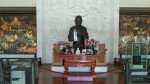
Hiuen Tsang Memorial Hall
Some quick example text to build on the card title and make up the bulk of the card's content.
Go somewhere
Kundalpur Digambar Jain Temple
Some quick example text to build on the card title and make up the bulk of the card's content.
Go somewhere
Nalanda Archaeological Museum
Some quick example text to build on the card title and make up the bulk of the card's content.
Go somewhere
Nalanda University Ruins
Some quick example text to build on the card title and make up the bulk of the card's content.
Go somewhere
Nav Nalanda Mahavihara
Some quick example text to build on the card title and make up the bulk of the card's content.
Go somewhere
Pawapuri Jal Mandir
Some quick example text to build on the card title and make up the bulk of the card's content.
Go somewhere
Surya Mandir
Some quick example text to build on the card title and make up the bulk of the card's content.
Go somewhere
The Great Stupa
Some quick example text to build on the card title and make up the bulk of the card's content.
Go somewherein Other Cities