Nalanda Archaeological Museum
General information
-
Ideal Duration:
1 Hour to 1.
5 Hours:Place Type:
Museum, Historical Artifacts, UNESCO Site Aid:Entry Fees:
Indian Nationals: Very nominal fee, typically Rs.25 per person. :
Foreign Nationals: Higher fee, generally Rs.300 per person. :
Children/Students: Free entry for children below 15 years of age and often discounted...Indian Nationals: Very nominal fee, typically Rs.25 per person. :
Foreign Nationals: Higher fee, generally Rs.300 per person. :
Children/Students: Free entry for children below 15 years of age and often discounted rates for students with valid ID. :
Camera/Videography Fees: Still photography is generally free, but videography or professional camera use may be charged a separate, slightly higher fee, sometimes up to Rs.50 to Rs.100. :Timing:
Regular Timings: Open from 10:00 AM to 5:00 PM daily. :
Ideal Visit Time: Visit right at the opening at 10:00 AM or immediately after lunch, around 2:30 PM. This allows for a cool, quiet, and unhurried study of the artifacts before the large...Regular Timings: Open from 10:00 AM to 5:00 PM daily. :
Ideal Visit Time: Visit right at the opening at 10:00 AM or immediately after lunch, around 2:30 PM. This allows for a cool, quiet, and unhurried study of the artifacts before the larger tour groups arrive. :
Closed Day: The museum is typically Closed on Fridays, so plan your visit for any other day of the week. :Special Events:
Special Exhibitions: Occasionally, the museum hosts temporary exhibitions or academic seminars related to the ongoing archaeological research in the Magadha region, often timed with historical anniversaries. :
Heritage Weeks: Observance of Wo...Special Exhibitions: Occasionally, the museum hosts temporary exhibitions or academic seminars related to the ongoing archaeological research in the Magadha region, often timed with historical anniversaries. :
Heritage Weeks: Observance of World Heritage Day (April 18) and other national heritage weeks often involves special educational programs, free entry, and guided talks by archaeologists. :
Rare Relic Display: On very special occasions, the relics of prominent Buddhist figures or the most valuable artifacts (like the Xuanzang relic from the nearby hall) might be briefly displayed here for public viewing. :Best Photo Spots:
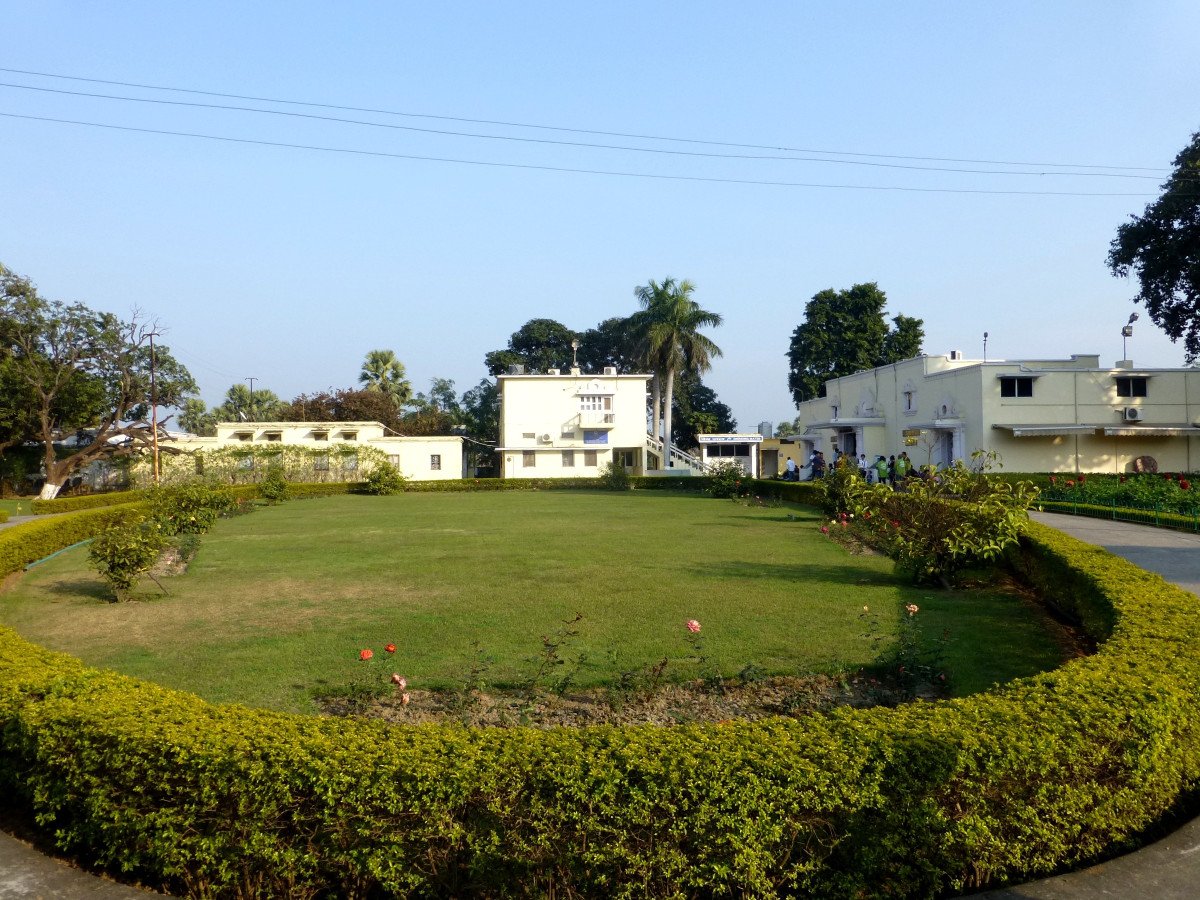
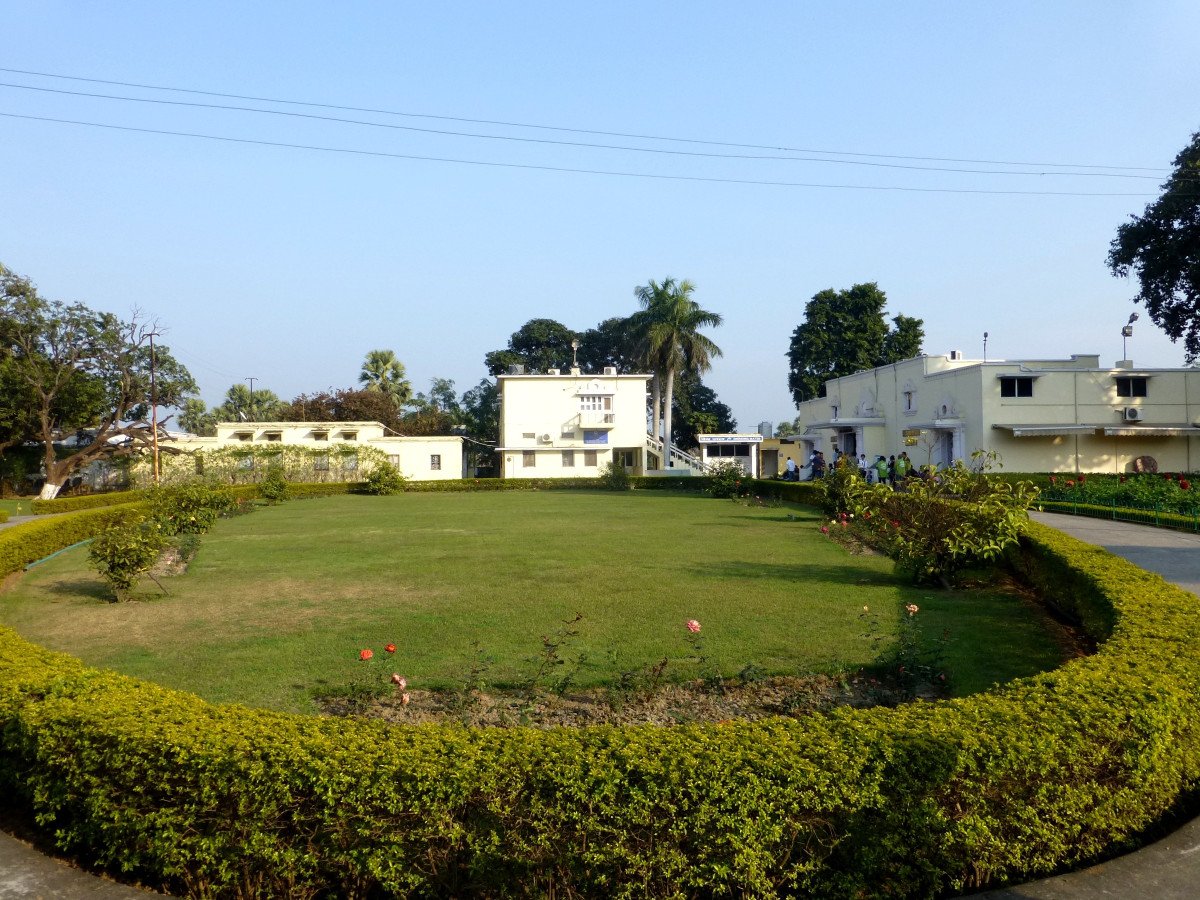
The Museum Exterior: Photograph the colonial-style museum building against the backdrop of the extensive Nalanda Ruins, symbolizing the modern effort to preserve ancient history. :
The Large Bronze Collection: Close-up (with permission and no...The Museum Exterior: Photograph the colonial-style museum building against the backdrop of the extensive Nalanda Ruins, symbolizing the modern effort to preserve ancient history. :
The Large Bronze Collection: Close-up (with permission and no flash) photographs of the exquisite Pala bronzes, focusing on the detail of the metal casting and the serene expressions of the deities. :
The Jar Shed: A photograph of the massive terracotta jars in their outdoor shed, capturing their sheer size and utilitarian historical purpose. :
The Main Hall Statues: Shots of the prominent standing Buddha or Bodhisattva statues in the main hall, using the natural light to highlight the stone texture and carving quality (check for restrictions):Photo Gallery
Things To Do
-
Study the Stone Sculptures: Systematically examine the diverse range of stone sculptures in the galleries, noting the shift in artistic style from the classical Gupta era to the subsequent, more ornate Pala style. :
Analyze the Pala Bronzes: Devote specific time to the bronze gallery to appreciate the technical skill and artistic beauty of the small metal-cast images, which are a highlight of the collection and crucial for art history. :
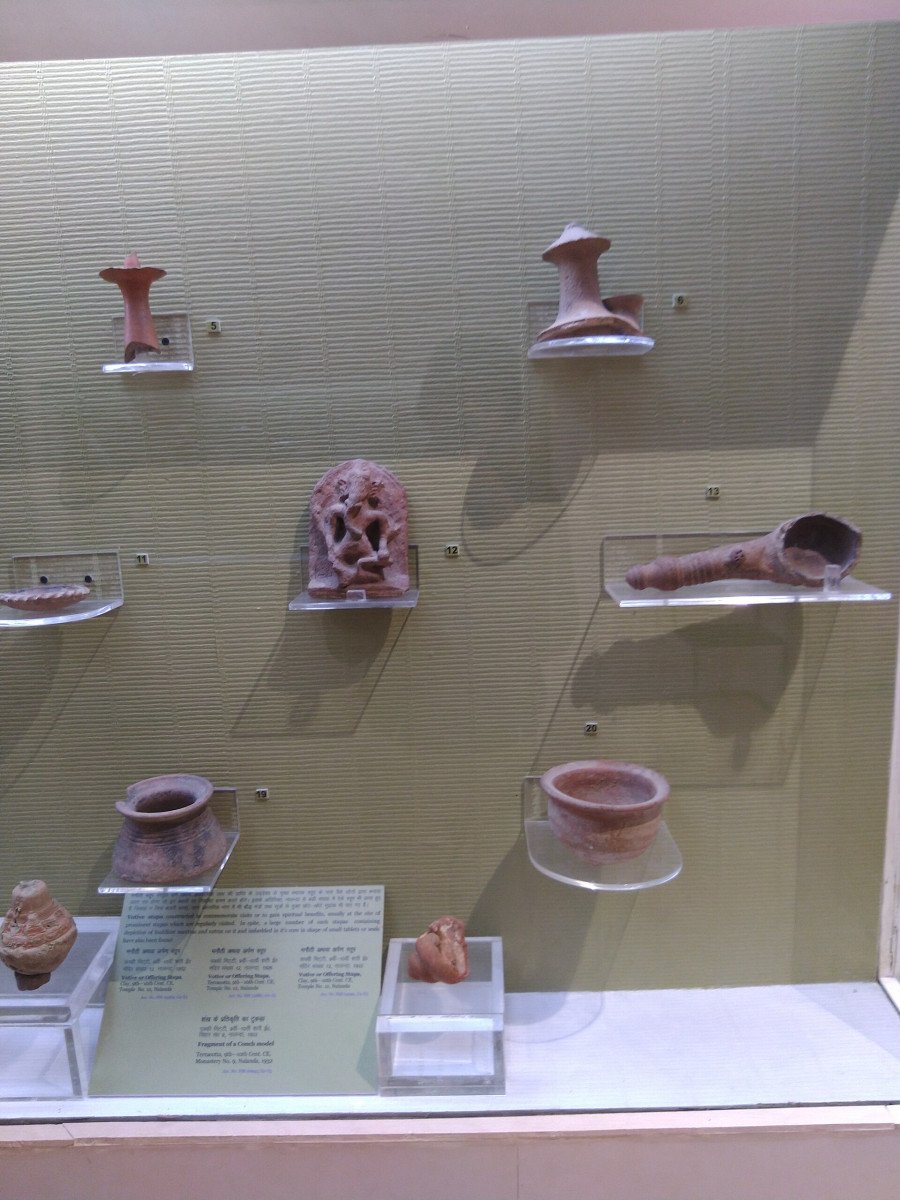
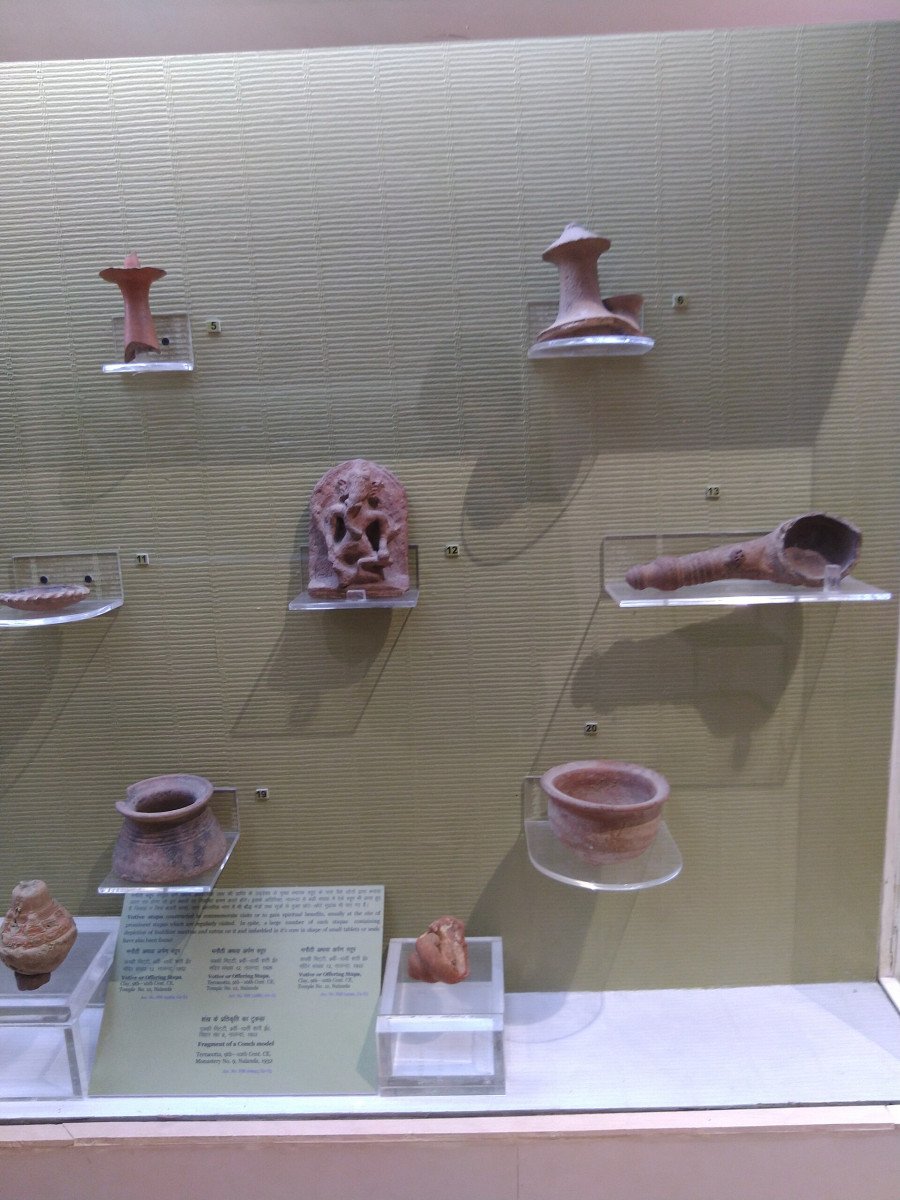
Read the Labels: Take the time to read the detailed explanatory labels for the coins, terracotta seals, and inscriptions. This textual information provides the historical and cultural context that brings the ruins to life. :
Visit the Jar Shed: Ensure you step outside to the separate shed to view the huge terracotta storage jars, i...Study the Stone Sculptures: Systematically examine the diverse range of stone sculptures in the galleries, noting the shift in artistic style from the classical Gupta era to the subsequent, more ornate Pala style. :
Analyze the Pala Bronzes: Devote specific time to the bronze gallery to appreciate the technical skill and artistic beauty of the small metal-cast images, which are a highlight of the collection and crucial for art history. :
Read the Labels: Take the time to read the detailed explanatory labels for the coins, terracotta seals, and inscriptions. This textual information provides the historical and cultural context that brings the ruins to life. :
Visit the Jar Shed: Ensure you step outside to the separate shed to view the huge terracotta storage jars, imagining the scale of food and grain storage required for 12,000 residents. :
Purchase Guidebooks: Inquire about and purchase any official publications or guidebooks about the excavations or the artifacts available at the counter, as these often contain scholarly details not available on the public display boards. :
Connect with the Ruins: Use the knowledge gained in the museum to inform your later visit to the adjacent ruins, looking for the specific sites where the artifacts were originally discovered. :
Photography (Exterior): Capture the museum building's colonial architecture and the surrounding gardens (photography is often restricted or charged inside the galleries). :
Information
-
Why Famous:
Preservation of Heritage: It is famous as the official repository of the thousands of invaluable artifacts, including sculptures, bronzes, and inscriptions, excavated from the adjacent Nalanda University Ruins, protecting the evidence of its glorious past. :Preservation of Heritage: It is famous as the official repository of the thousands of invaluable artifacts, including sculptures, bronzes, and inscriptions, excavated from the adjacent Nalanda University Ruins, protecting the evidence of its glorious past. :
The Bronze Collection: The museum houses one of the most important collections of metal-cast sculptures from the Pala period, including exquisite images of Buddha and Bodhisattvas, which are highly prized by art historians worldwide. :
The Nalanda Seals: It is famous for displaying thousands of inscribed clay seals, including one bearing the inscription "Rs.rRs.-NRs.landRs.-mahRs.vihRs.rRs.ya-Rs.rya-bhikRs.u-saRs.ghasya" (of the community of Venerable Monks of the Great Monastery of Nalanda), which confirms the site's identity. : -
Architecture:
Museum Layout and Halls: The museum is a relatively simple, colonial-era structure built with brick and concrete, designed for preservation and display. It is generally divided into four main galleries and an entrance hall. The entire built-up area is focused on showcasing...Museum Layout and Halls: The museum is a relatively simple, colonial-era structure built with brick and concrete, designed for preservation and display. It is generally divided into four main galleries and an entrance hall. The entire built-up area is focused on showcasing the excavated material with scientific and historical context. :
Key Exhibits' Dimensions: The museum displays several large, life-size stone sculptures, some reaching heights of 1. 5 to 2 meters. There are also massive terracotta jars, sometimes over 1 meter tall, found in the monastic complex, which are housed in a separate shed on the premises, showcasing the size of utilitarian objects. :
Artistic Styles: The collection primarily features sculptures from the Gupta and Pala periods (4th to 12th centuries CE). The Pala bronzes are particularly famous for their elegant, slender figures and intricate details, reflecting a distinct art school that flourished in Bihar and Bengal. : -
How To Reach:
By Air: Patna Airport (PAT) (90 KM) and Gaya International Airport (GAY) (85 KM). The drive to the museum, which is on the main road, takes about 2. 5 hours by taxi. :
By Train: The nearest local station is Nalanda Railway Station (NLD) (2 K...By Air: Patna Airport (PAT) (90 KM) and Gaya International Airport (GAY) (85 KM). The drive to the museum, which is on the main road, takes about 2. 5 hours by taxi. :
By Train: The nearest local station is Nalanda Railway Station (NLD) (2 KM). The major railheads are Bihar Sharif Railway Station (BHS) (13 KM) and Rajgir Junction (RGD) (12 KM). The museum is a short auto-rickshaw ride from Nalanda Station. :
By Road: The museum is located directly opposite the entrance to the Nalanda University Ruins and is well-signposted on the main road. It's an easy stop for any bus or taxi traveling between Rajgir and Bihar Sharif. :
By Local Transport: It is a 5-minute walk from the ruins' parking area. Shared auto-rickshaws (Tempos) and cycle-rickshaws in Nalanda town frequently ply this route and are the best local option. : -
Weather and Best Time to Visit:
Season: Winter (October to March) is the prime season, as the weather is cool and perfect for indoor viewing and a subsequent trip to the outdoor ruins. The museum is a great retreat on hot days. :
Part of the Day: Late Morning to Early Afte...Season: Winter (October to March) is the prime season, as the weather is cool and perfect for indoor viewing and a subsequent trip to the outdoor ruins. The museum is a great retreat on hot days. :
Part of the Day: Late Morning to Early Afternoon is a good time, especially if you plan to visit the ruins later in the cooler late afternoon. The light indoors is less dependent on the time of day. :
Avoidance Time: Avoid the museum's closure day (Friday) and arrive at least one hour before closing time to ensure you have enough time to see the main galleries. -
Near Tourist Places:
Nalanda University Ruins (0. 1 KM), Hiuen Tsang Memorial Hall (0. 5 KM), Black Buddha Temple (0. 8 KM), The Great Stupa (Sariputra Stupa) (0. 3 KM), Nav Nalanda Mahavihara (3 KM), Surya Mandir (Bargaon) (2 KM), Pawapuri Jal Mandir (18 KM), Rajgir (Ropeway) (13 KM), Kundalpur Jain Temples (5 KM), Bimbisar Jail (Rajgir) (15 KM)
Tourism Tips
-
Health & Safety: The museum is indoors and generally safe, but be cautious of slippery floors in the monsoon. Follow the rules, especially the "No Touching" policy for the delicate artifacts. :
Packing: Carry your student ID for potential di...Health & Safety: The museum is indoors and generally safe, but be cautious of slippery floors in the monsoon. Follow the rules, especially the "No Touching" policy for the delicate artifacts. :
Packing: Carry your student ID for potential discounts. Since flash photography is generally prohibited, ensure your camera is set for low-light conditions if allowed to photograph without flash. :
Accommodation: Staying in Rajgir (12 KM) or Bihar Sharif (13 KM) offers superior hotel choices. Budget travelers can check into dharamshalas near Nav Nalanda Mahavihara. :
Other Tips: Visiting the museum before the ruins is highly recommended, as the artifacts provide the necessary visual context to better appreciate the brick structures of the university site. Start with the seals and inscriptions for historical context.
Reviews
FAQs
Nalanda Itineray And Cost:-
Nalanda Archaeological Museum Tourism:-
Information about New and Updated Locations() of Bihar Has Been Added :-
Card subtitle
Note:-
Information provided here in good Faith and for reference only.
All information and pictures will be updated soon, please keep visiting.
Near Places

"Jain Temple, Kundalpur
Some quick example text to build on the card title and make up the bulk of the card's content.
Go somewhere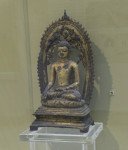
Black Buddha Temple
Some quick example text to build on the card title and make up the bulk of the card's content.
Go somewhere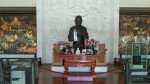
Hiuen Tsang Memorial Hall
Some quick example text to build on the card title and make up the bulk of the card's content.
Go somewhere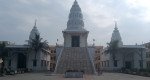
Kundalpur Digambar Jain Temple
Some quick example text to build on the card title and make up the bulk of the card's content.
Go somewhere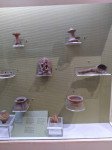
Nalanda Archaeological Museum
Some quick example text to build on the card title and make up the bulk of the card's content.
Go somewhere
Nalanda University Ruins
Some quick example text to build on the card title and make up the bulk of the card's content.
Go somewhere
Nav Nalanda Mahavihara
Some quick example text to build on the card title and make up the bulk of the card's content.
Go somewhere
Pawapuri Jal Mandir
Some quick example text to build on the card title and make up the bulk of the card's content.
Go somewhere
Surya Mandir
Some quick example text to build on the card title and make up the bulk of the card's content.
Go somewhere
The Great Stupa
Some quick example text to build on the card title and make up the bulk of the card's content.
Go somewherein Other Cities