

Jharkhand
General information
-
Ideal Duration:
4 to 7 DaysPlace Type:
Nature, Wildlife, and PilgrimageEntry Fees:
State Entry Fees: Entry to most natural sites like Hundru Falls and Dassam Falls is generally free or has a nominal parking fee of 20 INR. Betla National Park charges an entry fee of approximately 10 INR for Indians and 200 INR for foreign nationals for safari. Birsa Zoolo...State Entry Fees: Entry to most natural sites like Hundru Falls and Dassam Falls is generally free or has a nominal parking fee of 20 INR. Betla National Park charges an entry fee of approximately 10 INR for Indians and 200 INR for foreign nationals for safari. Birsa Zoological Park in Ranchi has an entry fee of around 30 INR for adults and 15 INR for children. Jubilee Park in Jamshedpur has no entry fee for walkers, but specific attractions like the Laser Show may cost 50 INR. Most temples like Baidyanath Dham and Jagannath Temple allow free entry for all devotees throughout the year without any charges.
:Timing:
State Timings: Most waterfalls and parks are open from 09:00 am to 05:00 pm for safety reasons, especially during the winter months of December. Temples like Baidyanath Dham generally open early at 04:00 am and close late at 09:00 pm after the evening aarti rituals. The id...State Timings: Most waterfalls and parks are open from 09:00 am to 05:00 pm for safety reasons, especially during the winter months of December. Temples like Baidyanath Dham generally open early at 04:00 am and close late at 09:00 pm after the evening aarti rituals. The ideal time to visit wildlife sanctuaries is during the early morning hours from 06:00 am to 10:00 am for better sightings. For hill stations like Netarhat, the best time to be at the viewpoint is before 05:30 am to witness the stunning sunrise. Shopping centers and local markets in Ranchi and Jamshedpur typically operate from 10:30 am to 09:00 pm daily except holidays.
:Special Events:
State Special Event: Sarhul is the most important tribal festival celebrated during the Spring season when the Sal trees are in full bloom. Karam Puja is celebrated in the month of Bhadra by the youth to worship the Karam tree for power and youthfulness. Tusu Parab is a ha...State Special Event: Sarhul is the most important tribal festival celebrated during the Spring season when the Sal trees are in full bloom. Karam Puja is celebrated in the month of Bhadra by the youth to worship the Karam tree for power and youthfulness. Tusu Parab is a harvest festival celebrated in January where girls decorate bamboo frames and sing folk songs near hilly rivers. Sohrai is celebrated after Diwali to honor domestic cattle, featuring beautiful wall paintings made by tribal women on their huts. Bhagta Parab is a unique festival in the Tamar region where devotees perform daring acts like swinging from poles to please the deity.
:Best Photo Spots:
State Best Photo Spots: Patratu Valley offers a serpentine road view that looks spectacular from the hilltop, especially during the golden hour in the Evening. Hundru Falls provides a majestic backdrop of falling water and jagged rocks, making it a favorite for nature photo...State Best Photo Spots: Patratu Valley offers a serpentine road view that looks spectacular from the hilltop, especially during the golden hour in the Evening. Hundru Falls provides a majestic backdrop of falling water and jagged rocks, making it a favorite for nature photography. Jagannath Temple in Ranchi offers a grand hilltop view of the city and looks beautiful during the annual Rath Yatra. Dassam Falls is perfect for capturing the raw power of the Kanchi River as it plunges into the deep valley below. Tagore Hill provides a panoramic view of the Ranchi skyline and is a great spot for sunset photography amidst greenery. Dimna Lake in Jamshedpur offers a peaceful reflection of the Dalma Hills in its clear blue waters during the Morning.
:Photo Gallery
Things To Do
 @@General Introduction: Garhwa is located in the northwestern part of Jharkhand, bordering Uttar Pradesh and Chhattisgarh. It is a district characterized by rugged hills, dense forests, and numerous waterfalls that remain hidden from the mainstream tourist map. The region is famous for the Radha Krishna Mandir at Nagar Untari, which houses a massive golden idol. For nature enthusiasts, it offers pristine spots like Sukhaldari and Gurushindhu Falls. The town serves as a vital commercial link between neighboring states while maintaining a rustic and peaceful atmosphere. @@Historical Legacy: The history of Garhwa is linked to the local tribal kingdoms and the Palamu royal family. Ancient ruins and forts can be found scattered across the district, telling stories of a bygone era. The most prominent historical site is the Nagar Untari palace, which has a deep religious connection. The district has witnessed various cultural influences due to its strategic location at the crossroads of three states. This has resulted in a unique blend of traditions and local dialects that are found nowhere else in Jharkhand. @@Natural Splendor: The topography of Garhwa is dominated by the Kaimur range and the Sone River. The district is home to several spectacular waterfalls that cascade down rocky cliffs amidst thick forests. Sukhaldari Falls on the Kanhar River is particularly famous for its beauty during the monsoon. The lush green valleys and agricultural fields create a picturesque countryside that is perfect for long drives and nature photography. The biodiversity here is rich, with several species of birds and wild animals inhabiting the forest zones. @@Religious Harmony: Apart from the famous golden temple, Garhwa is home to various other shrines and religious sites that attract people from different faiths. The local festivals are celebrated with a spirit of inclusivity and joy. The Radha Krishna Temple is not just a place of worship but also a center for cultural activities and community gatherings. During major festivals like Janmashtami, the entire town comes together to celebrate with great enthusiasm, showcasing the deep spiritual bond of the local community.
@@Place Details: @@History: Bokaro was established in 1964 as a planned industrial township to house the employees of the Bokaro Steel Plant, which is one of the largest in Asia. The city was carved out of the wilderness of the Chota Nagpur Plateau and has since grown into a major economic hub of Eastern India. It is known for its wide roads, lush green sectors, and a high standard of living compared to other industrial towns. The city represents the modern face of Jharkhand, blending heavy industry with systematic urban planning and natural beauty. @@Geography: The city is situated on the banks of the Garga River and is surrounded by rolling hills and dense forests. Its location provides a unique mix of industrial landscape and scenic greenery, making it a pleasant place to reside. The climate is tropical, with hot summers and cool, pleasant winters that attract many tourists from nearby states. @@Culture: The population of Bokaro is highly cosmopolitan, consisting of people from all over India who came to work in the steel industry. This diversity is reflected in the city's festivals, food, and social life, where various traditions coexist harmoniously. Religious sites like the Jagannath Temple and Ayyappa Temple serve as centers for cultural and spiritual gatherings. @@Economy: The economy is primarily driven by the Steel Authority of India Limited (SAIL) and other allied industries like coal and chemicals. The presence of these giants has led to the development of a robust infrastructure, including top-tier schools and hospitals. Small-scale industries also thrive in the Balidih Industrial Area, contributing significantly to the regional GDP.
@@General Introduction: Garhwa is located in the northwestern part of Jharkhand, bordering Uttar Pradesh and Chhattisgarh. It is a district characterized by rugged hills, dense forests, and numerous waterfalls that remain hidden from the mainstream tourist map. The region is famous for the Radha Krishna Mandir at Nagar Untari, which houses a massive golden idol. For nature enthusiasts, it offers pristine spots like Sukhaldari and Gurushindhu Falls. The town serves as a vital commercial link between neighboring states while maintaining a rustic and peaceful atmosphere. @@Historical Legacy: The history of Garhwa is linked to the local tribal kingdoms and the Palamu royal family. Ancient ruins and forts can be found scattered across the district, telling stories of a bygone era. The most prominent historical site is the Nagar Untari palace, which has a deep religious connection. The district has witnessed various cultural influences due to its strategic location at the crossroads of three states. This has resulted in a unique blend of traditions and local dialects that are found nowhere else in Jharkhand. @@Natural Splendor: The topography of Garhwa is dominated by the Kaimur range and the Sone River. The district is home to several spectacular waterfalls that cascade down rocky cliffs amidst thick forests. Sukhaldari Falls on the Kanhar River is particularly famous for its beauty during the monsoon. The lush green valleys and agricultural fields create a picturesque countryside that is perfect for long drives and nature photography. The biodiversity here is rich, with several species of birds and wild animals inhabiting the forest zones. @@Religious Harmony: Apart from the famous golden temple, Garhwa is home to various other shrines and religious sites that attract people from different faiths. The local festivals are celebrated with a spirit of inclusivity and joy. The Radha Krishna Temple is not just a place of worship but also a center for cultural activities and community gatherings. During major festivals like Janmashtami, the entire town comes together to celebrate with great enthusiasm, showcasing the deep spiritual bond of the local community.
@@Place Details: @@History: Bokaro was established in 1964 as a planned industrial township to house the employees of the Bokaro Steel Plant, which is one of the largest in Asia. The city was carved out of the wilderness of the Chota Nagpur Plateau and has since grown into a major economic hub of Eastern India. It is known for its wide roads, lush green sectors, and a high standard of living compared to other industrial towns. The city represents the modern face of Jharkhand, blending heavy industry with systematic urban planning and natural beauty. @@Geography: The city is situated on the banks of the Garga River and is surrounded by rolling hills and dense forests. Its location provides a unique mix of industrial landscape and scenic greenery, making it a pleasant place to reside. The climate is tropical, with hot summers and cool, pleasant winters that attract many tourists from nearby states. @@Culture: The population of Bokaro is highly cosmopolitan, consisting of people from all over India who came to work in the steel industry. This diversity is reflected in the city's festivals, food, and social life, where various traditions coexist harmoniously. Religious sites like the Jagannath Temple and Ayyappa Temple serve as centers for cultural and spiritual gatherings. @@Economy: The economy is primarily driven by the Steel Authority of India Limited (SAIL) and other allied industries like coal and chemicals. The presence of these giants has led to the development of a robust infrastructure, including top-tier schools and hospitals. Small-scale industries also thrive in the Balidih Industrial Area, contributing significantly to the regional GDP.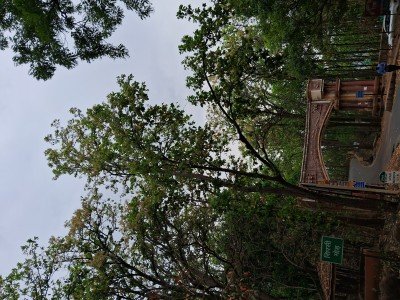 @@The Highest Retreat: Netarhat is the highest point of the Chotanagpur plateau, sitting at an elevation of about 3,622 feet. It was a favorite summer retreat for British officers who were reminded of the Scottish moors. The name is believed to be derived from 'Netur-Haat', meaning a marketplace for bamboo. It is famous for its cool climate, dense forests, and breathtaking viewpoints. @@Natural Splendor: The region is covered with thick forests of Sal, Pine, and Pear trees. It offers some of the most spectacular sunrise and sunset views in Eastern India. The winding roads passing through the hills provide a thrill to every traveler. It is a haven for those seeking peace and a deep connection with nature. @@Educational Landmark: The town is home to the famous Netarhat Residential School, established in 1954. The school has a reputation for producing some of the finest minds in the country. Its sprawling campus and unique teaching philosophy are part of the town's identity. The school's architecture and history add a layer of prestige to the hill station. @@Tribal Heritage: The hills are inhabited by primitive tribes like the Asurs, who have lived here for generations. Their culture and traditions are deeply linked to the forest and the mountains. Visitors can learn about their ancient iron-smelting techniques and unique way of life. The harmony between the people and nature is a sight to behold.
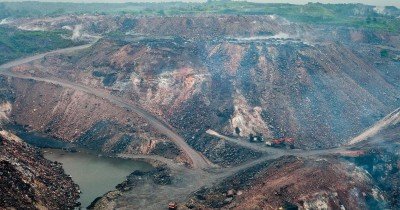 @@Place Details: Jharia is world-renowned for its extensive coal mines and its role in India's industrial economy. Located in the Dhanbad district, it is one of the largest reservoirs of coking coal in the country. The landscape is dominated by open-cast mines and the surreal sight of underground fires that have been burning for decades. Despite the industrial environment, the area holds a unique fascination for researchers and photographers. The history of Jharia is deeply intertwined with the development of the Indian Railways and the steel industry. The local population consists largely of mining workers and their families, creating a unique labor culture. Visiting Jharia provides a sobering look at the challenges and scale of the energy sector. It is a place of stark contrasts, where massive machinery operates amidst a rugged terrain. @@Mining Heritage: The town has been the epicenter of coal production since the colonial era. @@Environmental Impact: The persistent underground fires have shaped the local geography and social discourse. @@Economic Significance: Jharia's coal powers many of the nation's major thermal power plants and steel mills. @@Urban Landscape: The town features a mix of old colonial-style quarters and modern industrial housing.
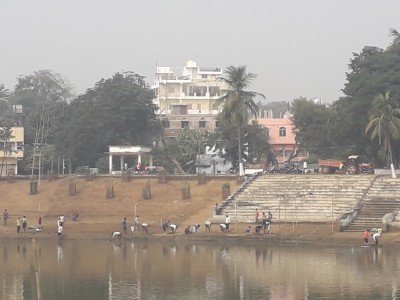 Godda is a serene district located in the northeastern part of Jharkhand state. It is a land characterized by its deep-rooted tribal culture and historical significance. The district is largely agricultural but is also famous for its massive open-cast coal mines. One of the most prominent features of Godda is the Yogini Shakti Peeth. This temple is believed to be where a part of Goddess Sati's body fell. The local people are known for their warm hospitality and traditional art forms. Visitors can explore the vast Sundar Dam, which serves as a major picnic spot. The landscape is dotted with small hills and lush green fields during the harvest. Life here moves at a peaceful pace, away from the city's hustle. Godda provides a glimpse into the authentic rural life of the Santhal Pargana. It is a place where legends and reality coexist beautifully in the hills. Exploring the tribal villages offers a unique perspective on indigenous living. :
@@Place Details: @@History: Chirkunda is a bustling town located on the border of Jharkhand and West Bengal. Its history is closely tied to the coal mining industry of the Dhanbad region and the construction of the massive Maithon and Panchet dams. Over the years, it has transformed from a small mining outpost into a key commercial link between the two states. The town is a mix of industrial activity and the serene beauty provided by the nearby reservoirs of the Damodar Valley Corporation. @@Economy: The town's economy is centered around coal, transport, and commerce. Being on the border, it serves as a transit point for goods moving between Kolkata and Northern India. The presence of the Maithon Dam also makes it a hub for power generation, which has brought infrastructure and jobs to the local population. @@Tourism: While often overlooked, Chirkunda offers some of the best water-based tourism in Jharkhand. The proximity to the Maithon Dam means visitors can enjoy boating, bird watching, and island hopping. It is a popular weekend destination for people from Dhanbad and Asansol. @@Atmosphere: The town has a fast-paced, busy vibe during the day but remains peaceful near the water bodies. The blend of Bengali and Jharkhandi cultures is evident in the local food and festivals, creating a unique social environment that is welcoming to outsiders.
Godda is a serene district located in the northeastern part of Jharkhand state. It is a land characterized by its deep-rooted tribal culture and historical significance. The district is largely agricultural but is also famous for its massive open-cast coal mines. One of the most prominent features of Godda is the Yogini Shakti Peeth. This temple is believed to be where a part of Goddess Sati's body fell. The local people are known for their warm hospitality and traditional art forms. Visitors can explore the vast Sundar Dam, which serves as a major picnic spot. The landscape is dotted with small hills and lush green fields during the harvest. Life here moves at a peaceful pace, away from the city's hustle. Godda provides a glimpse into the authentic rural life of the Santhal Pargana. It is a place where legends and reality coexist beautifully in the hills. Exploring the tribal villages offers a unique perspective on indigenous living. :
@@Place Details: @@History: Chirkunda is a bustling town located on the border of Jharkhand and West Bengal. Its history is closely tied to the coal mining industry of the Dhanbad region and the construction of the massive Maithon and Panchet dams. Over the years, it has transformed from a small mining outpost into a key commercial link between the two states. The town is a mix of industrial activity and the serene beauty provided by the nearby reservoirs of the Damodar Valley Corporation. @@Economy: The town's economy is centered around coal, transport, and commerce. Being on the border, it serves as a transit point for goods moving between Kolkata and Northern India. The presence of the Maithon Dam also makes it a hub for power generation, which has brought infrastructure and jobs to the local population. @@Tourism: While often overlooked, Chirkunda offers some of the best water-based tourism in Jharkhand. The proximity to the Maithon Dam means visitors can enjoy boating, bird watching, and island hopping. It is a popular weekend destination for people from Dhanbad and Asansol. @@Atmosphere: The town has a fast-paced, busy vibe during the day but remains peaceful near the water bodies. The blend of Bengali and Jharkhandi cultures is evident in the local food and festivals, creating a unique social environment that is welcoming to outsiders.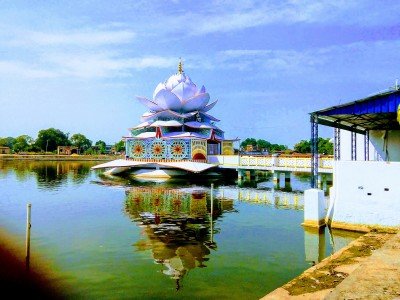 @@The Vibrant Capital Ranchi: Ranchi, the capital of Jharkhand, is a bustling city that beautifully balances urban development with natural splendor. Known as the "City of Waterfalls," it is surrounded by numerous cascading wonders like Hundru, Jonha, and Dassam. The city is situated on the Chota Nagpur plateau and enjoys a pleasant climate for most of the year. Ranchi is rich in tribal culture, which is evident in its museums and the daily lives of its people. It is also a significant educational and administrative hub, home to several prestigious institutions. The city's landscape is marked by hills like Tagore Hill and Pahari Mandir, offering panoramic views of the urban sprawl. With its growing cafe culture, modern malls, and deep-rooted traditions, Ranchi serves as the perfect base for exploring the rest of Jharkhand. Whether you are looking for spiritual peace at the Jagannath Temple or an adrenaline rush at the waterfalls, Ranchi never fails to impress its visitors.Show All
@@Place Details: Latehar is one of the most scenic districts in Jharkhand, characterized by its dense forests, mesmerizing waterfalls, and high plateaus. It is home to the famous Betla National Park, one of the oldest tiger reserves in India. The district also boasts the "Queen of Chotanagpur," Netarhat, a hill station known for its stunning sunrises and sunsets. Historically, the region was the seat of the Chero Kings, and the ruins of their forts still stand deep within the forest. The landscape is dominated by the Vindhyan and Chotanagpur ranges, providing a rugged yet beautiful terrain. Latehar is a paradise for eco-tourists and wildlife enthusiasts who want to experience nature in its rawest form. The local culture is deeply tribal, with the Oraon and Chero communities being the primary inhabitants. @@Wildlife Sanctuary: The district is a vital corridor for elephants and tigers in the region. @@Natural Beauty: Waterfalls like Lodh Falls (highest in Jharkhand) are breathtaking sights. @@Historical Ruins: The Palamu Forts offer a glimpse into the medieval history of the tribal kingdoms. @@Hill Stations: Netarhat offers a cool climate and panoramic views that are rare in this part of India.
@@The Vibrant Capital Ranchi: Ranchi, the capital of Jharkhand, is a bustling city that beautifully balances urban development with natural splendor. Known as the "City of Waterfalls," it is surrounded by numerous cascading wonders like Hundru, Jonha, and Dassam. The city is situated on the Chota Nagpur plateau and enjoys a pleasant climate for most of the year. Ranchi is rich in tribal culture, which is evident in its museums and the daily lives of its people. It is also a significant educational and administrative hub, home to several prestigious institutions. The city's landscape is marked by hills like Tagore Hill and Pahari Mandir, offering panoramic views of the urban sprawl. With its growing cafe culture, modern malls, and deep-rooted traditions, Ranchi serves as the perfect base for exploring the rest of Jharkhand. Whether you are looking for spiritual peace at the Jagannath Temple or an adrenaline rush at the waterfalls, Ranchi never fails to impress its visitors.Show All
@@Place Details: Latehar is one of the most scenic districts in Jharkhand, characterized by its dense forests, mesmerizing waterfalls, and high plateaus. It is home to the famous Betla National Park, one of the oldest tiger reserves in India. The district also boasts the "Queen of Chotanagpur," Netarhat, a hill station known for its stunning sunrises and sunsets. Historically, the region was the seat of the Chero Kings, and the ruins of their forts still stand deep within the forest. The landscape is dominated by the Vindhyan and Chotanagpur ranges, providing a rugged yet beautiful terrain. Latehar is a paradise for eco-tourists and wildlife enthusiasts who want to experience nature in its rawest form. The local culture is deeply tribal, with the Oraon and Chero communities being the primary inhabitants. @@Wildlife Sanctuary: The district is a vital corridor for elephants and tigers in the region. @@Natural Beauty: Waterfalls like Lodh Falls (highest in Jharkhand) are breathtaking sights. @@Historical Ruins: The Palamu Forts offer a glimpse into the medieval history of the tribal kingdoms. @@Hill Stations: Netarhat offers a cool climate and panoramic views that are rare in this part of India.Information
-
Why Famous:
Why Famous State: Jharkhand is world-famous as the Mineral Capital of India, contributing over 40% of the country's mineral wealth including coal and mica. It is renowned for its Tribal Culture, with over 32 tribes like Santhal and Munda preserving their ancient traditions ...Why Famous State: Jharkhand is world-famous as the Mineral Capital of India, contributing over 40% of the country's mineral wealth including coal and mica. It is renowned for its Tribal Culture, with over 32 tribes like Santhal and Munda preserving their ancient traditions and languages. The state is a major Pilgrimage Hub, home to Baidyanath Dham in Deoghar, which is one of the 12 Jyotirlingas. It is also famous as the Land of Waterfalls, featuring spectacular cascades like Hundru and Dassam that attract thousands of nature lovers. The birthplace of legendary freedom fighter Birsa Munda, the state holds deep historical significance in India's struggle for independence. The Tussar Silk produced here is globally recognized for its unique texture and high quality in the textile industry.
: -
Architecture:
State Architecture: The architecture of Jharkhand is a unique blend of tribal heritage, Orissan styles, and modern industrial designs. Many ancient temples like the Jagannath Temple in Ranchi, built in 1691, follow the Kalinga style with a height of roughly 100 feet. The S...State Architecture: The architecture of Jharkhand is a unique blend of tribal heritage, Orissan styles, and modern industrial designs. Many ancient temples like the Jagannath Temple in Ranchi, built in 1691, follow the Kalinga style with a height of roughly 100 feet. The Sun Temple in Ranchi is designed like a huge chariot with 18 wheels and 7 horses, measuring about 150 feet in length. Palamu Forts showcase Chero dynasty masonry with stone walls that are 10 to 12 feet thick and date back to the 16th century. The Maluti temples in Dumka district are famous for their terracotta art and small dimensions, originally numbering 108 temples. Modern architecture is seen in the JSCA International Stadium, which has a world-class seating capacity of 39,000.
: -
How To Reach:
State How to Reach: By Air, the Birsa Munda Airport in Ranchi is the primary gateway, well-connected to major cities like Delhi, Mumbai, and Kolkata. By Train, the state has a robust network with major stations at Ranchi, Jamshedpur (Tatanagar), Dhanbad, and Deoghar connect...State How to Reach: By Air, the Birsa Munda Airport in Ranchi is the primary gateway, well-connected to major cities like Delhi, Mumbai, and Kolkata. By Train, the state has a robust network with major stations at Ranchi, Jamshedpur (Tatanagar), Dhanbad, and Deoghar connecting to all of India. By Road, Jharkhand is accessible via National Highways like NH-33 and NH-2, with regular bus services from Patna, Kolkata, and Bhubaneswar. By Local Transport, visitors can use auto-rickshaws, cycle-rickshaws, and app-based cabs like Ola or Uber in cities like Ranchi and Jamshedpur. Within smaller towns, shared autos and local buses are the most economical way to commute between different tourist spots and markets.
: -
Weather and Best Time to Visit:
State Best Time to Visit: The Winter Season from October to March is the best time to visit as the weather is pleasant with temperatures between 10°C and 25°C. During the Monsoon Season from July to September, the waterfalls are at their fullest and the greenery is lush, ...State Best Time to Visit: The Winter Season from October to March is the best time to visit as the weather is pleasant with temperatures between 10°C and 25°C. During the Monsoon Season from July to September, the waterfalls are at their fullest and the greenery is lush, though trekking is difficult. The Summer Season from April to June can be very hot, but it is a good time for budget travelers to visit hill stations. Early Morning is the best part of the day for wildlife safaris and temple visits to avoid crowds and the afternoon heat. Late Afternoon is ideal for visiting parks, dams, and viewpoints to enjoy the sunset and cooler breeze across the plateau.
: -
Near Tourist Places:
Hundru Falls (45 km from Ranchi), Dassam Falls (40 km from Ranchi), Jonha Falls (45 km from Ranchi), Panch Gagh Falls (55 km from Ranchi), Deoghar (250 km from Ranchi), Netarhat (150 km from Ranchi), Jamshedpur (130 km from Ranchi), Betla National Park (170 km from Ranchi), Hazaribagh (95 km from Ranchi), Parasnath Hill (190 km from Ranchi)
Tourism Tips
-
State Tourism Tips: Ensure you carry Health & Safety essentials like basic medicines and insect repellents when visiting forested areas or wildlife sanctuaries like Betla. For Packing, carry light cotton clothes for summers and heavy woolens if you plan to visit Netarhat or...State Tourism Tips: Ensure you carry Health & Safety essentials like basic medicines and insect repellents when visiting forested areas or wildlife sanctuaries like Betla. For Packing, carry light cotton clothes for summers and heavy woolens if you plan to visit Netarhat or Ranchi during January. Accommodation options range from luxury hotels in Jamshedpur to forest rest houses in Palamu, which should be booked in advance during peak season. Respect Local Customs and tribal traditions by asking for permission before taking photographs of people or their sacred ritual sites. Always carry enough Cash, as digital payments might be limited in remote areas and near the smaller waterfalls or hill stations.
:
Reviews
FAQs
Jharkhand Itineray And Cost:-
Other States In India :-
Information about New and Updated Locations() of Jharkhand Has Been Added :-
Card subtitle
Note:-
Information provided here in good Faith and for reference only.
Near Places
Andaman and Nicobar Islands
Some quick example text to build on the card title and make up the bulk of the card's content.
Go somewhere
Andhra Pradesh
Some quick example text to build on the card title and make up the bulk of the card's content.
Go somewhere
Arunachal Pradesh
Some quick example text to build on the card title and make up the bulk of the card's content.
Go somewhere
Assam
Some quick example text to build on the card title and make up the bulk of the card's content.
Go somewhere
Bihar
Some quick example text to build on the card title and make up the bulk of the card's content.
Go somewhere
Chandigarh
Some quick example text to build on the card title and make up the bulk of the card's content.
Go somewhere
Chhattisgarh
Some quick example text to build on the card title and make up the bulk of the card's content.
Go somewhere
Daman and Diu
Some quick example text to build on the card title and make up the bulk of the card's content.
Go somewhere
Delhi
Some quick example text to build on the card title and make up the bulk of the card's content.
Go somewhere
Goa
Some quick example text to build on the card title and make up the bulk of the card's content.
Go somewhere
Gujarat
Some quick example text to build on the card title and make up the bulk of the card's content.
Go somewhere
Haryana
Some quick example text to build on the card title and make up the bulk of the card's content.
Go somewhere
Himachal Pradesh
Some quick example text to build on the card title and make up the bulk of the card's content.
Go somewhere
Jammu and Kashmir
Some quick example text to build on the card title and make up the bulk of the card's content.
Go somewhere
Jharkhand
Some quick example text to build on the card title and make up the bulk of the card's content.
Go somewhere
Karnataka
Some quick example text to build on the card title and make up the bulk of the card's content.
Go somewherein Other Cities