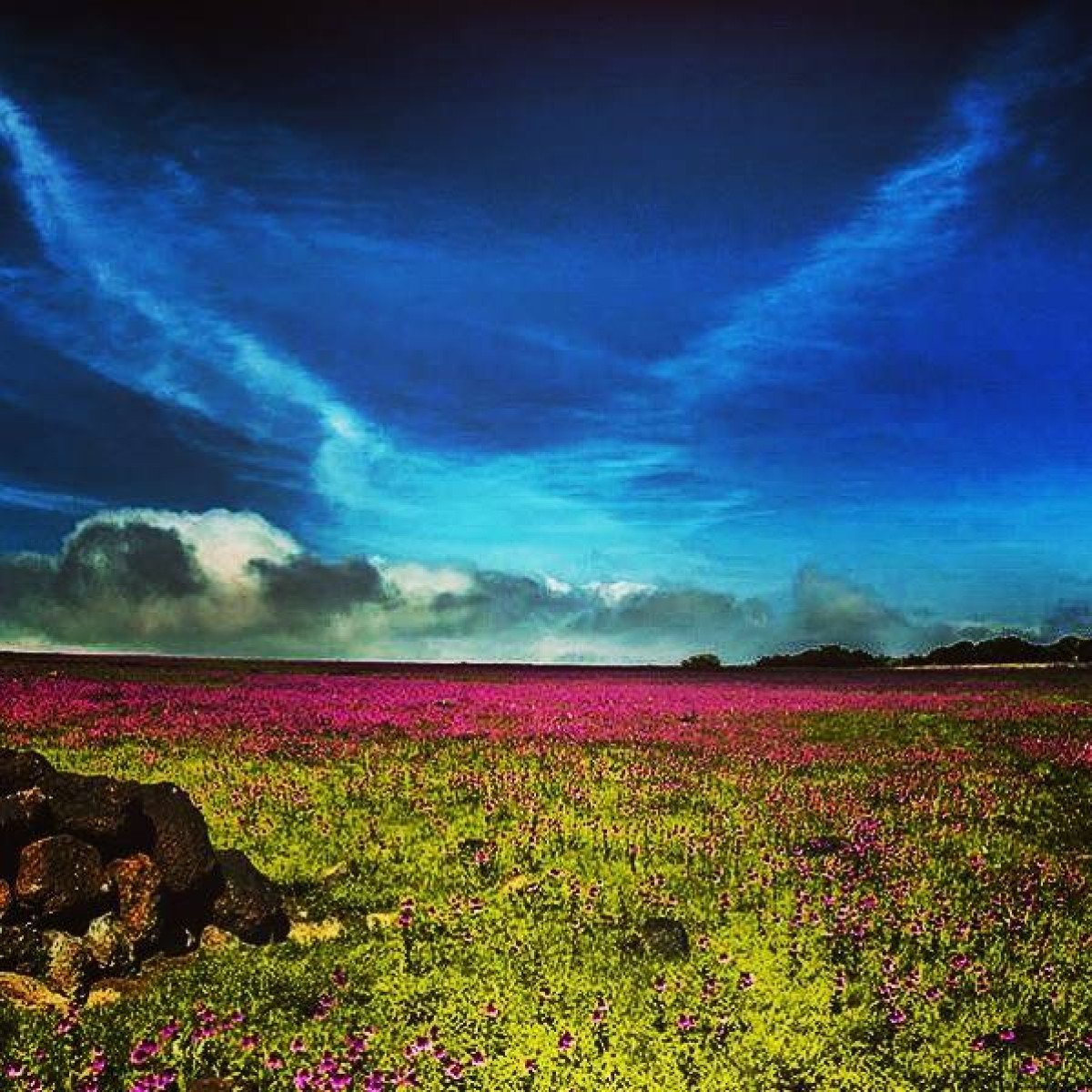
Kaas Plateau
General information
-
Ideal Duration:
2-3 hours (Maximum permitted time within the fenced area)Place Type:
Natural Heritage Site/Flower ValleyEntry Fees:
Ticket Pricing: Mandatory online booking is required during the peak season. The fee is generally around Rs.150 per person for a 2-3 hour slot. :
Children/Students: Usually, children below 12 years are free, and concessionary rates may apply t...Ticket Pricing: Mandatory online booking is required during the peak season. The fee is generally around Rs.150 per person for a 2-3 hour slot. :
Children/Students: Usually, children below 12 years are free, and concessionary rates may apply to student groups. :
Camera Fees: A fee (e. g. , Rs.100) is typically charged for carrying a DSLR or professional camera equipment. :
Parking Fees: Separate parking fees are charged near the entry point (e. g. , Rs.100 per car). :
Restriction Fine: Heavy fines are imposed for littering, plucking flowers, or straying from the designated path. :Timing:
Regular Timings: Open from 9:00 AM to 6:00 PM during the peak blooming season (mid-August to early October). Strict entry control applies. :
Ideal Visit Time: Early Morning (9:00 AM - 11:00 AM) is the best time for photography as the flowers...Regular Timings: Open from 9:00 AM to 6:00 PM during the peak blooming season (mid-August to early October). Strict entry control applies. :
Ideal Visit Time: Early Morning (9:00 AM - 11:00 AM) is the best time for photography as the flowers open and the light is soft, and before the main crowd arrives. :
Off-Season: The plateau is generally open, but the restricted entry/fee only applies during the peak floral season. Off-season is less interesting visually. :
Visitor Limit: Limited to 3,000 visitors per day; book well in advance. :Special Events:
Kaas Flower Blooming Season: The peak event is the two-month-long flowering season from mid-August to early October, when tourists flock to witness the floral spectacle. :
International Heritage Day: Events related to conservation and the UNE...Kaas Flower Blooming Season: The peak event is the two-month-long flowering season from mid-August to early October, when tourists flock to witness the floral spectacle. :
International Heritage Day: Events related to conservation and the UNESCO status are occasionally held, especially in September. :
Local Ganesh Chaturthi: The general area is busy during the major local festival of Ganesh Chaturthi (usually August/September). :
Botanical Expositions: Special exhibits and information panels are sometimes set up by the Forest Department during the peak season. :Best Photo Spots:
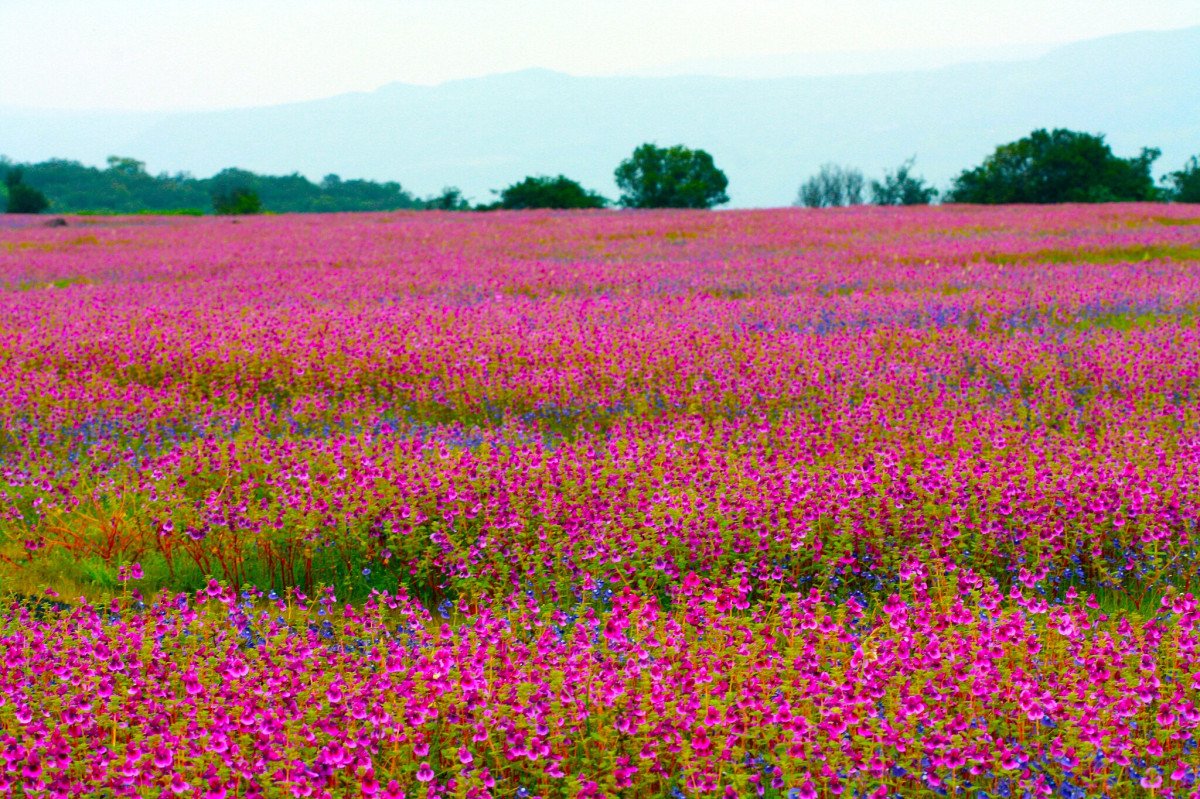
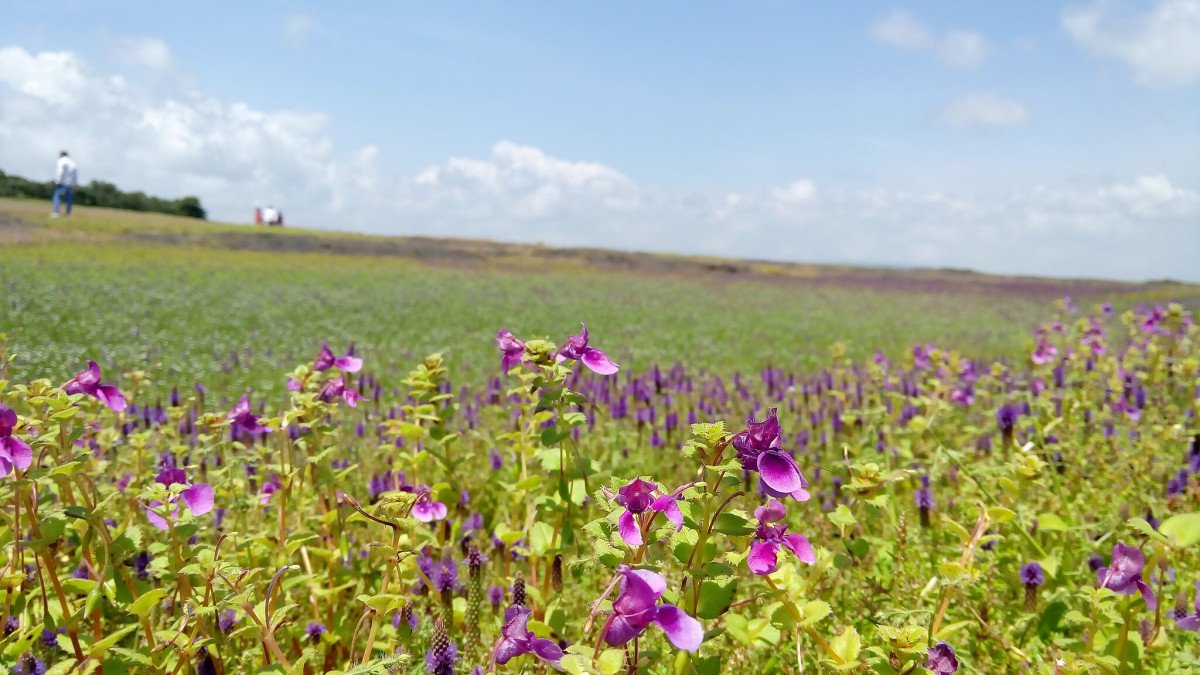
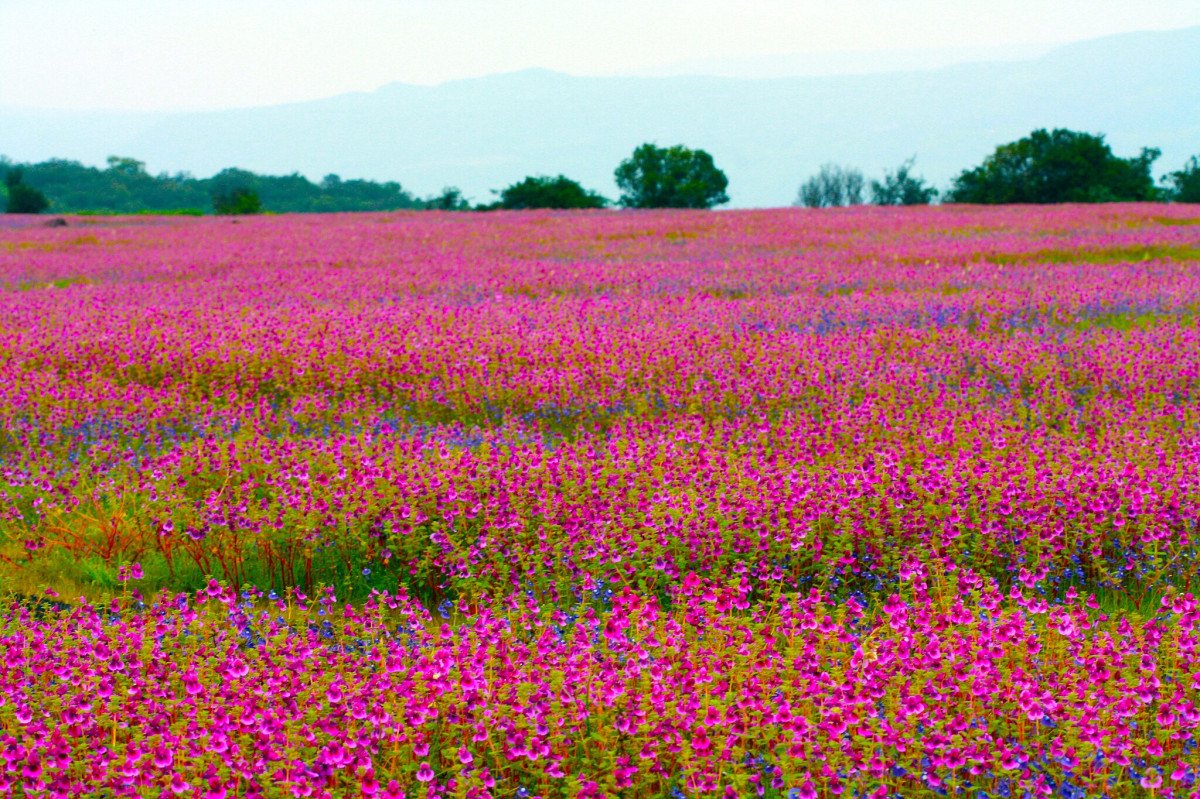
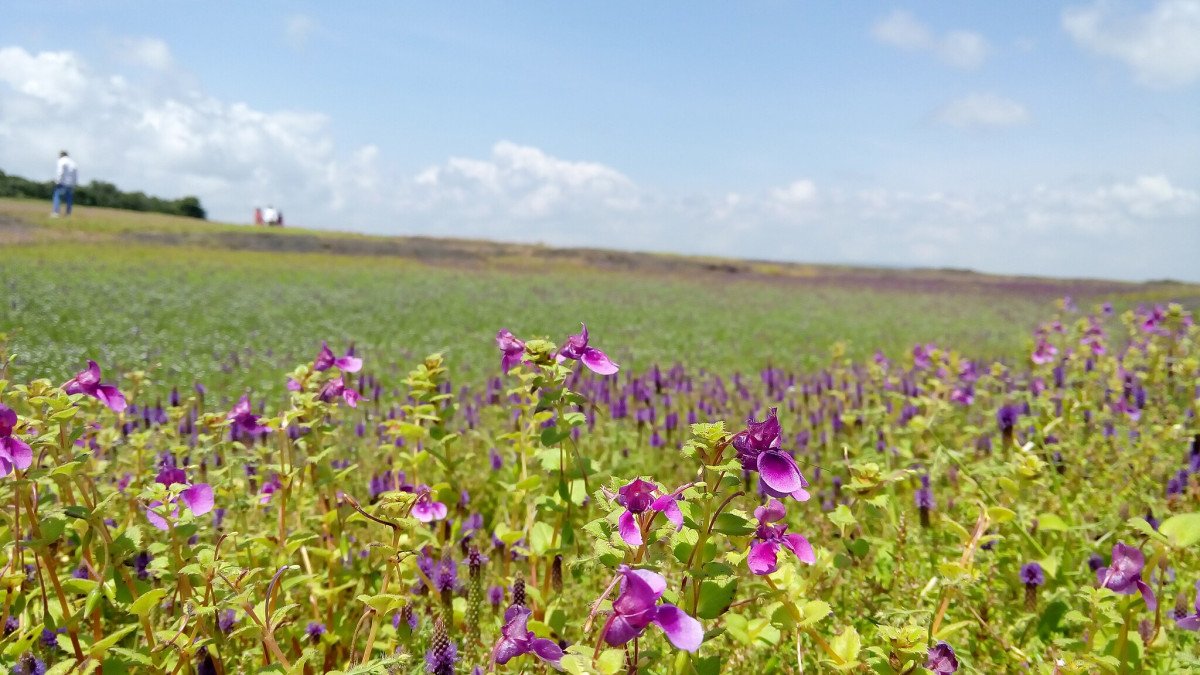
Macro Shots of Flowers: The best photo opportunities involve close-up shots of the unique, colorful, and diverse tiny flowers on the plateau. :
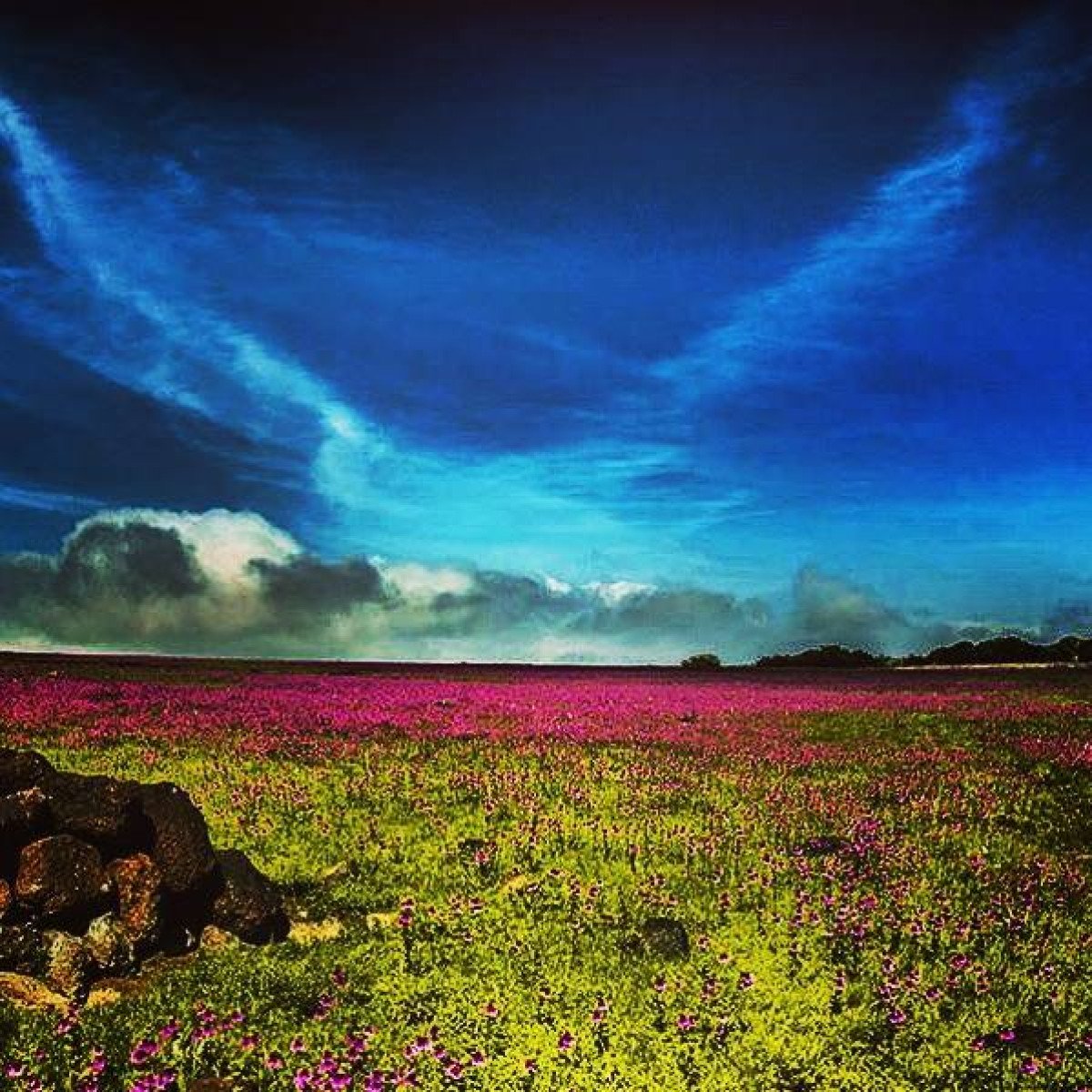
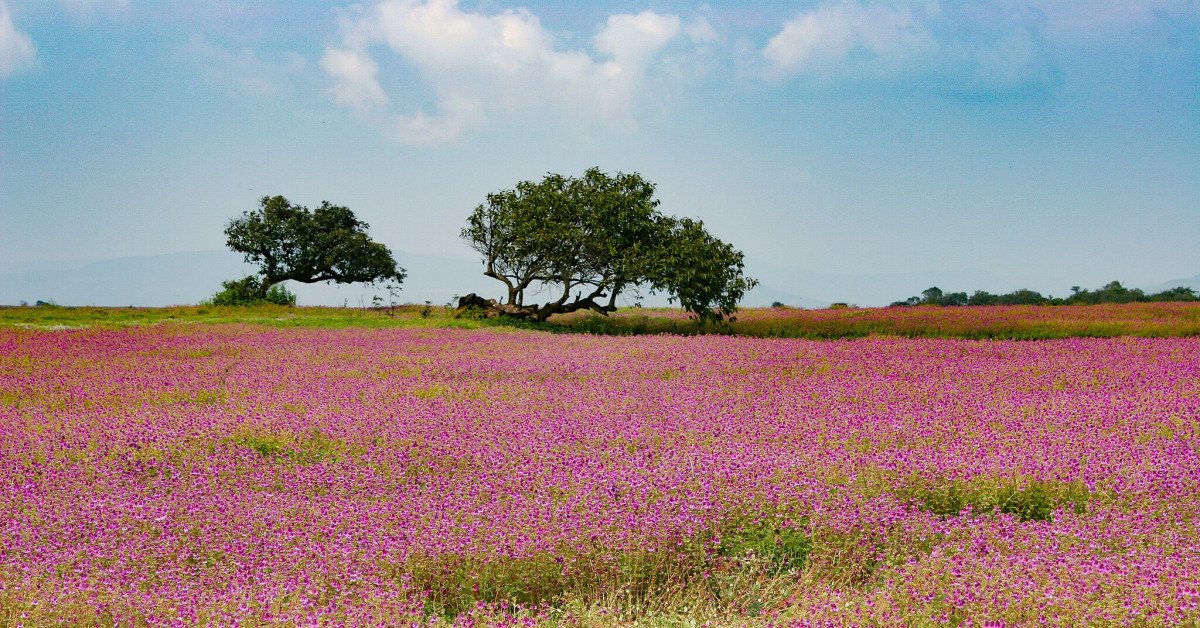
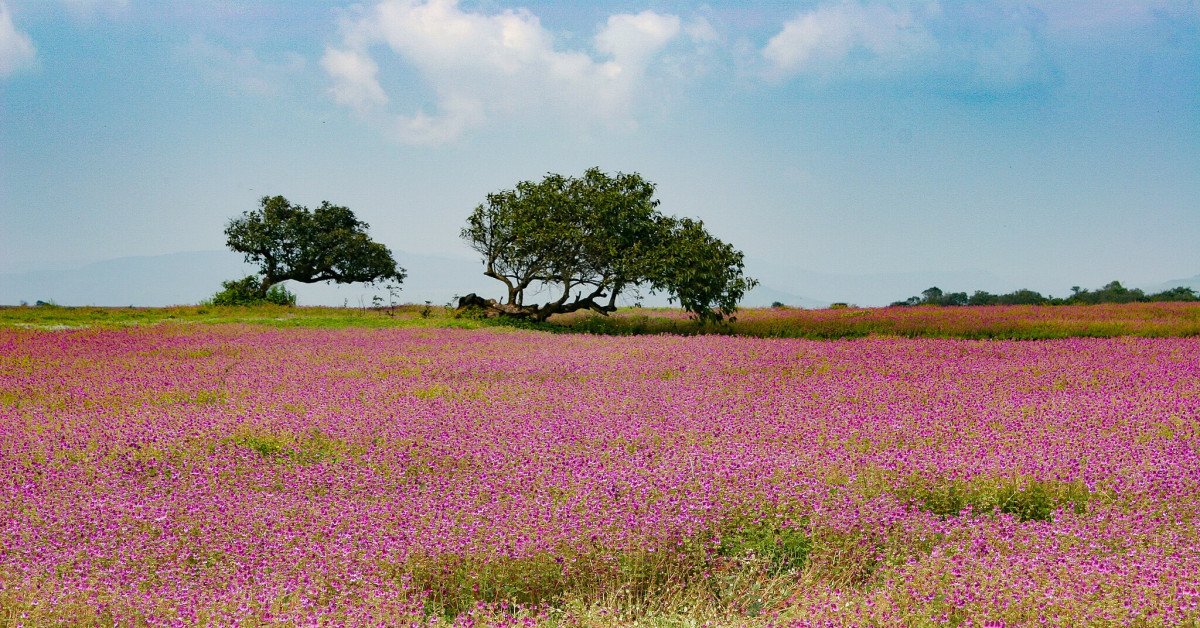
The Carpet View: Capture the wide-angle view of the plateau when it is completely covered in a sin...Macro Shots of Flowers: The best photo opportunities involve close-up shots of the unique, colorful, and diverse tiny flowers on the plateau. :
The Carpet View: Capture the wide-angle view of the plateau when it is completely covered in a single dominant color (e. g. , the white blanket of Eriocaulon). :
The Fenced Path: Use the designated path and wooden fences as leading lines towards the landscape. :
Misty Plateau: Early morning shots of the flower carpet covered in light mist are breathtaking. :
Panoramic Shots from the Edge: Capture the sweeping views of the valleys and surrounding hills from the plateau edge (where safe and permitted). :Photo Gallery
Things To Do
-
Flower Viewing and Photography: Walk along the designated paths in the fenced area, focusing on the incredible variety of flowers. Macro photography is highly recommended. :
Eco-Tourism: Participate in guided eco-tours (if available) to learn about the specific endemic flora and the conservation efforts. :
Botanical Study: Ideal spot for botany enthusiasts and researchers to observe unique, ephemeral, and threatened plant species. :
Visit Kaas Lake: Combine the visit with a trip to the nearby historic Kaas Lake. :
Enjoy the Scenery: Take a break at the official viewpoint area to absorb the vast, open landscape of the plateau and the surrounding hills. :
Bird Watching: The surrounding forest area and ...Flower Viewing and Photography: Walk along the designated paths in the fenced area, focusing on the incredible variety of flowers. Macro photography is highly recommended. :
Eco-Tourism: Participate in guided eco-tours (if available) to learn about the specific endemic flora and the conservation efforts. :
Botanical Study: Ideal spot for botany enthusiasts and researchers to observe unique, ephemeral, and threatened plant species. :
Visit Kaas Lake: Combine the visit with a trip to the nearby historic Kaas Lake. :
Enjoy the Scenery: Take a break at the official viewpoint area to absorb the vast, open landscape of the plateau and the surrounding hills. :
Bird Watching: The surrounding forest area and the plateau are good spots for observing local bird species. :
Respectful Observation: Observe the unique insects and butterflies that pollinate the rare flowers. :
Information
-
Why Famous:
UNESCO World Natural Heritage Site: Famous for its global recognition as a part of the Western Ghats, one of the world's eight 'hottest hotspots' of biological diversity. :
Valley of Flowers: Renowned for the spectacular phenomenon of million...UNESCO World Natural Heritage Site: Famous for its global recognition as a part of the Western Ghats, one of the world's eight 'hottest hotspots' of biological diversity. :
Valley of Flowers: Renowned for the spectacular phenomenon of millions of wildflowers blooming in various colors (blue, white, yellow, pink, violet) from August to October. :
High Endemism: Home to numerous rare, endemic, and threatened plant species, making it a critical site for botanical research and conservation. :
Photographer's Paradise: Offers unparalleled opportunities for macro and landscape photography of natural floral beauty. : -
Architecture:
Natural Architecture: The architecture is entirely natural and geological, formed by the ancient Laterite Rock of the Deccan Traps and its shallow, acidic soil layer. The plateau is a flat-topped ridge typical of the Western Ghats. :
Dimension &...Natural Architecture: The architecture is entirely natural and geological, formed by the ancient Laterite Rock of the Deccan Traps and its shallow, acidic soil layer. The plateau is a flat-topped ridge typical of the Western Ghats. :
Dimension & Layout: The official protected area is approximately 1,792 hectares. The tourist viewing zone is a clearly delineated, fenced area (to prevent damage) with defined walking paths built to protect the fragile flora. The average height of the plateau is about 1,200 meters ASL. :
Viewing Infrastructure: Minimal architectural intrusion is present, primarily consisting of low, wooden fences, basic ticketing counters, and designated eco-friendly viewing decks/paths. :
No Permanent Structures: The essence of the architecture is the vast, open, and naturally flat expanse of the lateritic table land itself. : -
How To Reach:
By Air: Nearest airport is Pune International Airport (PNQ) (approx. 145 km). Hire a direct taxi to Kaas or reach Satara first. :
By Train: Nearest major station is Satara Railway Station (STR). From Satara, a private taxi is essential for...By Air: Nearest airport is Pune International Airport (PNQ) (approx. 145 km). Hire a direct taxi to Kaas or reach Satara first. :
By Train: Nearest major station is Satara Railway Station (STR). From Satara, a private taxi is essential for the 25 km trip, as local buses are sparse. :
By Road: Kaas Plateau is 25 km from Satara and is on the road to Bamnoli. A Private Vehicle or a hired taxi is the most convenient way. Road conditions are generally good. :
By Local Transport: Limited ST buses from Satara to Kaas Village. Hired taxis are the best Local Transport option, as the site is remote. Book a return journey or waiting time. : -
Weather and Best Time to Visit:
Different Types of Seasons: Monsoon to Post-Monsoon (August to October) is the Best Time to Visit to see the flowers. September is typically the month of peak bloom and variety. Other seasons are dry and lack the floral spectacle. :
Different P...Different Types of Seasons: Monsoon to Post-Monsoon (August to October) is the Best Time to Visit to see the flowers. September is typically the month of peak bloom and variety. Other seasons are dry and lack the floral spectacle. :
Different Parts of the Day: Morning is highly recommended for the best light, lower crowds, and better chance of seeing certain flowers open. The plateau can get quite hot midday. :
Specific Month Recommendation: Check the official website for the latest bloom reports, but generally September is peak. : -
Near Tourist Places:
Kaas Lake (3 km):
Bamnoli (Koyana Backwater) (15 km):
Thoseghar Waterfall (30 km):
Chalkewadi Windmill Farms (30 km):
Kanher Dam (20 km):
Sajjangad Fort (35 km):
Ajinkyatara Fort (32 km):
Vajrai Waterfall (5 km):
Tapola (Mini Kashmir) (45 km):
Mahabaleshwar (50 km):
Tourism Tips
-
Health & Safety: Book your entry pass online well in advance. Wear comfortable shoes and be prepared for potential rain or mist. Do not deviate from the marked paths to protect the fragile ecology. :
Packing: Carry a rain cover, a light jac...Health & Safety: Book your entry pass online well in advance. Wear comfortable shoes and be prepared for potential rain or mist. Do not deviate from the marked paths to protect the fragile ecology. :
Packing: Carry a rain cover, a light jacket (even in the monsoon), water, and a wide-brimmed hat. A macro lens is a must for photography. :
Accommodation: Limited basic homestays are available in nearby Kaas Village. For comfortable options, stay in Satara or Mahabaleshwar. :
Conservation Rule: It is strictly prohibited to pluck, touch, or damage any of the flowers. Littering is subject to heavy fines. :
Traffic Alert: Expect heavy traffic and queues on weekends and during the peak September season. :
Reviews
FAQs
Satara Itineray And Cost:-
Information about New and Updated Locations() of Maharashtra Has Been Added :-
Card subtitle
Note:-
Information provided here in good Faith and for reference only.
All information and pictures will be updated soon, please keep visiting.
Near Places
Ajinkyatara Fort
Some quick example text to build on the card title and make up the bulk of the card's content.
Go somewhere
Aundh
Some quick example text to build on the card title and make up the bulk of the card's content.
Go somewhere
Bamnoli
Some quick example text to build on the card title and make up the bulk of the card's content.
Go somewhere
Chalkewadi Windmill Farms
Some quick example text to build on the card title and make up the bulk of the card's content.
Go somewhere
Char Bhinti Hutatma Smarak
Some quick example text to build on the card title and make up the bulk of the card's content.
Go somewhere
Kaas Lake
Some quick example text to build on the card title and make up the bulk of the card's content.
Go somewhere
Kaas Plateau
Some quick example text to build on the card title and make up the bulk of the card's content.
Go somewhere
Kanher Dam
Some quick example text to build on the card title and make up the bulk of the card's content.
Go somewhere
Koyna Dam
Some quick example text to build on the card title and make up the bulk of the card's content.
Go somewhere
Mayani Bird Sanctuary
Some quick example text to build on the card title and make up the bulk of the card's content.
Go somewherein Other Cities