Kachari Ruins
General information
-
Ideal Duration:
Recommended Visit Time:
1 to 2 Hours:Place Type:
Historical Monument/Archaeological Site:Entry Fees:
General Entry Fee: The entry fee is nominal and serves as a maintenance and conservation charge. For Indian nationals, the fee is typically around INR 10 to INR 20 per person. For foreign tourists, the fee is higher, typically around INR 50 to INR 100 per person. These mi...General Entry Fee: The entry fee is nominal and serves as a maintenance and conservation charge. For Indian nationals, the fee is typically around INR 10 to INR 20 per person. For foreign tourists, the fee is higher, typically around INR 50 to INR 100 per person. These minimal fees are standard for ASI-maintained sites in the region.
Photography Charges: There is usually no separate fee for still photography. However, a fee for professional videography or drone use would require prior permission from the ASI and a formal charge. The low entry fee ensures that this historically and culturally vital site remains highly accessible to the local population and students, promoting cultural education. All proceeds from the tickets are reinvested into the maintenance, security, and ongoing archaeological conservation efforts at the site, which are crucial given the age and fragility of the sandstone pillars.
:Timing:
Regular Timings: The site is typically open daily from 9:00 AM to 5:00 PM (some sources suggest it closes on Sundays or public holidays, so check locally), offering ample time for a thorough visit during standard daylight hours.
Ideal Visit Time...Regular Timings: The site is typically open daily from 9:00 AM to 5:00 PM (some sources suggest it closes on Sundays or public holidays, so check locally), offering ample time for a thorough visit during standard daylight hours.
Ideal Visit Time: The early morning (9:00 AM to 11:00 AM) or late afternoon (3:00 PM to 5:00 PM) is the best time to visit. This avoids the harsh mid-day sun, which can make the open-air site uncomfortable, and provides the best soft light for appreciating the details of the carvings and for photography. The cooler months of October through March are also the most comfortable time to visit in general, due to the pleasant weather.
:Special Events:
World Heritage Day Observance: On April 18th, the Archaeological Survey of India (ASI) branch managing the site often conducts special awareness programs, including guided tours, conservation workshops, and public lectures detailing the history of the Dimasa Kachari Kingdom....World Heritage Day Observance: On April 18th, the Archaeological Survey of India (ASI) branch managing the site often conducts special awareness programs, including guided tours, conservation workshops, and public lectures detailing the history of the Dimasa Kachari Kingdom. These events are free and offer in-depth academic insight into the site.
Local Festival Prayer Gatherings: Although primarily a historical site, local Dimasa communities sometimes hold small, traditional prayer or memorial gatherings at the site, particularly during certain ancestral commemoration days, reaffirming their cultural connection to the ruins. These are generally quiet, respectful events and are not publicized for mass tourism.
:Best Photo Spots:
The Cluster of Pillars - Wide Shot: The main cluster of the standing pillars, especially when captured from a slightly elevated position, allows for a powerful wide-angle shot that conveys the sheer scale and unique architectural repetition of the monoliths. Early morning o...The Cluster of Pillars - Wide Shot: The main cluster of the standing pillars, especially when captured from a slightly elevated position, allows for a powerful wide-angle shot that conveys the sheer scale and unique architectural repetition of the monoliths. Early morning or late afternoon light (low sun) highlights the texture and depth of the ancient carvings.
The Carved Motif Detail: Focus a macro or portrait lens on the intricate carvings of the lotus and geometric patterns on the best-preserved pillars. The details of the weathering and the artistry provide fascinating close-up subjects, particularly when the sun casts sharp shadows.
The Gateway Framework: Use the remains of the old gateway (or the modern park entrance if the original is too ruined) to frame a view of the main pillars, creating a 'window to the past' effect that gives the photograph a sense of depth and historical perspective.
The Lone Standing Pillar: Select one of the taller, well-preserved pillars and use a low angle to make it look monumental against the sky, emphasizing its impressive height (up to 15 feet) and the engineering feat of its construction.
:Photo Gallery
Things To Do
-
Pillar Photography and Composition Study: Spend time photographing the unique mushroom-shaped monoliths, focusing on different angles and light conditions. Try to use the pillars' geometric shapes to create compelling compositions, emphasizing the contrast between the ancient stone and the modern city backdrop. Visit early in the morning for soft, diffused light.
Historical and Architectural Study: Engage with the interpretive plaques provided by the ASI to understand the historical context and the current archaeological theories. Try to visualize the original complex based on the pillars' alignment, imagining the full extent of the ancient capital. This activity requires an hour of focused attention.
Leisurely Walk and Reflection: Take a slow, reflective walk through the surrounding park are...Pillar Photography and Composition Study: Spend time photographing the unique mushroom-shaped monoliths, focusing on different angles and light conditions. Try to use the pillars' geometric shapes to create compelling compositions, emphasizing the contrast between the ancient stone and the modern city backdrop. Visit early in the morning for soft, diffused light.
Historical and Architectural Study: Engage with the interpretive plaques provided by the ASI to understand the historical context and the current archaeological theories. Try to visualize the original complex based on the pillars' alignment, imagining the full extent of the ancient capital. This activity requires an hour of focused attention.
Leisurely Walk and Reflection: Take a slow, reflective walk through the surrounding park area. The ruins are a powerful place to contemplate the rise and fall of ancient kingdoms and the continuity of history. The peaceful green space provides an excellent setting for quiet thought, contrasting the ruins with the vibrant life of modern Dimapur just outside the gates.
Seeking Local Interpretation: If possible, engage in respectful conversation with a local guide or elderly resident near the park to hear the oral traditions or local legends associated with the pillars, as these stories often predate and differ from the formal archaeological theories.
:
Information
-
Why Famous:
Unique Megalithic Architecture: The sheer uniqueness of the mushroom-shaped stone pillars makes the Kachari Ruins a famous and recognizable symbol of Dimapur. This distinct architectural style sets the site apart from all other ancient Indian ruins, making it a compulsory s...Unique Megalithic Architecture: The sheer uniqueness of the mushroom-shaped stone pillars makes the Kachari Ruins a famous and recognizable symbol of Dimapur. This distinct architectural style sets the site apart from all other ancient Indian ruins, making it a compulsory stop for history and archaeology enthusiasts. The pillars are a tangible representation of the pre-Ahom political landscape of the region.
Link to the Dimasa Kachari Kingdom: The ruins are the most important remaining physical evidence of the once-powerful Dimasa Kachari Kingdom. They serve as a direct link to the indigenous history of Nagaland, a state whose historical narrative is often overshadowed by colonial and post-colonial events. The ruins offer a rare glimpse into the early tribal kingdoms that shaped the region's identity.
Location and Accessibility: Unlike many historical sites that are remote, the Kachari Ruins are situated almost in the heart of the modern, bustling city of Dimapur, very close to the railway station. This central and highly accessible location contributes to its fame, ensuring a steady stream of local and international visitors. Its proximity to major commercial areas like the Hong Kong Market makes it an easy cultural detour. The aura of mystery surrounding the pillars' true purpose continues to fuel academic debate and tourist curiosity.
: -
Architecture:
Mushroom-Domed Megalithic Pillars: The defining architectural feature is the collection of approximately 15 to 20 carved sandstone pillars. These monoliths are unique, characterized by a cylindrical shaft that flares out into a large, prominent, hemispherical or 'mushroom-s...Mushroom-Domed Megalithic Pillars: The defining architectural feature is the collection of approximately 15 to 20 carved sandstone pillars. These monoliths are unique, characterized by a cylindrical shaft that flares out into a large, prominent, hemispherical or 'mushroom-shaped' cap. This style is virtually unseen in other parts of India, suggesting a unique blend of indigenous tribal megalithic culture and possible influences from the Tibeto-Burman traditions.
Pillar Dimensions and Materials: The pillars vary significantly in size. Early colonial descriptions mention the tallest pillars reaching up to 15 feet (4. 5 meters) in height, with the smaller ones around 8 feet (2. 4 meters). Most of the remaining pillars stand at approximately 12 to 13 feet (3. 6 to 4 meters). They are carved from a hard, locally sourced sandstone, a material requiring immense effort and skill to shape and transport.
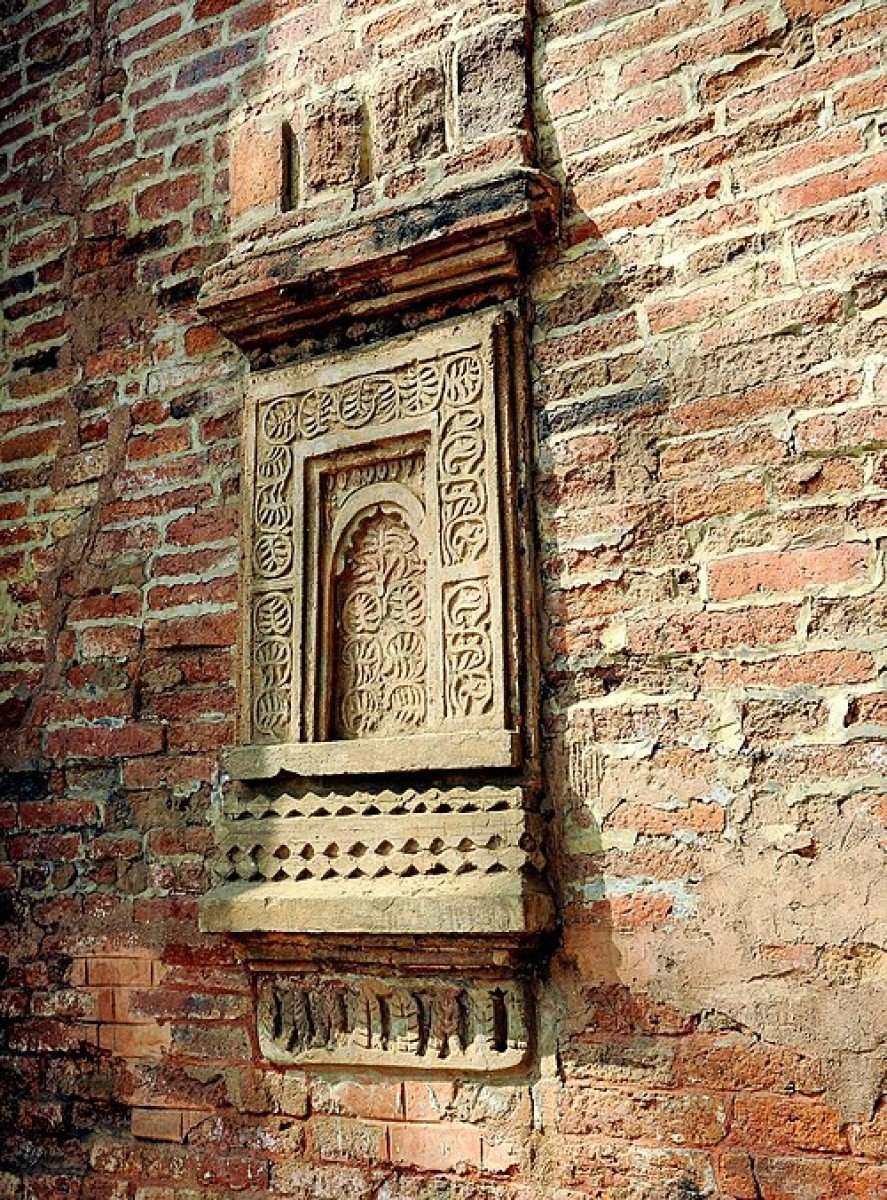
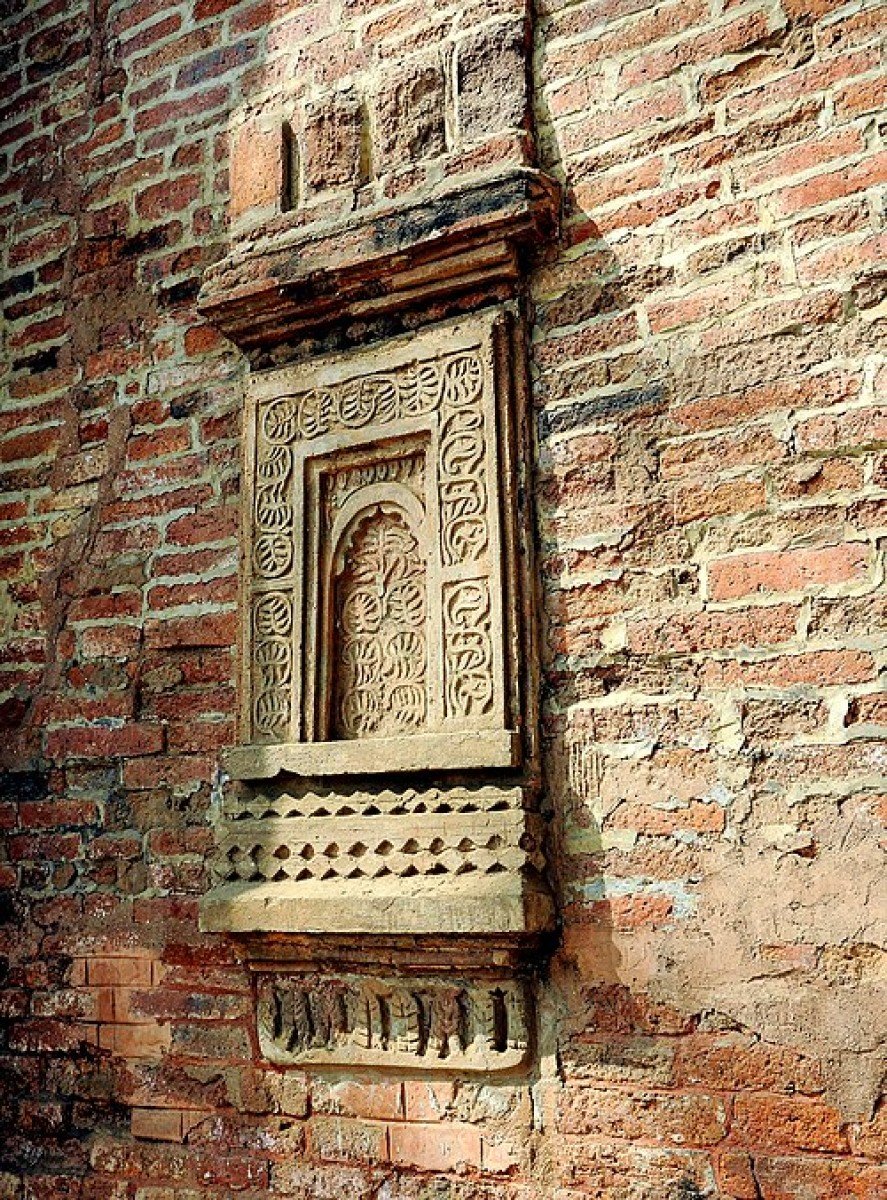
Decorative Motifs: The carvings on the pillars are intricate, though often weathered. Recurring motifs include the lotus flower, symbolizing purity and prosperity, various geometrical patterns, and depictions of animals and birds. Some pillars also feature faint human faces or figures, possibly representing ancestral spirits or deities. The pillars are arranged in a layout that hints at a former grand enclosure, possibly in three parallel rows forming a rectangular courtyard, suggesting a carefully planned ceremonial or administrative complex.
: -
How To Reach:
By Air: The nearest airport is Dimapur Airport (DMU), located approximately 8 KM away. Taxis and auto-rickshaws are readily available outside the airport for the 20-25 minute drive to the city center where the ruins are located.
By Train: T...By Air: The nearest airport is Dimapur Airport (DMU), located approximately 8 KM away. Taxis and auto-rickshaws are readily available outside the airport for the 20-25 minute drive to the city center where the ruins are located.
By Train: The Kachari Ruins are extremely close to the Dimapur Railway Station, often just a 5-10 minute auto-rickshaw ride (approximately 1 KM) or a short, easy walk from the station area. This central location makes it very convenient for travelers arriving by rail.
By Road: Situated near the Purana Bazaar area on the main road network of Dimapur, the ruins are easily accessible by car, taxi, and local public transport. The site is a well-known landmark, making navigation simple. Visitors can use local share-taxis or hired cabs from any point in the city.
By Local Transport: The proximity to the city center and the railway station means that auto-rickshaws are the most efficient way to reach the site. Since the distance is minimal, the fare should be relatively low, but always agree on the price beforehand. It is possible to walk from the Hong Kong Market or the main Dimapur Bazar area.
: -
Weather and Best Time to Visit:
Different Types of Seasons: Winter (October to March) is the optimal time for a visit. The dry, mild climate makes walking around the open-air site comfortable and pleasant. Summer can be hot and humid, but manageable. The Monsoon season should be viewed with caution, as ...Different Types of Seasons: Winter (October to March) is the optimal time for a visit. The dry, mild climate makes walking around the open-air site comfortable and pleasant. Summer can be hot and humid, but manageable. The Monsoon season should be viewed with caution, as heavy rains can make the grounds muddy and uncomfortable, detracting from the peaceful nature of the site.
Different Parts of the Day: Early morning is highly recommended to appreciate the solemnity of the ruins without the heat and crowds. The soft light enhances the carvings' detail. Late afternoon is also good for a leisurely visit and photography, as the setting sun casts long, dramatic shadows across the megaliths.
: -
Near Tourist Places:
Hong Kong Market (0. 5 KM) Dimapur Railway Station (1 KM) Naga Shopping Arcade (1 KM) Nagaland Science Centre (4 KM) Dimapur Zoological Park (9 KM) Triple Falls (21 KM) Diezephe Craft Village (16 KM) Diphupar A Village (8 KM) Intanki Wildlife Sanctuary (37 KM) Chumukedima Village (15 KM)
Tourism Tips
-
Health & Safety: The ruins are in an open-air park. Stay hydrated during the warmer months. The pillars are ancient and delicate; do not climb or touch the carvings to ensure their preservation. The surrounding park is generally safe, but be aware of your belongings, esp...Health & Safety: The ruins are in an open-air park. Stay hydrated during the warmer months. The pillars are ancient and delicate; do not climb or touch the carvings to ensure their preservation. The surrounding park is generally safe, but be aware of your belongings, especially if approached by touts.
Packing: Wear light, comfortable clothing and practical walking shoes. A hat or umbrella for sun protection is recommended, as the site offers limited natural shade. Bring a camera and a zoom lens to capture the details of the carvings without having to get too close.
Accommodation: Accommodation can be found nearby in the heart of Dimapur city, with many hotels like Hotel Acacia and Hotel Saramati being only a short distance away. Staying centrally makes accessing all of Dimapur's sights and transport hubs easy.
Other Different Topics Heading:
Respecting History: Remember that this is a nationally protected historical monument; treat the site with reverence and respect.
Guide Services: Although formal guides may not always be available, asking local university students or teachers who visit the site can sometimes yield interesting, informal historical insights.
:
Reviews
FAQs
Dimapur Itineray And Cost:-
Other Places In Dimapur :-
Other States In India :-
Information about New and Updated Locations() of Nagaland Has Been Added :-
Card subtitle
Note:-
Information provided here in good Faith and for reference only.
Near Places

Chumukedima
Some quick example text to build on the card title and make up the bulk of the card's content.
Go somewhere
Diezephe Craft Village
Some quick example text to build on the card title and make up the bulk of the card's content.
Go somewhere
Dimapur Zoological Park
Some quick example text to build on the card title and make up the bulk of the card's content.
Go somewhere
Eco Lake Angling Zone
Some quick example text to build on the card title and make up the bulk of the card's content.
Go somewhere
Green Park
Some quick example text to build on the card title and make up the bulk of the card's content.
Go somewhere
Medieval Ruins of the Kachari Kingdom
Some quick example text to build on the card title and make up the bulk of the card's content.
Go somewhere
Nagaland Science Centre
Some quick example text to build on the card title and make up the bulk of the card's content.
Go somewhere
Sumi Town Baptist Church
Some quick example text to build on the card title and make up the bulk of the card's content.
Go somewherein Other Cities