Kohima Zoo
General information
-
Ideal Duration:
1. 5 to 2 HoursPlace Type:
Wildlife Sanctuary & ConservationEntry Fees:
Nominal Entry Fee: The entry fee is very affordable, typically around 20 INR for Indian adults and 10 INR for children, promoting local tourism.
Camera Charges: There is usually a separate fee for bringing in professional cameras, ranging fr...Nominal Entry Fee: The entry fee is very affordable, typically around 20 INR for Indian adults and 10 INR for children, promoting local tourism.
Camera Charges: There is usually a separate fee for bringing in professional cameras, ranging from 50 INR to 100 INR depending on the equipment.
Foreigner Entry: International tourists may have a slightly higher entry fee, often around 100 INR, which contributes to the conservation funds of the park. :Timing:
Standard Visiting Hours: The zoo is open from 09:00 AM to 04:00 PM on all days except Mondays, when it remains closed for maintenance.
Ideal Visit Time: The best time to enter is right at 09:00 AM when the animals are most active and the mor...Standard Visiting Hours: The zoo is open from 09:00 AM to 04:00 PM on all days except Mondays, when it remains closed for maintenance.
Ideal Visit Time: The best time to enter is right at 09:00 AM when the animals are most active and the morning mist creates a beautiful atmosphere.
Seasonal Timing: During winter (November to February), it is advisable to visit before 03:00 PM as the light fades very quickly in the mountains. :Special Events:
Wildlife Conservation Week: During the first week of October, the zoo hosts special awareness programs, photography exhibitions, and guided tours for students and tourists.
World Environment Day: On June 5, the zoo administration organizes t...Wildlife Conservation Week: During the first week of October, the zoo hosts special awareness programs, photography exhibitions, and guided tours for students and tourists.
World Environment Day: On June 5, the zoo administration organizes tree plantation drives and interactive sessions about the local biodiversity of Nagaland.
Annual Tragopan Census: While not a public event, the census period often sees experts visiting, and lucky tourists can sometimes join brief educational workshops. :Best Photo Spots:
Tragopan Aviary: The specialized bird enclosures with their natural branch perches provide an excellent spot for capturing the intricate details of rare pheasants.
The Forest Canopy Walk: The high-altitude walkways with sunlight filtering th...Tragopan Aviary: The specialized bird enclosures with their natural branch perches provide an excellent spot for capturing the intricate details of rare pheasants.
The Forest Canopy Walk: The high-altitude walkways with sunlight filtering through the dense leaves offer a magical, ethereal setting for nature photography.
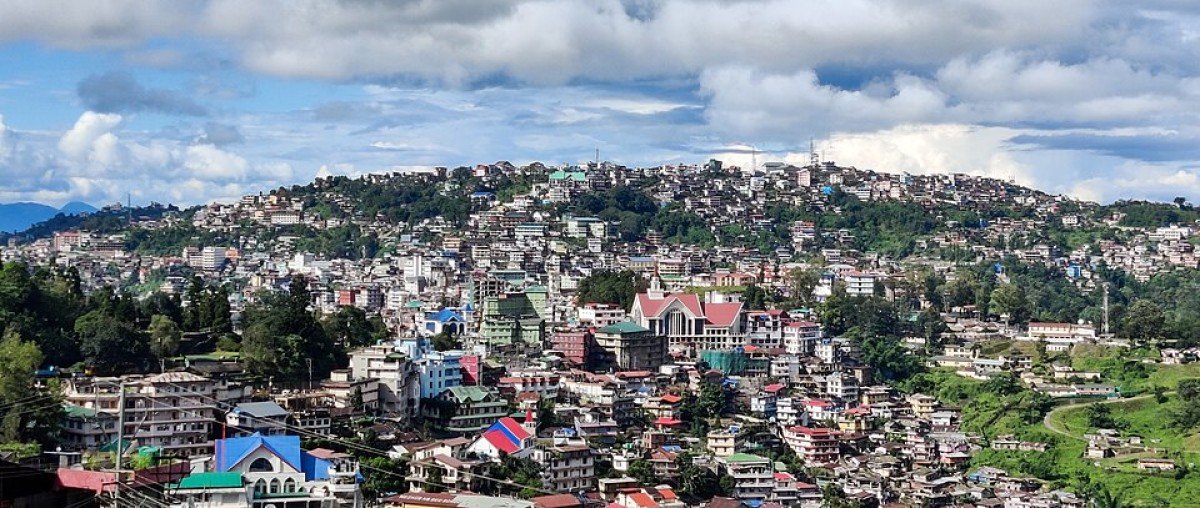
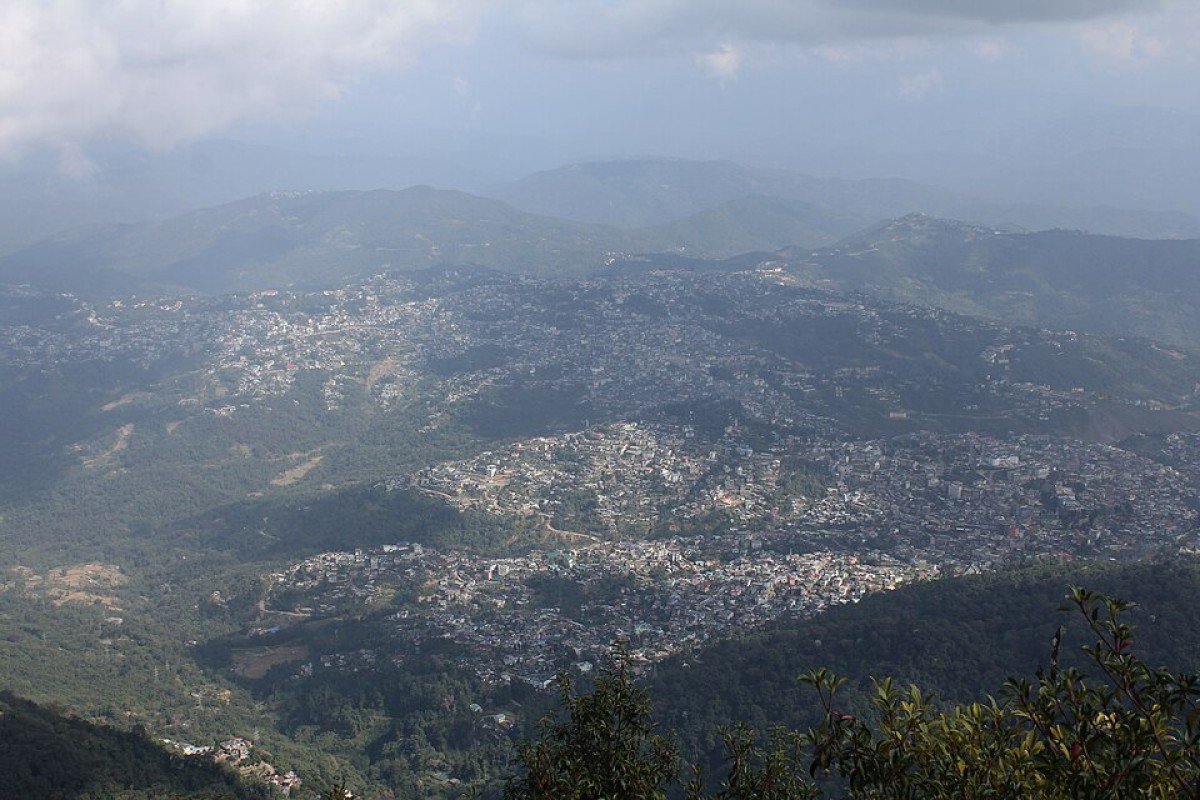
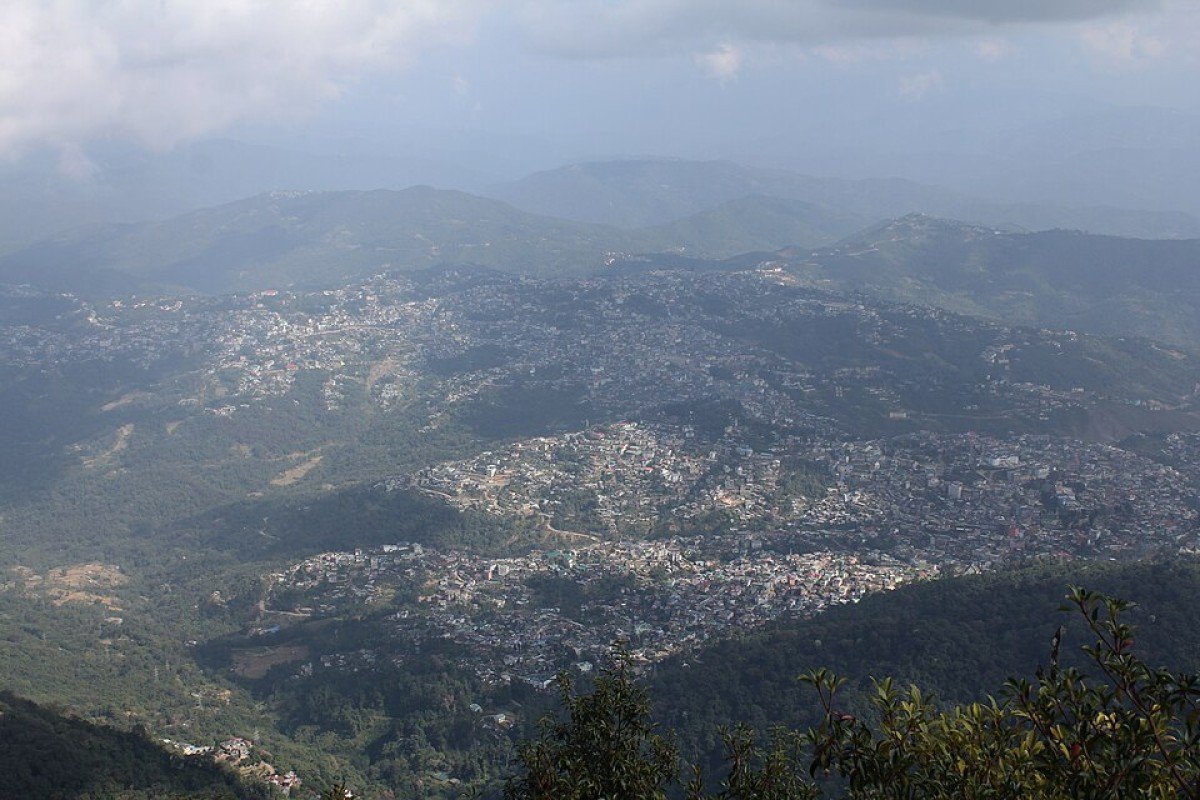
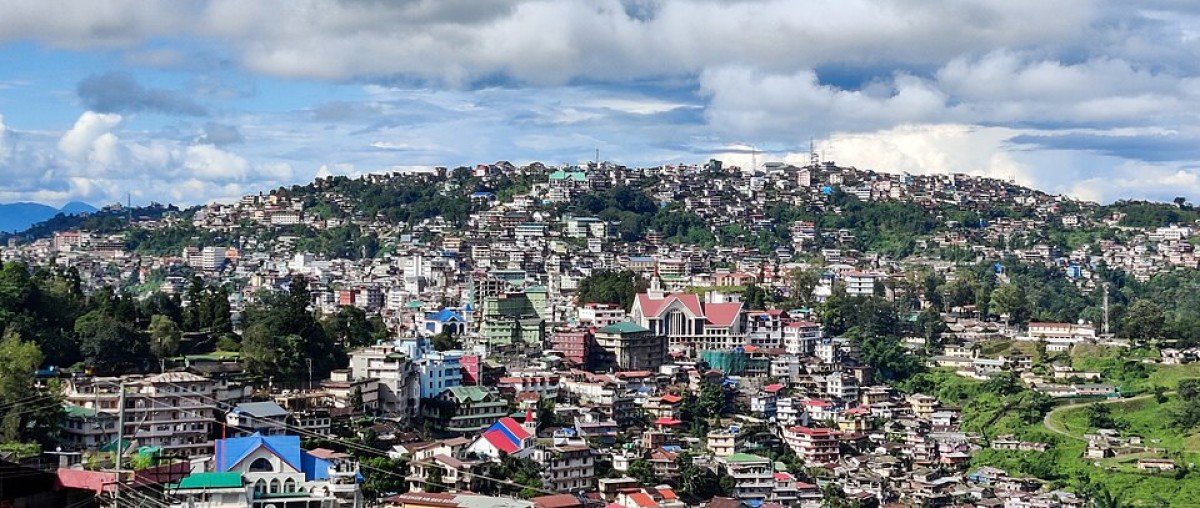
City Panorama Point: From the highest enclosures, the wide-angle view of Kohima sprawling across the opposite ridges is one of the best landscape shots in the region. :Photo Gallery
Things To Do
-
Observe the Blyth's Tragopan: Spend quiet time at the aviary to spot the elusive and brightly colored state bird, which is known for its beautiful "horns" and vibrant plumage.
View the Majestic Mithun: See the state animal in its large enclosure and learn about its significance in Naga village life and traditional festivals.
Wildlife Photography: Use the natural lighting and forest backdrop to take stunning photos of the Asiatic Black Bear and the playful Golden Langurs.
Hike the Forest Trails: Enjoy a moderate physical workout by walking the steep, winding paths of the zoo, which offer a refreshing forest bathing experience.
Educational Tour for Kids: Utilize the informative displays to teach children about wildlife conservation...Observe the Blyth's Tragopan: Spend quiet time at the aviary to spot the elusive and brightly colored state bird, which is known for its beautiful "horns" and vibrant plumage.
View the Majestic Mithun: See the state animal in its large enclosure and learn about its significance in Naga village life and traditional festivals.
Wildlife Photography: Use the natural lighting and forest backdrop to take stunning photos of the Asiatic Black Bear and the playful Golden Langurs.
Hike the Forest Trails: Enjoy a moderate physical workout by walking the steep, winding paths of the zoo, which offer a refreshing forest bathing experience.
Educational Tour for Kids: Utilize the informative displays to teach children about wildlife conservation and the importance of protecting the Himalayan ecosystem.
Birdwatching: Bring binoculars to spot wild birds like the Great Barbet or Green-backed Tit that frequent the tall trees within the zoo premises.
Picnic at Designated Spots: Enjoy a quiet meal at the small gazebos located at intervals, offering a peaceful environment away from the city's noise. :
Information
-
Why Famous:
Home of the Blyth's Tragopan: The zoo is internationally famous for its successful captive breeding and conservation program for the rare Blyth's Tragopan pheasant.
Cultural Symbolism: It is one of the few places where visitors can see the m...Home of the Blyth's Tragopan: The zoo is internationally famous for its successful captive breeding and conservation program for the rare Blyth's Tragopan pheasant.
Cultural Symbolism: It is one of the few places where visitors can see the majestic Mithun up close, an animal that holds immense sacrificial and social value in Naga tribes.
High Altitude Location: It is famous for being one of the highest altitude zoos in India, offering a unique climate and environment for temperate wildlife. : -
Architecture:
Eco-Integrated Hillside Construction: The architecture of the zoo is defined by its "minimum intervention" approach, where enclosures are built into the natural slope of the hill using local stone and reinforced wire mesh.
Terraced Viewing Platf...Eco-Integrated Hillside Construction: The architecture of the zoo is defined by its "minimum intervention" approach, where enclosures are built into the natural slope of the hill using local stone and reinforced wire mesh.
Terraced Viewing Platforms: The zoo features several cantilevered wooden decks and stone-paved walkways that cover an area of approximately 25 hectares.
Stone Masonry Walls: Many of the retaining walls are constructed using traditional Naga dry-stone masonry techniques, ensuring the structures blend seamlessly with the forest floor. : -
How To Reach:
By Air: Fly to Dimapur and take a taxi to Kohima; from the city center, hire a local taxi specifically for the "Science College" or "Zoo" route.
By Train: Arrive at Dimapur Railway Station and travel to Kohima by road; the zoo is a short 1...By Air: Fly to Dimapur and take a taxi to Kohima; from the city center, hire a local taxi specifically for the "Science College" or "Zoo" route.
By Train: Arrive at Dimapur Railway Station and travel to Kohima by road; the zoo is a short 15-minute drive from the main Kohima town area.
By Road: From the Kohima Main Market, follow the road towards Jotsoma; the path is scenic but narrow, so hiring a local driver is recommended.
By Local Transport: The yellow city taxis are the most convenient; you can book a "full trip" or take a shared taxi to the Science College gate and walk. : -
Weather and Best Time to Visit:
Autumn Season (October to November): The weather is crystal clear, offering the best views of the mountains and making the uphill walk very pleasant.
Spring Season (March to April): This is the time when the rhododendrons and other wild flow...Autumn Season (October to November): The weather is crystal clear, offering the best views of the mountains and making the uphill walk very pleasant.
Spring Season (March to April): This is the time when the rhododendrons and other wild flowers in the zoo are in bloom, adding color to the greenery.
Morning Session: Visiting in the early morning ensures you avoid the midday sun and catch the animals during their feeding times when they are most visible. : -
Near Tourist Places:
1. Kohima Science College (1 KM), 2. Pulie Badze Trek Point (3 KM), 3. Nagaland State Museum (3 KM), 4. Kohima War Cemetery (4 KM), 5. Razhu Point (4 KM), 6. Jotsoma Village (2 KM), 7. Cathedral of Kohima (5 KM), 8. Naga Bazaar (4. 5 KM), 9. Khonoma Village (18 KM), 10. Kisama Heritage Village (15 KM)
Tourism Tips
-
Health and Safety: The paths are very steep; people with heart conditions or knee problems should walk slowly and take frequent breaks.
Packing Essentials: Carry a bottle of water as there are limited shops inside the zoo; also, bring an u...Health and Safety: The paths are very steep; people with heart conditions or knee problems should walk slowly and take frequent breaks.
Packing Essentials: Carry a bottle of water as there are limited shops inside the zoo; also, bring an umbrella or raincoat as mountain weather is unpredictable.
Cash and Connectivity: There are no ATMs at the zoo entrance, so carry enough cash for tickets and snacks; mobile network is generally good but can be spotty.
Respect the Wildlife: Strictly avoid feeding the animals or making loud noises, as this disturbs the residents and is against the zoo's strict regulations.
Footwear Choice: Wear sturdy sneakers or hiking boots with good traction to navigate the paved but often mossy and slippery uphill trails.
Time Management: Allocate at least 2 hours to see the entire zoo without rushing, as the uphill sections will naturally slow your pace. :
Reviews
FAQs
Kohima Itineray And Cost:-
Other Places In Kohima :-
Other States In India :-
Information about New and Updated Locations() of Nagaland Has Been Added :-
Card subtitle
Note:-
Information provided here in good Faith and for reference only.
Near Places

A Z Phizo Memorial
Some quick example text to build on the card title and make up the bulk of the card's content.
Go somewhere
Battle of Kohima
Some quick example text to build on the card title and make up the bulk of the card's content.
Go somewhere
Cathedral Hill View Point
Some quick example text to build on the card title and make up the bulk of the card's content.
Go somewhere
Dzukou Point
Some quick example text to build on the card title and make up the bulk of the card's content.
Go somewhere
Intanki National Park
Some quick example text to build on the card title and make up the bulk of the card's content.
Go somewhere
Mary Help of Christians Cathedral
Some quick example text to build on the card title and make up the bulk of the card's content.
Go somewhere
Naga Bazaar Kohima
Some quick example text to build on the card title and make up the bulk of the card's content.
Go somewhere
Pulie Badze Wildlife Sanctuary
Some quick example text to build on the card title and make up the bulk of the card's content.
Go somewhere
Touphema Tourist Village
Some quick example text to build on the card title and make up the bulk of the card's content.
Go somewhere
Zienuobadze
Some quick example text to build on the card title and make up the bulk of the card's content.
Go somewherein Other Cities