

Kaimang River
General information
-
Ideal Duration:
Duration:
3 to 5 Hours :Place Type:
Category:
Fishing & Nature Retreat :Entry Fees:
Village Council Fee: A small fee of 50 to 150 rupees is usually collected by the host village to help keep the river area clean.
Angling Charges: To fish in the river, a daily charge of 300 rupees is standard, which goes toward the conservat...Village Council Fee: A small fee of 50 to 150 rupees is usually collected by the host village to help keep the river area clean.
Angling Charges: To fish in the river, a daily charge of 300 rupees is standard, which goes toward the conservation of the trout population.
Local Guide Tip: While not mandatory, tipping your local guide 200-300 rupees is a common practice and greatly appreciated for their expert knowledge.
:Timing:
Regular Timings: The river is best visited between 7:00 AM and 3:00 PM to ensure you have enough light for the return trek.
Ideal Visit Time: Early spring is the most beautiful time, as the water level is stable and the surrounding forest is...Regular Timings: The river is best visited between 7:00 AM and 3:00 PM to ensure you have enough light for the return trek.
Ideal Visit Time: Early spring is the most beautiful time, as the water level is stable and the surrounding forest is a vibrant shade of green.
:Special Events:
Indigenous Angling Day: A local community event where youth are taught the traditional art of sustainable fishing using bamboo traps.
Post-Harvest Picnic: In November, many families from nearby villages head to the river to celebrate a succe...Indigenous Angling Day: A local community event where youth are taught the traditional art of sustainable fishing using bamboo traps.
Post-Harvest Picnic: In November, many families from nearby villages head to the river to celebrate a successful harvest with a communal meal.
River Blessing Ceremony: Occasional rituals are held at the river's edge to thank the nature spirits for the abundance of fish and water.
:Best Photo Spots:
Reflections in the Pool: Use a circular polarizer filter to capture the vibrant colors of the underwater pebbles through the crystal-clear water.
Fisherman in Motion: A long-exposure shot of a local fisherman casting a net can create a beaut...Reflections in the Pool: Use a circular polarizer filter to capture the vibrant colors of the underwater pebbles through the crystal-clear water.
Fisherman in Motion: A long-exposure shot of a local fisherman casting a net can create a beautiful sense of movement against the static rocks.
Green Canopy Shots: Look upward and photograph the way the sunlight filters through the dense forest canopy that overhangs the river.
:Photo Gallery
Things To Do
-
Fly Fishing: The top activity is angling for trout; visitors can bring their own gear or try the local bamboo pole method.
River Rock Hopping: The large boulders in the riverbed provide a fun and challenging way to navigate the stream and find the best fishing spots.
Nature Journaling: The quiet environment is perfect for sketching or writing about the unique plants and birds found in the valley.
Water Testing: Experience the purity of the water first-hand; many locals use the river for drinking during their treks.
Traditional Cooking: With permission, you can learn how the Konyaks cook fish inside bamboo hollows over an open fire.
Plant Identification: Work with a local guide to identify the v...Fly Fishing: The top activity is angling for trout; visitors can bring their own gear or try the local bamboo pole method.
River Rock Hopping: The large boulders in the riverbed provide a fun and challenging way to navigate the stream and find the best fishing spots.
Nature Journaling: The quiet environment is perfect for sketching or writing about the unique plants and birds found in the valley.
Water Testing: Experience the purity of the water first-hand; many locals use the river for drinking during their treks.
Traditional Cooking: With permission, you can learn how the Konyaks cook fish inside bamboo hollows over an open fire.
Plant Identification: Work with a local guide to identify the various medicinal herbs that grow abundantly along the damp river edges.
Meditation: Find a flat rock in the middle of the stream for a session of deep meditation accompanied by the natural white noise of the water.
:
Information
-
Why Famous:
Trout Fishing Hub: Famous across the Northeast as one of the few high-altitude rivers where trout can be caught using traditional fly-fishing techniques.
Pristine Ecosystem: It is famous for its remarkably low pollution levels, with the wate...Trout Fishing Hub: Famous across the Northeast as one of the few high-altitude rivers where trout can be caught using traditional fly-fishing techniques.
Pristine Ecosystem: It is famous for its remarkably low pollution levels, with the water being so clear that the riverbed is visible even in the deeper pools.
Scenic Seclusion: Known for its "tunnel-like" forest coverage, providing a unique aesthetic that differs from the more open river valleys of Nagaland.
: -
Architecture:
Architecture Style: The structures near the river are temporary fishing huts and traditional stone-lined paths built by generations of Konyak fishermen.
Fishing Shelters: These huts are built using only driftwood and large leaves, designed t...Architecture Style: The structures near the river are temporary fishing huts and traditional stone-lined paths built by generations of Konyak fishermen.
Fishing Shelters: These huts are built using only driftwood and large leaves, designed to be easily repaired after the monsoon floods.
Path Dimensions: The stone paths are typically 3 feet wide, meticulously laid out using flat river stones to prevent erosion on the steep banks.
Environmental Integration: The architecture here is "invisible," meaning it leaves zero footprint on the environment, adhering to the tribal philosophy of living in harmony with nature.
: -
How To Reach:
By Air: Fly to Dibrugarh and then drive to Mon; from there, it is a 2-hour drive through narrow village roads to reach the Kaimang valley.
By Train: Bhojo station is the closest; from there, hire a jeep to Mon and then arrange for a local ...By Air: Fly to Dibrugarh and then drive to Mon; from there, it is a 2-hour drive through narrow village roads to reach the Kaimang valley.
By Train: Bhojo station is the closest; from there, hire a jeep to Mon and then arrange for a local 4x4 for the final leg to the river.
By Road: Mon town is the base; the road to Kaimang is mostly unpaved and requires a sturdy vehicle like a Mahindra Thar or a Bolero.
By Local Transport: Shared jeeps occasionally run to the nearest village, from where a 2-kilometer downhill trek is required to reach the riverbank.
: -
Weather and Best Time to Visit:
Dry Season: October to March is the best time for fishing as the water is calm and the trails are not slippery.
Summer Season: April to June is great for escaping the heat of the plains, as the river valley remains naturally air-conditioned ...Dry Season: October to March is the best time for fishing as the water is calm and the trails are not slippery.
Summer Season: April to June is great for escaping the heat of the plains, as the river valley remains naturally air-conditioned by the forest.
Monsoon Season: Not recommended during July and August as the river can swell rapidly and the forest becomes infested with leeches.
: -
Near Tourist Places:
1. Langmeang Village (15 KMS), 2. Mon Town (35 KMS), 3. Veda Peak (50 KMS), 4. Longwa Village (25 KMS), 5. Chui Village (40 KMS), 6. Shangnyu (45 KMS), 7. Dikhu River (20 KMS), 8. Tizit (60 KMS), 9. Naganimora (80 KMS), 10.
Aboi (55 KMS) :
Tourism Tips
-
Health and Safety: Wear long trousers and high socks to protect against leeches; carry a small pouch of salt as it is the best way to remove them.
Packing Essentials: Bring your own fishing tackle if you are a professional, and carry a wate...Health and Safety: Wear long trousers and high socks to protect against leeches; carry a small pouch of salt as it is the best way to remove them.
Packing Essentials: Bring your own fishing tackle if you are a professional, and carry a waterproof bag for your electronics.
Accommodation Options: Tourists usually stay in homestays in nearby villages or return to Mon town for more comfortable lodging.
Cash and Connectivity: No ATMs or signal in the valley; carry plenty of water and snacks as there are no shops near the river.
:
Reviews
FAQs
Mon Itineray And Cost:-
Other Places In Mon :-
Other States In India :-
Information about New and Updated Locations() of Nagaland Has Been Added :-
Card subtitle
Note:-
Information provided here in good Faith and for reference only.
Near Places
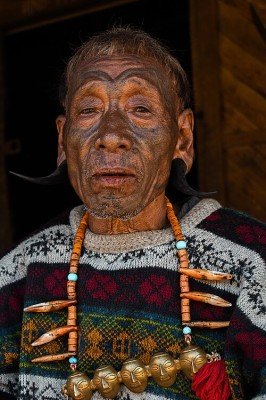
Angphang Village
Some quick example text to build on the card title and make up the bulk of the card's content.
Go somewhere
Changlangshu Village
Some quick example text to build on the card title and make up the bulk of the card's content.
Go somewhere
Chenloisho Village
Some quick example text to build on the card title and make up the bulk of the card's content.
Go somewhere
Chiknyuho
Some quick example text to build on the card title and make up the bulk of the card's content.
Go somewhere
Chui Village
Some quick example text to build on the card title and make up the bulk of the card's content.
Go somewhere
Dikhu River
Some quick example text to build on the card title and make up the bulk of the card's content.
Go somewhere
K. Veda Peak / Pak Koi
Some quick example text to build on the card title and make up the bulk of the card's content.
Go somewhere
Kaimang River
Some quick example text to build on the card title and make up the bulk of the card's content.
Go somewhere
Langmeang Village
Some quick example text to build on the card title and make up the bulk of the card's content.
Go somewhere
Longwa Village
Some quick example text to build on the card title and make up the bulk of the card's content.
Go somewhere
Maksha River
Some quick example text to build on the card title and make up the bulk of the card's content.
Go somewhere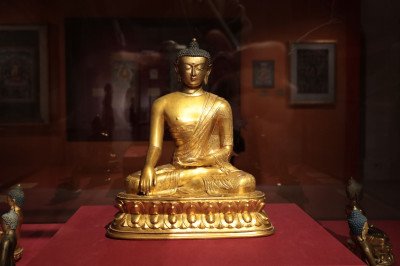
Mon Museum
Some quick example text to build on the card title and make up the bulk of the card's content.
Go somewhere
Mon Town Baptist Church
Some quick example text to build on the card title and make up the bulk of the card's content.
Go somewhere
Monyakshu Village
Some quick example text to build on the card title and make up the bulk of the card's content.
Go somewhere
Ngupdang
Some quick example text to build on the card title and make up the bulk of the card's content.
Go somewhere
Veda Peak
Some quick example text to build on the card title and make up the bulk of the card's content.
Go somewherein Other Cities