
Kakatiyan Stepped Well
General information
-
Ideal Duration:
1 to 2 Hours (including photography and quiet reflection)Place Type:
Historical Monument/ArchitecEntry Fees:
Admission Policy: The entry is Free for all visitors, including the general public and children.
Restoration Funding: The restoration was funded by the state government, emphasizing the priority given to preserving local historical sites, ma...Admission Policy: The entry is Free for all visitors, including the general public and children.
Restoration Funding: The restoration was funded by the state government, emphasizing the priority given to preserving local historical sites, making its continued access free for promotion of heritage awareness.
Guided Tour Fees: While entry is free, visitors may choose to hire a local, independent guide for a fee (usually around Rs.100-Rs.300) to gain deeper historical and architectural insights, a recommended expenditure for history enthusiasts.Timing:
Regular Timings: Generally open from 8:00 AM to 6:00 PM on all days of the week.
Ideal Visit Time: The Ideal Visit Time is early morning (8:00 AM to 10:00 AM) or late afternoon (4:00 PM to 6:00 PM) to avoid the heat, utilize the best light f...Regular Timings: Generally open from 8:00 AM to 6:00 PM on all days of the week.
Ideal Visit Time: The Ideal Visit Time is early morning (8:00 AM to 10:00 AM) or late afternoon (4:00 PM to 6:00 PM) to avoid the heat, utilize the best light for photography, and experience a more peaceful environment.
(Sub Topic Heading):
Lighting Focus: Visit near sunset for the dramatic effects of the newly installed accent lighting.Special Events:
Water Heritage Day Observances: Since its restoration, the well has become a central point for celebrating local and state-level Water Heritage Day or similar environmental and historical awareness programs, often held in the months of November or December.Water Heritage Day Observances: Since its restoration, the well has become a central point for celebrating local and state-level Water Heritage Day or similar environmental and historical awareness programs, often held in the months of November or December.
Local Cultural Events: The well's revitalized surrounding lawns are occasionally used for small, localized cultural performances or art exhibits that celebrate Telangana heritage, particularly ones connected to the Kakatiya dynasty and its history. This gives the site a modern role as a community space.Best Photo Spots:
The Symmetrical Depth: The most iconic photo spot is the central top view, looking down the three tiers of steps to capture the symmetrical, inverted pyramid-like depth of the well, showcasing its full architectural scale.
The Reflection Shot:The Symmetrical Depth: The most iconic photo spot is the central top view, looking down the three tiers of steps to capture the symmetrical, inverted pyramid-like depth of the well, showcasing its full architectural scale.
The Reflection Shot: Early morning or late afternoon shots where the still water surface reflects the stone steps and the surrounding sky, creating a perfect mirror image of the ancient structure, are highly sought after.
The Corner Perspective: Shots taken from one of the four corners or from a position on the second tier of steps to emphasize the converging lines of the steps and the robust granite structure, often used to frame a single visitor for scale. (Approx. )Photo Gallery
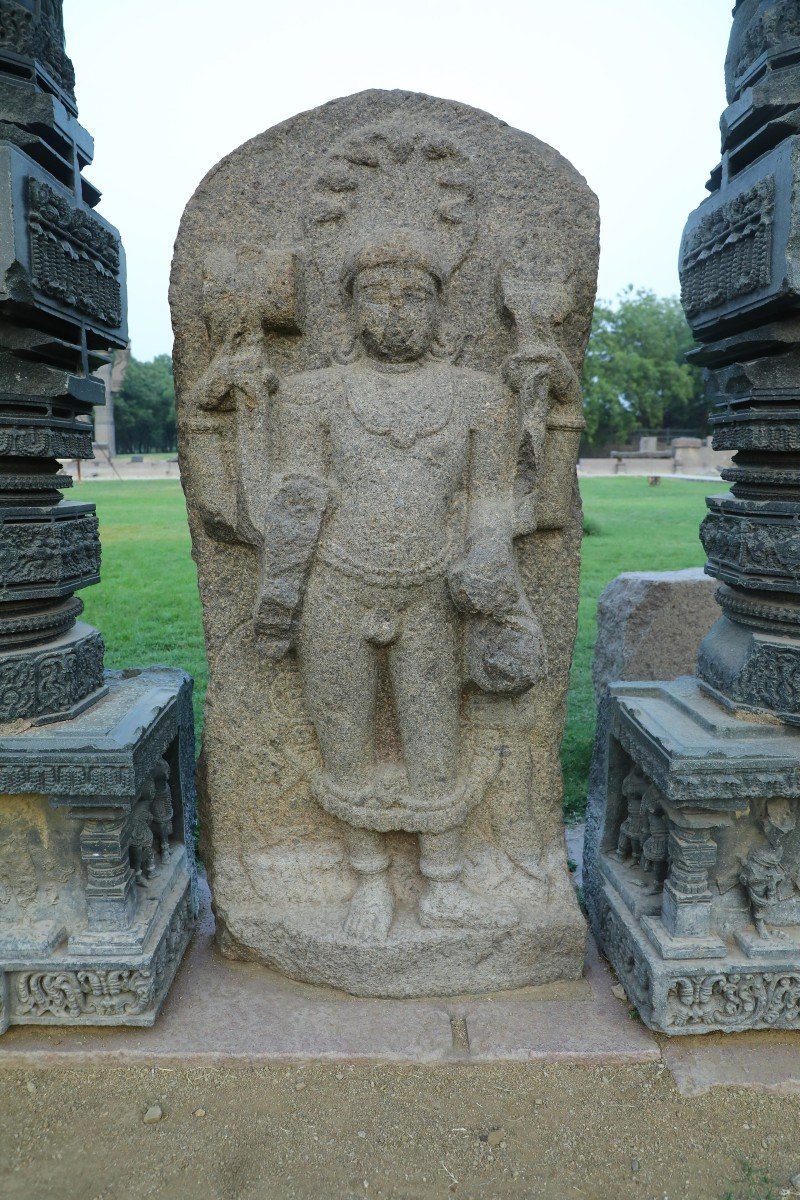
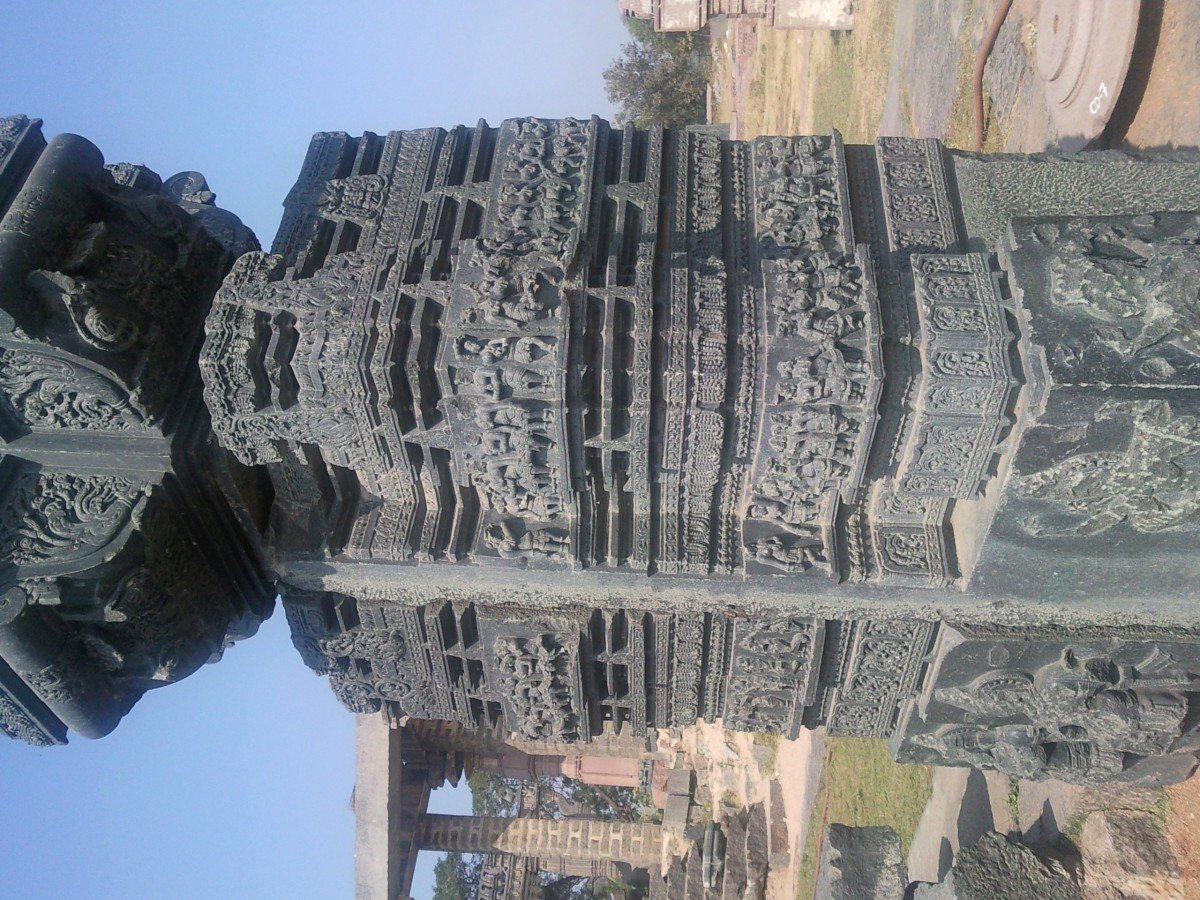
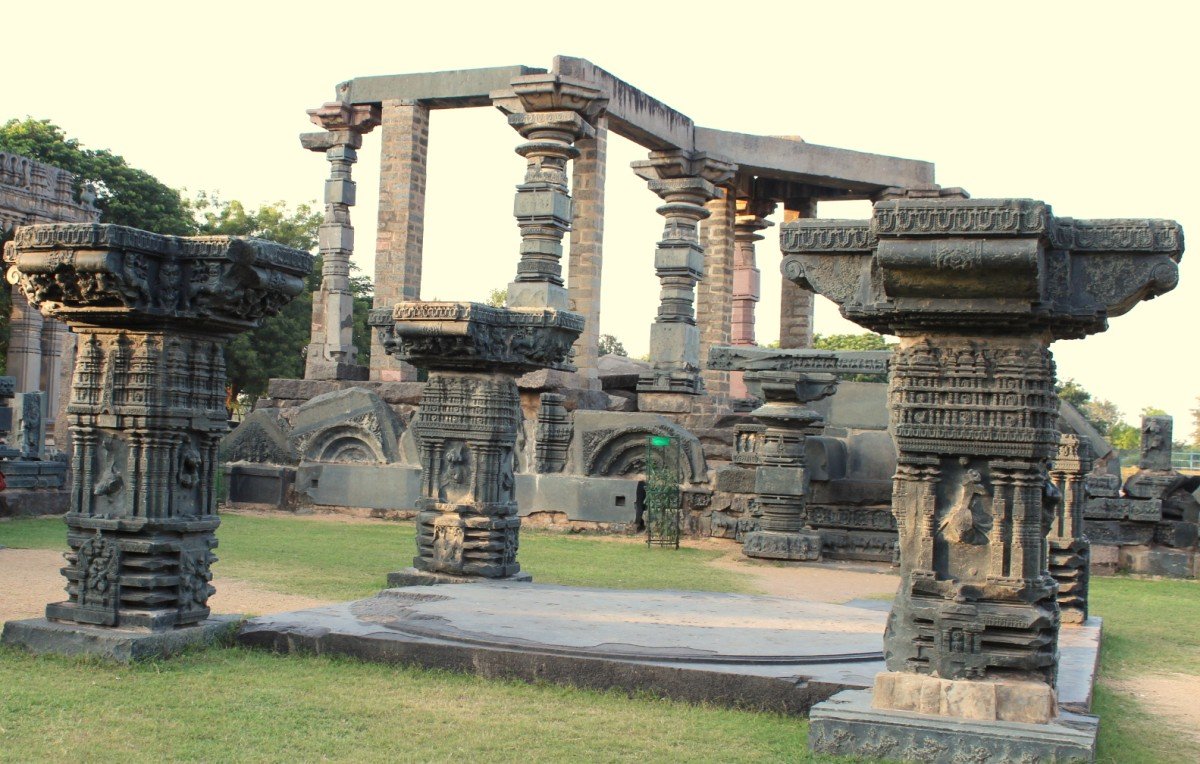
Things To Do
-
Photography and Visual Arts (): Capture the symmetry and depth of the stepped well, focusing on the interplay of light and shadow, especially during the golden hours of sunrise or sunset. Use the newly installed protective railings and modern lighting to frame the ancient stonework, emphasizing the contrast between new and old. Take wide-angle shots from the top to show the three-tiered structure's scale and drone-style shots (where permitted) for a top-down view of the square layout.
(Sub Topic Heading):
Photographing the Kakatiya Geometry: Focus on the geometric patterns created by the steps descending into the water; the square plan is a perfect subject for architectural photography.
(Sub Topic Headin...Photography and Visual Arts (): Capture the symmetry and depth of the stepped well, focusing on the interplay of light and shadow, especially during the golden hours of sunrise or sunset. Use the newly installed protective railings and modern lighting to frame the ancient stonework, emphasizing the contrast between new and old. Take wide-angle shots from the top to show the three-tiered structure's scale and drone-style shots (where permitted) for a top-down view of the square layout.
(Sub Topic Heading):
Photographing the Kakatiya Geometry: Focus on the geometric patterns created by the steps descending into the water; the square plan is a perfect subject for architectural photography.
(Sub Topic Heading):
Night Photography: Visit after sunset to utilize the added lighting fixtures, which dramatically illuminate the steps and water, providing excellent opportunities for long-exposure photography, capturing the stillness of the water and the textures of the stone.
Historical and Engineering Study (): Spend time studying the masonry and the stone joints to understand the Kakatiya construction techniques that allowed the well to remain structurally sound for centuries. Engage with a local guide to learn more about the water management system—how the water was channeled into the well and how it was maintained year-round. Reflect on the societal role of water conservation in the dry Deccan region. (Total Approx. )
Information
-
Why Famous:
Dynastic Legacy: It is famously known as a crucial component of the Kakatiya capital's water infrastructure, reflecting their foresight and engineering genius. The well is linked to the reign of Queen Rudrama Devi, the powerful woman ruler of the dynasty, which adds a stron...Dynastic Legacy: It is famously known as a crucial component of the Kakatiya capital's water infrastructure, reflecting their foresight and engineering genius. The well is linked to the reign of Queen Rudrama Devi, the powerful woman ruler of the dynasty, which adds a strong element of historical fascination. It stands as a symbol of the dynasty's commitment to public works and sustainable resource management, a theme resonating even today.
Post-Restoration Beauty: Its recent, successful restoration has brought it back into the spotlight, transforming it from a neglected ruin into a beautiful, accessible heritage site. The addition of safety features and ambient lighting has made it a popular spot for both locals and tourists to appreciate the ancient structure in its revived glory, drawing attention to the non-temple-based Kakatiya heritage. -
Architecture:
Architectural Style: The well is a fine example of indigenous Kakatiya secular architecture, focusing on functionality blended with aesthetic details, contrasting with their famous temple architecture (Vesara/Chalukya fusion). It is a three-storied structure built using rob...Architectural Style: The well is a fine example of indigenous Kakatiya secular architecture, focusing on functionality blended with aesthetic details, contrasting with their famous temple architecture (Vesara/Chalukya fusion). It is a three-storied structure built using robust granite masonry, designed for longevity and water preservation. The internal steps lead down to the water, forming the 'Metla Bavi' (Stepped Well) name.
Dimension and Layout: The structure is a square well, reportedly measuring 14 metres on each side. The three levels suggest distinct functional zones for bathing, changing, and performing rituals. The use of large stone slabs and masonry shows the skilled stone craftsmanship. The restoration efforts included structural repairs to the sunken pillars supporting the ancient structure.
Unique Features: A significant and intriguing feature often mentioned is the belief that the well may have been connected to the Thousand Pillar Temple through a secret tunnel, although this remains part of local lore. The architectural design is a microcosm of the Kakatiya rulers' mastery over water management in an arid region. -
How To Reach:
By Air (): The nearest airport is Rajiv Gandhi International Airport (HYD) in Hyderabad (approx. 170 KMS). From the airport, one can take a pre-booked taxi or the airport bus service to Warangal and then a local auto/taxi.
By Train (): The...By Air (): The nearest airport is Rajiv Gandhi International Airport (HYD) in Hyderabad (approx. 170 KMS). From the airport, one can take a pre-booked taxi or the airport bus service to Warangal and then a local auto/taxi.
By Train (): The nearest major railhead is Warangal Railway Station (WL) or Kazipet Junction (KZJ). Warangal is a key junction on the Delhi-Chennai main line, well-connected to all major Indian cities. From the station, the well is a short auto-rickshaw ride away.
By Road (): Warangal is well-connected by National Highway (NH-163) to Hyderabad. State-run buses (TSRTC) and private luxury buses operate frequently. From the Warangal Central Bus Station, local city buses or taxis can take you directly to Shivanagar. The drive from Hyderabad takes about 3-4 hours.
(Sub Topic Heading):
Local Transport: Use local auto-rickshaws or shared taxis, specifying "Metla Bavi, Shivanagar. " Always negotiate the fare beforehand or use app-based services.
Local Transport (): Auto-rickshaws are the primary and most convenient local transport option and are available widely. Shared autos are cheaper but may require walking. The well is also accessible by local city buses, but auto-rickshaws or cabs (like Ola/Uber where available) are recommended for a direct and comfortable ride, especially from the city center (Hanamkonda or Warangal station), which is a short, approximately 10-15 minute drive. (Total Approx. ) -
Weather and Best Time to Visit:
Winter (October to March): Best Time to Visit due to pleasant weather (temperatures 15°C to 30°C), perfect for outdoor exploration and photography.
(Sub Topic Heading):
Optimal Months: November to February ...Winter (October to March): Best Time to Visit due to pleasant weather (temperatures 15°C to 30°C), perfect for outdoor exploration and photography.
(Sub Topic Heading):
Optimal Months: November to February are ideal.
Monsoon (July to September): Good time to visit as the well will be full of water and the surrounding area will be lush green, though sudden rains may disrupt plans.
Summer (April to June): Not Recommended as the heat is scorching (can exceed 40°C), making daytime visits uncomfortable.
Different Parts of the Day: Early morning (post-sunrise) for peace and clear light, and late afternoon/evening (pre-sunset) for golden light and the illumination of the structure. -
Near Tourist Places:
Warangal Fort (1 KMS), Khush Mahal (1. 5 KMS), Swayambhu Devalayam (1. 5 KMS), Kakatiya Kala Thoranam (2 KMS), Thousand Pillar Temple (6 KMS), Bhadrakali Temple (7 KMS), Padmakshi Temple (8 KMS), Bhadrakali Lake (7. 5 KMS), Kakatiya Musical Garden (5 KMS), Regional Science Center (8. 5 KMS)
Tourism Tips
-
Health & Safety (): Carry a water bottle and wear comfortable, non-slip footwear, as the stone steps, especially in the rainy season, can be slippery. Apply sunscreen and wear a cap during the day. Be mindful of the railings post-restoration. The area is generally safe, b...Health & Safety (): Carry a water bottle and wear comfortable, non-slip footwear, as the stone steps, especially in the rainy season, can be slippery. Apply sunscreen and wear a cap during the day. Be mindful of the railings post-restoration. The area is generally safe, but visit during operational hours.
Packing (): Carry your camera gear (wide-angle lens recommended), a light jacket during winter evenings, and perhaps a small notebook for historical reflection. Keep valuables secure.
Accommodation (): Stay in nearby Hanamkonda or Warangal city center (NH-163) at hotels ranging from budget to 4-star options like Haritha Kakatiya or various private hotels. Book in advance during peak season (October-March).
Other Different Topics Heading:
Cultural Respect (): Though not a temple, it is a protected monument, so avoid littering or damaging the ancient stonework. (Total Approx. )
Reviews
FAQs
Warangal Itineray And Cost:-
Kakatiyan Stepped Well Tourism:-
Information about New and Updated Locations() of Telangana Has Been Added :-
Card subtitle
Note:-
Information provided here in good Faith and for reference only.
Near Places
Badrakali Foreshore Bund
Some quick example text to build on the card title and make up the bulk of the card's content.
Go somewhere
Bhadrakali Temple
Some quick example text to build on the card title and make up the bulk of the card's content.
Go somewhere
Bpl
Some quick example text to build on the card title and make up the bulk of the card's content.
Go somewhere
Dharmapuram Cheruvu
Some quick example text to build on the card title and make up the bulk of the card's content.
Go somewhere
Ekashila Gutta
Some quick example text to build on the card title and make up the bulk of the card's content.
Go somewhere
Eturnagaram Wildlife Sanctuary
Some quick example text to build on the card title and make up the bulk of the card's content.
Go somewhere
Ghanpur Group of Temples
Some quick example text to build on the card title and make up the bulk of the card's content.
Go somewhere
Hasanparthy Lake
Some quick example text to build on the card title and make up the bulk of the card's content.
Go somewhere
Kakatiya Musical Garden
Some quick example text to build on the card title and make up the bulk of the card's content.
Go somewhere
Kakatiya Rock Garden
Some quick example text to build on the card title and make up the bulk of the card's content.
Go somewhere
Kakatiyan Stepped Well
Some quick example text to build on the card title and make up the bulk of the card's content.
Go somewhere
Khush Mahal
Some quick example text to build on the card title and make up the bulk of the card's content.
Go somewhere
Laknavaram Lake
Some quick example text to build on the card title and make up the bulk of the card's content.
Go somewhere
Mallanna Gandi Waterfall'S
Some quick example text to build on the card title and make up the bulk of the card's content.
Go somewhere
Mandalagudem Waterfalls
Some quick example text to build on the card title and make up the bulk of the card's content.
Go somewhere
Mylaram Caves
Some quick example text to build on the card title and make up the bulk of the card's content.
Go somewherein Other Cities