Khush Mahal
General information
-
Ideal Duration:
1 to 2 Hours (including the fort exploration)Place Type:
Historical Monument/Indo-IslEntry Fees:
Admission Policy: There is No Separate Entry Fee for the Khush Mahal itself. Access is included with the Warangal Fort entry ticket.
Warangal Fort Entry Fee: The entry fee for the fort is typically around Rs.15 to Rs.25 per person for Indian ci...Admission Policy: There is No Separate Entry Fee for the Khush Mahal itself. Access is included with the Warangal Fort entry ticket.
Warangal Fort Entry Fee: The entry fee for the fort is typically around Rs.15 to Rs.25 per person for Indian citizens and higher for foreign nationals (around Rs.200 to Rs.300).
(Sub Topic Heading):
Vehicle Parking: A nominal fee (around Rs.10-Rs.30) is charged for parking vehicles at the fort entrance.
(Sub Topic Heading):
Museum Inclusion: The small on-site museum within the mahal is included in the fort ticket price.Timing:
Regular Timings: Generally, the fort complex, including Khush Mahal, is open from 10:00 AM to 6:00 PM daily.
Ideal Visit Time: The Ideal Visit Time is during the morning (10:00 AM to 12:00 PM) to begin exploration of the vast fort complex be...Regular Timings: Generally, the fort complex, including Khush Mahal, is open from 10:00 AM to 6:00 PM daily.
Ideal Visit Time: The Ideal Visit Time is during the morning (10:00 AM to 12:00 PM) to begin exploration of the vast fort complex before the intense midday heat, or late afternoon (4:00 PM to 6:00 PM) for cooler temperatures and better light for photography.
(Sub Topic Heading):
Day of the Week: Visit on a weekday to avoid weekend crowds.Special Events:
Warangal Fort Foundation Day: Since it is located within the fort complex, any events or commemorative ceremonies held for the Warangal Fort's historical milestones often use the open space near the Khush Mahal for gatherings and talks, typically in the month of August.
...Warangal Fort Foundation Day: Since it is located within the fort complex, any events or commemorative ceremonies held for the Warangal Fort's historical milestones often use the open space near the Khush Mahal for gatherings and talks, typically in the month of August.
Archaeological Seminars and Workshops: Due to the on-site museum, the monument occasionally hosts small academic seminars, workshops, or guided heritage walks focused on the Kakatiya-Tughlaq transition period or Deccan medieval archaeology, attracting history scholars.Best Photo Spots:
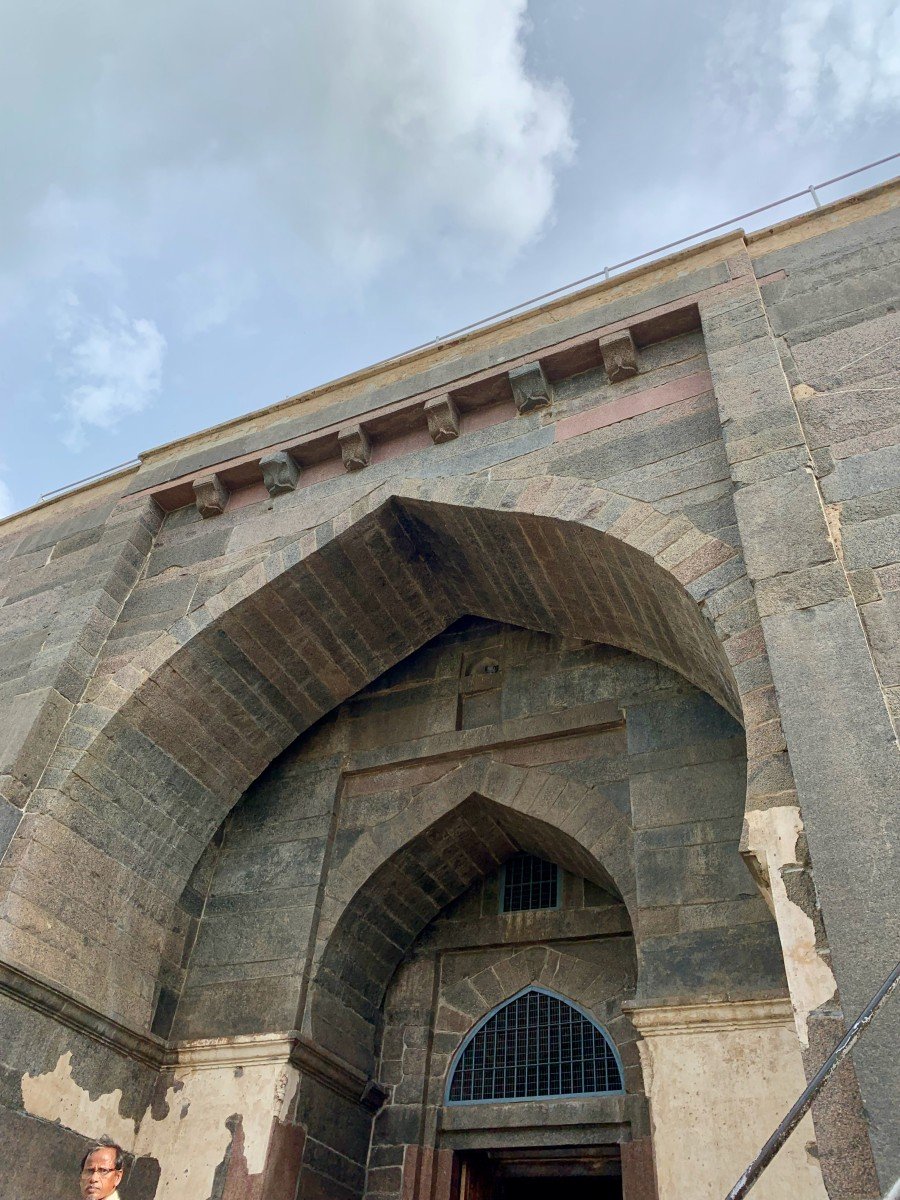
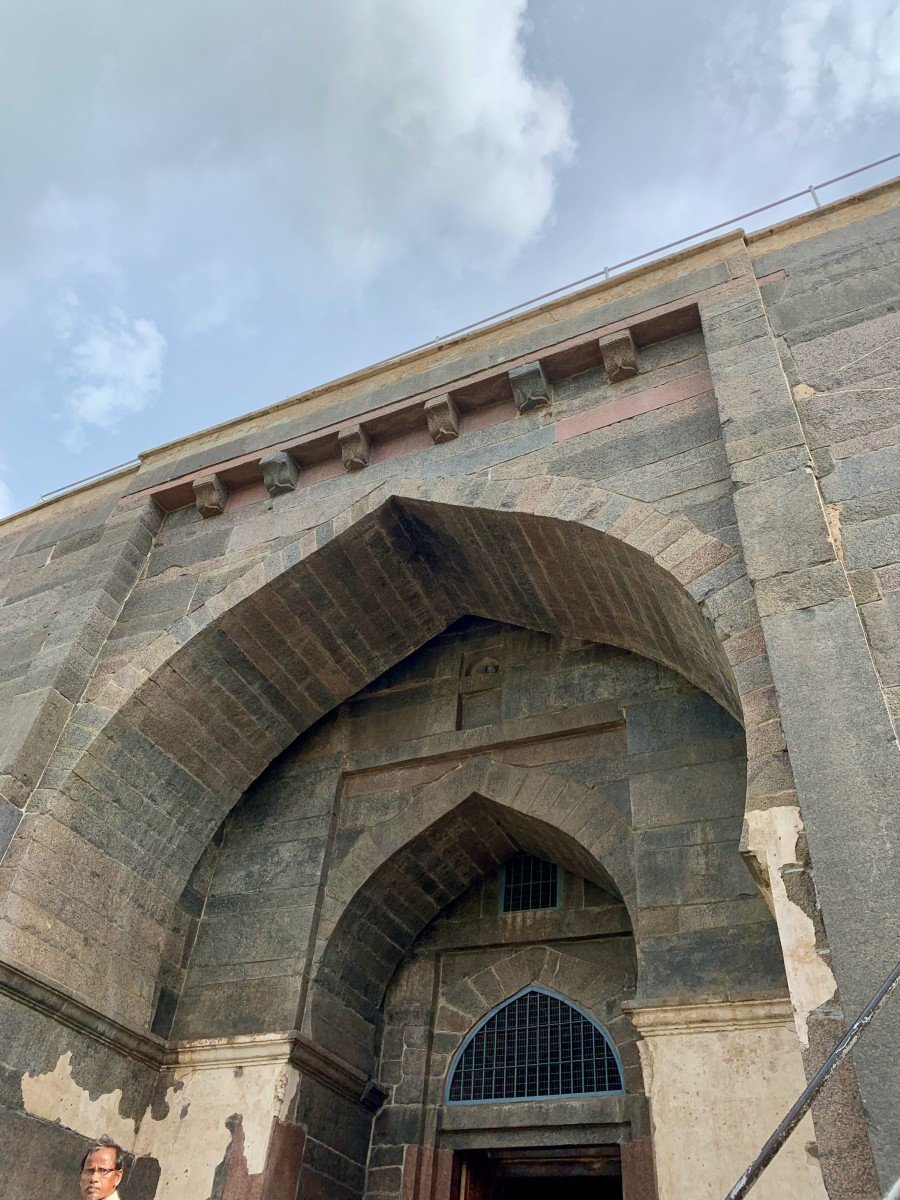
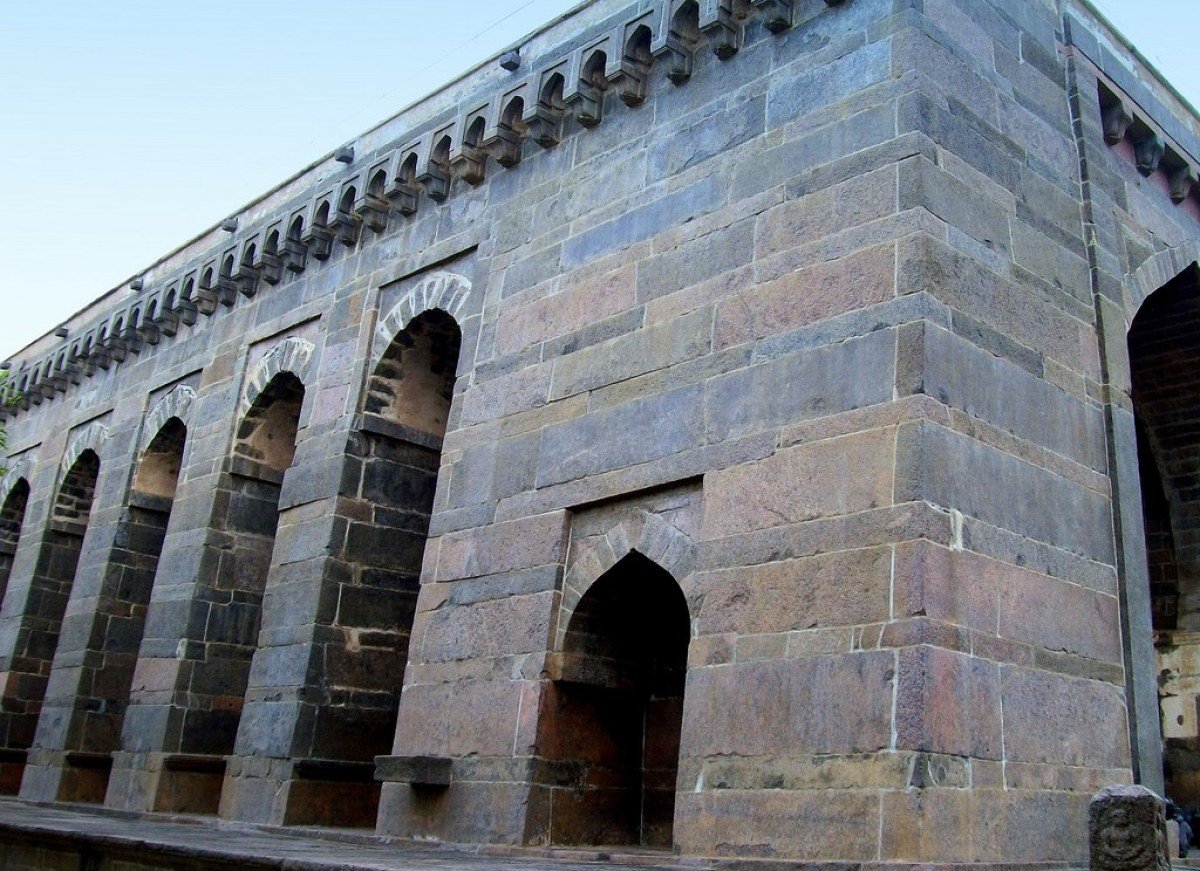
Framing the Sloping Walls: The best photo spot is from a distance to the north, capturing the North-facing grand arch entrance along with the distinct, massive, inward-sloping walls, which are the defining feature of its Tughlaq architecture.
Th...Framing the Sloping Walls: The best photo spot is from a distance to the north, capturing the North-facing grand arch entrance along with the distinct, massive, inward-sloping walls, which are the defining feature of its Tughlaq architecture.
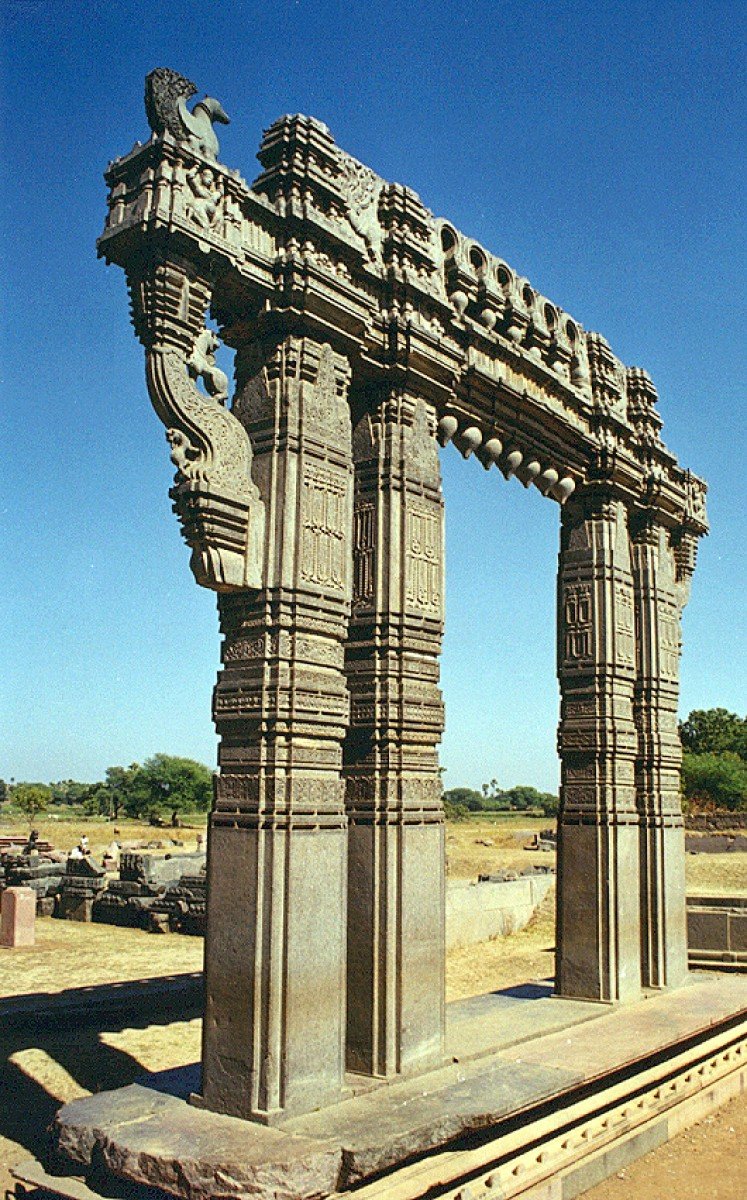
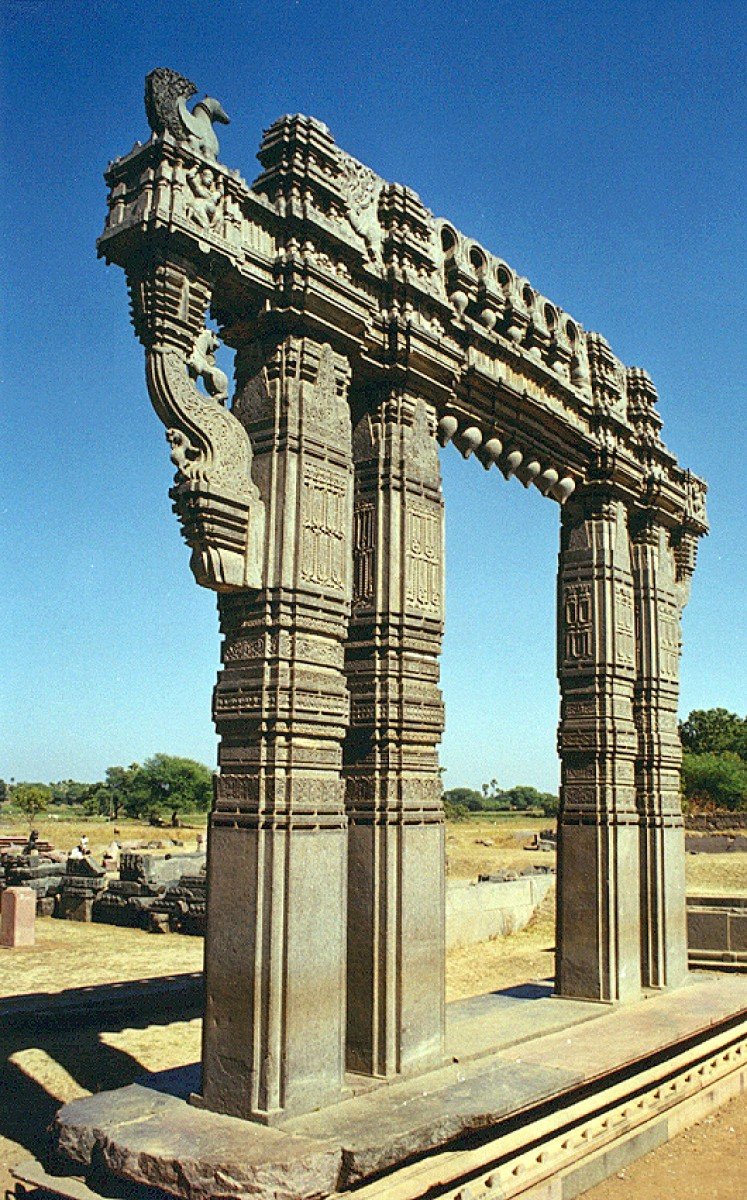
The Panoramic Fort View: The viewpoint from the top of the structure, framing the expansive ruins of the Warangal Fort and the four majestic Kakatiya Kala Thoranams in the background, provides a stunning composite shot of the fort's layered history.
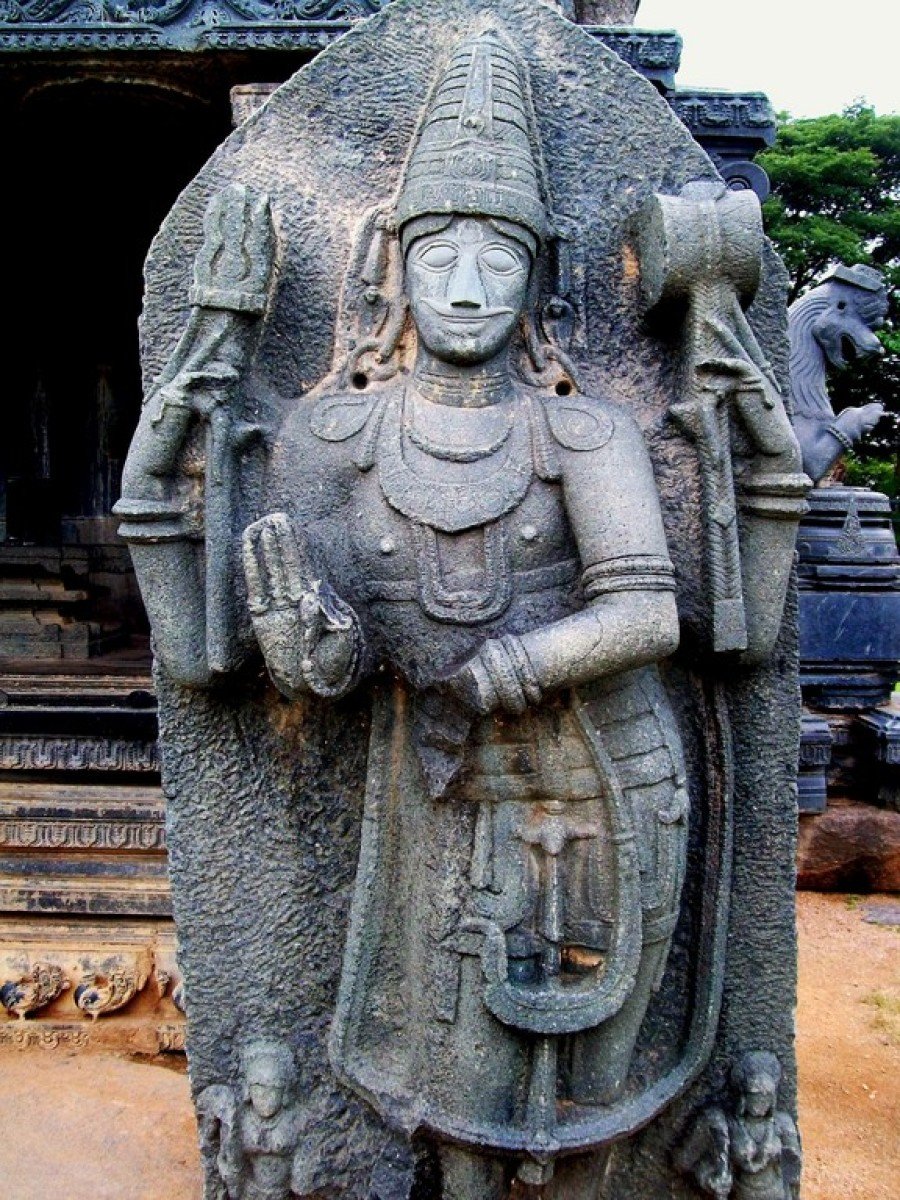
Artifact Photography: Close-up shots of the detailed, fragmented Kakatiya and Jain carvings displayed in the museum section (with permission), focusing on the intricate details that survived the destruction. (Approx. )Photo Gallery
Things To Do
-
Exploring Tughlaq Architecture (): Spend time examining the unique architectural details, specifically the sloping walls and the slanting arches, which are characteristic of the Tughlaq style, contrasting them with the nearby Kakatiya Kala Thoranams. Take the staircase to the top to fully appreciate the defensive and structural ingenuity of the design and the strategic position of the hall within the fort. The building’s robust construction in granite is a testament to the early Sultanate building practices.
(Sub Topic Heading):
Historical Reflection: Imagine the hall in its prime, serving as a grand Diwan-i-Aam, where the Sultanate's governors would hold court, reflecting on the historical irony of this Islamic structure standing on the site of a Hindu palace.
Mu...Exploring Tughlaq Architecture (): Spend time examining the unique architectural details, specifically the sloping walls and the slanting arches, which are characteristic of the Tughlaq style, contrasting them with the nearby Kakatiya Kala Thoranams. Take the staircase to the top to fully appreciate the defensive and structural ingenuity of the design and the strategic position of the hall within the fort. The building’s robust construction in granite is a testament to the early Sultanate building practices.
(Sub Topic Heading):
Historical Reflection: Imagine the hall in its prime, serving as a grand Diwan-i-Aam, where the Sultanate's governors would hold court, reflecting on the historical irony of this Islamic structure standing on the site of a Hindu palace.
Museum and Archaeology Visit (): Dedicate time to closely inspect the archaeological finds displayed outside and inside the Khush Mahal museum. These artifacts, including damaged divine idols and intricate stone carvings, offer deep insights into the pre-Tughlaq life and art of Orugallu. Try to identify the Jain and Shaivite motifs on the broken pieces. Use the visit as a point of reflection on the cultural and religious syncretism and conflict that shaped medieval India. (Total Approx. )
Information
-
Why Famous:
Transitional Architecture: Its fame lies in being a standing monument that signifies the abrupt shift from the Kakatiya (Hindu Temple) to the Tughlaq (Early Islamic Fort) architectural epoch in Warangal. It is the only prominent structure in the city primarily associated wi...Transitional Architecture: Its fame lies in being a standing monument that signifies the abrupt shift from the Kakatiya (Hindu Temple) to the Tughlaq (Early Islamic Fort) architectural epoch in Warangal. It is the only prominent structure in the city primarily associated with the Tughlaq rule.
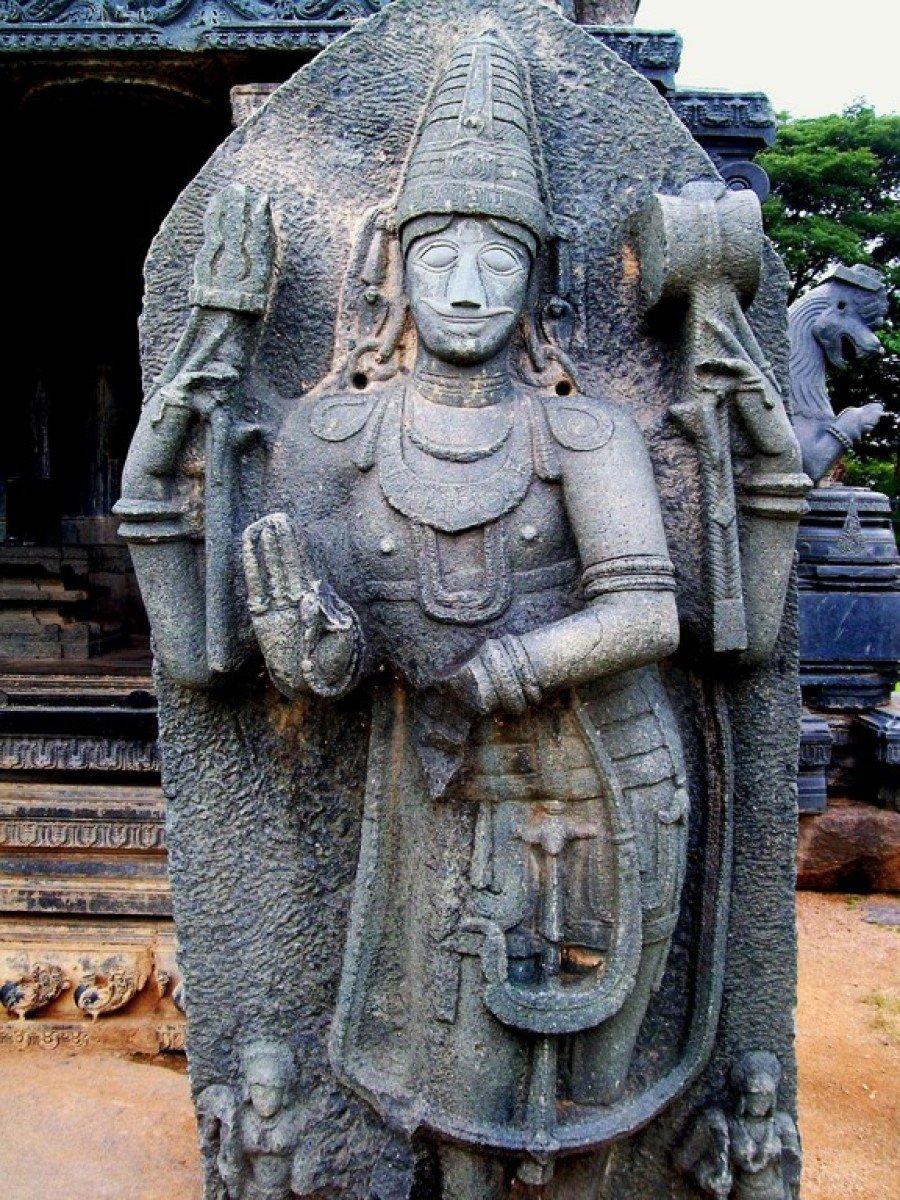
The Khush Mahal Museum: It serves as an on-site museum, a repository of excavated archaeological fragments, including broken idols, sculptures, and architectural components from the original Kakatiya Swayambhu temple and Jain structures within the fort complex. This display helps visitors piece together the historical narrative of destruction and subsequent re-use of the site. -
Architecture:
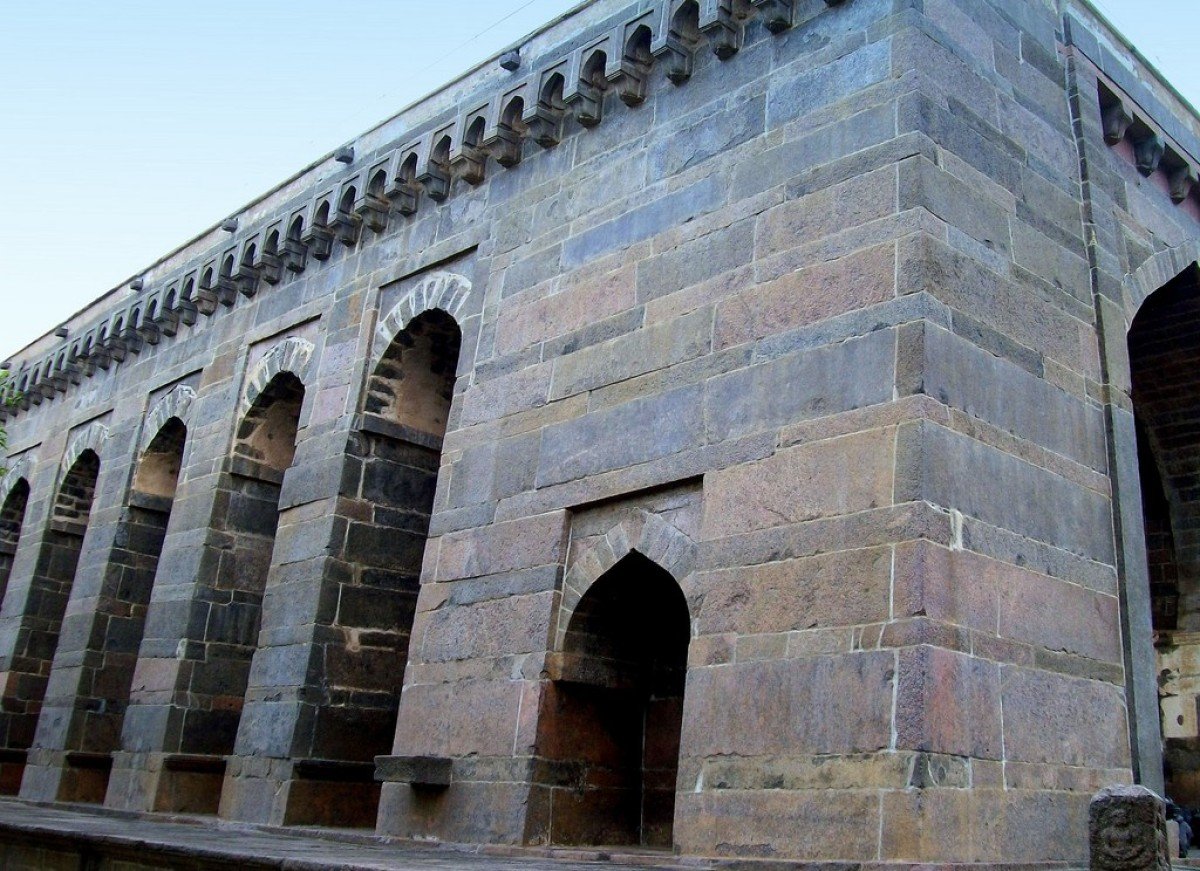
Architectural Style: The Khush Mahal is a prime example of the Tughlaq architectural style, known for its austerity, strength, and distinctive features, often built using massive granite blocks. It resembles the Diwan-i-Aam (Public Audience Hall) of Tughlaqabad in Delhi and...Architectural Style: The Khush Mahal is a prime example of the Tughlaq architectural style, known for its austerity, strength, and distinctive features, often built using massive granite blocks. It resembles the Diwan-i-Aam (Public Audience Hall) of Tughlaqabad in Delhi and shares similarities with the tomb of Ghiyath al-Din Tughluq. It represents the initial phase of Indo-Islamic architecture in the Deccan region.
Dimension and Layout: It is a large, rectangular single-chamber hall, primarily facing North. The main chamber is spacious, with high ceilings (though the original timber roof is gone). It features large, arched openings on all four sides.
(Sub Topic Heading):
Distinctive Features: The most characteristic feature is the massive, inward-sloping or battered walls (known as talud) and the slanting arches, a hallmark of the Tughlaq construction designed for structural resilience. Longer walls have six arches with thin, rectangular openings for light. Small storage rooms are attached to the main hall.
Material and Structure: The entire building is constructed from locally sourced granite stone. A staircase allows access to the top of the building, which once provided a commanding view of the fort complex. -
How To Reach:
By Air (): Nearest airport is Rajiv Gandhi International Airport (HYD) in Hyderabad (approx. 170 KMS). From Hyderabad, take a taxi or bus to Warangal city center, then a local auto-rickshaw to the fort.
By Train (): Nearest railhead is War...By Air (): Nearest airport is Rajiv Gandhi International Airport (HYD) in Hyderabad (approx. 170 KMS). From Hyderabad, take a taxi or bus to Warangal city center, then a local auto-rickshaw to the fort.
By Train (): Nearest railhead is Warangal Railway Station (WL) or Kazipet Junction (KZJ). From the station, the fort is a short auto-rickshaw ride (approx. 5-7 KMS).
By Road (): Warangal is well-connected via NH-163 to Hyderabad and major towns. TSRTC buses and private taxis are readily available. The fort is located very close to the heart of the old city of Warangal, making it easily accessible from the main bus station.
(Sub Topic Heading):
Local Transport: Auto-rickshaws are the best way to navigate the short distance from the bus station or railway station. Direct the driver to the "Warangal Fort Main Gate.
" Local Transport (): Since the mahal is inside the fort, you must first reach the main fort gate. Auto-rickshaws, shared autos, and local buses ply the route to the fort from all parts of Warangal, Hanamkonda, and Kazipet. It is an important local landmark, so any local transport will know the location. Ensure you have comfortable walking shoes, as you must walk within the fort complex to reach the mahal. (Total Approx. ) -
Weather and Best Time to Visit:
Winter (October to March): Best Time to Visit as the cool, dry weather is perfect for exploring the exposed fort ruins without discomfort.
(Sub Topic Heading):
Peak Months: November to February are ideal.Winter (October to March): Best Time to Visit as the cool, dry weather is perfect for exploring the exposed fort ruins without discomfort.
(Sub Topic Heading):
Peak Months: November to February are ideal.
Monsoon (July to September): The fort and surrounding greenery are at their most vibrant, making for picturesque views, but the ruins can become muddy and the stones slippery.
Summer (April to June): Avoid midday, as the heat and direct sun on the exposed fort grounds are intense and can be a health risk.
Different Parts of the Day: Morning visits offer a peaceful experience and good light for viewing the architectural angles of the walls. -
Near Tourist Places:
Warangal Fort (0 KMS), Kakatiya Kala Thoranam (500 Meters), Swayambhu Devalayam (100 Meters), Kakatiyan Stepped Well (Metla Bavi) (1. 5 KMS), Bhadrakali Lake (7 KMS), Bhadrakali Temple (7. 5 KMS), Thousand Pillar Temple (8 KMS), Kakatiya Musical Garden (5. 5 KMS), Regional Science Center (9 KMS), Padmakshi Temple (10 KMS)
Tourism Tips
-
Health & Safety (): Wear a hat/cap and carry ample water, especially since the fort grounds are vast and exposed. Be cautious of uneven terrain, crumbling stone structures, and slippery surfaces near ruins. The mahal is structurally sound, but use the staircase carefully. ...Health & Safety (): Wear a hat/cap and carry ample water, especially since the fort grounds are vast and exposed. Be cautious of uneven terrain, crumbling stone structures, and slippery surfaces near ruins. The mahal is structurally sound, but use the staircase carefully.
Packing (): Bring binoculars for viewing the complex from the top, sunscreen, and a good guidebook to understand the complex history of the site.
Accommodation (): Excellent and plentiful accommodation options are available in Hanamkonda, which is the newer, more developed part of the tri-city area. Look for hotels near the main highway for easy access.
Other Different Topics Heading:
Fort Exploration Tips (): Allocate at least 2-3 hours to fully explore the entire Warangal Fort complex, as the Khush Mahal is only one part of the site. (Total Approx. )
Reviews
FAQs
Warangal Itineray And Cost:-
Information about New and Updated Locations() of Telangana Has Been Added :-
Card subtitle
Note:-
Information provided here in good Faith and for reference only.
Near Places
Badrakali Foreshore Bund
Some quick example text to build on the card title and make up the bulk of the card's content.
Go somewhere
Bhadrakali Temple
Some quick example text to build on the card title and make up the bulk of the card's content.
Go somewhere
Bpl
Some quick example text to build on the card title and make up the bulk of the card's content.
Go somewhere
Dharmapuram Cheruvu
Some quick example text to build on the card title and make up the bulk of the card's content.
Go somewhere
Ekashila Gutta
Some quick example text to build on the card title and make up the bulk of the card's content.
Go somewhere
Eturnagaram Wildlife Sanctuary
Some quick example text to build on the card title and make up the bulk of the card's content.
Go somewhere
Ghanpur Group of Temples
Some quick example text to build on the card title and make up the bulk of the card's content.
Go somewhere
Hasanparthy Lake
Some quick example text to build on the card title and make up the bulk of the card's content.
Go somewhere
Kakatiya Musical Garden
Some quick example text to build on the card title and make up the bulk of the card's content.
Go somewhere
Kakatiya Rock Garden
Some quick example text to build on the card title and make up the bulk of the card's content.
Go somewhere
Kakatiyan Stepped Well
Some quick example text to build on the card title and make up the bulk of the card's content.
Go somewhere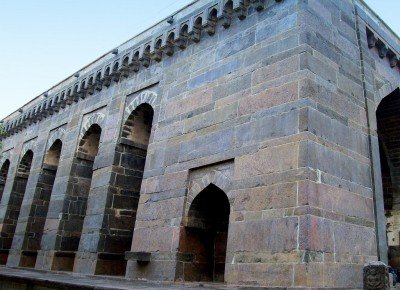
Khush Mahal
Some quick example text to build on the card title and make up the bulk of the card's content.
Go somewhere
Laknavaram Lake
Some quick example text to build on the card title and make up the bulk of the card's content.
Go somewhere
Mallanna Gandi Waterfall'S
Some quick example text to build on the card title and make up the bulk of the card's content.
Go somewhere
Mandalagudem Waterfalls
Some quick example text to build on the card title and make up the bulk of the card's content.
Go somewhere
Mylaram Caves
Some quick example text to build on the card title and make up the bulk of the card's content.
Go somewherein Other Cities