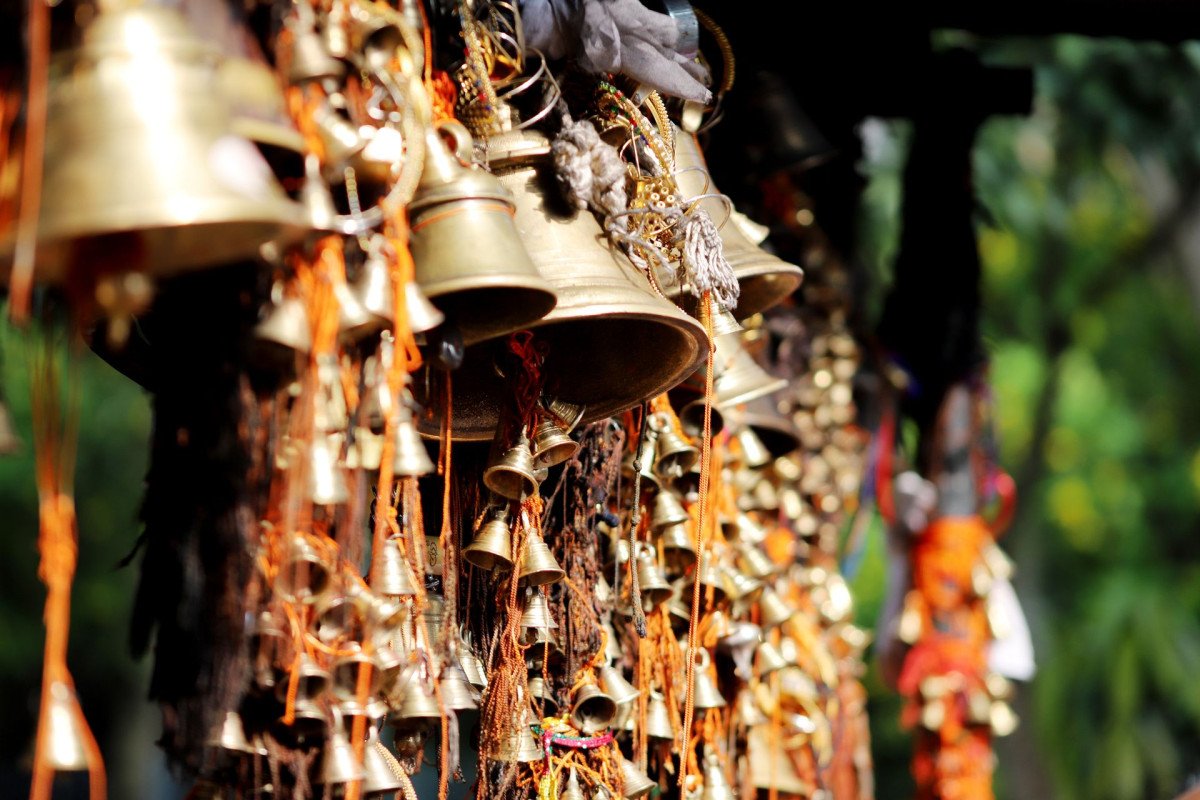
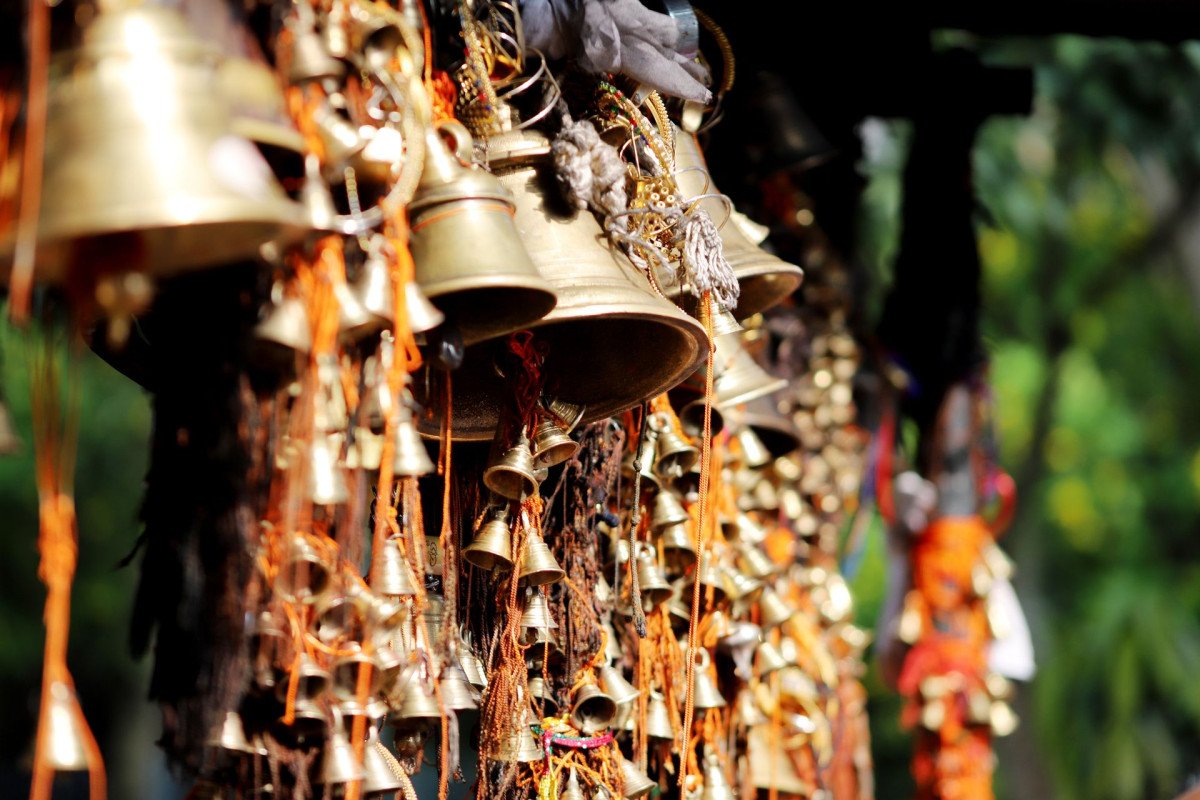
Kameshwar Nath Temple and Ghat
General information
-
Ideal Duration:
2-3 Hours:Place Type:
Religious, Ancient, Pilgrimage, HeritageEntry Fees:
No Entry Fee: Similar to most public temples, there is no mandatory entry ticket or fee to enter the Kameshwar Nath Temple or to visit the Ghat.
Pooja Material Cost: A small, optional expense should be factored in for purchasing items like b...No Entry Fee: Similar to most public temples, there is no mandatory entry ticket or fee to enter the Kameshwar Nath Temple or to visit the Ghat.
Pooja Material Cost: A small, optional expense should be factored in for purchasing items like bel leaves, milk, flowers, and holy threads from vendors, ranging from Rs.20 to Rs.100.
Donations for Maintenance: Visitors are encouraged to make a voluntary donation (daan) towards the upkeep and daily running of the ancient temple, which can be made in the hundi or to the temple trust.
Special Puja Fees: Specific, personalized ritual services or Abhishek performed by the priests may involve a modest requested fee or offering, which should be negotiated politely and respectfully.Timing:
Regular Timings: The temple opens very early, around 4:00 AM, for the first Abhishek and remains open till approximately 1:00 PM, then re-opens from 4:00 PM to 9:00 PM. Timings are extended during the Shravan month.
Ideal Visit Time: The Id...Regular Timings: The temple opens very early, around 4:00 AM, for the first Abhishek and remains open till approximately 1:00 PM, then re-opens from 4:00 PM to 9:00 PM. Timings are extended during the Shravan month.
Ideal Visit Time: The Ideal Visit Time is very early morning (4:30 AM - 7:00 AM) for witnessing the first Abhishek ritual, which is considered highly auspicious, and to avoid the mid-day heat and large crowds.
Shravan Month: During Shravan, the crowds are immense and the temple remains open almost continuously, but the best time for darshan (viewing) is late at night or very early morning.Special Events:
Maha Shivaratri: This is the biggest annual festival (February/March), celebrated with all-night jagrans, special Shiva vivah (marriage) processions, and massive crowds of devotees performing Jalabhishek.
Shravan Month (Saawan): The entire H...Maha Shivaratri: This is the biggest annual festival (February/March), celebrated with all-night jagrans, special Shiva vivah (marriage) processions, and massive crowds of devotees performing Jalabhishek.
Shravan Month (Saawan): The entire Hindu month of Shravan (July/August) is a massive annual event, with the temple and ghat flooded by Kanwaria pilgrims carrying water for Abhishek, making it a truly spectacular sight of collective faith.
Shivaratri (Monthly): The Masik Shivaratri (monthly Shivaratri) is observed with special puja and fasting, offering a less crowded but still devotional experience.Best Photo Spots:
The West-Facing Entrance: A photograph of the main temple entrance, captured in a way that highlights the unique West orientation and the large crowd of devotees, tells the story of the legend.
The Temple Shikhara (Tower): A shot that captur...The West-Facing Entrance: A photograph of the main temple entrance, captured in a way that highlights the unique West orientation and the large crowd of devotees, tells the story of the legend.
The Temple Shikhara (Tower): A shot that captures the intricate carvings of the towering Shikhara over the main sanctum against a clear blue sky, emphasizing the Nagara and regional architecture.
The Ghat and River View: A panoramic shot from the Kameshwar Nath Ghat that captures the vastness of the Ganga River and the steps leading to the water, especially at sunrise or sunset.
The Swayambhu Lingam: A respectful, close-up photograph of the main deity (Shiva Lingam), if permitted by the priests, is the ultimate spiritual photograph for a Shaivite pilgrim.Photo Gallery
Things To Do
-
Perform Jalabhishek: The main ritual is the Jalabhishek—pouring Ganga water (especially if brought from a long distance like Sultanganj) over the Swayambhu Shiva Lingam to seek blessings from Lord Shiva.
Take a Holy Dip at the Ghat: Visit the attached Kameshwar Nath Ghat to take a purifying holy dip in the River Ganga, particularly auspicious during festivals and the month of Shravan.
Attend Temple Rituals: Participate in the morning and evening Aarti and pujas conducted by the temple priests, observing the traditional Shaivite rituals.
Explore Brahmapur Town: Walk around the ancient temple town of Brahmapur, known for its traditional houses and old market, to soak in the local culture that revolves around the temple.
Shop for Ritu...Perform Jalabhishek: The main ritual is the Jalabhishek—pouring Ganga water (especially if brought from a long distance like Sultanganj) over the Swayambhu Shiva Lingam to seek blessings from Lord Shiva.
Take a Holy Dip at the Ghat: Visit the attached Kameshwar Nath Ghat to take a purifying holy dip in the River Ganga, particularly auspicious during festivals and the month of Shravan.
Attend Temple Rituals: Participate in the morning and evening Aarti and pujas conducted by the temple priests, observing the traditional Shaivite rituals.
Explore Brahmapur Town: Walk around the ancient temple town of Brahmapur, known for its traditional houses and old market, to soak in the local culture that revolves around the temple.
Shop for Ritual Items: Purchase Rudraksha beads, bel leaves (sacred to Shiva), and other ritualistic items and local crafts from the vendors surrounding the temple premises.
Meditate at the Temple Complex: Find a quiet spot in the temple courtyard or near the smaller shrines to sit and meditate, utilizing the powerful spiritual energy of this ancient site.
Offer Special Puja in Shravan: If visiting during Shravan, participate in the special, elaborate pujas arranged for the large influx of Shaivite pilgrims, experiencing the fervor of collective devotion.
Information
-
Why Famous:
The West-Facing Entrance Miracle: Its primary fame is attributed to the miraculous West-facing entrance, which is deeply rooted in local folklore and demonstrates the divine power of Lord Shiva.
Swayambhu Shiva Lingam: The central Shiva Ling...The West-Facing Entrance Miracle: Its primary fame is attributed to the miraculous West-facing entrance, which is deeply rooted in local folklore and demonstrates the divine power of Lord Shiva.
Swayambhu Shiva Lingam: The central Shiva Lingam is considered Swayambhu (self-manifested), not man-made, which elevates its spiritual status and draws devoted Shaivites from afar.
Shravan and Maha Shivaratri Pilgrimage: It is a paramount destination during the holy month of Shravan (July/August) and on the festival of Maha Shivaratri (February/March), attracting millions of Kanwarias (pilgrims carrying holy water). -
Architecture:
Unusual West-Facing Architecture: The temple's most unique architectural feature is its West-Facing entrance, which is highly unusual for a major Hindu temple, setting it apart as a monument of divine intervention according to legend.
Architectu...Unusual West-Facing Architecture: The temple's most unique architectural feature is its West-Facing entrance, which is highly unusual for a major Hindu temple, setting it apart as a monument of divine intervention according to legend.
Architectural Style and Materials: The temple exhibits a combination of architectural styles, primarily a blend of regional Nagara and other later styles, featuring stone and brick construction with a tall Shikhara (tower) over the main sanctum. The structure is designed to withstand the test of time and pilgrimage crowds.
Ghat Significance (Ganga-Sone Confluence): The associated Kameshwar Nath Ghat on the River Ganga is significant due to its proximity to the presumed ancient confluence of the Ganga and Sone rivers, making the ghat's ritualistic bath particularly holy. The ghat has steps leading down to the river for easy access.
Courtyard and Subsidiary Shrines: The temple complex includes a spacious courtyard surrounded by smaller subsidiary shrines dedicated to various other Hindu deities, characteristic of a major pilgrimage center, providing a holistic religious experience for the pilgrims. -
How To Reach:
By Air: The Nearest Airport is Patna (PAT) (approx. 150 KM). From Patna, hire a taxi or take a bus towards Buxar and then change towards Brahmapur.
By Train: The Nearest Railway Station is the town's own Brahmapur Railway Station (BPR), wh...By Air: The Nearest Airport is Patna (PAT) (approx. 150 KM). From Patna, hire a taxi or take a bus towards Buxar and then change towards Brahmapur.
By Train: The Nearest Railway Station is the town's own Brahmapur Railway Station (BPR), which is connected to Buxar (BXR) (approx. 30 KM away). From the station, the temple is a short ride by local auto or rickshaw.
By Road: Brahmapur is a well-known stop on the regional road network. State transport buses run frequently from Buxar and other nearby towns like Arrah and Patna. A taxi is the most comfortable option from Buxar city center.
By Local Transport: From Buxar City, the best way is to hire a full-time taxi or a large auto-rickshaw for the round trip, as shared auto services to Brahmapur may not be readily available for tourists and will take significantly longer. -
Weather and Best Time to Visit:
Winter Season (Best): October to March is the Best Time to Visit due to the pleasant and cool weather, which is ideal for spending time at the Ghat and in the open temple complex.
Monsoon Season (Peak): July to September (Shravan Month) is t...Winter Season (Best): October to March is the Best Time to Visit due to the pleasant and cool weather, which is ideal for spending time at the Ghat and in the open temple complex.
Monsoon Season (Peak): July to September (Shravan Month) is the Peak Pilgrimage Season; while the weather is humid, the spiritual fervor is unparalleled, making it a unique experience, despite the massive crowds.
Summer Season (Tough): April to June is hot and uncomfortable; only plan an early morning visit during these months.
Different Parts of the Day: Sunrise at the Kameshwar Nath Ghat is an unmissable experience for its beauty and spiritual tranquility before the main crowds arrive. -
Near Tourist Places:
Buxar Fort Ruins (30 KM), Ramrekha Ghat (30 KM), Chausa Battle Field (15 KM), Ahilya Uddhar (35 KM), Bihari Ji Temple (45 KM), Naulakha Mandir (35 KM), Ram Janaki Temple (32 KM), Arrah (50 KM), Patna (150 KM), Ghazipur (40 KM).
Tourism Tips
-
Health & safety: Be extremely cautious when taking a bath at the Ghat; the river currents can be strong, especially during monsoon. Avoid venturing far from the steps. Dress modestly.
Packing: Carry your own bottle for collecting Ganga ja...Health & safety: Be extremely cautious when taking a bath at the Ghat; the river currents can be strong, especially during monsoon. Avoid venturing far from the steps. Dress modestly.
Packing: Carry your own bottle for collecting Ganga jal (holy water). A towel and a change of clothes are necessary if you plan to bathe at the Ghat. Carry cash for donations and small purchases.
Accommodation: Accommodation is very basic in Brahmapur. It is highly recommended to stay in Buxar City (30 KM away) and plan an early morning day trip to the temple.
Other Tips: Be prepared for major traffic congestion and massive crowds during Shravan month. It is customary to purchase bel leaves for the Abhishek; buy them from vendors outside the temple.
Reviews
FAQs
Buxar Itineray And Cost:-
Kameshwar Nath Temple and Ghat Tourism:-
Information about New and Updated Locations() of Bihar Has Been Added :-
Card subtitle
Note:-
Information provided here in good Faith and for reference only.
All information and pictures will be updated soon, please keep visiting.
Near Places

Ahilya Uddhar
Some quick example text to build on the card title and make up the bulk of the card's content.
Go somewhere
Bihari Ji Temple
Some quick example text to build on the card title and make up the bulk of the card's content.
Go somewhere
Brahmeshwar Nath Temple and Ghat
Some quick example text to build on the card title and make up the bulk of the card's content.
Go somewhere
Brahmeshwar Nath Temple
Some quick example text to build on the card title and make up the bulk of the card's content.
Go somewhere
Buxar Fort
Some quick example text to build on the card title and make up the bulk of the card's content.
Go somewhere
Chausa Battle Field
Some quick example text to build on the card title and make up the bulk of the card's content.
Go somewhere
Kameshwar Nath Temple and Ghat
Some quick example text to build on the card title and make up the bulk of the card's content.
Go somewhere
Katkauli ka Maidan
Some quick example text to build on the card title and make up the bulk of the card's content.
Go somewhere
Nath Baba Temple
Some quick example text to build on the card title and make up the bulk of the card's content.
Go somewhere
Naulakha Mandir
Some quick example text to build on the card title and make up the bulk of the card's content.
Go somewherein Other Cities