Kanger Valley National Park
General information
-
Ideal Duration:
4-8 Hours (Full Day Trip from Jagdalpur):Place Type:
National Park, Biodiversity Reserve, Cave SystemEntry Fees:
Mandatory Entry Fee: Entry requires payment at the Kotumsar Naka (Checkpost). Fees vary for Indians and Foreign Nationals.
Indian National Fees (Approximate):
Adult: Rs.100-Rs.20...Mandatory Entry Fee: Entry requires payment at the Kotumsar Naka (Checkpost). Fees vary for Indians and Foreign Nationals.
Indian National Fees (Approximate):
Adult: Rs.100-Rs.200.
Child: Rs.50-Rs.100.
Light Vehicle: Rs.150-Rs.300.
Mandatory Guide Fee: Rs.300-Rs.500 (per group/vehicle).
Foreign National Fees (Approximate):
Adult: Rs.300-Rs.500.
Still Camera: Rs.50-Rs.100.
Video Camera: Rs.300-Rs.500. The mandatory guide fee is crucial for safety and ecological awareness. The collective revenue supports park management, tribal livelihoods, and conservation efforts. Ensure you carry enough cash, as card payment facilities are often unavailable at the remote checkposts.Timing:
Regular Timings: The park is open from 8:00 AM to 4:00 PM daily. No entry is permitted after 4:00 PM, and all visitors must exit by sunset.
Ideal Visit Time: The park visit requires a full day. Start early (get to the gate by 8:30 AM) to m...Regular Timings: The park is open from 8:00 AM to 4:00 PM daily. No entry is permitted after 4:00 PM, and all visitors must exit by sunset.
Ideal Visit Time: The park visit requires a full day. Start early (get to the gate by 8:30 AM) to maximize the experience. Early morning is also the best time for wildlife sighting.
Closure Period: The park is closed during the core monsoon season (July 1st to October 31st) due to heavy rainfall, rising river levels, and for animal breeding cycles. Always confirm the reopening date, which is typically around November 1st.Special Events:
Bastar Dussehra Chariot Wood Collection: While the main festival is in Jagdalpur, the park plays a vital role. The tradition involves a ceremony for the ceremonial collection of the wood needed to construct the massive Dussehra chariots from the park's forest area. This ty...Bastar Dussehra Chariot Wood Collection: While the main festival is in Jagdalpur, the park plays a vital role. The tradition involves a ceremony for the ceremonial collection of the wood needed to construct the massive Dussehra chariots from the park's forest area. This typically happens a few months before the main festival and is a significant tribal ritual, connecting the forest's resources to the capital's cultural life.
Wildlife Week and Conservation Camps: The park organizes events and nature camps during Wildlife Week (First week of October) to promote conservation awareness. These events often include guided nature walks, talks by forest officials, and educational programs for students, offering a different, specialized way to experience the park.Best Photo Spots:
Tirathgarh Falls Multi-Tier View: The best shot is from the dedicated viewing platform, capturing all three major tiers of the waterfall cascade. Use a wide-angle lens to capture the full height and width, particularly during the post-monsoon flow.
Read MoreTirathgarh Falls Multi-Tier View: The best shot is from the dedicated viewing platform, capturing all three major tiers of the waterfall cascade. Use a wide-angle lens to capture the full height and width, particularly during the post-monsoon flow.
Kutumsar Cave Formations: Interior shots of the huge stalactite and stalagmite formations, focusing on the Shivalinga-shaped stalagmite and the overall scale of the chamber. A tripod and good lighting are essential (only with guide permission).
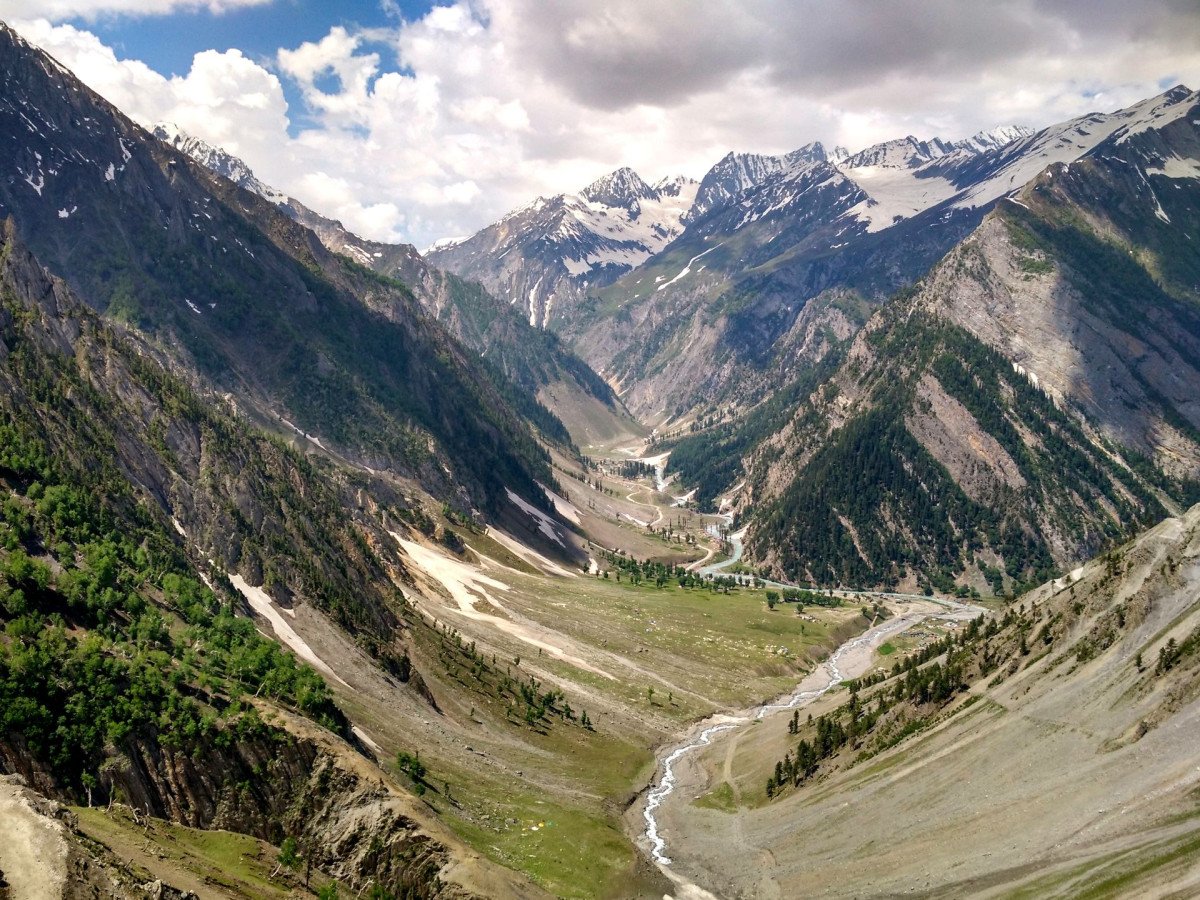
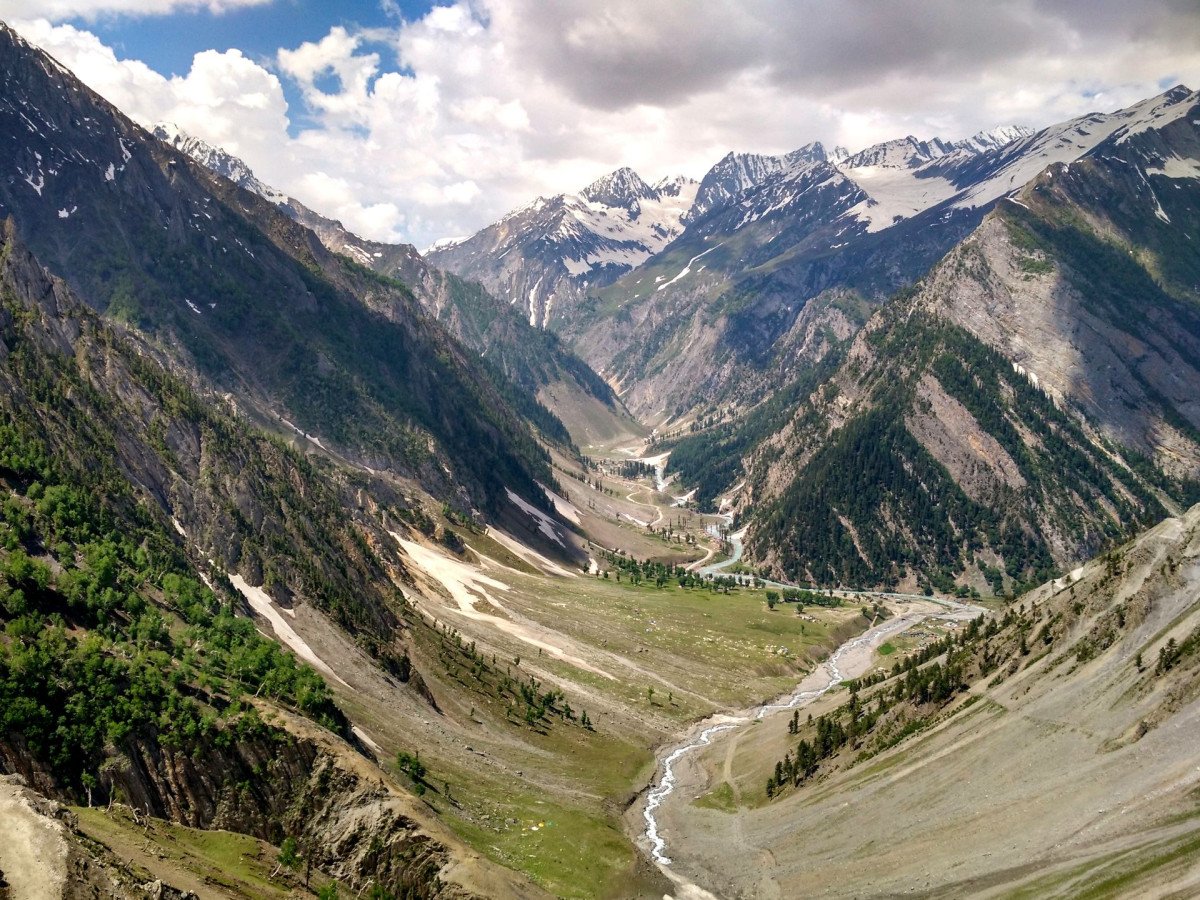
Kanger River Gorge: Landscape shots capturing the deep, V-shaped gorges carved by the Kanger River, showcasing the steep valley sides and the dense forest cover. Best taken from a high vantage point or specific viewpoints within the park.
Wildlife and Birding: Patiently waiting for and capturing shots of the park's diverse birdlife, especially the Hill Myna, or a distant shot of the Bison (Gaur). This requires a telephoto lens and utmost silence.Photo Gallery
Things To Do
-
Wildlife, Caves, and Water Exploration:
Cave Exploration (Kutumsar & Kailash): This is a non-negotiable activity. Venture deep into the earth with a mandatory guide to explore the awe-inspiring limestone Kutumsar and Kailash Caves. Marvel at the millennia-old stalactite and stalagmite formations, which often resemble religious idols or mythological figures. Look for the unique Blind Fish in the subterranean pools of Kutumsar.
Visit Tirathgarh and Kanger Dhara Waterfalls: Witness the majestic, tiered spectacle of the Tirathgarh Waterfalls, where the Kanger River plummets in multiple steps. Follow this with a visit to the gentler, rocky cascade of Kanger Dhara. Both are best seen post-monsoon and offer fantastic photographic opportunities and refreshing breaks.
Jun...Wildlife, Caves, and Water Exploration:
Cave Exploration (Kutumsar & Kailash): This is a non-negotiable activity. Venture deep into the earth with a mandatory guide to explore the awe-inspiring limestone Kutumsar and Kailash Caves. Marvel at the millennia-old stalactite and stalagmite formations, which often resemble religious idols or mythological figures. Look for the unique Blind Fish in the subterranean pools of Kutumsar.
Visit Tirathgarh and Kanger Dhara Waterfalls: Witness the majestic, tiered spectacle of the Tirathgarh Waterfalls, where the Kanger River plummets in multiple steps. Follow this with a visit to the gentler, rocky cascade of Kanger Dhara. Both are best seen post-monsoon and offer fantastic photographic opportunities and refreshing breaks.
Jungle Safari/Wildlife Spotting: Although not a traditional African-style safari, the park offers jeep safaris and guided drives along the park roads. The aim is to spot animals like the Bison (Gaur), Barking Deer, Sambhar, and if extremely lucky, a Leopard or Tiger. The focus is more on the dense forest environment and birdlife.
Birdwatching and Nature Trails: Dedicate time to the designated nature trails (e. g. , near Tirathgarh) to spot the diverse avifauna. Look for the elusive Hill Myna, Red Jungle Fowl, Spotted Owl, and various migratory birds during winter. The trails are excellent for studying the unique transition zone flora (Sal and Teak).
Bamboo Rafting (Seasonal): The park has, on occasion, introduced eco-friendly activities like Bamboo Rafting on a safe stretch of the Kanger River. Inquire locally about its availability, as it offers a unique, serene perspective of the valley from the water level.
Photography:
The park offers endless subjects: macro shots of flora, landscape views of the valley, and the dramatic scenes of the waterfalls and caves. Capture the sheer scale of the rock formations and the dense forest canopy.
Ecotourism Engagement: Talk to the local tribal guides. They are a wealth of knowledge about the park's ecosystem, local folklore, and traditional medicinal plants, enhancing the overall learning experience.
Information
-
Why Famous:
Caves and Waterfalls: The park's fame is inextricably linked to the trifecta of natural wonders it hosts: the multi-tiered, majestic Tirathgarh Waterfalls, the picturesque Kanger Dhara cascade, and the incredible subterranean limestone caves, particularly Kutumsar and Kailas...Caves and Waterfalls: The park's fame is inextricably linked to the trifecta of natural wonders it hosts: the multi-tiered, majestic Tirathgarh Waterfalls, the picturesque Kanger Dhara cascade, and the incredible subterranean limestone caves, particularly Kutumsar and Kailash Caves, which feature unique geological formations (stalactites and stalagmites) and specialized fauna (blind fish).
Habitat of the Hill Myna: The park is the prime habitat for the Hill Myna (Gracula religiosa peninsularis), the state bird of Chhattisgarh, famous for its ability to mimic human speech. The park is one of the last remaining pockets in Central India where this rare bird can be spotted, making it a critical site for ornithologists.
Ecological Significance: Recognized as a biosphere reserve, the park represents a vital ecosystem, being the only region in peninsular India with pockets of virgin forest and acting as a unique transition zone between the Sal and Teak forests, leading to exceptional biodiversity. -
Architecture:
A Natural Architectural Masterpiece: The "architecture" of the Kanger Valley National Park is its diverse natural topology, spanning an altitude of 338 to 781 meters above mean sea level. The defining natural architectural feature is the valley itself, approximately 33. 5 K...A Natural Architectural Masterpiece: The "architecture" of the Kanger Valley National Park is its diverse natural topology, spanning an altitude of 338 to 781 meters above mean sea level. The defining natural architectural feature is the valley itself, approximately 33. 5 KMS long and about 6 KMS wide, carved by the Kanger River through deep gorges, resulting in very steep valley walls.
Geological Structure and Cave Systems: The park is a geological hotspot, marked by the presence of subterranean limestone caves, a type of Karst topography. The caves (Kutumsar, Kailash, Dandak) are natural architectural wonders. Kutumsar Cave, for instance, is approximately 200 meters long (accessible path) and 40 meters deep, consisting of five irregular chambers. The creation of the thousands of stalactites (hanging from the roof) and stalagmites (rising from the floor) over millennia is an ongoing natural architectural process of mineral deposition from dripping water. The rocks are a complex mix of the Vindhyan and Cuddapah groups (sandstone, granite, shale).
Man-Made Structures: Man-made architecture is minimal and functional, primarily focused on conservation and tourism management: check posts, guide huts, eco-tourism resorts near the entrance, and the concrete paths and lighting installed inside the major caves for visitor safety and access. The structures respect the natural environment. -
How To Reach:
By Air: The nearest airport is Jagdalpur Airport (JGB). From Jagdalpur, hire a dedicated private taxi (best option) for the 27 KMS drive to the park entrance (Kotumsar Naka) on the Jagdalpur-Konta National Highway. The drive takes about 45 minutes to 1 hour.By Air: The nearest airport is Jagdalpur Airport (JGB). From Jagdalpur, hire a dedicated private taxi (best option) for the 27 KMS drive to the park entrance (Kotumsar Naka) on the Jagdalpur-Konta National Highway. The drive takes about 45 minutes to 1 hour.
By Train: The closest railway station is Jagdalpur Railway Station (JDP). From the station, hire a private taxi. The drive is about 1 hour.
By Road: The park is directly accessible via the Jagdalpur-Konta Road (National Highway). The main entry point is the Kotumsar Naka. The road is generally motorable. Self-driving is possible, but a local driver is recommended due to the remoteness and the need for a guide upon entry. From Jagdalpur, follow the signs towards Tirathgarh and Kutumsar.
By Local Transport: Shared local transport is infrequent and unreliable for tourists. A pre-booked private cab is the most reliable, safest, and most flexible option for a full-day park tour, allowing you to cover the caves, Kanger Dhara, and Tirathgarh Falls efficiently. -
Weather and Best Time to Visit:
Different Types of Seasons:
Winter Season (November to February): This is the Absolute Best Time to Visit. The weather is perfectly cool (10Rs.C to 25Rs.C) for trekking, safaris, and cave exploration. The park is fully open, and this is the mai...Different Types of Seasons:
Winter Season (November to February): This is the Absolute Best Time to Visit. The weather is perfectly cool (10Rs.C to 25Rs.C) for trekking, safaris, and cave exploration. The park is fully open, and this is the main tourist season.
Summer Season (March to June): This is the Least Recommended Time. Temperatures are extremely high, and the dry forest makes wildlife spotting difficult. The water bodies are reduced, diminishing the waterfall experience.
Post-Monsoon (November): The park reopens, and the greenery is lush, with the waterfalls in their full glory. This narrow window is excellent for nature photography.
Different Parts of the Day: Ideal Visit Time is the early morning (8:00 AM entry) to catch the wildlife and the cool air for cave exploration before the heat sets in. The caves are naturally cooler and offer relief during the day. -
Near Tourist Places:
Kutumsar Caves (5 KMS), Tirathgarh Falls (2 KMS), Kanger Dhara (on route), Kailash Caves (5 KMS), Dandak Caves (6 KMS), Jagdalpur City (27 KMS), Chitrakote Falls (30 KMS), Tamdha Ghumar Waterfalls (40 KMS), Mendri Ghumar Waterfall (45 KMS), Dalpat Sagar Lake (28 KMS).
Tourism Tips
-
Health & safety:
Mandatory Guide: Never enter without a guide. This is for your safety and the park's integrity. Wear sturdy, non-slip footwear, especially for the caves and waterfalls. Carry all necessary medication, as there are no facil...Health & safety:
Mandatory Guide: Never enter without a guide. This is for your safety and the park's integrity. Wear sturdy, non-slip footwear, especially for the caves and waterfalls. Carry all necessary medication, as there are no facilities inside the park.
Packing: Dress in earth-toned, non-bright clothing for wildlife observation. Carry a powerful flashlight/torch for the caves, as the installed lighting can be dim in places. Carry insect repellent.
Accommodation: Stay in Jagdalpur (best base) or at the handful of eco-resorts near the park gates. Booking in advance is crucial, especially in peak winter.
Other Different Topics heading:
Permits and Entry: Get your permits at the checkpost. It is mandatory to hire a local tribal guide at the gate. Be patient with the formalities.
Ecotourism: Do not leave any plastic or trash. Smoking and alcohol are strictly prohibited. Maintain silence to respect the wildlife and enhance your chances of spotting birds. Photography is regulated.
Reviews
FAQs
Jagdalpur Itineray And Cost:-
Kanger Valley National Park Tourism:-
Information about New and Updated Locations() of Chhattisgarh Has Been Added :-
Card subtitle
Note:-
Information provided here in good Faith and for reference only.
All information and pictures will be updated soon, please keep visiting.
Near Places
Anthropological Museum
Some quick example text to build on the card title and make up the bulk of the card's content.
Go somewhere
Archaeological Museum
Some quick example text to build on the card title and make up the bulk of the card's content.
Go somewhere
Bastar Palace
Some quick example text to build on the card title and make up the bulk of the card's content.
Go somewhere
Chitradhara Waterfalls
Some quick example text to build on the card title and make up the bulk of the card's content.
Go somewhere
Chitrakote Falls
Some quick example text to build on the card title and make up the bulk of the card's content.
Go somewhere
Dalpat Sagar Lake
Some quick example text to build on the card title and make up the bulk of the card's content.
Go somewhere
Dandak Caves
Some quick example text to build on the card title and make up the bulk of the card's content.
Go somewhere
Danteshwari Temple
Some quick example text to build on the card title and make up the bulk of the card's content.
Go somewhere
Jagdalpur
Some quick example text to build on the card title and make up the bulk of the card's content.
Go somewhere
Kanger Dhara
Some quick example text to build on the card title and make up the bulk of the card's content.
Go somewherein Other Cities