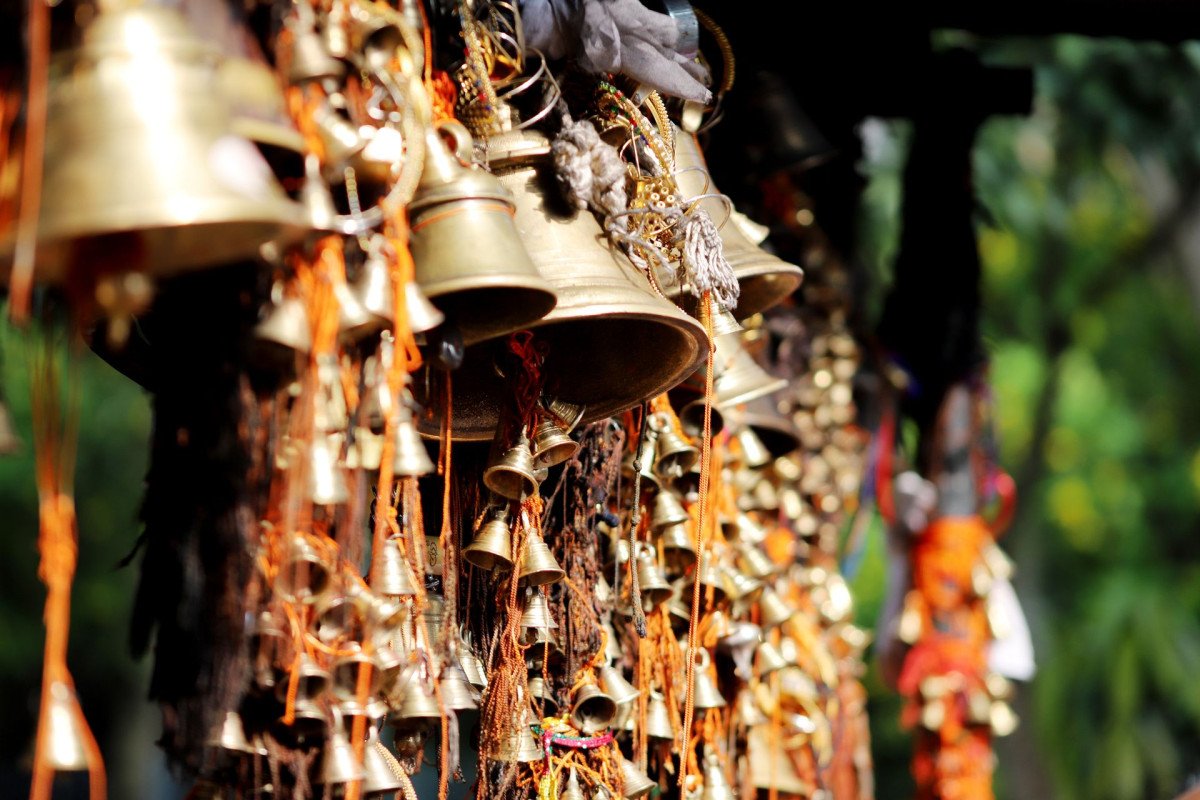
Khajji Nag Temple
General information
-
Ideal Duration:
1 Hour (For Darshan and Exploration):Place Type:
Pilgrimage, History, and Architecture:Entry Fees:
Entry is Free: There is no entry fee to visit the Khajji Nag Temple itself, as it is a place of worship and pilgrimage.
Donation Etiquette: Voluntary donations are welcome and encouraged in the designated offering boxes to support the temple...Entry is Free: There is no entry fee to visit the Khajji Nag Temple itself, as it is a place of worship and pilgrimage.
Donation Etiquette: Voluntary donations are welcome and encouraged in the designated offering boxes to support the temple's maintenance and daily rituals. Tourists are expected to respect the sanctity of the place.
Photography Charges: While usually free outside, it is crucial to check with the temple authorities regarding any prohibition or minor charges for photography inside the inner sanctum (Garbagriha), although interior photography is often restricted out of respect.
Mandatory Offerings: While not a fee, devotees often purchase small offerings (flowers, coconut, red cloth, or milk) from vendors outside to present to the deity, typically costing between Rs.50 and Rs.200.Timing:
Regular Timings: Open daily, generally from 6:00 AM to 8:00 PM.
Ideal Visit Time: Early morning (6:00 AM - 10:00 AM) for a serene, less crowded experience, allowing for peaceful prayer and clearer photography light before the main tourist ru...Regular Timings: Open daily, generally from 6:00 AM to 8:00 PM.
Ideal Visit Time: Early morning (6:00 AM - 10:00 AM) for a serene, less crowded experience, allowing for peaceful prayer and clearer photography light before the main tourist rush begins.
Mid-day Rush: Expect higher crowds between 11:00 AM and 4:00 PM, especially on weekends and during the peak summer season (May-June).
Special Festival Times: Timings may be extended during major festivals like Nag Panchami for evening rituals and aarti.Special Events:
Nag Panchami Festival: The most significant special event is Nag Panchami (usually in July or August), dedicated to the Serpent God. It is celebrated with great zeal, featuring special pujas, rituals, offerings of milk, folk music, and community gatherings, drawing devotees...Nag Panchami Festival: The most significant special event is Nag Panchami (usually in July or August), dedicated to the Serpent God. It is celebrated with great zeal, featuring special pujas, rituals, offerings of milk, folk music, and community gatherings, drawing devotees from the entire Chamba district and beyond.
Temple Fairs: Local fairs are occasionally held on the banks of Khajjiar Lake adjacent to the temple, coinciding with major Hindu months like Navratri or Dussehra, featuring local art and crafts, food stalls, and cultural performances.Best Photo Spots:
Golden Dome Against the Deodar Backdrop: The best spot is a slight elevation on the main Khajjiar meadow, capturing the golden dome and spire set against the dark green curtain of the surrounding deodar forest.
The Temple's Reflection in Khajjia...Golden Dome Against the Deodar Backdrop: The best spot is a slight elevation on the main Khajjiar meadow, capturing the golden dome and spire set against the dark green curtain of the surrounding deodar forest.
The Temple's Reflection in Khajjiar Lake: Early morning or late afternoon shots from the lake edge that capture the temple's reflection in the tranquil water (if the lake water level is sufficient).
The Carved Wooden Doorway: Close-up photography of the intricate wooden carvings on the temple façade and the doorway, highlighting the artistic detail of the Pahari craftsmanship.
The Pandava Statues: Interior photos (if allowed) focusing on the wooden sculptures of the five Pandava brothers in the Mandapam corners.Photo Gallery
Things To Do
-
Seeking Blessings of the Serpent God: Perform darshan and offer prayers to Khajji Nag for protection and good fortune, especially for those seeking fertility or safety from misfortune.
Architectural Study and Photography: Spend time examining and photographing the unique Hindu-Mughal-Pahari fusion architecture and the detailed wooden carvings depicting the Mahabharata scenes.
Circumambulation (Parikrama): Walk respectfully around the temple complex (Parikrama), which offers different perspectives of the structure and the surrounding meadow/lake area.
Experiencing Local Rituals: If visiting during a minor local festival, observe the traditional worship practices, which are unique to the Chamba valley.
Meditation and Quiet Reflection:<...Seeking Blessings of the Serpent God: Perform darshan and offer prayers to Khajji Nag for protection and good fortune, especially for those seeking fertility or safety from misfortune.
Architectural Study and Photography: Spend time examining and photographing the unique Hindu-Mughal-Pahari fusion architecture and the detailed wooden carvings depicting the Mahabharata scenes.
Circumambulation (Parikrama): Walk respectfully around the temple complex (Parikrama), which offers different perspectives of the structure and the surrounding meadow/lake area.
Experiencing Local Rituals: If visiting during a minor local festival, observe the traditional worship practices, which are unique to the Chamba valley.
Meditation and Quiet Reflection: The cedar-shaded courtyard near the temple is a tranquil spot for meditation, offering a break from the main tourist area.
Learning Local Lore: Speak to the temple priests or local vendors about the legends and myths associated with the Serpent God and the founding of the temple.
Lighting a Lamp: Participating in the small ritual of lighting an oil lamp (diya) at the designated spot.
Information
-
Why Famous:
The Serpent Deity and Golden Dome: The temple is famous for being dedicated to Khajji Nag, the Serpent God, a deity rarely the focus of such a prominent, ancient shrine. Its alternative name, Golden Devi Temple, stems from its gilded spire and dome, which shimmer against th...The Serpent Deity and Golden Dome: The temple is famous for being dedicated to Khajji Nag, the Serpent God, a deity rarely the focus of such a prominent, ancient shrine. Its alternative name, Golden Devi Temple, stems from its gilded spire and dome, which shimmer against the green meadow, making it an iconic, recognizable structure in Khajjiar.
Mythological Connection to the Mahabharata: The presence of intricate wooden carvings and wooden images of the Pandavas and Kauravas links the temple directly to the epic, attracting history and mythology enthusiasts. Local legend suggests the Pandavas visited the area during their exile.
Preservation of Ancient Rituals: For a long time, the temple was famous (or infamous) for the practice of traditional goat sacrifice (bali), a very ancient, though increasingly phased-out, ritual that highlighted its deep-rooted, primal connection to local mountain faith and deities. -
Architecture:
Unique Hindu-Mughal-Pahari Fusion: The temple's most defining architectural feature is its syncretic style, combining the native Pahari (sloping roof, local slate) structure with intricate wooden carvings influenced by Hindu iconography and Mughal artistic finesse.
<...Unique Hindu-Mughal-Pahari Fusion: The temple's most defining architectural feature is its syncretic style, combining the native Pahari (sloping roof, local slate) structure with intricate wooden carvings influenced by Hindu iconography and Mughal artistic finesse.
Wooden Carvings and Pandava Depictions: The entire structure is primarily built with local deodar wood. The ceiling and wooden posts are intricately carved with scenes from the epic Mahabharata, notably depicting the Pandavas and the Kauravas playing a game of dice. Wooden statues of the five Pandava brothers are positioned in the Mandapam (hall) corners.
Dimension and Golden Dome: The temple has a modest footprint, typically less than 30 x 30 feet in area, with a distinctive, multi-tiered structure culminating in a golden dome and spire, giving it the moniker Golden Devi Temple. The use of slate for the roof and local stone for the foundation ensures durability against the mountain weather, while the golden elements provide spiritual grandeur. -
How To Reach:
By Air: Nearest airport is Gaggal Airport (Dharamshala), approximately 130 KMS away. From the airport, hire a pre-booked taxi or take a bus to Khajjiar.
By Train: Nearest major railhead is Pathankot Junction (Punjab), approximately 95-100 K...By Air: Nearest airport is Gaggal Airport (Dharamshala), approximately 130 KMS away. From the airport, hire a pre-booked taxi or take a bus to Khajjiar.
By Train: Nearest major railhead is Pathankot Junction (Punjab), approximately 95-100 KMS away. From Pathankot, take a private taxi or a state bus (HRTC) that runs services to Chamba or Dalhousie via Khajjiar.
By Road: Khajjiar is excellently connected by road. Regular bus services (HRTC) and private taxis are readily available from Dalhousie (22 KMS) and Chamba (22 KMS). The road is motorable and well-maintained for most of the year.
By Local Transport: The temple is located right beside the main Khajjiar meadow. Most travelers walk from their parking spot or accommodation around the lake. It is a very short walk (less than 5 minutes) from the main tourist/parking area. -
Weather and Best Time to Visit:
Different Seasons: Spring (March to May) and Autumn (September to November) offer the most pleasant weather for a visit. Winter (December to February) provides a magical, snow-covered view of the golden dome, but can be extremely cold.
Differen...Different Seasons: Spring (March to May) and Autumn (September to November) offer the most pleasant weather for a visit. Winter (December to February) provides a magical, snow-covered view of the golden dome, but can be extremely cold.
Different Parts of the Day: Sunrise for the peaceful atmosphere and a beautiful photograph of the golden dome. Evening for a quiet moment of reflection, as the light dims and the crowds dissipate. -
Near Tourist Places:
Khajjiar Lake (0. 1 KMS) <> Khajjiar Meadows (0. 1 KMS) <> Panch Pandav Tree (0. 5 KMS) <> Lord Shiva Statue (1. 5 KMS) <> Nine-Hole Golf Course (0. 5 KMS) <> Tibetan Handicrafts Centre (0. 8 KMS) <> Kailash Villages (Rota, Ladi) (2. 5 KMS) <> Kalatop Wildlife Sanctuary (6 KMS) <> Dainkund Peak (12 KMS) <> Dalhousie (22 KMS)
Tourism Tips
-
Health & Safety: Dress modestly (covering shoulders and legs) out of respect for the religious site. Remove your footwear before entering the temple premises.
Packing: Carry a small bag to keep your shoes. Photography inside the inner sanc...Health & Safety: Dress modestly (covering shoulders and legs) out of respect for the religious site. Remove your footwear before entering the temple premises.
Packing: Carry a small bag to keep your shoes. Photography inside the inner sanctum is often prohibited; check and respect the rules.
Accommodation: Stay in the many hotels/resorts right around the Khajjiar meadow, which are within walking distance of the temple.
Other Different Topics: Maintain silence and respect the devotees. Do not touch or lean on the ancient wooden carvings. Be mindful of personal belongings in crowded areas during festival times.
Reviews
FAQs
Khajjiar Itineray And Cost:-
Khajji Nag Temple Tourism:-
Information about New and Updated Locations() of Himachal Pradesh Has Been Added :-
Card subtitle
Note:-
Information provided here in good Faith and for reference only.
All information and pictures will be updated soon, please keep visiting.
Near Places
Kailash Villages
Some quick example text to build on the card title and make up the bulk of the card's content.
Go somewhere
Khajji Nag Temple
Some quick example text to build on the card title and make up the bulk of the card's content.
Go somewhere
Khajjiar Lake
Some quick example text to build on the card title and make up the bulk of the card's content.
Go somewhere
Khajjiar Meadows
Some quick example text to build on the card title and make up the bulk of the card's content.
Go somewhere
Khajjiar Trek
Some quick example text to build on the card title and make up the bulk of the card's content.
Go somewhere
Lord Shiva Statue
Some quick example text to build on the card title and make up the bulk of the card's content.
Go somewhere
Nine-Hole Golf Course
Some quick example text to build on the card title and make up the bulk of the card's content.
Go somewhere
Panch Pandav Tree
Some quick example text to build on the card title and make up the bulk of the card's content.
Go somewhere
Tibetan Handicrafts Centre
Some quick example text to build on the card title and make up the bulk of the card's content.
Go somewherein Other Cities